
Reviewed · TOURS IN OSAKA
Osaka: Kyoto & Uji Historical Sites and Scenic Delights Tour
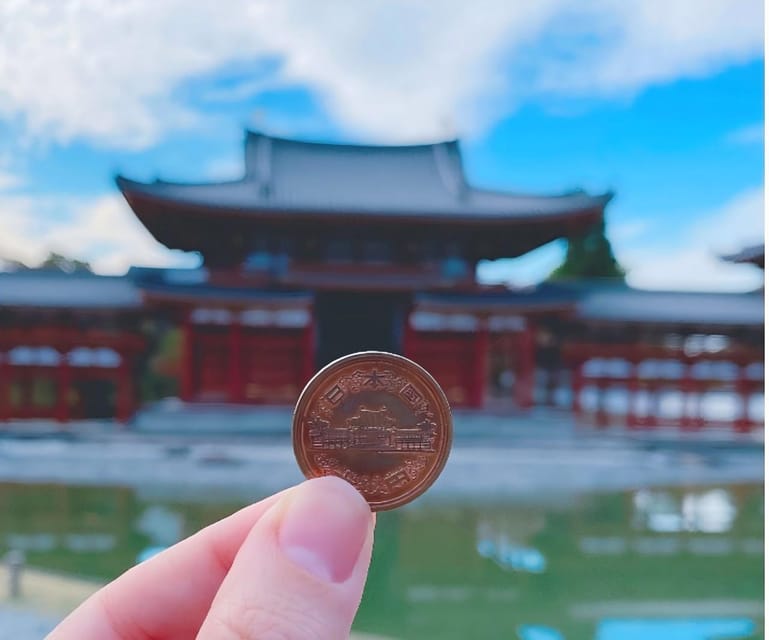
Kyoto’s Golden Pavilion and Kiyomizu-dera make this a big sightseeing day for a modest price. You also get Uji, where the Phoenix Hall at Byodo-in appears on Japan’s ten-yen coin. That mix of famous temples, old lanes, tea shops, and river views gives you a good first look at two of Japan’s most visited cultural centers.
I like the simple transport from Osaka, since fitting Kyoto and Uji into one day by yourself takes careful planning. I also like the free time at each stop, which lets you choose between temple visits, photographs, snacks, shopping, or a slower walk. The main drawback is the schedule: ten hours, several major sights, and busy roads can make the day feel rushed, especially at Kiyomizu-dera and Ninenzaka.
Key points at a glance
- Three major temple stops: See Kinkaku-ji, Kiyomizu-dera, and Byodo-in in one day.
- A useful Osaka base: Depart from Osaka at 8:00 AM, with transport included to Kyoto and Uji.
- Flexible return: Get off in Kyoto or continue to Osaka at the end of the day.
- Uji adds a different mood: Walk beside the Uji River, visit Uji Shrine, and explore the home of matcha.
- Free time matters: Most sightseeing is self-guided, so you can set your own pace within each stop.
- Amy is a strong guide option: A multilingual guide named Amy has been praised for her history notes and practical recommendations.
Why this day trip works from Osaka
For $54 per person, this tour is priced as an efficient sightseeing ride rather than a private, in-depth temple seminar. Your fee covers round-trip transport from the meeting point, an air-conditioned vehicle, an English-speaking guide, parking, tolls, fuel, taxes, and environmental fees.
That matters in Japan, where Kyoto’s most famous sights are spread across different areas. Kinkaku-ji sits in northern Kyoto, Kiyomizu-dera is on the eastern side, and Uji is south of the city. Using one vehicle saves you from piecing together several train and bus connections.
The tradeoff is independence. You are not paying for a private driver or a fully guided walk at every temple. Much of the sightseeing is self-guided, so you need to listen carefully to meeting instructions and return on time. I see this as a good fit if you want transportation and structure but still prefer to explore on your own.
You can board in Osaka at 8:00 AM or in Kyoto at 9:00 AM, depending on the option you choose. Arrive 15 minutes early. The exact meeting point depends on your booking choice, and it cannot be changed on the day itself.
Other experiences people book in Osaka:
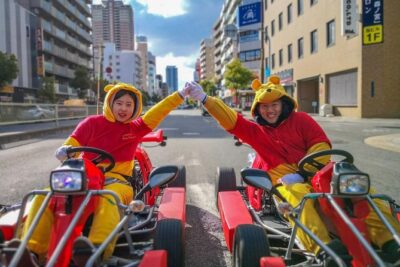
- Osaka Go Karting Tour with Funny Costume
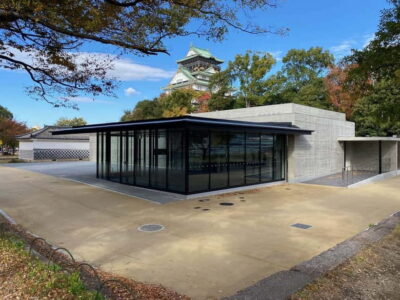
★ 5.0 · 2,658 reviews - Osaka Castle: Museum and Tower Entry Ticket
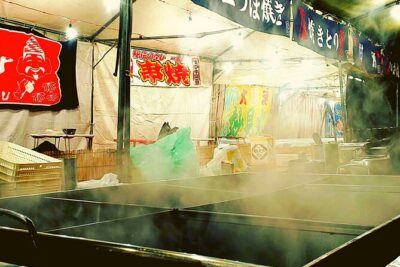
★ 4.5 · 2,380 reviews - Osaka: Shinsekai Food Tour with 13-15 Dishes at 5 Eateries
★ 4.8 · 2,204 reviews
Kinkaku-ji and the famous Golden Pavilion
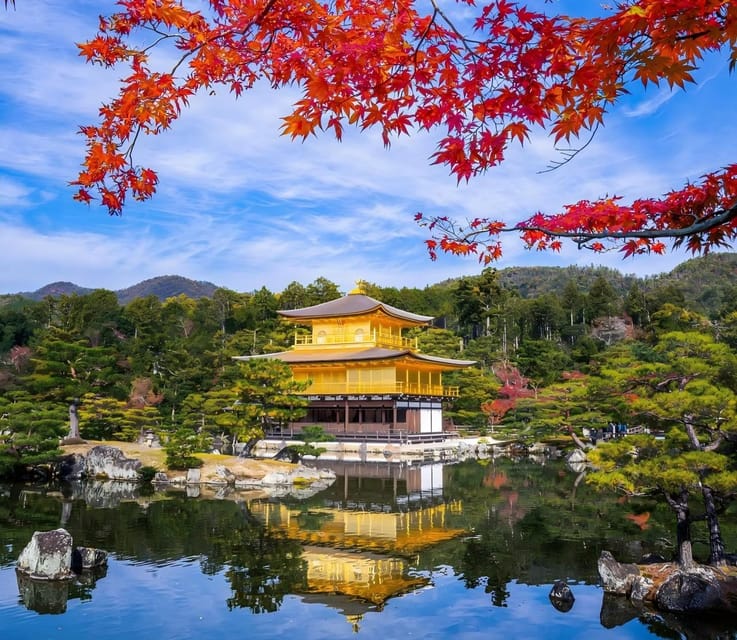
The day’s first main sight is Kinkaku-ji, better known as the Golden Pavilion. Its gold-leaf-covered Shariden Hall reflects in the pond, creating one of Kyoto’s most recognizable views. The temple has been a UNESCO World Heritage Site since 1994.
The stop lasts about 40 minutes, so you should expect a focused visit rather than a long temple walk. This is enough time to see the pavilion, take photographs, and follow the permitted route through the garden area, but it leaves little room for lingering.
The pavilion is a working religious site, not just a picture spot. You cannot treat the building as an indoor museum visit, and the most famous view comes from outside across the water. Your guide can provide context, but the time is mainly yours to explore and photograph.
Admission is not included, so plan for that additional cost. The same applies to Kiyomizu-dera and Byodo-in. The tour price remains low even with those separate admissions, but you should budget for them before you go.
Kiyomizu-dera and Kyoto from the wooden stage
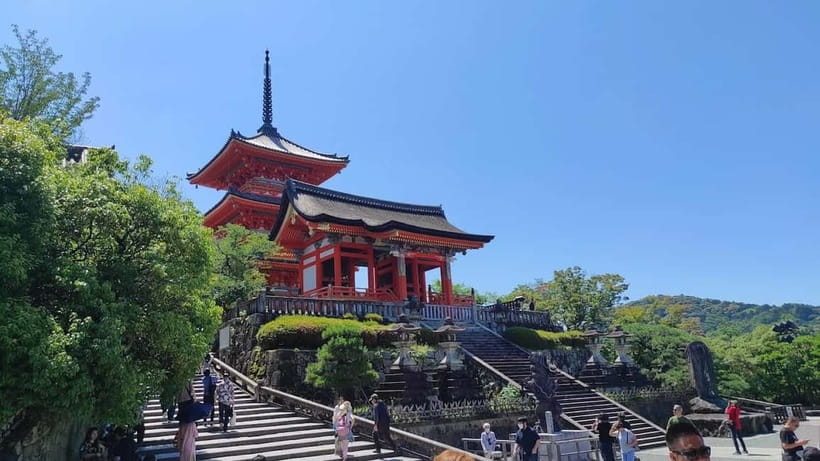
Kiyomizu-dera is the longest stop, with about two hours and 40 minutes assigned to the area. That extra time is useful because the temple grounds, approach streets, and nearby attractions can take much longer than a quick photograph suggests.
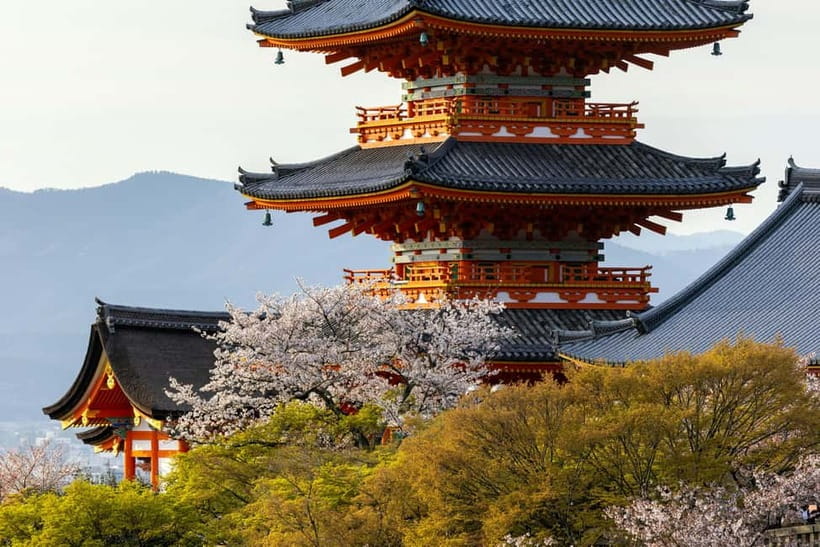
The temple is one of Kyoto’s oldest and is known for the Kiyomizu Stage, a large wooden platform with broad views over the city and surrounding hills. The stage is the visual centerpiece, but the wider temple grounds give you more to see than one viewpoint.
You will need comfortable shoes. The route involves a moderate amount of walking, and the approach to the temple is busy and sloped in places. Mobility is a serious consideration here, as the tour is not suitable for wheelchair users or people with mobility impairments.
Admission to Kiyomizu-dera is not included. Keep this in mind when comparing the headline price with the final cost of the day. Your guide can help you get oriented, but you should expect to spend much of this stop exploring independently.
The long break also gives you room to divide your time. You might focus on the temple, walk through the nearby lanes, stop for matcha, or simply take a slower break before returning to the vehicle. During peak seasons, crowds can make the same route take longer.
Ninenzaka, matcha treats, and a crowded old lane
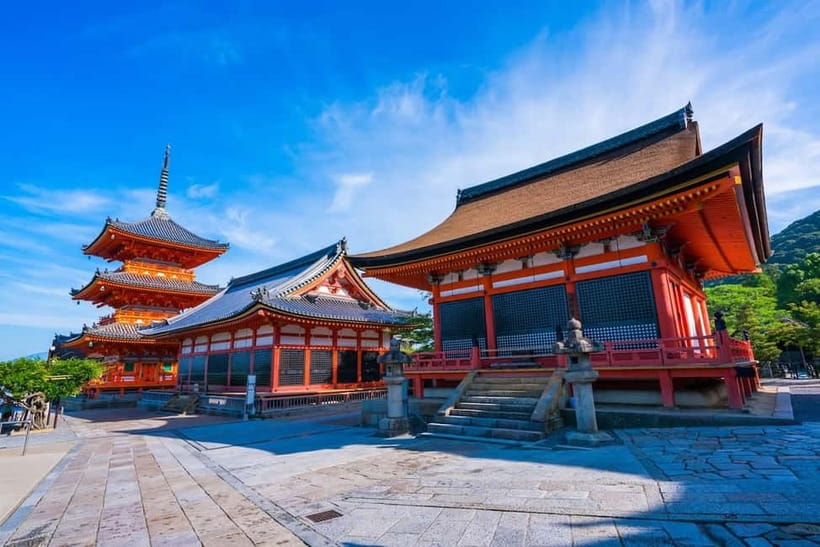
Ninenzaka is the historic lane leading toward Kiyomizu-dera. Its traditional buildings, souvenir shops, tea counters, and snack stalls give you a taste of old-style Kyoto streetscapes, although this is also one of the city’s most commercial areas.
This is where I would keep expectations realistic. The lane can be extremely crowded, and some goods are aimed squarely at the souvenir market. Prices may feel high for small or mass-produced items. One review described the middle stop as an overcrowded street with overpriced, cheaply made souvenirs, and that is useful advice for planning your time.
You do not need to shop to enjoy Ninenzaka. Look up at the wooden facades, watch the flow of people, and use the lane as a route toward the temple rather than treating it as a quiet historic village. Matcha ice cream and tea drinks are easy ways to make the stop more enjoyable.
The MASUDA Tea Shop is highlighted as a place for matcha and coffee. It may suit you if you want a short refreshment break, but food and drinks are not included. Carry enough money for snacks, drinks, and any purchases you make.
Same base, a different sort of day:
- Osaka Food Tour: 13 Dishes at 5 Local Eateries
★ 5.0 · 2,149 reviews - Hungry Osaka Street Food Tour:15 Tastings & 3 Drinks with a Local
★ 5.0 · 1,727 reviews - Osaka: teamLab Botanical Garden Entry Ticket
★ 4.5 · 1,710 reviews - Osaka: Tea Ceremony Experience
★ 4.9 · 1,426 reviews
Yasaka Koshindo and its colorful prayer balls
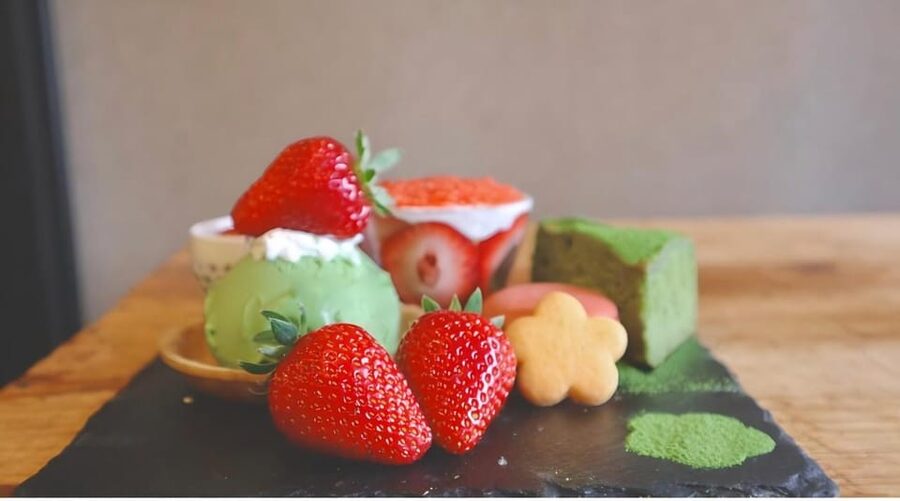
Yasaka Koshindo is a small temple known for its clusters of colorful balls. The site has become popular as a photo stop, helped by its appearances in online posts and a connection with scenes from Detective Conan.
It is a compact visit, so do not expect another large temple complex. The appeal is the visual detail and the active religious setting. The bright balls are not simply decoration, and the site rewards a respectful pause rather than a quick prop-filled photograph.
Because Yasaka Koshindo sits near the Kiyomizu area, it fits naturally into the walking portion of the day. It also gives you a change of scale after the large temple grounds and crowded shopping lane.
Uji River and the birthplace of matcha
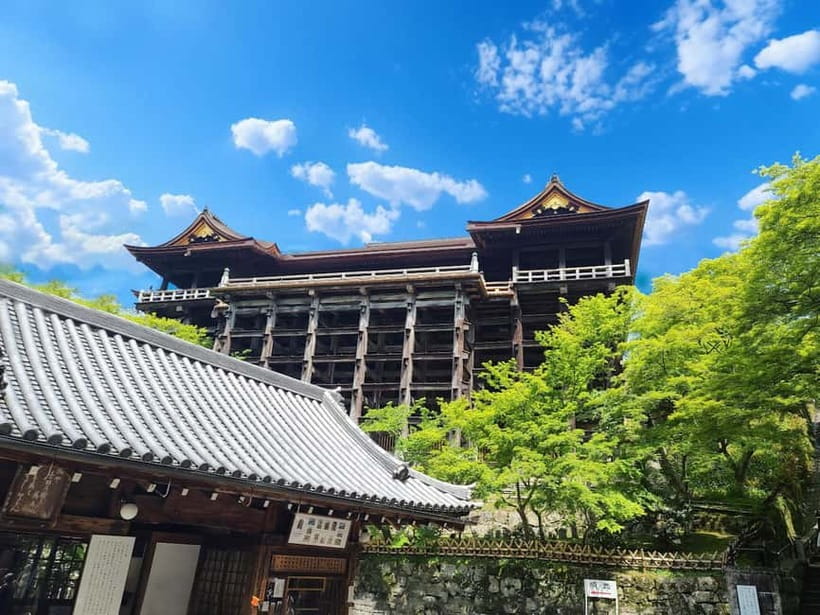
After Kyoto, the route heads to Uji for roughly 100 minutes of sightseeing. Uji feels different from the dense central Kyoto stops. The Uji River, the bridge, tea shops, shrines, and Byodo-in area give the afternoon a more open rhythm.
Uji is closely linked with matcha production and tea culture. You will notice tea in the shops and local foods along the route, but the tour does not include a formal tea ceremony or a tasting. You pay for any tea, sweets, or meals yourself.
The Uji River is a pleasant place for photographs and a short walk. The bridge is one of the area’s familiar sights, and the river helps explain why Uji has long been an important stop between Kyoto and the southern parts of the region.
The 100-minute schedule is enough for a taste of Uji, but not for every side street and attraction. Use your time with a plan. If Byodo-in is your priority, head there first or follow the guide’s instructions about the meeting time. Save shopping and tea stops for the remaining minutes.
Uji Shrine and a quieter religious stop
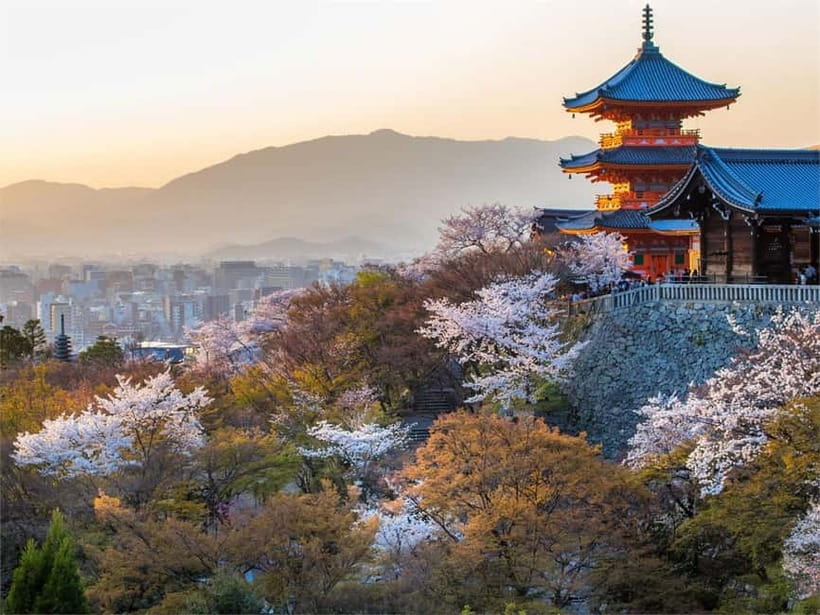
Uji Shrine is included as a self-guided visit. Compared with Byodo-in, it is a smaller and less visually famous stop, but it adds a useful religious layer to the Uji visit.
The shrine gives you a chance to slow down and see a different kind of sacred site. Shinto shrines and Buddhist temples have distinct traditions, and placing both within the same afternoon helps you notice the difference in layout and atmosphere.
Since the tour does not specify a long guided talk at Uji Shrine, treat it as a short independent visit. Stay aware of the group schedule, especially if you spend time photographing the grounds or browsing nearby shops.
Byodo-in and the ten-yen coin view
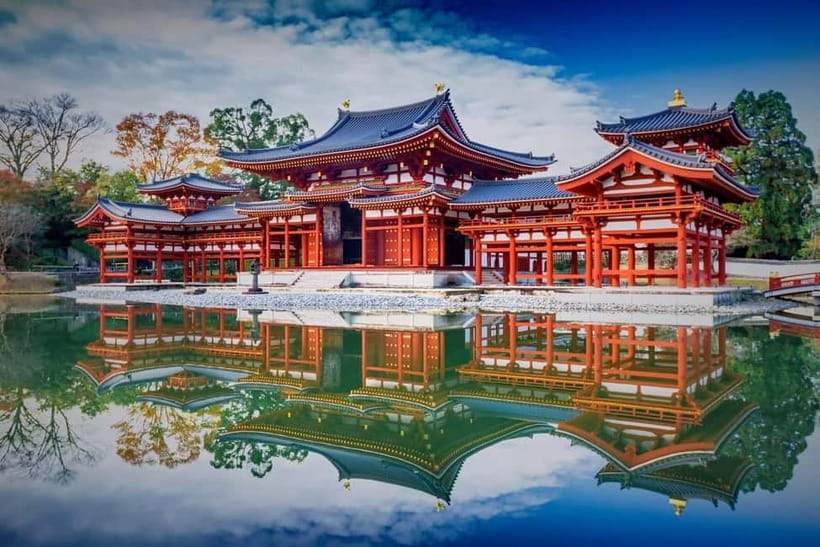
Byodo-in is the Uji highlight for many people. Its Phoenix Hall is one of Japan’s most familiar historic buildings, partly because it appears on the ten-yen coin. The building is also represented on the ten-thousand-yen note, making this a rare chance to compare a real landmark with currency you may already have in your wallet.
The Phoenix Hall sits beside a pond, and the classic view depends on seeing the building across the water. The composition is especially satisfying if you have a ten-yen coin ready for comparison. This is one of the tour’s most specific and memorable details.
Byodo-in is a UNESCO World Heritage site, and admission is separate from the tour price. The stop is included in the Uji visit, but the exact amount of time available can depend on traffic and how long the group spends at the river, shrine, and shopping street.
Byodo-in Omotesando, the main approach street, is lined with tea products and local foods. It is a better place to buy Uji-themed treats than Ninenzaka if you want something connected to the area. Still, prices and quality vary, so I would compare a few shops before buying.
A long day on the road
The advertised duration is ten hours, and that is a full day by any measure. The route includes transport time, three major temple areas, two Kyoto walking stops, Uji River, Uji Shrine, and shopping opportunities.
Traffic can affect the schedule. Kyoto roads are often slow during busy periods, and the timing may change because of weather or road conditions. You should not plan a fixed evening reservation immediately after the return unless you leave a generous buffer.
The air-conditioned vehicle is valuable after walking around temple grounds and sloping lanes. It also gives you a place to rest between stops. Still, this is not a low-walking day. Wear comfortable shoes and clothes, and avoid bringing large luggage unless you have notified the operator in advance.
The tour is not suitable for pregnant women, people with back problems, people with mobility impairments, or wheelchair users. Pregnant participants and people aged 70 or above are asked to sign a travel waiver on arrival.
Guide style and the value of free time
The guide speaks English, and private groups are available. A multilingual guide named Amy has received especially strong praise for making the day memorable, explaining history, and offering recommendations that suit different interests.
That last point is important because the tour gives you choices rather than directing every minute. You can spend more time with temple architecture, food, photographs, shopping, or local religious sites. A good guide helps you make those choices without turning the day into a lecture.
At the same time, do not book this expecting a detailed, guided explanation inside every attraction. The plan describes many stops as self-guided. You need to be comfortable taking in information, finding your way around, and meeting the group back on time.
Price, flexibility, and return options
At $54 per person, the price is strong for a full day connecting Osaka, Kyoto, and Uji by vehicle. The value is clearest if you are staying in Osaka and want to see several famous sites without organizing separate rail and local bus journeys.
You will pay extra for meals, drinks, personal purchases, and admission to Kinkaku-ji, Kiyomizu-dera, and Byodo-in. Even so, the included transport, tolls, parking, fuel, taxes, and guide keep the base cost straightforward.
You can finish in Kyoto or continue back to Osaka, depending on your plans and selected option. This flexibility is useful if you want to stay in Kyoto afterward, though you should confirm the available drop-off choice when booking.
Cancellation is free up to 24 hours before departure, and you can reserve now and pay later. Those policies help if your Japan schedule is still changing, but they do not remove the need to arrive at the correct meeting point on time.
Who should book this Kyoto and Uji day
I would choose this tour if you are staying in Osaka, have one open day, and want the major sights rather than a slow, specialized temple visit. It is also a practical choice if you value a guide and vehicle but want independent time at each stop.
It suits first-time visitors who want Kinkaku-ji, Kiyomizu-dera, Ninenzaka, and Byodo-in in one sweep. It is less suitable if you dislike crowds, prefer quiet neighborhoods, or want to spend half a day at one temple.
The strongest reason to book is the route. Kyoto and Uji are close enough to combine, but far enough apart that transport planning can eat up your day. The main caution is pace. You will see a lot, but you will not experience every site slowly.
Should you book it?
Book this tour if efficient sightseeing and low transport hassle matter most. The $54 price is appealing, especially with a guide, air-conditioned vehicle, and the option to return to either Kyoto or Osaka.
Skip it if you want a relaxed Kyoto day with long meals, quiet lanes, and plenty of time for one temple. For everyone else, this is a practical first look at Kyoto and Uji, with enough free time to make the day feel like your own.
FAQ
What time does the tour leave?
The Osaka departure is at 8:00 AM, and the Kyoto departure is at 9:00 AM. Arrive at the meeting point 15 minutes before departure.
Can I join the tour in Kyoto instead of Osaka?
Yes. The available starting point depends on the option you book. The Kyoto departure is scheduled for 9:00 AM.
Can I finish the tour in Kyoto?
Yes. At the end of the day, you can disembark in Kyoto or continue to Osaka, depending on the available option.
Are temple admission fees included?
No. Admission to Kinkaku-ji, Kiyomizu-dera, and Byodo-in is not included. Meals, drinks, and personal expenses are also separate.
Is the tour guided in English?
Yes. An English-speaking guide accompanies the tour. Private groups are available, and the tour information identifies English as the available language.
How much walking is involved?
There is a moderate amount of walking at the temples, historic lanes, shrines, riverfront, and shopping streets. Comfortable shoes and clothing are recommended.
Can I cancel for a full refund?
Yes. You can cancel up to 24 hours in advance for a full refund. The tour also offers a reserve-now, pay-later option.
Just added in Osaka
- Private arrival transfer from Kansai International airport to Kyoto City★ 5.0 · 32 reviews
- (Ticket Included) Explore Osaka Castle & Museum of History★ 4.8 · 21 reviews
- Hidden Osaka – Yukaku Red Light Tour & Culinary Adventure★ 4.8 · 96 reviews
- Osaka: Walking Tour and Top Highlights★ 4.8 · 104 reviews
- Pickleball in Osaka, Kobe & Kyoto with Locals!★ 4.7 · 80 reviews
- Osaka: Private Ceramic Painting Workshop★ 5.0 · 13 reviews
- Osaka:SUMO BEATS SHOWCASE: Taiko Drum and Wagyu burger!★ 4.2 · 37 reviews
- Eat Like a Local in Osaka – Private Custom Street Food Tour★ 4.3 · 33 reviews
Tours in Osaka, compared.
Osaka Food Tour: 13 Dishes at 5 Local Eateries
Read our review →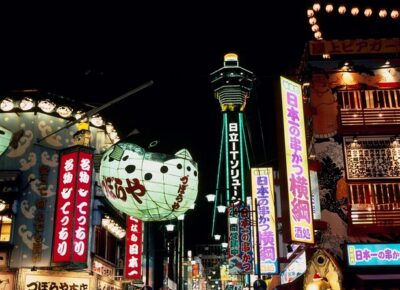
Hungry Osaka Street Food Tour:15 Tastings & 3 Drinks with a Local
Read our review →
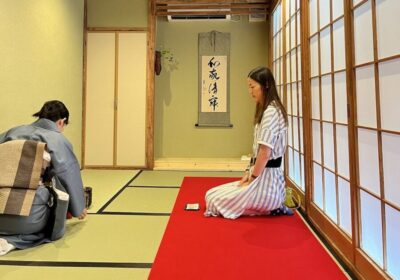
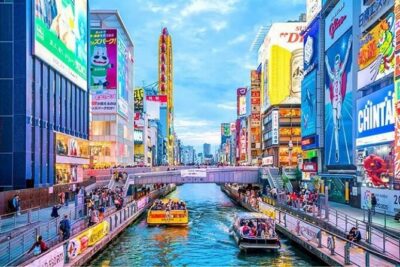
Hotspots & Hidden Gems Walking Tour Private or Group
Read our review →Browse the lists this tour appears in