
Reviewed · SAMURAI & NINJA EXPERIENCES
Osaka: Private Samurai Experience – Train with Sword Master
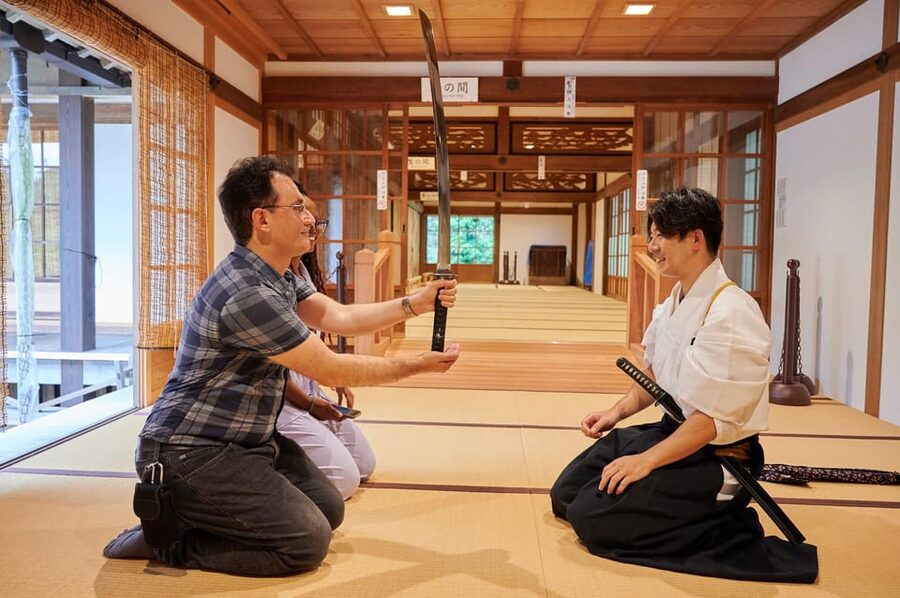
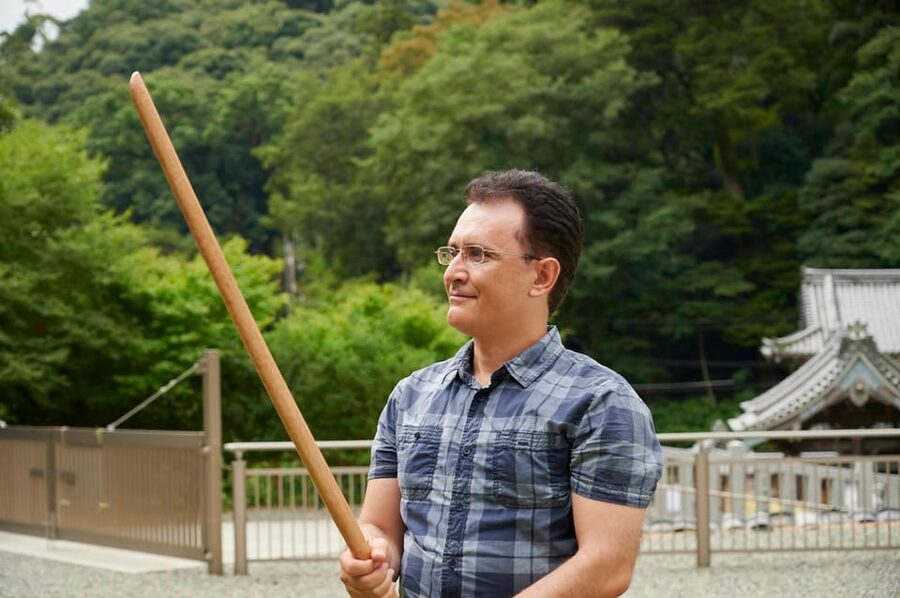
At a quiet temple in Minoh, outside central Osaka, you’ll practice traditional sword movements under Tatsuya Watanabe, a former grandmaster and headmaster of Suishin-ryu. This is not a costumed photo stop. It is a focused lesson in posture, control, discipline, and the mindset behind Japanese swordsmanship.
I like the private access to training grounds normally closed to the public, and I like the way the experience connects sword practice with the temple’s spiritual setting. The special performance and chance to see historic swords add real weight to the visit.
The main consideration is price: at $158 per person, this costs more than a standard museum visit or group martial arts class. The tour also relies on translation when Watanabe-san is teaching in Japanese, so the quality of your session depends partly on the guide assigned to your group.
Key points to know before booking
- Train with Tatsuya Watanabe: Study traditional sword movements with a soke, or headmaster, of Suishin-ryu.
- Enter a restricted temple area: Practice in private grounds at Ryuan-ji or Saiko-ji, away from the usual public route.
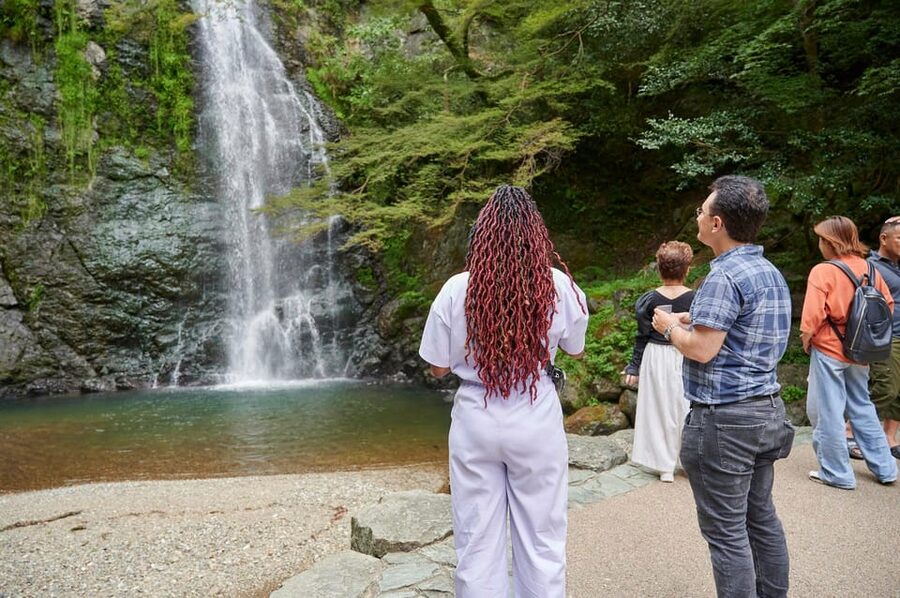
- Meet at Minoh Station: Your guide waits in front of the station with a yellow DeepExperience sign.
- Expect more than sword drills: The visit includes temple background, samurai philosophy, a sword performance, and historic weapons.
- Allow around three hours: The program includes the station meeting, walk, temple visit, instruction, and return to Minoh Station.
- Book a private group: English, Japanese, and French guiding is available, and the group is not shared with strangers.
Why this Minoh sword lesson feels different
Many samurai-themed activities are built around costumes, staged poses, or a quick swing with a blunt replica. This one takes a quieter and more serious route. You meet at Minoh Station, leave the city atmosphere behind, and enter a temple setting where the sword is treated as a discipline rather than a prop.
The central figure is Tatsuya Watanabe. He began kendo as a teenager, then studied Yagyū Shinkage-ryu, one of Japan’s classical schools of kenjutsu. Later, he trained in Suishin-ryu and became its soke in his twenties, an unusually early appointment.
That background matters because the session is not limited to how to hold a sword. Watanabe-san also explains the connection between movement, concentration, body control, and spiritual practice. The emphasis is on clean action and calm attention, not flashy speed.
You should also know that this is a private group experience. That gives the instructor more room to adjust your stance, answer questions, and repeat a movement when needed. It also makes the setting feel more personal than a large demonstration.
Other samurai and ninja experiences in Osaka people book:
- Samurai Training Experience KENDO in Osaka
★ 5.0 · 515 reviews - OSAKA NIGHT FUSION Japanese Taiko Kabuki Samurai Dance Show
★ 4.8 · 155 reviews - Osaka: Samurai Training Experience KENDO in Osaka
★ 5.0 · 111 reviews
Meeting at Minoh Station and walking toward the temple
Your starting point is Minoh Station. Meet your guide in front of the station and look for the yellow sign with the DeepExperience logo. Guides may speak English, Japanese, or French.
The walk to the temple is part of the experience, not simply a transfer. Guides provide background on Minoh and the temple area along the way, helping you understand where you are before the sword lesson begins. This is useful because the program is designed around place as much as technique.
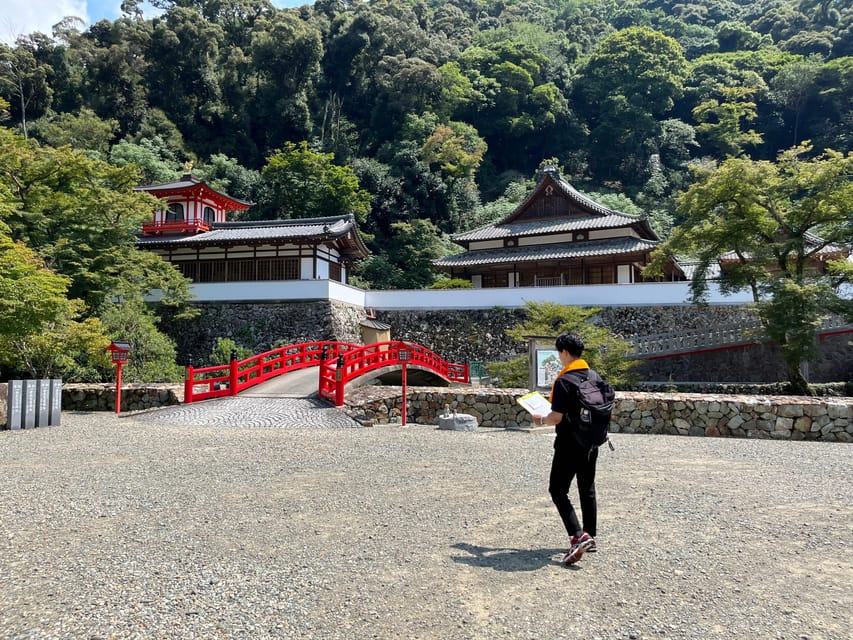
The exact temple may be Ryuan-ji or Saiko-ji, depending on the arrangement. Both are presented as quiet religious sites with secluded areas reserved for the program. Since access is private, you should not expect to wander freely through every part of the grounds.
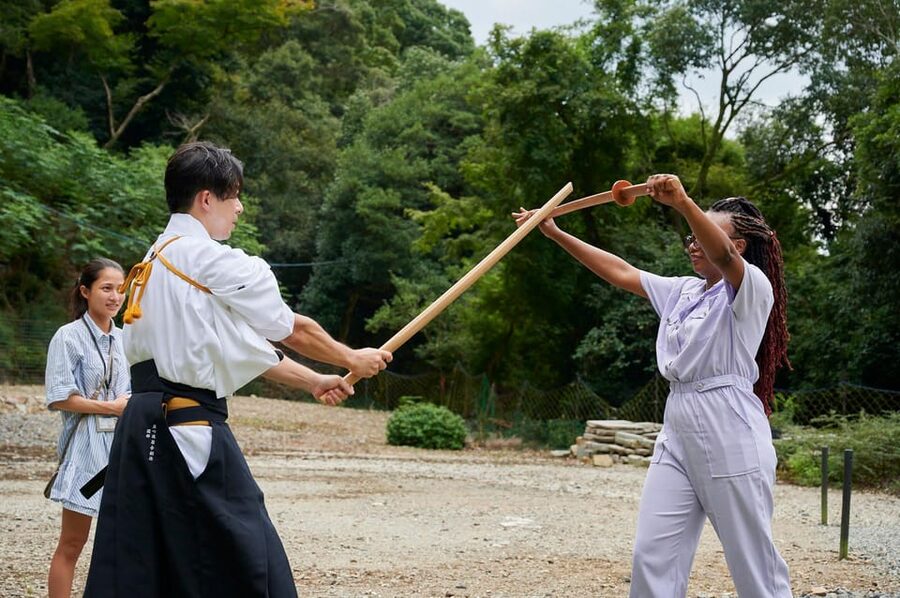
Bring comfortable clothing that allows you to move your arms and legs. The supplied information does not specify a dress code or footwear rule, so ask the operator if you have concerns about what to wear. The training itself uses wooden swords for the basic practice, according to the detailed session accounts.
Entering a temple area closed to the public
The setting is one of the strongest parts of this activity. Rather than practicing in a modern studio, you train on temple grounds with a long connection to religious life and local history.
That setting changes the mood. The quiet surroundings encourage slower movements and careful listening. You are not simply learning a sequence for a photograph. You are being asked to notice posture, balance, breathing, and the purpose behind each action.
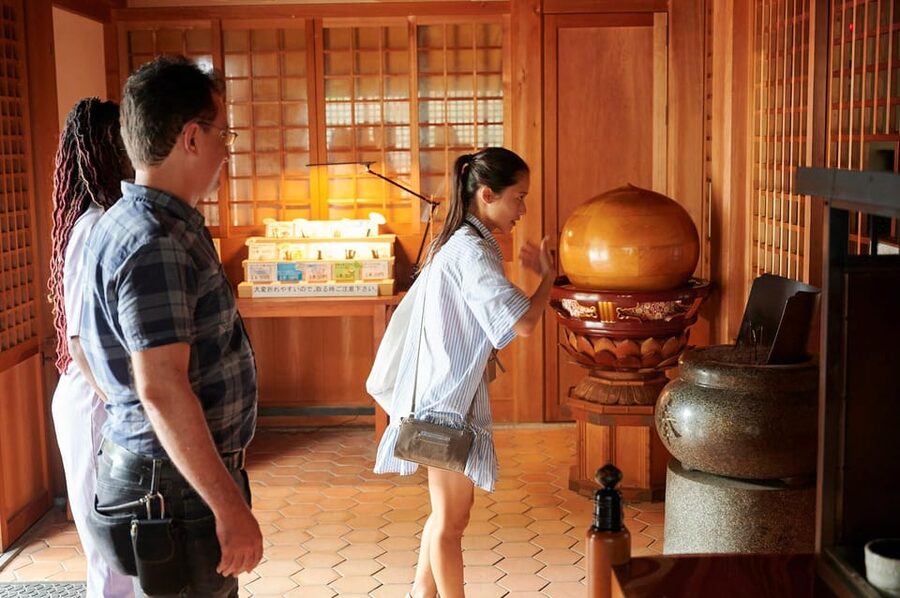
The temple visit also gives the guide space to explain the area’s heritage. The program has included a look inside the temple house, where participants could see Watanabe-san’s personal sword collection and a sword dating to 1370. The exact objects available on your date may vary, but the program does include a special connection with historic blades.
Handle any sword only when invited and follow the instructor’s directions closely. Even when a blade is presented as part of a cultural lesson, this is not a casual handling session.
Watching Watanabe-san’s special sword performance
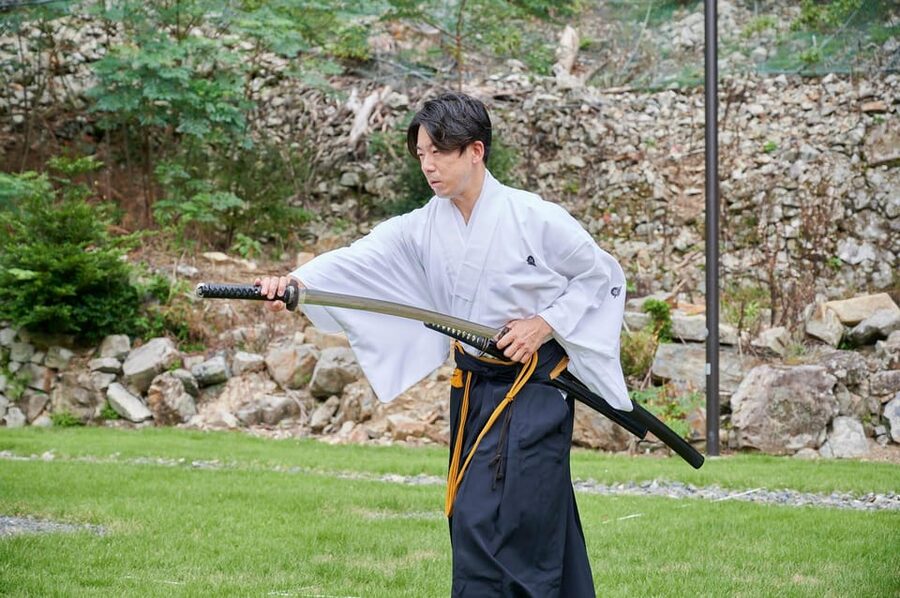
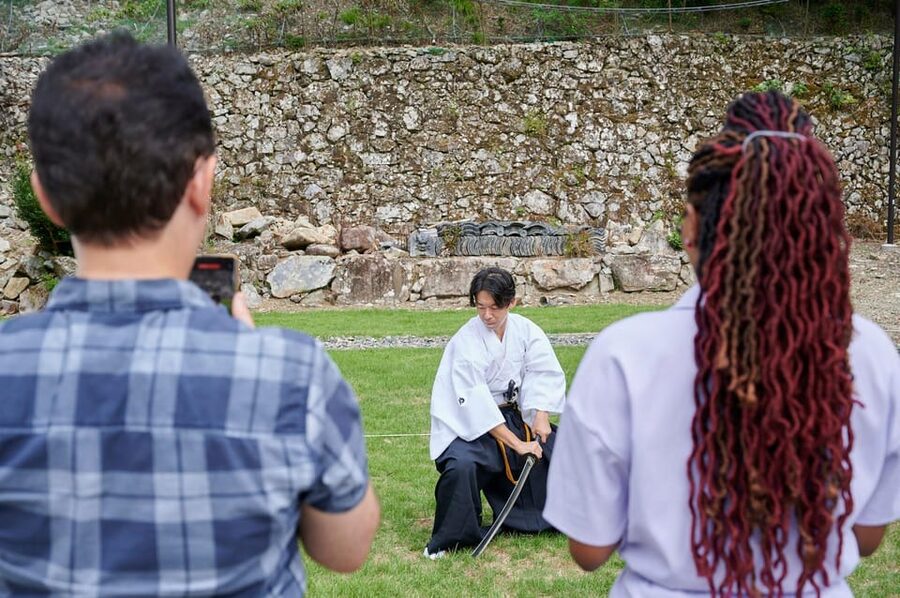
Before or during the lesson, Watanabe-san gives a sword performance reserved for this program. This is an important part of the visit because it lets you see the finished form before attempting simpler movements yourself.
Watch his control rather than waiting for theatrical action. The value is in the precision, timing, and economy of each motion. His practice reflects years of daily training and study, while your own lesson introduces only a small part of that tradition.
The performance also gives you a useful reference point. When you later work on a strike or stance, you can see how much control is required to make the movement look smooth. That contrast helps explain why classical swordsmanship takes patience.
One session included the chance to cut paper with real swords after practicing with wooden ones. This is not described as a guarantee for every booking, so you should treat it as a possible part of the program rather than a promised feature. The wooden sword training is the dependable core of the lesson.
Other swordplay and stealth sessions in Osaka:
- Osaka: A Modern Samurai, Kabuki, Taiko, & Dance Show
★ 4.5 · 66 reviews - Experience Samurai and traditional Culture to the fullest
★ 5.0 · 26 reviews - Osaka: Ninja Experience Cafe in Dotonbori
★ 4.9 · 16 reviews - Samurai Armor & Sword experience with phot near Osaka Castle
★ 4.6 · 16 reviews
Learning the basic movements with a wooden sword
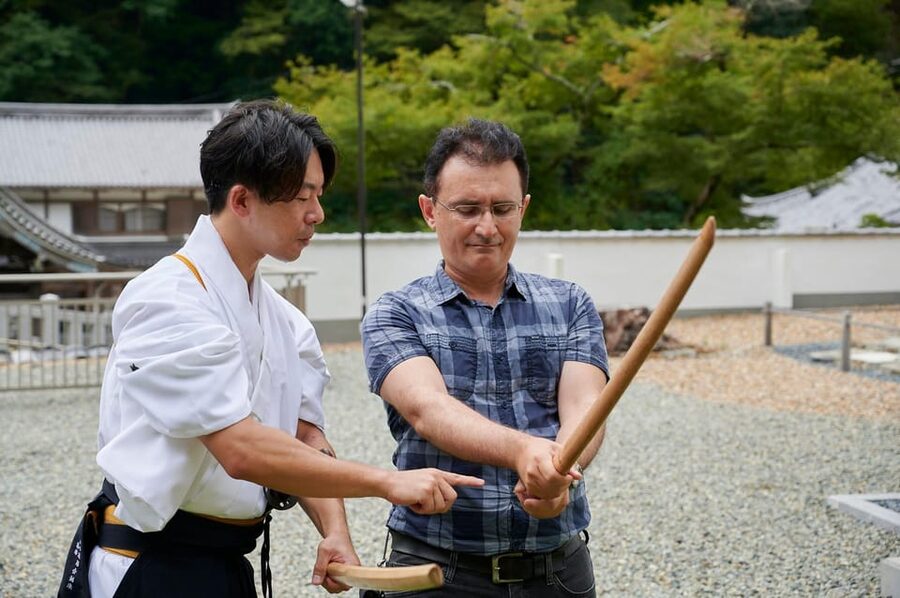
The training lasts about an hour and a half according to the detailed itinerary accounts. You learn basic techniques such as how to hold the sword, how to stand, how to strike, and how to make a cutting motion.
The instructor pays attention to small details. A change in foot position or shoulder tension can alter the entire movement. You may also receive individual corrections, especially because the group is private.
The class is physically active, but the supplied information does not describe it as an advanced or strenuous athletic course. Its main challenge is concentration. You need to listen, repeat, and accept that a simple-looking movement may take time to perform cleanly.
Translation is part of the lesson for English and French speakers when Watanabe-san teaches in Japanese. Guides named in the session accounts include Benoit, Aimu, and Claire. Benoit was specifically praised for explaining the instruction and local background clearly, while Aimu and Claire also helped make the program accessible.
A translator does more than convert words. The guide helps explain the cultural meaning of a movement, clarifies a correction, and keeps the pace comfortable. If you do not speak Japanese, this support is essential to getting the full value from the class.
The samurai tradition behind the sword
Watanabe-san’s training reaches back to two major classical traditions. Kendo gave him an early foundation, while Yagyū Shinkage-ryu introduced him to older kenjutsu methods and teachings.
His work in Suishin-ryu is especially relevant. As its legitimate successor and headmaster, he is responsible for preserving the school’s techniques, philosophy, spirit, and aesthetic values. The session therefore presents the sword as a form of lifelong practice, not simply a historical weapon.
That context makes the lesson worthwhile even if you have no plan to continue martial arts. You begin to see why samurai training included mental discipline as well as physical skill. A controlled strike depends on awareness, timing, and posture as much as strength.
You should keep your expectations realistic. Three hours cannot make you a swordsman, and the course is not a full study of Japanese martial arts. What it can do is give you a clear first look at the principles and show you how much work lies behind a polished performance.
What the three-hour schedule means
The booking information describes the experience as three hours, while the duration field also gives 270 minutes. The detailed itinerary identifies a 1.5-hour guided visit and class, with the full program including meeting at Minoh Station, walking to the temple, instruction, and returning to the station.
Because those time descriptions do not match perfectly, confirm the exact start and finish time when you check availability. The program returns to Minoh Station, which makes it easier to plan another Osaka activity afterward, but I would avoid scheduling anything too tightly.
Late arrivals have sometimes been accommodated, but do not count on that. A private lesson has a fixed structure, and arriving late can reduce your time with the sword master even if the guide and temple staff are flexible.
The experience is sold as a private group, so you are not placed with an unknown crowd. That is particularly useful for families, couples, or friends who want to ask questions without holding up a large class.
Is $158 per person a fair price?

At $158 per person, this is not a budget activity. The price includes the sword experience fee and guide fee, but not a meal or transport to Minoh Station.
I think the value depends on what you want from Osaka. If you only want to hold a katana for a photograph, this is too expensive. If you want a private cultural program with a specialist instructor, temple access, translation, a performance, and hands-on practice, the cost is easier to justify.
The private format is a major part of the price. You are paying for a small, personal session rather than a mass-market demonstration. You also get access to grounds normally closed to the public and direct instruction from a school headmaster.
The visit makes the most sense for someone who values depth over convenience. Minoh is outside the central Osaka sightseeing circuit, and the program takes several hours. In exchange, you get a quieter setting and a subject that most standard city tours do not cover.
Who will get the most from this experience?
I would recommend it most strongly to:
- Adults and older children interested in samurai culture
- People who enjoy hands-on cultural activities
- Martial arts students curious about classical Japanese swordsmanship
- Private groups who want a focused session
- Visitors who have already seen Osaka’s major sights and want something less routine
- Families looking for an activity that parents and children can discuss together afterward
The experience also suits solo visitors who prefer direct instruction, provided they are comfortable booking a private group activity at this price.
It may not suit you if you want a fast, theatrical attraction, a large group atmosphere, or a guaranteed chance to use a sharp sword. The core practice is with wooden swords, and the lesson asks for patience and careful attention.
Practical booking advice for Minoh
Check the language when you book. English, Japanese, and French are listed, but the exact interpreter may vary. If the sword master’s explanations are important to you, make sure your preferred language is available at the selected time.
Wear clothing that permits movement and plan to listen closely to safety instructions. The program is held in a religious setting, so respectful behavior is part of the experience.
Cancellation is free up to 24 hours before the scheduled start for a full refund. You can also reserve now and pay later, which helps if your Osaka schedule is still changing.
The meeting point is clear, but allow time to find the guide in front of Minoh Station. Look for the yellow DeepExperience sign rather than waiting inside the station.
Should you book this private samurai experience?
Book it if you want a serious introduction to Japanese sword culture in a quiet temple setting. The strongest reasons are the restricted training area, Watanabe-san’s unusual credentials, the careful instruction, and the translation support from guides such as Benoit.
I especially like that the program links the sword to discipline, history, and spiritual practice. You leave with more than a few staged photographs. You gain a better sense of how much control and purpose sit behind a traditional movement.
Skip it if the $158 price feels high for a three-hour activity, or if you want guaranteed cutting with a real blade. For the right visitor, though, this is one of Osaka’s more distinctive cultural experiences, and the private format gives it substance that a standard samurai show cannot match.
FAQ
Where does the experience begin?
Meet your guide in front of Minoh Station. The guide will hold a yellow sign with the DeepExperience logo.
Where does the experience take place?
Training takes place in a secluded area of Ryuan-ji or Saiko-ji Temple in Minoh, Osaka. The private training grounds are normally closed to the public.
How long does the activity last?
The activity is described as three hours, while the duration information also lists 270 minutes. The guided visit and class portion is about 1.5 hours, with the full program beginning and ending at Minoh Station.
Which languages are available?
Live guiding is available in English, Japanese, and French.
Is this a private activity?
Yes. The group type is listed as a private group.
Who teaches the swordsmanship?
Tatsuya Watanabe leads the sword training. He studied kendo, Yagyū Shinkage-ryu, and Suishin-ryu, and serves as the soke, or headmaster, of Suishin-ryu.
What does the price include?
The price includes the sword experience fee and guide fee. The listed price is $158 per person.
Will I use a real sword?
The basic training uses wooden swords. Some sessions have also included handling historic swords and cutting paper with real swords, but that is not stated as a guaranteed part of every booking.
Can I cancel the booking?
You can cancel up to 24 hours in advance for a full refund. The activity also offers a reserve-now, pay-later option.
Just added in Osaka
- Private arrival transfer from Kansai International airport to Kyoto City★ 5.0 · 32 reviews
- (Ticket Included) Explore Osaka Castle & Museum of History★ 4.8 · 21 reviews
- Hidden Osaka – Yukaku Red Light Tour & Culinary Adventure★ 4.8 · 96 reviews
- Osaka: Walking Tour and Top Highlights★ 4.8 · 104 reviews
- Pickleball in Osaka, Kobe & Kyoto with Locals!★ 4.7 · 80 reviews
- Osaka: Private Ceramic Painting Workshop★ 5.0 · 13 reviews
- Osaka:SUMO BEATS SHOWCASE: Taiko Drum and Wagyu burger!★ 4.2 · 37 reviews
- Eat Like a Local in Osaka – Private Custom Street Food Tour★ 4.3 · 33 reviews
Samurai & Ninja Experiences, compared.
Samurai Ninja Museum Guided tour and Experience
Read our review →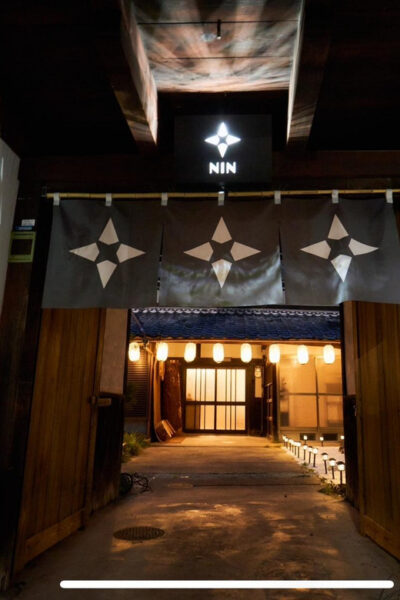
Kendo and Samurai Experience with Uniform and Gear
Read our review →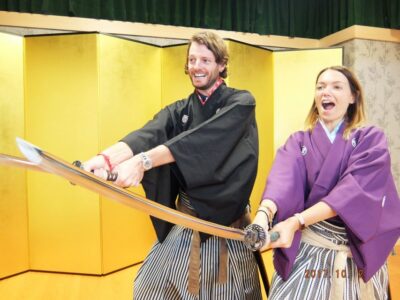
Samurai Sword Class by Experts in Traditional Arts
Read our review →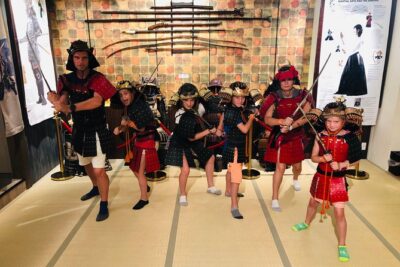
Skip the lines Basic Ticket at SAMURAI NINJA MUSEUM KYOTO
Read our review →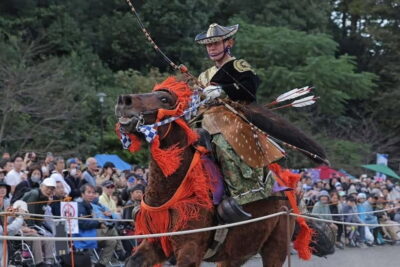
Samurai Sword & Archery Class from Samurai Descendant
Read our review →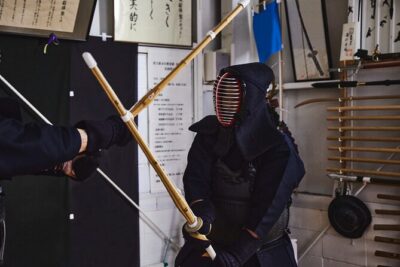
Browse the lists this tour appears in