
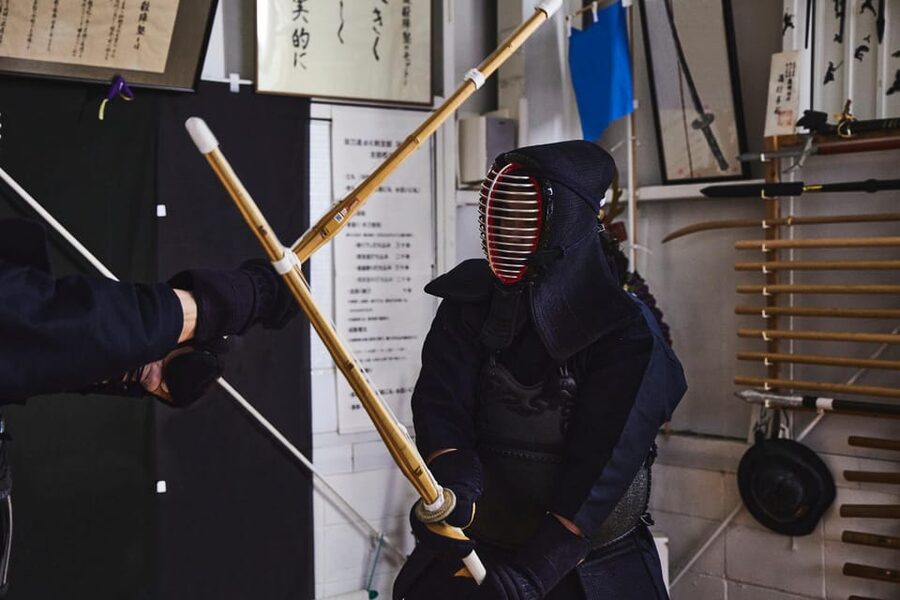
Reviewed · SAMURAI & NINJA EXPERIENCES
Osaka: Samurai Training Experience KENDO in Osaka
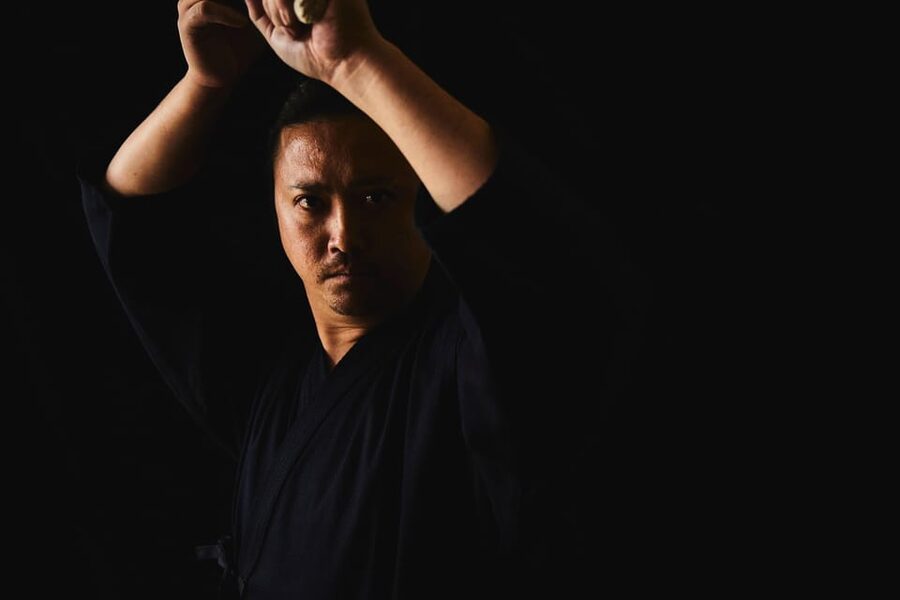
Kendo here is far more than waving a bamboo sword for a photo. You enter a genuine dojo, learn why respect and self-control matter, then put on full protective armour and try the sport under Toshi’s calm guidance. I like the mix of culture and action, especially the short lesson on Bushidō and Reiho. I also like that the instructors adjust the pace to your ability, even offering extra attention when a booking is small.
The main drawback is that two hours can feel short once you include changing, photographs, instruction, and sparring. The armour and footwork also make this a real workout, so bring water and expect tired legs. Children aged three to five mainly take part in dressing up and photos rather than the adult training.
Key points to know before booking
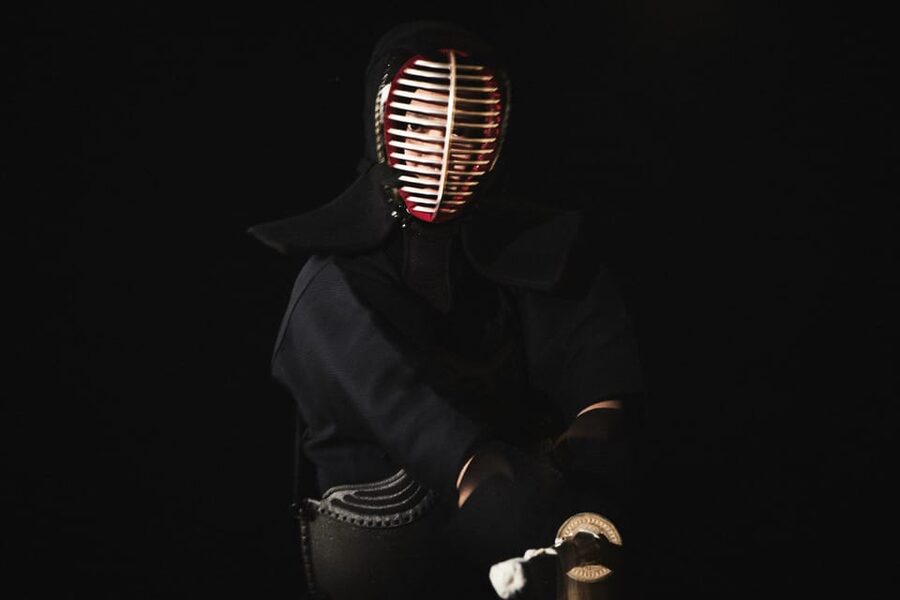
- Full Kendo gear: Wear a Dōgi, Hakama, and protective Bogu armour with Men, Kote, Dō, and Tare.
- Real sparring: Learn basic attacks, blocks, counters, and rules before taking part in match-style practice.
- Toshi’s patient instruction: Toshi, also called Toshihiko, teaches in English and Japanese with help from friendly assistants.
- More than a costume session: The programme covers Bushidō, Reiho etiquette, Kendo history, and the values behind the sport.
- Useful for families and beginners: No previous martial arts experience is needed, though young children have a lighter photo-focused programme.
- Photo finish: Pose with swords and Samurai props inside the dojo, with action photographs taken during training.
Entering a real Osaka dojo
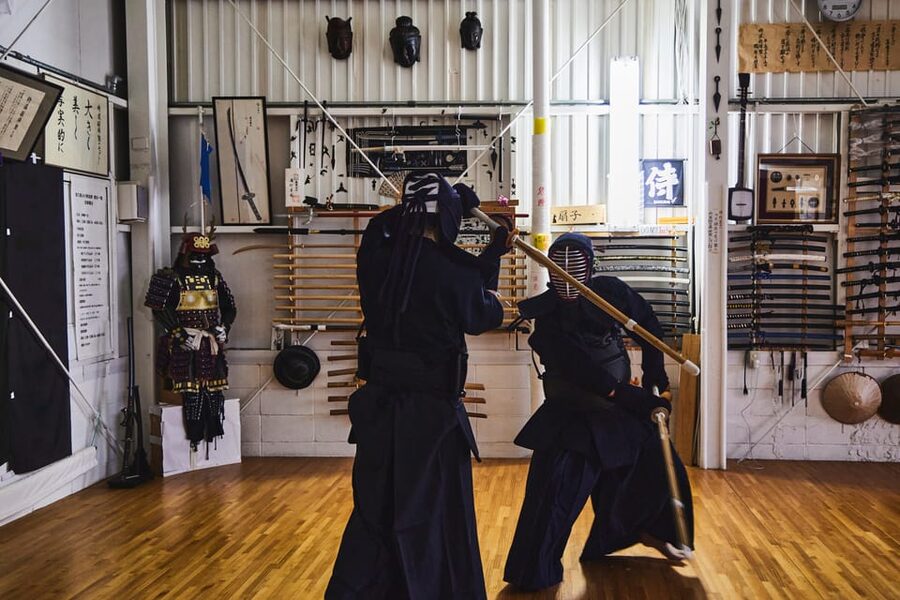
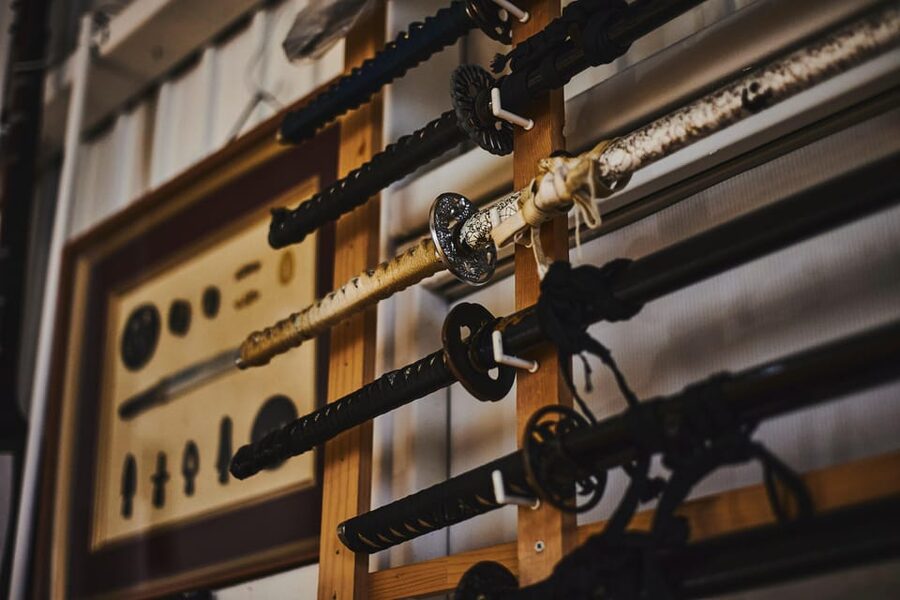
The appeal of this activity begins with the setting. You are not watching a staged Samurai show in a theatre. You step into a working-style Kendo dojo in Osaka City, where the floor, armour, wooden swords, and formal manners help make the lesson feel like a sport rather than a simple tourist prop session.
The meeting point is provided through a Google Maps link, so check your route before leaving your hotel. The activity lasts two hours, but it is sensible to allow a little extra time around the edges. One family was asked to arrive 30 minutes early so changing would not cut into the activity, and some sessions ran close to three hours once changing, refreshments, and photos were included.
Toshi, also known as Toshihiko, leads the instruction. His assistants help with clothing, photographs, translation when needed, and general support. English is used throughout the activity, with Japanese also available. Several participants found the explanations easy to follow, even when they had never tried a martial art.
The tone is friendly, but the setting remains respectful. You will learn that Kendo is not simply a modern version of sword fighting. It grew from Japanese swordsmanship and developed into a disciplined martial sport centered on posture, timing, spirit, and respect for your opponent.
Other samurai and ninja experiences in Osaka people book:
- Samurai Training Experience KENDO in Osaka
★ 5.0 · 515 reviews - OSAKA NIGHT FUSION Japanese Taiko Kabuki Samurai Dance Show
★ 4.8 · 155 reviews - Osaka: A Modern Samurai, Kabuki, Taiko, & Dance Show
★ 4.5 · 66 reviews
Bushidō, Reiho, and the meaning behind Kendo
The opening talk gives the physical lesson a useful cultural frame. You learn about Bushidō, often translated as the way of the warrior, and about Reiho, the etiquette that guides behavior in the dojo.
This part matters because Kendo can look like a quick contest of speed to an outsider. The instructor explains that bowing, readiness, controlled movement, and respect are not decorations added for tourists. They are part of the practice. You are expected to control your body and attitude before you think about landing a strike.
That makes this activity a good fit for anyone interested in Japanese culture, martial arts, Samurai films, or anime. You receive more than a costume and a staged pose. You get a basic explanation of how an older warrior tradition connects with the modern sport of Kendo.
The introduction is brief enough not to slow the day. If you are mainly here for action, you will not spend the whole session listening to a lecture. If cultural context is important to you, the history gives the later drills more meaning.
Changing into Dōgi and Hakama
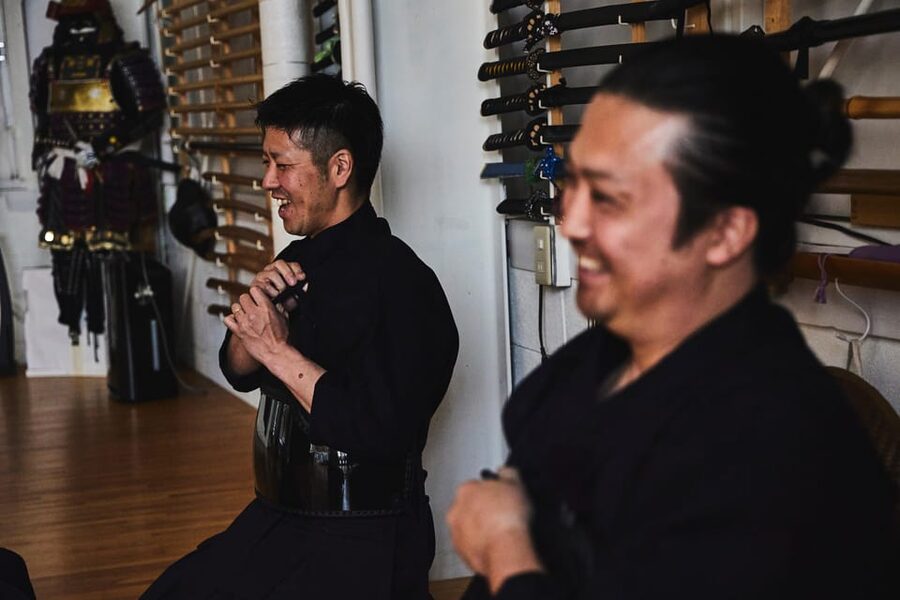
The transformation begins with the clothing. You put on a Dōgi, the traditional training uniform, and a Hakama, the wide-legged garment associated with Japanese martial arts. Staff help you get the fit right, which is useful because the layers and ties may be unfamiliar.
You will need to provide your height, weight, and gender when booking. This helps the team prepare suitable equipment and makes the experience safer and more comfortable. The information is especially useful for families or groups with very different body sizes.
After the uniform comes the protective armour, known as Bogu. The main pieces include:
- Men, the head and face protection
- Kote, the gloves and forearm protection
- Dō, the chest protector
- Tare, the waist and lower-body protection
The equipment gives you a strong visual impression, but it also changes how you move. The Men limits your view. The Kote make your hands feel larger and less flexible. The layers add weight and warmth, especially once you start shouting and moving across the floor.
That is why this is not a passive photo opportunity. You may arrive expecting a gentle cultural activity and leave with a proper sweat. Several participants described tired feet and legs later in the day. Drink water before and after the session, and bring your own drink as requested.
Learning posture, footwork, and the Shinai
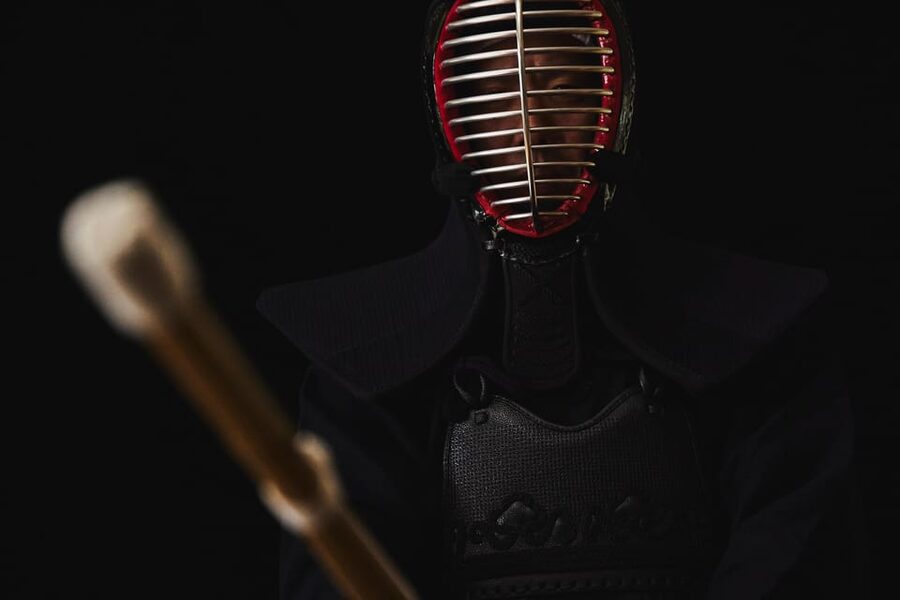
Once dressed, you receive a Shinai, the bamboo sword used in Kendo. The instructor starts with the basics rather than assuming you understand how to hold it.
You work on stance, balance, foot placement, and the way to move forward. You also learn how to raise and lower the Shinai with control. The first movements may feel simple, but keeping your feet, hands, posture, and eyes working together takes concentration.
The instructor then introduces basic striking techniques. The programme includes the main target areas, offensive moves, defensive actions, and counters. You also learn the rules that shape a proper exchange. This gradual order is one of the strongest features of the session. You are not thrown straight into a chaotic sword fight.
Toshi’s teaching style is patient and encouraging. If you need an explanation repeated, the staff take the time to clarify it. The instruction can adjust to your level, which makes the session suitable for complete beginners while still giving martial arts enthusiasts something to work on.
Do not expect to master Kendo in one afternoon. Two hours gives you a taste of the discipline, not a full course. The value is in feeling how the sport works, learning its basic vocabulary and movements, and discovering how much timing matters.
Other martial arts sessions in Osaka:
- Kyoto: Kendo and Samurai Experience with Uniform and Gear
★ 4.9 · 815 reviews - Tokyo: Samurai Sword & Archery Class from Samurai Descendant
★ 5.0 · 603 reviews - Japanesel Archery Experience HIROSHIMA CASTLE SHARAKU
★ 5.0 · 387 reviews - Hiroshima: Traditional Japanese Archery Experience
★ 4.8 · 351 reviews
From drills to match-style combat
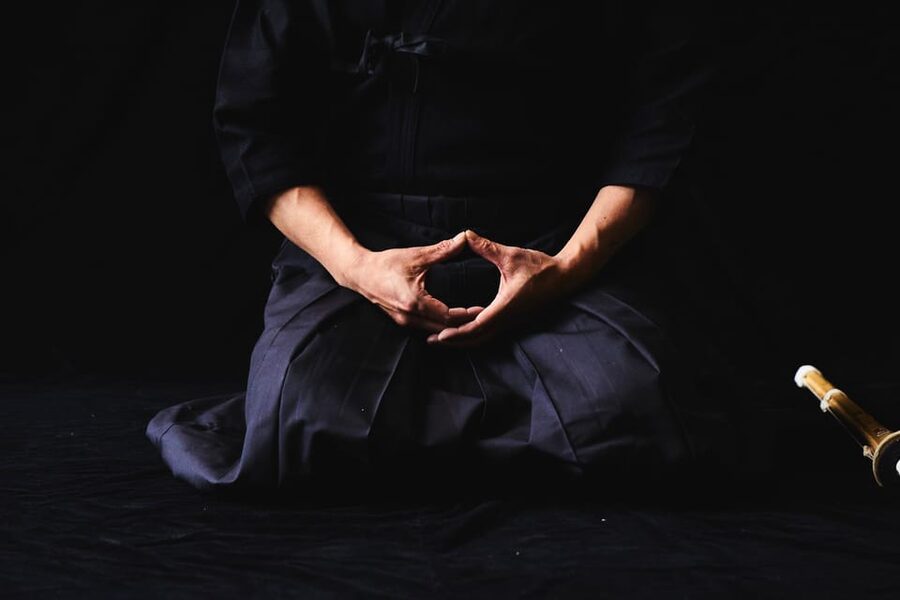
The best part for many people is the move from practice into paired work. You face another participant and try the techniques you have just learned. Depending on the group, you may also practice with Toshi or another instructor.
The sparring is conducted with protective armour and follows Kendo rules. That makes it exciting without turning the session into an uncontrolled brawl. You learn that strength alone is not enough. Timing, distance, focus, and spirit all affect the exchange.
The intensity can vary. A private or semi-private booking may give you more time with the instructor and allow him to adjust the pace closely. A larger group can bring more variety in the matches, but your individual practice time may be divided among more people. The available feedback suggests that both small and group sessions are handled well, though the amount of personal attention naturally depends on attendance.
Some people may find the shouting and physical movement tiring. Kendo uses strong vocal calls as part of its discipline, and the combination of footwork, armour, and repeated strikes can leave you sweaty. If you have limited mobility or do not enjoy physical activity, the photo and cultural portions may be more comfortable than the full combat section.
The activity is wheelchair accessible, but the practical details of taking part in every physical drill are not specified. If that matters for your booking, ask the provider about your particular needs in advance.
Samurai photos that feel connected to the lesson
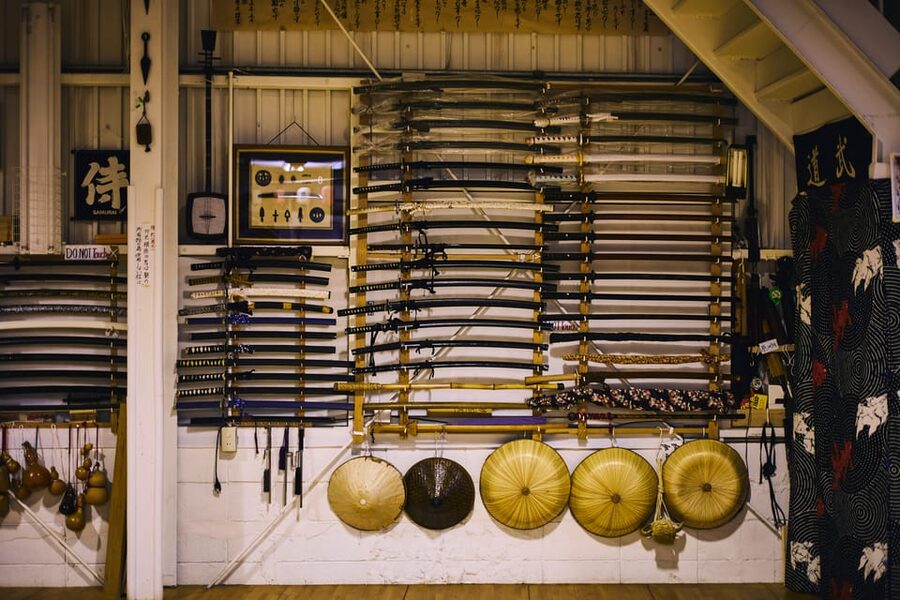
The photo session is a natural closing feature rather than the whole point of the activity. By then, you have learned what the uniform and armour mean, so posing with a Shinai or Samurai props feels less like putting on random costume pieces.
You can take photographs inside the dojo in traditional clothing and armour. Staff also take posed and action images during the training. This is useful if you want a lasting record of the day but do not want to spend the entire session holding your phone.
The photos work especially well for families, couples, and people who enjoy Samurai or anime culture. Children aged three to five can wear uniforms, try on armour, and take photos, but they do not receive the same combat programme as adults. Children under two cannot try Kendo.
The photographs are also a good reason to plan your clothing sensibly. You will be changing into martial arts wear, so wear something practical underneath and avoid arriving in clothing that makes changing difficult.
What the $127 price means
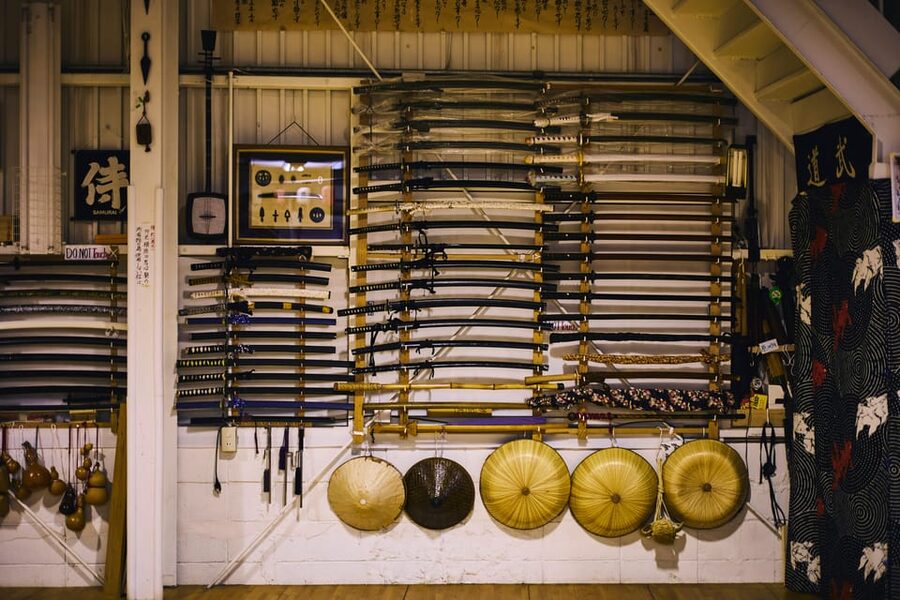
At $127 per person, this is not a cheap two-hour activity. Osaka offers many low-cost cultural sights, and you can see a temple or shrine for far less. The price needs to be judged against what is included.
You receive the Kendo lecture, uniform and protective armour, instruction from an experienced English-speaking teacher, paired practice, match-style combat, and Samurai photographs. You also receive use of a genuine dojo rather than a quick staged demonstration.
The value is strongest if you want an active cultural lesson with close instruction. Some bookings have been semi-private or private when only one or two people attended. In those cases, the personal attention can make the cost easier to justify. Families and couples also gain from sharing an unusual activity rather than simply watching a performance.
The value is weaker if you mainly want a few costume pictures. You would be paying for training, equipment, and instructor time that you may not care to use. It is also not a replacement for a serious Kendo course. Think of it as a carefully guided introduction with a physical challenge and cultural context.
Free cancellation is available up to two days before the activity for a full refund. That gives you some flexibility when arranging a busy Osaka schedule.
Who will enjoy this most
I would choose this for visitors who want to take part rather than only look around. It suits:
- First-time martial arts participants
- Samurai and anime fans
- Couples looking for an unusual Osaka activity
- Families with school-age children
- Active visitors who enjoy a workout
- People curious about Japanese manners and martial traditions
- Experienced martial artists who want a respectful Kendo session
You do not need previous Kendo experience. The lesson starts with basic posture, movement, safety, and rules. The instructors can also work with people who already have martial arts or Kendo experience.
Fitness requirements are modest, but this is not entirely effortless. The armour is warm, the footwork is demanding, and the sparring takes concentration. People over 76 may view the activity but cannot try Kendo, and children under two are not allowed to participate. The programme for three to five-year-olds is mainly dressing up and photographs.
The experience also works well for solo bookings. You do not need to arrive with a partner, and the activity can continue even if you are the only participant. A solo booking may give you unusually close attention from the instructor.
Practical advice for a smoother session
Send your height, weight, and gender when booking. Correct sizing matters once you add several layers of clothing and armour.
Bring water. You may work up more of a sweat than expected, especially during the paired drills and final matches. Alcohol and drugs are not allowed, and you should avoid arriving under the influence.
Plan your Osaka day around the activity rather than squeezing it between several distant sights. Changing, photographs, and the lesson itself can take more time than the advertised two hours. Some sessions include tea, snacks, or local restaurant suggestions afterward, but these extras should not be treated as guaranteed parts of the programme.
If you are visiting with children, explain the age difference before booking. A ten-year-old may take part in the training with suitable support, while a child aged three to five mainly receives the costume and photo experience.
Should you book the Osaka Kendo experience?
Book it if you want a hands-on introduction to Japanese martial culture and like the idea of leaving Osaka with tired legs and memorable photographs. The strongest parts are the genuine dojo setting, careful instruction, full protective gear, and the chance to spar under real Kendo rules.
Skip it if you want a quiet cultural visit, dislike physical exertion, or only want a quick Samurai photo. At $127, the activity earns its price through the teaching, equipment, and personal attention, not through sightseeing alone.
For most first-time visitors who want something active and different, this is a strong choice. Arrive ready to listen, move, shout, and show respect. You will not become a Kendo master in two hours, but you will gain a clear feel for the discipline and the spirit behind it.
FAQ
How long does the Kendo experience last?
The scheduled duration is two hours. Allowing extra time for changing and photographs is sensible, since some sessions may run longer in practice.
Where does the activity take place?
It takes place in a genuine Samurai and Kendo dojo in Osaka City. The meeting point is provided through a Google Maps link after booking.
Is the activity suitable for complete beginners?
Yes. No previous Kendo or martial arts experience is required. The lesson begins with history, etiquette, posture, footwork, safety, and basic Shinai techniques.
Is instruction available in English?
Yes. The instructors speak English and Japanese. Toshi, also known as Toshihiko, leads the training, with assistants helping when needed.
What equipment is included?
The activity includes Kendo uniforms and protective armour. You wear a Dōgi and Hakama, then protective pieces including Men, Kote, Dō, and Tare. A Shinai is provided for practice.
Can children take part?
Children under two cannot try Kendo. Children aged three to five mainly wear the uniform and armour and take photos. Older children can take part in the training, depending on their age and ability.
Can older adults participate?
People over 75 are not permitted to try Kendo. Anyone over 76 may attend for viewing only.
What should I bring?
Bring drinks, since the training can be physical and may make you sweat. Provide your height, weight, and gender in advance to help the team prepare suitable equipment.
Can I cancel for a full refund?
You can cancel up to two days in advance for a full refund.
More samurai and ninja experiences elsewhere in Japan
- Tokyo: Samurai Restaurant Show Ticket with 2 Drinks
★ 4.5 · 1,307 reviews - Kyoto Samurai Experience
★ 5.0 · 1,294 reviews - Tokyo: Samurai Ninja Museum Guided tour and Experience
★ 4.6 · 1,010 reviews - Kyoto: Samurai Sword Class by Experts in Traditional Arts
★ 4.9 · 657 reviews
Just added in Osaka
- Osaka Temple Cool Foot Bath & Matcha Experience〈45min〉★ 4.9 · 82 reviews
- Osaka: Mind & Spirit Balance Temple Reiki Healing★ 5.0 · 41 reviews
- Full Day Kyoto Tour : Bamboo Forest, Golden Temple, Fushimi Inari★ 5.0 · 84 reviews
- Osaka: Minoh, Katsuoji Temple, & Minoh Falls Full-day Tour★ 4.9 · 172 reviews
- OSAKA NIGHT FUSION Japanese Taiko Kabuki Samurai Dance Show★ 4.8 · 155 reviews
- Ramen and Gyoza Cooking Class in Osaka★ 5.0 · 202 reviews
- Osaka: A Modern Samurai, Kabuki, Taiko, & Dance Show★ 4.5 · 66 reviews
- Osaka E-Bike Tour with a Local Guide★ 5.0 · 219 reviews
Samurai & Ninja Experiences, compared.
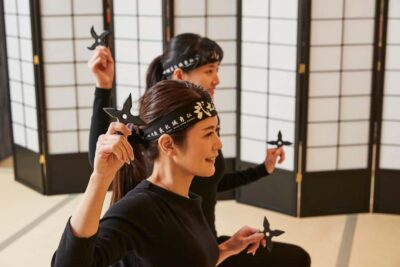
Samurai Ninja Museum Guided tour and Experience
Read our review →
Kendo and Samurai Experience with Uniform and Gear
Read our review →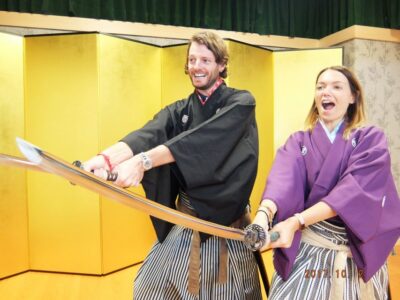
Samurai Sword Class by Experts in Traditional Arts
Read our review →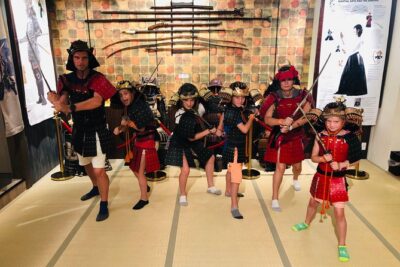
Skip the lines Basic Ticket at SAMURAI NINJA MUSEUM KYOTO
Read our review →
Samurai Sword & Archery Class from Samurai Descendant
Read our review →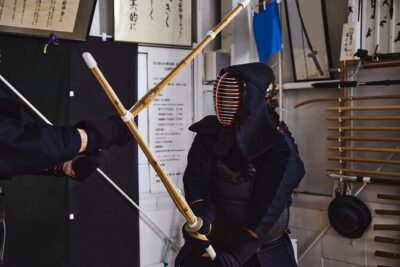
Browse the lists this tour appears in