

Reviewed · TOURS IN OSAKA
Osaka: Sashiko Japanese Craftsmanship Workshop
Sashiko turns simple running stitches into neat geometric patterns, and this Osaka workshop lets you try the craft rather than merely admire it. In two hours, you’ll learn the basics, make your own coasters, and take home a small piece of Japanese textile art.
I like the calm, hands-on format and the small group of up to eight, which gives you room to ask questions. I also like that the class connects each pattern to Japanese culture instead of treating stitching as just a souvenir activity.
The main consideration is that two hours gives you a pleasant introduction, not mastery. Also, the workshop normally needs at least two participants, so solo bookers may need to change dates, pay a ¥3,000 supplement, or accept a refund.
Key points
- Make your own Sashiko coasters using geometric patterns, fabric, thread, and traditional tools.
- Learn with June, Jun, or Nene depending on the session, with English and Japanese instruction available.
- Enjoy a quiet creative break from Osaka sightseeing in a small group limited to eight people.
- Hear how Sashiko grew from practical clothing repair into a respected Japanese art form.
- Visit the small JunAle shop corner for sewing kits, hand-dyed threads, clothing, and original goods.
- Meet at Kyobashi Station if arranged in advance, though transportation to the venue is not included.
Why Sashiko Makes a Good Osaka Workshop
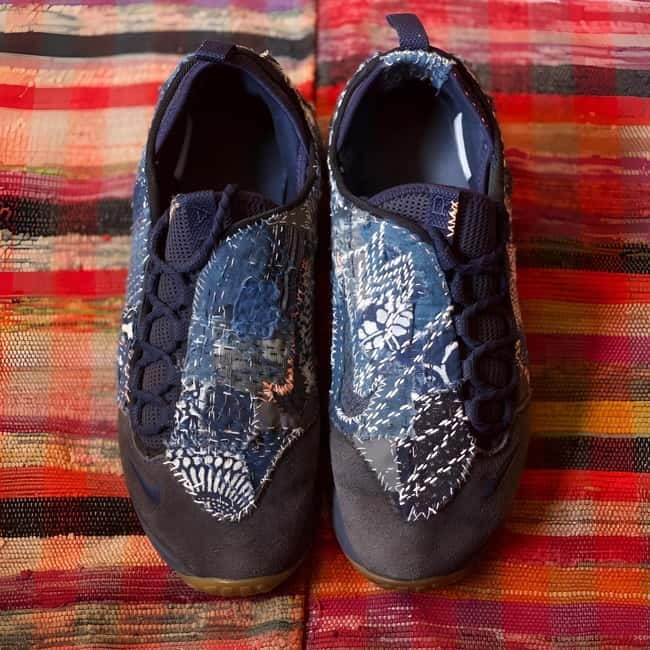
Sashiko means little stabs, a plain name for a careful craft. The basic idea is simple: a needle makes repeated stitches in fabric, forming patterns that can be both useful and beautiful.
The craft began during the Edo period, from 1603 to 1868. Rural families used it to mend clothing, strengthen thin fabric, and add warmth. Farmers and fishermen especially valued the technique because a well-repaired garment could last longer through cold weather and hard work.
That practical background gives the workshop more meaning than a standard craft class. You are not just placing decorative marks on cloth. You are learning a method that grew from thrift, patience, and daily life.
Over time, Sashiko developed into a decorative art. Different parts of Japan created their own patterns, and many designs carry cultural associations. The workshop introduces this background before you begin stitching, so you can see why the repeated lines matter.
I like this balance. You get enough cultural context to understand the craft, but the main focus remains on making something with your own hands.
Other experiences people book in Osaka:
- Osaka Go Karting Tour with Funny Costume
★ 5.0 · 2,658 reviews - Osaka Castle: Museum and Tower Entry Ticket
★ 4.5 · 2,380 reviews - Osaka: Shinsekai Food Tour with 13-15 Dishes at 5 Eateries
★ 4.8 · 2,204 reviews
What Happens During the Two Hours
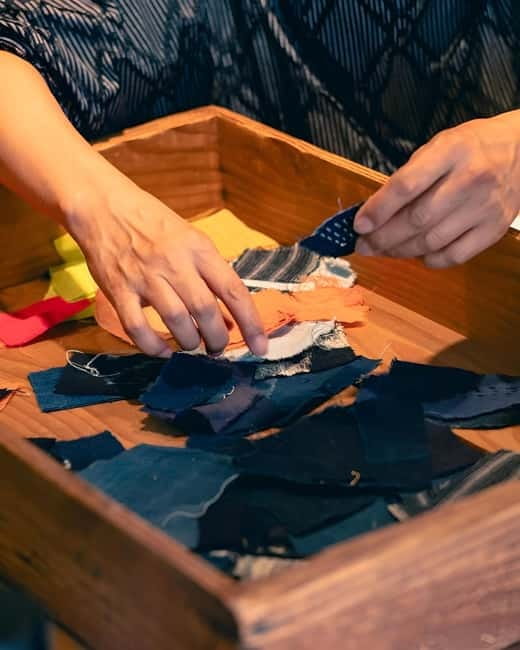
The session begins with an introduction to Sashiko and its place in Japanese craft. You’ll learn how the technique developed, why geometric forms are so common, and how an old repair method became a recognized art form.
Next comes a demonstration of the basic stitch. The instructor shows how to guide the needle through the fabric and create an even pattern. Sashiko is not built around complicated equipment, which makes it approachable for beginners, but steady spacing still takes care.
You then practice on a small project, usually a coaster. The format works well because a coaster is large enough to show the pattern but small enough to finish during the class. You are not left with a half-completed blanket or a project that requires weeks of practice.
The workshop supplies the fabric, needles, threads, and other tools. That matters if you are arriving in Osaka with limited luggage or have never tried Sashiko before. You can start immediately without first shopping for the right needle or thread.
As you work, the instructor can explain the stitching and help you correct small problems. The setting is intended to be relaxed, so you can treat the work as a quiet creative activity rather than a test of precision.
If you finish quickly, ask about additional stitching. One participant with sewing experience was shown another stitch after completing the first piece. That suggests the class can offer a little extra guidance to confident crafters, though the main project remains a beginner-friendly introduction.
June and the Personal Feel of a Small Class
The activity information names June as the experienced instructor. Individual feedback also refers to Jun and Nene, so it is sensible to confirm the instructor’s name when you book, especially if meeting arrangements matter to you.
English and Japanese instruction are available. One useful detail is that Nene has lived in Melbourne, which may help some English-speaking participants feel at ease with conversation and accents. The important point is that the teaching is not presented as a silent, self-guided craft session. You receive instruction and help as you work.
A maximum of eight people keeps the class intimate without making it feel like a private lesson. That size is useful for a craft that depends on seeing the needle and thread clearly. It also gives the session a social side, since you can work alongside people who are equally curious about Japanese handcraft.
The personal tone seems to be part of the appeal. The space has been described as homely, and one family group enjoyed bringing teenagers. That makes this a practical choice for a mixed-age group, as long as everyone is happy to sit and stitch for a couple of hours.
The class is also suitable for complete beginners. You do not need a background in embroidery, sewing, or Japanese crafts. Experienced sewers can still find value in learning a new stitch and seeing how Sashiko patterns are built.
The Historic Workshop Setting
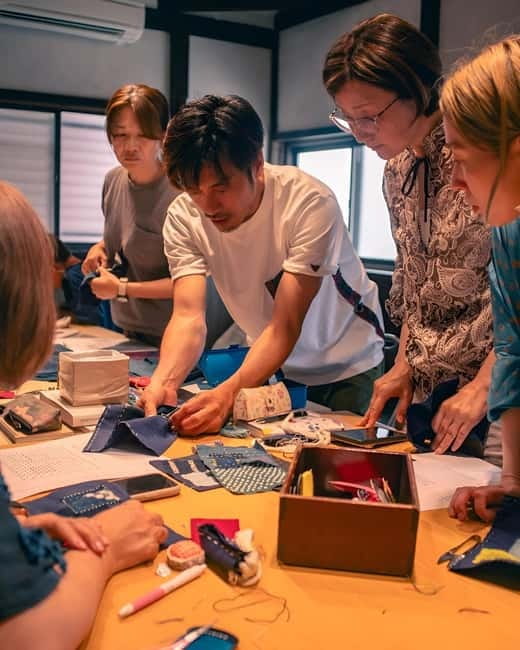
The workshop takes place in a traditional-looking old house. Its wooden stairs and exposed framework add character to the visit, giving you a sense of place before you even pick up a needle.
The space has been described as beautiful and homelike rather than formal. That suits Sashiko. The craft began as part of ordinary life, and a warm, older setting feels more fitting than a polished modern classroom.
The venue is reachable by train, and one group found it easy to reach from Osaka’s rail network. With advance notice, you can arrange to be met at Kyobashi Station. Transportation itself is not part of the price, so you should plan your route and confirm the meeting details before setting out.
The exact location and start times should be checked when booking. The activity lasts two hours, but the available starting times can vary.
The workshop is wheelchair accessible, which is useful information for anyone who needs step-free access. Since the building is described as an old house with wooden stairs and framework, confirm the access arrangements ahead of time if you have specific mobility needs.
Same base, a different sort of day:
- Osaka Food Tour: 13 Dishes at 5 Local Eateries
★ 5.0 · 2,149 reviews - Hungry Osaka Street Food Tour:15 Tastings & 3 Drinks with a Local
★ 5.0 · 1,727 reviews - Osaka: teamLab Botanical Garden Entry Ticket
★ 4.5 · 1,710 reviews - Osaka: Tea Ceremony Experience
★ 4.9 · 1,426 reviews
Making Geometric Sashiko Coasters
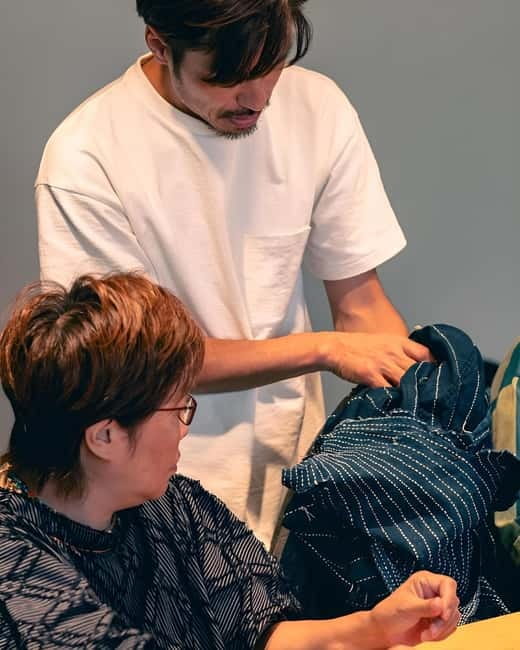
The coaster project is the heart of the experience. You choose or receive a geometric design, then work through the pattern with the supplied thread and needle.
Sashiko rewards patience. The stitches are basic, but the beauty comes from repetition and spacing. You may find yourself slowing down to keep the lines even. That is part of the point. The work encourages concentration without demanding advanced artistic skill.
Your finished coaster will not look exactly like a factory-made item, and that is a good thing. Small differences show that you made it yourself. The result is useful, light to pack, and easy to display or use at home.
The project also gives you a clear measure of progress. At the start, the pattern may seem like a collection of small marks. By the end, the separate stitches come together as a recognizable design.
You’ll learn techniques that can carry into future projects. The workshop does not promise that you will become an expert in two hours, but it gives you the basic method and confidence to continue. If you already sew, you may find the class especially useful as a starting point for adapting Sashiko to your own work.
Why the Cultural Background Matters
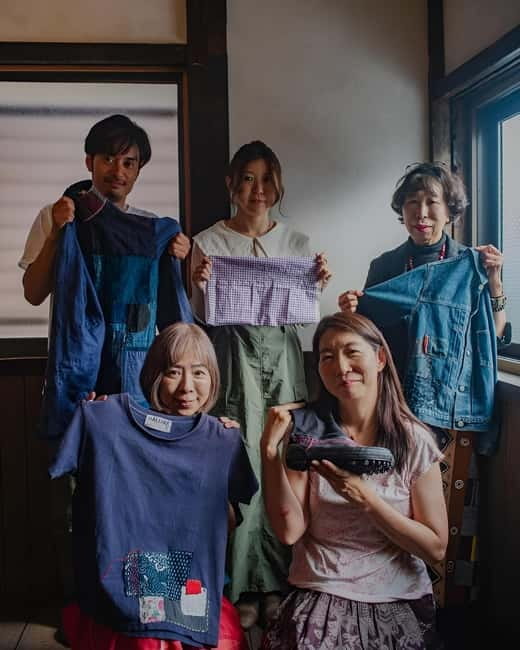
The history section is not filler. It explains why Sashiko looks the way it does.
A technique born from repairing clothing naturally favors repeated, orderly patterns. The stitches strengthen cloth, but they also create rhythm. When you understand that connection, the geometric designs feel less like decoration and more like an extension of the fabric’s purpose.
You’ll also hear about the symbolic meaning connected to different motifs. The material provided does not list every pattern you will study, so you should not expect a full survey of regional Sashiko. Instead, think of this as an introduction that gives you a base for looking at Japanese textiles with more attention.
I value that approach. A short class cannot cover centuries of textile history in detail, but it can show you how art, work, repair, and culture meet in one simple stitch.
A Quiet Break From Osaka Sightseeing
Osaka is a city of food, shopping, rail connections, and busy streets. A two-hour stitching session gives you a different pace.
The work is repetitive in a satisfying way. You can focus on the fabric in front of you, listen to the explanation, and let the rest of your sightseeing schedule wait. Several participants found the activity calm and meditative, which makes it a useful counterpoint to a packed day.
This is not the right choice if you want constant movement or a long list of sights. You’ll spend much of the session seated and concentrating. For some people, that will feel restorative. For others, it may feel too slow.
I would place it between a museum visit and a cooking lesson in terms of energy. It is educational, but your hands stay busy. It is social, but conversation does not take over. The finished item gives you a physical reminder of the time.
The JunAle Shopping Corner
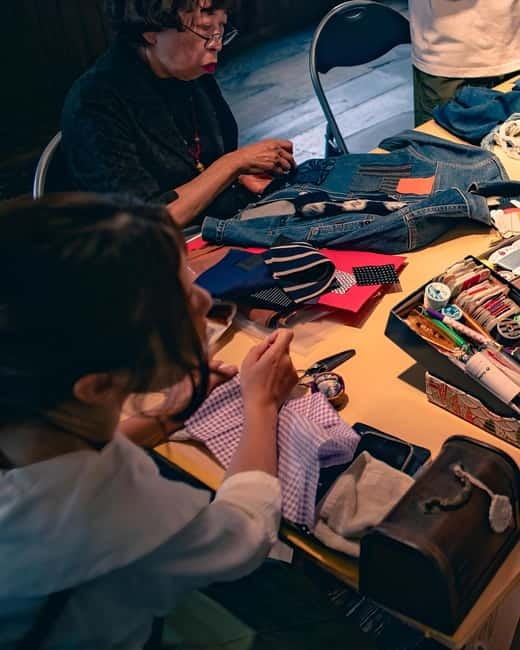
Next to the workshop area is a small shopping corner with JunAle original goods, sewing kits, hand-dyed threads, and clothing.
This is a useful extra for anyone who wants to continue Sashiko after returning home. You can look at supplies while the techniques are still fresh in your mind, and a sewing kit may save you from trying to identify suitable materials later.
The shopping corner is optional. It is not part of the core workshop, and you should not feel that you need to buy something to make the class worthwhile. Cash discounts are available, so bring cash if you think you may want supplies or original goods.
For a craft-focused visitor, this may be one of the more practical parts of the visit. The coaster gives you a finished memento, while a kit or hand-dyed thread gives you a way to keep working.
Is $67 a Fair Price?

At $67 per person, the workshop is not the cheapest two-hour activity in Osaka. Its value depends on what you want from a souvenir.
You are paying for instruction, all materials, a completed Sashiko project, cultural background, and a small group. You also avoid buying tools and fabric before you know if you enjoy the craft. For a first introduction, that makes the price reasonable.
The handmade coaster is not a high-priced artisan textile, and you should not book this expecting to produce a large or elaborate work. The value is in the guided process and the chance to learn a traditional technique in Japan.
It is particularly good value for people who already sew, enjoy embroidery, or want a useful creative activity during an Osaka trip. It is less compelling if you only want a quick souvenir with no hands-on work.
The reserve-now-and-pay-later option gives you some flexibility while planning. Cancellation is free up to 24 hours before the session for a full refund, according to the booking terms.
Solo participants should pay close attention to the minimum group rule. If at least two people do not book, you may be offered another date, asked to pay a ¥3,000 solo supplement, or given a full refund. That policy keeps the standard price fair, but it means a solo booking is not fully guaranteed at the listed rate.
Who Should Book This Experience?

I would recommend it to:
- First-time crafters who want clear instruction.
- Sewing and embroidery enthusiasts looking for a Japanese technique.
- Families with older children or teenagers who enjoy focused activities.
- Couples and friends who want a quiet shared experience.
- Visitors who prefer a handmade keepsake to a mass-produced souvenir.
- Anyone interested in how practical repair work became decorative art.
It is also a strong option for a rainy afternoon or for a break between more active Osaka plans. The small group and calm setting make it easier to concentrate than a large demonstration.
I would hesitate to recommend it to anyone who dislikes detailed handwork, has little interest in sitting for two hours, or expects to complete a complex textile project in one visit.
Practical Details Before You Go
The workshop lasts two hours, and starting times depend on availability. Check the schedule before planning other reservations on the same day.
Instruction is available in English and Japanese. The group is limited to eight people, and all tools and materials are supplied.
Transportation is not included. You are responsible for getting to and from the venue, but a meeting at Kyobashi Station can be arranged with advance notice.
The workshop is wheelchair accessible. Because the venue is an older house, contact the provider in advance with any specific access questions.
The instructor is identified as June in the activity information, while some feedback uses the names Jun and Nene. Confirm the instructor when booking so you know who to expect.
Should You Book the Osaka Sashiko Workshop?
Book it if you want to slow down, learn a real Japanese craft, and leave Osaka with something made by your own hands. The strongest reasons are the small class, the patient guidance, the historical setting, and the fact that beginners can complete a useful coaster in one visit.
The main limits are straightforward: you must enjoy sitting and stitching, the project is small, and solo bookings may face the two-person minimum rule. At $67, this is best seen as a guided cultural activity rather than a cheap souvenir stop.
For craft lovers, curious beginners, and families seeking a calm afternoon, I would book it. If you want more advanced instruction, ask whether an extra stitch or a larger project is possible. If you are unsure about the solo supplement, confirm the group status before paying.
FAQ
How long does the Sashiko workshop last?
The workshop lasts two hours.
What will I make during the class?
You will make a handmade Sashiko item, such as geometric-patterned coasters, and take it home.
Are tools and materials provided?
Yes. Fabric, needles, thread, and other Sashiko-specific tools are included.
Is the workshop taught in English?
Instruction is available in English and Japanese.
How many people can join the workshop?
The activity is a small-group experience limited to eight participants.
Can solo participants book at the listed price?
The workshop aims not to charge extra to solo participants, but at least two people are normally needed. If that minimum is not reached, you may be offered another date, asked to pay a ¥3,000 solo supplement, or given a full refund.
Just added in Osaka
- Private arrival transfer from Kansai International airport to Kyoto City★ 5.0 · 32 reviews
- (Ticket Included) Explore Osaka Castle & Museum of History★ 4.8 · 21 reviews
- Hidden Osaka – Yukaku Red Light Tour & Culinary Adventure★ 4.8 · 96 reviews
- Osaka: Walking Tour and Top Highlights★ 4.8 · 104 reviews
- Pickleball in Osaka, Kobe & Kyoto with Locals!★ 4.7 · 80 reviews
- Osaka: Private Ceramic Painting Workshop★ 5.0 · 13 reviews
- Osaka:SUMO BEATS SHOWCASE: Taiko Drum and Wagyu burger!★ 4.2 · 37 reviews
- Eat Like a Local in Osaka – Private Custom Street Food Tour★ 4.3 · 33 reviews
Tours in Osaka, compared.

Osaka Food Tour: 13 Dishes at 5 Local Eateries
Read our review →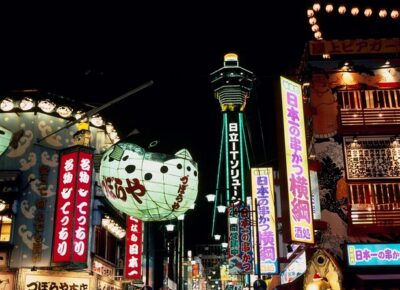
Hungry Osaka Street Food Tour:15 Tastings & 3 Drinks with a Local
Read our review →
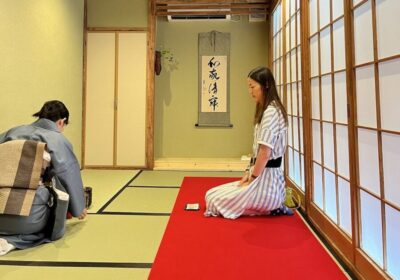


Hotspots & Hidden Gems Walking Tour Private or Group
Read our review →Browse the lists this tour appears in