
Reviewed · TOURS IN OSAKA
Osaka: UTAGE Japanese Taiko Live Show
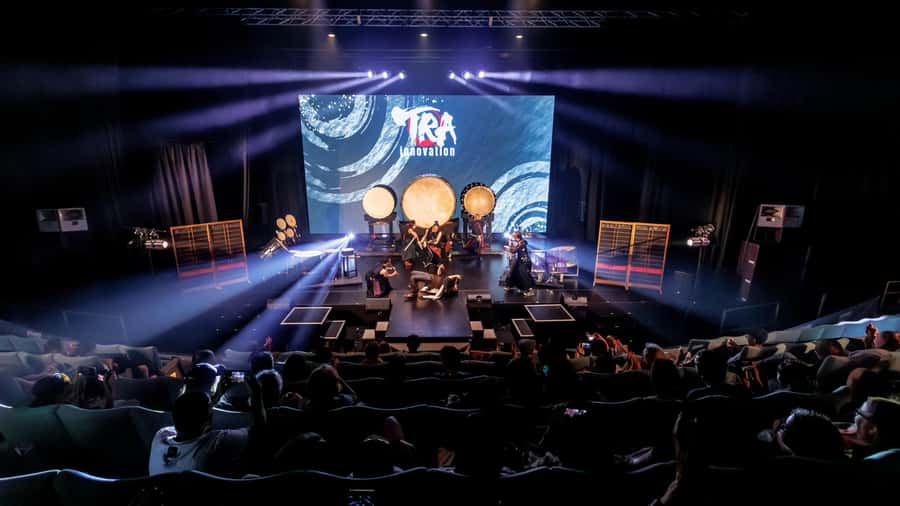
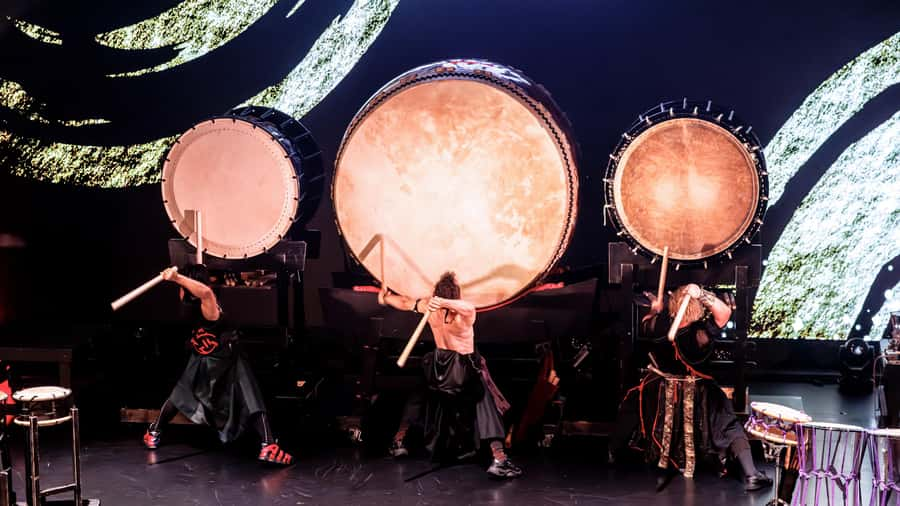
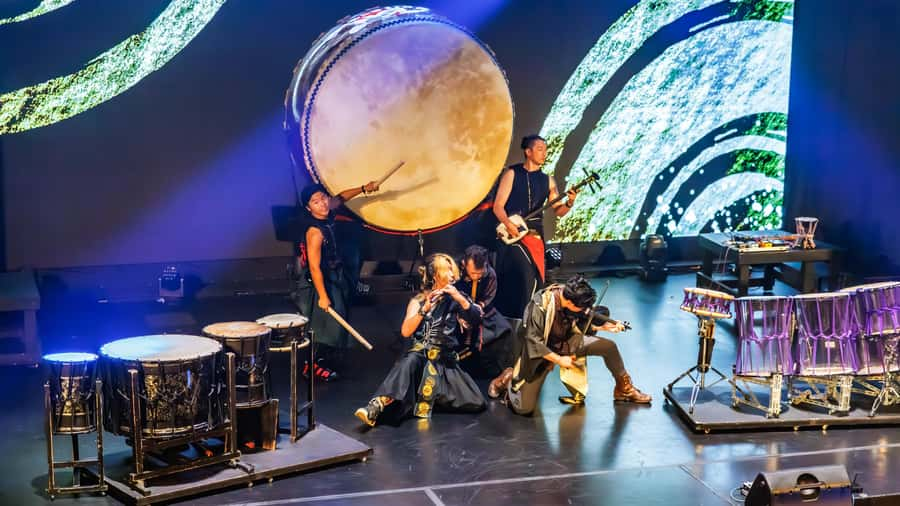
Osaka’s UTAGE Live Show puts you just a few rows from performers pounding a 180-centimeter taiko, then folds shamisen, shakuhachi, shinobue, computer music, and stage visuals into the mix. It feels less like a formal concert and more like a lively cultural event where the musicians want you involved.
I like the small-room setting, which can put the band only a few metres away, and I like the chance to play a Japanese instrument for one song. The main thing to consider is timing: arrive at least five minutes early, since late entry is not allowed once the show begins.
Key points
- The 180-centimeter drum: One of Kansai’s largest drums gives the performance its physical punch.
- Traditional instruments with modern sound: Taiko, shamisen, shakuhachi, and shinobue meet computer music and visual effects.
- Audience participation: Selected audience members can join the performers for one song.
- Intimate seating: The show may seat around thirty people in three rows, placing you close to the musicians.
- Family-friendly energy: The lively format works well for adults, families, and solo visitors.
- Extra photo opportunities: Photos are allowed during the performance, and you may be able to meet the musicians afterward.
A close-up look at Japanese musical traditions
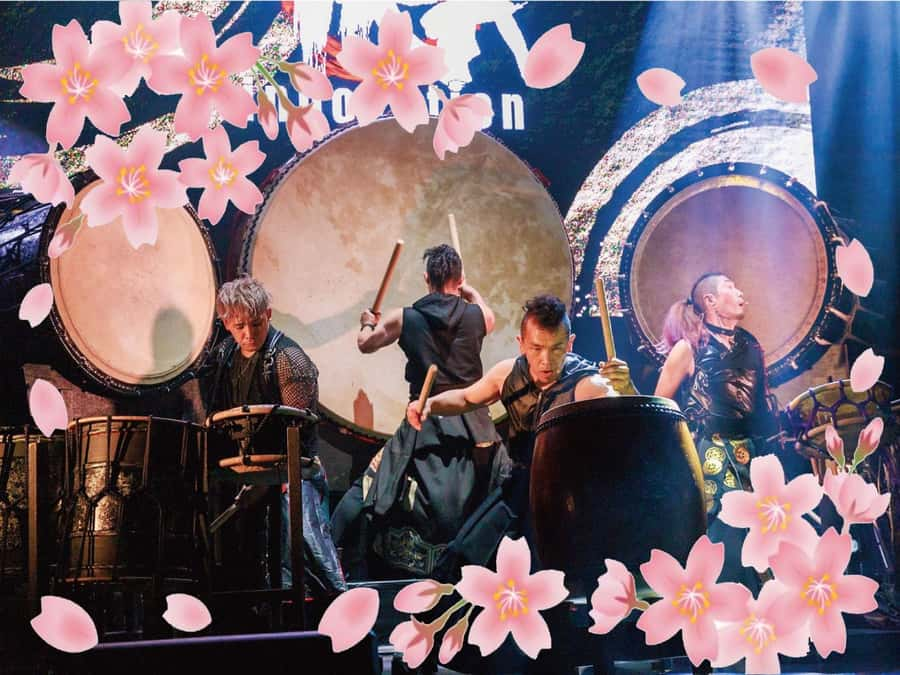
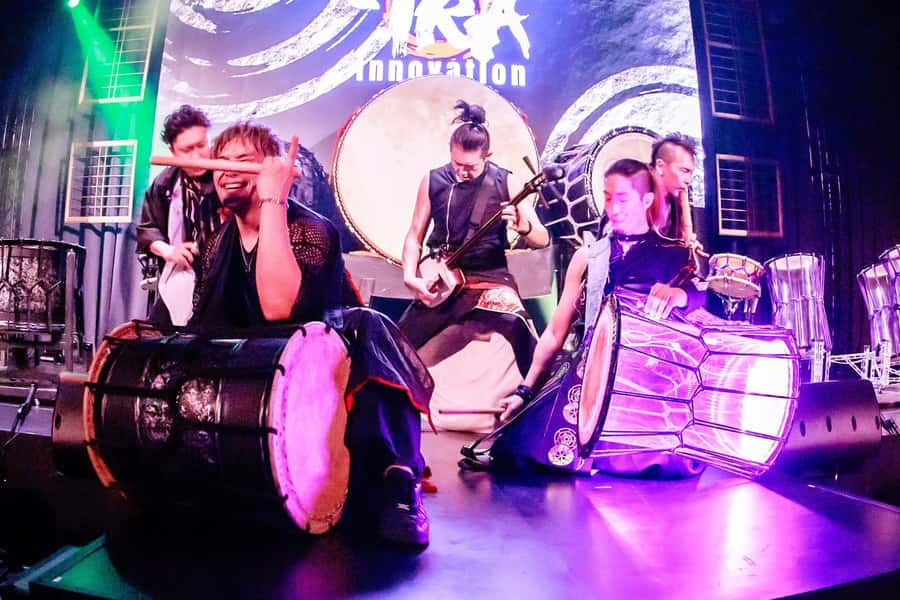
UTAGE is built around contrast. You hear instruments with long roots in Japanese culture, but you do not get a quiet museum-style demonstration. The taiko is loud and physical. The shamisen brings a sharp, stringed sound. The shakuhachi and shinobue add breathy flute tones. Computer music fills out the performance with a modern beat.
That mix is the point. You get a quick sense of several Japanese instruments without having to choose between a taiko concert, a shamisen recital, or a cultural workshop. The show packages them into one high-energy program that is easy to follow even if you do not speak Japanese.
The performers are associated with TRAinnovation, a band presented as a leading indie act. The supplied information does not provide individual musician names, so you should not expect a named guide-led tour. This is a stage show, with the musicians carrying the evening through sound, movement, humor, and visual touches.
Other experiences people book in Osaka:
- Osaka Go Karting Tour with Funny Costume
★ 5.0 · 2,658 reviews - Osaka Castle: Museum and Tower Entry Ticket
★ 4.5 · 2,380 reviews - Osaka: Shinsekai Food Tour with 13-15 Dishes at 5 Eateries
★ 4.8 · 2,204 reviews
The 180-centimeter taiko takes center stage
The large drum is the show’s clearest visual hook. At 180 centimeters in diameter, it is far bigger than the drums you might see in a standard cultural demonstration. When it is struck, you do not just hear the sound. You feel its force in the room.
That scale also helps the performance make sense at a glance. If you have never seen taiko before, the drum gives you an immediate picture of the instrument’s physical demands. The musicians use posture, timing, and full-body movement, so the act of playing becomes part of the spectacle.
This is not a quiet introduction to Japanese percussion. Expect volume and strong rhythmic impact. If you prefer soft chamber music, this may not be your ideal Osaka night. If you like concerts with a visible sense of effort, the drum is a major reason to book.
Traditional instruments meet computer music
The program does not treat traditional Japanese instruments as isolated objects. Instead, it places them beside electronic sound and contemporary production. That gives the show a pop-concert feel while keeping the wooden, stringed, and bamboo instruments at the center.
The shamisen can sound bright and cutting. The shakuhachi offers a more airy and reflective tone. The shinobue brings another flute color. Against computer-generated music, those sounds become part of a broader arrangement rather than a short demonstration between unrelated acts.
I like this approach for first-time visitors. You get cultural context through the instruments themselves, but you are not asked to sit through a long explanation in Japanese. The sound does most of the teaching.
The trade-off is that this is a modern interpretation, not a complete survey of traditional Japanese music. Book it for the collision of old and new, not for a formal lesson in historical performance practice.
What the show feels like from the audience

The room can be intimate. One seating arrangement described for the performance had about thirty people in three rows, with the musicians only a few metres away. That small scale matters because it makes the expressions, gestures, and drum technique easier to see.
You are not watching a distant stage through a large crowd. The performers can make eye contact, react to the audience, and invite people into the action. That closeness also means the show can feel personal even when the musicians are delivering a carefully prepared production.
Audience members are allowed to take photos during the performance. That is useful if you want a picture of the huge drum or the visual staging, but try to keep your phone from blocking the view of the people behind you. The show depends on direct eye contact and movement, so it is worth putting the camera away for much of the performance.
Same base, a different sort of day:
- Osaka Food Tour: 13 Dishes at 5 Local Eateries
★ 5.0 · 2,149 reviews - Hungry Osaka Street Food Tour:15 Tastings & 3 Drinks with a Local
★ 5.0 · 1,727 reviews - Osaka: teamLab Botanical Garden Entry Ticket
★ 4.5 · 1,710 reviews - Osaka: Tea Ceremony Experience
★ 4.9 · 1,426 reviews
The one-song participation segment

The most unusual part of UTAGE is the invitation to take part. For a limited time, audience members can be invited onto the stage to experience Japanese instruments and join the musicians for one song.
This is not the same as booking a long taiko lesson. You should think of it as a short, playful chance to become part of the show. The details of selection and the instrument used are not specified, so participation should not be treated as guaranteed for every person in the room.
Still, the possibility changes the mood. You are not only watching experts perform. You may find yourself clapping, moving, dancing, or trying a drum part under the performers’ direction. That works well for families and outgoing adults, while solo visitors can also join without needing to bring a group.
If you dislike being called on in public, you can still enjoy the concert from your seat. The participation segment is an option within the show, not the whole purpose of the visit.
Visual effects add a modern stage feel
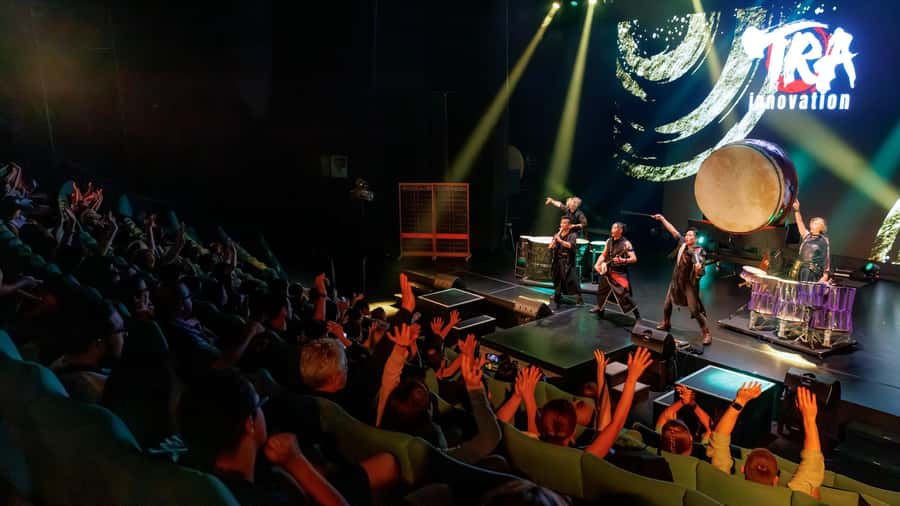
UTAGE uses visual elements as well as sound. The supplied details do not specify the exact lighting, projections, or screen work, so do not book it expecting a particular visual technology. You can expect the room to be designed as more than a simple instrumental recital, with visual touches meant to keep the audience engaged.
That matters because the show moves at a brisk pace. The visual material gives your eyes something to follow while the musicians shift between instruments and styles. It also makes the program easier for children to enjoy, since the appeal is not limited to careful listening.
The result is closer to live entertainment than a lecture or formal cultural presentation. You get a taste of Japanese performance traditions, but the evening is shaped for an international audience that wants energy and interaction.
After-show photos and the downstairs shop
The evening may continue after the music ends. The musicians can be available for photos, and the downstairs shop offers additional photo opportunities with samurai swords and traditional Japanese umbrellas.
These details are especially useful if you want more than a one-hour concert. They give you time to take a souvenir picture and meet the performers after the stage portion. The shop also helps families turn the visit into a light cultural outing rather than simply sitting through a show and leaving.
You should treat the post-show photo opportunity as part of the available setting, not as a formal private meet-and-greet with a fixed schedule. The most certain part of the booking is the live performance itself.
Is the $40 price good value?
At $40 per person, UTAGE sits in the range of a special evening activity rather than a cheap drop-in performance. I think the price makes sense if you value a close seat, live musicians, the large taiko, audience interaction, and the chance to join one song.
You are also getting several instruments in one program. A separate visit to hear taiko, see shamisen, and learn about bamboo flutes could take more planning and cost more. UTAGE gives you a compact introduction with a strong entertainment element.
The value is weaker if you want a long hands-on workshop or a detailed explanation in English. The listed language is Japanese, and the show is designed to communicate through performance rather than extended translation. You are paying for the energy of the live event, not for a step-by-step music class.
For families, the participation and photos can help justify the price. For solo visitors, the close seating and welcoming tone make it easy to attend alone. For music lovers, the combination of instruments and computer sound is likely the strongest reason to go.
Who should book UTAGE in Osaka?
I would recommend it to you if you want a Japanese cultural activity that feels lively rather than solemn. It is a good fit for first-time visitors who want to see traditional instruments without spending an entire evening on formal concerts.
It also suits:
- Families looking for an activity that holds children’s attention
- Couples wanting something different from food, shopping, or sightseeing
- Solo visitors who enjoy participatory shows
- Music fans interested in the meeting point between acoustic instruments and electronic production
- Visitors who want photos with performers and Japanese cultural props
You may want to skip it if you need English narration, prefer a quiet recital, or want guaranteed stage participation. The performance is in Japanese, and the show’s biggest strengths are rhythm, movement, humor, and visual energy.
Practical details before you go
The meeting point is Osaka Cultural Center, and the activity ends back at that same location. No transport is included or needed as part of the show itself, so you should plan your route to the venue before the performance day.
Arrive at least five minutes before the listed start time. Once the show begins, late entry is not permitted because it would interrupt the production. This is one of those small rules that can make or break the evening, so do not cut your arrival close.
The experience is listed in Japanese. That should not prevent you from enjoying the instruments, but you may miss spoken jokes or instructions if you do not understand Japanese. The physical nature of the taiko, the visual effects, and the audience cues carry much of the program.
You can reserve now and pay later, which helps if your Osaka plans are still shifting. Cancellation is available up to 24 hours before the activity for a full refund. Check the final booking details for the exact start time and any participation instructions.
How UTAGE fits into an Osaka day
The show works well as a focused evening plan. You can pair it with other Osaka Cultural Center area activities, and the aquarium and Ferris wheel have been noted as nearby options for a fuller day out. The supplied information does not give exact walking times, so leave enough room between activities to arrive early at the theater.
I would avoid booking it immediately after an activity that may run late. The no-entry rule after the show starts is strict, and the best seats for an intimate performance are not worth risking a rushed arrival.
If you are building an Osaka itinerary around food and major sights, UTAGE gives you a different kind of night. It is not a landmark visit or a historical tour. It is a direct, noisy, good-natured performance that lets you hear Japanese instruments in a modern setting.
Should you book the UTAGE Live Show?
Book it if you want high-energy Japanese music, a close view of a very large taiko, and a real chance to take part in the performance. The $40 price is fair for a compact live show with several instruments, visual production, audience interaction, and possible photos afterward.
Think twice if you want English explanations, a guaranteed workshop, or a quiet traditional concert. For most visitors, though, UTAGE is an easy way to add a lively cultural night to an Osaka itinerary, especially if you are traveling with family or want an activity that feels different from the usual city sights.
FAQ
Where does the UTAGE Japanese Taiko Live Show take place?
The show takes place at Osaka Cultural Center in Osaka, on Honshu, Japan.
Where does the activity end?
The activity ends back at the meeting point, Osaka Cultural Center.
How much does the show cost?
The listed price is $40 per person.
What instruments are used during the performance?
The show features Japanese drums, including a 180-centimeter drum, shamisen, shakuhachi, and shinobue. Computer music is also part of the production.
Is audience participation included?
The show offers a limited opportunity for audience members to join the performers for one song and experience Japanese instruments. Participation may not be guaranteed for every person.
What language is the show in?
The listed language is Japanese.
How early should I arrive?
You should arrive at least five minutes before the show begins. Entry is not allowed after the performance starts.
Can I take photos during the show?
Yes. Photos are permitted during the performance, and photo opportunities with the performers may be available afterward.
Can I cancel the booking?
You can cancel up to 24 hours in advance for a full refund. You can also reserve and pay later, which keeps your plans flexible.
Just added in Osaka
- Private arrival transfer from Kansai International airport to Kyoto City★ 5.0 · 32 reviews
- (Ticket Included) Explore Osaka Castle & Museum of History★ 4.8 · 21 reviews
- Hidden Osaka – Yukaku Red Light Tour & Culinary Adventure★ 4.8 · 96 reviews
- Osaka: Walking Tour and Top Highlights★ 4.8 · 104 reviews
- Pickleball in Osaka, Kobe & Kyoto with Locals!★ 4.7 · 80 reviews
- Osaka: Private Ceramic Painting Workshop★ 5.0 · 13 reviews
- Eat Like a Local in Osaka – Private Custom Street Food Tour★ 4.3 · 33 reviews
- Osaka:SUMO BEATS SHOWCASE: Taiko Drum and Wagyu burger!★ 4.2 · 37 reviews
Tours in Osaka, compared.

Osaka Food Tour: 13 Dishes at 5 Local Eateries
Read our review →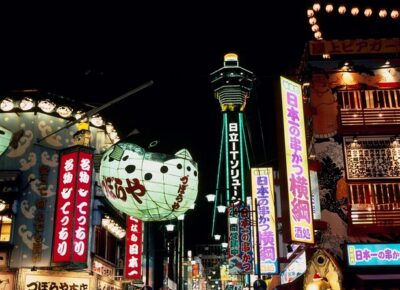
Hungry Osaka Street Food Tour:15 Tastings & 3 Drinks with a Local
Read our review →
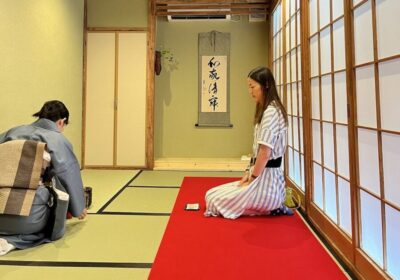


Hotspots & Hidden Gems Walking Tour Private or Group
Read our review →Browse the lists this tour appears in