
Reviewed · TEA CEREMONY EXPERIENCES
Sencha-do the Japanese Tea Ceremony Workshop
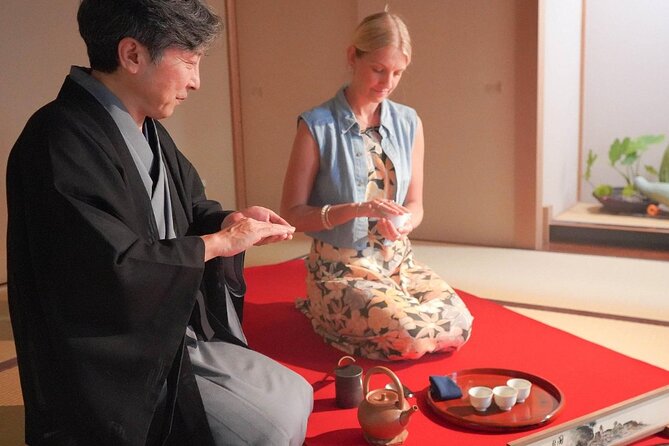
Sencha-do gives you a different view of Japanese tea. Instead of whisking powdered matcha, you carefully steep green tea leaves, watch the ceremony, then handle the utensils yourself. The hands-on brewing is the heart of the visit.
I like the small maximum of four people, which leaves room for questions and patient instruction. I also like that you can take photos and compare the tea you make with the cups brewed by your companions.
The main point to consider is the meeting address. One person had trouble finding it from the online directions, so allow extra time and check the map carefully before setting out. The class lasts about 90 minutes and costs $65.69 per person.
Key points to know before you book
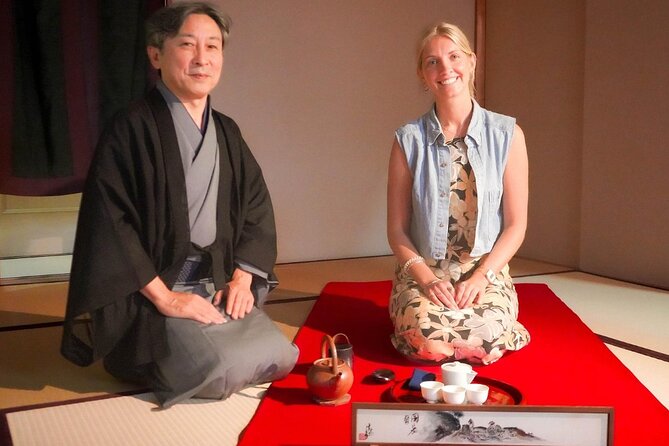
- You brew the tea yourself: This is not just a demonstration. You use traditional utensils and prepare your own cup.
- Sencha-do is not matcha ceremony: The tea is made from loose green tea leaves, giving you a chance to learn a less familiar Japanese tradition.
- The group is capped at four: A small class makes it easier to ask questions and receive careful guidance.
- Japanese sweets are included: They provide a traditional partner for the tea and help slow the pace of the session.
- The teacher comes from the Higashi Abe school: Instruction may include school history, tea customs, and the meaning behind each step.
- The location is in Kawasaki: The activity begins and ends at 1-chome-7-2 Totehonmachi, Saiwai Ward, near public transportation.
A quieter tea experience in Kawasaki
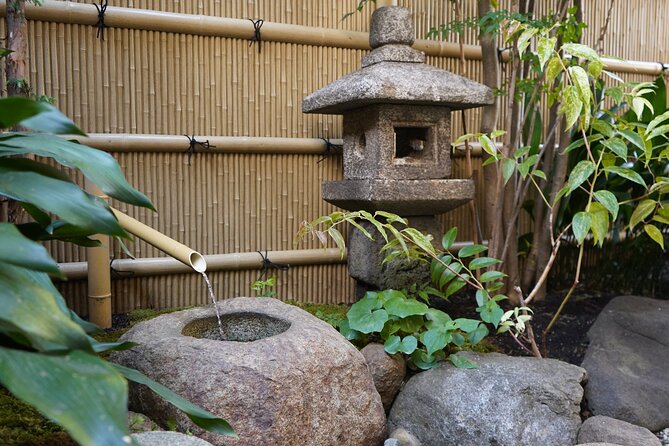
Many first-time visitors to Japan know matcha. Fewer know about Sencha-do, a separate tea tradition based on brewing leaves in hot water. That difference makes this workshop useful even if you have already attended a standard matcha ceremony.
The session takes place at the Higashi Abe school in Kawasaki. It runs for about an hour and a half, long enough to cover the basic background, observe a full demonstration, and make tea yourself without turning the lesson into an all-day event.
The school’s instructor is a master of the Higashi Abe tradition. Past sessions have also been taught by Kyo and, on one occasion, by the grandmaster of the school. You should expect a teacher who explains the process gently rather than rushing you through unfamiliar movements.
This is a cultural lesson, not a stage performance. The value comes from seeing how much care goes into a small cup of tea. You learn that the water, leaves, utensils, order of movements, and way of serving all matter.
Other tea rooms and ceremonies in Japan:
- Kyoto: Tea Ceremony in a Traditional Tea House in Kiyomizu
★ 4.9 · 3,519 reviews - Kyoto: Tea Ceremony Ju-An at Jotokuji Temple
★ 4.9 · 3,207 reviews - Kyoto: 45-Minute Tea Ceremony Lesson Experience
★ 4.3 · 2,378 reviews
What happens during the 90-minute workshop
The class begins with an observation period. You watch the instructor perform the ceremony and explain what is happening. This opening matters because the gestures can seem mysterious if you start handling the equipment without context.
You will likely notice the careful pace first. Sencha-do asks you to pay attention to the preparation rather than simply wait for a drink. The instructor also explains the customs and background of the Higashi Abe school, giving the movements a purpose beyond decoration.
Japanese sweets are served during the experience. They add a pleasant contrast to the tea and follow the traditional idea of enjoying a small sweet alongside a bitter or fresh drink. The sweets are included in the price, as is the green tea.
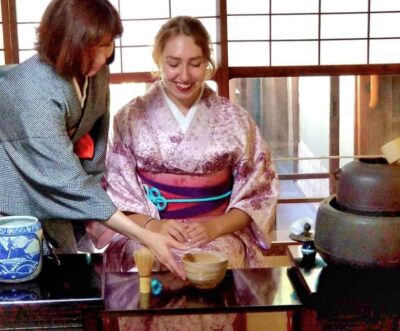
After watching, you get your turn. You handle the tea utensils and brew green tea leaves from scratch. This is the part that separates the workshop from many tea ceremonies, where you sit quietly and watch a host prepare everything.
Do not worry about getting every movement right on your first attempt. The class is designed for beginners, and the instructor is there to guide you through the order and handling of the equipment. You can then taste the tea you prepared and compare it with the tea made by your companions.
That comparison is a small but useful lesson. Two people can follow the same basic method and still produce cups with different strength and flavor. It helps you notice how brewing time and technique affect the drink.
Sencha-do versus the matcha ceremony
Sencha-do uses loose green tea leaves. You infuse them in water, much as you would brew other leaf teas, but the Japanese method gives the process a formal structure.
Matcha, by contrast, is powdered green tea whisked directly into water. A matcha ceremony is probably the tea experience most familiar to international visitors, but it is only one branch of Japanese tea culture.
This workshop is a good choice if you want to move past general matcha knowledge. The lesson introduces a less commonly explained tradition and shows that Japanese tea culture is not one single ceremony with one fixed style.
The distinction also affects the taste. The information provided describes the brewed tea as capable of having a surprisingly sweet flavor. Your result will depend on how you prepare it, which is part of the fun and part of the lesson.
If you already enjoy loose-leaf tea, you may appreciate the practical side of the class. If you only know tea in bags or powdered form, the workshop gives you a clear introduction to how leaves change when carefully infused.
Why the small group size matters
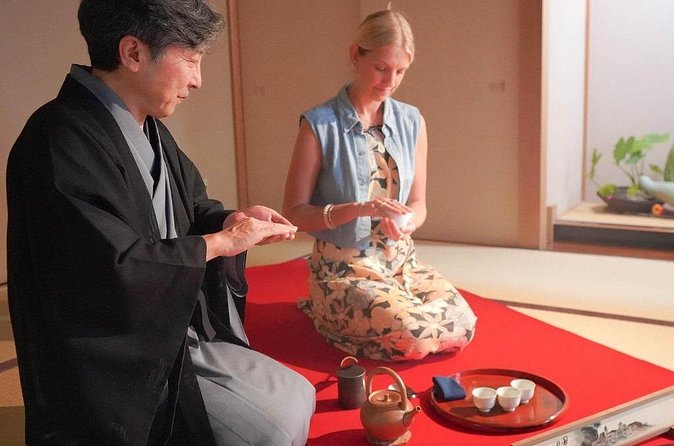
The class has a maximum of four participants. That is a major advantage for an activity based on precise hand movements and questions.
In a large group, you might spend much of the session watching from a distance. Here, you have a better chance to see the utensils clearly and receive direct help when it is your turn. A small group also makes it easier to ask about the school, the ceremony, or the differences between Sencha-do and matcha.
The size suits several types of visits. Couples can compare the tea they make. Families can give children a controlled introduction to Japanese customs. Solo visitors can ask questions without feeling lost in a crowd.
Children have enjoyed the personal nature of the lesson, although the available information does not give a specific minimum age. If you are booking with young children, it is wise to confirm that the pace and utensil handling suit them.
The small class can also create a more personal connection with the instructor. The teaching style described in the experience is patient and respectful, and the school’s family background may come into the conversation.
Same base, a different sort of day:
- Mt Fuji and Hakone 1-Day Bus Tour Return by Bullet Train
★ 5.0 · 26,383 reviews - 1-Day Tokyo Bus Tour
★ 5.0 · 14,250 reviews - PERFECT KYOTO 1-Day Bus Tour
★ 5.0 · 13,518 reviews - Tokyo: TOKYO SKYTREE® Admission ticket
★ 4.5 · 11,192 reviews
A cultural lesson with personal stories
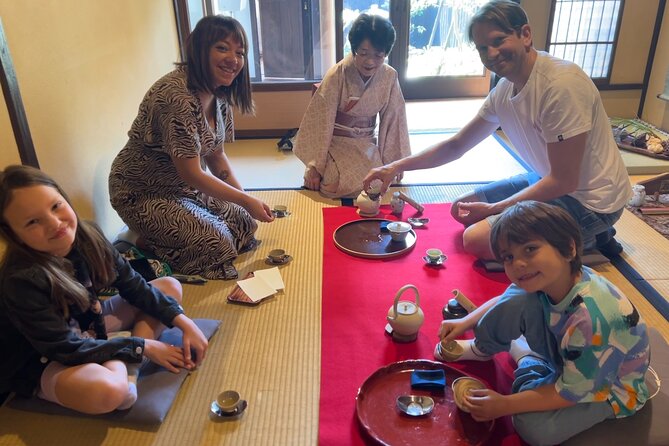
One of the stronger parts of the experience is the chance to hear about the school’s history and family tradition. The instructor may explain how this form of tea differs from other Japanese ceremonies and why the Higashi Abe school follows its particular methods.
That background gives the activity more weight. You are not simply learning how to pour water over leaves. You are seeing one school’s approach to a practice passed down through generations.
Some sessions have included detailed explanations of tea history, ceremony history, and the relationship between tea culture and religion. The amount of discussion can vary with the instructor and the questions asked, but the format allows for conversation rather than a fixed speech alone.
I would arrive with one or two questions ready. You might ask why certain utensils are used, how Sencha-do differs from matcha, or what makes a cup of tea taste sweeter or stronger. A thoughtful question can turn a pleasant demonstration into a more memorable lesson.
The setting itself is described as traditional, though the supplied details do not specify every room feature. Expect a school environment rather than a large tourist attraction. That makes the session feel focused, but it also means the experience is about the teaching and ritual, not about touring a grand building.
Getting to the Kawasaki meeting point
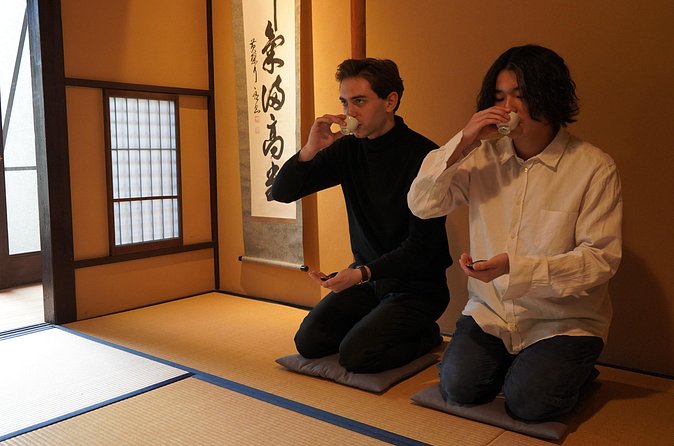
The activity begins and ends at the same place:
1-chome-7-2 Totehonmachi
Saiwai Ward, Kawasaki
Kanagawa 212-0023, Japan
The school is near public transportation, and private transportation is not included. You will need to make your own way there and return independently after the class.
Give yourself extra time for the final approach. One person found the address difficult to locate using the provided directions. The practical lesson is simple: check the exact Japanese address, save the meeting point on your phone, and avoid arriving at the last minute.
Mobile tickets are accepted, and booking confirmation is sent at the time of reservation. The group size is small, so a late arrival could affect your time in the workshop. The class returns to the meeting point when it ends.
The location in Kawasaki also matters when planning your day. This is not presented as a central Kyoto attraction, and some written comments refer to a Kyoto branch of the same school. For this booking, use the Kawasaki address and do not assume that a Kyoto tea-school location is the meeting point.
Is $65.69 a fair price?
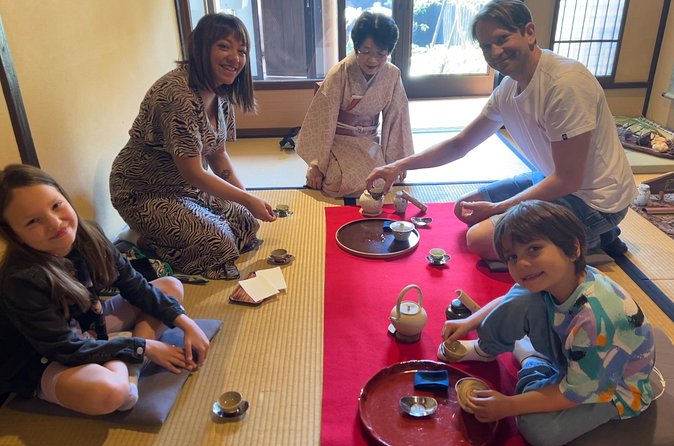
At $65.69 per person, this is not the cheapest way to drink green tea in Japan. You can buy tea for very little at a shop or café. That is not what you are paying for here.
The fee covers about 90 minutes of instruction, green tea, Japanese sweets, access to traditional utensils, and a class limited to four people. You are also paying for a teacher from the Higashi Abe school and the chance to prepare the tea yourself.
The price makes more sense if you value direct instruction and cultural context. A short demonstration without participation would offer less for the same amount of time. Here, you watch, listen, practice, taste, and compare.
For families, group discounts may improve the value, though the exact discount is not specified. Couples and solo visitors should think of the fee as the cost of a private-feeling cultural workshop rather than a beverage purchase.
I would consider it good value for someone who has already seen a matcha ceremony and wants something different. It is less compelling if you only want a quick cup of tea or have no interest in learning the customs behind it.
Taking photos without losing the moment
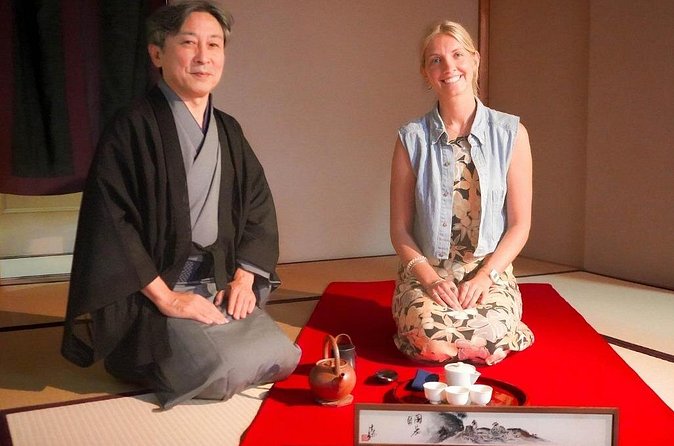
Photography is welcome throughout the experience. That is useful because the ceremony includes small gestures and carefully arranged utensils that you may want to remember.
Still, I would not spend the entire session behind your phone. The most valuable part is handling the utensils and noticing the process directly. Take a few photos during the demonstration, then set the phone aside while you brew.
The permission to photograph also makes this activity easier to share with family members who are not present. You can document the utensils, the sweets, and your own tea preparation without treating the session as a no-camera ceremony.
Ask before photographing people closely if you are unsure. The experience specifically welcomes photos, but good manners still apply in a small teaching room.
Who will enjoy this tea workshop most?
This experience suits you if you want a cultural activity that is calm, practical, and small in scale. It is a strong fit for:
- Couples who want to compare the tea they prepare
- Families looking for an educational activity
- Solo visitors who enjoy asking questions
- Tea lovers interested in loose-leaf brewing
- Repeat Japan visitors who have already tried matcha
- Anyone curious about the difference between Japanese tea schools
It may not suit you if you want a large, theatrical show or a flexible drop-in activity. The ceremony follows a set structure, and the small class means you need to arrive at the appointed time.
Most people can participate, and service animals are allowed. The available details do not describe wheelchair access, seating arrangements, or specific physical requirements, so contact the provider if those points matter to you.
The activity requires good weather and a minimum number of participants. If poor weather or low enrollment causes cancellation, you are offered another date or a full refund.
Booking and cancellation details
The experience is often reserved about 13 days ahead, so do not leave it until the last day if your schedule is tight. Confirmation arrives when you book, and the activity accepts mobile tickets.
You can cancel for a full refund up to 24 hours before the start time. Cancellations or changes made within 24 hours are not refunded or accepted. The cut-off follows local time in Japan.
That policy is fairly flexible for a scheduled class, but check the weather if you are visiting during a rainy period. The activity can be canceled for poor weather, and the provider will offer another date or a full refund.
Should you book Sencha-do in Kawasaki?
I would book this workshop if you want to do more than watch a Japanese tea ceremony. The chance to handle the utensils and brew Sencha yourself makes the 90-minute visit active without becoming strenuous.
The strongest reasons to go are the four-person limit, the patient instruction, and the focus on a tea tradition that many visitors never encounter. The sweets, photography policy, and school background add useful touches.
Think twice if your Japan itinerary is already packed with formal cultural demonstrations or if you only want matcha. Also plan carefully for the Kawasaki address, since finding the meeting point may take longer than expected.
For a curious family, couple, or solo visitor, this is a thoughtful way to spend part of an afternoon. You leave with more than a taste of tea: you learn how much attention can fit into one small cup.
FAQ
Where does the Sencha-do workshop take place?
The meeting point is 一般財団法人 煎茶道東阿部流, 1-chome-7-2 Totehonmachi, Saiwai Ward, Kawasaki, Kanagawa 212-0023, Japan.
How long does the experience last?
The workshop lasts approximately 1 hour and 30 minutes.
What kind of tea is used?
The workshop uses green tea leaves that are brewed by infusion. It does not use powdered matcha.
Do I get to make tea myself?
Yes. After watching the ceremony, you use traditional tea utensils to brew your own tea.
Are Japanese sweets included?
Yes. Japanese sweets and green tea are included in the experience price.
How many people can join the activity?
The maximum group size is four participants.
Can I take photographs?
Yes. You are welcome to take as many photos as you like during the experience.
What is the cancellation policy?
You can cancel up to 24 hours before the start time for a full refund. Cancellations or changes made less than 24 hours before the start time are not accepted or refunded.
Just added in Japan
- Nagasaki Private Customizable Half Day Tour★ 5.0 · 16 reviews
- Nagasaki Full Day Tour with Licensed Guide and Vehicle★ 5.0 · 27 reviews
- Nagasaki Private Tour with a Local – Highlights & Hidden Gems★ 5.0 · 24 reviews
- Nagasaki WW2 History and Culture Tour★ 5.0 · 19 reviews
- Nagasaki Like a Local: Private & Custom Experience (2-3 hrs)★ 5.0 · 14 reviews
- Snow Monkeys, Hokusai & Sake: A Perfect Day in Nagano★ 5.0 · 19 reviews
- Wasabi Farm Walking Tour & Lunch★ 4.5 · 20 reviews
- Nagasaki Street Food Adventure: Private Walking Tour with a Local★ 5.0 · 26 reviews
Tea Ceremony Experiences, compared.
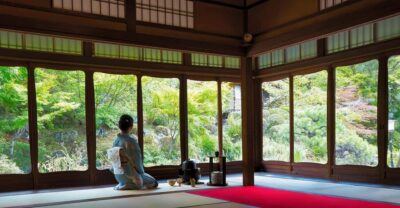
Tea Ceremony in a Traditional Tea House in Kiyomizu
Read our review →
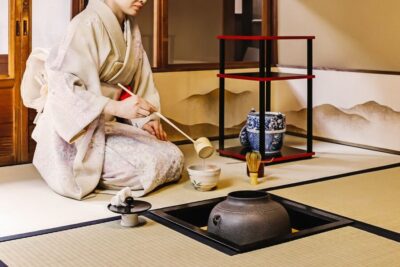
World Heritage Kyoto & Nara Uji Authentic Matcha Experience
Read our review →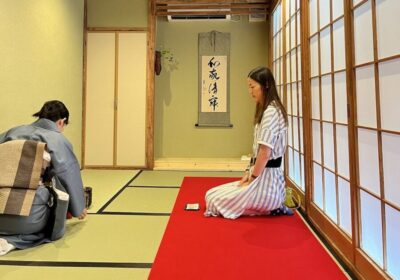
Arashiyama Bamboo Forest, Monkeys, Matcha & Temple Tour
Read our review →Browse the lists this tour appears in