
Reviewed · BAR HOPPING & NIGHT TOURS
Tokyo: The Best of Izakaya in Shinjuku Food & Cultural Tour
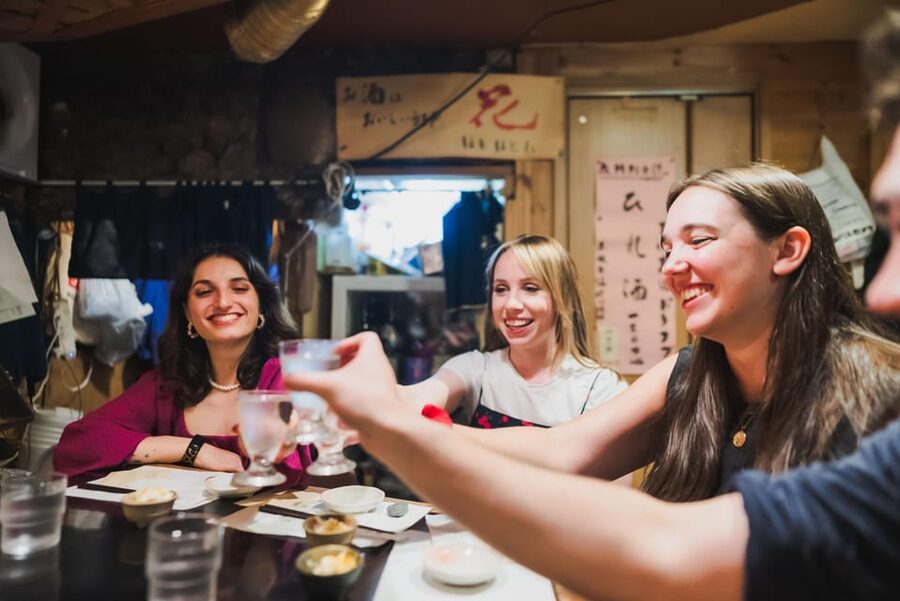
Shinjuku after dark is best understood one small plate at a time. This tour takes you through Golden Gai, Kabukicho, and Omoide Yokocho, then settles you into local izakaya dining with more than 14 dishes and two alcoholic drinks. You get the neon spectacle, but also the narrow lanes and Japanese-only storefronts you might pass without knowing what lies inside.
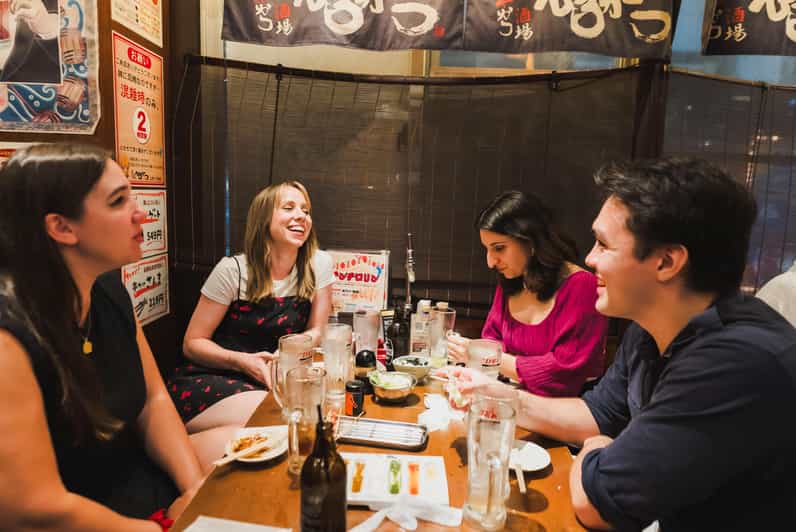
I like the generous portions and the guide-led introduction to sake, sashimi, skewers, and everyday Japanese drinking customs. I also like the small group limit of 10, which makes it easier to ask questions and meet fellow diners. The main drawback is price: at $129, this costs much more than eating cheaply on your own in Tokyo.
Quick take on the Shinjuku izakaya evening
- Fourteen-plus tastings can replace dinner, with portions that several diners found surprisingly filling.
- Golden Gai adds character, with narrow lanes and tiny bars that are difficult to understand on a first visit.
- Two included alcoholic drinks may include quality sake not commonly available outside Japan.
- Guides such as Joe, Max, Chizuru, and Ayaka bring food explanations, local stories, and an easy social tone.
- Food needs can be discussed in advance, including allergies and dietary restrictions.
- The $129 price pays for guidance and access, not simply the cost of the food itself.
Why this tour works in Shinjuku
Shinjuku can feel like several cities packed into one district. The station is famously enormous, the signs flash from every direction, and the dining streets shift quickly from polished department-store blocks to cramped alleys with room for only a few stools.
That contrast is the point of this evening. You are not simply taken to one restaurant and handed a fixed meal. You walk through parts of Shinjuku, hear how the district developed, and then sit down to try food in the setting where it is normally enjoyed.
I would book this early in a Tokyo visit if you want help getting comfortable with Japanese menus and dining customs. It gives you a map in your head, a list of dishes to recognize later, and several places you may want to revisit independently.
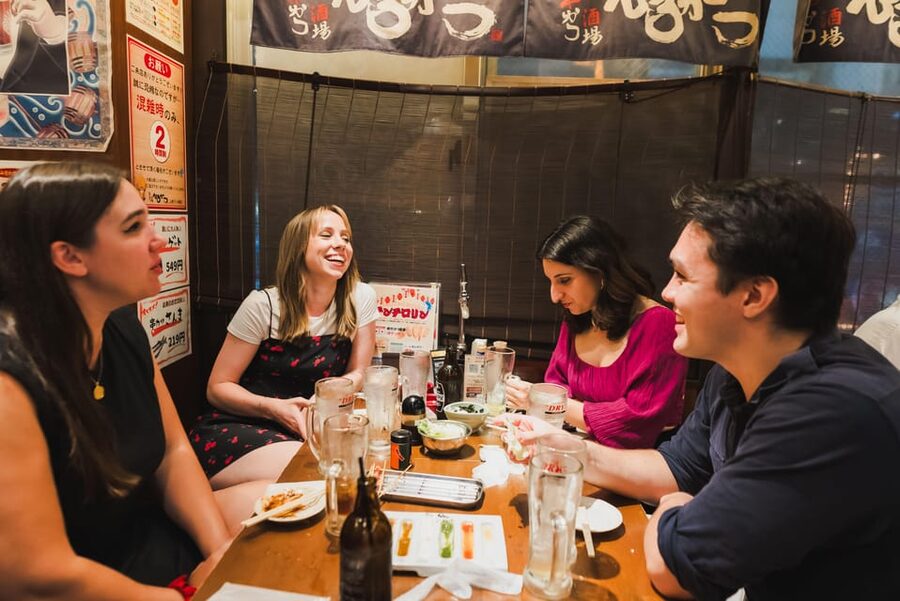
The group is limited to 10 people, and the tour is conducted in English. That small size matters in a tight izakaya, where a large group would be awkward and conversation with the guide would be harder.
Other bar hopping tours in Tokyo people book:
- Tokyo Bar Hopping Tour in Shinjuku (All-You-Can-Drink + Dinner)
★ 5.0 · 3,587 reviews - Best of Shinjuku: Izakaya Food Tour (4 Stops, 14+ Tastings)
★ 5.0 · 1,863 reviews - Tokyo: Shinjuku Local Bar and Izakaya Guided Walking Tour
★ 4.9 · 1,794 reviews
Meeting at Kirin City Shinjukuhigashi
The evening begins in front of Kirin City Shinjukuhigashi, a beer hall in Shinjuku. Look for the guide carrying a Ninja Bowl logo tote bag.
Plan to arrive with enough time to find the meeting point. Shinjuku station has many exits and connecting passages, and a wrong turn can cost you several minutes. Transportation is not included, so you make your own way there and back.
The advertised duration is three hours, while the stated schedule runs from 17:00 to 20:30, or about three and a half hours. Allow the longer amount of time, especially if you have evening plans afterward.
Your guide may be Joe, Max, Chizuru, Nobu, Ayaka, Megan, Julian, Taiga, Harumi, or another member of the team. The guide assigned on the night can shape the tone. Joe and Max are often described as energetic hosts, while Chizuru and Ayaka are praised for clear food and cultural explanations. The common thread is a social approach that helps solo participants and mixed groups relax.
A first walk through Golden Gai
Golden Gai is one of the most memorable parts of the route. Its lanes are extremely narrow, and many bars are tiny, sometimes with only a few seats. The area has a rough, layered feel that differs sharply from Shinjuku’s broad commercial streets.
You do not need to understand every bar or enter each one to enjoy the walk. The guide explains what you are seeing and helps you read the area as more than a photo stop. This is useful because Golden Gai can seem confusing on your own, especially when signs are in Japanese and the lanes appear to fold into one another.
The visit lasts about 30 minutes. That is enough time for an introduction without turning the evening into a long walking tour. The focus remains food, drink, and local life rather than a full history lecture.
I would bring comfortable shoes. The walking is not described as strenuous, but the route moves through busy streets and compact lanes, and you will be on your feet before the meal begins.
The main meal: izakaya food in Shinjuku
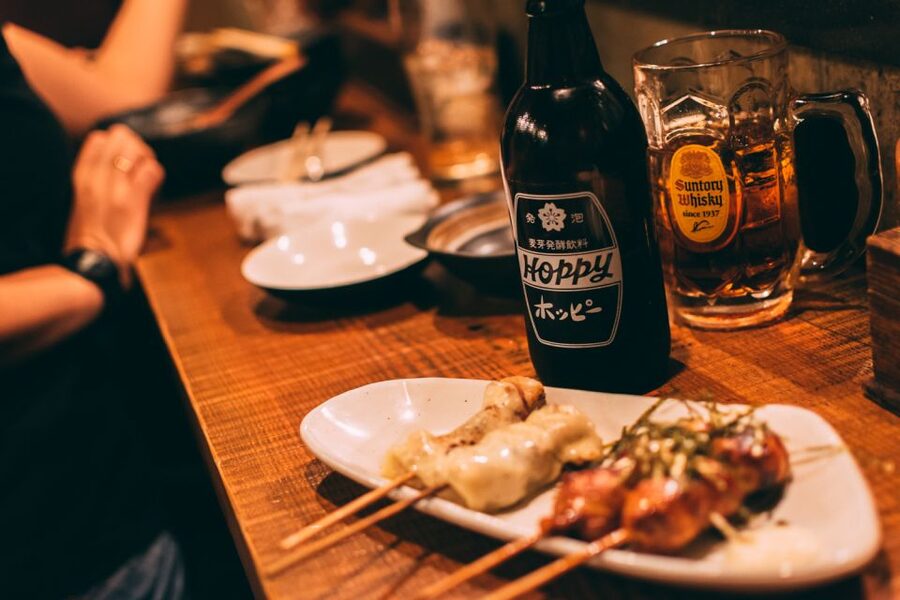
The central part of the evening is the food. You visit popular local restaurants and work through a changing selection based on the day’s ingredients.
The exact menu is not fixed, which is both a strength and a limitation. Fresh ingredients can make the meal feel more connected to the season, but you should not book expecting a precise list of every dish. Typical servings include:
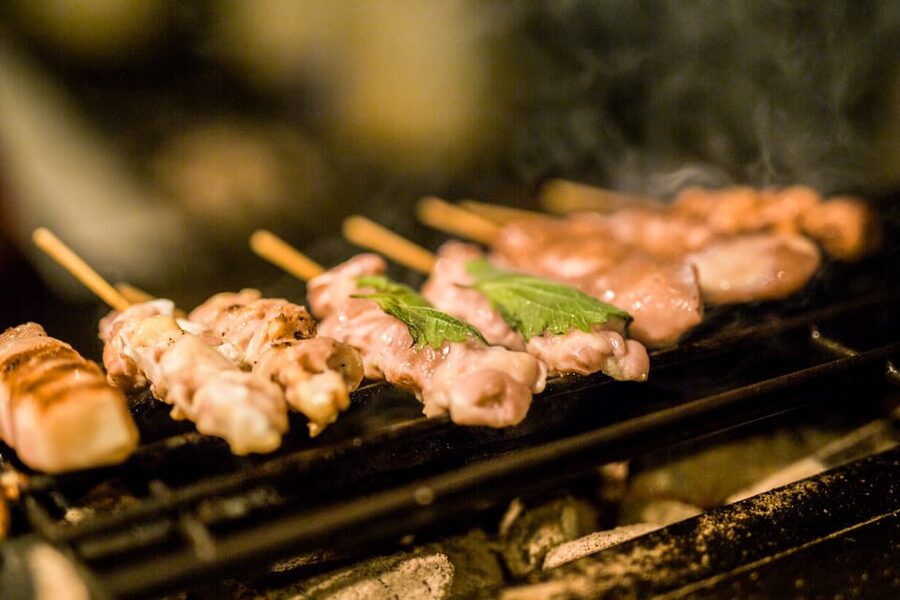
- Chicken skewers
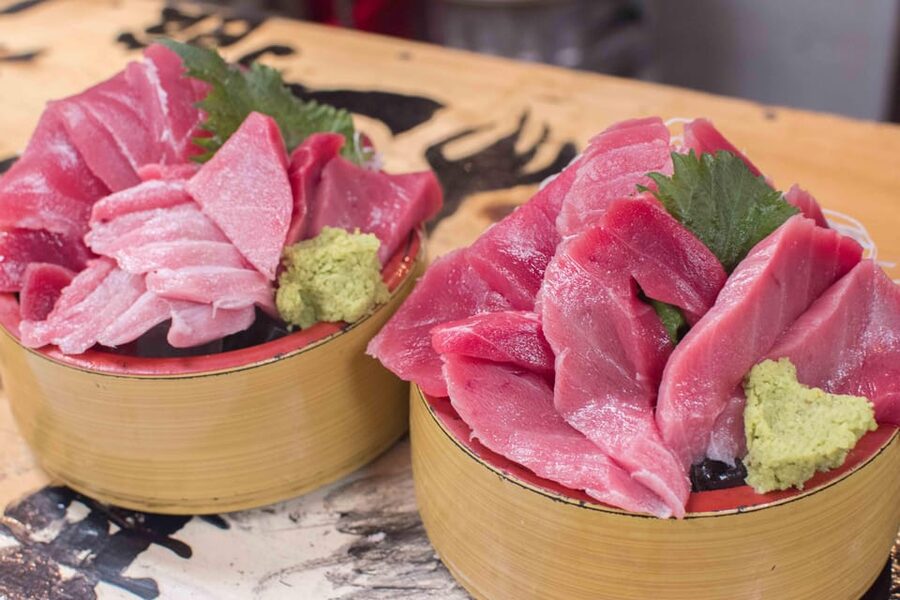
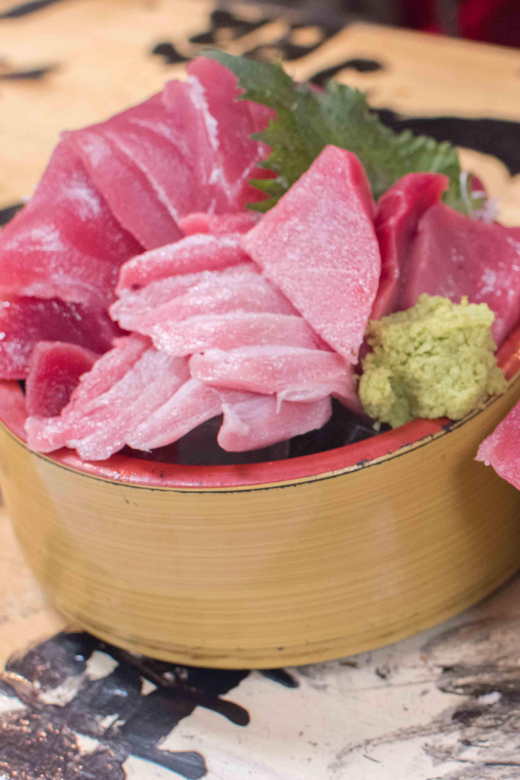
- Fresh sashimi
- Handmade Japanese croquettes
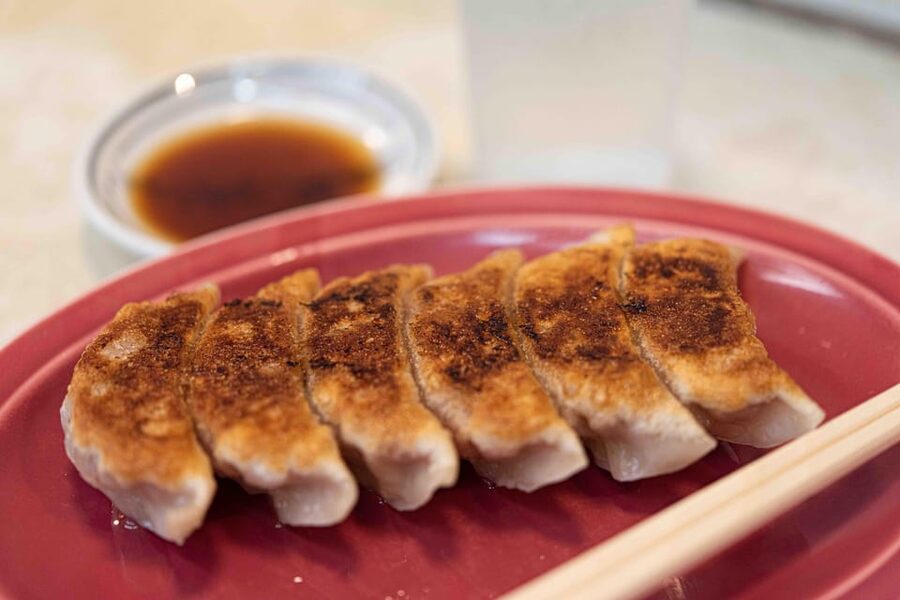
- Dumplings
- Tonkotsu
- Traditional izakaya snacks
- Lemon sorbet or another small sweet finish
The tour promises more than 14 food samplings, and several portions are described as full servings rather than tiny bites. If you arrive hungry, you are likely to appreciate that. If you have already eaten, the amount may become a challenge.
I like this format because izakaya cuisine is about variety. A single dish rarely explains the whole style of dining. Skewers show the appeal of grilled food, sashimi brings in texture and freshness, croquettes add a warm, crisp element, and small snacks reveal how Japanese diners build a meal around drinks and conversation.
Your guide explains what you are eating and how to approach it. That help is valuable with dishes that may be unfamiliar, especially when a menu uses Japanese names without pictures or English descriptions.
Food requests can be accommodated based on allergies and restrictions. You should share those needs before the tour rather than waiting until you sit down. The information provided does not promise that every request can be met, so people with serious allergies should confirm details before booking.
Other nights out in Tokyo:
- Shibuya Meltdown Nightlife Tour: All-You-Can-Drink Bar Hopping
★ 5.0 · 1,058 reviews - Tokyo: Pub Crawl and Bar Tour
★ 4.5 · 951 reviews - Tokyo: Shinjuku Local Bar & Izakaya Crawl Tour
★ 5.0 · 890 reviews - Tokyo After 5: Authentic Japanese Food & Drink Night Tour
★ 4.5 · 560 reviews
Sake and the Japanese drinking culture
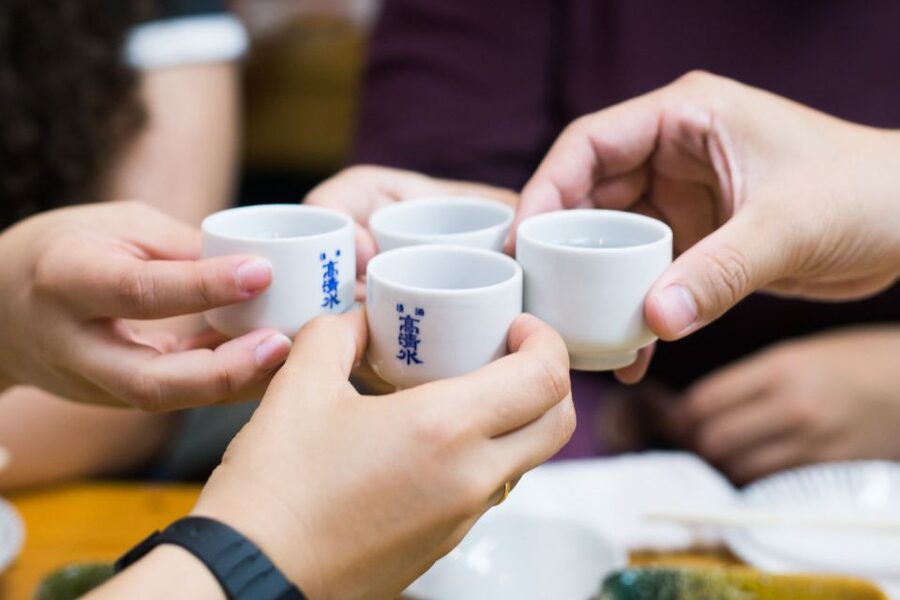
Two alcoholic drinks are included. You can choose from available options, and sake is a major part of the experience.
The sake selection may include bottles or styles not sold in your home country. This does not turn the evening into a formal tasting class, but your guide can explain how to enjoy sake and suggest pairings with the food.
That guidance helps because sake is often treated too simply outside Japan. It is not just one drink with one flavor. The tour gives you a chance to try a smooth style in the setting where it is normally served, alongside food rather than in isolation.
You do not have to drink alcohol. Non-drinkers still receive more than 10 food samplings and get the same walk, restaurant atmosphere, and cultural explanations. The two drinks are included in the price, but you are not required to use them.
Keep your own pace. Three hours of food, walking, and alcohol can catch up with you, particularly in summer. The guide team has been praised for watching out for the group, but you should still eat slowly and tell the guide if you need a break.
Omoide Yokocho and Kabukicho after dark
The route also includes Omoide Yokocho, a compact dining lane known for small restaurants and old-style atmosphere. The planned visit is about 15 minutes, so expect a quick look rather than a long meal there.
That short stop works as a contrast with Golden Gai. Omoide Yokocho shows another side of Shinjuku’s narrow dining culture, while Golden Gai is especially known for its tiny bars. Seeing both helps you understand why this district rewards wandering, yet can be hard to navigate without local help.
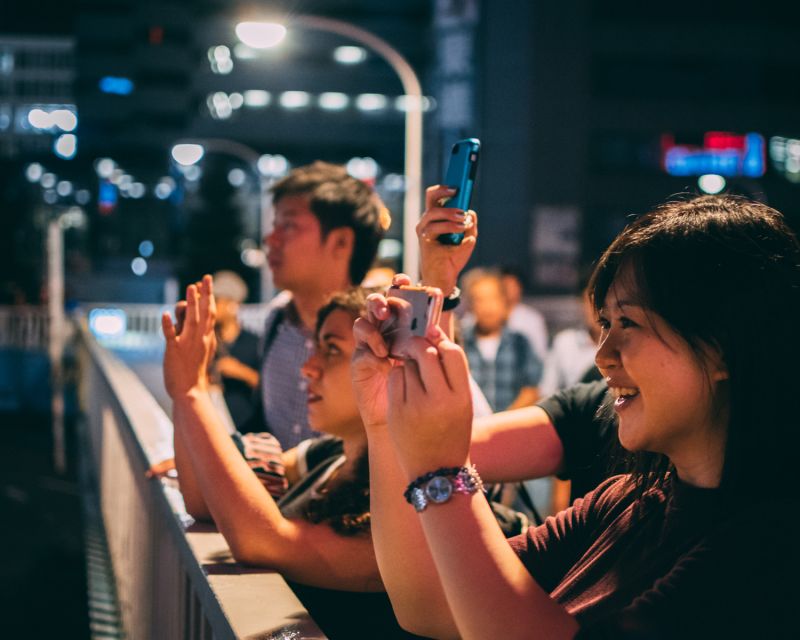
Kabukicho receives about 30 minutes. It is the entertainment center of Shinjuku, filled with restaurants, nightlife, bright signs, and large-scale city energy. The guide adds context about the district and points out details you might miss while trying to orient yourself.
The walk is not a substitute for a full sightseeing tour of Shinjuku. Think of it as a food-focused introduction with enough background to make the streets more meaningful. You see the area at its best time of day, when the signs are lit and the restaurants are preparing for the evening crowd.
How good is the value at $129?
At first glance, $129 is a lot for a Tokyo food tour. You can eat an inexpensive bowl of noodles or a set meal for far less, and you can find izakaya food without paying for a guide.
The value comes from the combination. Your fee covers the guide, meals, two alcoholic drinks, neighborhood orientation, restaurant selection, and the chance to try many dishes without guessing at the menu. You also avoid spending your first evening wondering which places are welcoming, open, or worth the cost.
The food quantity is a major part of the equation. This is not a few decorative samples followed by dinner elsewhere. The supplied details describe enough food for dinner, and some evenings have left diners too full to finish every serving.
I would call the price reasonable for someone who wants a structured introduction to Japanese food and has limited time in Tokyo. It is less attractive for an experienced visitor who already knows izakaya dining or prefers to order slowly and cheaply on their own.
The included sake also improves the value for drinkers, especially if you are curious about bottles unavailable back home. For non-drinkers, the price still rests mainly on the food, guidance, and access to local-style dining spaces.
The guide makes the difference
Food tours depend heavily on the person leading them. Here, the guide is not only carrying you between restaurants. The guide explains pronunciation, food customs, neighborhood history, and the basics of sake.
Names that recur in the supplied details include Joe, Max, Chizuru, Nobu, Ayaka, Megan, Julian, Taiga, Harumi, and Hawaii Joe. The descriptions of these guides point to a lively style, with humor and plenty of interaction. Several people also found the tour especially easy for solo participants because the guide helped the group talk to one another.
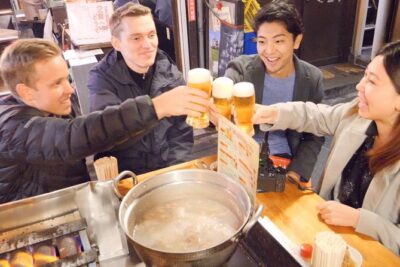
That social side is worth noting. You may sit with strangers, but the meal format gives everyone an easy subject: the next dish, the sake, or the lane you just walked through. If you prefer a quiet private meal, a small-group food tour may feel more social than you want.
I also like that the guides offer restaurant suggestions beyond the tour. That can help you use the rest of your Tokyo stay well, particularly after you have learned which dishes and neighborhoods interest you.
Who should book this experience?
I would recommend it most strongly for:
- First-time visitors to Tokyo
- Solo travelers who want an easy evening with a small group
- Diners who feel unsure about Japanese menus
- People who want a full dinner rather than a few samples
- Anyone curious about sake and izakaya customs
- Visitors who want to see Golden Gai and Kabukicho with context
Families with younger children should consider the evening timing and drinking-centered restaurant setting. The information provided does not give a minimum age, so confirm that before booking if children are joining.
People with strict allergies should contact the provider before reserving. The tour can accommodate food requests, but the changing menu and restaurant setting mean you should not assume every restriction can be handled.
This is also not the right choice if you want a private tour, a fixed menu, or a detailed architectural walk. The cultural material supports the food experience rather than replacing it.
Practical advice for a smoother evening
Arrive hungry, but not so hungry that you rush the first plates. The amount of food can be substantial, and you will enjoy the variety more if you leave room for later dishes.
Wear shoes suited to walking and bring a phone with enough battery for meeting-point directions. Shinjuku is easy to reach in general, but the station and surrounding streets can be confusing.
Tell the guide about allergies or restrictions as early as possible. If you do not drink, say so clearly and enjoy the food without feeling pressured.
Keep the evening flexible. The tour begins at 17:00, visits and dining take place in a busy part of Shinjuku, and the menu changes with the ingredients available that day. The stated finishing point is in Nishi-Shinjuku, at the Wakore Shinjuku Daiichi Building area, so check your route home after booking.
Free cancellation is available up to 24 hours before the start time, and you can reserve now while paying later. Those terms are useful if your Tokyo schedule is still shifting.
Should you book the Shinjuku izakaya tour?
Book it if you want a generous dinner, a friendly small group, and help making sense of Shinjuku’s food culture. The strongest reasons are the quantity of food, the sake, the access to small local-style restaurants, and guides such as Max, Joe, Chizuru, and Ayaka who bring warmth and clear explanations.
Skip it if your main goal is the lowest possible meal price or if you already feel confident ordering in izakayas. At $129, you are paying for more than food, but the walking, social setting, and guidance need to matter to you.
For a first Tokyo evening focused on eating, drinking, and finding your bearings in Shinjuku, I think it is a strong choice. Just arrive hungry, allow about three and a half hours, and treat the menu as a tasty surprise rather than a fixed checklist.
FAQ
How long does the Shinjuku izakaya tour last?
The activity is listed as three hours, with the stated schedule running from 17:00 to 20:30, which is about three and a half hours. Allow time for the longer schedule.
What food is included?
You receive more than 14 Japanese food samplings, enough for dinner. Typical dishes may include chicken skewers, sashimi, handmade croquettes, dumplings, tonkotsu, traditional izakaya snacks, and a small dessert such as lemon sorbet.
Are drinks included?
Yes. The price includes two alcoholic drinks of your choice. Sake may be available, including styles that are difficult to find outside Japan.
Can I join if I do not drink alcohol?
Yes. Non-drinkers can still enjoy more than 10 food samplings, the restaurant atmosphere, the neighborhood walk, and the cultural explanations.
Can food allergies or dietary restrictions be accommodated?
Food requests can be accommodated based on allergies and restrictions. Contact the provider before the tour so the request can be discussed in advance.
Where does the tour meet?
Meet in front of Kirin City Shinjukuhigashi beer hall. Look for a guide holding a Ninja Bowl logo tote bag.
What language is the tour conducted in?
The live tour guide speaks English.
How large is the group?
The tour is limited to 10 participants. Meals, drinks, the guide, and the tour fee are included, while transportation is not.
Just added in Tokyo
- Nikko: Edo Wonderland Edomura Cultural Theme Park Ticket★ 4.3 · 205 reviews
- 《MEMBERS-ONLY-BAR-HOPPING》Discover Your Special Whiskey in Tokyo!★ 5.0 · 29 reviews
- Japanese Whisky Hunting《HIGH-QUALITY-ONLY》Rare Tasting Class★ 5.0 · 20 reviews
- Luxury Tokyo Sake, Cocktail, Whisky and Pairing Tour★ 5.0 · 18 reviews
- Wagyu & Sake Pairing in Shinjuku – Steak, Shabu-Shabu & More★ 5.0 · 112 reviews
- Small-Group Wagyu Beef and 7 Japanese Dishes Tokyo Cooking Class★ 5.0 · 190 reviews
- Tokyo Cyberpunk Street Photo Tour★ 5.0 · 165 reviews
- From Tokyo: Private Tour to Fuji/Hakone – Onsen, Art, Nature★ 5.0 · 116 reviews
Bar Hopping & Night Tours, compared.
Tokyo Bar Hopping Tour in Shinjuku (All-You-Can-Drink + Dinner)
Read our review →
Best of Shinjuku: Izakaya Food Tour (4 Stops, 14+ Tastings)
Read our review →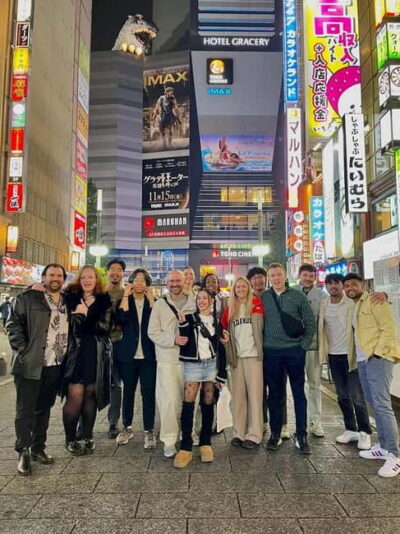
Shinjuku Local Bar and Izakaya Guided Walking Tour
Read our review →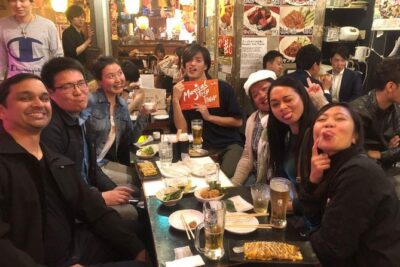
Shibuya Meltdown Nightlife Tour: All-You-Can-Drink Bar Hopping
Read our review →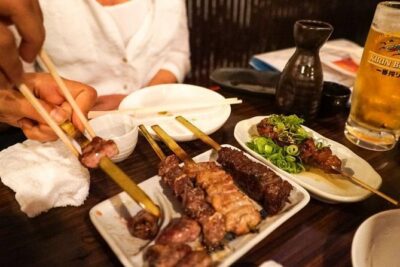
Osaka Bar Hopping Night Walking Tour in Namba (3 bars, 6 tastes)
Read our review →

Browse the lists this tour appears in