
Reviewed · MOUNT FUJI DAY TRIPS
Mt. Fuji & Lake Kawaguchiko Ropeway Panorama Full-Day Tour
Mt. Fuji takes center stage on this full-day trip from Tokyo, but the best surprise is the mix of views and small cultural moments. You ride the Kachikachi Ropeway to a high lookout, whisk your own matcha beside Lake Kawaguchiko, and finish among the clear spring ponds of Oshino Hakkai.
I like the way the tour gives you several chances to see Fuji, since clouds can erase the mountain from one viewpoint and reveal it at the next. I also like the friendly guide-led approach, with guides such as Sawaki, Laner, Peter, and Leonard adding history, humor, trivia, and practical help. The tradeoff is a long, tightly timed day, with roughly five hours spent on the road and limited time at some stops.
Key points at a glance
- The Kachikachi Ropeway climbs to 1,075 meters, with wide views over Mt. Fuji and Lake Kawaguchiko when the weather cooperates.
- The matcha session is hands-on, so you whisk and serve your own bowl rather than simply watching a tea demonstration.
- Oshino Hakkai has eight spring ponds, fed by snowmelt filtered through Mt. Fuji’s lava rock.
- The Lawson stop is made for photos, with the convenience store sign lined up with Fuji across the street.
- Lunch is not included, so bring food, carry cash, or follow your guide to a suggested restaurant.
- The $54 price covers transport and major included activities, making the tour useful if you want to avoid arranging several regional connections yourself.
Why this Mt. Fuji day trip works
This is a sightseeing sweep rather than a slow country escape. From Tokyo, you travel by air-conditioned coach to a set of well-known Fuji-area stops, with a guide handling the route, timing, parking, tolls, and group directions.
That matters because the Fuji Five Lakes area can be awkward to cover in one day by public transport. You would otherwise need to coordinate trains, buses, local transfers, and opening times. Here, the coach takes you directly between the main stops, though road traffic can still stretch the day.
The tour costs $54 per person. That is a solid price for a 10-hour outing that includes the ropeway ride, matcha experience, guide, driver, fuel, parking, expressway tolls, and return transport from central Tokyo. It becomes especially good value if you want the ropeway and Oshino Hakkai in one day.
You are paying for convenience more than solitude. The popular viewpoints can be crowded, and the schedule does not allow long, unplanned walks. If your priority is visiting one lakeside town at an easy pace, a smaller private tour or an overnight stay would suit you better.
Other days out to the mountain from Tokyo:
- Mt Fuji and Hakone 1-Day Bus Tour Return by Bullet Train
★ 5.0 · 26,383 reviews - Mt Fuji & Hakone Cruise, Drum Show Bullet Train 1 Day from Tokyo
★ 4.0 · 7,413 reviews - Tokyo Mt Fuji 5th St & Hakone Cruise Bus Tour w/Bullet Train
★ 4.4 · 5,024 reviews
Starting in central Tokyo and settling into the coach
There are two listed meeting and drop-off options near Tokyo Station: the Marunouchi North Exit location and the Robert Indiana LOVE sculpture. Check your booking details carefully because the exact meeting point can vary by option.
Arrive at least 15 minutes early. This is not a tour where arriving just after departure will work out, and late arrivals or no-shows are not refunded. The evening before departure, you should receive the guide and driver details by email.
The first coach ride takes about two and a half hours. That is a significant stretch, but it gives the guide time to explain the day, share information about the area, and keep the group organized. Several guides have used quizzes, small photo props, candy, jokes, and paper Mt. Fuji figures to make the ride more pleasant.
The quality of the day depends partly on your guide. Sawaki has been praised for clear English, humor, and careful directions. Laner has been noted for explaining the geography around Fuji and keeping the schedule moving. Peter, Leonard, Brewski, Olivia, and Laila have also been singled out for warmth, cultural information, and steady organization.
This is a shared group tour, and explanations may be given in English, Japanese, Korean, and Traditional Chinese. That makes the guide useful for first-time visitors, but multilingual commentary can also take time. Listen closely to the meeting instructions at each stop so you do not lose sightseeing minutes later.
Riding the Kachikachi Ropeway above Lake Kawaguchiko
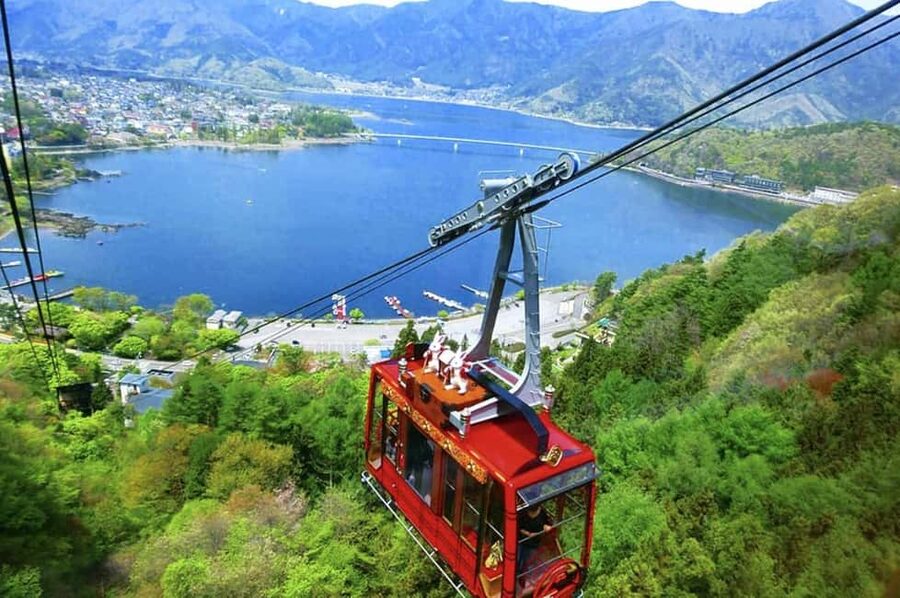
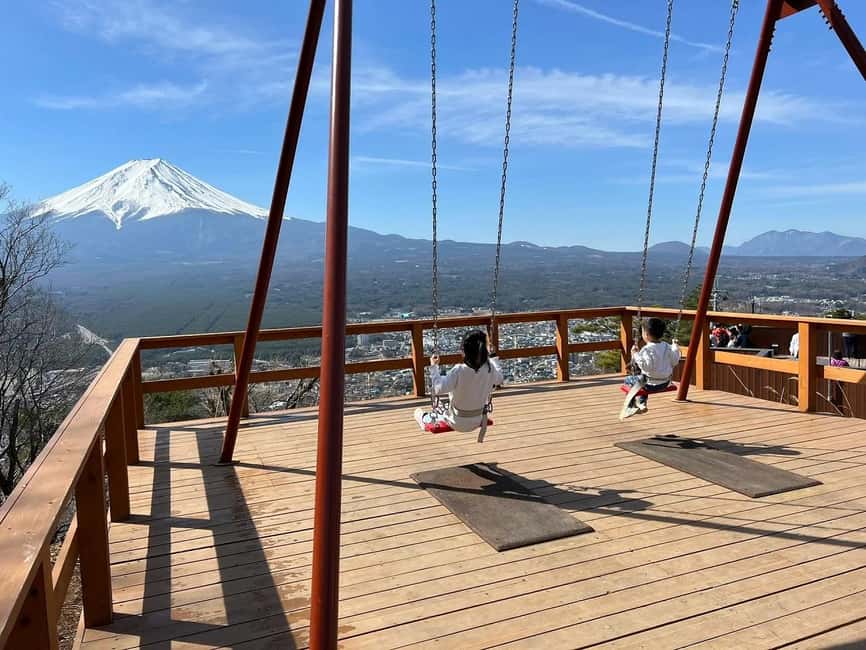
The Kachikachi Ropeway is the visual high point of the day. The cable car climbs toward the Tenjozan Park observatory, reaching about 1,075 meters above sea level.
As the car rises, Lake Kawaguchiko spreads below and Mt. Fuji begins to appear across the water. On a clear day, you may also see the Southern Alps in the distance. The view is broad rather than intimate, giving you the classic Fuji shape, lake, and surrounding hills in one frame.
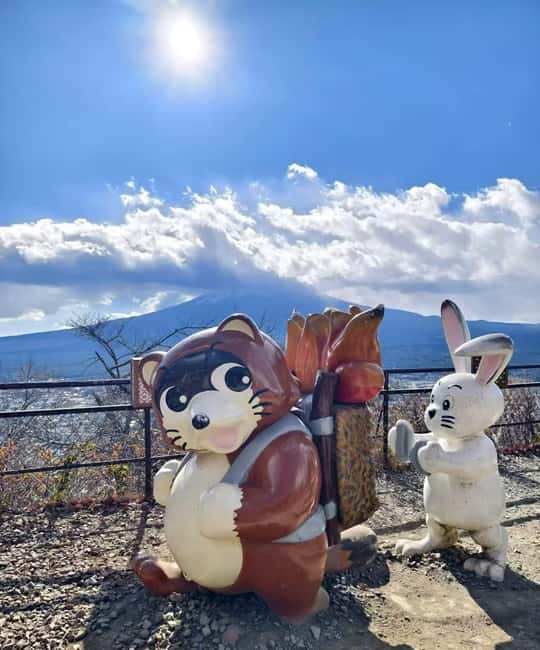
At the top, allow time for photographs and a look around the observatory. The Bell of Tenjo is a popular feature, linked to a local wish-making legend. The tanuki and rabbit decorations add a playful touch, inspired by the Japanese folktale Kachikachi Yama and the work of Osamu Dazai.
You receive about an hour at the ropeway stop, followed by roughly 30 minutes in Kawaguchiko Tenjozan Park. That is enough to enjoy the main view, ring the bell, take photos, and walk a little. It is not enough for a long trail or an unhurried mountain visit.
The ropeway is weather dependent. Mt. Fuji may be hidden by clouds, haze, or rain even when the cable car operates. If the ropeway is canceled for weather or another reason, you can request a refund of 1,000 yen per person for that fee. The day may also be adjusted to include a Samurai Ship experience instead.
A scheduled maintenance closure is listed for December 8 through 19, 2025. During that period, the replacement plan is the Samurai Ship rather than the ropeway. Confirm the current arrangement when booking, especially if the cable car is the main reason you want this tour.
A quieter pause beside Lake Kawaguchiko
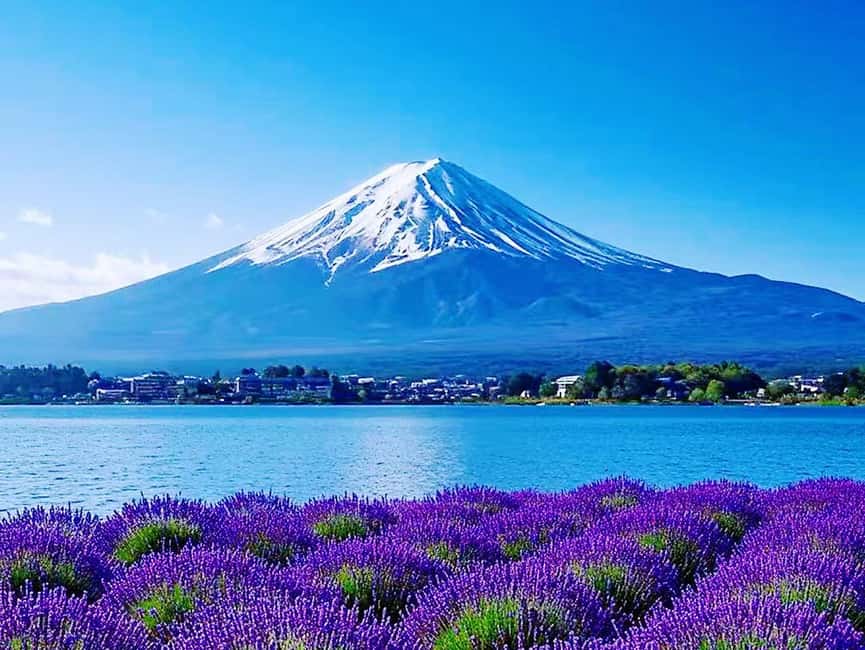
After the mountain lookout, the group moves down to the lake. The lakeside stop lasts about 45 minutes, followed by a short guided matcha experience.
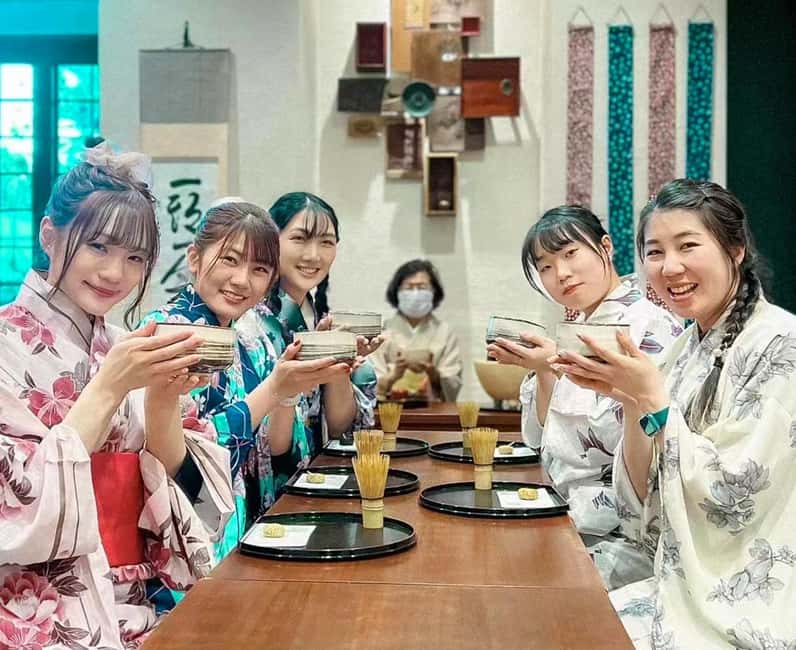
This is a welcome change of pace. Instead of racing from one photo point to another, you sit with a local instructor and learn how to whisk, serve, and drink your own bowl of matcha. The session is brief, around 15 minutes, but it gives the day a cultural center.
The guide explains Ichigo Ichie, the idea that each meeting is a one-time encounter worth valuing. You do not need prior tea knowledge, and the attraction is the act of preparing the drink yourself beneath the mountain rather than mastering a formal tea-school ceremony.
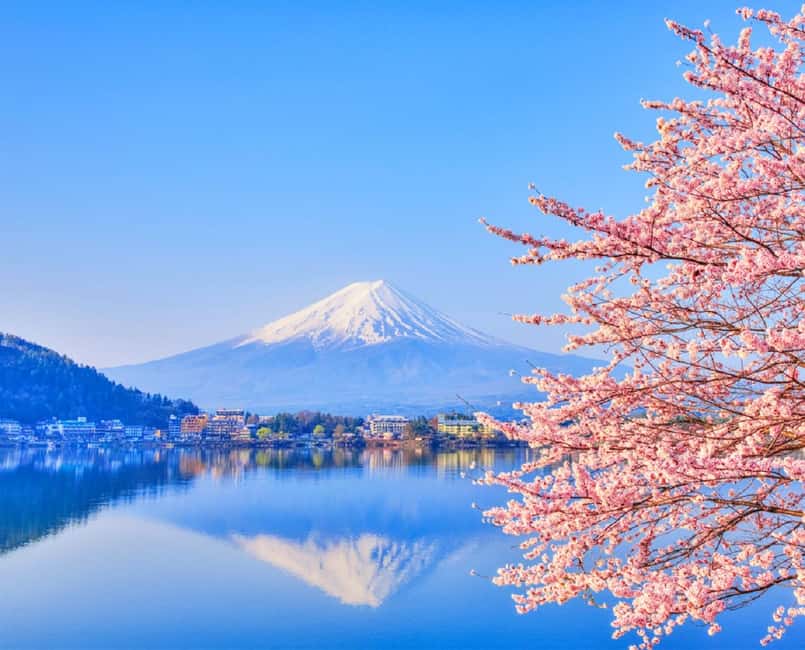
Afterward, use the lakeside time for photographs and a short walk. On a clear day, Fuji may reflect in the water. On a cloudy day, the lake and surrounding scenery still give you a pleasant break, but this is one of the stops most affected by limited time.
If you want a long waterfront stroll, you may feel rushed. The schedule is designed to give you a taste of the lake and tea rather than a full afternoon there.
Other mountain routes reached from Tokyo:
- Tokyo: Mt. Fuji Tour, Hakone Ropeway, Owakudani, Lake Ashi
★ 4.7 · 4,002 reviews - Mt. Fuji Tours with Kawaguchi Lake Ropeway View English Speaking
★ 4.5 · 519 reviews - 1-Day Tour from Nagano and Matsumoto Kamikochi & Matsumoto Castle
★ 5.0 · 105 reviews - Full-Day Tour: Matsumoto Castle & Kamikochi Alpine Valley
★ 4.8 · 78 reviews
The Lawson photo stop and its limits
The Lawson Fujikawaguchiko Town Hall stop lasts about 20 minutes. Across the street, the convenience store sign can line up neatly with Mt. Fuji, creating one of the most recognizable modern Japan photo compositions.
It is a funny attraction, and that is part of its appeal. A normal convenience store becomes memorable because of the mountain behind it. You can grab a quick photo and see how everyday Japanese streets meet one of the country’s most famous natural sights.
There is a practical issue here. The spot can become crowded, and many people gather along the street for the same picture. Be careful with traffic, follow the guide’s instructions, and do not expect a relaxed shopping stop. Some visitors may find the stop less worthwhile than extra time at the lake.
I would keep it if you want the familiar Fuji-and-Lawson image, especially on a clear day. If you care more about quiet views than social-media photographs, this is the easiest stop to treat as optional in spirit, even though it is part of the planned route.
Lunch is flexible, but plan ahead
The day includes a 40-minute lunch break at a local restaurant, but food and drinks are not included in the $54 price. You may bring something, buy food at an attraction, or choose a restaurant suggested by the guide.
Carry cash. It is useful for lunch and personal purchases, and the tour specifically advises you to bring it. You should also bring water and a snack because the timing between stops may not suit your normal meal schedule.
The lunch arrangement gives you flexibility, but it also means the meal may not match your preferences. One meal option has been described as acceptable but overpriced, and limited meat-free choices can be an issue. If you are vegetarian, have dietary restrictions, or simply want to control your budget, bring food or ask the guide early about alternatives.
Do not assume that the local restaurant is part of the tour price. That distinction is easy to miss when comparing day trips, and it affects the real cost of your day.
Oshino Hakkai and eight clear spring ponds
Oshino Hakkai is the final major stop, reached after about 25 minutes by coach from lunch. You have around an hour here for a guided visit, photographs, and free time.
The village is known for eight spring ponds fed by Mt. Fuji snowmelt. The water passes through layers of volcanic lava rock, which naturally filter it before it reaches the pools. Clear water, small ripples, reflections, and traditional village scenery make this a calmer finish than the busy Lawson stop.
This is also a good place to appreciate Fuji indirectly. Even if clouds cover the summit, the spring water and mountain-foot setting still give the stop its character. If the mountain is visible, reflections in the ponds can create some of the day’s nicest photographs.
You will find souvenir shops here and at the other attractions. They operate independently, so purchases are personal expenses and are not connected to the tour. An hour is enough to see the main ponds, but not enough to wander every corner slowly.
The long return to Tokyo
The return drive takes roughly two hours and 20 minutes, though traffic can make it longer. Japanese holidays, peak seasons, bad weather, and road congestion may lead to delays or changes in the order of stops.
The operator advises against scheduling another activity after this tour. That is sensible. A 10-hour day can become longer, and the final coach ride may be tiring after a full day outdoors.
The positive side is that you return to central Tokyo rather than solving your own transport from the Fuji area. The drawback is that you lose control over the departure time and cannot simply leave early if you are tired.
Weather, crowds, and the real Fuji gamble
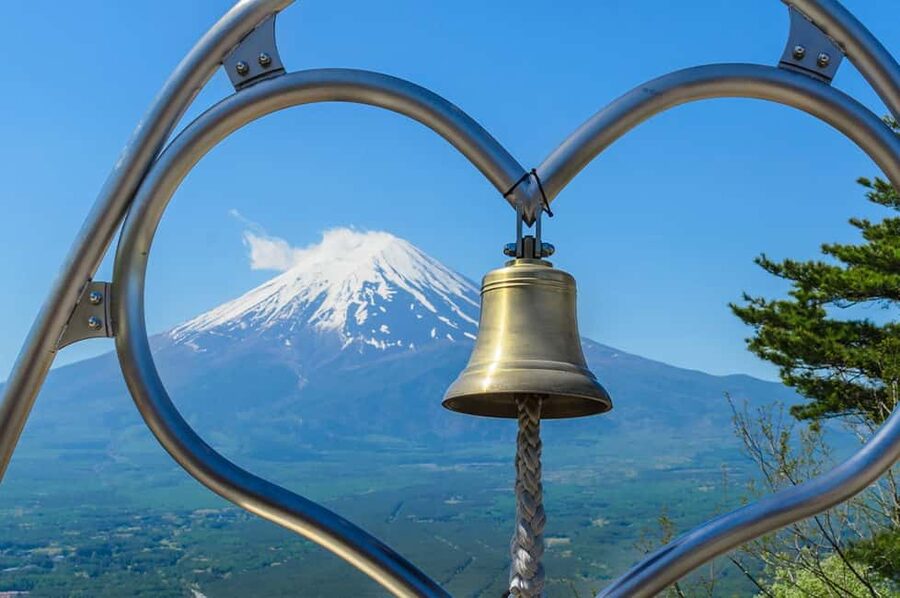
No tour can guarantee a view of Mt. Fuji. Clear skies can produce an excellent day, with Fuji visible from the ropeway, lake, Lawson, and Oshino Hakkai. Cloudy or rainy weather can hide the summit for most or all of the route.
This is the central gamble of the experience. You should book it for the combination of ropeway, lake, tea, springs, and easy transport, not only for one perfect photograph.
The tour still has value when Fuji disappears. The matcha session, spring ponds, village stop, and guide’s cultural explanations remain. Some guides have added origami activities and extra stories when the weather was poor, helping keep the day enjoyable. Still, if seeing the mountain is your only goal, check the forecast close to departure and understand that a refund is not offered simply because the view is cloudy.
Who should book this tour?
I would recommend it to a first-time Japan visitor staying in Tokyo who wants a simple way to see several Fuji-area highlights in one day. It suits couples, families, and solo visitors who prefer having transport and timing organized for them.
It is also a good choice if you want more than a lookout. The hands-on matcha session and Oshino Hakkai add variety, while the Lawson stop provides the famous modern photo.
You should think twice if you dislike coaches, fixed schedules, crowded attractions, or long days. People afraid of heights should avoid the ropeway, and the activity is not suitable for wheelchair users according to the supplied information.
Wear comfortable shoes and bring a camera, water, cash, and a snack. Keep the next evening free, arrive early, and stay on schedule. A group tour works best when everyone returns to the coach promptly.
At $54, this is a strong-value introduction to Mt. Fuji country. Book it if convenience and variety matter more to you than slow travel. Skip it if you want a quiet lakeside day or a guaranteed mountain view.
FAQ
How long is the Mt. Fuji and Lake Kawaguchiko tour?
The tour lasts about 10 hours, including transport from central Tokyo and the return journey.
Where does the tour start and end?
The listed options are near Tokyo Station at the Marunouchi North Exit and the Robert Indiana LOVE sculpture. The exact meeting point may vary by booking option.
Is lunch included?
No. Food and drinks are not included. You can bring food, buy lunch at an attraction, or eat at a restaurant suggested by the guide.
Can I see Mt. Fuji from the tour?
You may see Mt. Fuji from several stops, including the ropeway, Lake Kawaguchiko, Lawson, and Oshino Hakkai. Visibility depends entirely on weather, so a clear view is not guaranteed.
What happens if the Kachikachi Ropeway is closed?
If the ropeway is canceled because of weather or another reason, you can request a refund of 1,000 yen per person for the ropeway fee. From December 8 through 19, 2025, the planned replacement is a Samurai Ship experience during maintenance.
Which languages are available for the guide?
Guiding is available in English, Japanese, Korean, and Traditional Chinese. This is a shared group tour, so explanations may be given in several languages.
What should I bring?
Bring comfortable shoes, a camera, water, cash, and some food. Cash is useful for lunch and personal expenses.
Can I cancel the tour?
You can cancel up to 24 hours in advance for a full refund. The reserve-now-and-pay-later option may also be available, depending on the booking selection.
Just added in Tokyo
- Nikko: Edo Wonderland Edomura Cultural Theme Park Ticket★ 4.3 · 205 reviews
- 《MEMBERS-ONLY-BAR-HOPPING》Discover Your Special Whiskey in Tokyo!★ 5.0 · 29 reviews
- Japanese Whisky Hunting《HIGH-QUALITY-ONLY》Rare Tasting Class★ 5.0 · 20 reviews
- Luxury Tokyo Sake, Cocktail, Whisky and Pairing Tour★ 5.0 · 18 reviews
- Wagyu & Sake Pairing in Shinjuku – Steak, Shabu-Shabu & More★ 5.0 · 112 reviews
- Small-Group Wagyu Beef and 7 Japanese Dishes Tokyo Cooking Class★ 5.0 · 190 reviews
- From Tokyo: Private Tour to Fuji/Hakone – Onsen, Art, Nature★ 5.0 · 116 reviews
- Tokyo: KABUKI Show at Kabukiza Theatre Admission Ticket★ 4.8 · 152 reviews
Mount Fuji Day Trips, compared.
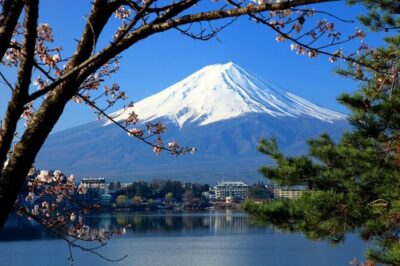
Mt Fuji and Hakone 1-Day Bus Tour Return by Bullet Train
Read our review →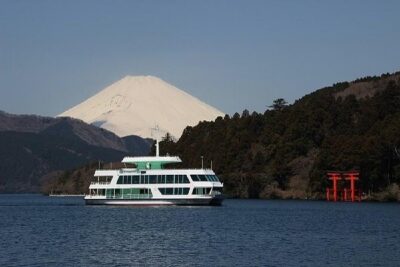
Mt Fuji & Hakone Cruise, Drum Show Bullet Train 1 Day from Tokyo
Read our review →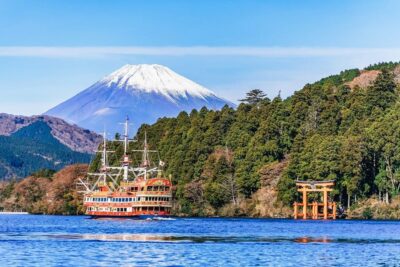
Tokyo Mt Fuji 5th St & Hakone Cruise Bus Tour w/Bullet Train
Read our review →
Mt.Fuji,Kawaguchiko Oishi Park,Arakurayama Sengen Park
Read our review →
Mt Fuji Top 5 Spots Day Tour: Arakurayama Park,Oshino Hakkai
Read our review →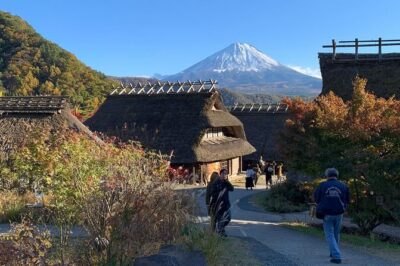
Private Tour to Mt. Fuji and Hakone (Fully Licenced Operator)
Read our review →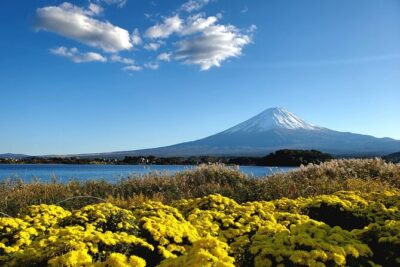
Mount Fuji Full-Day Private Tour from Tokyo (Customizable)
Read our review →Browse the lists this tour appears in