

Reviewed · NARA & THE DEER PARK
E-Bike Nara Highlights – Todaiji, Knives, Deer, Shrine
Nara’s best sights spread across a large park, and an e-bike lets you cover them without spending the whole day on foot. You glide from bowing deer to the giant gate of Todaiji, then on to Kasuga Taisha, a knife maker, and the quiet pond at Ukimido.
I like two things here: the route fits a lot into 3.5 hours, and the guide adds context instead of simply pointing at temples. The knife stop is also a useful surprise, especially if you want a practical Japanese souvenir. The main drawback is price. At $90 per person, this costs more than a basic walking visit, and the cycling pace may feel brisk if you want a slow ride.
Key points to know before booking
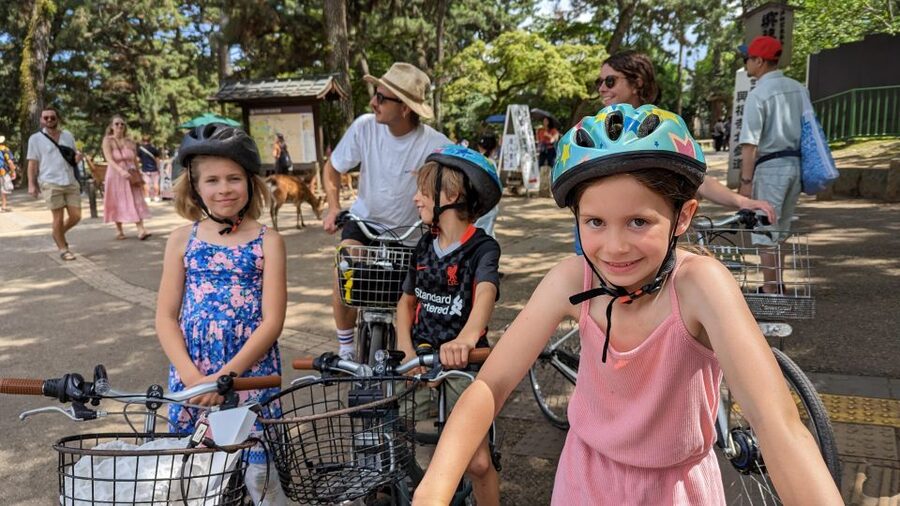
- Three and a half hours covers Nara’s big sights: Todaiji, Nandaimon Gate, Kasuga Taisha, Mt. Wakakusa, Ukimido, and the deer park all fit into one outing.
- The e-bikes save your legs: You spend less time walking between widely spaced temple and shrine areas.
- Deer feeding comes with a lesson: Your guide shows you how to offer the crackers safely and in the local way.
- The knife shop adds real local character: Kikuichimonjushirokanenaga honten introduces Japanese cutlery and helps with purchases.
- Guides are a major part of the value: Chris, Remi, Robert, Melody, Elodie, Jean-Yves, and others are praised for history, culture, flexibility, and help with photographs.
- The tour needs two guests to operate: A solo booking is possible, but the session may be cancelled if nobody else joins.
Why an e-bike makes sense in Nara Park
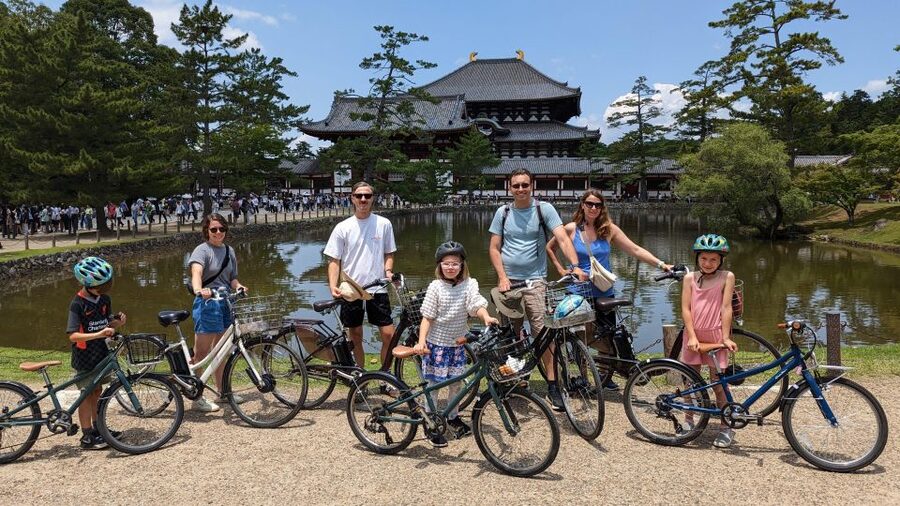
Nara Park looks easy on a map, but the main sights are spread over a broad area. A walking visit can take much of a day, especially if you want to see both Todaiji and Kasuga Taisha without rushing.
The e-bike changes the rhythm. You ride between stops, park, walk around the site, then get moving again. You still spend time on foot at the temples and shrine, but you avoid using your best energy on the connecting roads.
The bikes also help with the gentle rises near Mt. Wakakusa and Kasuga Taisha. One 60-year-old rider described managing the route comfortably despite being out of shape, while another rider noted that the bikes handled hills well. That does not make this a no-effort activity. You need to ride confidently, follow the guide, and remain comfortable on public roads.
The cycling portions can move at a forward pace. If you picture a very slow ride with frequent pauses, this may not be the right fit. If you want to see more in limited time, the pace works in your favor.
Other day trips out of Nara:
- World Heritage Kyoto & Nara Uji Authentic Matcha Experience
★ 5.0 · 1,573 reviews - Nara Half Day Trip Walking Tour (Private Option Available)
★ 5.0 · 937 reviews - Nara Early Morning Tour (Kyoto or Osaka Departure Available)
★ 5.0 · 676 reviews
Starting near Kintetsu Nara Station
The meeting point is at 16-1 Takamaichicho, in front of Building LIFE 21, only a few minutes from Kintetsu Nara Station. This is an important detail because the meeting point is not near JR Nara Station.
Arrive 15 minutes early. You will look for the JTA uniform, with a navy cap and red polo shirt. The team provides the e-bike, deer crackers, Todaiji admission, one Japanese snack called Kanoko, and a bilingual guide. Helmets are available if requested, but only while supplies last.
Bring comfortable clothes, comfortable shoes, your passport, and cash. Extra deer crackers, food, and drinks cost extra. Bicycle insurance is not included, so you should book only if you can ride a bike properly.
The activity is offered in English and French. French guidance is not guaranteed on a shared tour, since English takes priority when several nationalities are grouped together. Contact the provider ahead of time if French service is essential.
Nara Park and the right way to feed the deer
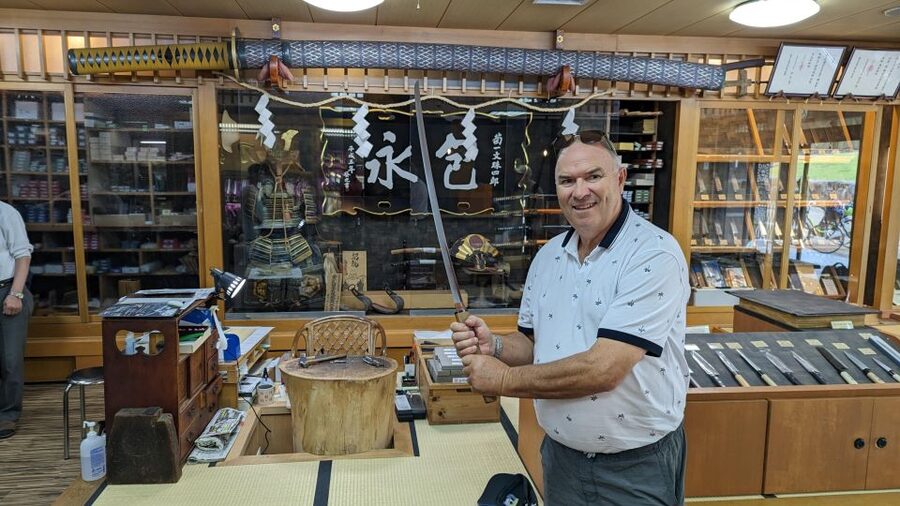
The first ride takes you into Nara Park, where deer move freely among the paths and temple grounds. The park is not just a quick photo stop. It is the setting that makes the rest of the tour work, with old trees, open paths, and deer appearing beside the route.
Your guide supplies deer crackers and explains how to feed the animals. This matters because the deer have learned to bow for food, but they can also become impatient when they see an empty hand. The useful local lesson is to show the cracker, offer it, and then open your hands to make clear that you have nothing left.
You get 15 minutes for the first park visit, then more deer viewing around Nandaimon Gate, Mt. Wakakusa, Kasuga Taisha, and the later ride. Do not expect a long wildlife session in one place. The deer are woven into the whole route.
Nandaimon Gate and Todaiji’s giant temple hall
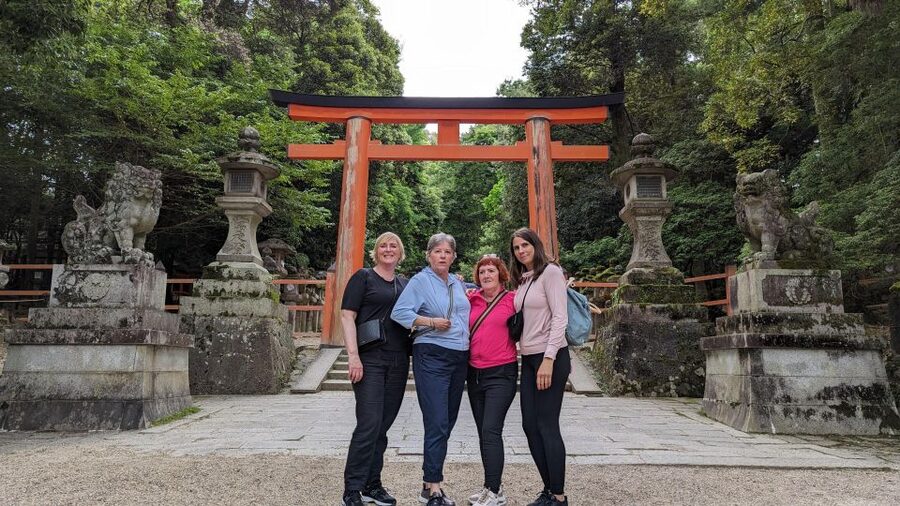
Nandaimon Gate is the grand approach to Todaiji. It gives you a strong first look at the scale of the temple complex, with the gate itself forming an impressive frame for photographs and deer wandering nearby.
The guide spends about 20 minutes here, combining a photo stop, a short visit, and time to look around. This is a good place for questions about the relationship between Nara’s Buddhist sites and the park around them.
Then you enter Todaiji for about 45 minutes. Admission is included, which helps the $90 price. You have time for the main hall, photographs, and a self-guided visit, with some free time for shopping.
Todaiji is the tour’s biggest traditional sight, so the time allocation feels sensible rather than excessive. You get enough time to appreciate the building and its main features, but not enough for a slow, detailed study of every corner. If Todaiji is your main reason for visiting Nara, plan to return on your own.
The temple visit also breaks up the cycling. You are not on the bike continuously, and the combination of riding, walking, and indoor temple time keeps the outing varied.
Other places of worship worth the walk in Nara:
- Nara: Great Buddha, Kasuga Shrine & Deer Park Tour
★ 4.8 · 62 reviews - Nara: Essential Private Tour with Deer Park and Temples
★ 5.0 · 24 reviews - Kyoto: Tea Ceremony Ju-An at Jotokuji Temple
★ 4.9 · 3,207 reviews - Tokyo: Meiji Shrine, Asakusa, Skytree Bus Tour and Cruise
★ 4.7 · 1,986 reviews
Mt. Wakakusa and the ride through the park
After Todaiji, the route passes Mt. Wakakusa. The stop lasts about 15 minutes and focuses on photographs, views, and deer.
The mountain adds a change of scenery from the temple grounds. You do not spend hours climbing it, and the experience is not a mountain hike. Instead, you get a short look at this familiar Nara landmark before continuing by bike.
This is one reason the tour suits a short stay. You see a collection of major places without giving each one a full afternoon. The tradeoff is clear: each stop offers an introduction, not an exhaustive visit.
A Japanese knife shop with a practical souvenir angle
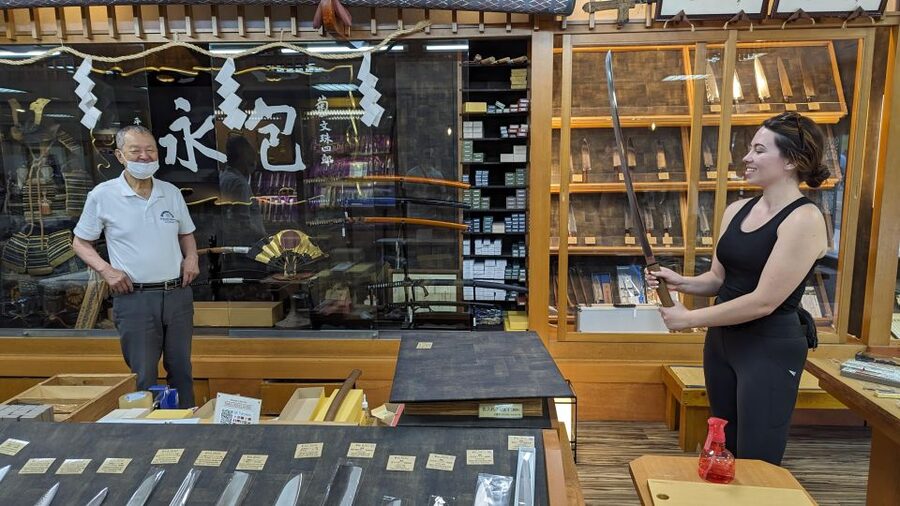
The stop at Kikuichimonjushirokanenaga honten lasts about 30 minutes. It includes time to learn about Japanese cutlery, browse, enjoy the included Kanoko snack, and ask for shopping help.
This is more than a generic souvenir stop. The shop has a connection to a family tradition of sword making, and the guide can explain how that background relates to Japanese blades and kitchen knives. The guide may also help you choose a knife or souvenir, which is useful if you are unsure about sharpening, size, purpose, or taking a purchase home.
You should know your own shopping habits. This stop can be tempting, particularly if you cook. One rider arrived determined not to buy anything and left wishing they had bought a set or a few gifts.
The practical side matters. A Japanese kitchen knife can be a better souvenir than another temple trinket, but you should ask the shop and your airline about packing and transport before buying. The tour includes shopping assistance, not a knife purchase.
Kasuga Taisha and its rows of lanterns
Kasuga Taisha receives about 30 minutes. You walk through the shrine area, see the lanterns, and continue to encounter deer along the way.
The shrine has a different feel from Todaiji. Todaiji is a major Buddhist temple with a monumental central hall, while Kasuga Taisha introduces Shinto architecture, shrine customs, and a more wooded approach. The lanterns are the visual signature, and the route gives you a chance to see them without making a separate trip across town.
Thirty minutes is enough for orientation and photographs. It is not enough for a slow study of every building or for lingering through the entire shrine grounds. The guide’s explanations are especially useful here because the contrast between Buddhism and Shinto can be confusing during a first visit to Japan.
Guides including Robert and Remi have been praised for explaining Shinto, Buddhism, Zen ideas, gardens, and Japanese culture in clear terms. The quality of the day depends partly on your guide, but the repeated strength of this experience is the human side of the tour.
Ukimido, the quiet pause near the end
The route returns through Nara Park and stops at Ukimido for about 15 minutes. This is a photo and walking break near the water, giving you a quieter scene after the larger temple and shrine visits.
Ukimido is useful as a change of pace. You have had deer, crowds, gates, halls, and lanterns. Here, the focus shifts to scenery and reflection. It is a short stop, so take your photos promptly and listen for the departure signal.
The final ride through Nara Park lasts about 10 minutes before returning to the bicycle base. The full schedule adds up to 210 minutes, although the actual finish can run longer. One rainy-day group found that the tour continued beyond the planned time, so leave some space afterward if you have a train reservation or dinner booking.
Guides, group size, and the personal feel

The provider uses local guides who speak English, French, or both. Names praised in the feedback include Chris, Christian, Christoph, Remi, Robert, Melody, Elodie, Mattheus, and Jean-Yves.
The consistent pattern is clear: guides explain the area, help with photographs, adjust to interests, and keep an eye on safety. One guide took candid photos and shared them afterward. Another adapted the visit for a solo customer on a cold winter day. These details matter because a bike tour can feel mechanical if the leader only points out directions.
Private and small-group options are available. A small group gives you more room for questions and may make the knife stop easier, while a shared group can be less personal. Solo bookings are accepted, but two guests are needed for the tour to operate. If you are alone, confirm the status before building your day around it.
Families can bring riders under 10 years old with a child seat, up to one seat per e-bike. The data provided does not specify other child equipment or age limits, so ask before booking if your family setup is complicated.
Is $90 per person fair?
The $90 price includes several items that would otherwise add up: the e-bike, Todaiji entrance, deer crackers, a local guide, the Kanoko snack, and help at the knife shop.
The real value is time. A self-guided visit costs less, but you must work out the route, understand where bicycles are allowed, manage the hills, and decide how long to spend at each stop. The guided ride handles that planning and lets you see more than a walking route in the same general period.
Still, this is not a bargain tour. One rider considered it somewhat expensive compared with similar activities, and another felt the bikes cost too much even for a private outing. You are paying for convenience, transport between sights, entry, interpretation, and a compact route.
I think the price makes more sense if you have only one day in Nara, dislike long walks, want help understanding the temples, or hope to buy a Japanese knife. It makes less sense if you enjoy planning your own route, already know Nara well, or want to spend hours inside each site.
Weather, bike condition, and what to expect physically
Nara can be hot, cold, or wet, and the activity goes ahead in varied weather. Riders have enjoyed it in summer heat, chilly rain, and winter conditions, but your comfort depends on clothing and preparation.
Wear shoes that work for both pedaling and temple walks. Bring water and cash, and consider a light rain layer when the forecast is uncertain. The provider does not list bicycle insurance as included, so check your own coverage if that is important to you.
Most feedback describes the e-bikes as easy to use and in good condition. One rider, however, found the bikes poorly maintained and not ideal for taller people. That is the main equipment concern to keep in mind. Tell the provider your height or any bike requirement before arrival.
Who should book this Nara e-bike tour?
I would choose this tour if you want a broad first look at Nara without spending a full day walking. It suits couples, families with confident young riders, first-time visitors, and anyone staying in Nara for a short time.
It is also a good match if you want more than deer and temples. The knife shop, Kanoko snack, shrine explanations, and local guide give the outing a wider Japanese focus.
I would skip it if you cannot ride confidently, dislike a forward cycling pace, or want long, quiet visits at Todaiji and Kasuga Taisha. The tour is active and efficient, not leisurely.
Final verdict: a smart way to see more of Nara
Book this experience if you value time and want a guide to connect Nara’s deer, Buddhist temple, Shinto shrine, food culture, and cutlery tradition. The route is well chosen, and the e-bike makes the wide park easier to handle.
Before booking, confirm the meeting point near Kintetsu Nara Station, request a helmet, ask about French guidance if needed, and leave extra time after the tour. If you can accept the $90 price and a moderately brisk ride, this is one of the most practical ways to fit Nara’s main sights into a single outing.
FAQ
How long does the Nara e-bike tour last?
The scheduled duration is 210 minutes, or 3.5 hours. The tour may occasionally run longer, so avoid booking an immediate train or meal afterward.
Where does the tour meet?
Meet at 16-1 Takamaichicho, in front of Building LIFE 21, near Kintetsu Nara Station. It is not at JR Nara Station.
How early should I arrive?
Arrive 15 minutes before departure. Look for the guide wearing a navy cap and red JTA polo shirt.
Is Todaiji admission included?
Yes. The entrance fee for Todaiji is included in the tour price.
Are the e-bikes included?
Yes. E-bike rental is included. Helmets can be requested, but availability is limited.
Are deer crackers included?
Yes. The tour includes deer crackers for feeding the deer in Nara Park. Extra crackers are not included.
What languages are available?
The listed languages are English and French. French guidance is not guaranteed on a shared tour, so contact the provider ahead of time if you need a French-speaking guide.
Can a solo traveler book?
Yes, a single person can book directly. However, at least two guests are needed for the tour to operate. If the minimum is not met, the session may be cancelled, rescheduled, or refunded.
Can children under 10 ride?
Yes. Child seats can be provided for young riders, with up to one child seat per e-bike.
Is bicycle insurance included?
No. Bicycle insurance is excluded. You should be able to ride a bicycle properly before booking.
What is included at the knife shop?
The tour includes an introduction to Japanese cutlery, time to browse, one Kanoko snack, and shopping assistance if you want help choosing a knife or souvenir. Purchases are not included.
More cycling tours elsewhere in Japan
- Nara: Bike Tour in Ancient Capital UNESCO World Heritage
★ 5.0 · 43 reviews - Nara: City Highlights Shared Group or Private Bike Tour
★ 4.9 · 34 reviews - Bike Tour Exploring North Kyoto plus Lunch
★ 5.0 · 1,087 reviews - Tokyo Great Cycling Tour
★ 5.0 · 811 reviews
Just added in Nara
- Nara:5 Type of Tea Tasting & Mindful Tea Ceremony★ 5.0 · 28 reviews
- Nara:Authentic Tea Ceremony(Max 5 ppl) -Master Matcha Making★ 5.0 · 119 reviews
- Nara: Todai-ji y parque de Nara (Spanish Guide)★ 5.0 · 16 reviews
- Nara: Private Tour with Private Guide★ 4.8 · 66 reviews
- Nara: Essential Private Tour with Deer Park and Temples★ 5.0 · 24 reviews
- Nara: Private Walking Tour with a Local★ 4.3 · 36 reviews
- Nara Early Bird Tour (Kyoto Departure Option Available)★ 4.9 · 142 reviews
- Nara: City Highlights Shared Group or Private Bike Tour★ 4.9 · 34 reviews
Nara & the Deer Park, compared.
World Heritage Kyoto & Nara Uji Authentic Matcha Experience
Read our review →
Kyoto/Osaka: Nara, Fushimi Inari Taisha, Arashiyama Bus Tour
Read our review →
Nara Half Day Trip Walking Tour (Private Option Available)
Read our review →
Osaka/Kyoto: Arashiyama, Nara & Fushimi Inari Shrine w/Lunch
Read our review →
Nara Early Morning Tour (Kyoto or Osaka Departure Available)
Read our review →
Full Day Guided Tour to Kyoto and Nara from Osaka by Van
Read our review →
Browse the lists this tour appears in