Reviewed · TOURS IN TOKYO
Japanese paper Notebook and Mizuhiki Belt Bookmark Workshop
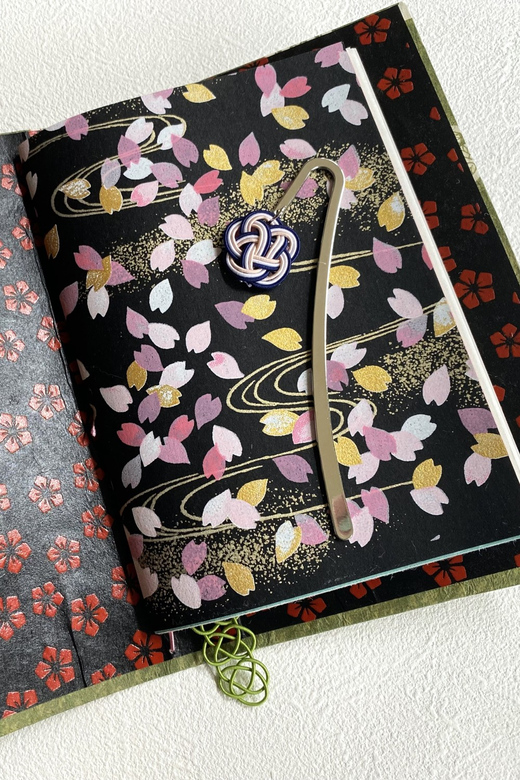
Making a notebook by hand is a fine way to meet Japanese craft without spending half a day in a museum. Here, you choose washi paper, build an A6 notebook, then finish it with a mizuhiki belt and bookmark made from traditional paper cord.
I like the private format and the patient instruction. I also like that the finished items are useful, not just decorative: you take home a notebook that can work as a travel journal, sketchbook, or small junk journal. Tea and sweets add a gentle break between the craft steps.
The main caution is the price, $113 per person, which is a serious outlay for a 150-minute activity. The workshop is also listed for ages 10 and up, so families with younger children should confirm the age rule before booking.
Key points at a glance
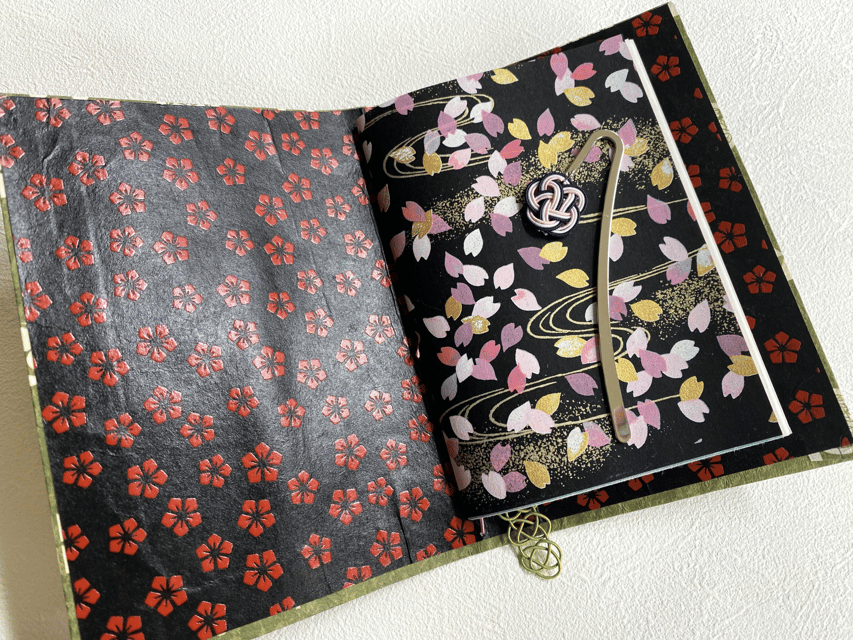
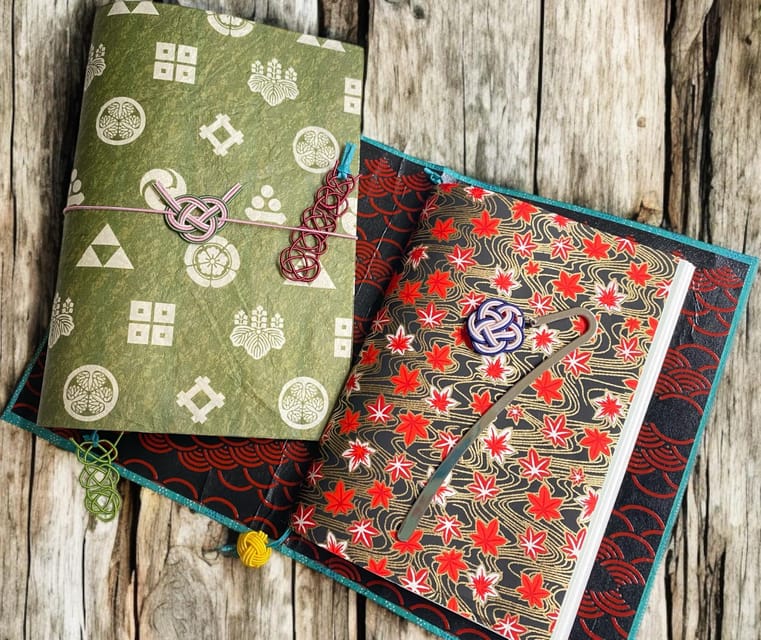
- A6 washi notebook: Choose your own Japanese paper and make a small notebook with a cover.
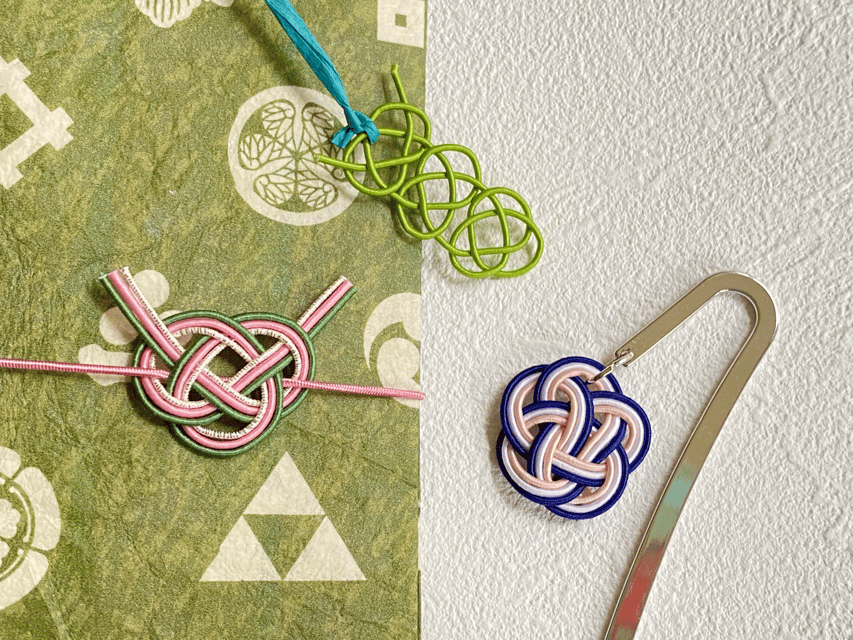
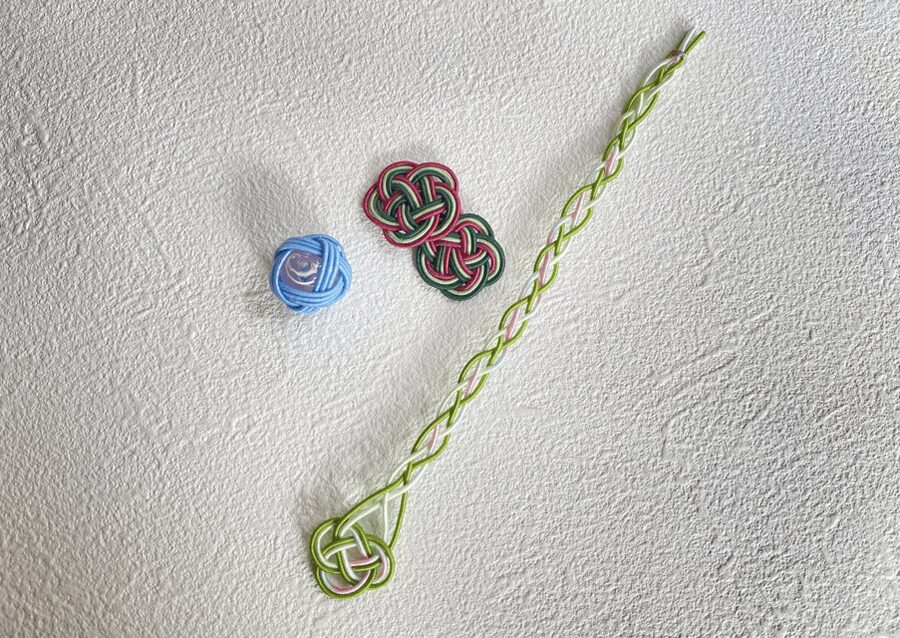
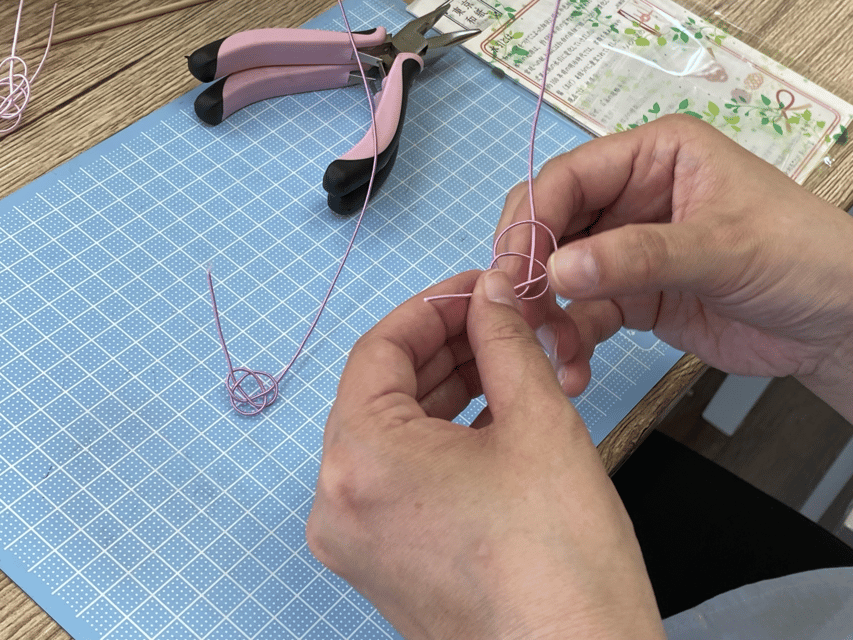
- Three mizuhiki knots: Learn the basics while making a notebook belt and matching bookmark.
- Private instruction: Your group receives direct help from an English- or Japanese-speaking instructor.
- Tea and sweets: A light refreshment break gives the workshop a calm rhythm.
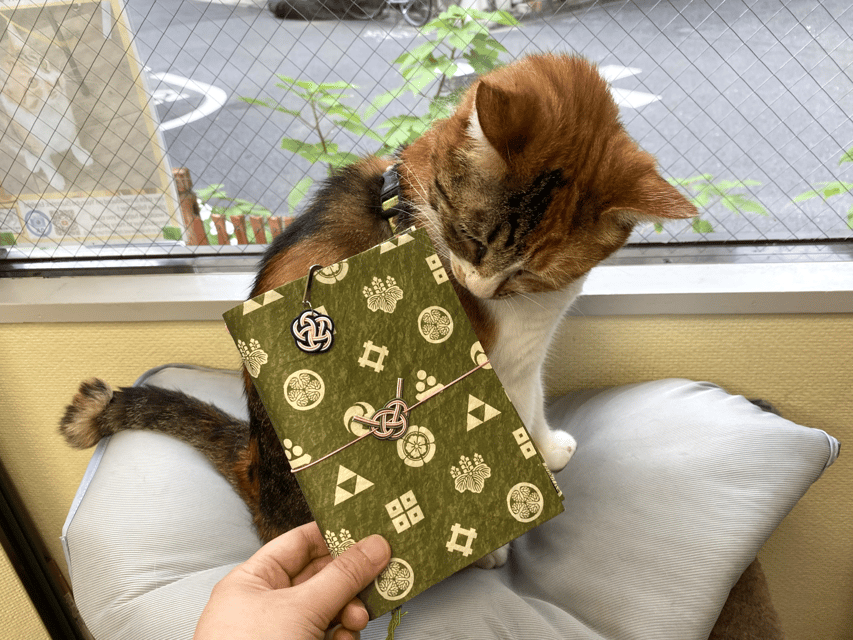
- Cat mascot: Cat lovers may be able to take a picture with the studio cat.
- Flexible booking: You can cancel up to 24 hours ahead for a full refund and reserve without paying immediately.
Why a handmade notebook makes a better souvenir
Many Japanese souvenirs are beautiful but passive. You buy them, pack them, and move on. This workshop asks you to make something with your own hands, so the object carries a memory of the afternoon as well as a Japanese design.
The notebook is A6 size, a compact format that slips easily into a day bag. It is described as similar to a Traveler’s Notebook or junk journal, so you should expect an informal, creative object rather than a formal bound diary. That makes it forgiving. Small imperfections become part of the handmade look.
You choose the paper for the cover, which gives you real control over the final style. The available papers are described as authentic Japanese washi made from fine materials. The exact selection can vary, but the important point is that you are not simply decorating a pre-made notebook with a token sticker. You are working with the central material of the craft.
I would choose this activity if you enjoy stationery, sketching, collage, journaling, book arts, or Japanese design. If you prefer fast sightseeing and a long list of landmarks, 150 minutes at a craft table may feel slow. That is not a flaw, but it is the whole point of the experience.
Other experiences people book in Tokyo:
- Mt Fuji and Hakone 1-Day Bus Tour Return by Bullet Train
★ 5.0 · 26,383 reviews - 1-Day Tokyo Bus Tour
★ 5.0 · 14,250 reviews - Tokyo: TOKYO SKYTREE® Admission ticket
★ 4.5 · 11,192 reviews
The first stage: choosing washi and shaping the A6 notebook
The notebook session begins with selecting your favorite Japanese paper. This choice matters more than it may sound. The cover becomes the visual focus of the finished piece, and the paper you choose will determine whether the notebook feels quiet, bright, delicate, or playful.
You then make an A6 notebook with a cover. The supplied information does not spell out every construction step, so you should expect hands-on guidance rather than a fully self-directed project. The instructor helps with the trickier parts, which is useful because paper work often looks easy until you have to align, fold, or secure it yourself.
One participant described taking about two hours to complete the notebook. That fits the advertised 150-minute duration, especially once you include the mizuhiki work, refreshments, and finishing touches. Do not book this immediately before a train or timed attraction. A relaxed pace is part of the value, and rushing would spoil the careful work.
The instructor speaks Japanese and English. English explanations were described as good enough to explain the process properly, and patience was especially helpful during the harder notebook steps. You will still need to pay attention to demonstrations, but you should not need advanced Japanese to take part.
Mizuhiki: paper cord with a ceremonial purpose
The second craft uses mizuhiki, a traditional Japanese paper string that has been used for about 680 years. It remains part of wedding and funeral ceremonies in Japan, where the knots and colors can carry meaning. That gives your small belt and bookmark a cultural connection beyond simple decoration.
You learn three knots during the workshop. If you already know the basic knot, you may be able to try a slightly more difficult version. This is a nice touch for repeat crafters, since the activity does not assume everyone begins at exactly the same level.
The notebook belt helps hold the finished notebook closed, while the bookmark gives you another useful object to take home. Together, they make the project feel complete. You are not leaving with one craft item and a pile of unused materials.
Mizuhiki can be fiddly. The cord needs to be handled with care, and the shape of a knot may not look right on the first try. I would see this as a feature, not a problem. The instructor’s role is most valuable here, when a small adjustment can turn a confusing step into a manageable one.
The activity also includes guidance on using sharp tools safely. That matters in a workshop involving cutting and paper construction. Listen closely during the safety explanation, especially if you are crafting with a child age 10 or older.
Tea, sweets, and a slower Japanese afternoon
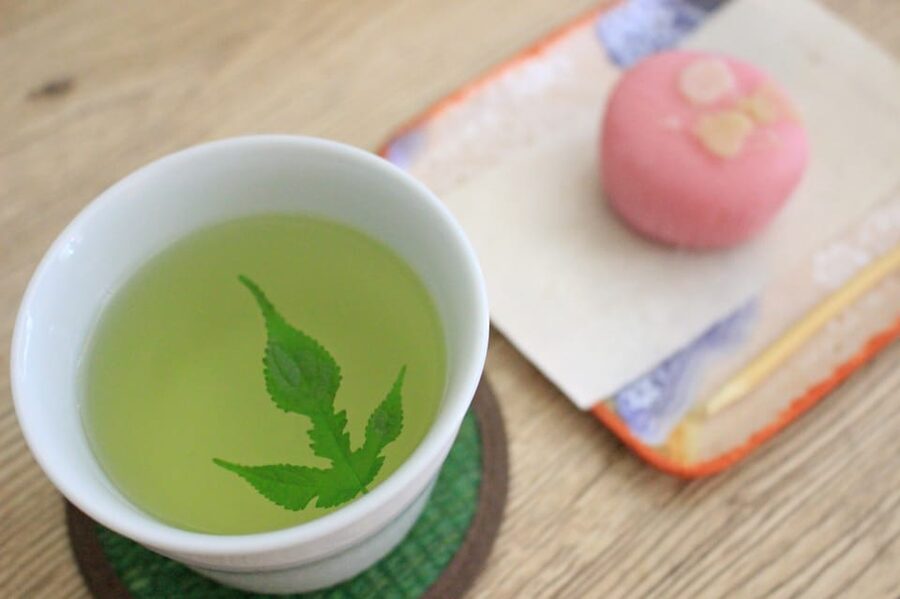
Coffee or tea is included, along with sweets. The refreshment break gives you time to look at the paper choices, compare finished knots, and let your hands rest. One account described the tea as light and refreshing, which sounds right for an activity that asks for steady concentration rather than physical energy.
The food is a supporting part of the experience, not a meal. Some refreshments may include small snacks or sandwiches, but the confirmed inclusion is tea or coffee and sweets. If you have dietary needs, ask the provider before booking rather than assuming the treats will suit you.
I like this pause because it keeps the workshop from feeling like a production line. You are given time to enjoy the setting and the company of your own group. The private format also makes it easier to ask questions, request help, or work at a slower speed.
Same base, a different sort of day:
- Tokyo: teamLab Planets TOKYO Digital Art Museum Entry Ticket
★ 4.6 · 9,779 reviews - Mt Fuji & Hakone Cruise, Drum Show Bullet Train 1 Day from Tokyo
★ 4.0 · 7,413 reviews - Tokyo: Sumo Show Experience with Chicken Hot Pot and a Photo
★ 4.8 · 6,678 reviews - Tokyo: Shinjuku Food Tour (13 Dishes at 4 Local Eateries)
★ 5.0 · 6,603 reviews
A private workshop with room for personal help
This is a private group activity, which changes the mood considerably. You are not trying to hear instructions over a large class, and you do not have to match the pace of strangers. The instructor can spend more time on the parts that give you trouble.
That personal help is especially useful for families and couples. A parent can work alongside a child, while the instructor handles the more technical steps. Two people can also choose very different paper and cord colors, so the final notebooks do not need to match.
The published age guidance says the activity is not suitable for children under 10. One supplied account describes a nine-year-old enjoying the workshop, but that conflicts with the stated rule. Treat the official age limit as the safe planning guide and contact Washi labo TOKYO if you want to ask about an exception.
The workshop is also a good choice for solo visitors. A private booking can make a quiet afternoon feel more social without requiring a full group tour. You will have a finished notebook to use during the rest of your Japan trip, which gives the activity a practical connection to your wider journey.
Meeting the studio cat
Cat lovers may be able to take a picture with the studio cat, described as the workshop’s mascot. The cat is not the main attraction, and you should not book this solely on the promise of an animal encounter. Still, it adds a warm personal note to the studio.
The cat may not be available or interested at every moment. That is normal with cats, and the activity itself remains focused on paper and mizuhiki. If you do get a photo, it makes a charming extra memory from an already personal visit.
What the $113 price really includes
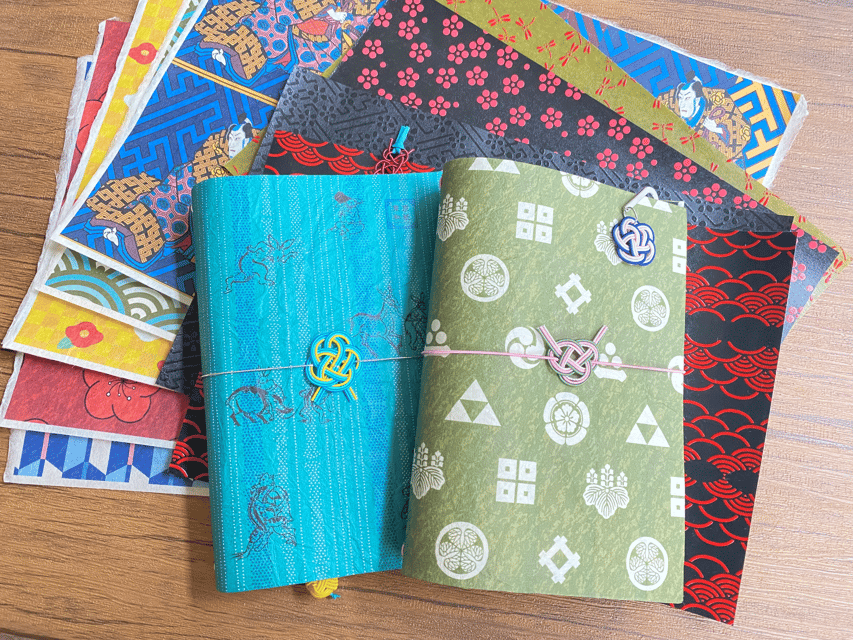
At $113 per person, this is not a bargain craft class. The price includes the required materials, a friendly instructor, and coffee or tea. You are also paying for a private session, English-language support, expert help with traditional techniques, and two finished types of keepsake.
The value depends on how much you want from the afternoon. If you only want a cheap notebook, buy one in a shop. If you want to understand how washi and mizuhiki work, make your own design, and receive direct instruction in a private setting, the price is easier to justify.
The materials matter here. Premium paper and quality cord can make a clear difference in the finished item, and the workshop is built around using authentic Japanese materials rather than generic craft supplies. You also avoid the uncertainty of buying paper and tools yourself, then trying to copy the technique without help.
I would compare this price with other paid cultural activities in your itinerary. For a couple or small family that values hands-on experiences, it can be a worthwhile splurge. For a budget-conscious visitor who already has several workshops planned, it may be too expensive for a small notebook and bookmark.
Transportation to the store is not included, so add that cost and travel time to your budget. The exact starting times depend on availability, and the 150-minute length means you should protect at least a three-hour block once local transport and arrival are considered.
Who will enjoy this most
You are a strong match if you:
- Like paper, notebooks, bookbinding, or small handmade objects
- Want a cultural activity that lets you work rather than only watch
- Prefer a private class to a large group
- Enjoy calm, careful projects
- Want a useful souvenir from Japan
- Are traveling with children age 10 or older who can follow tool-safety guidance
- Appreciate a little extra time for tea and conversation
You may want to skip it if you dislike detailed handwork, have very limited time, or expect a major sightseeing attraction. This is a seated craft experience, and its reward comes from concentration and making something slowly.
It also may not suit anyone who wants a polished result with no visible handmade character. The instructor can guide you, but your notebook will still show that you made it. That is part of its charm, but not everyone wants a slightly uneven fold or knot.
Planning tips for a smoother visit
Allow the full 150 minutes. One notebook can take close to two hours on its own, and the mizuhiki belt, bookmark, tea, and explanations need their share of time.
Wear something that lets you work comfortably at a table. The supplied information does not require special clothing, but you will be handling paper, cord, and sharp tools, so practical clothes are sensible.
Think about your notebook style before you arrive. You might want a travel diary, a sketchbook, a place for ticket stubs, or a small collection of Japanese phrases. Having a use in mind can help you choose paper and colors with more purpose.
If you already know a basic mizuhiki knot, mention it to the instructor. You may be able to try a harder knot rather than repeating the beginner version.
Check the age rule for children. The stated policy excludes children under 10, even though one account describes a younger child attending. The provider can give you the final answer for your date.
The activity offers free cancellation up to 24 hours before the start time, and you can reserve now and pay later. Those terms help if your Japan plans are still changing, but transportation to the store remains your responsibility.
Should you book the Washi labo TOKYO workshop?
Book it if you want a quiet, personal afternoon built around Japanese materials and patient instruction. The best parts are the freedom to choose your own washi, the practical notebook format, the three mizuhiki knots, and the private help when the craft becomes tricky.
I would especially recommend it to stationery fans, couples, creative families with older children, and anyone who prefers making a souvenir to buying one. The tea, sweets, and possible cat photo add character without distracting from the craft.
I would pass if $113 feels high for a 150-minute class or if your schedule is packed with major sights. This is not a quick stop. It asks you to slow down, use your hands, and accept that handmade work takes time. For the right person, that is exactly why it earns a place in a Japan itinerary.
FAQ
Where does the workshop take place?
The workshop is provided by Washi labo TOKYO in Honshu, Japan. The cost of transportation to the store is not included.
How long does the workshop last?
The activity lasts 150 minutes. Starting times depend on availability.
How much does it cost?
The listed price is $113 per person.
What will I make?
You will make an A6 notebook with a cover using Japanese washi paper. You will also make a notebook belt and bookmark using mizuhiki cord.
What is mizuhiki?
Mizuhiki is a traditional Japanese paper string used for about 680 years. It remains part of Japanese wedding and funeral ceremonies.
Is the workshop offered in English?
Yes. Instruction is available in Japanese and English.
Is this a private activity?
Yes. The group type is private.
Are tea and materials included?
Required workshop materials and coffee or tea are included. Sweets are also provided as part of the workshop experience.
Just added in Tokyo
- The 10 Tastings of Tokyo With Locals: Private Street Food Tour★ 5.0 · 48 reviews
- Small Town in the Big City: Tasting Tokyo’s Kichijoji★ 5.0 · 195 reviews
- Small Town in the Big City: Tasting Tokyo’s Kichijoji★ 5.0 · 16 reviews
- EXCLUSIVE Tokyo Secret: Kichijoji Small-Group Food & Bar Hopping★ 5.0 · 29 reviews
- Explore Kichijoji: Walk Through One of Tokyo’s Beloved Districts★ 5.0 · 21 reviews
- :Tokyo,Shibuya/ Pro Photography in Kimono / English-Friendly★ 5.0 · 26 reviews
- 【R34】Tokyo:Private Daikoku tour in Modified R34★ 4.9 · 92 reviews
- Tokyo:Calligraphy &Make your original folding fan in Asakusa★ 5.0 · 62 reviews
Tours in Tokyo, compared.

Mt Fuji and Hakone 1-Day Bus Tour Return by Bullet Train
Read our review →


teamLab Planets TOKYO Digital Art Museum Entry Ticket
Read our review →
Mt Fuji & Hakone Cruise, Drum Show Bullet Train 1 Day from Tokyo
Read our review →
Sumo Show Experience with Chicken Hot Pot and a Photo
Read our review →
Shinjuku Food Tour (13 Dishes at 4 Local Eateries)
Read our review →