Reviewed · TOURS IN TOKYO
Shibuya: Pachinko Gaming Experience
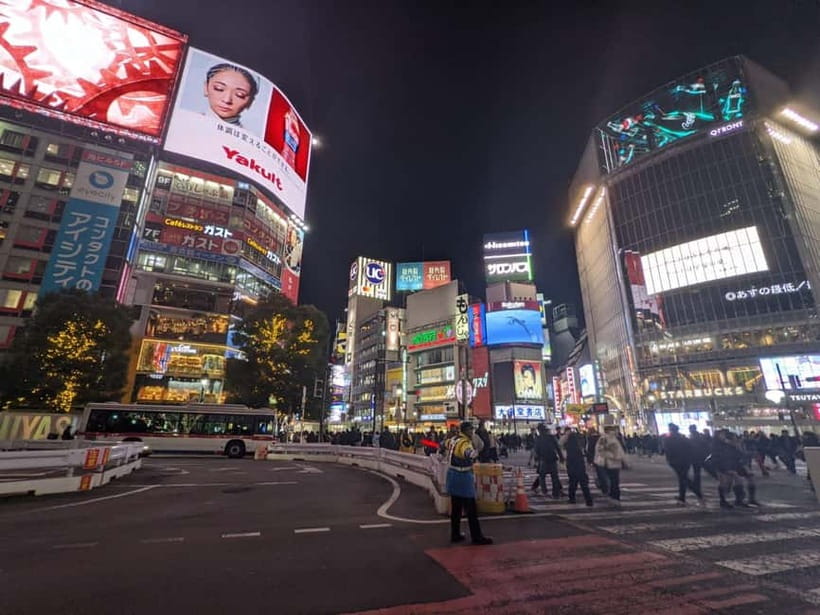
Shibuya’s pachinko parlors are hard to miss. Their flashing signs, ringing machines, and rows of players offer a quick look at a Japanese pastime that many visitors otherwise only glimpse from the street. This one-hour experience explains the game before asking you to try it, which is useful when the controls and customs seem confusing.
I like two things here: the small group limit of three and the guide’s clear, patient approach. I also like that the tour begins at the Hachiko Statue, a simple meeting point in the middle of Shibuya. The main drawback is that your pachinko play costs extra, and one participant reported trouble reaching the provider after getting lost.
Key points at a glance
- Start beside Hachiko: Meet in front of the lottery ticket booth on the right side of the Hachiko Statue.
- Learn before you play: The guide explains pachinko’s history, rules, balls, controls, and basic technique.
- A real Shibuya parlor: You enter a traditional pachinko venue rather than only hearing about the game outdoors.
- English interpretation included: The guide helps explain the rules and the experience in English.
- Only three people per group: The small size gives you room to ask questions and practice.
- Bring extra money for play: The $19 tour price does not include pachinko balls or drinks.
Why pachinko makes sense as a Shibuya activity
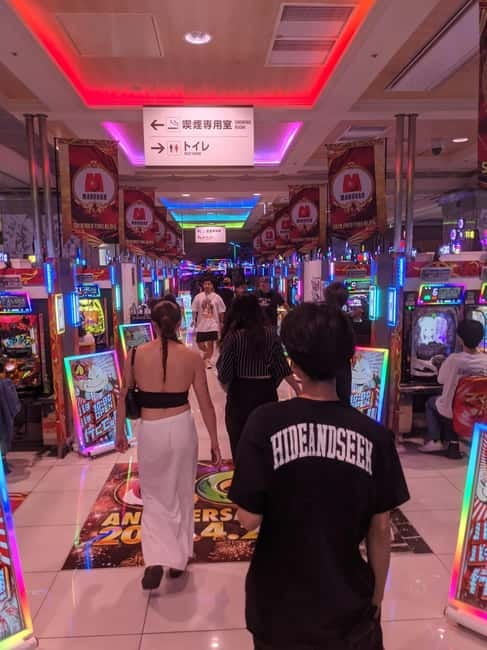
Pachinko is part pinball, part arcade game, and part Japanese social custom. The basic action looks simple: you buy metal balls, place them in the machine, and launch them into a field of pins and pockets. The machine determines where the balls go, so your control is limited. That mix of timing, chance, sound, and flashing lights is the point.
The game developed in Japan during the early 20th century from a mechanical pastime influenced by Western pinball. Over time, small machines became the tall, noisy rows found in pachinko parlors across Japan. This tour gives you the background needed to understand why the game matters before you sit down at a machine.
I find this helpful because pachinko can look like a wall of noise from the entrance. Without an explanation, you may not know how to get balls, where to sit, or what the buttons do. The guide’s job is to make those first few minutes less awkward.
Pachinko also offers a different view of Shibuya. Most visitors focus on fashion, food, nightlife, and the famous crossing. A parlor shows another side of the district, one tied to leisure, habit, and Japanese gaming culture. It is not a sightseeing stop in the usual sense, but it gives you a closer look at an everyday form of entertainment.
Other experiences people book in Tokyo:
- Mt Fuji and Hakone 1-Day Bus Tour Return by Bullet Train
★ 5.0 · 26,383 reviews - 1-Day Tokyo Bus Tour
★ 5.0 · 14,250 reviews - Tokyo: TOKYO SKYTREE® Admission ticket
★ 4.5 · 11,192 reviews
Meeting at Hachiko and getting your bearings
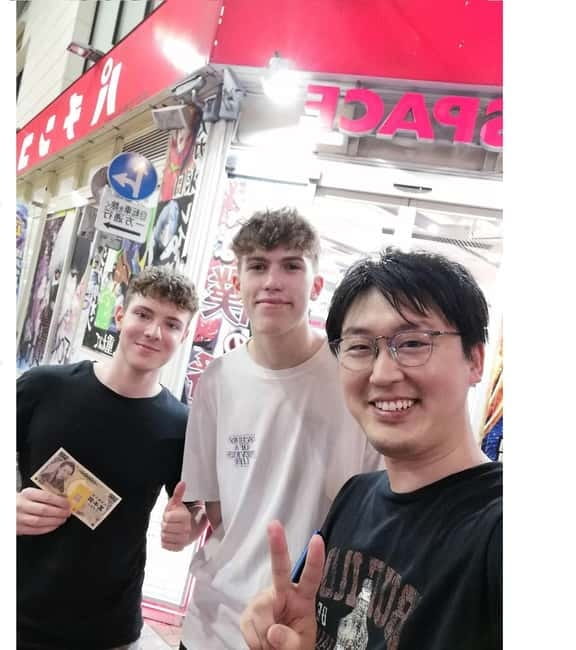
The tour begins at the Hachiko Memorial Statue, one of Shibuya’s easiest landmarks to find. The precise meeting place is on the right side of the statue, in front of the lottery ticket booth. The guide will be holding a blue tablet.
Arrive about five minutes before the scheduled start. Shibuya Station can be crowded and confusing, so do not leave the meeting point until the last minute. If you get lost, contact the provider directly. The instructions state that the guide waits for 20 minutes before treating a late arrival as a no-show.
This meeting point is convenient because Hachiko is well known, but it is not quiet. You will be near a major pedestrian flow, so scan for the blue tablet rather than expecting a large tour sign. The group is limited to three participants, which should make it easier to identify your guide once you are in the right place.
The first part: pachinko explained in plain English
The opening section covers the story and role of pachinko in Japan. You learn how a mechanical game became a high-tech parlor experience, and how pachinko fits into Japanese subculture.
The guide then explains the rules. You will learn how to purchase your first metal balls, how the machine launches them, and what you are trying to achieve. This basic lesson matters more than it may sound. Pachinko parlors are designed for regular players, so the machines may not provide the kind of step-by-step help a first-time visitor needs.
The English interpretation is included in the price. That makes the activity more useful for a newcomer who wants to ask questions rather than simply copy the person beside them. The guide can also explain small points that are easy to miss, such as how to handle the balls and where to focus your attention.
Past participants gave especially strong marks to the explanations and the chance to ask questions. One German participant noted that there was enough time for questions. That is a good sign for anyone who prefers a guided introduction instead of a rushed demonstration.
Entering a traditional pachinko parlor
The group then goes inside a pachinko parlor. This is where the experience becomes more than a history lesson. You encounter the lights, electronic sounds, rows of machines, and focused players that define the setting.
Pachinko parlors can be loud. If you are sensitive to noise, keep that in mind before booking. The supplied information does not describe quiet areas or provide hearing protection, so you should expect a strong audio environment for at least part of the hour.
The parlor visit gives you context that a street walk cannot. You can see how the machines are arranged and how the activity works as a social space. You are not just looking at a machine in a museum or watching a video. You are learning the process in the place where people actually play.
The tour is for people aged 18 and over. Children cannot join, and the activity is better suited to adults who are curious about gaming culture, Japanese customs, or unusual things to do in Shibuya.
Same base, a different sort of day:
- Tokyo: teamLab Planets TOKYO Digital Art Museum Entry Ticket
★ 4.6 · 9,779 reviews - Mt Fuji & Hakone Cruise, Drum Show Bullet Train 1 Day from Tokyo
★ 4.0 · 7,413 reviews - Tokyo: Sumo Show Experience with Chicken Hot Pot and a Photo
★ 4.8 · 6,678 reviews - Tokyo: Shinjuku Food Tour (13 Dishes at 4 Local Eateries)
★ 5.0 · 6,603 reviews
Buying balls and learning the controls
Your pachinko play is not included in the $19 activity price. You will need to pay the gaming fee separately, and the exact amount is not stated in the supplied information. Ask the guide about the cost before you buy anything so you know your personal spending limit.
The first practical step is obtaining metal balls. The guide explains how this works, then shows you how to place the balls into the machine and launch them. The goal is to help you avoid the common first-timer problem of sitting in front of a machine without knowing which control to touch.
The description promises tips for aiming toward a jackpot and making the most of your play. Keep your expectations sensible. Pachinko includes chance, and an explanation can improve your understanding without guaranteeing a win. Think of any winnings as a possible bonus, not the reason to book the tour.
One Australian participant specifically praised the guide for explaining the game clearly and staying positive when the participant began winning. That detail tells me the tone is encouraging rather than stern. A little patience matters here, especially when you are trying to manage the machine, the balls, and the surrounding noise at once.
What the one-hour schedule really gives you
One hour is short, but it suits the subject. You receive an introduction, a guided explanation, and time inside the parlor without giving the activity too much space in your day.
The tour starts and ends at Hachiko, so you do not need to arrange a separate return journey. Afterward, you are already in central Shibuya, close to shops, restaurants, and transport connections. That makes this easy to place between other plans.
The tradeoff is that the schedule leaves little room for delays. If you arrive late, spend time finding the meeting point, or need a long explanation of every rule, the playing time may feel brief. Arriving early is the simplest way to protect your full hour.
The small group helps. With no more than three participants, the guide can answer individual questions and watch how you handle the machine. A large group would make this kind of hands-on lesson less personal.
Price and value at $19
At $19 per person, the activity is reasonably priced for a short, guided introduction, particularly because English explanation is included and the group is capped at three. You are paying for access, context, and help with the first steps, not simply for an hour at a machine.
The separate gaming fee changes the calculation. If you want only to watch, ask whether observing is possible before booking. If you want to play, set aside extra money for balls and remember that the amount is not part of the advertised tour cost.
I see the value most clearly for first-time visitors. You could try to enter a parlor alone, but you might not know how to buy balls, start the machine, or interpret what is happening. The guide reduces that uncertainty. You also get background on the game, which gives the activity more meaning than a random arcade stop.
The value is lower if you already know pachinko well or only want a quick photo outside a parlor. In that case, a full guided hour may feel unnecessary.
The guide, the language, and the small-group feel
The activity is conducted in English. The guide provides translation and interpretation, so you can ask about the rules and receive explanations in a language you understand.
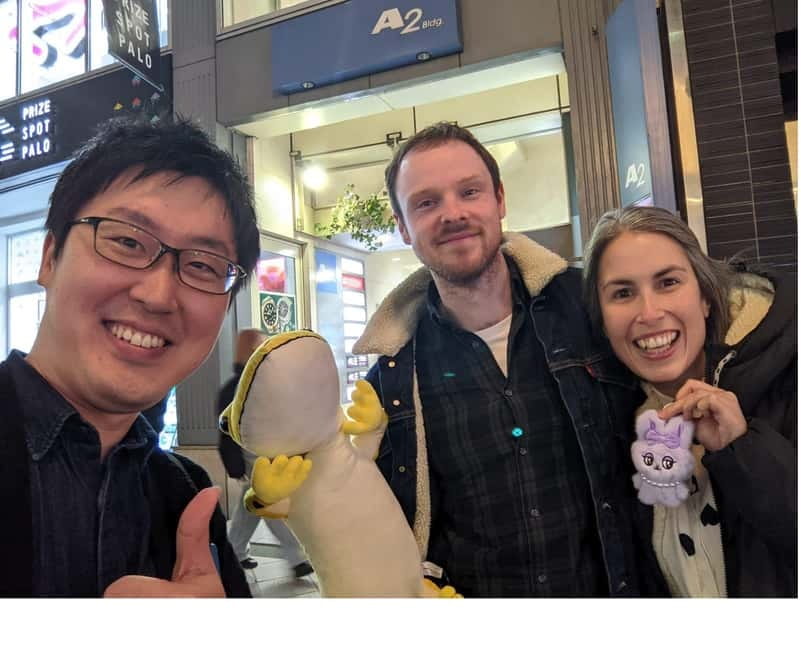
One guide identified in the available information is Ing. The experience has been praised for clear explanations, patience, and an upbeat attitude. Those qualities matter more here than a long lecture. You need someone who can explain the machine, notice when you are unsure, and keep the mood relaxed.
The group limit of three is one of the strongest practical features. You should have better access to the guide than you would in a standard group tour, and you can ask about details that interest you. It also makes the activity less intimidating if you are new to pachinko.
Wheelchair access is listed, but the supplied information does not explain the exact route through the parlor or the machine setup. If you need a particular type of access, contact the provider before arrival and confirm the details.
What the feedback tells me about the experience
The overall rating is 4.4 out of 5 from 14 ratings. The most consistent strengths are the explanations, the friendly attitude, and the chance to ask questions.
Several participants described the activity as informative and fun. One person called it worth the money, while another praised Ing for explaining this unusual game. These comments support the idea that the tour works best as an introduction, not as a serious gambling session.
There is one important warning. A participant gave the lowest rating after trying to contact the provider while lost before the tour and receiving no answer. The meeting instructions are specific, but Shibuya is busy enough that you should save the meeting point, allow extra time, and keep the provider’s contact details handy.
The other feedback is largely positive, including a simple five-star rating and a note that there was enough time for questions. Taken together, the activity appears strongest when you arrive on time and understand that your own play money is separate.
Who should book this activity
I would choose this for an adult visiting Japan for the first time who wants a cultural activity that does not require half a day. It suits curious gamers, people interested in Japanese entertainment, and anyone who has seen pachinko parlors but never understood what happens inside.
It is also a good option if you feel uneasy trying an unfamiliar activity alone. The guide gives you a starting point and helps you avoid looking confused at the machine. That is the practical reason to book, not simply the novelty.
I would be more cautious if you dislike loud rooms, do not want to spend extra money playing, or expect a long sightseeing tour through Shibuya. This is a focused one-hour lesson with a short hands-on session, not a broad city tour.
The activity is not suitable for anyone under 18. Drinks are not included, and the pachinko gaming fee is separate.
Booking details worth remembering
You can cancel up to 24 hours before the start time for a full refund. The reserve-now, pay-later option allows you to hold a place without paying immediately, which is useful when your Shibuya schedule is still changing.
Check the available start times when booking. The tour is one hour long and returns to Hachiko. Wear something comfortable enough for standing or sitting at a machine, though the supplied details do not specify how much movement is involved.
Most important, arrive five minutes early at the lottery ticket booth beside Hachiko and look for the blue tablet. That small preparation may prevent the one serious problem reported with this experience.
Should you book Shibuya Pachinko Gaming?
Book it if you want a clear, friendly introduction to one of Japan’s most recognizable gaming customs, especially if you would feel awkward entering a parlor on your own. The low price, English guide, and three-person limit make it a sensible short activity in central Shibuya.
Skip it if you already understand pachinko, dislike loud gaming rooms, or want all costs covered in advance. Remember that the $19 price buys the guided experience, while your balls and play are extra.
For the right visitor, this is a compact way to move beyond Shibuya’s famous crossing and see a less obvious side of Japanese popular culture. Just arrive early, keep your spending modest, and let the guide handle the confusing first steps.
FAQ
Where does the pachinko tour meet?
Meet near the Hachiko Memorial Statue in Shibuya. On the right side of the statue, find the lottery ticket booth and wait in front of it.
How will I identify the guide?
The guide will be holding a blue tablet.
How long does the experience last?
The guided activity lasts one hour and returns to the Hachiko Memorial Statue.
Is the tour conducted in English?
Yes. The live guide, translation, and interpretation are provided in English.
Is the pachinko gaming fee included?
No. The pachinko gaming fee and drinks are not included in the $19 tour price.
Can children join the activity?
No. The experience is not suitable for children under 18.
Just added in Tokyo
- The 10 Tastings of Tokyo With Locals: Private Street Food Tour★ 5.0 · 48 reviews
- Small Town in the Big City: Tasting Tokyo’s Kichijoji★ 5.0 · 195 reviews
- Small Town in the Big City: Tasting Tokyo’s Kichijoji★ 5.0 · 16 reviews
- EXCLUSIVE Tokyo Secret: Kichijoji Small-Group Food & Bar Hopping★ 5.0 · 29 reviews
- Explore Kichijoji: Walk Through One of Tokyo’s Beloved Districts★ 5.0 · 21 reviews
- :Tokyo,Shibuya/ Pro Photography in Kimono / English-Friendly★ 5.0 · 26 reviews
- 【R34】Tokyo:Private Daikoku tour in Modified R34★ 4.9 · 92 reviews
- Tokyo:Calligraphy &Make your original folding fan in Asakusa★ 5.0 · 62 reviews
Tours in Tokyo, compared.

Mt Fuji and Hakone 1-Day Bus Tour Return by Bullet Train
Read our review →

teamLab Planets TOKYO Digital Art Museum Entry Ticket
Read our review →
Mt Fuji & Hakone Cruise, Drum Show Bullet Train 1 Day from Tokyo
Read our review →
Sumo Show Experience with Chicken Hot Pot and a Photo
Read our review →
Shinjuku Food Tour (13 Dishes at 4 Local Eateries)
Read our review →