Reviewed · TOURS IN TOKYO
Tokyo: Authentic Japanese Dance Show ticket by professionals
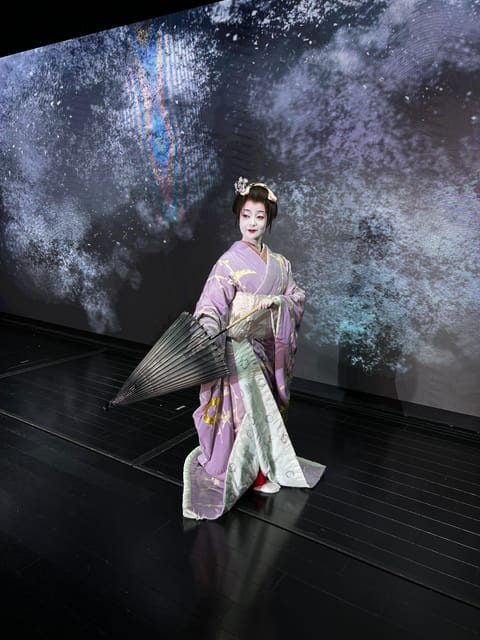
Japanese dance is best seen close enough to catch a dancer’s expression, the turn of a sleeve, and the careful placement of a foot. This Shinjuku performance puts that detail within easy reach, with award-winning Japanese dancers presenting an art form shaped over 400 years.
I like two things here: the close-up view, which makes the costumes and controlled movements easier to appreciate, and the cultural explanation between performances. The main consideration is that food, drinks, and hotel pickup are not included, and the listed activity language is Japanese, though English information and conversation have been available.
Key points to know before booking
- Award-winning performers: The dancers have received awards at Japanese dance competitions.
- Close-up stage view: You can see facial expressions, kimono details, and small movements clearly.
- Central Shinjuku setting: The location is convenient for fitting a traditional show into a Tokyo day.
- Cultural explanation included: Information is provided between performances, with English explanations available according to the experience details.
- Photography comes afterward: Cameras and phones must stay away during the performance, but there is a photo period at the end.
- $54 covers admission: Food, drinks, and hotel pickup cost extra or must be arranged separately.
Why this small Shinjuku show matters
Tokyo offers plenty of polished entertainment, but traditional Japanese dance asks you to watch differently. The action may be restrained, yet every gesture carries weight. A hand lifted inside a kimono sleeve, a measured turn of the head, or a pause held for a breath can express mood, character, and story.
That is why the close setting matters. From far away, you might notice the overall shape of a dance. Here, you can pay attention to the dancer’s face, the line of the body, and the fine decoration on the kimono. The performance becomes less like a distant stage spectacle and more like a lesson in precision.
The art form presented here has been passed down for more than 400 years. That does not mean you need prior knowledge to enjoy it. The explanations between performances help give the movements a cultural frame, so you are not left guessing at every gesture.
I especially like this kind of introduction for a first encounter with Japanese dance. You can admire the beauty right away, then slowly understand the discipline behind it. The show is designed to make a traditional art approachable without turning it into a museum display.
Other experiences people book in Tokyo:
- Mt Fuji and Hakone 1-Day Bus Tour Return by Bullet Train
★ 5.0 · 26,383 reviews - 1-Day Tokyo Bus Tour
★ 5.0 · 14,250 reviews - Tokyo: TOKYO SKYTREE® Admission ticket
★ 4.5 · 11,192 reviews
Arriving in Shinjuku for a traditional performance
The setting in Shinjuku is one of the experience’s practical strengths. Shinjuku is a major Tokyo district with easy access, so you can pair the show with an afternoon of shopping, a meal, or a walk through the area. You do not need to devote an entire day to reaching a remote cultural venue.
The exact performance length and full running order are not provided, so check the booking information for the date and start time you choose. Plan to arrive with enough time to settle in. This is a seated performance where quiet attention matters, and rushing through the door would make it harder to shift from busy city mode to the slower pace of traditional dance.
The show is presented by YUKI YOSHIDA. Individual dancer names are not supplied, but the performers are described as Japanese dancers who have won awards at competitions. That distinction is useful: this is not simply a casual cultural demonstration. You are paying to see dancers with serious training and recognized skill.
The opening: getting a frame for what you see
The educational material between performances is an important part of the experience. Japanese dance can be difficult to read at first because its storytelling does not always work like Western theater or modern dance. A small change in posture may matter more than a large leap, and the costume can limit movement while also becoming part of the expression.
The introductions help you notice those choices. You may learn about Japanese dance culture, its long development, and the relationship between movement, music, clothing, and character. English information has been provided between performances, which is helpful if you do not speak Japanese. Still, the listed activity language is Japanese, so the amount and style of English explanation may vary.
I would treat the explanations as a guide rather than a full lecture. The show’s main value is still the live performance. The information gives you something to watch for, making the quiet gestures easier to follow.
The staff and dancers have also been described as welcoming and willing to speak with audience members before and after the show. That can be a pleasant bonus, especially if you are curious about the costumes or want to practice a little Japanese. It is not presented as a formal meet-and-greet, so do not assume you will receive a private conversation with every performer.
Watching the dancers from close range
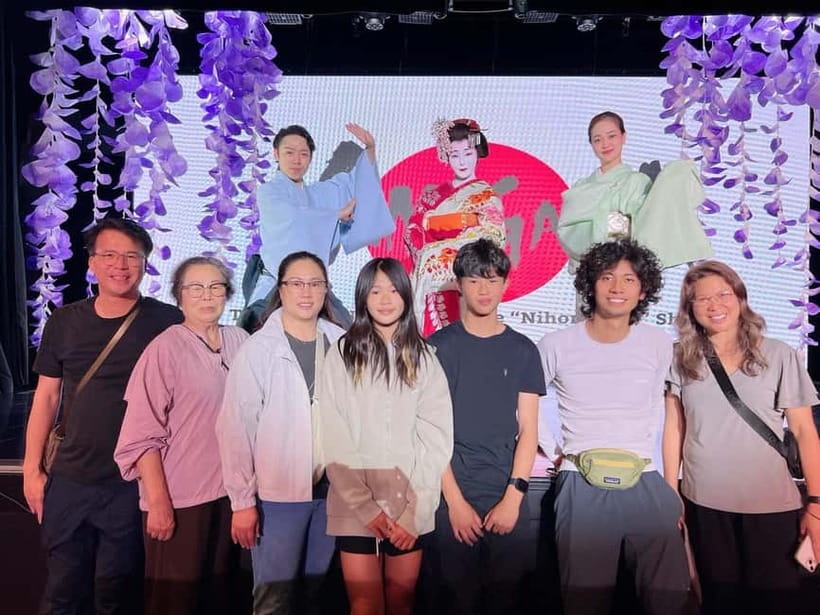
The performance itself is built around control. Japanese dance is not about constant motion. It uses timing, posture, gaze, hand positions, and the shape of the kimono to communicate feeling. From a close seat, you can see how much effort goes into making a movement appear calm.
The dancers’ expressions are a major part of the appeal. A face held in stillness can change the tone of a scene, while a slight turn may signal a new emotion or relationship. If you normally associate dance with speed and large movements, this show gives you a different vocabulary.
The costumes deserve close attention, too. The kimono are not just attractive clothing placed on top of the performance. Their sleeves, layers, colors, and decorative details affect how the dancer moves and what you notice. A turn can reveal fabric in a way that changes the whole picture.
The performers’ competition awards matter here because the form demands technical discipline. The movements may look effortless, but that calm surface depends on practice. You will see why a traditional art can remain demanding even when it avoids showy displays.
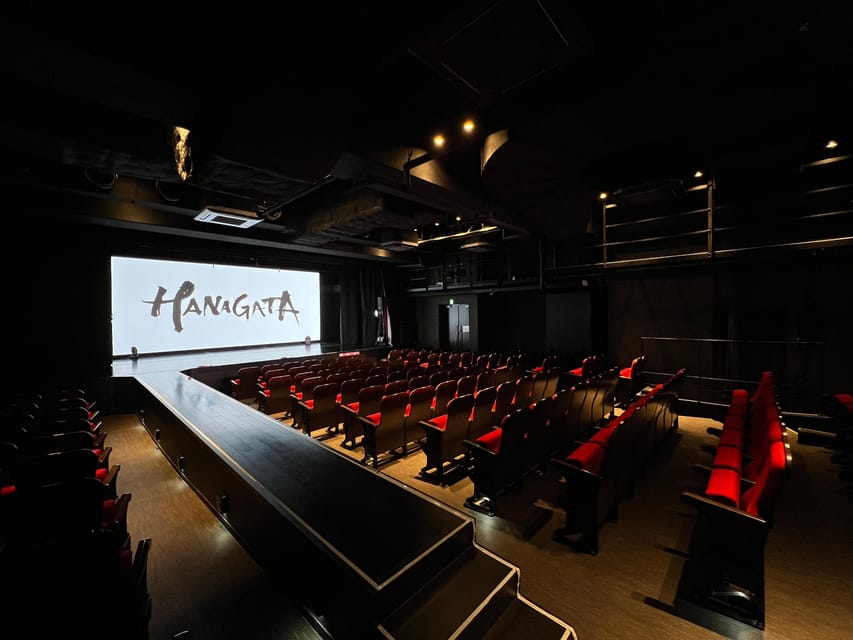
One practical advantage is the close seating arrangement. The experience information emphasizes that you can see the performers’ expressions and costume details up close, and one audience response specifically described the seating as free of a bad view. Seating specifics are not otherwise provided, so I would not promise an identical view from every chair, but the format clearly aims to keep the performance personal rather than distant.
Same base, a different sort of day:
- Tokyo: teamLab Planets TOKYO Digital Art Museum Entry Ticket
★ 4.6 · 9,779 reviews - Mt Fuji & Hakone Cruise, Drum Show Bullet Train 1 Day from Tokyo
★ 4.0 · 7,413 reviews - Tokyo: Sumo Show Experience with Chicken Hot Pot and a Photo
★ 4.8 · 6,678 reviews - Tokyo: Shinjuku Food Tour (13 Dishes at 4 Local Eateries)
★ 5.0 · 6,603 reviews
The music, rhythm, and story
Music gives Japanese dance its pace and emotional shape. Even when you do not understand every cultural reference, you can follow the relationship between sound and movement. A pause in the music, a repeated rhythm, or a change in the dancer’s posture can signal a shift in the scene.
This is where the cultural context becomes useful. The show presents Japanese dance as an art connected to Japan’s past, customs, and ideas of beauty. You do not need to identify every school or historical period to gain something from that connection. The goal is to understand that these movements were not invented for tourists. They come from a tradition with its own rules and values.
At times, you may find the pace slower than expected. That is not a flaw, but it is a matter of taste. If you want a fast, comic stage show with constant action, this may feel quiet. If you enjoy careful craft, visual detail, and performances that reward patience, the slower rhythm is part of the pleasure.
I would encourage you to watch the transitions as closely as the larger dance sections. The way a performer enters a pose, turns, or withdraws can be as meaningful as the central movement. The explanations between performances should help you notice those details instead of waiting only for a dramatic climax.
The kimono and the art of presentation
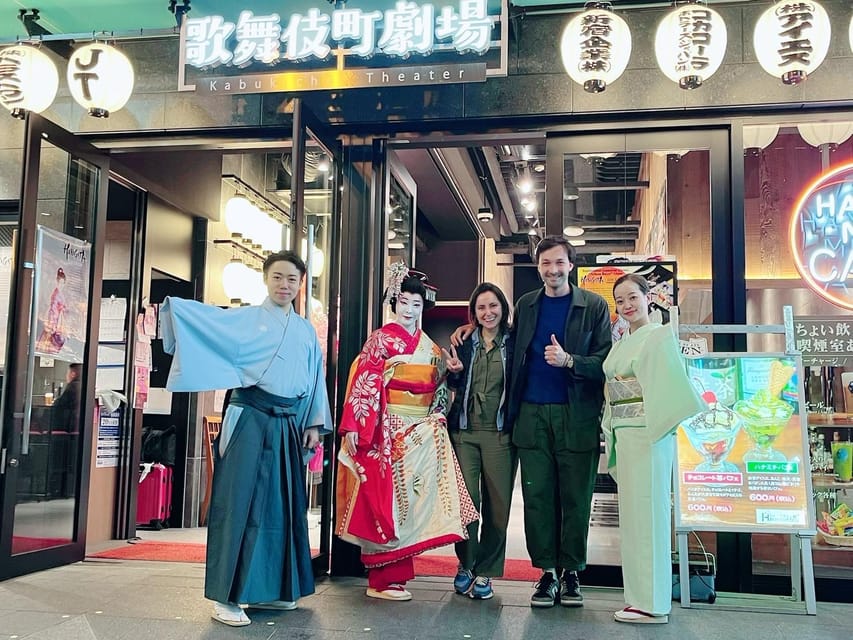
The costumes are one of the clearest reasons to choose a live performance rather than a short online video. A screen can show you the colors, but it cannot fully convey how fabric moves with the dancer or how decoration changes as the performer turns.
The kimono also creates a visual discipline. The dancer cannot rely on loose athletic movement. Gestures must be shaped through the sleeves, hands, upper body, and careful steps. That limitation becomes part of the beauty.
Look for the connection between the costume and the dancer’s expression. A restrained face paired with a wide sleeve can create one feeling; a direct gaze and a controlled turn can create another. You do not need specialist training to notice the contrast.
The show’s close range also gives you a better chance to appreciate small decorative details. This is particularly valuable if you have spent time seeing kimono in shops or museums but have not watched one move as part of a performance.
What happens after the final performance
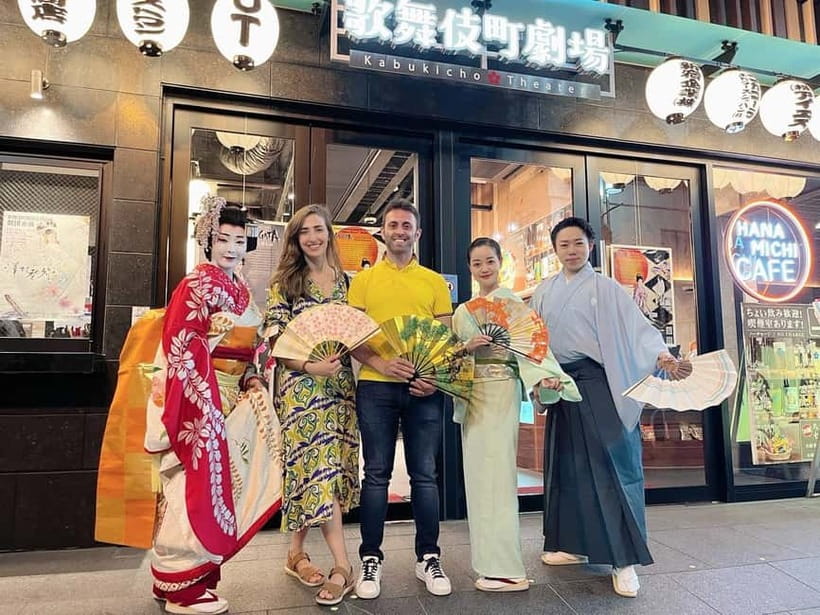
Photography is prohibited during the show. This rule is worth taking seriously. It protects the quiet atmosphere and keeps screens from distracting people who paid to focus on the dancers.
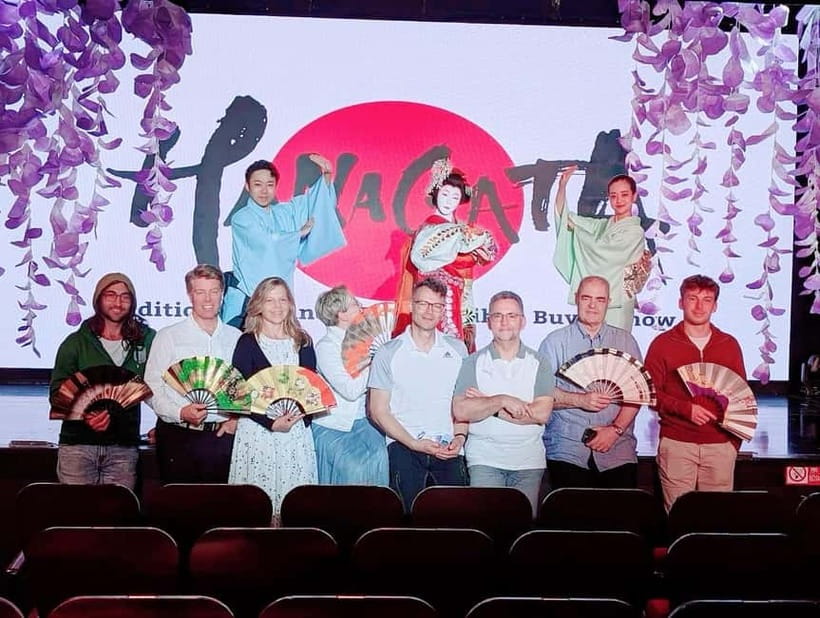
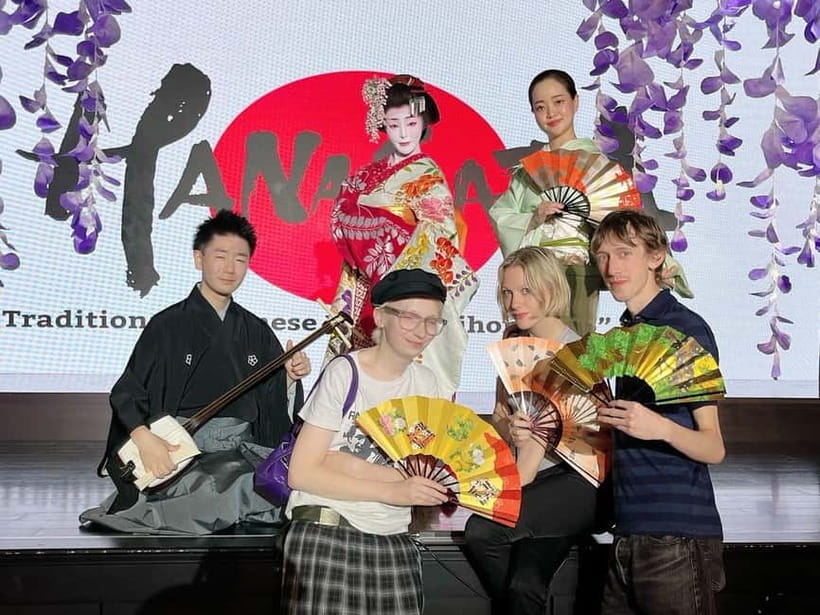
At the end, there is time for photographs. That gives you a chance to record the costumes and perhaps take pictures with the performers or surroundings, depending on the arrangements that day. Do not plan on taking snapshots during the dance itself, and keep your phone put away until the performance has finished.
The post-show period can also be useful for questions. Staff and performers have been described as friendly and able to communicate in English, while Japanese conversation is also welcome. If you are interested in the meaning of a movement or the construction of a costume, this is the natural time to ask.
Some audience members have also received welcome gifts. Because gifts are not listed as an official inclusion, treat them as a possible courtesy rather than something guaranteed with every ticket.
Is $54 a fair price?
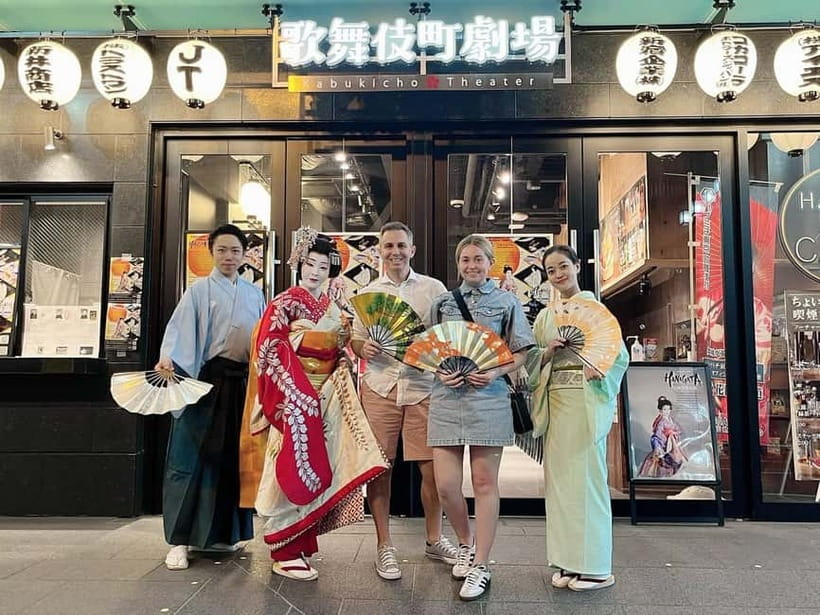
At $54 per person, this is not the cheapest way to spend an evening in Tokyo. The ticket includes admission only. Food and drinks are separate, and hotel pickup is not included.
The value depends on what you want from a cultural activity. If you are looking for a full dinner show, transportation, or a long list of included extras, this ticket may feel limited. You will need to arrange your own meal and make your own way to Shinjuku.
If you want a focused performance by trained dancers in a central location, the price is easier to justify. You are paying for live artistry, close viewing, costume detail, and cultural explanation. The performers’ competition awards add weight to the ticket, while the central setting saves you from spending much of your day getting to the venue.
I see this as a good choice for someone who has already paid for large Tokyo attractions and wants one more personal cultural experience. It also works well for a first introduction to Japanese dance, since the explanations help you follow what you are seeing.
The overall rating is 4.7 from 17 reviews, and the strongest praise centers on the beauty of the performance, the kindness of the staff, the educational material, and the unusual chance to see Japanese dance at close range. Those are the same areas I would use to judge the price.
Who will enjoy this experience most?
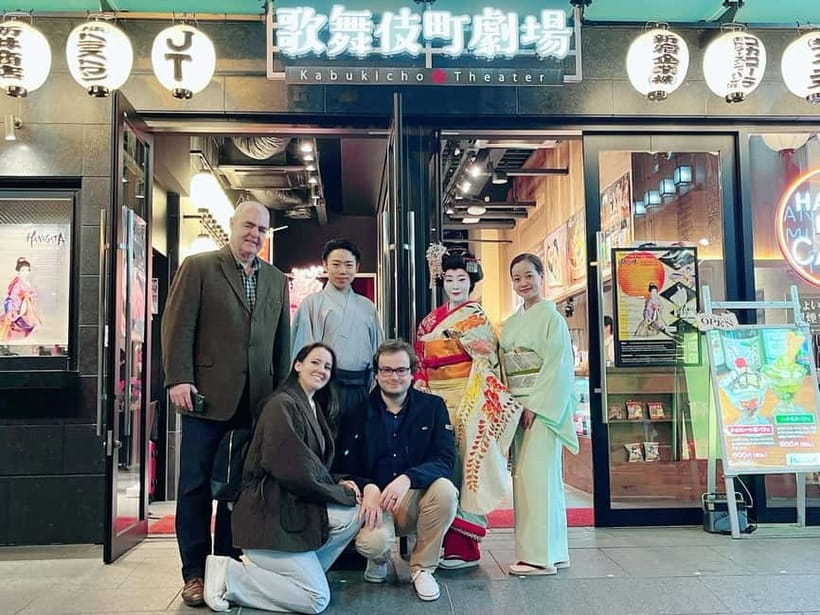
You are a good match for this show if you enjoy:
- Traditional arts, costume, and cultural history
- Performances that reward quiet attention
- Small venues or close stage views
- Learning basic context while watching
- Activities that fit neatly into a Shinjuku day
- A distinctly Japanese experience rather than a general entertainment show
Families may also want to ask about the available childcare program. Childcare and separate experiences for children can be arranged through the supplied kids program, but they are not part of the $54 entrance ticket.
This may be less suitable if you need a performance in a language other than Japanese, want to take photographs throughout, or prefer loud, fast entertainment. The show asks you to watch patiently and respect the no-photography rule.
The experience details do not specify accessibility arrangements, venue seating dimensions, or performance duration. If any of those points affect your decision, contact the provider before booking rather than guessing.
Booking flexibility and useful planning notes
You can reserve now and pay later, which helps if your Tokyo plans are still moving around. Cancellation is allowed up to 24 hours in advance for a full refund.
Since no hotel pickup is provided, allow time to reach the Shinjuku venue independently. A meal before or after the show is also your responsibility, but Shinjuku gives you plenty of options for combining the performance with other plans.
Keep your phone in your bag during the dance. If photography is important to you, remember that the dedicated photo time comes only after the performance.
Should you book the Japanese dance show?
Book it if you want a close, serious look at a traditional Japanese art and you value graceful movement, fine kimono, and cultural explanation over spectacle. The award-winning performers, central Shinjuku location, friendly interaction, and post-show photo opportunity make this a strong addition to a Tokyo itinerary.
Skip it if your main goal is a meal, a large theatrical production, or unrestricted photography. For everyone else, the $54 ticket offers a rare chance to watch Japanese dance at a human scale, with enough explanation to help you see more than pretty costumes and slow movement.
FAQ
Where does the Japanese dance show take place?
The show takes place in Shinjuku, in Tokyo on Honshu.
How much does the ticket cost?
The listed price is $54 per person.
Who performs in the show?
Japanese dancers perform the show. They have received awards at Japanese dance competitions.
Is the performance authentic Japanese dance?
Yes. The experience presents traditional Japanese dance, an art form described as having been passed down for more than 400 years.
Is photography allowed during the performance?
No. Photography is prohibited during the performance.
Can I take pictures at the end?
Yes. A photography period is provided after the performance.
Are food and drinks included?
No. Food and beverages are not included in the entrance ticket.
Is hotel pickup provided?
No. Hotel pickup is not included.
Can I cancel for a full refund?
Yes. You can cancel up to 24 hours in advance for a full refund.
Just added in Tokyo
- The 10 Tastings of Tokyo With Locals: Private Street Food Tour★ 5.0 · 48 reviews
- Small Town in the Big City: Tasting Tokyo’s Kichijoji★ 5.0 · 195 reviews
- Small Town in the Big City: Tasting Tokyo’s Kichijoji★ 5.0 · 16 reviews
- EXCLUSIVE Tokyo Secret: Kichijoji Small-Group Food & Bar Hopping★ 5.0 · 29 reviews
- Explore Kichijoji: Walk Through One of Tokyo’s Beloved Districts★ 5.0 · 21 reviews
- :Tokyo,Shibuya/ Pro Photography in Kimono / English-Friendly★ 5.0 · 26 reviews
- 【R34】Tokyo:Private Daikoku tour in Modified R34★ 4.9 · 92 reviews
- Tokyo:Calligraphy &Make your original folding fan in Asakusa★ 5.0 · 62 reviews
Tours in Tokyo, compared.

Mt Fuji and Hakone 1-Day Bus Tour Return by Bullet Train
Read our review →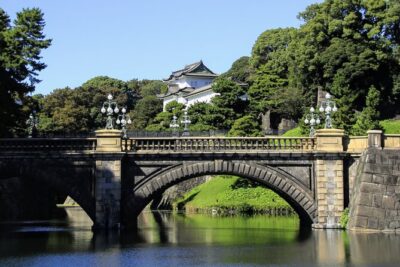

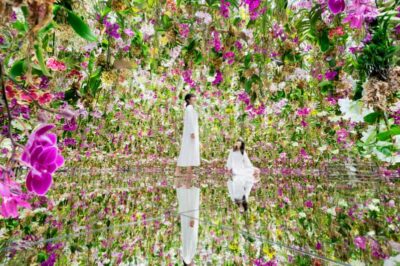
teamLab Planets TOKYO Digital Art Museum Entry Ticket
Read our review →
Mt Fuji & Hakone Cruise, Drum Show Bullet Train 1 Day from Tokyo
Read our review →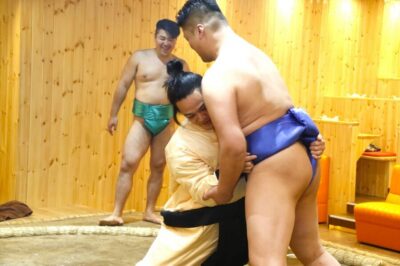
Sumo Show Experience with Chicken Hot Pot and a Photo
Read our review →
Shinjuku Food Tour (13 Dishes at 4 Local Eateries)
Read our review →