
Reviewed · TOURS IN TOKYO
Tokyo: Day Trip to Kamakura in Spanish – Spanish
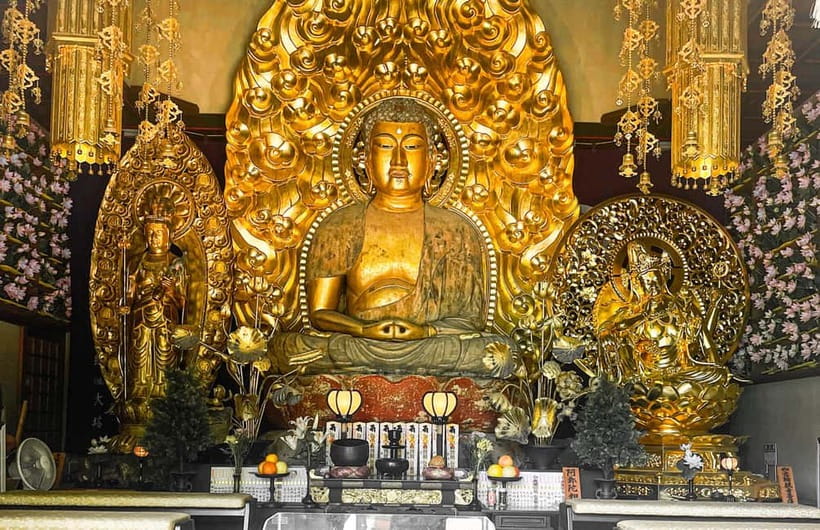
Kamakura gives you a sharp change of pace from Tokyo: forested temple grounds, old religious sites, small streets, and the calm presence of a 13-meter bronze Buddha. The Spanish-language tour links the town’s main sights without leaving you to decode train routes and temple customs alone.
I like the easy mix of spiritual sites and local shopping, and I like that guides such as Emi, Camila, Nikita, Ori, Paula, and Nerea have brought warmth, patience, and useful stories to different departures. The main catch is cost clarity: the $86 tour price does not include about ¥2,300 in transportation or ¥700 in temple tickets, and the full day uses public transit.
Key points to know before you book
- Hase-dera comes first: Ride one of Japan’s oldest trams still in service to a temple filled with legends, gardens, and quiet corners.
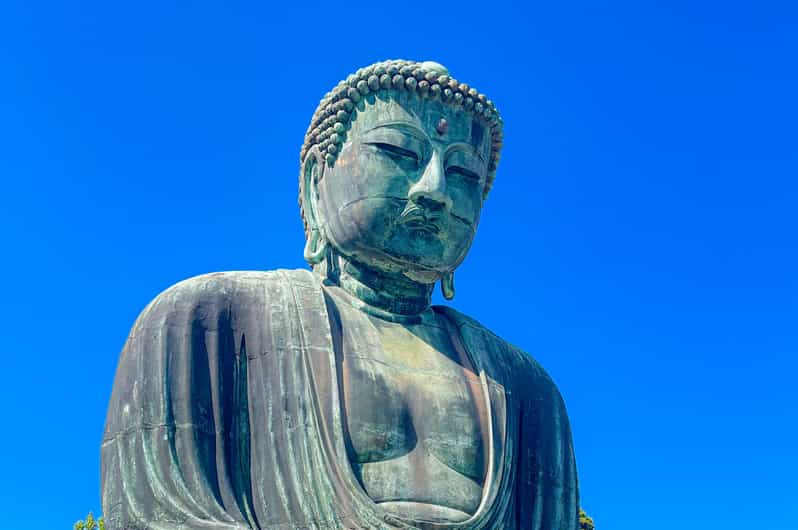
- The Great Buddha is enormous: Kotoku-in’s bronze figure measures 13 meters and weighs 121 tons.
- Spanish guidance is the focus: The tour explains history, myths, and customs in Spanish, though one departure also used English.
- You get town time: The main shopping street provides space for lunch, snacks, souvenirs, and independent wandering.
- Budget for extras: Transportation costs ¥2,300, temple admission costs ¥700, and food and drinks are separate.
- It is an active public-transit day: Large bags are not allowed, and the tour is not suitable for wheelchair users or people with hearing impairments.
Why Kamakura makes a fine break from Tokyo
Tokyo can fill a day with neon, department stores, and dense rail stations. Kamakura offers another side of the Kanto region, with temples, wooded slopes, old religious traditions, and a slower town center. You still reach it by train, but the mood changes quickly once you arrive.
I find Kamakura especially useful for a first visit to Japan because the day brings several pieces of Japanese culture together. You see Buddhist temple architecture, hear stories connected to local worship, ride a traditional tram, and have time to sample food or browse shops without spending the whole day inside a museum.
The Spanish language matters here. Temple grounds can look beautiful even when you do not know what you are seeing, but a guide can explain why a place matters and point out the legends attached to it. The guides named by past participants include Emi, Camila, Nikita, Ori, Paula, and Nerea. Their reported strengths vary from historical explanation to patience with children, so the individual guide can shape the tone of your day.
One departure included both Spanish and English guidance, so if you need a Spanish-only experience, confirm that detail before booking. The advertised service is in Spanish, but guide language arrangements can apparently vary.
Other experiences people book in Tokyo:
- Mt Fuji and Hakone 1-Day Bus Tour Return by Bullet Train
★ 5.0 · 26,383 reviews - 1-Day Tokyo Bus Tour
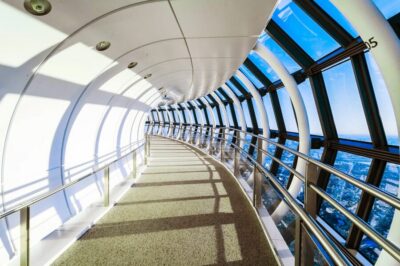
★ 5.0 · 14,250 reviews - Tokyo: TOKYO SKYTREE® Admission ticket
★ 4.5 · 11,192 reviews
Meeting at Tokyo Station and riding south
The day begins in front of the Tokyo Station facade at Marunouchi Square, by the central exit. This is a sensible meeting place, but Tokyo Station is large, so allow enough time to find the correct exit rather than arriving at the last minute.
From there, you take a train to Kamakura. Public transportation is part of the experience, not just a way to reach the sights. You need to follow the guide through stations and trains, and you will spend part of the day standing or walking between platforms and attractions.
The stated transportation cost is ¥2,300, paid separately from the tour price. That is an important part of the real budget. Add ¥700 for temple tickets, then set aside money for lunch, drinks, and any shopping. At $86, the tour is not a cheap transport package, but its value comes from having a Spanish-speaking person manage the route and explain the places along the way.
One especially useful point from the feedback is that the public transport ran with little waiting on one departure, and the trains and buses had air conditioning. That makes the logistics less tiring, though you should still expect a full day on the move.
Hase-dera and its legends
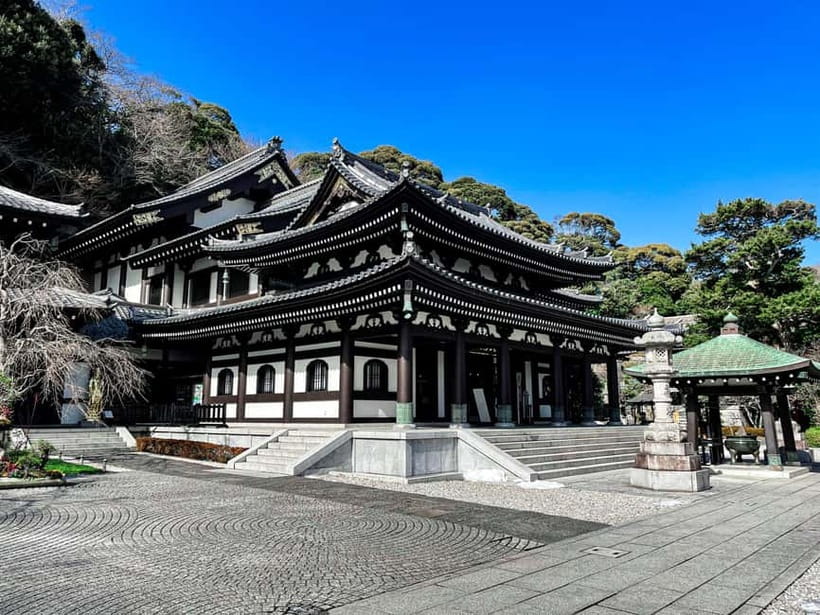
After reaching Kamakura, the group boards an old tram for Hase-dera. The ride itself is part of the appeal. Instead of going directly from one modern station to another, you use one of the oldest trams still operating in Japan before entering one of Kamakura’s best-known temple areas.
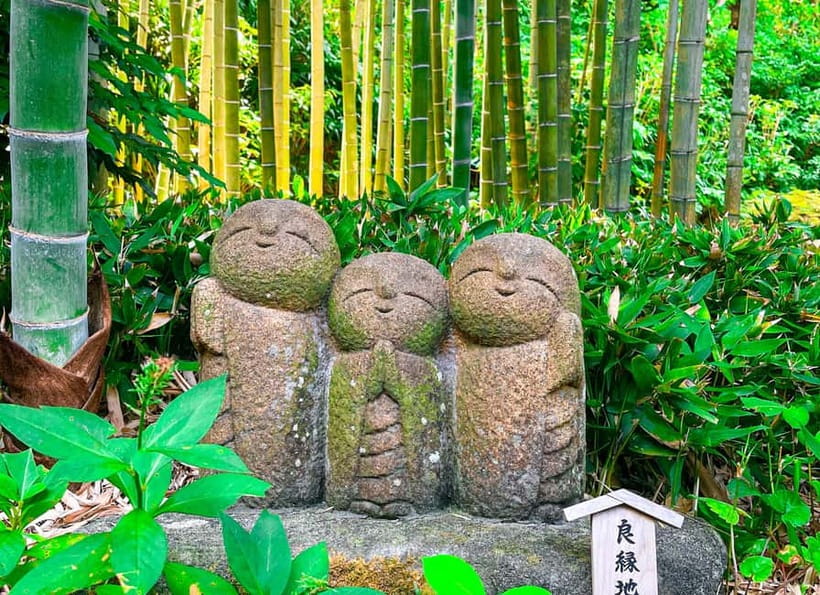
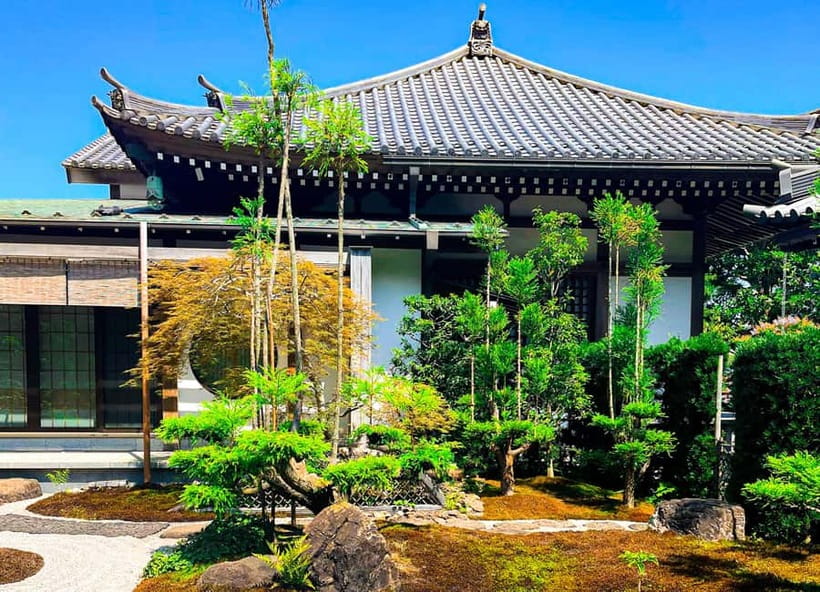
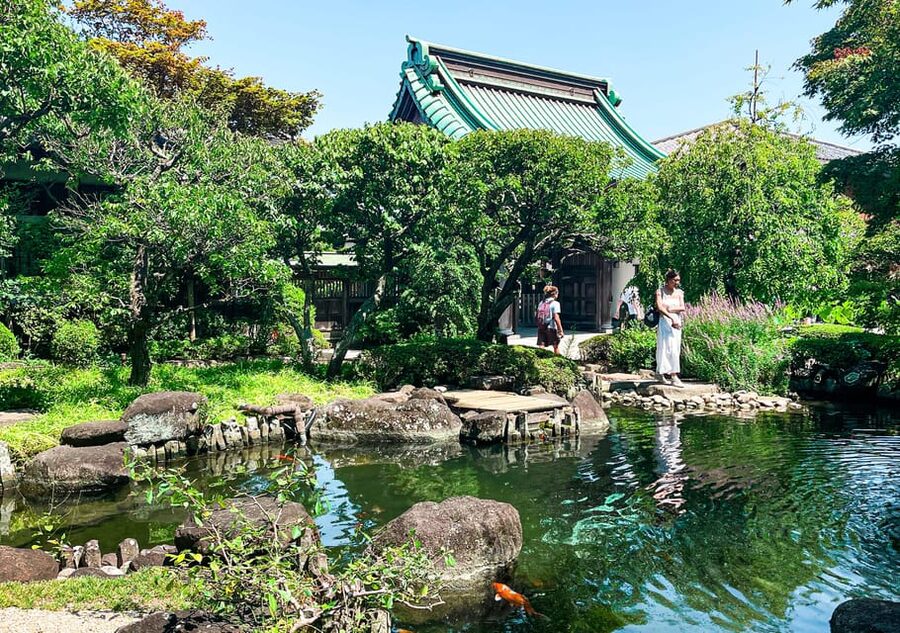
Hase-dera is presented as a place of myths and legends, and this is where a Spanish-speaking guide can add real value. The grounds are not simply a photo stop. You can expect stories tied to the temple, explanations of what you are seeing, and a chance to notice details that would be easy to pass without context.
The setting also gives the day a calmer rhythm. The supplied information describes beautiful nature and striking views, and one participant singled out the greenery and scenery as exceptional. I would allow yourself time to look around rather than treating Hase-dera as a quick stop before the Buddha.
The walking may include slopes, steps, and uneven temple paths, although the precise route is not specified. That is one reason the experience is not recommended for wheelchair users. Comfortable shoes are a practical choice, and a small day bag is easier to manage than anything bulky.
Walking to Kotoku-in and the Great Buddha
From Hase-dera, you walk to Kotoku-in Temple. The route links two major sights without another complicated transfer, but it also adds more time on your feet. If you are comfortable walking for much of an eight-hour day, the sequence makes sense. If your group includes young children or anyone who tires easily, tell the guide early.
Kotoku-in houses the Great Buddha, a bronze figure measuring 13 meters and weighing 121 tons. Numbers like these can feel abstract until you stand near the statue. Its scale changes the character of the visit, especially after the smaller details and enclosed spaces at Hase-dera.
The Great Buddha is not just a large object for photographs. It gives the day a clear center, and the guide can place the statue within Kamakura’s religious story. A guide named Nerea was praised for explaining temple stories and adapting the pace for children, while Nikita was described as attentive and thorough. Those details suggest that the best part of the visit may be the way the guide connects separate sights into one understandable story.
Temple admission is not included. The stated total for temple tickets is ¥700, so keep Japanese yen ready or check the current payment arrangements before departure. The exact ticket breakdown for each site is not specified.
Same base, a different sort of day:
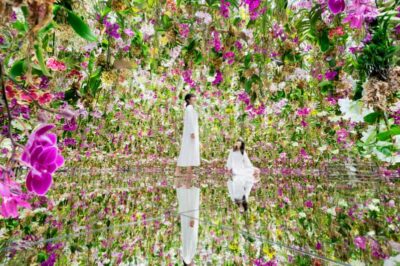
- Tokyo: teamLab Planets TOKYO Digital Art Museum Entry Ticket
★ 4.6 · 9,779 reviews - Mt Fuji & Hakone Cruise, Drum Show Bullet Train 1 Day from Tokyo
★ 4.0 · 7,413 reviews - Tokyo: Sumo Show Experience with Chicken Hot Pot and a Photo
★ 4.8 · 6,678 reviews - Tokyo: Shinjuku Food Tour (13 Dishes at 4 Local Eateries)
★ 5.0 · 6,603 reviews
Lunch and shopping on Kamakura’s main street
After the temple visits, the group moves to Kamakura’s main street. It is lined with shops and has a distinct local atmosphere, giving you a useful change from formal temple grounds.
Lunch and shopping time are not included in the price. That is both a cost and an advantage. You pay for what you want, rather than being tied to a fixed meal, and you can choose between a quick snack and a fuller lunch. The available information does not name specific restaurants or dishes, so your guide’s recommendations may be particularly useful here.
This is also the point when you can browse at your own speed. The day is structured, but it is not only a chain of guided explanations. You have time to look at local goods, choose food, and enjoy the town before returning to Tokyo.
I like this balance. A temple-only excursion can feel solemn for hours, while a shopping-only outing may not give you much sense of place. Kamakura’s street time lets you absorb the town in a more ordinary way.
Still, watch the clock. You need to return to the meeting point in Tokyo by train, and shopping can easily expand when you are having fun. Keep your purchases compact because large bags and luggage are not allowed on the activity.
What the guide adds in Spanish
The strongest reason to choose this tour is not simply transport. It is interpretation. Temple names, religious symbols, local legends, and historical references can blur together when you are reading signs on your own. A good Spanish explanation gives the day shape.
The guides connected with this experience have been described as friendly, patient, attentive, and effective at explaining Japanese history. Camila was praised for handling the excursion smoothly and giving relevant information. Paula was noted for her knowledge of Japanese history. Ori was praised for making the tour entertaining while offering useful suggestions for the rest of the trip.
Those qualities matter more than a long lecture. You want a guide who can answer questions, keep the group moving, and adjust when children or slower walkers are present. Nerea was specifically praised for doing that with a family group.
The service also promises tips and recommendations for the rest of your Japan trip. That can be valuable early in a holiday, when you are still learning how shrines, temples, trains, and shopping areas fit together. If you have particular interests, ask questions during the day rather than waiting until the return journey.
The real cost and what you receive
The advertised price is $86 per person. Add ¥2,300 for transportation and ¥700 for temple tickets. Food and drinks are extra, so the final cost will depend on your lunch and shopping choices.
This pricing needs a clear look. You are not paying for private transport, an included meal, or a private guide. You use public transportation and share the day with others. One participant was disappointed that transportation to the destination was not included, so do not treat the $86 as the complete cost.
The value is strongest for Spanish-speaking visitors who want help with the route and cultural explanation. You save the effort of planning the train connection, tram ride, temple order, and return journey. You also gain a guide who can explain the legends and recommend places for the rest of your trip.
If you already speak Japanese or English comfortably and enjoy planning rail routes, you may prefer to visit Kamakura independently. The tour then becomes less about convenience and more about receiving a Spanish-language interpretation of the temples.
Who will enjoy this eight-hour outing
I would recommend this experience to Spanish-speaking adults, couples, families with older children, and first-time visitors who want a day outside Tokyo without handling every detail alone. It suits people who enjoy cultural sights but also want lunch and shopping time.
Families should pay attention to the pace. One guide was praised for adjusting to children, but this remains an eight-hour public-transit excursion with substantial walking. Children who enjoy stories, temples, and train rides may have a good time. Children who need frequent breaks may find the schedule demanding.
It is not suitable for wheelchair users, and it is not suitable for people with hearing impairments. Unaccompanied minors are not allowed. Large luggage and large bags are also prohibited, so arrive with only what you can comfortably carry during a full day.
Wear shoes you can walk in and bring only a small bag. Since food and drinks are not included, carry enough money for lunch and refreshments. The tour ends back at the original Tokyo Station meeting point, which makes the return straightforward.
Small drawbacks worth weighing
The biggest issue is the split between the advertised price and the added costs. Transportation is central to the day, so excluding ¥2,300 may surprise anyone comparing tours quickly.
The public-transit format can also make the day less private and less flexible. You follow train and tram schedules, and you need to stay with the group during transfers. That said, the feedback indicates that the transport worked smoothly on at least one departure, with short waits and air conditioning.
The Spanish promise should also be clarified if language consistency is important to you. One departure included English alongside Spanish. This may be useful for mixed-language groups, but it could disappoint someone booking specifically for an all-Spanish experience.
Finally, the activity is not designed for people with mobility or hearing access needs. Those restrictions are not minor details, so check them carefully before reserving.
Should you book the Kamakura day trip?
Book it if you want Kamakura explained in Spanish, prefer a planned route from Tokyo, and like having a guide connect temple architecture, legends, nature, and local customs. The combination of Hase-dera, the Great Buddha, historic tram travel, and shopping time gives you a well-rounded day rather than a single photo stop.
Skip it if you want a private outing, dislike public transportation, need an accessible route, or prefer to control every minute yourself. Also compare the full price after adding ¥2,300 for transport, ¥700 for temple tickets, and your meals.
For the right person, this is a useful cultural day out with especially strong guide potential. Just arrive at Tokyo Station with a small bag, comfortable shoes, and a realistic budget.
FAQ
How long does the Kamakura excursion last?
The excursion lasts eight hours.
Where does the tour begin?
It begins in front of the Tokyo Station facade at Marunouchi Square, by the central exit.
Where does the activity end?
The activity ends back at the original meeting point at Tokyo Station.
What language is the tour conducted in?
The advertised tour language is Spanish. One departure also included English guidance, so confirm the language arrangement if you require Spanish only.
Is transportation included in the $86 price?
No. Transportation costs ¥2,300 separately, and public transportation is used during the excursion.
Are temple admission tickets included?
No. Temple tickets cost ¥700 separately.
Are food and drinks included?
No. Lunch, food, and drinks are not included.
Can I bring luggage or a large bag?
No. Luggage and large bags are not allowed.
Is the tour suitable for wheelchair users or people with hearing impairments?
No. The activity is listed as unsuitable for wheelchair users and people with hearing impairments.
Just added in Tokyo
- The 10 Tastings of Tokyo With Locals: Private Street Food Tour★ 5.0 · 48 reviews
- Small Town in the Big City: Tasting Tokyo’s Kichijoji★ 5.0 · 195 reviews
- Small Town in the Big City: Tasting Tokyo’s Kichijoji★ 5.0 · 16 reviews
- EXCLUSIVE Tokyo Secret: Kichijoji Small-Group Food & Bar Hopping★ 5.0 · 29 reviews
- Explore Kichijoji: Walk Through One of Tokyo’s Beloved Districts★ 5.0 · 21 reviews
- :Tokyo,Shibuya/ Pro Photography in Kimono / English-Friendly★ 5.0 · 26 reviews
- 【R34】Tokyo:Private Daikoku tour in Modified R34★ 4.9 · 92 reviews
- Tokyo:Calligraphy &Make your original folding fan in Asakusa★ 5.0 · 62 reviews
Tours in Tokyo, compared.
Mt Fuji and Hakone 1-Day Bus Tour Return by Bullet Train
Read our review →
teamLab Planets TOKYO Digital Art Museum Entry Ticket
Read our review →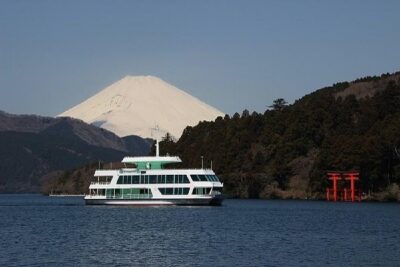
Mt Fuji & Hakone Cruise, Drum Show Bullet Train 1 Day from Tokyo
Read our review →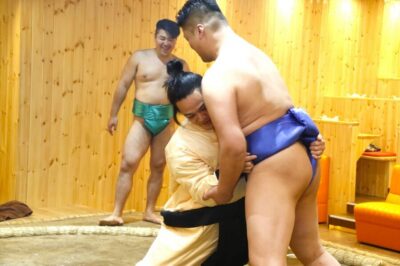
Sumo Show Experience with Chicken Hot Pot and a Photo
Read our review →
Shinjuku Food Tour (13 Dishes at 4 Local Eateries)
Read our review →
Tokyo Mt Fuji 5th St & Hakone Cruise Bus Tour w/Bullet Train
Read our review →Browse the lists this tour appears in