Reviewed · TOURS IN TOKYO
Tokyo: Horse Racing Tour with Local Fan
Japanese horse racing is one of Tokyo’s best local experiences, yet it sits far outside the usual Shinjuku and Shibuya circuit. You meet guide Eito, enter a working racecourse, and watch the crowd react to live races while learning how to place bets in a system that can be hard to read in Japanese.
I like two things here: the practical English help and the chance to spend time in a real Japanese leisure setting. Eito explains jockeys, horses, betting choices, and ticket machines, so you can take part instead of simply watching from the sidelines. The main drawback is that the $60 price does not cover food, drinks, betting, or train fares, so your total cost will be higher.
Key points at a glance
- The racecourse changes by date: Weekend visits usually go to Tokyo Racecourse or Nakayama Racecourse. Weekday visits go to Oi or Kawasaki Racecourse.
- Eito handles the confusing parts: He explains the rules in English and helps you place bets in a system that is otherwise presented mainly in Japanese.
- Admission is included: Your GetYourGuide voucher is not the entry ticket. Eito meets you and gives you the racecourse ticket in person.
- You can watch several live races: The focus is the atmosphere, the horses, the crowd, and the excitement of making a small wager.
- Food and drinks are extra: You can buy items such as karaage, yakitori, seasonal snacks, beer, sake, or local cocktails at your own cost.
- Bring Japanese yen: Betting money must be paid individually, and cash is specifically required.
Why Japanese horse racing makes a memorable Tokyo outing
This is not a sightseeing stop where you glance at a landmark, take a photo, and move on. It is an afternoon or evening spent in a popular Japanese pastime, with the useful friction of figuring out how everything works.
The appeal is especially strong if you have already seen Tokyo’s famous districts. Shibuya Crossing and the neon streets of Shinjuku show you the city’s public face. A racecourse shows you how people gather for entertainment, compare opinions, buy snacks, and cheer for a horse together.
You do not need to know anything about racing before you arrive. Eito explains the basic rules in clear English, then helps you understand the choices involved in betting. You can ask about the horses, jockeys, and different types of wagers as the day progresses.
I would not treat this as a serious gambling trip. The best use of the experience is to place modest bets, learn the system, and enjoy the result. You may win, but the tour’s real value is being able to participate without spending the first hour lost among Japanese signs and unfamiliar machines.
Other experiences people book in Tokyo:
- Mt Fuji and Hakone 1-Day Bus Tour Return by Bullet Train
★ 5.0 · 26,383 reviews - 1-Day Tokyo Bus Tour
★ 5.0 · 14,250 reviews - Tokyo: TOKYO SKYTREE® Admission ticket
★ 4.5 · 11,192 reviews
Choosing between Tokyo, Nakayama, Oi, and Kawasaki
The venue depends on the date you select. On weekends, the usual destinations are Tokyo Racecourse or Nakayama Racecourse. On weekdays, the tour goes to Oi or Kawasaki Racecourse.
This matters because the journey, setting, and race schedule can differ. You should check the exact course shown for your chosen date before booking, especially if you have a tight Tokyo itinerary or a preferred part of the city.
The tour information does not promise one fixed racecourse, and that is worth accepting from the start. You are booking the activity of attending Japanese racing with an English-speaking guide, not a guaranteed visit to one named venue.
Each course offers the same basic reason to go: live racing, betting, food, drinks, and a chance to watch local fans follow the action. Eito’s support is particularly useful because racecourse explanations are usually given in Japanese.
Meeting Eito and getting through the entrance
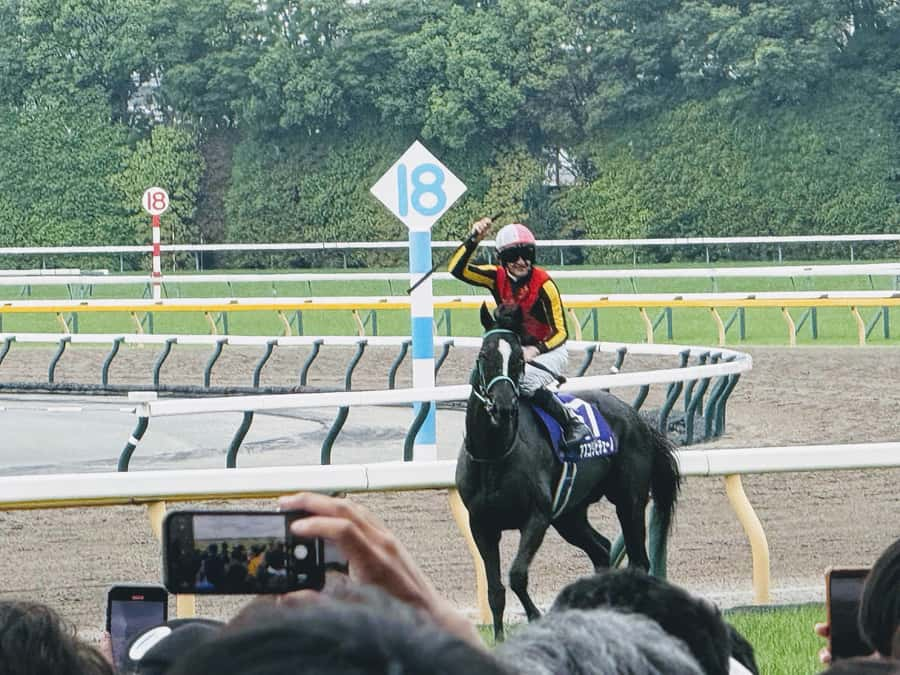
You meet at the designated point, where the guide waits with a sign bearing your name. You are asked to send a text when you arrive, so keep your phone ready and allow enough time to find the meeting place.
Your digital voucher is not the admission ticket. Eito provides the actual racecourse ticket in person, and entry is only possible when you are accompanied by the guide.
That arrangement is important. It means you should not head to the gate alone with the assumption that showing your booking confirmation will be enough. Meet the guide first, receive your ticket, and enter together.
Train fares are not included. Eito has helped visitors navigate the train journey to Tokyo Racecourse, but you pay for your own transport. If you are unfamiliar with Tokyo’s rail system, this assistance may be one of the more useful parts of the outing.
Learning the betting system without Japanese
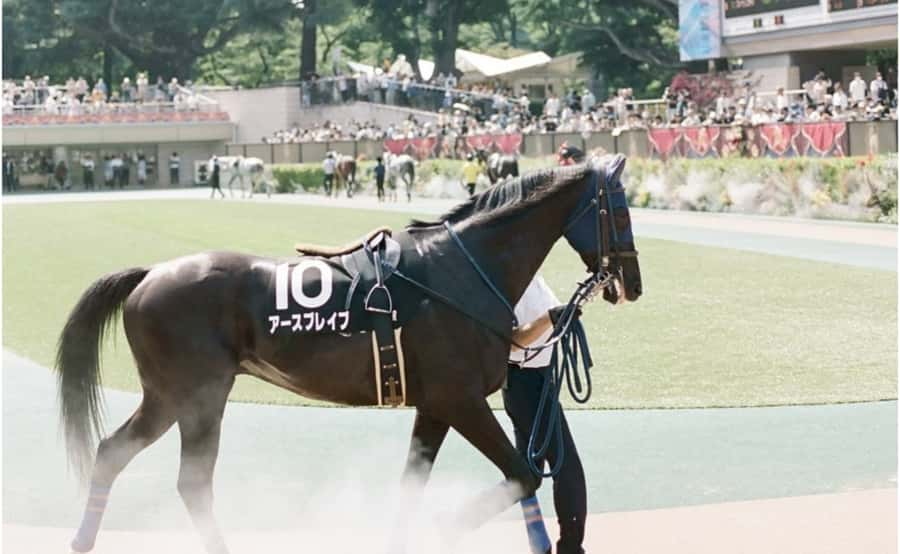
For many people, betting is the hardest part of Japanese racing. The signs, race cards, ticket machines, and betting options can be difficult to understand if you cannot read Japanese.
Eito walks you through the process in English. He explains how to choose a horse, how jockey and horse information fits into your decision, and how to complete the wager. You can ask questions as you go instead of making a blind selection and hoping the machine accepts it.
This is where the tour earns much of its $60 price. Admission alone is not the whole calculation. You are paying for someone who can interpret the system, reduce confusion, and help you take part in a cultural activity that is not designed for international visitors.
I would still set a firm betting budget before you arrive. The excitement rises quickly when a race is about to start, and the easiest way to keep the day enjoyable is to see wagers as part of the admission to the experience, not as a way to fund your holiday.
Same base, a different sort of day:
- Tokyo: teamLab Planets TOKYO Digital Art Museum Entry Ticket
★ 4.6 · 9,779 reviews - Mt Fuji & Hakone Cruise, Drum Show Bullet Train 1 Day from Tokyo
★ 4.0 · 7,413 reviews - Tokyo: Sumo Show Experience with Chicken Hot Pot and a Photo
★ 4.8 · 6,678 reviews - Tokyo: Shinjuku Food Tour (13 Dishes at 4 Local Eateries)
★ 5.0 · 6,603 reviews
Watching the horses and feeling the race-day charge
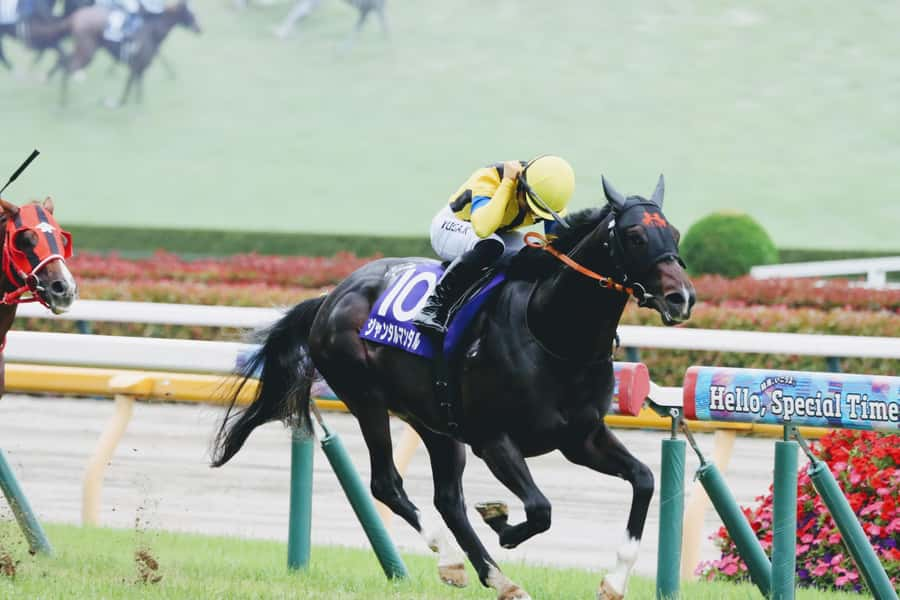
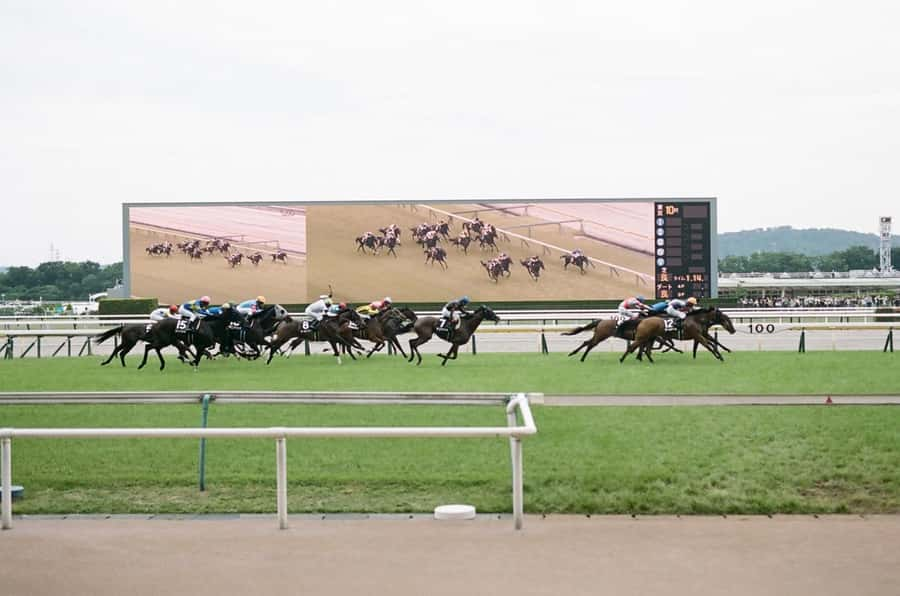
The live races are the center of the outing. You watch the horses prepare, follow the action, and cheer with the crowd. Even if you know nothing about racing, the short gap between placing a bet and seeing the result gives the afternoon a clear rhythm.
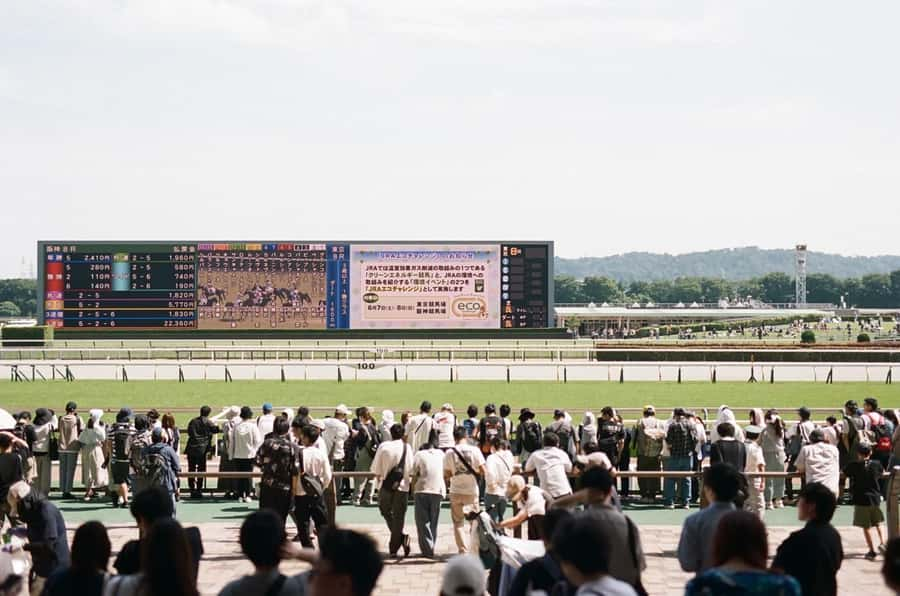
The atmosphere is a major reason to attend. You are not simply watching a screen in a bar. You are surrounded by people who care about the race, discussing horses and jockeys, checking their tickets, and reacting as the field moves toward the finish.
The experience can feel intense, especially if you are used to quieter racecourses. One regular racegoer compared Japanese racing with major venues in New Zealand, Australia, and Hong Kong, and described it as racing on a much larger emotional scale. I would take that as a useful warning: this is not a sleepy country outing.
Reserved seats are provided when available. The guide gives you the reserved seat ticket in person, but seating availability should not be treated as a guarantee for every date. The key benefit is having an organized place to follow the races rather than needing to work out the venue alone.
Eating and drinking between races
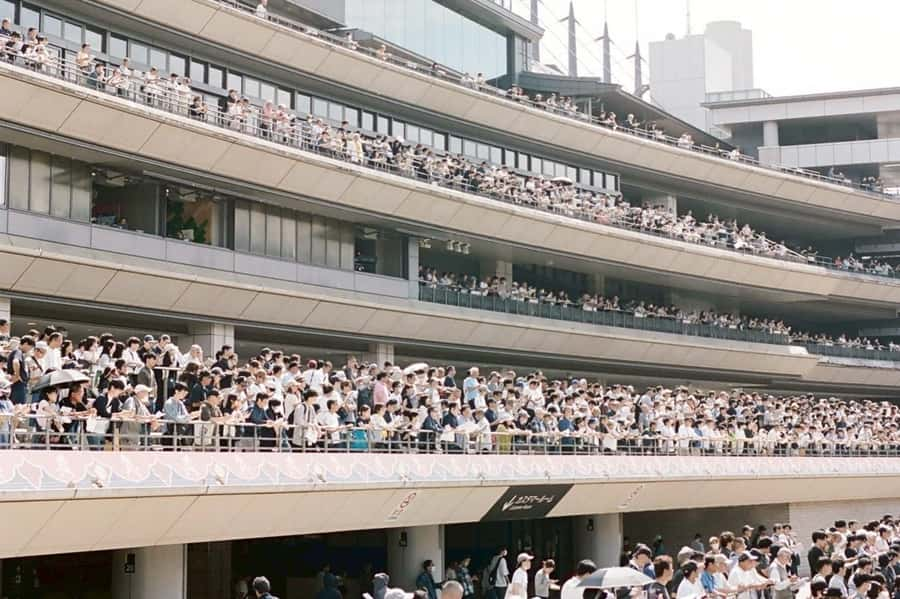
Food and drinks are not included, but you are free to buy them at the racecourse. The experience is designed to include time for snacks and drinks between races, which makes the day feel less like a guided lecture and more like a local outing.
You might choose crispy karaage, yakitori, seasonal dishes, beer, sake, or local cocktails. The exact selection and prices can vary by venue, so I would bring extra yen if you want to eat and drink as well as bet.
This is a practical point that can affect the final cost. At $60, you receive the guide, admission, race explanations, betting assistance, and the reserved seat ticket when available. You still need money for rail travel, meals, drinks, and your wagers.
I like that the food is optional. You can spend very little beyond the tour price if you want to focus on the races, or turn the outing into a longer social occasion with snacks and drinks. Just do not assume the advertised price includes a meal or a set number of beverages.
What makes Eito’s guiding useful
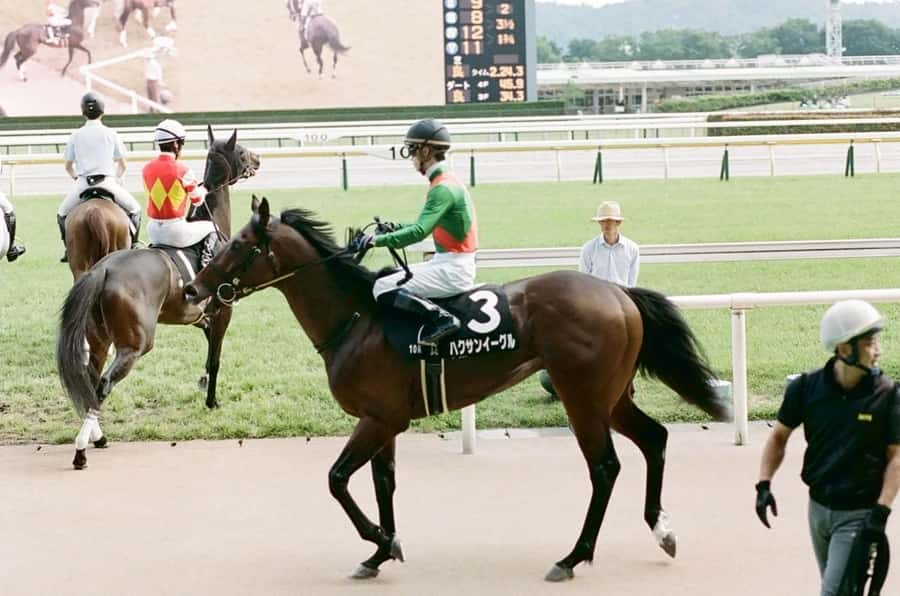
The guide is not simply there to lead you through the gate. Eito explains the race format, helps with ticket purchases, discusses jockeys and horses, and answers the basic questions that can otherwise leave first-time visitors standing beside a betting machine.
His English is strong enough for detailed explanations and casual conversation. That matters because the experience works best when you can ask questions in the moment. The guide also adds a social side to the afternoon, making it easier to chat, laugh, and enjoy a few drinks between races.
Several visitors specifically praised Eito’s friendliness and his ability to explain betting clearly. I would place that at the top of the tour’s strengths. The racecourse supplies the action, but Eito gives you the tools to understand it.
If you already attend races regularly in another country, you may not need a lesson in basic betting. Even then, the Japanese system, local racecourse customs, and language barrier can still make the guide useful. You may get less value from the beginner instruction, but more from having someone explain the local way of doing things.
How much value do you get for $60?
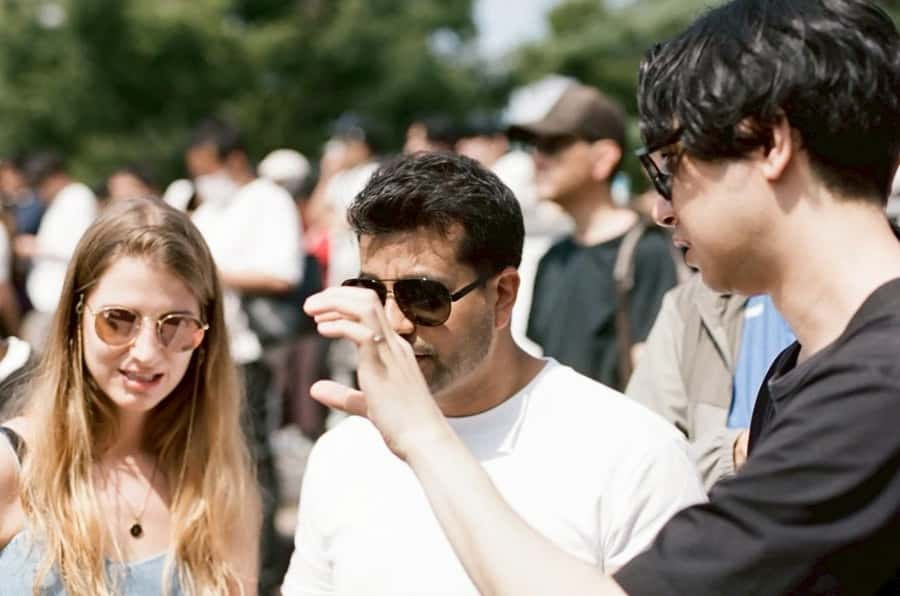
The $60 price is reasonable if you want access and guidance rather than only a seat at a racecourse. Admission is included, English support is provided throughout, and you receive help with a process that can be hard to manage alone.
The value is strongest for first-time visitors to Japanese racing. Without local assistance, you would need to find the correct course, handle the train journey, understand entry procedures, interpret the race information, and work out the betting system yourself.
The price is less compelling if you already know Japanese racing, can read the betting material, and are happy to enter a course without help. In that case, the tour’s main benefits are companionship, a reserved seat when available, and the convenience of having a local guide.
Remember the extra expenses. Train tickets, food, drinks, and bets are separate. Bring Japanese yen, and decide in advance how much you are willing to spend on wagers. A small budget keeps the focus on the culture and excitement rather than the financial result.
Who should book this race-day experience?
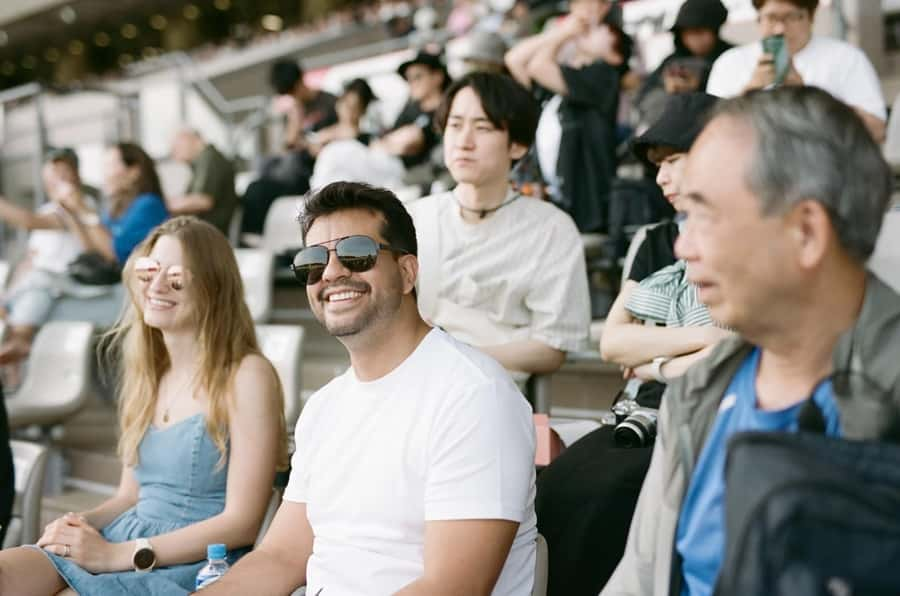
I would recommend it to you if you want an unusual Tokyo activity and enjoy seeing how local people spend their free time. It suits curious visitors who like sports, people-watching, food, and a bit of low-stakes excitement.
It is also a good choice for anyone nervous about language barriers. You do not need to understand Japanese to follow the guide’s explanations or place a bet with help.
You may enjoy it less if you dislike crowds, gambling, or sports with a strong emotional atmosphere. It is also not ideal if you want a tightly controlled itinerary with one fixed venue, since the racecourse changes by date.
Families should check the specific conditions that apply to their group before booking, since the available information does not provide detailed age rules. The same applies if accessibility is a concern. No accessibility details are supplied, so you should ask the provider directly before reserving.
The activity ends back at the meeting point. That makes it easier to continue your evening, but you should still check the return route and allow for the train fare separately.
Practical tips for a smoother afternoon
Bring cash in Japanese yen. You need it for betting, and you may also want it for food and drinks.
Send a text when you arrive at the meeting point. Look for the guide holding a sign with your name, and do not try to enter the racecourse before meeting him.
Check the racecourse listed for your selected date. Weekend and weekday venues differ, so this is one detail worth confirming before you plan the rest of your day.
Keep your betting simple at first. Let Eito explain the options, place a small wager, and watch one race before deciding how much more you want to spend.
Wear something comfortable for an outing that may involve walking through a large venue and standing or moving between race areas. Specific seating is supplied when available, but no promise is made about a reserved seat for every visit.
You can cancel for a full refund up to 24 hours in advance, and the reserve now, pay later option may help if your Tokyo plans are still changing.
My verdict: book it for local atmosphere, not gambling profit
I would book this tour if you want to see a side of Tokyo that most short visits miss. The strongest reasons are Eito’s clear English guidance, the chance to place bets without wrestling with an unfamiliar system, and the energy of watching live races with local fans.
At $60, it is a fair buy for a first-time visitor who values help and access. Add money for trains, food, drinks, and bets, and remember that the racecourse depends on your date.
Skip it if you already understand Japanese racing or have no interest in betting and sports culture. For everyone else, this is a lively, practical half-day outing with enough local flavor to make it more memorable than another trip through Tokyo’s standard sightseeing districts.
FAQ
What is included in the Tokyo horse racing tour?
The tour includes an English-speaking guide, race and betting explanations, help placing bets, admission, and a reserved seat ticket when available.
Which racecourse will I visit?
The venue depends on your selected date. Weekend visits usually go to Tokyo Racecourse or Nakayama Racecourse. Weekday visits go to Oi or Kawasaki Racecourse.
Is food included?
No. Food and drinks are purchased separately at the racecourse.
Do I need to bring cash?
Yes. Bring Japanese yen for betting. You may also need cash for food and drinks.
Is my GetYourGuide voucher the admission ticket?
No. The voucher is not the admission ticket. The guide meets you at the designated location and gives you the racecourse ticket in person.
Can I enter the racecourse without the guide?
No. Entry is only possible when you are accompanied by the guide.
Are train tickets included?
No. You pay for your own train tickets to and from the meeting point or racecourse.
Just added in Tokyo
- The 10 Tastings of Tokyo With Locals: Private Street Food Tour★ 5.0 · 48 reviews
- Small Town in the Big City: Tasting Tokyo’s Kichijoji★ 5.0 · 195 reviews
- Small Town in the Big City: Tasting Tokyo’s Kichijoji★ 5.0 · 16 reviews
- EXCLUSIVE Tokyo Secret: Kichijoji Small-Group Food & Bar Hopping★ 5.0 · 29 reviews
- Explore Kichijoji: Walk Through One of Tokyo’s Beloved Districts★ 5.0 · 21 reviews
- :Tokyo,Shibuya/ Pro Photography in Kimono / English-Friendly★ 5.0 · 26 reviews
- 【R34】Tokyo:Private Daikoku tour in Modified R34★ 4.9 · 92 reviews
- Tokyo:Calligraphy &Make your original folding fan in Asakusa★ 5.0 · 62 reviews
Tours in Tokyo, compared.
Mt Fuji and Hakone 1-Day Bus Tour Return by Bullet Train
Read our review →

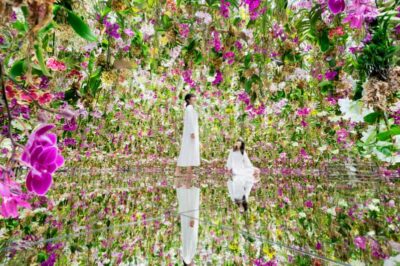
teamLab Planets TOKYO Digital Art Museum Entry Ticket
Read our review →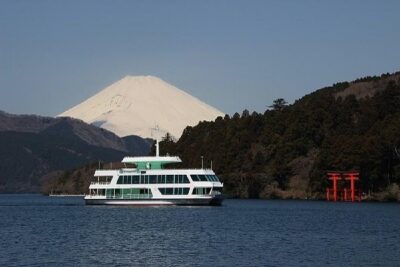
Mt Fuji & Hakone Cruise, Drum Show Bullet Train 1 Day from Tokyo
Read our review →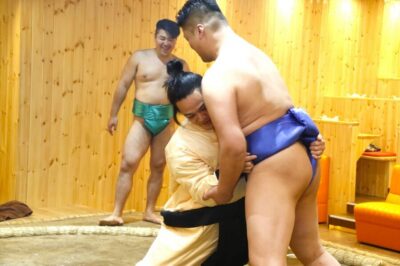
Sumo Show Experience with Chicken Hot Pot and a Photo
Read our review →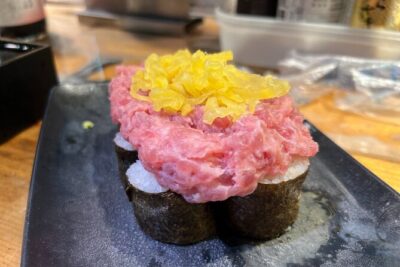
Shinjuku Food Tour (13 Dishes at 4 Local Eateries)
Read our review →