
Reviewed · SIGHTSEEING BUS TOURS
Tokyo: Hop-On Hop-Off Sightseeing Bus Ticket
Tokyo unfolds quickly from the upper deck of this bus. You get big city views without wrestling with a subway map, and the three routes give you a useful first look at areas that are spread across central Tokyo. I especially like the ride toward Tokyo Skytree and Asakusa, plus the open-road views near Tokyo Tower and the waterfront.
I also like the clear audio guide in 10 languages, which you can play on your own phone. The main catch is timing: this is not a bus arriving every few minutes. A missed bus can mean a long wait, and the open-air upper deck can be harsh in Tokyo’s heat, rain, or wind.
Key points at a glance
- Three routes, one ticket: Cover Skytree and Asakusa, Tokyo Tower and Ginza, or Shinjuku, Shibuya, and Harajuku.
- Useful first-day orientation: See a wide slice of Tokyo before deciding where you want to spend more time.
- Your phone supplies the commentary: Bring a charged smartphone, earphones, and enough data for the audio system.
- The upper deck is the main event: You get open views, but there is no air-conditioning and standing is not allowed while moving.
- Plan around the timetable: Service gaps can reach 30 to 45 minutes, and some waits are longer after a missed bus.
- Best value comes from a full day or two-day ticket: A one-day ride works for an overview, while two days leave room to get off and explore.
Why this bus works well for a first look at Tokyo
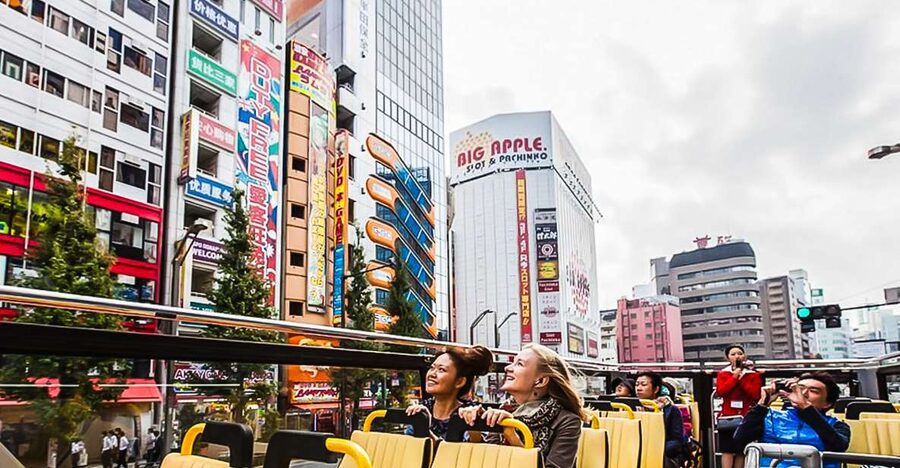
Tokyo is too large to understand in one walk. Its districts feel like separate cities, and the Sky Hop Bus gives you a simple way to connect them without changing trains. You can sit above the traffic, listen to commentary, and watch the city change from imperial avenues to temple streets, department-store districts, skyscrapers, and waterfront roads.
At $30 per person, the ticket is not the cheapest way to move around Tokyo. The subway and JR trains are usually better for direct trips. But this ticket buys more than transportation. You get a moving introduction to the city, a seat on an open-top bus, and access to three sightseeing routes for one or two days.
I see the best use as an orientation ride. Take a full loop early in your visit, note the places that deserve more time, then return by train or bus to explore them properly. If you try to use it as your only transportation, the slow pace and gaps between buses may test your patience.
The bus leaves from in front of the Mitsubishi Building, and you can also board at any listed stop with the QR code sent with your voucher. That flexibility matters in Tokyo, where you may already be near a stop rather than the main meeting point.
Other ways to see Tokyo in a day:
- From Tokyo: Mount Fuji Full-Day Sightseeing Trip
★ 4.5 · 4,970 reviews - Tokyo: Private City Highlights Tour with Local Guide
★ 4.8 · 1,433 reviews - Tokyo Private Sightseeing Tour by Car- English speaking chauffeur
★ 5.0 · 1,004 reviews
Route 1: Skytree, Asakusa, Ueno, and Akihabara
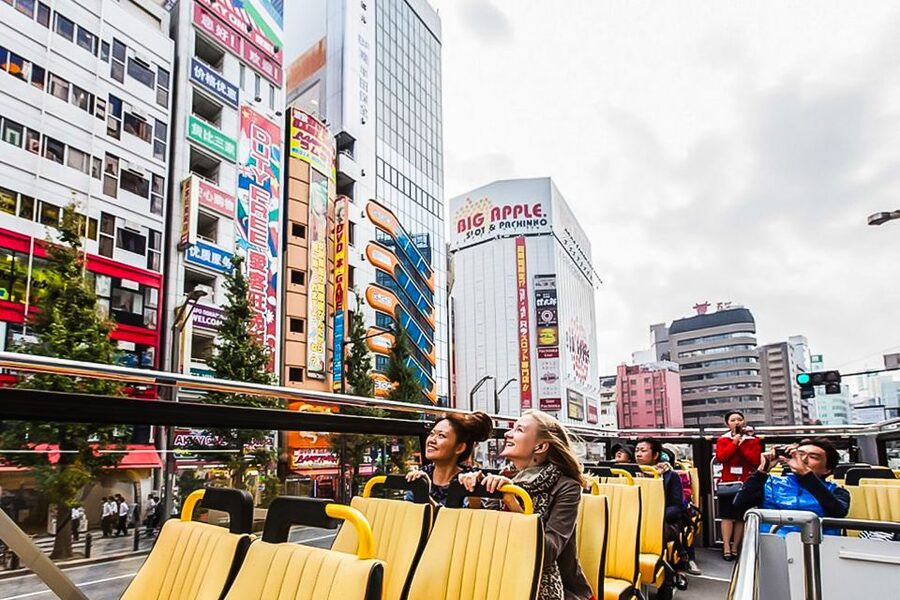
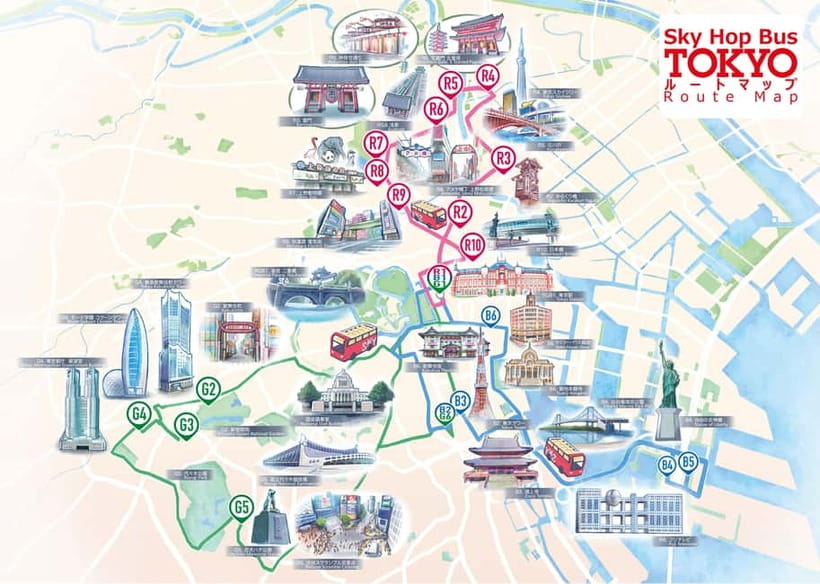
The Skytree course is the strongest choice if you want old Tokyo and modern Tokyo in the same ride. Starting at the Marunouchi Mitsubishi Building, it heads toward Kodemmacho Station and the Ryogoku Edo-Tokyo Museum before reaching Tokyo Skytree.
Tokyo Skytree is one of the city’s clearest reference points. Even from the bus, its height helps you understand Tokyo’s scale. If you get off here, you can spend time at the tower and nearby attractions before continuing. The bus ticket does not include entry to Skytree or other attractions, so treat this as a transport and sightseeing pass, not an admission package.
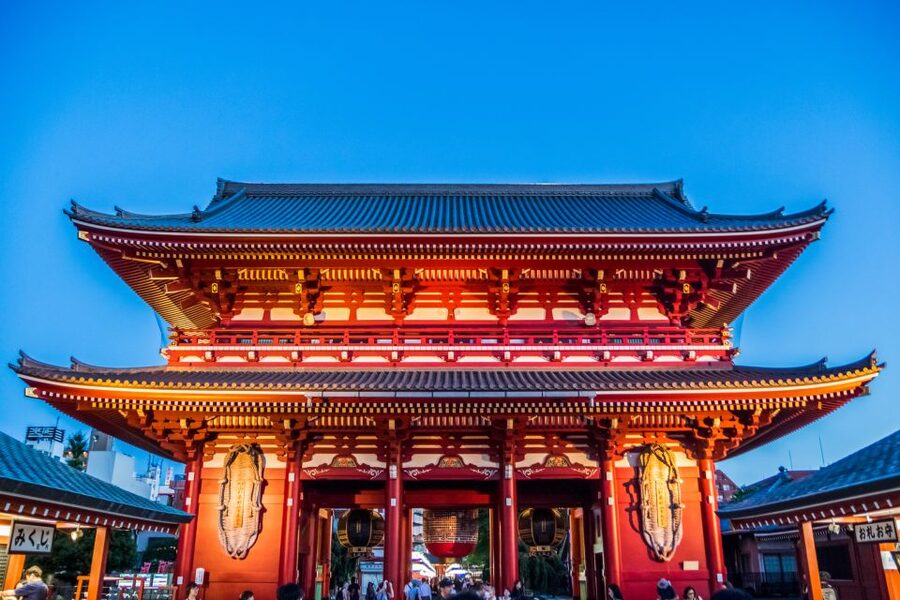
The route then reaches Asakusa Hanakawado and Asakusa Tawaramachi. This is one of the most rewarding places to leave the bus. Asakusa has a very different feel from Marunouchi or Shinjuku, with temple grounds, older streets, and a more traditional side of Tokyo. You can walk around Senso-ji’s area, browse shops, and return to the bus when ready.
The course continues to Ueno Matsuzakaya and Akihabara at Suehirocho. Ueno is useful for museums and park time, while Akihabara is the place for electronics, anime, games, and bright shopfronts. These stops are close enough in spirit to show two sides of Tokyo, but they are not next door in the way a map may suggest. Build in time for the ride and check the next departure before getting off.
The full loop returns through Shin-Nihombashi Station to the Mitsubishi Building. If you want to ride rather than hop off, this route gives you a good city-view circuit. If you get off, photograph the timetable at the stop and save the location on your phone. That small step can prevent a long wait.
Route 2: Tokyo Tower, Zojo-ji, Tsukiji, and Ginza
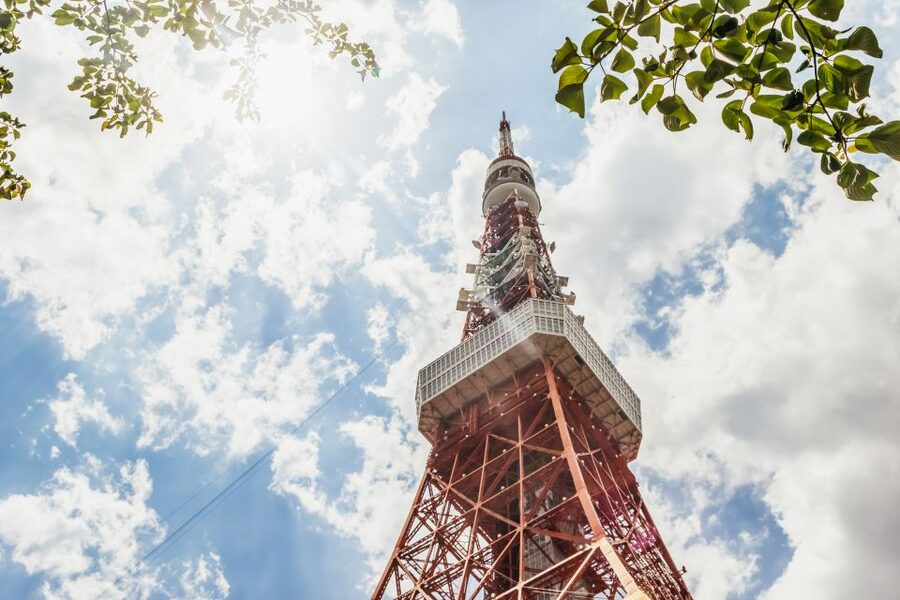
The Tokyo Tower, Tsukiji, and Ginza course is a good fit for a first full day in central Tokyo. From the Mitsubishi Building, it heads to Tokyo Tower and the Tokyo Prince Hotel and Zojo-ji Temple area.
Tokyo Tower is one of the city’s most familiar sights, and the bus gives you an easy approach without requiring a train change. Zojo-ji Temple adds a calmer, more traditional setting close to the tower. This pairing is worth planning as a stop: you get a major city landmark and a historic temple area within the same section of the route.
The course then heads toward Tokyo Teleport Station and the waterfront before reaching Tsukiji Ginza. The Tokyo Teleport section gives the ride a change of pace, with broad roads and modern development. Tsukiji is a useful stop if you want food, markets, and a sense of Tokyo’s former fish-market district. Ginza offers polished department stores, major shopping streets, and a more formal side of the city.
This route can be especially attractive later in the day. City lights around Tokyo Tower and Ginza are memorable from the upper deck, and the broad roads make the ride feel less cramped than some inner-city streets. Still, do not assume the bus will run continuously into the evening at short intervals. Check the operating times before planning a night ride.
One practical point matters here: getting off at Tokyo Tower without checking the return timetable can leave you waiting far longer than expected. The stop may be easy to find, but the next bus could be 30 to 45 minutes away, or longer if you miss it. If your schedule is tight, use the bus for the scenic ride and take the train back after exploring.
Route 3: Shinjuku, Shibuya, Harajuku, and Meiji Jingu
The Shinjuku Shibuya course shows Tokyo at its most energetic and modern. It begins at the Mitsubishi Building and runs to Shinjuku-gyoemmae Station, Shinjuku Station South Exit, and Hotel Century Southern Tower.
Shinjuku is a good place to see the city’s vertical scale. Department stores, hotels, office towers, and huge station approaches all gather here. The bus lets you look around rather than focus on navigation, though traffic can slow the ride.
Next comes Shinjuku Mitsui Building in Nishi-Shinjuku. This section is about high-rise Tokyo and wide urban views. You may find it less useful as a hop-off point if your main interest is sightseeing on foot, but it helps connect the major Shinjuku districts.
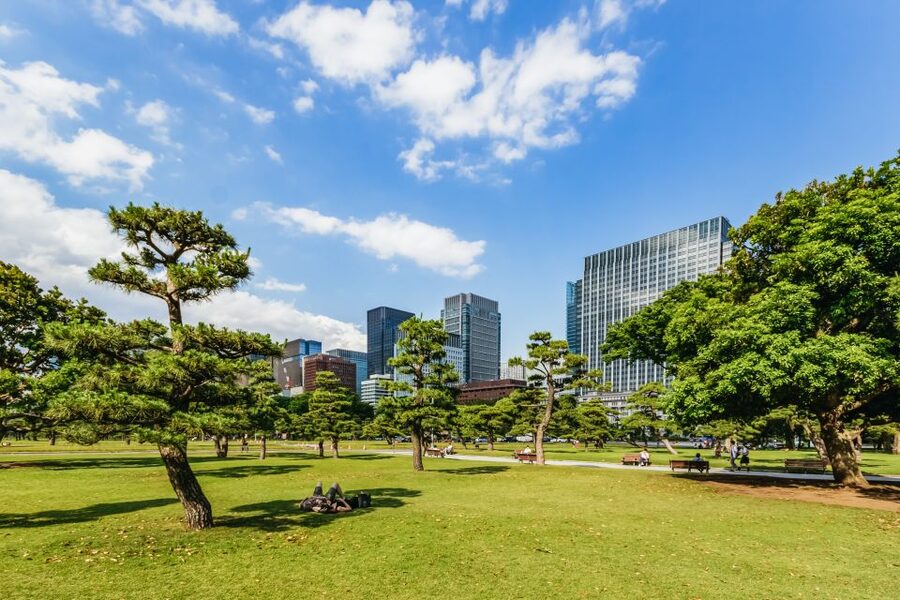
The route then reaches Shibuya City Hall, Harajuku, and Meiji Jingu Shrine. This is one of the most useful combinations on the ticket. Shibuya gives you Tokyo’s famous youth culture and busy streets, Harajuku brings fashion and shopping, and Meiji Jingu offers a wooded shrine setting between major urban districts.
If you want to visit Meiji Jingu, allow real time for walking. The bus stop is not the same thing as the shrine entrance, and the shrine grounds are not a quick five-minute stop. Check the timetable before you leave the bus, then decide if you have enough time to explore without rushing back.
Other tours by coach from Tokyo:
- Mt Fuji and Hakone 1-Day Bus Tour Return by Bullet Train
★ 5.0 · 26,383 reviews - 1-Day Tokyo Bus Tour
★ 5.0 · 14,250 reviews - Tokyo Mt Fuji 5th St & Hakone Cruise Bus Tour w/Bullet Train
★ 4.4 · 5,024 reviews - Tokyo: Meiji Shrine, Asakusa, Skytree Bus Tour and Cruise
★ 4.7 · 1,986 reviews
What the open-top ride is really like
The second floor is where passengers sit. The first floor is used for storage, so you should not count on moving downstairs for a more comfortable ride. There is also no air-conditioning because the bus is open-air.
That setup is wonderful in mild weather. You get a clear view above many street-level obstructions, and the upper deck makes Tokyo’s buildings, bridges, signs, and towers easier to see. It is also a good way to take photographs without spending the whole ride underground.
Weather changes the experience sharply. Summer heat can make the upper deck exhausting, especially during an August heatwave. Raincoats are provided when needed, and umbrellas are not allowed on board. In strong wind, hold on to your hat, particularly on bridges and faster road sections.
Typhoons and thunderstorms may stop the service altogether. Even in ordinary rain, the ride is less relaxing, so check the forecast before choosing a full day outside. Do not expect to stand for better photographs while the bus is moving. Standing is prohibited.
Audio guides and the phone setup
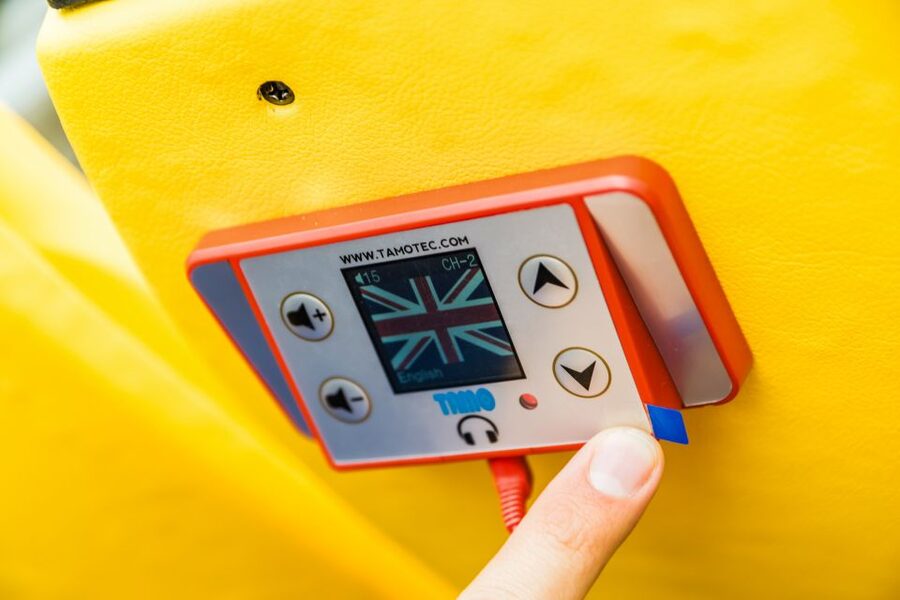
The new audio system is one of the more useful parts of the ticket. You can listen on your own smartphone or tablet in Japanese, English, Korean, Chinese, French, German, Spanish, Thai, Vietnamese, or Indonesian. That is a wider language choice than the vehicle-mounted system.
Bring your own earphones. Data charges may apply, and you are responsible for them. Charge your phone before boarding, since the audio system is only helpful if your device is ready to use.
The vehicle-mounted guide may be available on some buses, but not all. I would plan on using your own device rather than relying on the built-in system. Commentary can also be interrupted or cut short, so use it as a helpful layer rather than a full guided tour.
The audio is designed to match the route and stops. It gives you context about the areas and buildings while leaving you free to look out at the city. The driver speaks English and Japanese, but this is not a live, detailed walking tour. If you want personal recommendations or long explanations, you will need a separate guide.
Timetables, waits, and how to use the ticket well
The biggest weakness is frequency. This is not the classic hop-on hop-off setup with buses rolling past every few minutes. Service gaps of 30 to 45 minutes are possible, and some waits after a missed bus can stretch to an hour or more.
I would not plan a packed itinerary with several short stops. Instead, choose one or two places per route. For example, ride the Skytree course, get off at Asakusa, explore, then continue if the next departure fits your day. Or complete a route without getting off, then return later by train to the places you liked.
A one-day ticket is enough if you start early and mainly want an overview. You can ride all three routes in one day, but you will have limited time for attractions. One passenger managed all three lines by stopping only at Skytree, which shows what is possible with careful timing.
A two-day ticket costs more than a one-day plan, but it makes better sense if you want to explore on foot. Use the first day to get your bearings and the second to revisit Tokyo Tower, Asakusa, Shibuya, or another area that caught your attention. You can move by train between destinations when the bus timetable does not suit you.
The bus can also fill up. This is not a reserved seat, even if you have a valid ticket. If there are no free seats, you must wait for the next bus. That matters during busy periods and at popular stops. Arrive early for a route you especially want, and keep your plans loose.
Is $30 good value?
For a direct ride from one Tokyo district to another, no. The subway and JR network will usually be faster and less expensive. Tokyo’s rail system can feel daunting at first, but it is the practical choice once you know where you are going.
For sightseeing, $30 can be fair. You receive unlimited access to all three routes for one or two days, an open-top ride, and multilingual commentary. The value improves if you complete several long sections rather than use the bus for one short transfer.
I would pay for it when I have limited time, want a city overview, or prefer to avoid spending the first day underground. I would skip it if I am traveling on a tight budget, already know Tokyo well, or need fast point-to-point transport.
Free shuttle service is included, but transfers from your hotel are not. The ticket also does not cover attraction entry. Think of the price as payment for a moving city tour with transport, not an all-inclusive sightseeing pass.
Who should book this Tokyo bus tour?
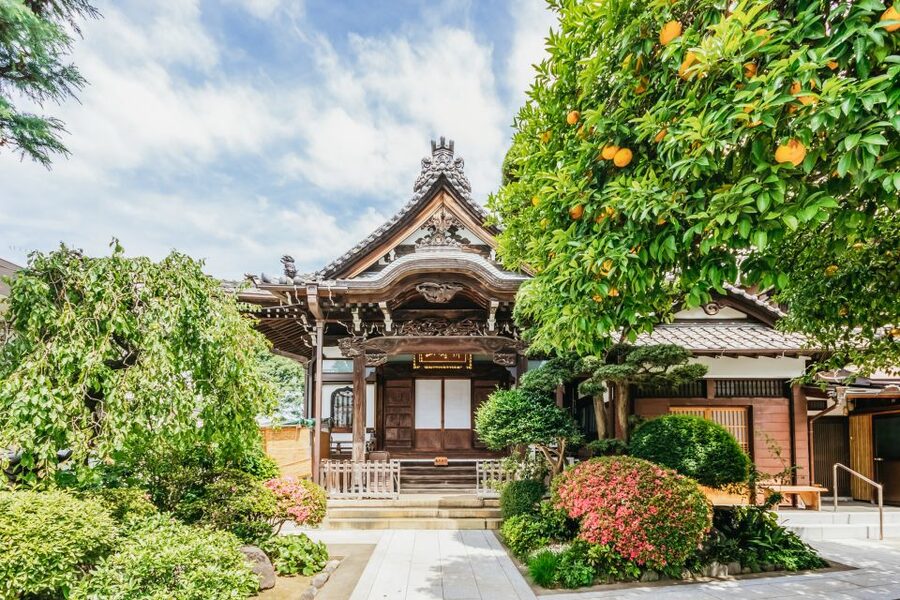
I recommend it most for first-time visitors, short stays, families, older visitors, and anyone who wants to get oriented before tackling Tokyo’s trains. It also suits photographers who want elevated views and visitors who enjoy seeing a city at a slower pace.
It is less suitable if you dislike waiting, need air-conditioning, or want a live guide speaking throughout the ride. It is also a poor match for a tightly scheduled day built around several timed attractions.
For the best experience, begin with a full loop or a long section. Then choose only the stops that genuinely interest you. Tokyo rewards wandering, but this bus works best when you use it as a framework rather than trying to force the entire city into one day.
Should you book the Sky Hop Bus?
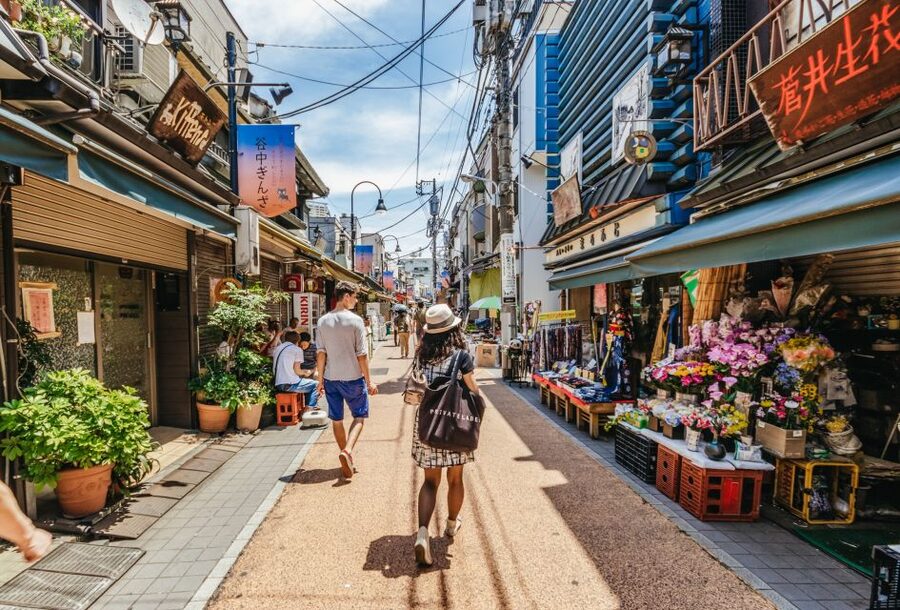
Book it if you want a calm first look at Tokyo, enjoy open-air sightseeing, and can give the timetable room to breathe. The Skytree, Asakusa, Tokyo Tower, Ginza, Shinjuku, Shibuya, and Harajuku routes cover a useful slice of the city, and the audio system makes the ride more informative than simple transport.
Choose two days if you want to get off several times. Choose one day if your goal is mainly orientation. If you are visiting in extreme heat or unsettled weather, check conditions first and keep the subway as your backup.
FAQ
How long is the Tokyo Sky Hop Bus ticket valid?
You can choose a ticket lasting one or two days. Check availability for the operating start times when booking.
Can I use the ticket on all three routes?
Yes. The ticket provides unlimited access to all available routes, including the Skytree course, Tokyo Tower and Tsukiji Ginza course, and Shinjuku Shibuya course.
Where can I board the bus?
The main meeting point is in front of the Mitsubishi Building. You can also board directly at any bus stop in Tokyo using the QR code sent with your voucher.
Do I need to start at the Mitsubishi Building?
No. You can board at another listed stop with the QR code from your voucher. The Mitsubishi Building is the stated meeting point, but it is not the only boarding location.
Is a seat guaranteed?
No. This is not a reservation. If the bus is full, you must wait for the next one.
Is the bus air-conditioned?
No. The bus is open-air, and the passenger seats are on the second floor. The first floor is used for storage.
What happens if it rains?
Raincoats are distributed when needed. Umbrellas are not allowed on board. Severe weather, including typhoons or thunderstorms, may cause the service to stop operating.
Is the audio guide included?
Yes. A vehicle-mounted guide may be available on some buses, but you should bring your own smartphone or tablet and earphones for the personal-device system. Data charges may apply.
What languages are available for the audio guide?
The personal-device audio guide supports Japanese, English, Korean, Chinese, French, German, Spanish, Thai, Vietnamese, and Indonesian. The vehicle-mounted system may support Japanese, English, Korean, Chinese, French, German, and Spanish.
Just added in Tokyo
- Nikko: Edo Wonderland Edomura Cultural Theme Park Ticket★ 4.3 · 205 reviews
- 《MEMBERS-ONLY-BAR-HOPPING》Discover Your Special Whiskey in Tokyo!★ 5.0 · 29 reviews
- Japanese Whisky Hunting《HIGH-QUALITY-ONLY》Rare Tasting Class★ 5.0 · 20 reviews
- Luxury Tokyo Sake, Cocktail, Whisky and Pairing Tour★ 5.0 · 18 reviews
- Wagyu & Sake Pairing in Shinjuku – Steak, Shabu-Shabu & More★ 5.0 · 112 reviews
- Small-Group Wagyu Beef and 7 Japanese Dishes Tokyo Cooking Class★ 5.0 · 190 reviews
- From Tokyo: Private Tour to Fuji/Hakone – Onsen, Art, Nature★ 5.0 · 116 reviews
- Tokyo: KABUKI Show at Kabukiza Theatre Admission Ticket★ 4.8 · 152 reviews
Sightseeing Bus Tours, compared.
Mt Fuji and Hakone 1-Day Bus Tour Return by Bullet Train
Read our review →
Peaceful Hiroshima & Miyajima UNESCO 1 Day Bus Tour
Read our review →
Tokyo Mt Fuji 5th St & Hakone Cruise Bus Tour w/Bullet Train
Read our review →
Meiji Shrine, Asakusa, Skytree Bus Tour and Cruise
Read our review →
Kyoto/Osaka: Nara, Fushimi Inari Taisha, Arashiyama Bus Tour
Read our review →Browse the lists this tour appears in