
Reviewed · CITY TOURS
Tokyo: Private City Highlights Tour with Local Guide
Tokyo is easier to understand when someone shows you how its enormous pieces fit together. This private, customizable walking tour lets you choose from Asakusa, the Imperial Palace, Meiji Jingu, Tsukiji, Shinjuku, Akihabara, and more, while a licensed guide handles the route and explains the customs behind the sights.
I like two things right away: you can learn the Metro while sightseeing, and the day can shift around your interests, children, shopping plans, or energy level. Guides such as Fumiko, Kenji, Atsushi, and Yumi have adjusted routes, added food stops, found quieter shrines, and built in breaks when needed.
The main catch is simple: this is not a chauffeured tour. You walk and use public transportation or local taxis, pay your own fares and meals, and a full day can mean a lot of steps. At $106 per person, the value depends on how much you want help making Tokyo manageable.
Key points to know before booking
- Pick your Tokyo: Select the sights that matter most to you instead of following a fixed route.
- Start at your hotel: Your guide meets you there, then leads the day on foot and by public transportation.
- Expect practical help: Several guides have taught visitors how to use Tokyo’s train and subway system.
- See major sights efficiently: Six hours can cover several districts, but the pace still involves considerable walking.
- Get cultural context: The tour can explain shrine customs, temple traditions, gardens, food, and daily life.
- Plan for extra costs: Lunch, entrance fees, train fares, and taxi rides are not included.
Why a private Tokyo day can be worth the price
At $106 per person, this tour is not the cheapest way to see Tokyo. You are paying for a private guide, hotel meeting service, route planning, and the ability to ask questions all day. For a first visit, that can be useful in a city where one wrong platform or distant station exit can eat up valuable time.
The strongest value comes from the personal planning. Your guide contacts you about the route, then builds the day around what you want to see. You might focus on temples and gardens, add a food market, spend time shopping in Harajuku, or ask for lesser-known neighborhoods such as Nezu.
That flexibility also helps families and mixed-interest groups. One family worked with Yumi to see major sights, learn daily-life details, and understand the Metro. Another guide, Lance, adjusted the route for two young children, stopping for shade and breaks while still visiting important sites.
I would not book this mainly to save money. Train fares, taxis, meals, and admission charges are extra, and Tokyo’s public transport is affordable on its own. I would book it to gain a well-planned introduction, avoid wasted transfers, and start the rest of the trip with a better sense of how the city works.
Other ways to see Tokyo in a day:
- From Tokyo: Mount Fuji Full-Day Sightseeing Trip
★ 4.5 · 4,970 reviews - Tokyo: Hop-On Hop-Off Sightseeing Bus Ticket
★ 3.9 · 4,207 reviews - Tokyo Private Sightseeing Tour by Car- English speaking chauffeur
★ 5.0 · 1,004 reviews
Asakusa and Senso-ji, the best traditional opening
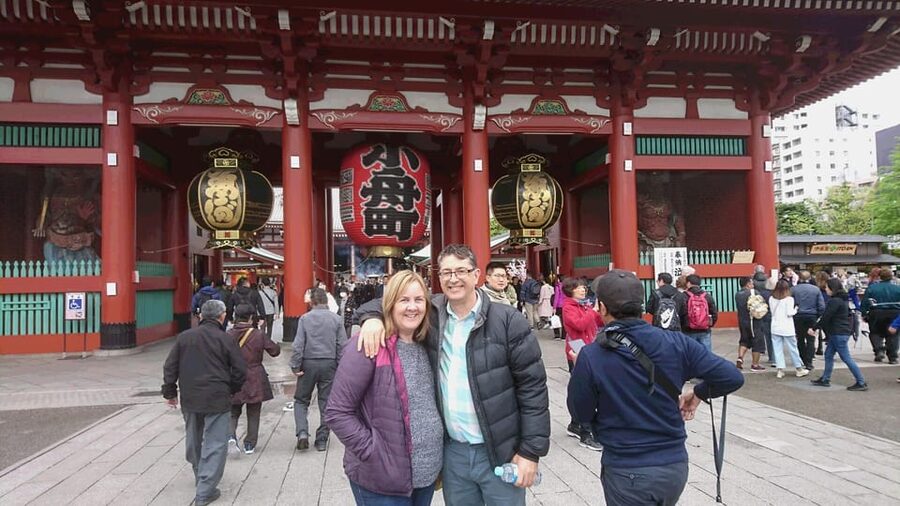
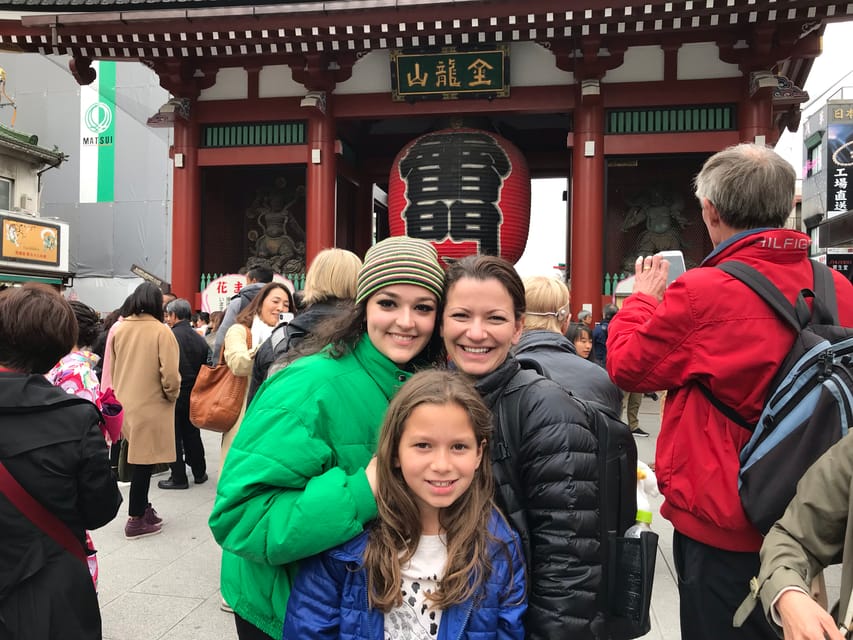
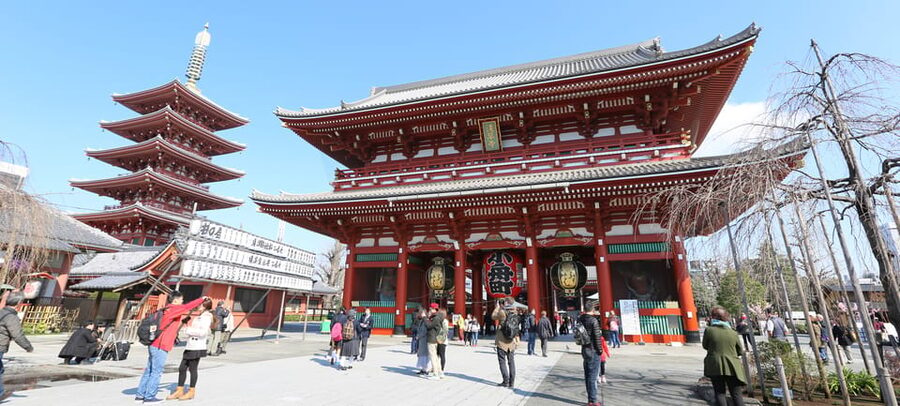
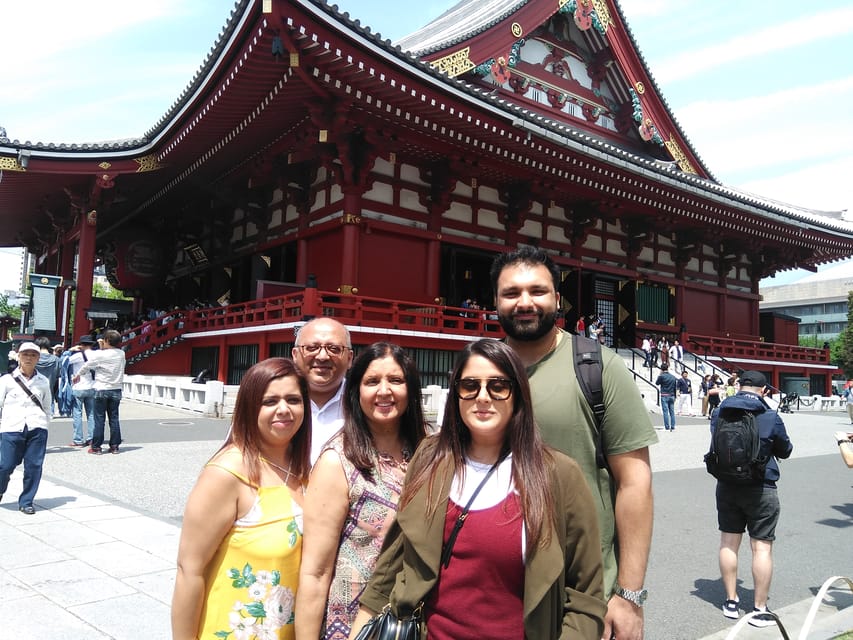
Asakusa is often the clearest first stop because it gives you a strong sense of old Tokyo. The focus is Senso-ji, the famous Buddhist temple, reached through the Nakamise-dori shopping street. Your guide can explain the religious customs and help you understand what you are seeing rather than leaving you to take photos and move on.
This area is also useful for learning how shrine and temple visits differ. Guides have explained religious traditions, shown visitors how to use goshuin books for temple and shrine stamps, and connected the buildings to Japanese culture. A goshuin book can become a more personal souvenir than another quick purchase.
The drawback is time. Asakusa can easily absorb a morning if you browse shops, pause for snacks, and take in the temple grounds. Tell your guide in advance if you want a relaxed visit here, since fitting Asakusa with Tsukiji, the Imperial Palace, Meiji Jingu, and Shibuya requires firm choices.
Imperial Palace gardens and a quieter side of central Tokyo
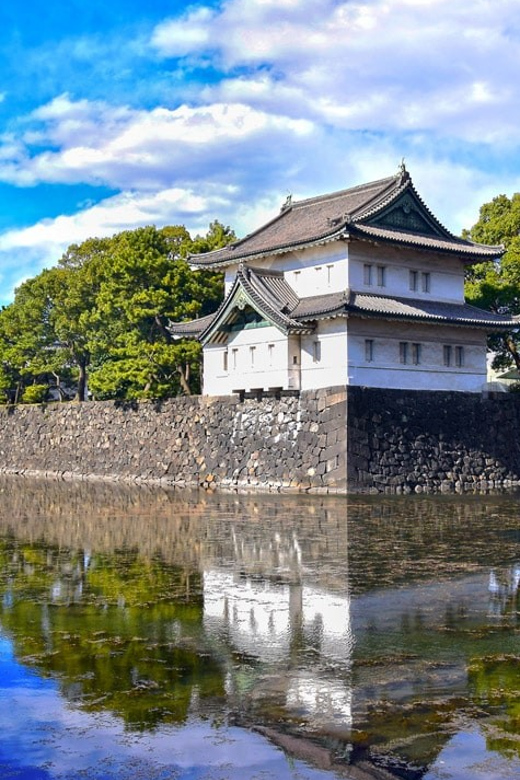
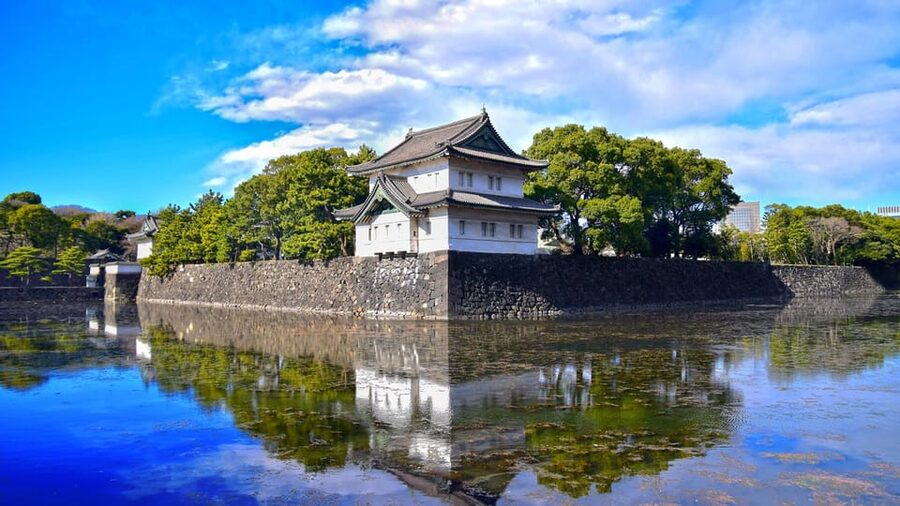
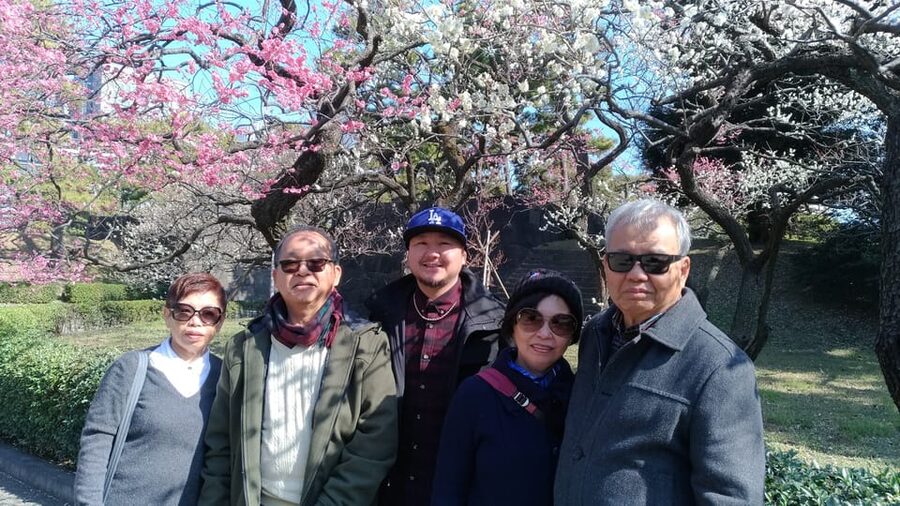
The Imperial Palace gives the itinerary a change of mood. You might walk through the Outer Garden or visit the East Gardens, depending on the route and timing. The open grounds offer a break from Tokyo’s traffic and dense streets, with space to discuss the city’s imperial and political past.
Timing matters here. One guide arranged a visit to palace grounds during a period when access was possible, and explained seasonal foliage viewing along the way. That kind of local planning is one reason to discuss your preferred route before the tour date.
Do not expect an elaborate palace interior visit as part of the standard plan. The experience described here centers on gardens and accessible outdoor areas. Entrance costs, if required, are your responsibility, so ask your guide what the chosen route involves.
Tsukiji for food, shopping, and a flexible lunch
Tsukiji works well for people who want Tokyo to taste like a real place rather than a string of monuments. The market area gives you a chance to look at food stalls and shops, then choose lunch according to your group’s preferences. One guide recommended a cluster of food stalls so a group could split up and eat different dishes without turning lunch into a scheduling problem.
Food is not included, but the guide can make the stop more useful by explaining what you are seeing and helping you decide how much time to spend. Another guide led a day with several food and drink stops, including a coffee break, while still adding Nezu Shrine and other cultural sites.
Keep expectations sensible. Tsukiji is a food market area, not a guaranteed sit-down meal or a private tasting. You pay for what you eat, and popular stalls may be crowded. If food is your main interest, say so before the tour so the guide can protect enough time for it.
Same base, a different sort of day:
- Mt Fuji and Hakone 1-Day Bus Tour Return by Bullet Train
★ 5.0 · 26,383 reviews - 1-Day Tokyo Bus Tour
★ 5.0 · 14,250 reviews - Tokyo: TOKYO SKYTREE® Admission ticket
★ 4.5 · 11,192 reviews - Tokyo: teamLab Planets TOKYO Digital Art Museum Entry Ticket
★ 4.6 · 9,779 reviews
Meiji Jingu, Harajuku, and the contrast that defines Tokyo
The Meiji Jingu Shrine sits in a large forested setting between busy parts of the city. It is an excellent counterpoint to Harajuku and Shibuya. Within a short section of the day, you can move from a major shrine and its rituals to fashion shops, youth culture, and the colorful activity around Takeshita Street.
I like this pairing because it shows Tokyo’s contrasts without needing a lecture. Your guide can explain shrine customs, then help you make sense of Harajuku’s shopping streets and food options. The suggested route includes lunch in trendy Harajuku, though your meal remains an extra cost.
The shrine requires walking, and the route can become tiring after a morning in Asakusa or Tsukiji. In hot weather, ask for regular pauses. Sam reportedly built in cool stops during a hot day, while other guides adapted routes for children and older family members. The private format makes those changes possible, but you need to speak up.
Shibuya, Shinjuku, and Tokyo after dark
Shibuya Crossing is an obvious choice if you want a modern Tokyo landmark. A guide can lead you through the station area and help you understand how to approach the crossing without wasting time in the surrounding maze. One itinerary ended there before the guide directed the family to a ramen experience with an anime theme.
Shinjuku offers a different kind of energy. You can visit Shinjuku Gyoen National Garden for lawns and greenery, or head toward Golden Gai for its tightly packed lanes of tiny bars. These are not interchangeable stops. The garden needs daylight and enough time to walk; Golden Gai is better suited to an evening atmosphere, though the tour length and exact timing will determine what fits.
If the city feels too noisy, your guide can adjust. One day shifted away from a noisy protest in Shinjuku and moved to the calmer Meiji Shrine. That is a practical advantage of a private route. You are not tied to a bus schedule or a group consensus.
Akihabara, Nezu, and the less predictable choices
Akihabara is the natural choice for electronics, games, anime, and manga interests. It can be a strong fit for families with older children or anyone who wants modern pop culture included in the day. It is less useful if your priority is gardens, architecture, or traditional customs.
Nezu offers a quieter cultural stop, and one food-focused itinerary included Nezu Shrine along with several local food and coffee visits. The tour can also include Kappabashi, the kitchenware district, if you are interested in cooking. One guide made sure hobby cooks had time there, which shows how specific your request can be.
Hama Rikyu Gardens provide another garden option. They are worth considering if you prefer landscaped grounds to a crowded shopping district. You will not fit every listed sight into a sensible four-hour route, and even eight hours requires choices. Tell your guide your top two or three priorities, then treat the rest as possible additions.
Your guide matters more than the fixed sightseeing list
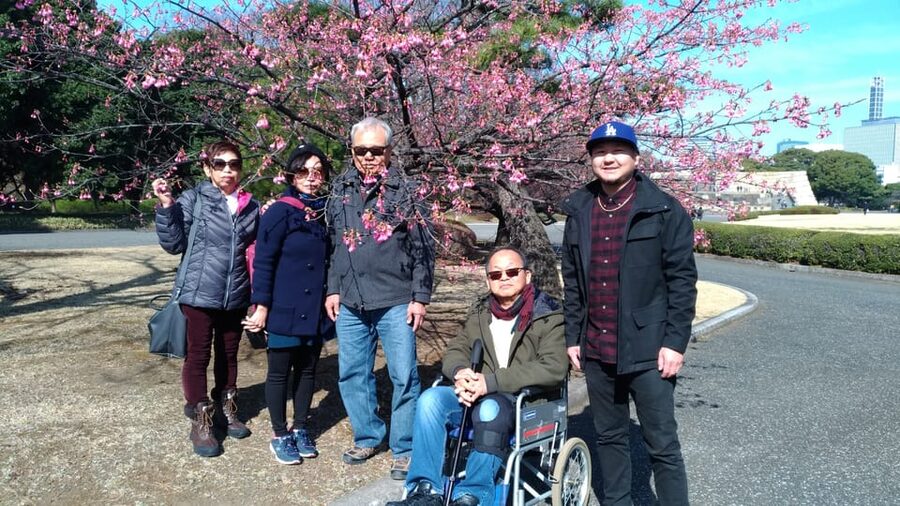
The government-issued Tour Guide-Interpreter certification requires a strong understanding of Japanese culture and history. That qualification does not make every guide identical, but it gives you a useful baseline, especially when you want more than directions and photo stops.
The individual guide shapes the day. Fumiko was praised for careful planning and clear explanations. Kenji connected religious traditions with seasonal customs, gardens, koi, goshuin stamps, and Kappabashi. Atsushi helped several visitors understand the subway, added historical context, and recommended ramen.
Other guides brought different strengths. Yumi was especially good with a family and helped them become comfortable using the Metro. Tachi offered a steady pace over four hours and made recommendations for the rest of the trip. Rumi continued helping with suggestions for the following day, while Kazuo communicated early, reviewed the route, and adjusted meal ideas.
Because guides vary, your pre-tour message matters. Tell the provider your ages, walking limits, interests, food needs, and must-see sights. Ask the assigned guide to confirm the route. The booking is not final until the guide contacts you, usually within seven days. If no guide is available, the provider contacts you.
Walking, trains, taxis, and the real pace of the day
This is called a walking tour for good reason. Even with trains between districts, you walk through stations, streets, temple grounds, markets, gardens, and shopping areas. A six-hour route can cover a surprising amount of Tokyo, but it can also be tiring.
Public transport is part of the experience. Guides can show you how to use the train network, find the right platform, and plan routes from your hotel. Several people continued using the Metro independently after the tour, which is a practical benefit you cannot measure only by the number of sights visited.
No private vehicle is included. The tour may use public transportation or local taxis between areas, and you pay those costs yourself. Keep Japanese yen available, as advised, and ask about the expected transport cost once the route is set. Pickup is arranged at your hotel, but the guide meets you on foot rather than arriving with a car.
The stated duration is four to eight hours. Four hours suits a focused introduction, perhaps Asakusa and the Imperial Palace or Meiji Jingu and Harajuku. Six hours gives you a useful first-day sweep. Eight hours lets you connect several districts, but I would not try to force every option into one day.
Who will get the most from this tour
I would recommend it most for first-time visitors who feel unsure about Tokyo’s scale. The guide can give you a working map of the city, explain cultural basics, and teach you enough train technique to continue exploring alone.
Families also benefit. The guide can slow down, add breaks, choose more accessible sights, and change the route when children lose interest. The tour is wheelchair accessible, but the practical ease of a route will depend on the chosen stations, streets, and sites, so discuss those details before the day.
It suits couples and small private groups who want to mix famous sights with personal interests. Food lovers can request markets and local stops. Hobby cooks can ask about Kappabashi. Anime fans can prioritize Akihabara. People interested in tradition can focus on Asakusa, Meiji Jingu, Nezu, gardens, and religious customs.
I would hesitate if you dislike walking, want every admission and meal included, or prefer a fixed luxury vehicle tour. I would also hesitate if you already know Tokyo well and need only a narrow specialist tour. In that case, the private flexibility may be more than you need.
Practical booking advice for a smoother day
Before the tour, send your guide a short priority list. Mark each item as essential, desirable, or optional. This helps avoid the common private-tour problem of trying to see everything and enjoying nothing.
Wear comfortable shoes and plan for weather. Heat can make a long route much harder, and guides have adjusted days with shade and cool stops when needed. Carry yen for fares, taxis, lunch, and small purchases. Admission charges are also separate.
The free photos are a pleasant extra, but they are not the main reason to book. The real benefit is having someone beside you who can explain the setting, solve transport snags, and change the plan when Tokyo throws up a crowd, protest, tired child, or sudden food craving.
Cancellation is free up to 24 hours before the start time, and you can reserve now and pay later. The tour is offered in English or Japanese, with a private group rather than a shared party.
Should you book it?
I would book this tour near the start of a Tokyo stay, especially for a first visit. It gives you famous sights, cultural background, and a practical lesson in getting around, all in a route built for your group.
The $106 price is fair when several people share the guide and you use the day well. It is less attractive if you want a cheap highlights checklist or expect a private car and all expenses covered. Choose your priorities, accept the walking, budget for transport and food, and confirm the route with your guide.
If you do that, this can be an efficient and personal way to get your bearings fast, then explore Tokyo on your own with more confidence.
FAQ
How long does the Tokyo private tour last?
The tour lasts between four and eight hours. You can choose the available starting time when booking, and the length affects how many districts fit comfortably into the route.
Which Tokyo sights can I request?
Possible stops include Asakusa, Senso-ji Temple, the Imperial Palace, Shinjuku Gyoen National Garden, Tsukiji Fish Market, Meiji Jingu Shrine, Akihabara, Hama Rikyu Gardens, Harajuku, Takeshita Street, Nezu, and Shinjuku Golden Gai.
Does the guide meet me at my hotel?
Yes. Hotel pickup and drop-off are included, but the guide meets you on foot. There is no private vehicle included.
Is transportation included in the price?
No. You pay for your own public transportation or local taxi fares. The exact cost depends on the route, so discuss it with your guide and carry Japanese yen.
Are lunch and entrance fees included?
No. Lunch, personal expenses, and entrance fees are not included. You pay for meals and any admissions required by your chosen route.
Can I book the tour in English?
Yes. Live guiding is available in English and Japanese.
Can I cancel for a full refund?
You can cancel up to 24 hours before the tour starts for a full refund. The reservation is not confirmed until the guide contacts you, usually within seven days.
Just added in Tokyo
- Small-Group Wagyu Beef and 7 Japanese Dishes Tokyo Cooking Class★ 5.0 · 190 reviews
- Nikko: Edo Wonderland Edomura Cultural Theme Park Ticket★ 4.3 · 205 reviews
- 《MEMBERS-ONLY-BAR-HOPPING》Discover Your Special Whiskey in Tokyo!★ 5.0 · 29 reviews
- Japanese Whisky Hunting《HIGH-QUALITY-ONLY》Rare Tasting Class★ 5.0 · 20 reviews
- Luxury Tokyo Sake, Cocktail, Whisky and Pairing Tour★ 5.0 · 18 reviews
- Wagyu & Sake Pairing in Shinjuku – Steak, Shabu-Shabu & More★ 5.0 · 112 reviews
- From Tokyo: Private Tour to Fuji/Hakone – Onsen, Art, Nature★ 5.0 · 116 reviews
- Tokyo: KABUKI Show at Kabukiza Theatre Admission Ticket★ 4.8 · 152 reviews
City Tours, compared.

Tokyo Private Sightseeing Tour by Car- English speaking chauffeur
Read our review →
Discover Mt. Fuji 5th Station & Kawaguchiko Sightseeing Day Tour
Read our review →
North Okinawa Sightseeing Tour & Churaumi Aquarium
Read our review →
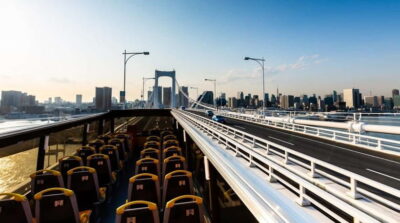
Open Top Panoramic Sightseeing Bus with Audio Guide
Read our review →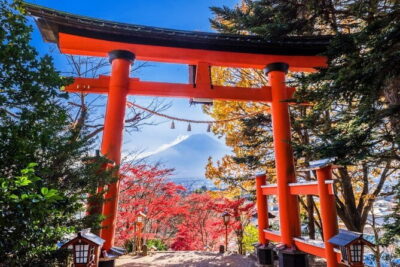
Mount Fuji Full Day Sightseeing Tour from Tokyo
Read our review →Browse the lists this tour appears in