Reviewed · TOURS IN TOKYO
Tokyo: Meiji Jingu, Harajuku, Shibuya, and Shijuku Tour
Tokyo changes character block by block, and this tour links several of its best contrasts in four hours: the quiet forest of Meiji Shrine, the youth style of Harajuku, the organized rush of Shibuya Crossing, and the neon nightlife of Shinjuku. You get a private English-speaking guide and move around by subway, so you see more than you could comfortably manage alone.
I especially like the personal route planning and the way the tour uses public transportation as part of the lesson. Guides including Maruf, Emir, Ayoub, and Erica have adjusted plans for families, first-time visitors, photography, shopping, and sights already missed. The main consideration is time: four hours is enough for a smart introduction, not enough for a leisurely visit to every shop and neighborhood.
Key points to know before booking
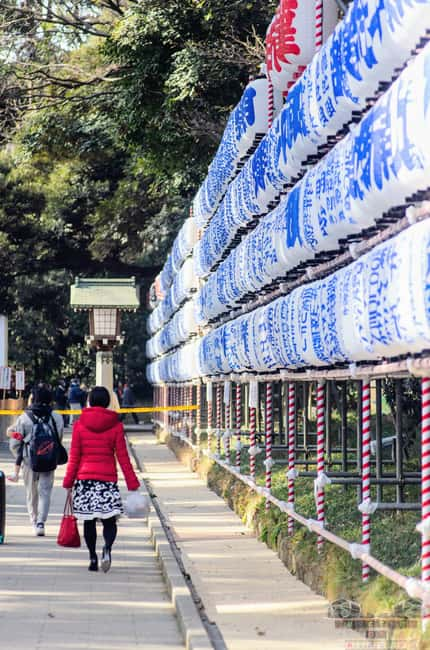
- Meiji Shrine gives the tour a calm start: Walk through a forested Shinto shrine complex before the city crowds take over.
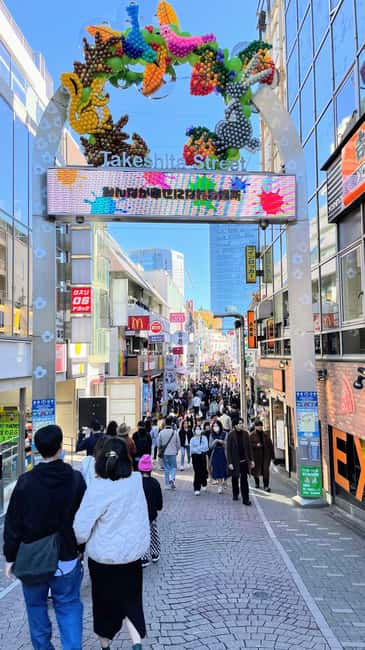
- Harajuku brings the youth culture: Takeshita Street offers fashion, novelty shops, crepes, colorful sweets, and plenty of people-watching.
- Cat Street changes the pace: The route moves from Harajuku’s loudest shopping lane to a more relaxed mix of boutiques and vintage stores.
- Shibuya Crossing is more than a photo stop: Your guide helps place the famous intersection within modern Tokyo and can include Pokémon Center and Don Quijote shopping.
- Shinjuku finishes with nightlife and old lanes: Omoide Yokocho and Golden Gai add small-scale character to a district famous for giant signs and late-night entertainment.
- The $103 price buys private attention: Admission to Meiji Shrine, Tokyo transit during the tour, and a flexible English-speaking guide are included.
Why this four-hour route works in West Tokyo
This is a city orientation tour disguised as a greatest-hits walk. You begin in a sacred forest, pass through some of Tokyo’s most famous shopping streets, then finish among skyscrapers, bars, discount stores, and glowing signs.
That order is useful. Meiji Shrine gives you a quiet introduction to Japanese religious customs before Harajuku floods your senses with fashion and snacks. Shibuya then shows Tokyo’s precision and density, while Shinjuku gives you a look at the city after dark, especially if your tour ends near sunset.
The private format matters here. Tokyo’s rail system is efficient, but the stations can be confusing, and the distance between these districts can make an independent half-day feel choppy. Your guide handles the transfers and can explain what you are seeing instead of leaving you to guess which exit leads to the right street.
You can start from pickup locations in Minato, Shibuya, Taito, or Shinjuku cities. The tour is listed as wheelchair accessible, though you should still discuss your needs when booking because the route includes walking and subway travel.
Other experiences people book in Tokyo:
- Mt Fuji and Hakone 1-Day Bus Tour Return by Bullet Train
★ 5.0 · 26,383 reviews - 1-Day Tokyo Bus Tour
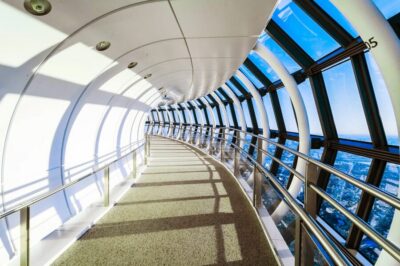
★ 5.0 · 14,250 reviews - Tokyo: TOKYO SKYTREE® Admission ticket
★ 4.5 · 11,192 reviews
Meiji Shrine: a forested pause in central Tokyo
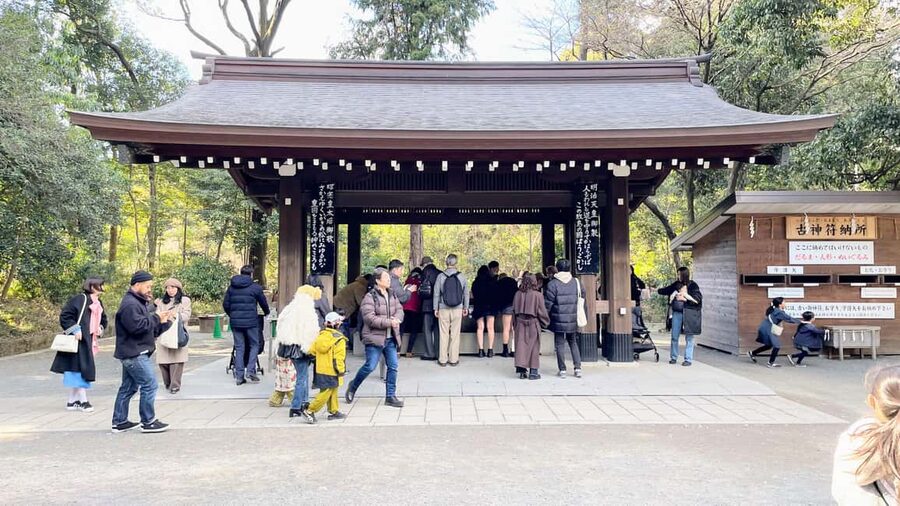
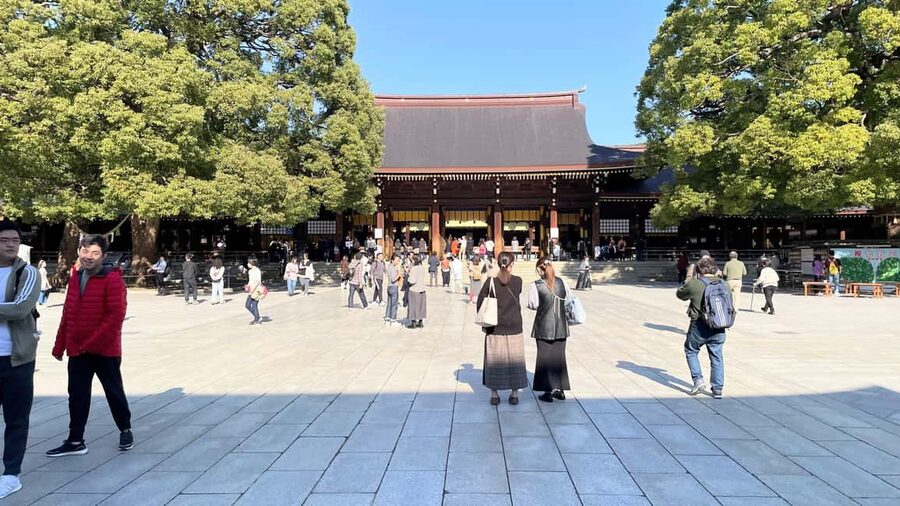
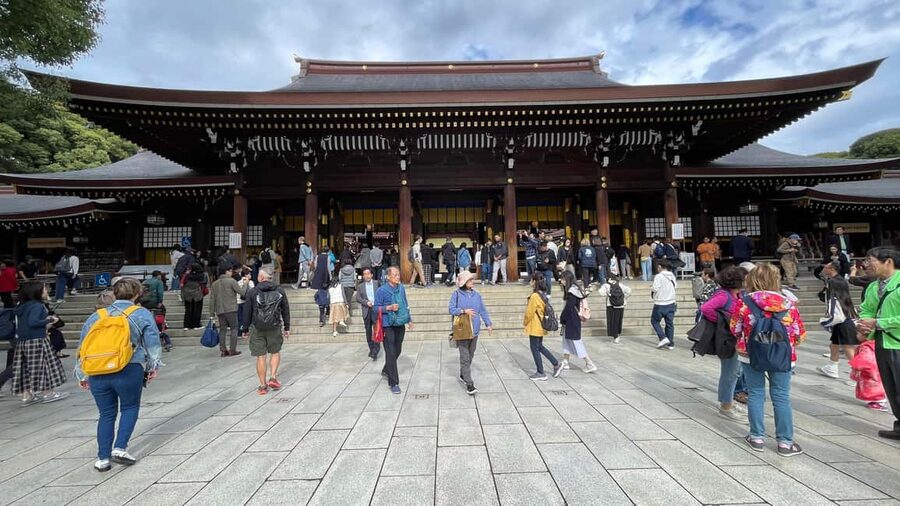
The tour begins at Meiji Jingu, dedicated to Emperor Meiji and Empress Shoken. Its setting is the main attraction at first: a broad, wooded sanctuary that feels far removed from Tokyo’s traffic and towers.
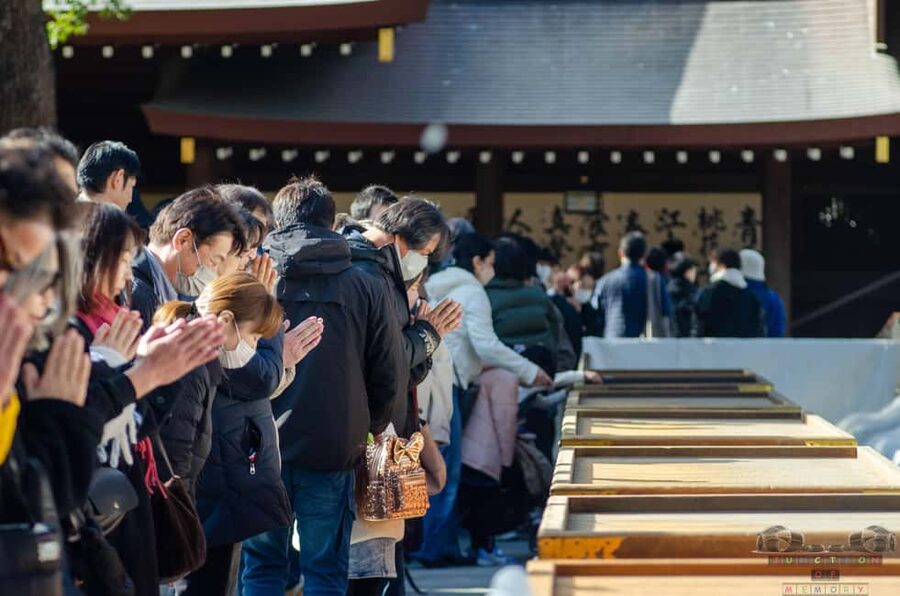
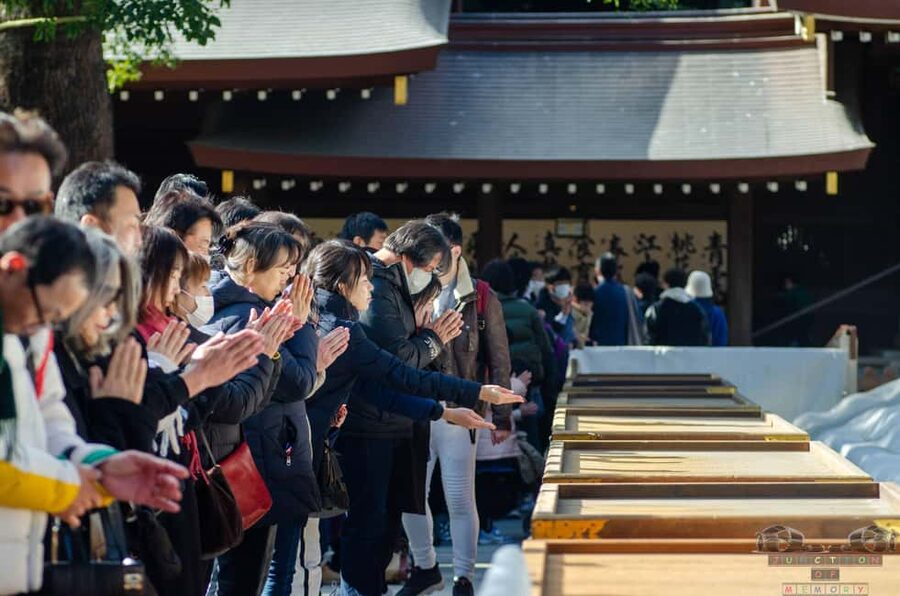
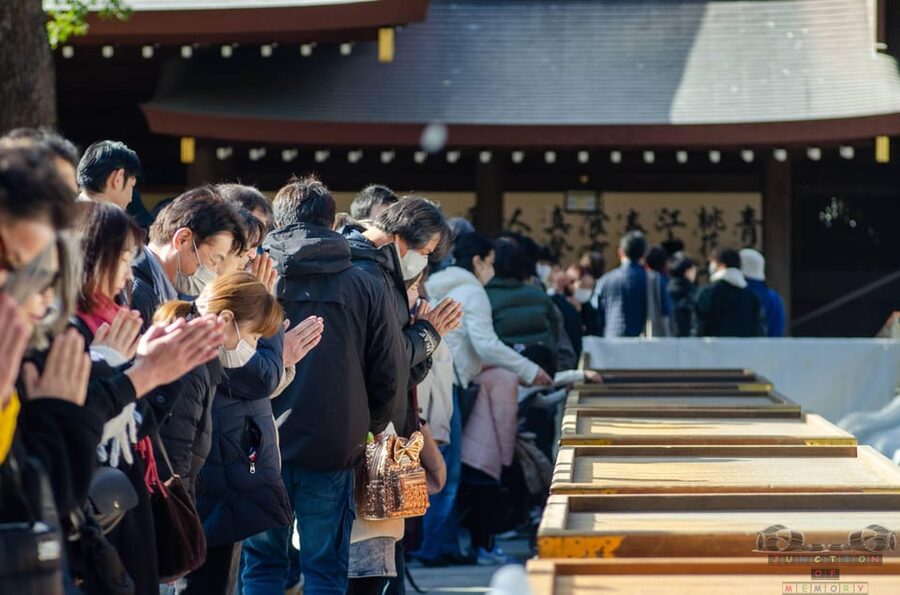
Your guide explains the shrine’s religious role and helps you follow the basic customs. At the water pavilion, you can purify your hands and mouth in the traditional way. You may also write a wish on an ema, a small wooden plaque, if you want to take part rather than simply look around.
This is a good place to ask questions. A guide can explain the difference between a shrine visit and ordinary sightseeing, and can point out why people pause, bow, or make offerings. The shrine admission is included, which keeps this opening stop simple.
The practical catch is that Meiji Shrine is only one part of the four-hour schedule. You will not have unlimited time for every path or side area. If quiet religious sites are your main interest, tell your guide early so the route can give this stop more attention.
Takeshita Street: Harajuku at full volume
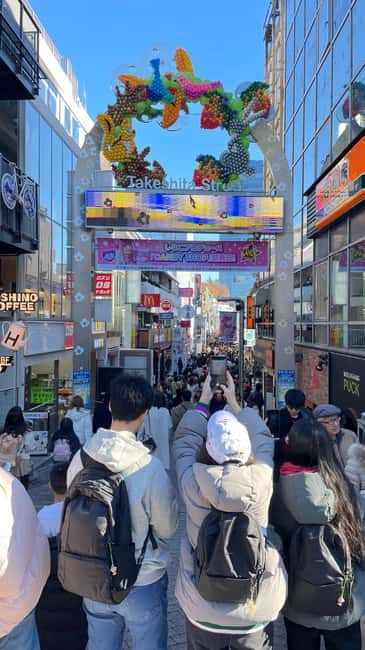
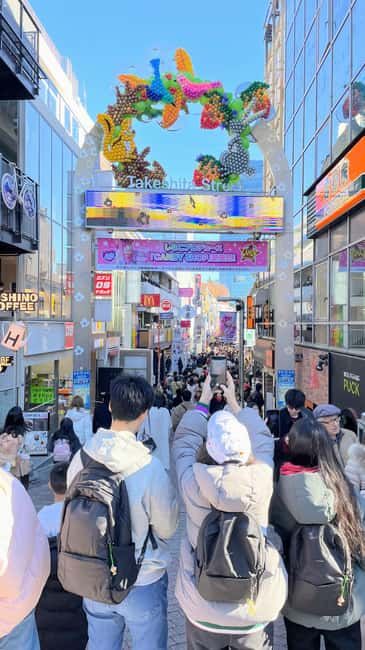
From Meiji Shrine, you walk about 15 minutes to Takeshita Street. The contrast is immediate. The wooded shrine gives way to a narrow shopping street known for youth fashion, novelty goods, sweets, and a steady stream of shoppers.
You get roughly 30 minutes here for sightseeing, photos, shopping, and a guided look at the area. That is enough to sample the mood and grab a snack, but it is not enough to inspect every store. Harajuku rewards curiosity, so use your time for the things you would not find in a standard shopping mall.
Crepes and rainbow-colored cotton candy are among the recognizable treats. Kiddy Land is another suggested stop, especially for families and fans of Japanese character goods. The route can also touch on street art, cafes, and the way Harajuku helped spread Japanese youth style beyond Japan.
I like this part because your guide supplies context that a solo stroll may miss. The street can seem like a wall of signs and costumes at first. With some explanation, you can see it as a place where fashion, music, character culture, and small food trends meet.
There is a tradeoff. Takeshita Street can be crowded and visually overwhelming, and its commercial side is unavoidable. If you prefer quiet neighborhoods, this is the loudest portion of the tour.
Harajuku and Cat Street: from playful to polished
The broader Harajuku area gets about 15 minutes for a guided walk, photos, and passing sights. This section helps connect Takeshita Street to the district’s other side, where fashion boutiques, cafes, and cultural stops replace some of the novelty-store intensity.
The walk toward Cat Street takes about 22 minutes. That distance is worth noting if you have limited mobility or simply dislike moving quickly between stops. It is also part of the appeal: you see the area change as you walk rather than jumping from one isolated attraction to another.
Cat Street has a calmer shopping mood than Takeshita Street. You might browse vintage clothing, higher-end shops, and smaller boutiques while your guide points out the connection between Harajuku and Shibuya. It is a useful middle chapter between the two districts.
The tour does not promise a long shopping session, so treat this as a sampler. If you want to buy clothing or character goods, tell your guide what interests you. The private setup makes it easier to spend more time at a shop you care about and less time at one you do not.
Same base, a different sort of day:
- Tokyo: teamLab Planets TOKYO Digital Art Museum Entry Ticket
★ 4.6 · 9,779 reviews - Mt Fuji & Hakone Cruise, Drum Show Bullet Train 1 Day from Tokyo
★ 4.0 · 7,413 reviews - Tokyo: Sumo Show Experience with Chicken Hot Pot and a Photo
★ 4.8 · 6,678 reviews - Tokyo: Shinjuku Food Tour (13 Dishes at 4 Local Eateries)
★ 5.0 · 6,603 reviews
Shibuya Crossing, Pokémon, and Don Quijote
After the Harajuku walk, you take the subway for about 10 minutes to Shibuya. The Shibuya portion lasts about an hour, including a break, guided sightseeing, shopping, photos, and free time.
Shibuya Crossing is the headline stop. When the signals change, people move from several directions across the intersection at once. It is a short event, but the scale makes it memorable. Your guide can help you choose a useful viewing point and take photos, rather than leaving you to circle the intersection on your own.
This is also where the tour can include the Pokémon Center in Shibuya and Don Quijote, the famous discount store. Those additions make the stop more practical for families and shoppers. Don Quijote is especially useful if you want snacks, small gifts, or a quick look at the wonderfully crowded Japanese discount-store format.
The private arrangement helps here because Shibuya can split a group’s interests. One person may want photos, another may want character goods, and someone else may prefer a cafe or a break. Guides have adjusted routes for those sorts of preferences, including plans that focused on places a group had not yet seen.
Do not expect an exhaustive Shibuya shopping day. One hour passes quickly, especially if you stop at the Pokémon Center or Don Quijote. Think of this as an introduction with targeted free time.
Shinjuku: old lanes beneath the neon
A second subway ride, about 15 minutes, takes you to Shinjuku. The final hour includes a break, guided sightseeing, photos, free time, shopping, and a look at the district around sunset.
Shinjuku is a fitting finish because it shows a different side of Tokyo’s energy. The area is known for nightlife, entertainment, shopping, and giant urban signs. You may pass the Godzilla Head, then move toward Omoide Yokocho, also called Memory Lane, and Golden Gai.
Omoide Yokocho is known for its narrow restaurant lanes and compact atmosphere. Golden Gai is made up of tiny bars and nightlife streets. These areas give the district a more intimate scale than the main avenues, though the tour does not include meals or drinks.
Your guide can also suggest places to eat, shop, and continue exploring after the four hours end. That advice is valuable because Shinjuku can be hard to read at first. A recommendation based on your interests is more useful than a generic list of attractions.
The timing near sunset is a plus if your schedule lines up. Shinjuku changes as office workers leave and entertainment venues begin to fill. Still, the tour ends after this one-hour introduction, so you will need to decide where to continue on your own.
What the guide adds to the day
The strongest part of this tour is not the number of famous names on the route. It is the private guide’s ability to explain, adjust, and keep the day moving.
Maruf has been particularly useful for visitors who wanted the schedule reshaped around places they had not yet seen. He has also been praised for taking photographs at several stops. Emir has been described as especially good at explaining Japanese customs and daily life from an outsider’s point of view, which can give you a fresh angle on familiar sights.
Ayoub has adapted the route as the day unfolded, while Erica has worked well with families, including a 12-year-old child. Joe has taken groups to less obvious places and added stories about Japanese life and culture. These guide names do not guarantee who you will receive, but they show the kind of personal attention the format is designed to provide.
The guides can also help on a difficult-weather day. One family still had a good time in poor weather because the guide was patient, took photos, and kept the outing comfortable. That matters in Tokyo, where a rainy forecast can make a long independent walk less appealing.
Transport, walking, and the pace
You use public transportation between districts, with subway rides of about 10 and 15 minutes. Those fares are included, as are the admission fees for Meiji Shrine.
The walking sections include about 15 minutes from Meiji Shrine to Takeshita Street and about 22 minutes from Harajuku toward Cat Street. You then walk through the shopping and sightseeing areas. The itinerary is active, though it is not presented as a strenuous hiking tour.
The private group format makes the pace easier to manage. You can ask for a slower walk, more photo time, or a different shopping balance. I would still wear comfortable shoes and tell the guide about mobility needs at the start.
The tour is available in English and includes live commentary throughout. Since the guide is also handling stations and timing, this can be a helpful first-day option when Tokyo’s rail network still feels new.
Optional animal cafes and extra spending
An animal or snake cafe in Shibuya can be added if you request it at the beginning. Options may include cats, owls, or snakes, and the entry fee is extra.
This is best treated as a choice, not a required part of the route. A cafe visit will use some of your limited Shibuya time, so you may need to reduce shopping or sightseeing elsewhere. If you are traveling with children or have a strong interest in unusual cafes, it could be worthwhile. If Meiji Shrine and Shinjuku are your priorities, keep the main route intact.
Meals, drinks, personal purchases, souvenirs, and other optional attractions are not included. Budget separately for snacks on Takeshita Street and anything you buy at Don Quijote, the Pokémon Center, or Shinjuku.
Is $103 per person a good value?
At $103 per person, this is not the cheapest way to see these districts. You can visit most of them independently by train and on foot. The price makes more sense if you are booking a private group and want a guide who can explain customs, manage the transfers, adjust the route, and take photos.
The included subway fares and Meiji Shrine admission add practical value, though they are not the main reason to book. The real benefit is time management. In four hours, you connect four major parts of West Tokyo without spending your morning studying station maps.
The value improves for a first visit, a family group, or anyone who wants cultural explanation along with sightseeing. It is weaker for an experienced Tokyo visitor who already knows the train system and prefers long, unstructured shopping sessions.
You can cancel up to 24 hours in advance for a full refund, and you can reserve now while paying later. Those policies make it easier to fit the tour into a changing Japan itinerary.
Who should book this Tokyo tour?
I would choose this tour for a first full day in Tokyo, especially if you want a broad sense of the city before exploring individual districts in depth. It also suits families, couples, and small private groups with different interests.
It is a good match if you want:
- A private English-speaking guide
- Help using Tokyo’s subway system
- A mix of shrine customs, youth culture, shopping, photos, and nightlife
- A flexible route based on your interests
- An introduction to Harajuku, Shibuya, and Shinjuku in one half-day
I would skip it if you want a slow shrine visit, a full shopping day, or a food-focused tour. The schedule covers a lot, but each stop is a sample.
Final recommendation
Book this tour if you value personal guidance more than a low-cost checklist. The route gives you Tokyo’s contrasts in a smart order, and the guides can make the day feel personal rather than mechanical.
Before starting, tell your guide your top two priorities. For a family, that might be Meiji Shrine and Pokémon. For shoppers, it might be Takeshita Street and Don Quijote. For culture-focused visitors, give Meiji Shrine and Shinjuku’s old lanes more time.
At $103 per person, the tour is best seen as a private orientation to West Tokyo. It will not replace several days in the city, but it can help you understand where you are, how to get around, and which districts deserve a return visit.
FAQ
How long is the Tokyo tour?
The tour lasts four hours.
What areas does the tour visit?
It visits Meiji Shrine, Takeshita Street, Harajuku, Cat Street, Shibuya, and Shinjuku.
Is the tour private?
Yes. It is offered as a private group tour with a private English-speaking guide.
What language is the tour offered in?
The live tour guide speaks English.
Are public transportation fees included?
Yes. Public transportation fees within Tokyo during the tour are included.
Is admission to Meiji Shrine included?
Yes. Admission fees for Meiji Shrine are included.
Can the itinerary be customized?
Yes. The itinerary can be adjusted to your interests and preferences. Tell your guide what you want to see at the beginning of the tour.
Can I visit an animal or snake cafe?
You can request an animal or snake cafe in Shibuya at the start of the tour. Additional fees may apply, and the visit is optional.
Are meals and drinks included?
No. Meals and beverages are not included unless specifically stated in the itinerary. Personal purchases and souvenirs are also separate.
Just added in Tokyo
- The 10 Tastings of Tokyo With Locals: Private Street Food Tour★ 5.0 · 48 reviews
- Small Town in the Big City: Tasting Tokyo’s Kichijoji★ 5.0 · 195 reviews
- Small Town in the Big City: Tasting Tokyo’s Kichijoji★ 5.0 · 16 reviews
- EXCLUSIVE Tokyo Secret: Kichijoji Small-Group Food & Bar Hopping★ 5.0 · 29 reviews
- Explore Kichijoji: Walk Through One of Tokyo’s Beloved Districts★ 5.0 · 21 reviews
- :Tokyo,Shibuya/ Pro Photography in Kimono / English-Friendly★ 5.0 · 26 reviews
- 【R34】Tokyo:Private Daikoku tour in Modified R34★ 4.9 · 92 reviews
- Tokyo:Calligraphy &Make your original folding fan in Asakusa★ 5.0 · 62 reviews
Tours in Tokyo, compared.
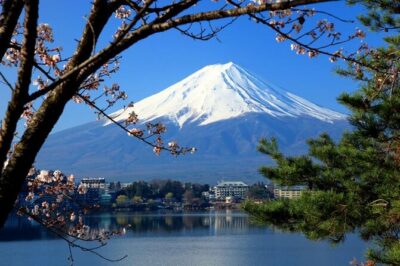
Mt Fuji and Hakone 1-Day Bus Tour Return by Bullet Train
Read our review →
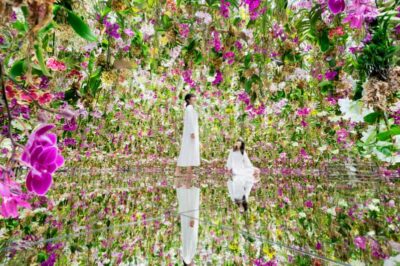
teamLab Planets TOKYO Digital Art Museum Entry Ticket
Read our review →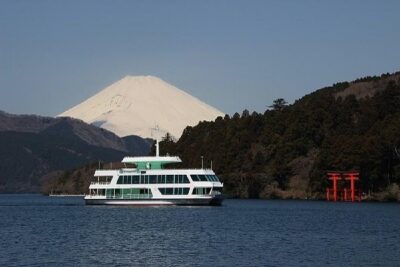
Mt Fuji & Hakone Cruise, Drum Show Bullet Train 1 Day from Tokyo
Read our review →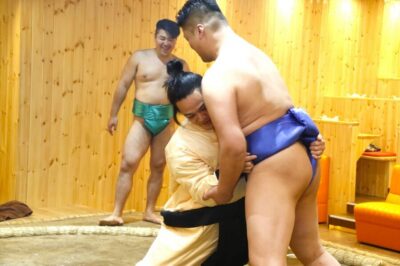
Sumo Show Experience with Chicken Hot Pot and a Photo
Read our review →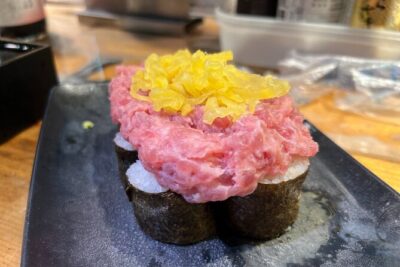
Shinjuku Food Tour (13 Dishes at 4 Local Eateries)
Read our review →