
Reviewed · TOURS IN TOKYO
Tokyo: Traditional Japanese Performing Arts Show and Dinner
Beneath the trees and shrine grounds of Fukutoku Shrine, SUIGIAN pairs a polished Japanese dinner with live traditional arts. You settle into a Noh-style room, watch three short performances, and follow a seasonal meal served at an unhurried pace. I especially like the English explanations, which make the food, costumes, music, and artwork easier to appreciate. I also like the historic tableware, inherited from another Nagasaki restaurant and said to be more than 350 years old.
The main consideration is time and appetite. This is not a quick dinner with a long stage show. The meal unfolds slowly, and the performances together may amount to roughly 30 minutes, sometimes feeling closer to five or ten minutes each. Seafood appears often, and the omakase menu cannot be chosen dish by dish, so tell the restaurant about allergies or dietary needs before arrival.
Key points to know before booking
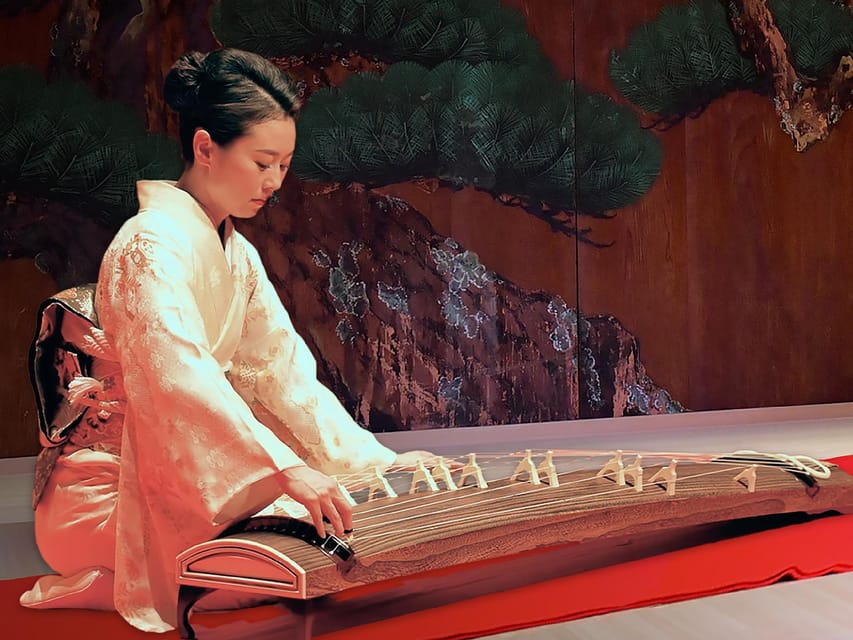
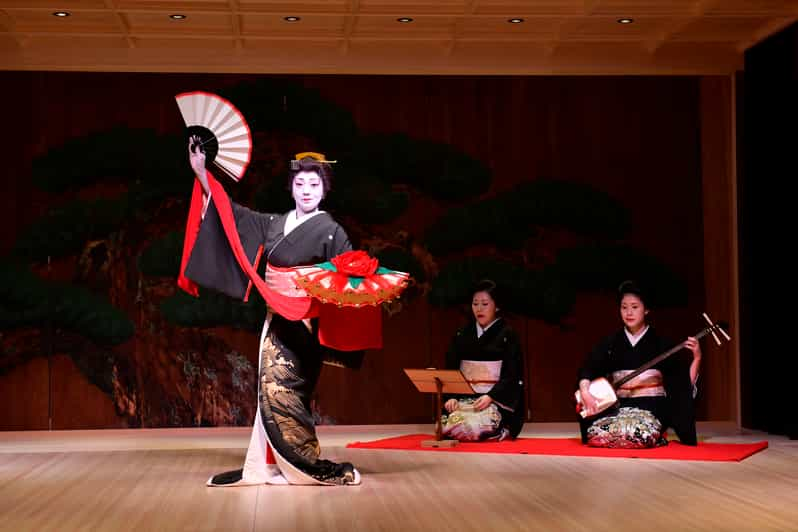
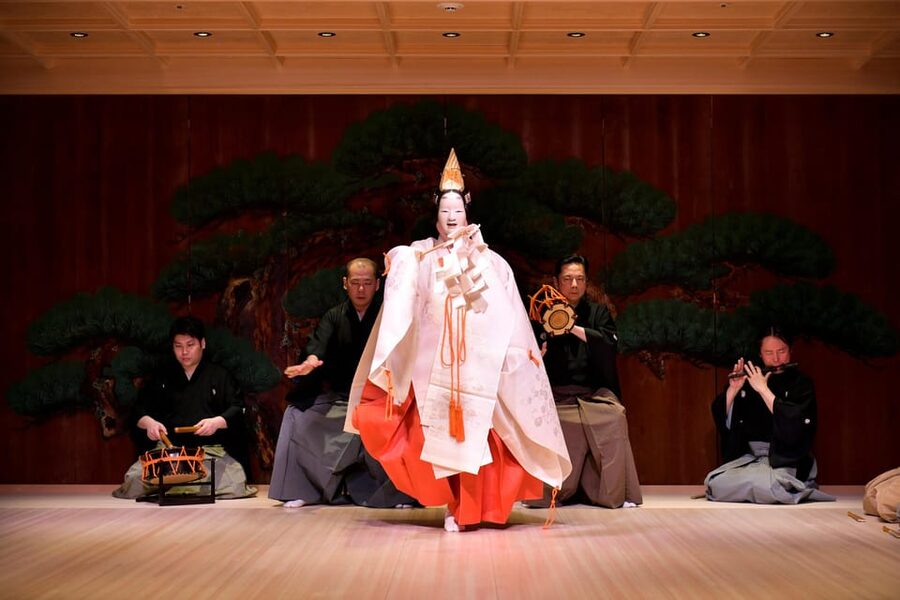
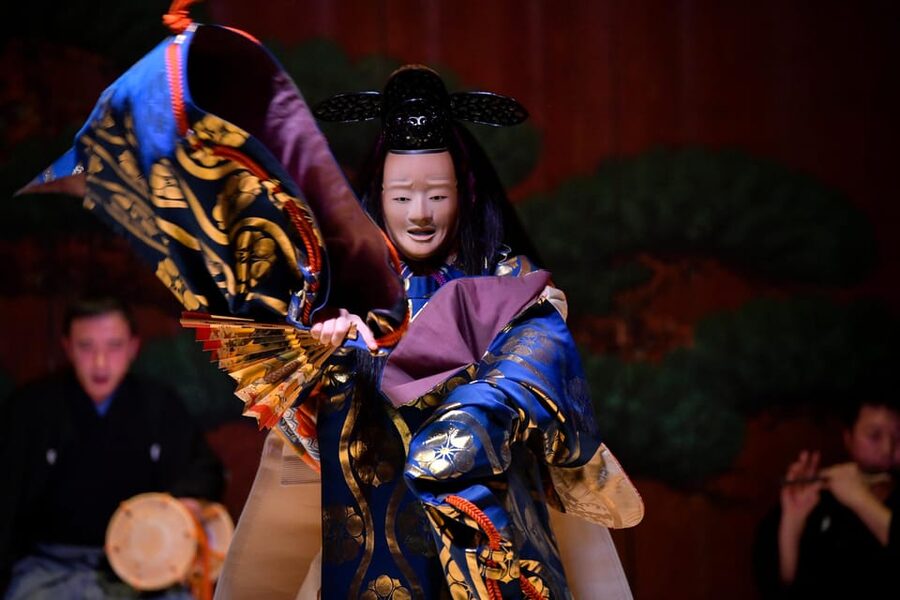
- Three short performances: Depending on the date, you’ll see nihon-buyo, traditional Japanese dance, or kagura, ancient Shinto music and dance.
- A seasonal omakase dinner: The chef chooses the menu, usually with several courses built around fresh ingredients and bonito broth.
- Four seating choices: Your selected seat option determines how close you are to the Noh-style stage.
- A striking setting: SUIGIAN sits below Fukutoku Shrine in Nihombashi, with traditional art, sculpture, and a pine-tree stage backdrop.
- English help is available: Staff explain parts of the meal and performance, making the evening easier to follow.
- Plan for a slow evening: Allow two to three hours, and do not book this as a quick meal between major Tokyo sights.
Entering SUIGIAN beneath Fukutoku Shrine
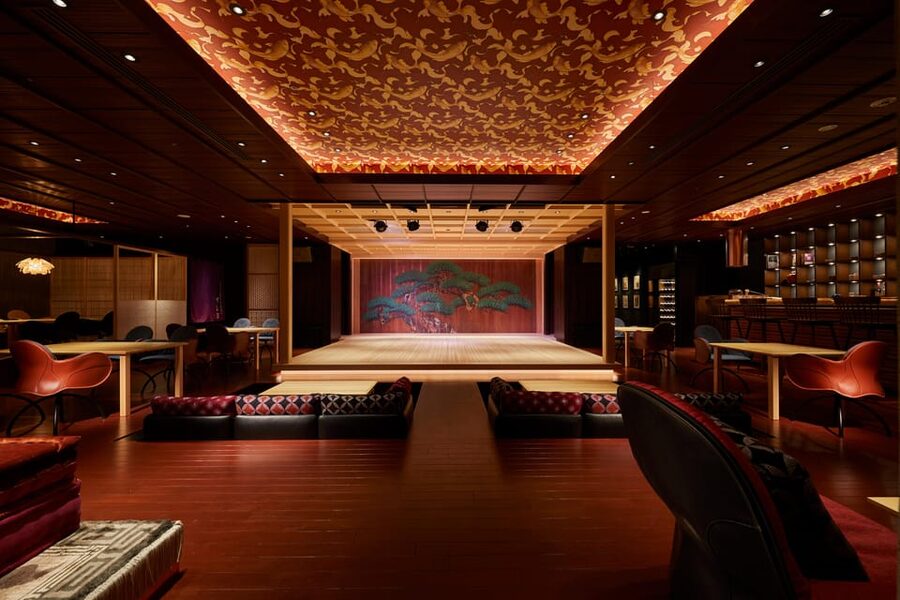
The setting does much of the work before the first dish arrives. SUIGIAN is in the basement of Fukutoku Garden, beneath the historic Fukutoku Shrine in Nihombashi. You enter near the park, then go down the stairs to the restaurant and bar.
This location can be easy to miss if you rely only on a street address. The most useful landmark is Coredo Muromachi 2. From Mitsukoshi-mae Station, use Exit A6, walk about one minute, and look for the connection to the building’s basement level. The restaurant is called Theater Style Restaurant and Lounge SUIGIAN.
From Shin-Nihombashi Station, allow about six minutes on foot. Tokyo Station is roughly a ten-minute walk from the Nihombashi Exit, or about six minutes by taxi. If you arrive by taxi, the fare from Tokyo Station is listed at approximately ¥600, though actual cost depends on traffic and conditions.
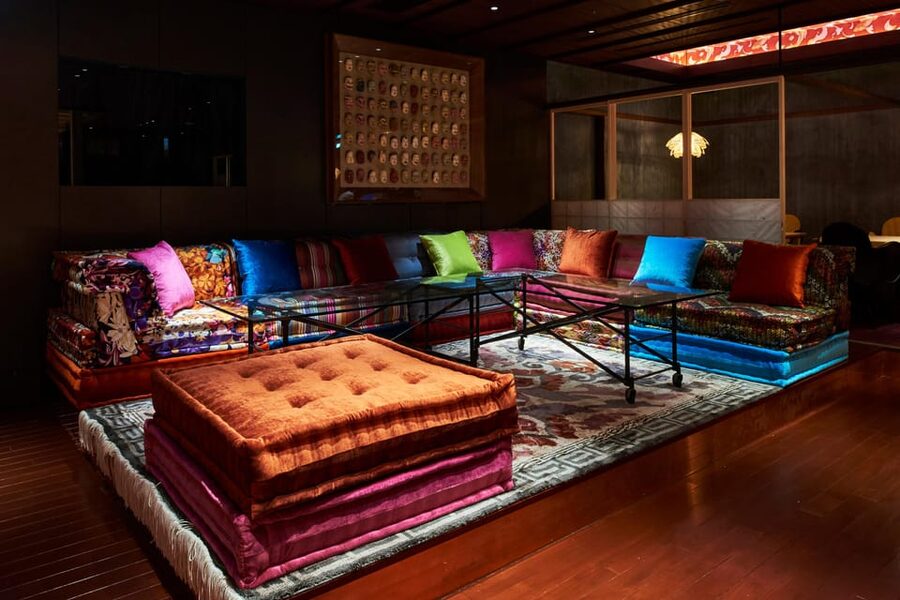
Inside, the design blends a modern dining room with traditional Japanese details. The stage follows the form of a Noh stage and has an old pine tree painted across its backdrop. Trays and dishes with a reported history of more than 350 years add a museum-like quality to the meal.
I like this combination because it gives you cultural context without sending you across town to several separate venues. The shrine, the room, the dishes, the dinner, and the performance all belong to the same evening.
Other experiences people book in Tokyo:
- Mt Fuji and Hakone 1-Day Bus Tour Return by Bullet Train
★ 5.0 · 26,383 reviews - 1-Day Tokyo Bus Tour
★ 5.0 · 14,250 reviews - Tokyo: TOKYO SKYTREE® Admission ticket
★ 4.5 · 11,192 reviews
Choosing between nihon-buyo and kagura
The performance depends on the date. On the listed February and March dates for the regular kagura program, you can expect ancient Shinto music and dance. The specified dates are February 5, 10, 17, and 25, followed by March 10, 17, and 24.
On the other February and March dates, the regular program is nihon-buyo, traditional Japanese dance. If one art form matters more to you, check the calendar carefully before choosing your reservation.
The program is divided into three performances, each advertised at about ten minutes. These are placed between courses rather than presented as one long theater production. That arrangement works well for a dinner because you have time to eat, listen, and look around without sitting through a lengthy performance before your food arrives.
You should set your expectations correctly. This is a dinner with traditional arts, not a full evening at a major theater. The music and dance are concise. Some performances may feel closer to five minutes, depending on the program. The short format is useful if you want a taste of Japanese performance culture, but it may disappoint you if live theater is the main reason for booking.
The stage is close enough that your seat can make a real difference. The four seat options are designed to give you different viewing positions and levels of comfort. A closer seat is worth considering if you care about seeing hand movements, costume details, and facial expressions. You should select carefully because the seat assignment follows the option you book.
How the seasonal dinner unfolds
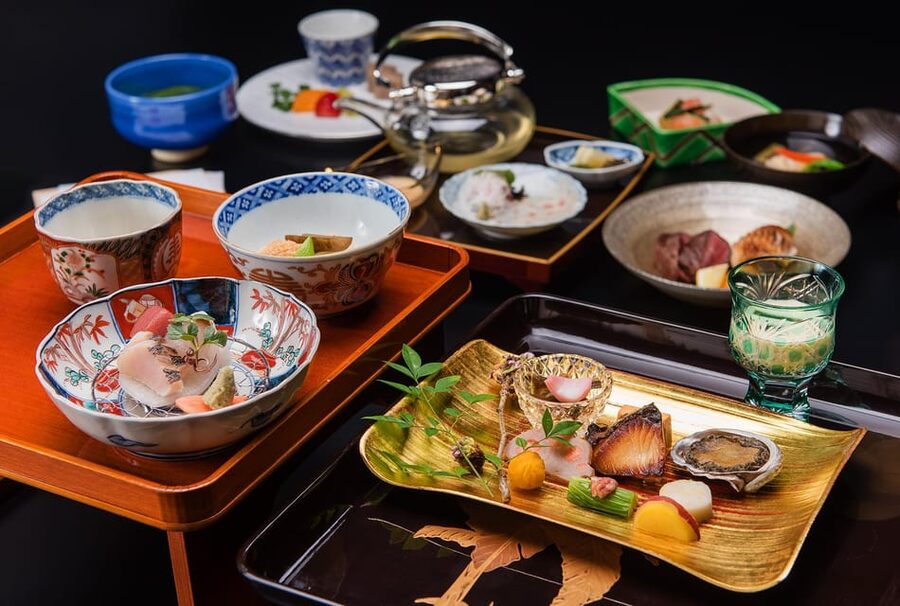
The food follows an omakase style. That means the chef decides the selection rather than handing you a standard menu with several alternatives. The meal is seasonal and generally includes an appetizer, an opening seasonal platter, soup, a later seasonal platter, a grilled Japanese beef dish, rice, dessert, matcha green tea, and dry sweets.
The exact dishes change, which is part of the point. A seasonal menu lets the restaurant present ingredients and flavors connected to the time of year. It also means you should not arrive expecting a specific set of dishes shown in a photograph.
The food is served slowly and deliberately. You might receive a course, hear an explanation, watch a performance, and then continue with the next part of dinner. This pace suits a special occasion, especially a birthday or anniversary. It is less suitable if you have a train to catch or want to fit in another attraction afterward.
The dinner is described as a full Japanese course meal, and the portions are intended to leave you satisfied. The presentation is one of the pleasures. Dishes arrive arranged on traditional tableware rather than plain restaurant plates, and the serving pieces themselves are part of the cultural lesson.
Bonito broth is used in the cooking, and seafood can appear several times. If you prefer familiar Western food or avoid fish, this dinner may require more flexibility than you want. One account described several seafood servings, fish soup, and a dessert with a fish-related flavor. That is not a guarantee of every menu, but it is a useful warning about the restaurant’s direction.
Drinks beyond water are not included in the dinner. Budget separately if you want sake, wine, or another beverage. The room is designed for a leisurely meal, so this is a good place to slow down rather than simply refuel.
Why the tableware matters
A fine Japanese meal is not only about what sits on the plate. The bowl, tray, lacquer, color, and arrangement all affect how the course is read. At SUIGIAN, the tableware gives you another way to understand Japanese dining customs.
The restaurant has inherited trays and dishes from another Japanese restaurant in Nagasaki, with a history of more than 350 years. You do not need specialist knowledge to appreciate them. Look at how each piece frames the food, and listen when staff explain the items.
This detail helps distinguish the experience from an ordinary dinner followed by a stage act. The room is teaching through objects as well as through performance. You can ask questions about the dishes, and staff are able to explain elements of the meal in English.
At the end, matcha green tea and dry sweets provide a traditional closing touch. It is a calm finish after the courses and music, and one more chance to notice the difference between a formal Japanese meal and a standard restaurant dinner.
Same base, a different sort of day:
- Tokyo: teamLab Planets TOKYO Digital Art Museum Entry Ticket
★ 4.6 · 9,779 reviews - Mt Fuji & Hakone Cruise, Drum Show Bullet Train 1 Day from Tokyo
★ 4.0 · 7,413 reviews - Tokyo: Sumo Show Experience with Chicken Hot Pot and a Photo
★ 4.8 · 6,678 reviews - Tokyo: Shinjuku Food Tour (13 Dishes at 4 Local Eateries)
★ 5.0 · 6,603 reviews
Service, explanations, and the pace of the evening
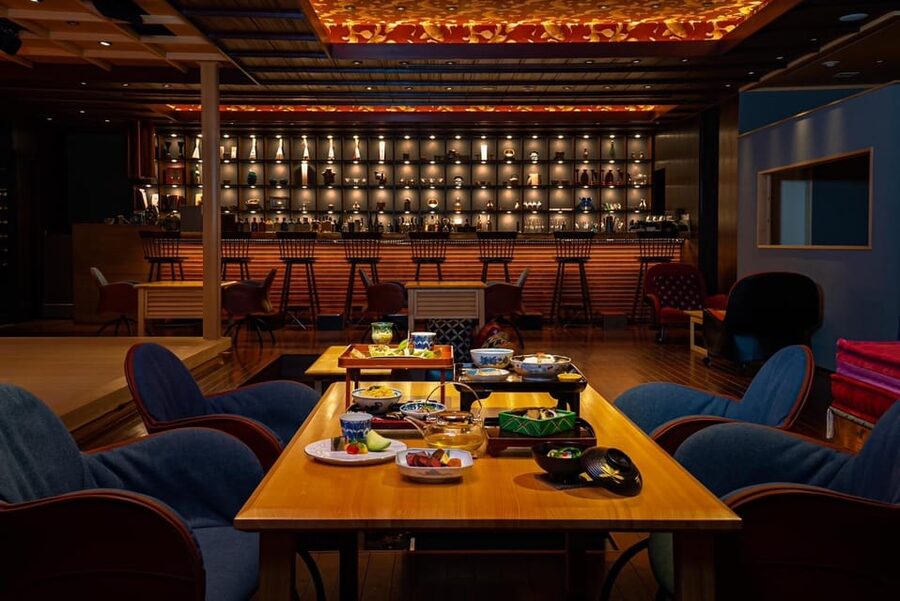
The service is one of the strongest reasons to choose this experience. Staff are described as attentive, kind, and patient, and English-language explanations are available for the food and performances. That matters because traditional dance, Shinto music, and formal dishes can be difficult to interpret without context.
You are not required to understand Japanese to enjoy the evening. Explanations help you notice why the food is arranged in a certain way and what the performance is expressing. They also make it easier to ask about unfamiliar ingredients.
The slower rhythm can feel luxurious, but it is not for everyone. One useful way to think about the evening is as a cultural dinner appointment. You arrive, settle in, eat over an extended period, watch several short performances, and leave when the final tea is finished.
A commemorative photo with the performers is available, giving you a simple memento of the occasion. The chance for a photo is particularly appealing if you are celebrating something, although you should treat it as part of the experience rather than the main event.
Price and value for a special night in Tokyo
The listed price is $140 per group up to one, so check the booking screen carefully to confirm how the total is calculated for your party and selected seat. That price is not cheap for dinner, especially because drinks are extra. You are paying for more than food, though.
The value comes from combining a multi-course Japanese dinner, a traditional performance, a carefully designed room, English assistance, and a central Nihombashi location. Comparable formal dining can become expensive quickly, particularly when a cultural show and special service are added.
I would consider it good value for a birthday, anniversary, farewell dinner, or first visit to Tokyo when you want one organized cultural evening. It is harder to justify if you mainly want a large meal, a full-length theater program, or a flexible menu.
The setting also saves time. Instead of arranging a formal restaurant and a separate cultural performance, you get both in one place near Tokyo Station. That convenience has a real value during a busy Tokyo schedule.
Who will enjoy this experience most
This dinner suits you if you enjoy trying unfamiliar food, appreciate careful presentation, and prefer a quiet cultural evening over a loud entertainment venue. It is also a strong choice if you want a first introduction to Japanese dance, kagura, and formal dining without needing advanced Japanese language skills.
Couples and special-occasion diners are a natural fit. The intimate room, polished service, stage setting, and commemorative photo give the evening a ceremonial feel.
Younger children are not suitable because the experience is restricted to ages ten and older. Even for older children, consider their patience. The slow meal and short performance format may work for a culturally curious child, but not for someone expecting fast service or a large stage spectacle.
Vegetarians, people with allergies, and anyone avoiding specific ingredients must contact the restaurant before arrival. Because the menu is omakase, a request made after you sit down may not be possible to honor. One gluten-free request was accommodated successfully, but you should still give advance notice and not treat that past result as a guarantee for every dietary need.
Practical details for a smooth visit
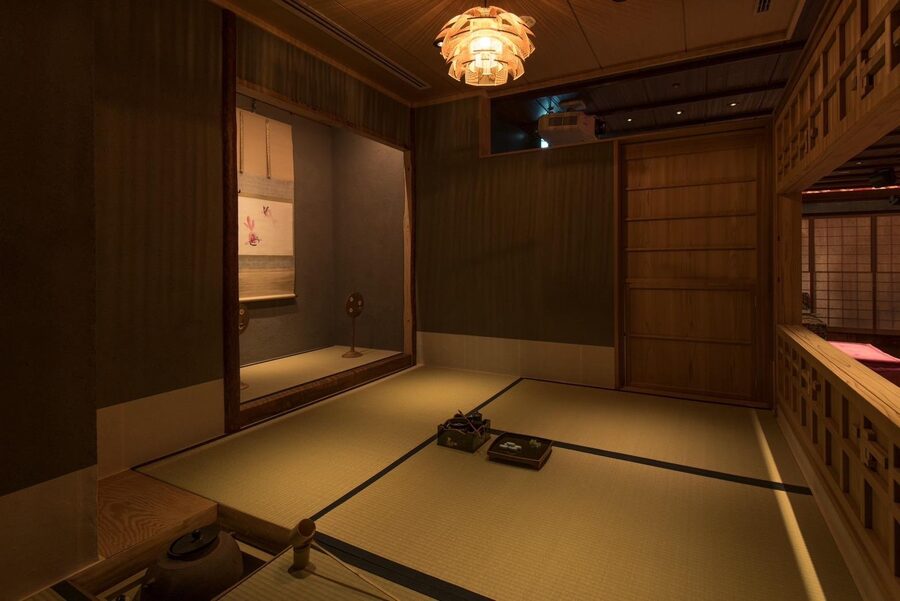
Allow two to three hours from start to finish. The timing includes the meal, the three performances, explanations, and the closing tea and sweets. Avoid placing a tight reservation or long-distance transfer immediately afterward.
The easiest route is Mitsukoshi-mae Station on the Ginza or Hanzomon lines. Exit A6 is about a one-minute walk from Coredo Muromachi 2. If you come from Tokyo Station, the walk takes about ten minutes, or you can take a short taxi ride.
Look for the entrance at the corner of the park rather than assuming the restaurant is visible from a main street. This small detail can save you from circling the block.
The venue is wheelchair accessible. Free cancellation is available up to 24 hours before the scheduled time, and a reserve-now, pay-later option is offered, subject to the booking conditions shown at the time you reserve.
Should you book SUIGIAN?
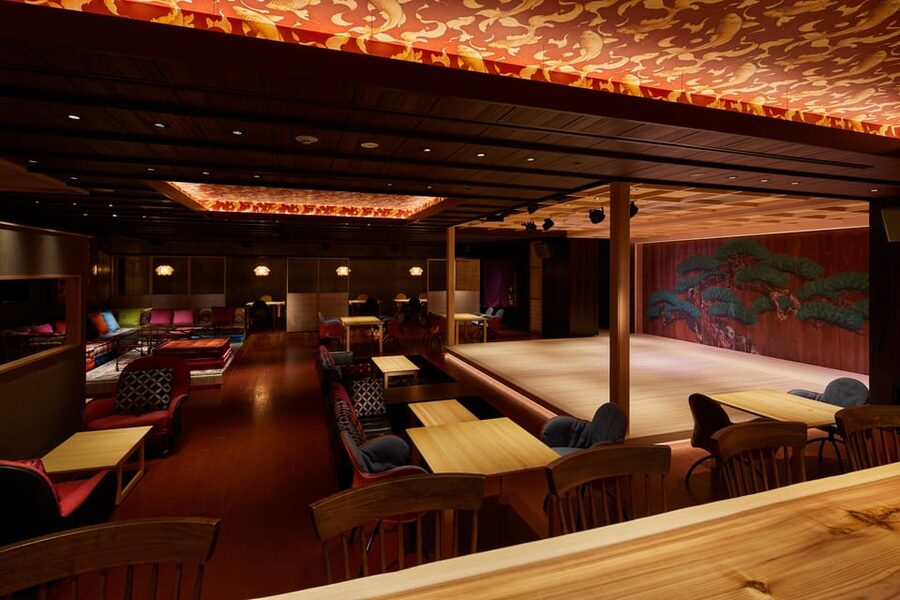
Book this experience if you want a polished introduction to Japanese food and traditional performance in one well-located evening. The food, hospitality, setting, and English explanations are the strongest parts, and the historic tableware gives the dinner unusual character.
Think twice if you dislike seafood, need complete control over your menu, or want a long theatrical performance. The show is made of short sections between courses, and the dinner moves at a measured pace.
For a special night in Tokyo, I find the combination worthwhile. Choose your seat with care, check whether the date features kagura or nihon-buyo, disclose dietary needs early, and arrive ready to give the meal time.
FAQ
Where is SUIGIAN located?
SUIGIAN is in Fukutoku Garden B1F at 2-5-10 Nihonbashi Muromachi, Chuo-ku, Tokyo. It is beneath the forested grounds of Fukutoku Shrine.
How do I reach the restaurant by train?
Take the Tokyo Metro Ginza or Hanzomon Line to Mitsukoshi-mae Station and use Exit A6. The restaurant is about a one-minute walk away, near Coredo Muromachi 2. It is also about six minutes from Shin-Nihombashi Station and ten minutes from Tokyo Station’s Nihombashi Exit.
How long does the experience last?
Allow approximately two to three hours for the dinner and performances.
What type of performance will I see?
The performance depends on the date. The program is either nihon-buyo, traditional Japanese dance, or kagura, ancient Shinto music and dance. The evening includes three short performances.
Is dinner included?
Yes. A Japanese full-course dinner is included, along with the traditional performing arts show and the seat assignment connected to your selected seat option. Drinks other than water are not included.
Can the restaurant handle allergies or vegetarian requests?
You must tell the restaurant about allergies, vegetarianism, or other dietary restrictions when making the reservation. Because the meal is seasonal omakase, requests made after arrival may not be possible to accommodate.
Is the experience suitable for children?
Children under ten are not permitted. The venue is wheelchair accessible.
Just added in Tokyo
- The 10 Tastings of Tokyo With Locals: Private Street Food Tour★ 5.0 · 48 reviews
- Small Town in the Big City: Tasting Tokyo’s Kichijoji★ 5.0 · 195 reviews
- Small Town in the Big City: Tasting Tokyo’s Kichijoji★ 5.0 · 16 reviews
- EXCLUSIVE Tokyo Secret: Kichijoji Small-Group Food & Bar Hopping★ 5.0 · 29 reviews
- Explore Kichijoji: Walk Through One of Tokyo’s Beloved Districts★ 5.0 · 21 reviews
- :Tokyo,Shibuya/ Pro Photography in Kimono / English-Friendly★ 5.0 · 26 reviews
- 【R34】Tokyo:Private Daikoku tour in Modified R34★ 4.9 · 92 reviews
- Tokyo:Calligraphy &Make your original folding fan in Asakusa★ 5.0 · 62 reviews
Tours in Tokyo, compared.
Mt Fuji and Hakone 1-Day Bus Tour Return by Bullet Train
Read our review →

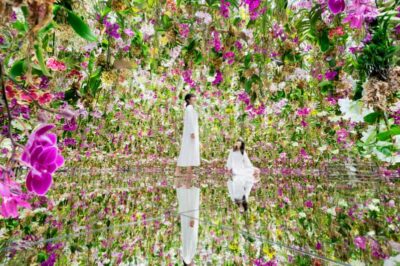
teamLab Planets TOKYO Digital Art Museum Entry Ticket
Read our review →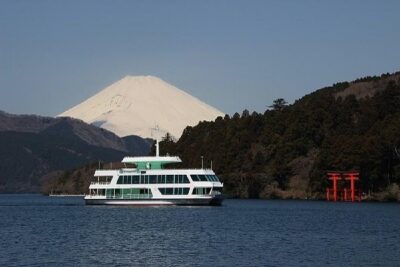
Mt Fuji & Hakone Cruise, Drum Show Bullet Train 1 Day from Tokyo
Read our review →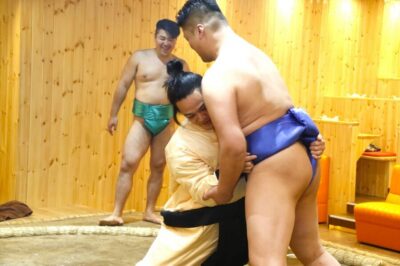
Sumo Show Experience with Chicken Hot Pot and a Photo
Read our review →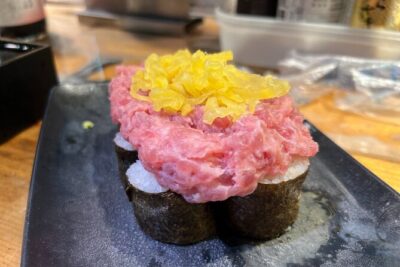
Shinjuku Food Tour (13 Dishes at 4 Local Eateries)
Read our review →
Tokyo Mt Fuji 5th St & Hakone Cruise Bus Tour w/Bullet Train
Read our review →Browse the lists this tour appears in