Reviewed · TOURS IN TOKYO
Tokyo: Kintsugi Workshop to Learn the Art of Golden Joinery
Kintsugi turns a crack into the most interesting part of a piece. In this small Tokyo class, you learn to repair pottery with artificial lacquer and gold powder while hearing how Japanese aesthetics value age, wear, and imperfection. I like the hands-on pace and the chance to take home something you repaired yourself. I also like the thoughtful teaching style reported for Anne and Chiara, who explain each step and the older methods behind the craft.
The main caution is the price. At $63, plus ¥1,000 to ¥2,000 for the plate, this is not a cheap craft lesson, and one participant found the repair area smaller than expected. Ask how much pottery you will mend before booking, especially if you want to repair a whole bowl rather than a small section.
Key points at a glance
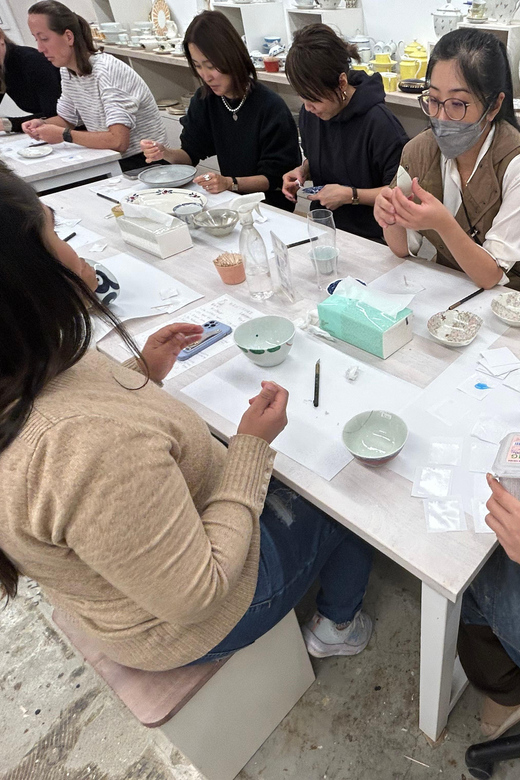
- A two-hour craft session: You have enough time to work carefully instead of rushing through a quick demonstration.
- A small class of six: The limited group size should make it easier to ask questions and receive help with delicate steps.
- An English-speaking instructor: Anne and Chiara are among the named teachers connected with the class.
- Your own repaired keepsake: You work on pottery and take the finished piece home.
- A separate pottery charge: The plate is not included and costs about ¥1,000 to ¥2,000.
- A useful size check: Some participants repaired only a small section, so confirm the project scope if that matters to you.
Why a broken plate makes a good Tokyo souvenir
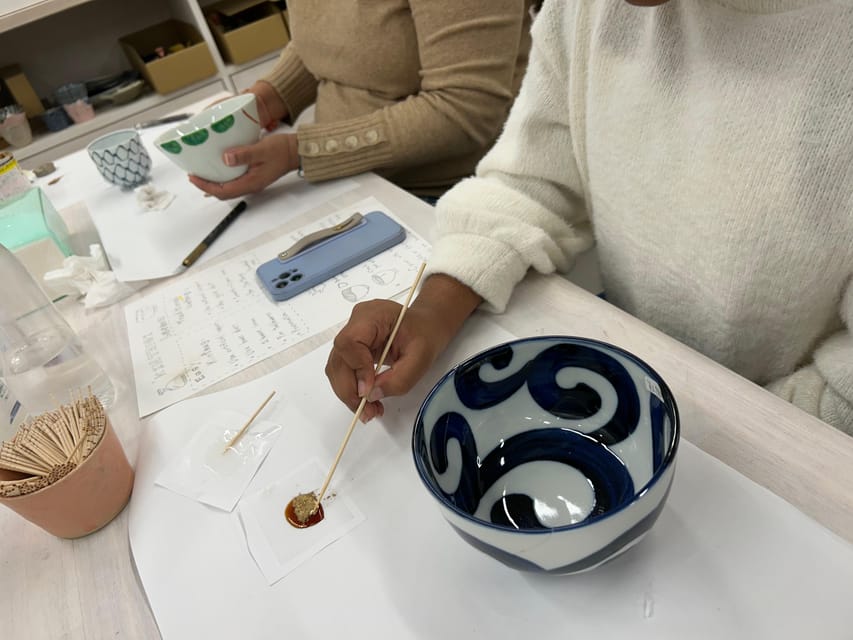
Many Tokyo activities give you a photograph, a snack, or a short lesson. This one gives you a repaired object with a visible story. The point is not to make the crack disappear. The gold makes it impossible to miss.
Kintsugi means golden joinery. The practice dates back to the 15th century and is linked with the Japanese habit of preserving valued objects rather than throwing them away when they break. Lacquer holds the pieces together, while powdered gold, silver, or platinum marks the seam. This workshop uses artificial lacquer and gold powder, giving you a practical introduction without asking you to handle traditional materials.
I like the idea because it gives the activity some weight without making it solemn. You are not simply decorating a souvenir. You are changing the way a damaged object is understood. A chipped or broken bowl is no longer treated as a failure. Its repair becomes part of its identity.
The class also introduces wabi-sabi, the Japanese appreciation of imperfection and impermanence. You do not need a background in Japanese philosophy to enjoy this. The lesson is easy to grasp at the worktable: a flawless new plate has no repair story, while your finished piece will show exactly where it was mended.
Other experiences people book in Tokyo:
- Mt Fuji and Hakone 1-Day Bus Tour Return by Bullet Train
★ 5.0 · 26,383 reviews - 1-Day Tokyo Bus Tour
★ 5.0 · 14,250 reviews - Tokyo: TOKYO SKYTREE® Admission ticket
★ 4.5 · 11,192 reviews
Meeting near Gakugei Daigaku Station
The meeting point is Gakugei Daigaku Station in Tokyo, on Honshu. You meet the guide there, and the guide sends a photograph before the meeting time so you can identify the right person.
That small detail matters. Station meeting points can be confusing, especially when you are still getting used to Tokyo’s rail system and station exits. Keep your phone available and check the guide’s photograph before leaving for the meeting point.
The supplied details do not name one fixed instructor for every session. Anne and Chiara are specifically associated with the teaching, and one class included Chiara with help from a translator who also knew the craft. If having a particular instructor matters to you, ask when booking.
The workshop lasts two hours. That is a useful length for this kind of work. You have time to listen, handle the materials, file the pottery, and complete the repair without turning the class into a full-day commitment.
The opening lesson: craft with a philosophy behind it
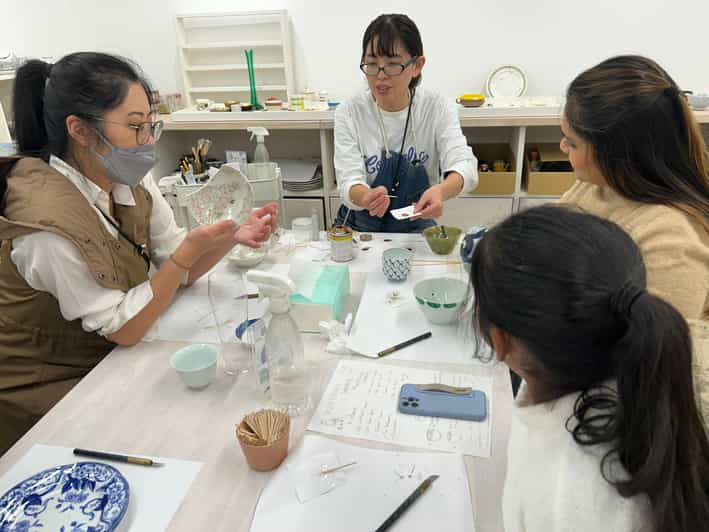
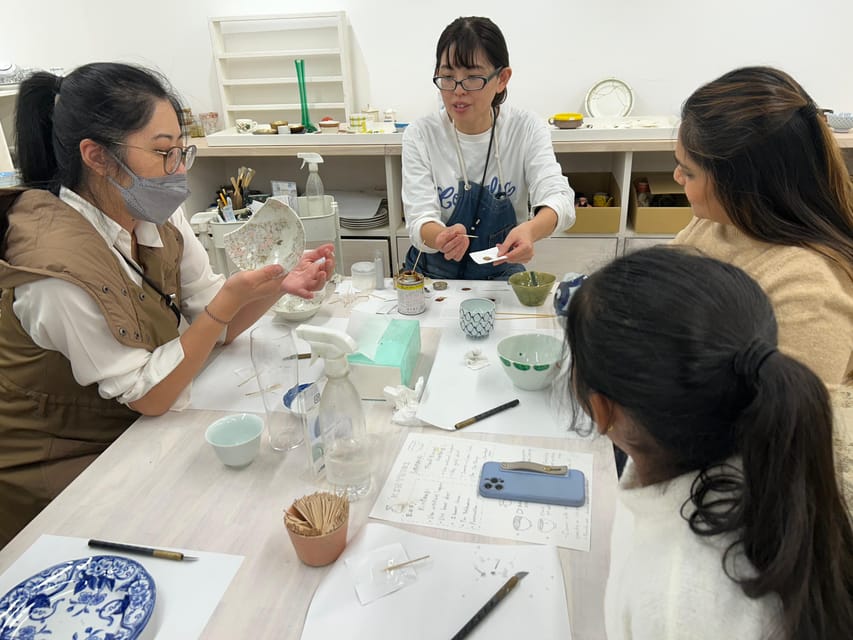
The class begins with a brief introduction to kintsugi and its philosophy. You learn why the golden seam matters, how broken pottery can be valued rather than discarded, and how the craft relates to wabi-sabi.
This opening is important because the activity could otherwise feel like ordinary glue-and-paint work. The historical background gives the repair a purpose. You begin to see the pottery as an object with a past, not just a blank surface waiting for decoration.
The teaching also includes details about how the adhesive was made in earlier times. That sort of explanation helps connect your small project with the older practice. The lesson is still practical, but you get enough cultural context to understand what you are doing.
Do not expect an academic lecture. The format is a hands-on workshop, and the introduction is brief. That balance works well for a two-hour activity. You receive a clear explanation, then spend most of the time making something.
Choosing and preparing the pottery
The plate is not included in the $63 price. You arrange it separately for approximately ¥1,000 to ¥2,000. The available information does not specify the exact shape or size of every piece, so ask what you will receive and how much of it you will repair.
This is the point where expectations matter most. One participant felt disappointed because the amount of pottery to fix was tiny, while friends in another class repaired an entire bowl. If you picture yourself joining several large pieces, you may find this workshop more limited than expected.
On the other hand, a smaller repair can be a better choice for a first attempt. Kintsugi requires care, and a modest project lets you focus on the technique. You have a greater chance of finishing within two hours and taking home a neat keepsake.
The preparation stage may include filing the pottery for about half an hour. That is not glamorous, but it is part of the work. Nancy, who attended with Chiara’s instruction and translator support, specifically noted that the filing can be difficult for younger children. For adults and older children, it offers a clear sense of making rather than watching.
Same base, a different sort of day:
- Tokyo: teamLab Planets TOKYO Digital Art Museum Entry Ticket
★ 4.6 · 9,779 reviews - Mt Fuji & Hakone Cruise, Drum Show Bullet Train 1 Day from Tokyo
★ 4.0 · 7,413 reviews - Tokyo: Sumo Show Experience with Chicken Hot Pot and a Photo
★ 4.8 · 6,678 reviews - Tokyo: Shinjuku Food Tour (13 Dishes at 4 Local Eateries)
★ 5.0 · 6,603 reviews
Applying the lacquer and gold
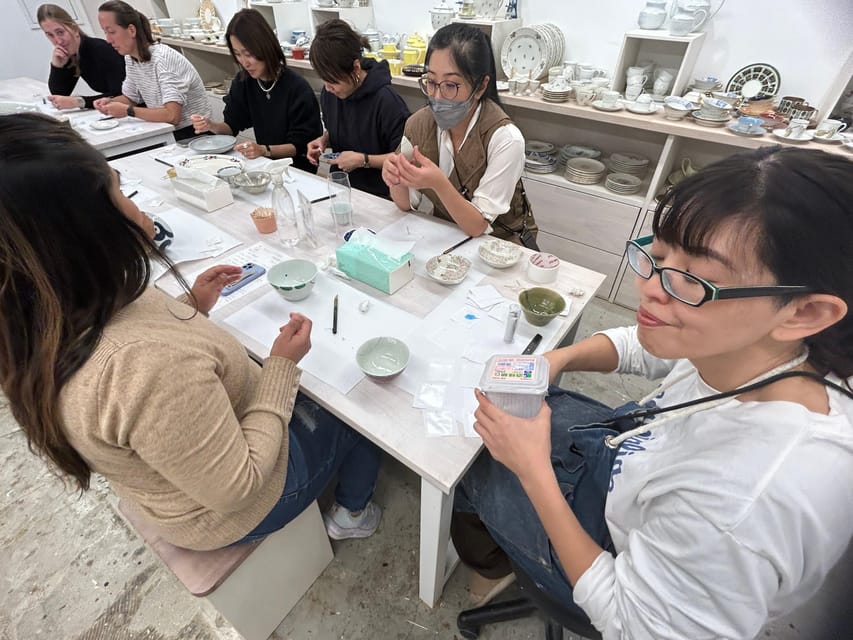
The main tools and materials are provided. These include lacquer and gold powder, with the workshop using artificial lacquer. The instructor explains the steps, then lets you carry them out yourself.
That teaching style is one of the strongest reasons to book. A teacher can demonstrate every movement, but the value of the class comes from your own hands doing the work. At the same time, an experienced instructor is available when a seam needs a steadier hand or you are unsure about the next step.
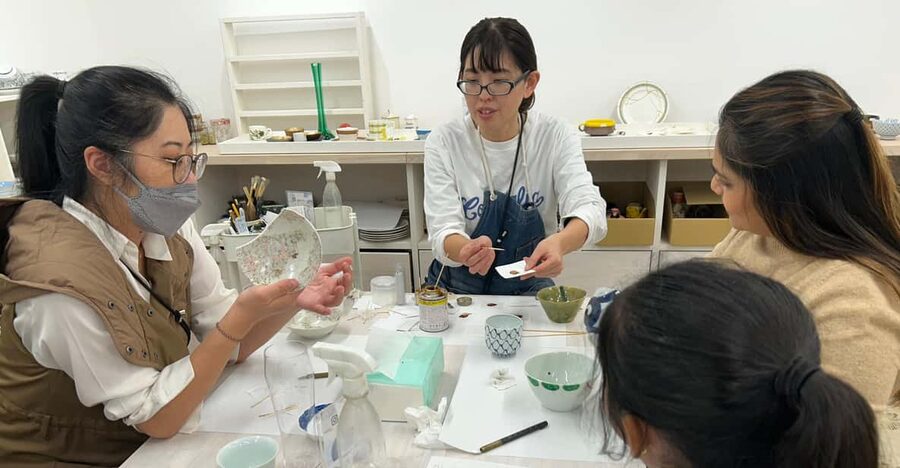
The repair process is careful rather than fast. You work along the broken area, use the lacquer to join and fill the seam, and apply gold powder so the line becomes the visual focus. The exact result will depend on your piece and your care. Do not expect a factory-perfect finish. The small irregularities are part of the point.
Anne has been praised for preparing the class thoroughly and explaining each stage clearly. Chiara was also praised for guiding the work while allowing the participant to remain responsible for the actual task. Those details suggest a class that teaches rather than simply produces a souvenir for you.
The quiet pleasure of a two-hour class
This is a calmer activity than many Tokyo sightseeing stops. There is no parade of famous sights and no race to keep up with a group. You sit, listen, handle the pottery, and give each step the attention it needs.
I especially like the two-hour format. A shorter class might leave you with a rushed repair and little understanding of the craft. A longer session could feel repetitive if you are working on a small plate. Two hours gives the activity enough room to feel worthwhile while leaving the rest of your day free.
The small group size, capped at six people, should help keep the room personal. You can ask about the philosophy, request help with a difficult seam, and compare the different ways people approach the same craft. It also suits solo visitors who want a social activity without joining a large tour.
The mood is reflective, but you should not confuse calm with passive. You will be working. Filing pottery for part of the session takes patience, and the repair itself requires concentration. If you want a quick, flashy activity, this may feel slow. If you like making things, the pace is a strength.
What you take home
At the end, you take home the piece you repaired. That gives the workshop a clear payoff. Your souvenir is not simply something purchased in a Tokyo shop. You helped create its final form.
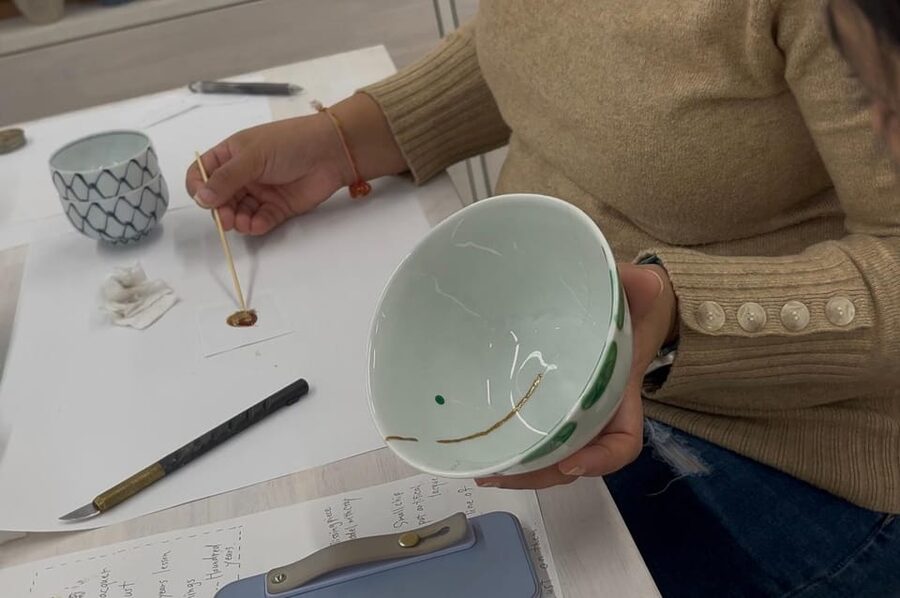
The finished object may be a plate or another small pottery piece, depending on what is arranged for the session. One completed project was described as a bowl with a single gilded crack. The available information does not promise a particular shape or number of breaks, so confirm this before booking if the final object matters to you.
The result will probably be more meaningful than polished. You may see uneven lines, a small repair, or a seam that records exactly where you worked. That is fitting for kintsugi. The gold is not there to disguise the damage, and the object is not meant to pretend it was never broken.
As a souvenir, it travels well in spirit but may need careful packing. The class information does not state how the finished piece is packaged or shipped, so ask the instructor if you are continuing your trip with luggage. You should also allow time for any handling instructions before placing it in your bag.
Is $63 plus the pottery fee good value?
The listed price is $63 per person, with another ¥1,000 to ¥2,000 for the plate. That places the total cost above the headline price, so budget for both parts from the start.
I see the value in the instructor, the small group, the materials, and the full two-hour session. You are not paying only for gold powder. You are paying for guidance through a delicate process, cultural explanation, and a finished object that carries your own work.
Still, the price is not automatically good value for everyone. If your main goal is to repair a large bowl or a substantial amount of pottery, you need to ask exactly what is included. One participant considered the experience expensive because the repair area was so small. That is a fair concern.
I would book this for the experience of learning and making, not for the quantity of pottery. If you measure value by the size of the finished object, the class may disappoint. If you value a calm cultural activity and a personal keepsake, the cost is easier to justify.
Who will enjoy this class most?
This workshop suits solo visitors, couples, friends, and families with children over about 12. The age guidance comes from the demands of the work rather than from a formal age rule. Filing pottery for roughly half an hour may be hard for very young children, and babies under one are not suitable for the activity.
It is also a good choice for anyone who wants a break from sightseeing. After several days of temples, shops, and train rides, sitting down to make something can reset your pace. You leave with a better sense of Japanese aesthetics and a souvenir that is tied to the time you spent in Tokyo.
You may want another activity if you dislike detailed manual work, need a large project, or expect to repair an entire bowl. The workshop is not presented as a production class. It is an introduction to kintsugi with a modest personal project.
The activity is listed as wheelchair accessible, but the same information also says it is not suitable for wheelchair users. That is a clear contradiction. Contact Bloom Voyage JP before booking if accessibility is important to you and ask about the exact room and work setup.
Practical booking details for Gakugei Daigaku
The instructor teaches in English. The group is limited to six, and starting times vary, so you need to check the available date and time before booking. If no slot appears on your preferred date, contact the provider through the WhatsApp number supplied with the booking information. The schedule may sometimes be adjusted.
You can cancel up to 24 hours in advance for a full refund. A reserve-now, pay-later option is also available, which helps if your Tokyo plans are still shifting.
The public score is 4.8 from 27 ratings, with especially strong praise for the instructors, clear step-by-step teaching, the relaxed two-hour pace, and the chance to take home the finished work. The one important warning is the size of the repair project. Ask about that before paying.
Should you book the kintsugi workshop?
Book it if you want a small, thoughtful Tokyo activity with real participation. The best parts are the English instruction, the six-person limit, the calm pace, and the way the finished pottery keeps a visible record of your work.
Before booking, confirm three things: the size and type of pottery, the amount you will repair, and the accessibility arrangements. The extra ¥1,000 to ¥2,000 plate fee also belongs in your budget.
I would recommend it to adults, older children, couples, friends, and solo visitors who enjoy patient craft work. I would skip it if you want a large ceramic project or a quick souvenir. For the right person, this is a satisfying reminder that a flaw can become the feature you value most.
FAQ
Where does the kintsugi workshop meet?
You meet the guide at Gakugei Daigaku Station in Tokyo. The guide sends a picture of themselves before the meeting time to help you identify them.
How long does the workshop last?
The activity lasts two hours. You should have time for the introduction, hands-on preparation, repair work, and finishing steps.
How much does the workshop cost?
The listed price is $63 per person. The plate is not included and costs approximately ¥1,000 to ¥2,000.
Is the pottery included?
No. The plate must be arranged separately, with a stated cost of about ¥1,000 to ¥2,000.
What materials are provided?
The main materials include artificial lacquer and gold powder. The workshop also provides the main tools used for the repair.
Is the class taught in English?
Yes. The instructor language is English. Anne and Chiara are among the instructors associated with the workshop.
Can I take my repaired pottery home?
Yes. You take home the piece you repair as a personal keepsake.
Can I cancel the booking?
You can cancel up to 24 hours before the activity for a full refund. A reserve-now, pay-later option is also available.
Just added in Tokyo
- The 10 Tastings of Tokyo With Locals: Private Street Food Tour★ 5.0 · 48 reviews
- Small Town in the Big City: Tasting Tokyo’s Kichijoji★ 5.0 · 195 reviews
- Small Town in the Big City: Tasting Tokyo’s Kichijoji★ 5.0 · 16 reviews
- EXCLUSIVE Tokyo Secret: Kichijoji Small-Group Food & Bar Hopping★ 5.0 · 29 reviews
- Explore Kichijoji: Walk Through One of Tokyo’s Beloved Districts★ 5.0 · 21 reviews
- :Tokyo,Shibuya/ Pro Photography in Kimono / English-Friendly★ 5.0 · 26 reviews
- 【R34】Tokyo:Private Daikoku tour in Modified R34★ 4.9 · 92 reviews
- Tokyo:Calligraphy &Make your original folding fan in Asakusa★ 5.0 · 62 reviews
Tours in Tokyo, compared.

Mt Fuji and Hakone 1-Day Bus Tour Return by Bullet Train
Read our review →


teamLab Planets TOKYO Digital Art Museum Entry Ticket
Read our review →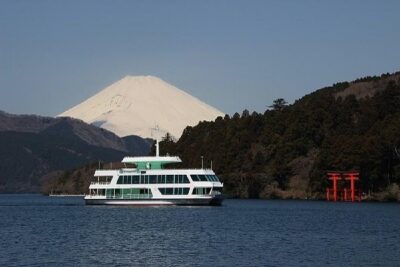
Mt Fuji & Hakone Cruise, Drum Show Bullet Train 1 Day from Tokyo
Read our review →
Sumo Show Experience with Chicken Hot Pot and a Photo
Read our review →
Shinjuku Food Tour (13 Dishes at 4 Local Eateries)
Read our review →