Reviewed · TOURS IN TOKYO
Tokyo: Making a Lantern Workshop in Asakusa with a Craftsman
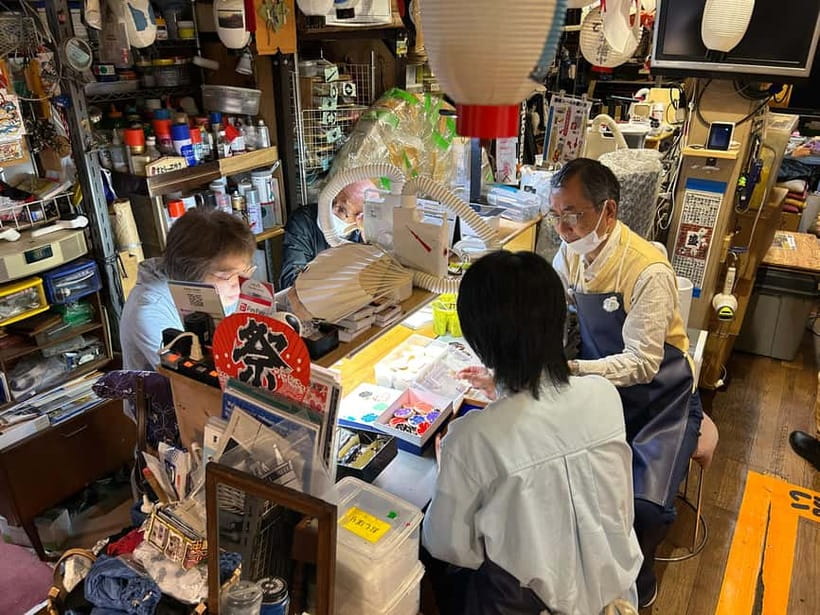
A paper lantern workshop may sound simple, but this one takes you into a 100-year-old traditional atelier filled with handmade chochin lanterns. You learn directly from a working craftsman, then use bamboo, washi paper, glue, brushes, and ink or paint to create a lantern of your own.
I especially like two things here: you leave with a useful souvenir rather than another shop purchase, and the setting near Tokyo Skytree gives the activity a strong sense of place. The main consideration is practical: the workshop moves to Ryogoku Kokugikan during the January, May, and September 2026 sumo tournaments, so check the address before you set out.
Key points at a glance
- A century-old craft setting: Make your lantern in a traditional Tokyo atelier, not a generic craft classroom.
- Real materials and skilled instruction: Work with bamboo, washi paper, glue, brushes, and traditional tools under a chochin artisan.
- A two-hour creative break: The pace gives you time for construction and careful calligraphy or decoration.
- A souvenir you actually make: Take home your own lantern, packed for the journey, and buy a professionally made one if you wish.
- English help is available: Guides including Rinka, Noriko, and David Park have assisted with explanations and communication.
- The meeting point changes in 2026: Outside tournament dates, go to Yokokawa. During the three official sumo periods, meet at Ryogoku Kokugikan.
Inside the traditional lantern atelier
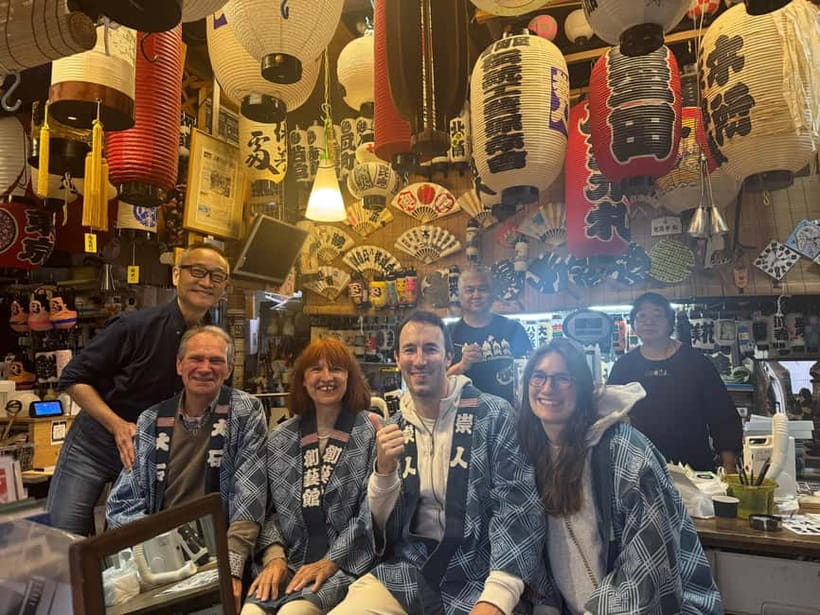
The appeal begins before you touch the materials. You enter a working workshop where colorful paper lanterns hang around you in different shapes and sizes. That visual setting matters. It gives you a sense of the finished craft and helps you see that a chochin is more than a decorative paper shade.
The regular atelier is at 2-10-8 Yokokawa in Sumida City, close to the Tokyo Skytree and Oshiage Station area. It is a good fit for an afternoon in eastern Tokyo, especially if you want something quieter and more hands-on after seeing major sights.
The space is described as a family business, with the craftsman working alongside assistants and interpreters. That gives the activity a personal feel. You are not simply watching a demonstration from a distance. You sit down, ask questions through the English-speaking guide, and work through the process with help close by.
I like that the workshop keeps the focus on the craft itself. You get an introduction to the origins and meaning of Japanese chochin, then move into making. The cultural explanation is useful because it connects the materials and methods to everyday Japanese design rather than treating the lantern as just a souvenir.
Other experiences people book in Tokyo:
- Mt Fuji and Hakone 1-Day Bus Tour Return by Bullet Train
★ 5.0 · 26,383 reviews - 1-Day Tokyo Bus Tour
★ 5.0 · 14,250 reviews - Tokyo: TOKYO SKYTREE® Admission ticket
★ 4.5 · 11,192 reviews
Learning from the master craftsman
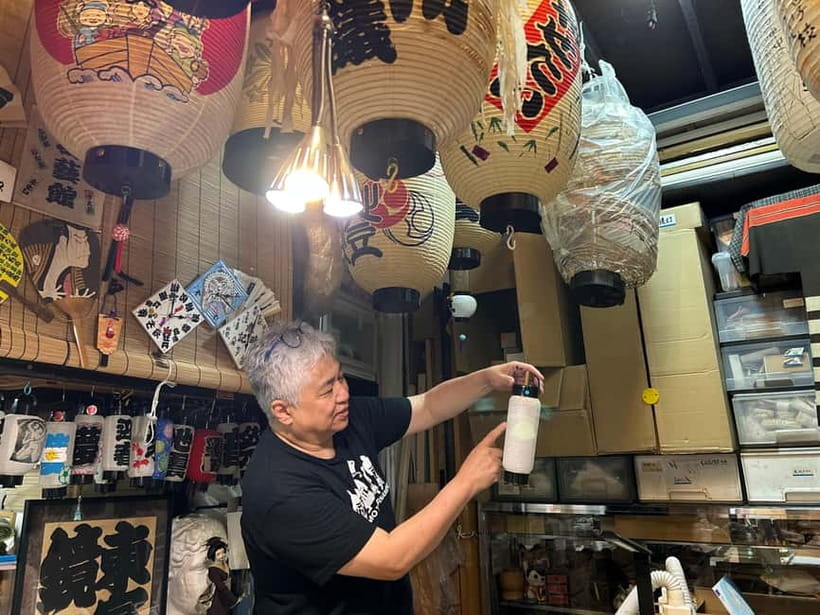
The workshop is led by a real chochin artisan, with an assistant or English-speaking guide helping you follow the instructions. Names associated with the experience include Rinka, Noriko, and David Park. Master Oyakata and Co-master Uehala are also identified as instructors connected with the craft lessons.
You do not need previous artistic experience. The activity is designed for beginners aged six and up, and the instruction is meant to guide you step by step. That is important for families and anyone who worries that a handmade project might be too difficult.
The most valuable part may be the close look at the work behind the decoration. One participant noted that the calligraphy took time, which is a useful warning: the lettering and painted details are not a rushed afterthought. You may need much of the two-hour session to finish carefully.
I would approach the class with patience rather than trying to produce a perfect object. The point is to understand the process and make something personal. Small differences in brushwork are part of the charm, and the master’s guidance lets you see how much skill goes into a professionally finished lantern.
English support also helps this feel more relaxed. The guides can explain the steps and help you communicate with the master. Noriko was praised for helping with communication, while Rinka also offered suggestions for other things to do in Tokyo. Those extra conversations can be useful if you are still planning your days.
Making a chochin with washi and bamboo
The included materials are bamboo, washi paper, glue, brushes, and the supplies needed for decoration. You work with traditional materials rather than a modern craft kit assembled for tourists. That makes the finished lantern more meaningful, even though you are still getting plenty of assistance.
The process combines structure and surface design. Bamboo provides the lantern’s framework, while washi paper forms the body. Glue holds the parts together, and brushes, ink, or paint let you add your own design.
The workshop description does not promise a fixed pattern or a single style, so the final appearance can reflect your choices. You might use a simple design, add painted color, or spend extra time on calligraphy. Ask the guide how much time is available for decoration before you begin so you can plan your design.
Wear clothes you do not mind getting stained. Ink and paint may be part of the activity, and this is one of the few practical cautions worth taking seriously. I would also keep sleeves manageable and avoid bringing anything delicate into the work area.
The class is suitable for solo participants, couples, families, and groups of friends. A solo visitor can work comfortably with the guide and artisan, while children age six and up can take part with adult attention as needed. The activity is creative without requiring athletic effort, making it a sensible choice on a day when your feet need a break.
Why the two-hour timing matters
Two hours is a useful length for this project. It is long enough to explain the background, show the construction, let you decorate, and give you time to finish without turning the workshop into an all-day commitment.
The timing is especially helpful if you want to include calligraphy or detailed painted work. A shorter class might leave you with a basic object and little time for personal touches. Here, the full session allows the decoration stage to matter.
At the same time, you should not expect a slow museum visit or a long lecture. This is a practical class. The introduction leads into making, and much of your time is spent handling the materials.
I would schedule it when you can arrive calm and unhurried. The workshop is in eastern Tokyo, and the meeting point can change during sumo season. Rushing across the city risks missing the explanation at the start, which is the part that gives the activity its cultural context.
Same base, a different sort of day:
- Tokyo: teamLab Planets TOKYO Digital Art Museum Entry Ticket
★ 4.6 · 9,779 reviews - Mt Fuji & Hakone Cruise, Drum Show Bullet Train 1 Day from Tokyo
★ 4.0 · 7,413 reviews - Tokyo: Sumo Show Experience with Chicken Hot Pot and a Photo
★ 4.8 · 6,678 reviews - Tokyo: Shinjuku Food Tour (13 Dishes at 4 Local Eateries)
★ 5.0 · 6,603 reviews
The lantern you take home
The strongest value is that you make and keep your own lantern. It is a physical reminder of your time in Tokyo, but it also records your decisions, handwriting, and brushwork. That makes it more personal than a lantern bought from a department store.
The completed lanterns are carefully packaged for the trip home. That is a welcome detail, since paper and bamboo can be awkward to carry in a suitcase. Still, you should leave room for it and handle the package with care once you receive it.
You can also buy a professionally made lantern on-site. This gives you two choices: take home your own work, or purchase a more polished example made by the master as a gift or collectible. The price of that additional lantern is not provided, so treat it as an optional expense rather than part of the $96 workshop fee.
I see this as a good value for people who want a cultural activity with a lasting result. At $96 per person, it costs more than a short souvenir-making class, but the fee includes two hours of instruction, all materials, English assistance, and your completed lantern. The traditional setting and direct contact with the craftsperson add to the value.
The price is harder to justify if you only want a quick photo or a cheap craft. This class is for you if the making process matters as much as the object.
Combining the workshop with Tokyo sightseeing
The regular location is in Sumida City near Tokyo Skytree and Oshiage Station. That makes it easy to pair the workshop with sightseeing in the Skytree area, though transportation to and from the venue is not included.
Plan your route carefully and check the exact booking information for the day. The regular workshop address is:
2-10-8 Yokokawa, Sumida City, Tokyo, postal code 130-0003.
During official Grand Sumo Tournament periods in 2026, the activity moves to the Ryogoku Kokugikan area. The special venue is on the first floor of Ryogoku Kokugikan at 1-3-20 Yokoami, Sumida City, postal code 130-0015.
The change applies on these dates:
- January 11 to January 25, 2026
- May 10 to May 24, 2026
- September 13 to September 27, 2026
The special location may feel different from the regular family atelier. You should not assume the same room or atmosphere, since the experience is being held at another venue. That is the main logistical drawback, but it can also work well if you are already visiting Ryogoku for sumo-related sightseeing.
The meeting point does not change outside those tournament periods. Even so, check your booking confirmation before leaving your hotel. The address difference is substantial enough to cause a wasted trip if you rely on memory.
Who will get the most from this class
I would recommend the workshop to you if you want a small-group cultural activity with a clear result. It suits people who enjoy making things, families with children age six and up, solo visitors, and couples looking for a quieter date activity.
It is also a good choice if you have already seen Tokyo’s major attractions and want an activity that connects you with a traditional trade. The workshop offers conversation and instruction, rather than simply another stop for photographs.
The class may be less suitable if you dislike paint, detailed handwork, or taking home a fragile item. It is also not available to children under six. Since meals and drinks are not included, plan those separately.
Wheelchair access is listed, and the activity is offered in Japanese and English. Bring a passport or ID card. Pets, alcohol, and drugs are not allowed.
The experience has received a top rating across 20 assessments, with repeated praise for the friendly welcome, patient instruction, quality of the lanterns, and thoughtful help from the guides. The consistent point is not flashy entertainment. It is the warmth of the people running the workshop and the satisfaction of completing a real object.
Booking, cancellation, and practical value
Reservations are required in advance. You can cancel up to 24 hours before the activity for a full refund, and a reserve-now, pay-later option is available. Those terms are useful if your Tokyo schedule is still changing.
The activity lasts two hours, but allow extra time for transportation and finding the correct meeting point. The workshop itself does not include hotel pickup, local transit, food, or drinks.
Bring your identification, wear clothes suitable for ink or paint, and arrive ready to work with your hands. You can take photographs in the studio, which is worthwhile because the hanging lanterns provide a colorful backdrop. Just keep your attention on the craft while the materials are being handled.
The activity is wheelchair accessible, but the supplied information does not describe the exact room layout or restroom arrangements. If you need specific access details, confirm them before booking.
Should you book the Tokyo lantern workshop?
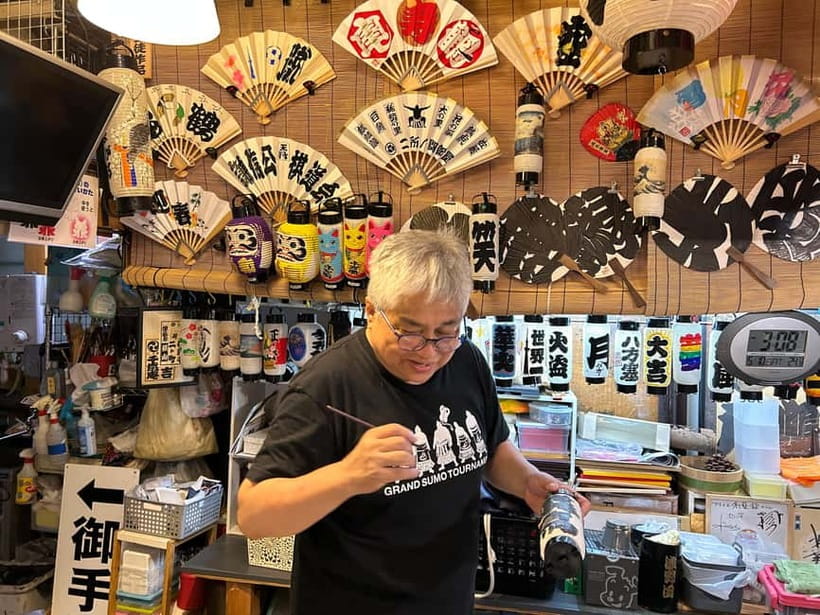
Book this if you want more than a purchased souvenir. For $96, you get a personal introduction to chochin making, traditional materials, English assistance, and a lantern that carries your own mark. The two-hour format is long enough to make the project feel real without taking over your day.
I would especially choose it for a family, solo visit, or creative break near Tokyo Skytree. Skip it if you prefer fast sightseeing, dislike careful handwork, or have no interest in carrying a handmade paper lantern home.
Check the date and venue before you go, wear clothes that can handle paint, and leave time for the decoration stage. With those details in place, this is a thoughtful way to spend part of a Tokyo day and meet a living craft through your own hands.
FAQ
How long does the lantern workshop last?
The workshop lasts two hours.
Where is the regular workshop held?
The regular workshop is at 2-10-8 Yokokawa, Sumida City, Tokyo, postal code 130-0003, near the Tokyo Skytree and Oshiage Station area.
Does the meeting point change during sumo tournaments?
Yes. During the January, May, and September 2026 Grand Sumo Tournament periods, the workshop moves to the first floor of Ryogoku Kokugikan at 1-3-20 Yokoami, Sumida City, Tokyo.
What are the 2026 tournament dates that use the special venue?
The special venue applies from January 11 to January 25, May 10 to May 24, and September 13 to September 27, 2026.
What materials are included?
The fee includes bamboo, washi paper, glue, brushes, and the other materials needed for the guided lantern-making workshop.
Can children join the activity?
Children age six and up can take part. Children under six are not suitable for this experience.
Is English assistance available?
Yes. The activity is offered in Japanese and English, with an English-speaking guide or interpreter available.
What should I bring and wear?
Bring a passport or ID card. Wear clothes you do not mind getting stained because the workshop may involve ink or paint.
Just added in Tokyo
- The 10 Tastings of Tokyo With Locals: Private Street Food Tour★ 5.0 · 48 reviews
- Small Town in the Big City: Tasting Tokyo’s Kichijoji★ 5.0 · 195 reviews
- Small Town in the Big City: Tasting Tokyo’s Kichijoji★ 5.0 · 16 reviews
- EXCLUSIVE Tokyo Secret: Kichijoji Small-Group Food & Bar Hopping★ 5.0 · 29 reviews
- Explore Kichijoji: Walk Through One of Tokyo’s Beloved Districts★ 5.0 · 21 reviews
- :Tokyo,Shibuya/ Pro Photography in Kimono / English-Friendly★ 5.0 · 26 reviews
- 【R34】Tokyo:Private Daikoku tour in Modified R34★ 4.9 · 92 reviews
- Tokyo:Calligraphy &Make your original folding fan in Asakusa★ 5.0 · 62 reviews
Tours in Tokyo, compared.

Mt Fuji and Hakone 1-Day Bus Tour Return by Bullet Train
Read our review →

teamLab Planets TOKYO Digital Art Museum Entry Ticket
Read our review →
Mt Fuji & Hakone Cruise, Drum Show Bullet Train 1 Day from Tokyo
Read our review →
Sumo Show Experience with Chicken Hot Pot and a Photo
Read our review →
Shinjuku Food Tour (13 Dishes at 4 Local Eateries)
Read our review →