
Reviewed · SIGHTSEEING BUS TOURS
Tokyo: A Half-Day Trip Bus Tour in the Morning
Tokyo makes you work for its highlights. They are spread across a huge city, and getting from the Imperial Palace to Asakusa to Tokyo Tower can take patience, map reading, and several train changes. This four-hour hybrid bus tour puts those three major sights into one tidy outing, with an English-speaking guide to explain what you are seeing.
I like the efficient route and the guides, who add much more than directions. Guides such as Aki, Kumiko, Yuko, and Atsushi have been praised for clear English, humor, history lessons, and small cultural touches such as Japanese phrases and kimono demonstrations. The main drawback is that you see the outer grounds of the Imperial Palace, not the palace itself, and the schedule gives you only a first look at each area.
Key points at a glance
- Three famous sights in one morning: Visit the Imperial Palace outer garden, Tokyo Tower, and Sensō-ji without arranging separate transport.
- A guide who adds context: Expect explanations about the emperor, Shinto, Buddhism, temple customs, and Tokyo’s past.
- Useful free time in Asakusa: You can explore Nakamise shopping street, eat local snacks, and buy souvenirs after the guided portion.
- Comfortable transport between distant districts: The air-conditioned hybrid bus is especially welcome in Tokyo’s hot summer months.
- Good value at $40: Entrance fees and a licensed English-speaking guide are included.
- Best for a first Tokyo day: The tour helps you get your bearings before returning to neighborhoods on your own.
Why this bus tour works well in a city this large
Tokyo is not one compact sightseeing center. The Imperial Palace sits near the business districts, Asakusa is northeast beside the old Sumida area, and Tokyo Tower rises south of the palace. On a rail map, these stops look manageable. In practice, station walks, transfers, crowds, and navigation can eat up much of your day.
This tour handles the movement by bus. You can sit back between stops, listen to commentary, and save your energy for walking at the sights. The vehicle is a modern hybrid bus, and its air conditioning has been particularly useful during Tokyo’s hot months, when temperatures can rise above 35 degrees Celsius.
The advertised duration is four hours, though the activity information also lists 270 minutes. That difference is small but worth noting when planning a train departure or another booking. Allow extra time around the stated schedule, especially if traffic is heavy or a stop is crowded.
At $40 per person, this is a solid price for a guided introduction. You receive transportation between three districts, the Tokyo Tower observation admission, and a professional licensed English-speaking guide. You are not paying for a full-day deep look at Tokyo, but you are buying convenience and a useful orientation.
Other tours by coach from Tokyo:
- Mt Fuji and Hakone 1-Day Bus Tour Return by Bullet Train
★ 5.0 · 26,383 reviews - 1-Day Tokyo Bus Tour
★ 5.0 · 14,250 reviews - Tokyo Mt Fuji 5th St & Hakone Cruise Bus Tour w/Bullet Train
★ 4.4 · 5,024 reviews
Starting from Tokyo or Shinjuku
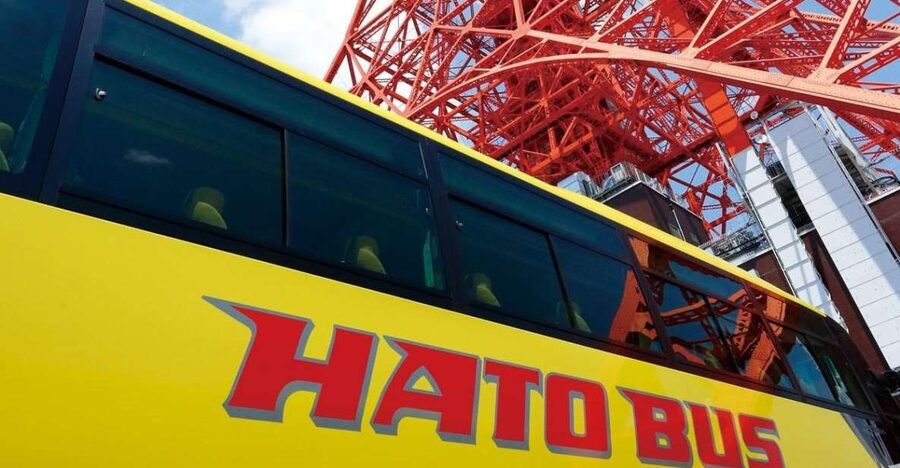
You can choose a departure from the Hato Bus Tokyo office or from the Hato Bus meeting point near Shinjuku Station East Exit, depending on the option booked. This choice matters. Shinjuku is handy if you are staying in western Tokyo, while the Tokyo departure can be better if you are near Tokyo Station or planning to continue toward the eastern side of the city.
Hotel pickup and drop-off are not included. You need to reach the selected meeting point yourself, so check the exact departure location before setting out. The Shinjuku meeting point has been described as easy to find, with staff or greeters helping people board.
The bus is a practical choice if you have luggage or mobility concerns, but you still need to manage a few steps when getting on and off. The activity is listed as wheelchair accessible, though the step warning means you should consider your own boarding needs and confirm details when booking.
The groups appear to be modest in size on some departures, with one account describing about 20 people. Group size can vary, but this is not presented as a huge sightseeing coach operation. That makes it easier to hear the guide and keep track of the group.
Imperial Palace outer garden and Nijubashi Bridge
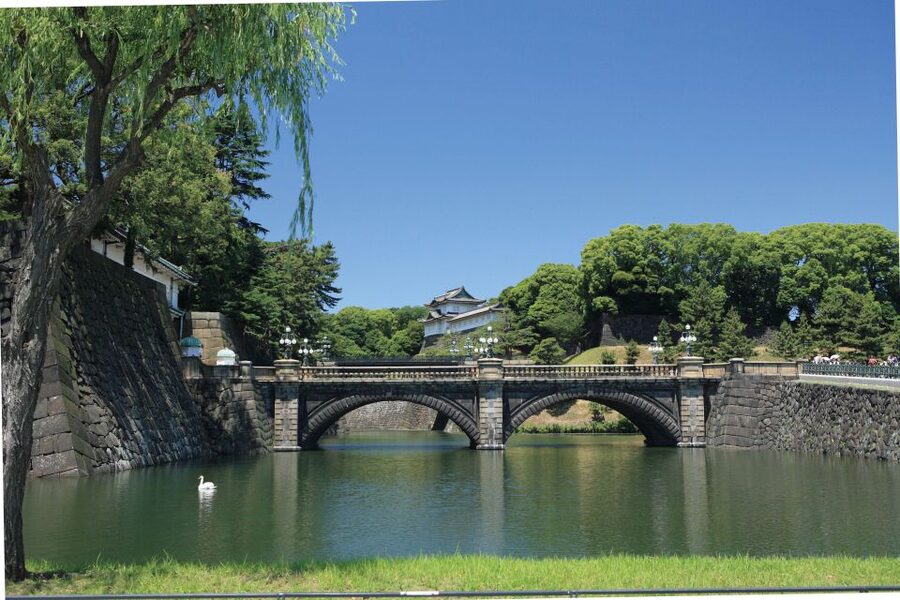
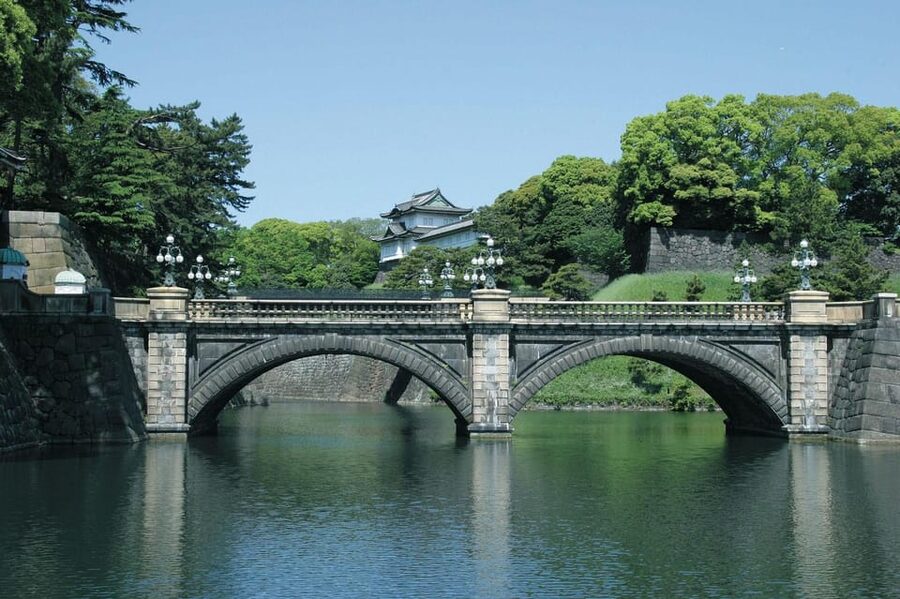
The first sightseeing stop is the Imperial Palace outer area. You do not enter the palace itself, and the East Gardens are not included. That limitation is clearly important: if your main goal is to walk inside the palace grounds, this is not the right tour.
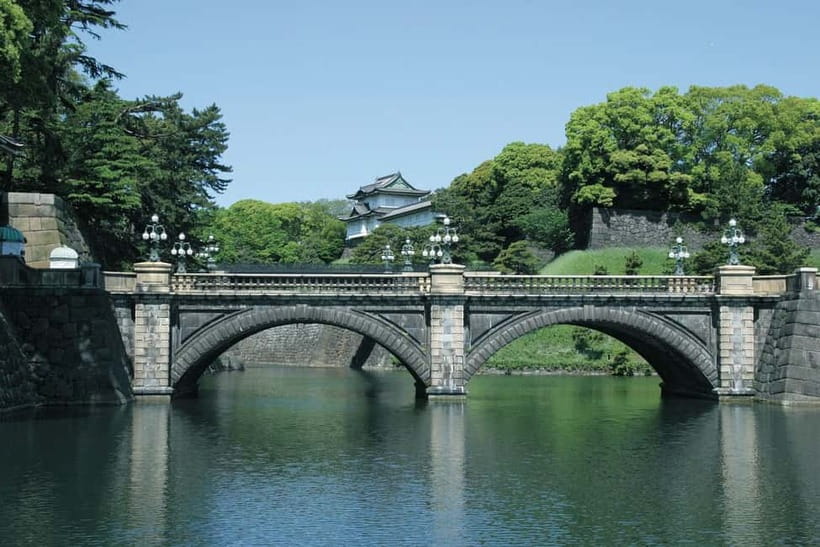
You do, however, get a view of one of Tokyo’s most recognizable palace scenes. The stop includes the statue of Masashige Kusunoki and a walk toward Nijubashi Bridge. The bridge area offers historic architecture, open space, and a sense of the imperial compound without requiring an interior visit.
The scheduled time here is about 40 minutes. That is enough for photographs, a short walk, and an explanation of the area. It is not enough for a slow stroll through every garden or a detailed visit to the palace grounds. I see this stop as a visual introduction rather than a full palace tour.
A good guide can make the difference here. The palace area can seem broad and slightly abstract if you do not know what you are looking at. Guides have used old photographs and stories about the emperor and Tokyo to connect the modern city with the site’s past. You will get more from this stop if you listen closely before taking your photos.
Comfortable shoes help. The walk is not described as strenuous, but the tour includes several stops and some movement over outdoor paths. In summer, bring water and sun protection. In wet weather, the palace view is still worthwhile, but your photos may be less dramatic.
Tokyo Tower at 150 meters
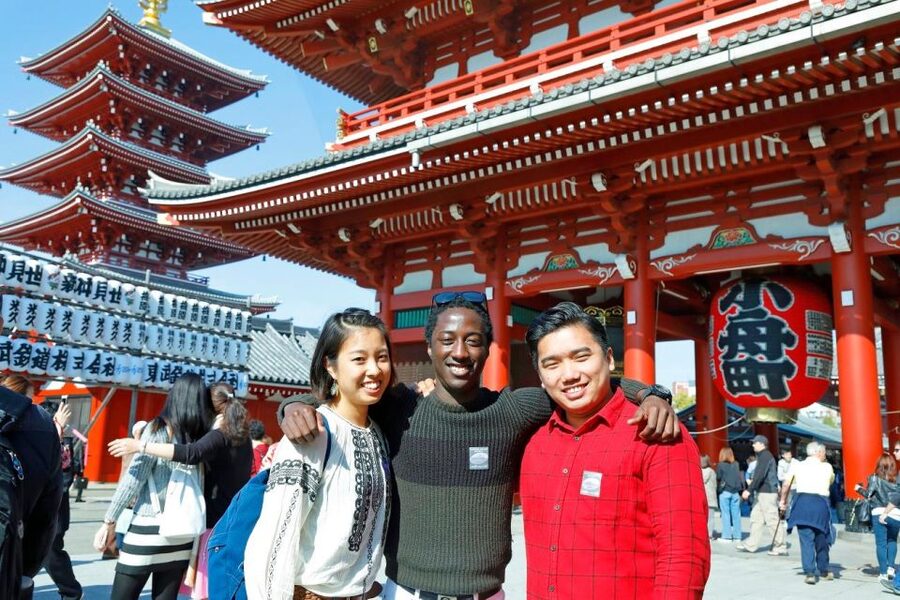
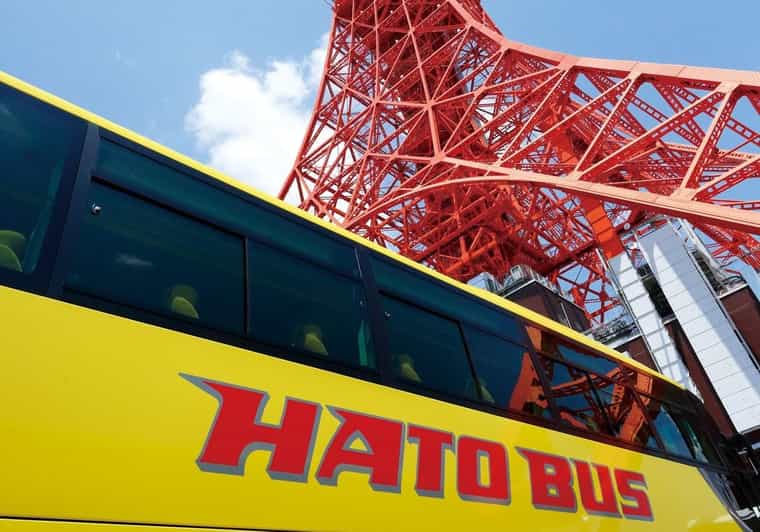
Tokyo Tower is the tour’s main elevated viewpoint. You visit the main observatory, 150 meters above the ground, for broad views across the capital. On a clear day, you may even spot Mount Fuji.
The scheduled visit lasts about 40 minutes. That gives you time to take in the view, photograph the tower’s structure, and look across Tokyo’s dense urban spread. It is a quick stop, not an extended tower visit with time for every attraction inside the complex.
Weather matters here. Clouds, haze, rain, and summer humidity can limit distant views, so Mount Fuji is never guaranteed. Even on a hazy day, the height gives you a useful sense of Tokyo’s size and helps you understand how far apart your other stops are.
The bus makes this stop especially convenient. Reaching Tokyo Tower independently is not difficult, but the surrounding streets and transport choices can take time when combined with two other sights. Here, you arrive as part of a planned route, enter with admission included, and return to the bus after the viewing time.
Families and first-time visitors tend to get good value from this stop because it delivers an immediate city overview. If you have already visited Tokyo Tower, the limited time may feel less important than the temple stop. For a first visit, it is one of the clearest ways to see Tokyo from above.
Same base, a different sort of day:
- Tokyo: TOKYO SKYTREE® Admission ticket
★ 4.5 · 11,192 reviews - Tokyo: teamLab Planets TOKYO Digital Art Museum Entry Ticket
★ 4.6 · 9,779 reviews - Mt Fuji & Hakone Cruise, Drum Show Bullet Train 1 Day from Tokyo
★ 4.0 · 7,413 reviews - Tokyo: Sumo Show Experience with Chicken Hot Pot and a Photo
★ 4.8 · 6,678 reviews
Sensō-ji and the old streets of Asakusa
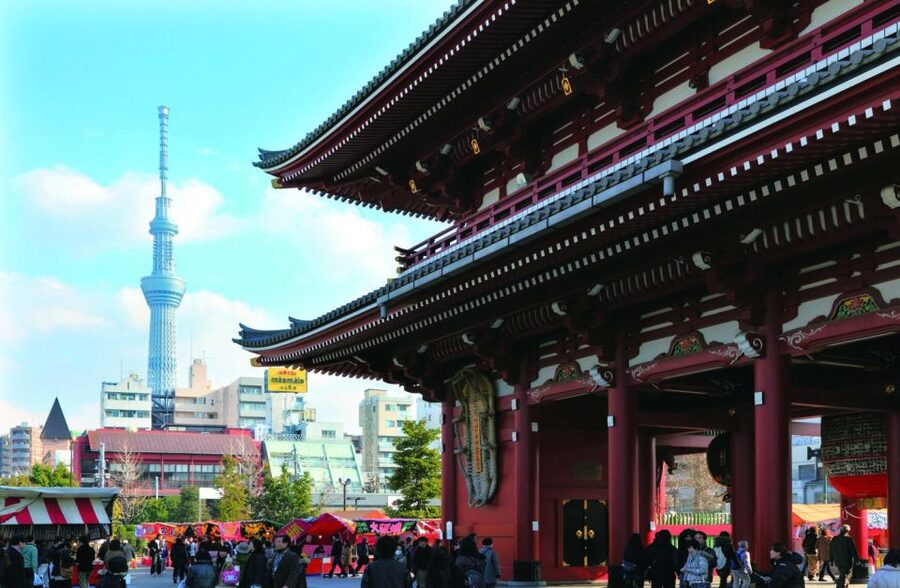
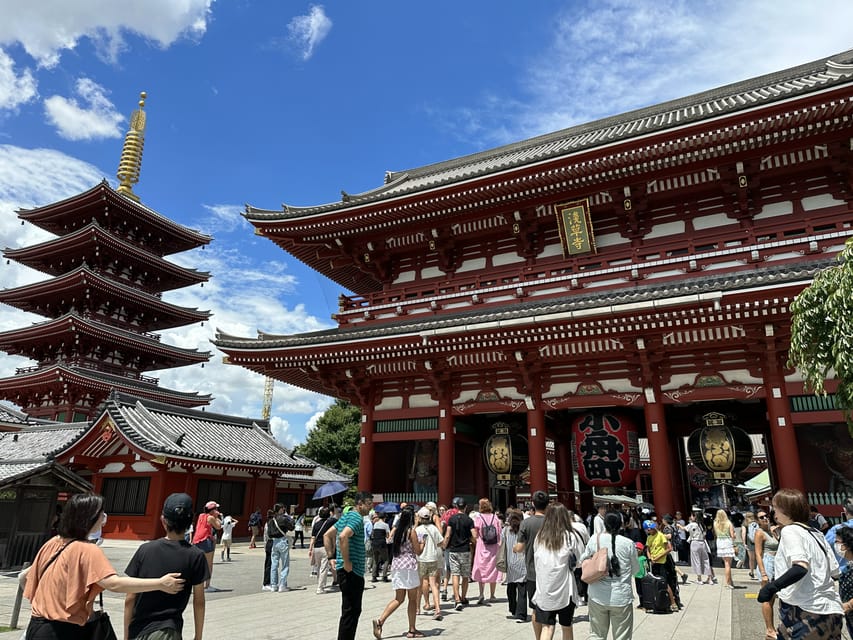
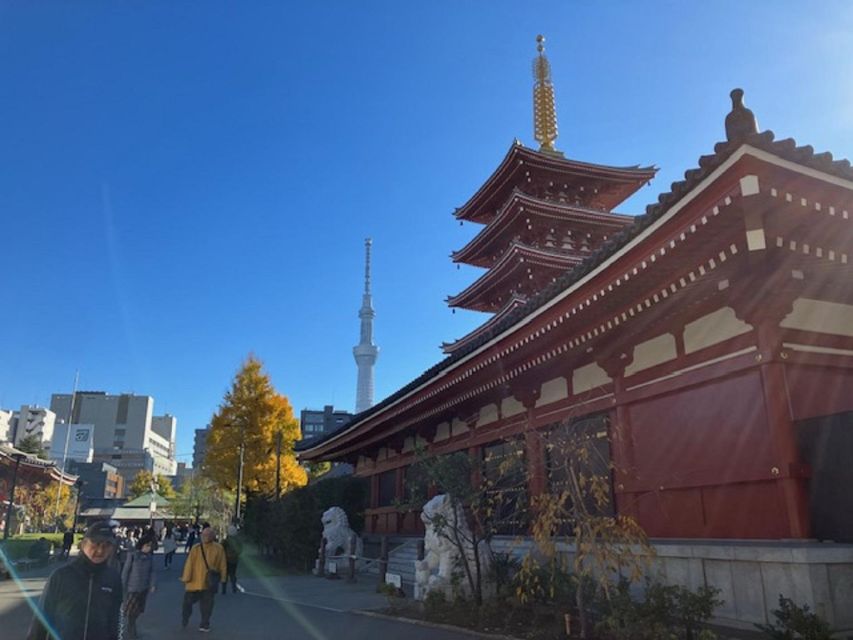
Sensō-ji, also called Asakusa Kannon Temple, is the oldest temple in Tokyo. This is the longest stop, with about one hour for a guided visit, photographs, shopping, and independent exploration.
The guide explains the temple’s traditional craftsmanship and helps you understand the difference between Buddhist temples and Shinto shrines. You may also learn how to pray, how to approach the religious buildings, and why certain customs matter. That basic instruction is useful because it lets you take part respectfully rather than simply walk through taking pictures.
After the guided portion, you have free time around Nakamise, the approximately 200-meter shopping street leading through the temple complex. This is where the tour becomes more flexible. You can browse souvenirs, try snacks, and look for a meal at your own expense.
Bring some cash. One account specifically notes that the market is mostly cash only, so do not depend entirely on a card or mobile payment. The stop is busy, particularly around holidays and popular sightseeing hours. Keep track of the bus meeting time and the guide’s instructions before wandering off.
One minor weakness is that it can be easy to lose sight of the guide in Asakusa. The open temple area and crowded shopping street make group cohesion important. If you want a very personal exploration, listen carefully for the meeting point and time, then use your free period independently.
I like ending here. Unlike the palace and Tokyo Tower, Sensō-ji gives you room to make your own choices. You can stay focused on the temple, shop along Nakamise, or find a quick bite nearby after the organized part ends. If your tour returns to the original starting point, you can also use the guide’s suggestions for more Tokyo sightseeing afterward.
What the English-speaking guides add
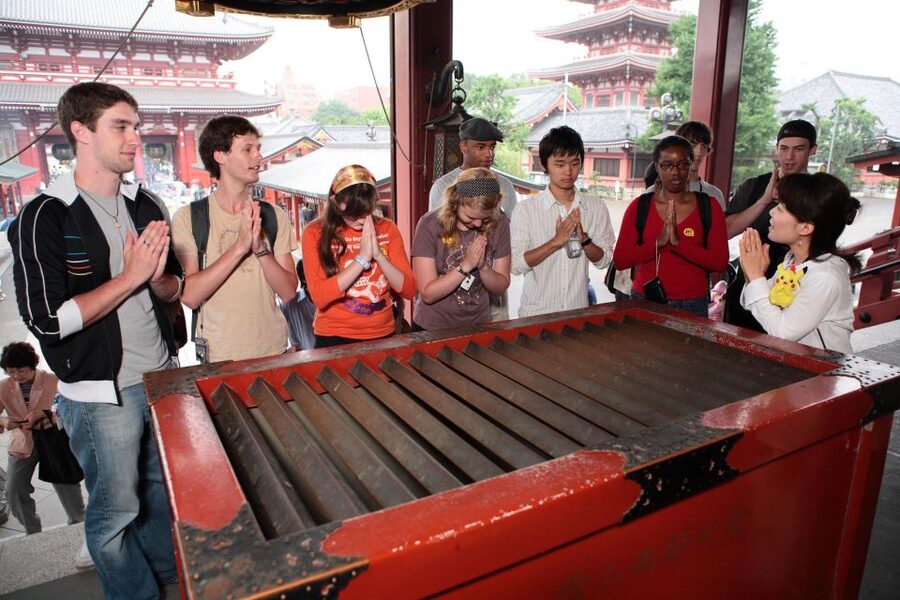
The guide is one of the strongest reasons to choose this tour instead of simply taking trains between the same sights. The activity uses nationally certified English-speaking guides, and the names vary by departure. Past guides have included Aki, Kumiko, Yuko, Atsushi, Azumi, Makoto, Takako, Koyiko, and Shota.
The best guides do more than recite dates. Kumiko has explained Japanese history, the imperial family, temple and shrine customs, and ordinary greetings. Aki has added humor, helped with photographs, taught Japanese phrases, and even demonstrated how she puts on a kimono and obi. Yuko has used simple language and playful activities to make the cultural information easier to remember.
You should expect a mix of commentary while riding and explanations at the sights. English ability is a key part of the experience, and the guide is specifically assigned to conduct the tour in English. The quality of the day depends partly on the individual guide, but the repeated praise for clear explanations and friendly care is encouraging.
This is a good choice if you want cultural background without committing to a private guide. It is also helpful if you are visiting Japan for the first time and want someone to explain the basics of the emperor, Buddhism, Shinto, and temple etiquette in plain English.
Timing, crowds, and the pace of the visit
The tour covers a lot, but it does not try to give you a complete visit to any one attraction. The palace stop is roughly 40 minutes, Tokyo Tower about 40 minutes, and Sensō-ji about an hour. The remaining time goes toward driving, boarding, commentary, and moving through the city.
That pace works best if you want a first look at three major sights. Several guide-led activities in Tokyo can feel rushed, but the timing here is designed around simple goals: see the setting, hear the essential background, take photographs, and move on.
Crowds can change the experience. Sensō-ji is often busy, and holiday traffic may make the bus journey slower. Tokyo Tower can also be crowded, even when the stop itself is well organized. You should not expect empty temple paths or a private viewpoint.
The morning departure is useful for getting your main sightseeing done early, leaving time afterward for a neighborhood such as Shibuya, Ueno, Ginza, or another part of Tokyo. The supplied schedule also describes a return to the original starting point, although one account noted that a particular departure did not end there. Confirm your chosen option and listen carefully to the final instructions.
Who should book it
I would choose this tour if you are in Tokyo for only a short stay, are visiting for the first time, or would rather not manage several train connections on your first morning. It also suits families and older visitors who value a seated ride between long walking sections.
It is a particularly good fit if you want a guide to explain customs and history. The information turns familiar photo stops into places with meaning. You will come away knowing more about why Nijubashi matters, how temple visits work, and what you are seeing from Tokyo Tower.
You may prefer independent sightseeing if you want hours inside the Imperial Palace East Gardens, a long Tokyo Tower visit, or an unhurried afternoon in Asakusa. The tour gives you an efficient introduction, not a slow, specialized study of Tokyo.
Children under six can ride free, but no seat is provided for them. That detail is important for families. Older children may enjoy the bus and tower, while parents should decide if a lap-only arrangement is practical for their youngest child.
Free cancellation up to 24 hours before departure and reserve-now, pay-later booking add flexibility. These policies are useful when your Tokyo plans may shift, though you should still check the exact terms attached to your selected date.
Is this $40 Tokyo tour worth booking?
Yes, if you want three essential Tokyo sights without spending your first day figuring out the transport system. The combination of bus travel, admission to Tokyo Tower, and a licensed English-speaking guide gives the $40 price good value.
Book it for orientation, context, and convenience. Do not book it expecting entry into the Imperial Palace, long visits at each stop, or a quiet temple experience. The smartest plan is to treat the tour as your Tokyo introduction, then return later to the area that interests you most.
Choose the departure point closest to your accommodation, carry cash for Nakamise, wear comfortable shoes, and keep the meeting instructions handy in Asakusa. With those small preparations, this is an efficient way to see Tokyo’s imperial, traditional, and modern sides in one morning.
FAQ
How long does the Tokyo bus tour last?
The stated duration is four hours, while the activity details also list 270 minutes. Check the available start times and allow some flexibility for traffic.
What sights are included?
The tour visits the Imperial Palace outer area, Tokyo Tower, and Sensō-ji Temple in Asakusa.
Can I enter the Imperial Palace?
No. The tour visits the outer garden area around Nijubashi Bridge. Entry to the Imperial Palace itself is not included, and the East Gardens are also excluded.
Is Tokyo Tower admission included?
Yes. Admission to the main observatory at 150 meters is included.
Can I see Mount Fuji from Tokyo Tower?
You may see Mount Fuji if the weather is clear. Visibility depends on conditions on the day.
Where does the tour depart?
Depending on the option booked, departure is from the Hato Bus Tokyo office or the Hato Bus meeting point near Shinjuku Station East Exit.
Does the tour provide hotel pickup?
No. Hotel pickup and drop-off are not included. You need to reach the selected meeting point yourself.
Is the tour conducted in English?
Yes. A nationally certified English-speaking guide conducts the tour in English.
Is the bus wheelchair accessible?
The activity is listed as wheelchair accessible. You should also note that a few steps are required when boarding and leaving the bus.
Can young children join the tour?
Children from age zero to under six can travel free, but they do not receive a seat. Consider this when deciding if the arrangement suits your family.
Just added in Tokyo
- Nikko: Edo Wonderland Edomura Cultural Theme Park Ticket★ 4.3 · 205 reviews
- 《MEMBERS-ONLY-BAR-HOPPING》Discover Your Special Whiskey in Tokyo!★ 5.0 · 29 reviews
- Japanese Whisky Hunting《HIGH-QUALITY-ONLY》Rare Tasting Class★ 5.0 · 20 reviews
- Luxury Tokyo Sake, Cocktail, Whisky and Pairing Tour★ 5.0 · 18 reviews
- Wagyu & Sake Pairing in Shinjuku – Steak, Shabu-Shabu & More★ 5.0 · 112 reviews
- Small-Group Wagyu Beef and 7 Japanese Dishes Tokyo Cooking Class★ 5.0 · 190 reviews
- From Tokyo: Private Tour to Fuji/Hakone – Onsen, Art, Nature★ 5.0 · 116 reviews
- Tokyo: KABUKI Show at Kabukiza Theatre Admission Ticket★ 4.8 · 152 reviews
Sightseeing Bus Tours, compared.
Mt Fuji and Hakone 1-Day Bus Tour Return by Bullet Train
Read our review →
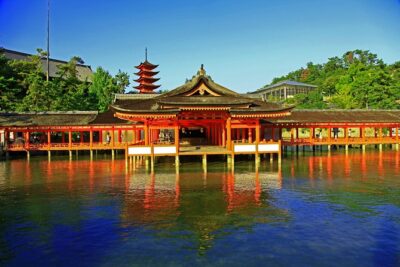
Peaceful Hiroshima & Miyajima UNESCO 1 Day Bus Tour
Read our review →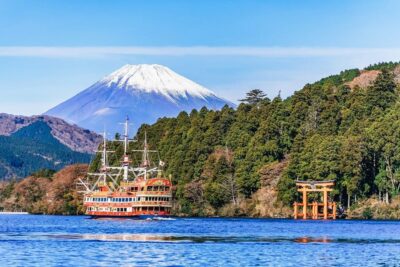
Tokyo Mt Fuji 5th St & Hakone Cruise Bus Tour w/Bullet Train
Read our review →
Meiji Shrine, Asakusa, Skytree Bus Tour and Cruise
Read our review →
Kyoto/Osaka: Nara, Fushimi Inari Taisha, Arashiyama Bus Tour
Read our review →Browse the lists this tour appears in