Reviewed · TOURS IN TOKYO
Tokyo: Off the Beaten Path Private Guided Tour
Tokyo’s best moments are not always found beneath neon signs. This private six-hour tour takes you into old neighborhoods such as Shibamata, Yanaka, Nezu, and Fukagawa, where small shops, residential streets, temples, snacks, and everyday city life replace the usual checklist of major sights. Your guide can build the day around your interests, or plan a route for you.
I especially like the one-to-one flexibility and the chance to explore places such as Shibamata’s century-old shops and Kappabashi’s kitchen stores. Guides including An, Naoko, Yoko, and Kei have adjusted plans for extra stops, local shopping, and residential areas. The main drawback is that $151 per person does not include food, entrance fees, or transportation, so the final cost depends on your route and group size.
Key points to know before booking
- Your route is genuinely flexible: Ask for old neighborhoods, food shops, ceramics, residential streets, or classic sights.
- The guide is nationally licensed: Guides hold Japan’s government-issued Tour Guide-Interpreter certification.
- Shibamata offers old Tokyo flavor: Expect historic shops, senbei rice crackers, chewy rice balls, and other local snacks.
- Yanaka Ginza keeps its local character: The small shopping street mixes Edo-era atmosphere with modern stores and handicrafts.
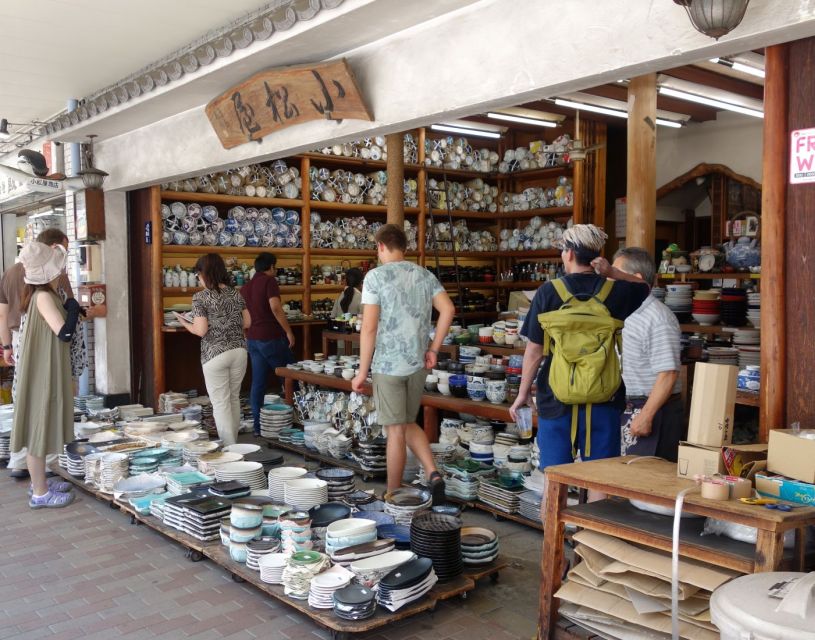
- Kappabashi is ideal for food lovers: Kitchenware, cooking tools, restaurant supplies, clothing, and realistic food samples fill the street.
- Plan for extra costs: Public transportation or taxis, meals, and admission fees are paid separately.
Why this private Tokyo tour feels different
A standard Tokyo sightseeing tour often moves from one famous district to another. This experience gives you something more useful: a local guide who can explain how the city’s older neighborhoods fit together and adjust the day as you go.
You start with a private guide rather than a fixed group. That matters in Tokyo, where a small change in pace can make a big difference. You can spend longer in a shopping street, ask more questions about Japanese customs, or skip a stop that does not interest you.
The guides speak English or Japanese and hold the nationally licensed Tour Guide-Interpreter certification. That certification requires a strong understanding of Japanese culture and history. It does not guarantee that every guide will have the same personality, but it gives you a solid reason to expect more than basic directions and photo stops.
The experience has received a perfect 5 rating from 17 bookings. The praise centers on the same practical strengths: guides prepare carefully, explain places clearly, change plans when asked, and help you navigate the city. An created a route covering Shibamata, Yanaka, Nezu, and Asakusa for one visitor. Naoko adjusted the plan when extra places were requested. Kei helped with questions beyond the scheduled stops, while Yoko was noted for taking time to prepare around personal interests.
Other experiences people book in Tokyo:
- Mt Fuji and Hakone 1-Day Bus Tour Return by Bullet Train
★ 5.0 · 26,383 reviews - 1-Day Tokyo Bus Tour
★ 5.0 · 14,250 reviews - Tokyo: TOKYO SKYTREE® Admission ticket
★ 4.5 · 11,192 reviews
Shibamata and its old shopfronts
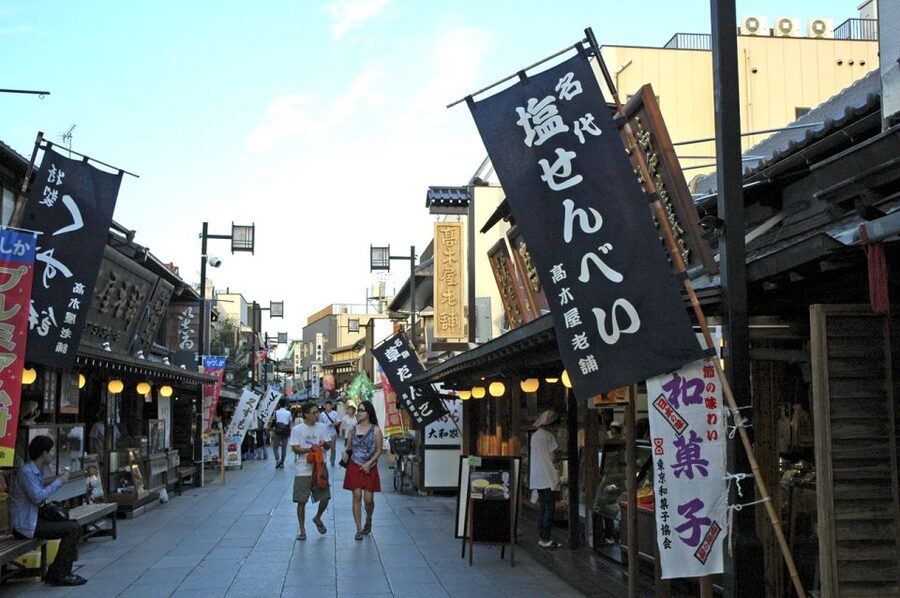
A suggested route begins in Shibamata, a neighborhood in northeastern Tokyo known for historic shops and a slower feel. Some businesses have operated for more than a hundred years, giving the area a sense of continuity that is hard to find in fast-changing parts of the capital.
Your guide can point out the details you might otherwise pass without noticing. Storefronts, food displays, and traditional products become easier to understand when someone explains how they fit into local life.
Shibamata is also a good place to begin with food. You might sample senbei, the crisp rice crackers often flavored with soy sauce, along with chewy rice balls and other street snacks. Food is not included, so you will buy anything you eat, but this lets you choose only what appeals to you.
I would ask your guide about the best snack stops before you arrive. The tour is not built around a fixed meal, and you should not assume every suggested food will be available at every hour. Still, Shibamata offers the kind of small-scale eating experience that a large bus tour rarely provides.
Yanaka Ginza and the feel of old Tokyo
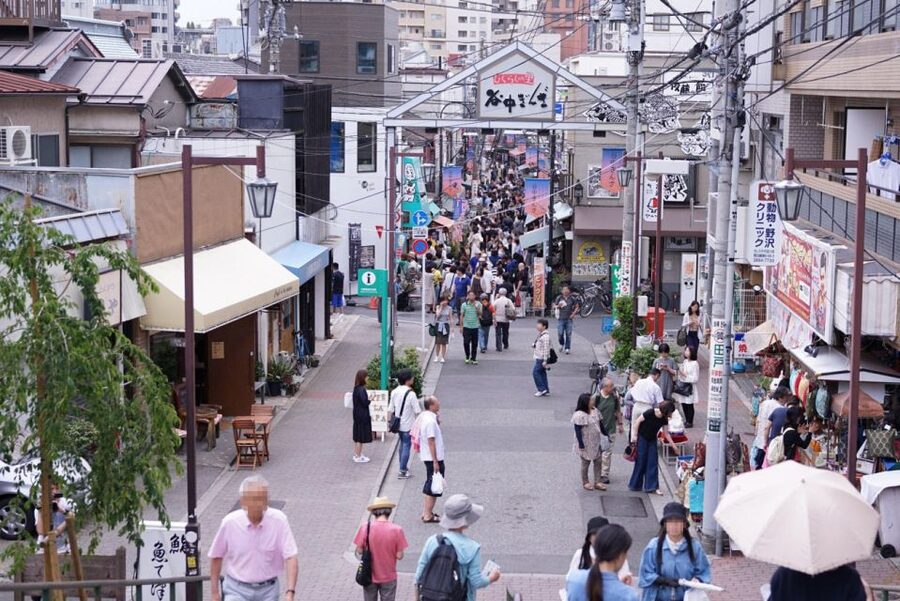
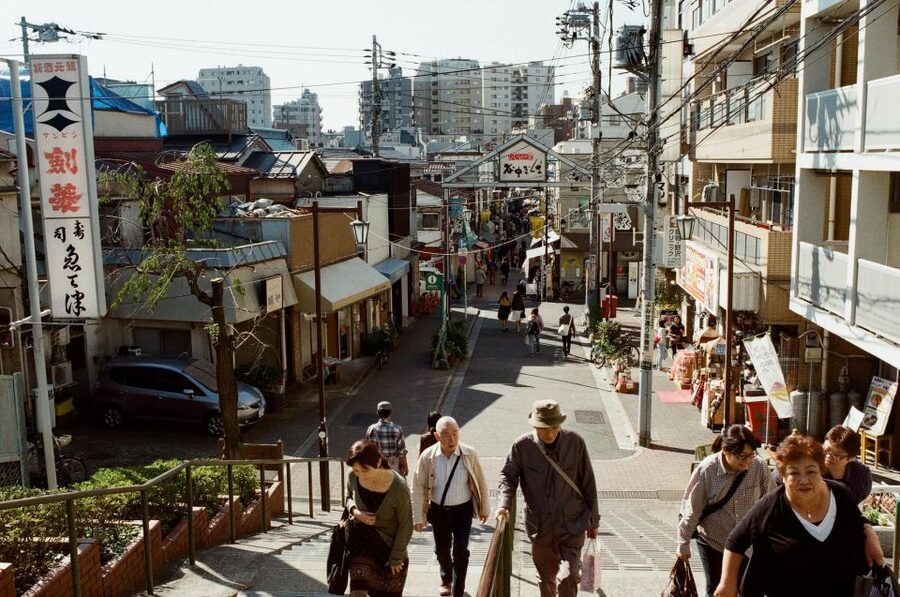
Yanaka Ginza is a small shopping street in a part of Tokyo that has retained much of its older character. Edo-era shops and restaurants sit alongside more modern businesses, including 100-yen stores. The mix is useful because it shows that old Tokyo is not a museum set. People still shop, eat, and run errands here.
You might find handicrafts, ceramics, food stalls, and small stores selling everyday goods. Your guide can help explain what is worth buying and what makes a product particularly Japanese, rather than leaving you to guess from unfamiliar labels.
This stop suits you if you prefer modest streets and ordinary neighborhood life to major landmarks. It is also a good place to request a slower pace. You can browse, ask questions, and take in the shopfronts without trying to cover a huge attraction.
The tradeoff is that Yanaka Ginza is not a grand monument. If you want sweeping city views or a long list of famous buildings, this neighborhood may seem quiet. That quiet is precisely the point, but you should include it because you enjoy local atmosphere, not because you expect a headline attraction.
Nezu and Sendagi for a quieter walk
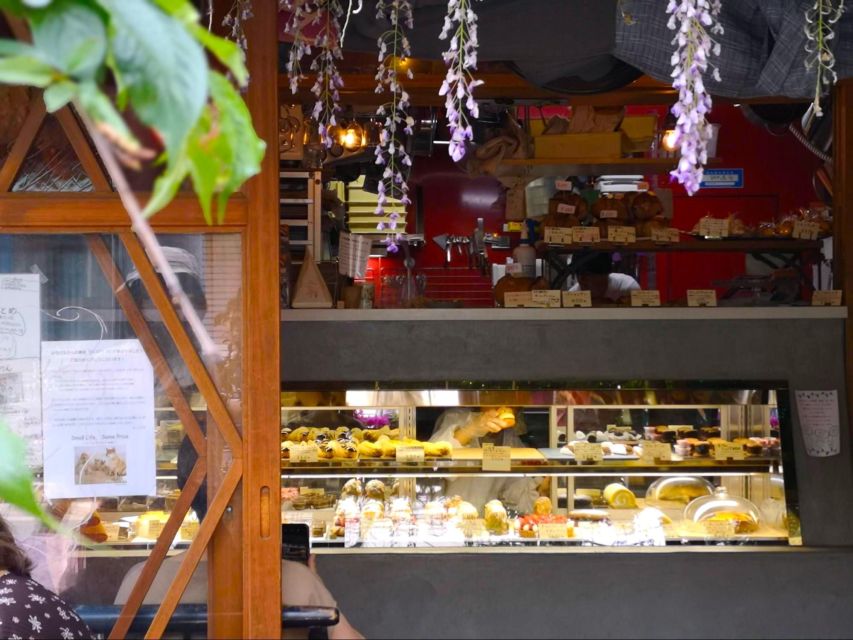
Nezu and Sendagi are other possible stops, and they fit naturally with Yanaka. These areas offer more residential streets and older corners of Tokyo, making them a useful choice if you want to see how the city feels away from its major commercial centers.
The route is flexible enough for you to explain what you mean by local life. You might want old houses, small shops, neighborhood streets, or a look at how people use the area today. Be specific when you contact the local partner and guide, since the more clearly you describe your interests, the more useful the day is likely to be.
One person specifically wanted residential areas and found the route well suited to that request. That is a valuable clue for families, repeat visitors, and anyone who has already seen Shibuya and Shinjuku.
The possible drawback is simple: residential Tokyo does not provide a constant stream of major sights. You will need to enjoy walking, observation, and conversation. The reward is a better sense of the city as a place where people live, not only a place built for sightseeing.
Same base, a different sort of day:
- Tokyo: teamLab Planets TOKYO Digital Art Museum Entry Ticket
★ 4.6 · 9,779 reviews - Mt Fuji & Hakone Cruise, Drum Show Bullet Train 1 Day from Tokyo
★ 4.0 · 7,413 reviews - Tokyo: Sumo Show Experience with Chicken Hot Pot and a Photo
★ 4.8 · 6,678 reviews - Tokyo: Shinjuku Food Tour (13 Dishes at 4 Local Eateries)
★ 5.0 · 6,603 reviews
Kappabashi Street for cooks and curious shoppers
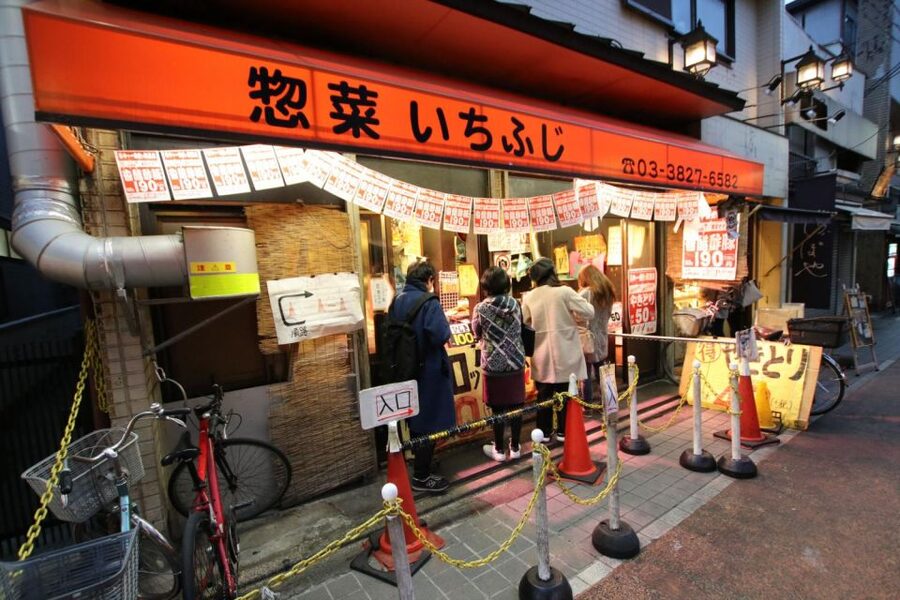
Kappabashi Street is one of the most practical stops on the suggested route. It is lined with shops selling kitchen equipment, restaurant supplies, cooking tools, and tableware. You might also see kitchen clothing and the realistic plastic food displays used outside Japanese restaurants.
This is the place to bring home something you can use. Ceramics, utensils, knives, serving pieces, and other kitchen goods can turn a souvenir into part of your daily life. I like this stop because it connects sightseeing with food and home cooking instead of offering another decorative trinket.
You should tell your guide if Kappabashi is a priority. The street can work as a focused destination for shoppers, but it may not suit you if you have no interest in cooking, table settings, or Japanese food culture.
Food and shopping purchases are not included. You will also need to handle transportation costs separately, so leave room in your budget if you plan to buy anything substantial.
Asakusa, with room for your priorities
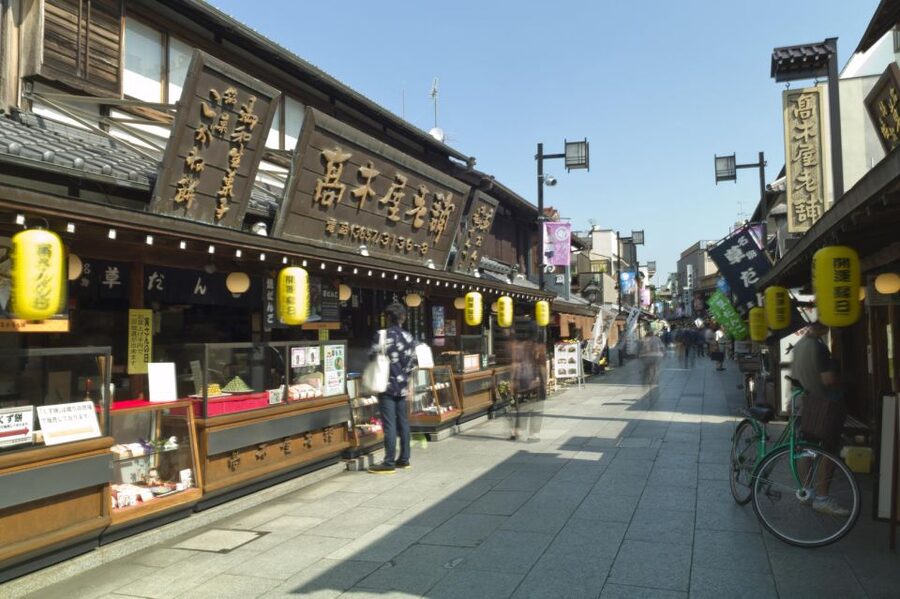
Asakusa is among the most popular possible stops. It gives you a more recognizable Tokyo setting and can balance the quieter neighborhoods in the suggested route.
Because this is a private tour, you can ask your guide to connect Asakusa with places such as Yanaka, Nezu, or Shibamata. That can make the day more satisfying than seeing Asakusa alone, since you gain a comparison between a famous sightseeing district and less visited residential or shopping areas.
The exact Asakusa experience depends on the plan your guide creates. The available information does not promise a specific temple visit, shopping stop, or food tasting, so you should state your priorities before the day. If you want particular sights, ask for them directly rather than assuming they are part of every route.
Asakusa is also a useful place to end if you want to continue exploring afterward, but no onward plan is included. Your guide will help you navigate during the tour, while your own evening arrangements remain separate.
Fukagawa Edo Museum and other possible stops
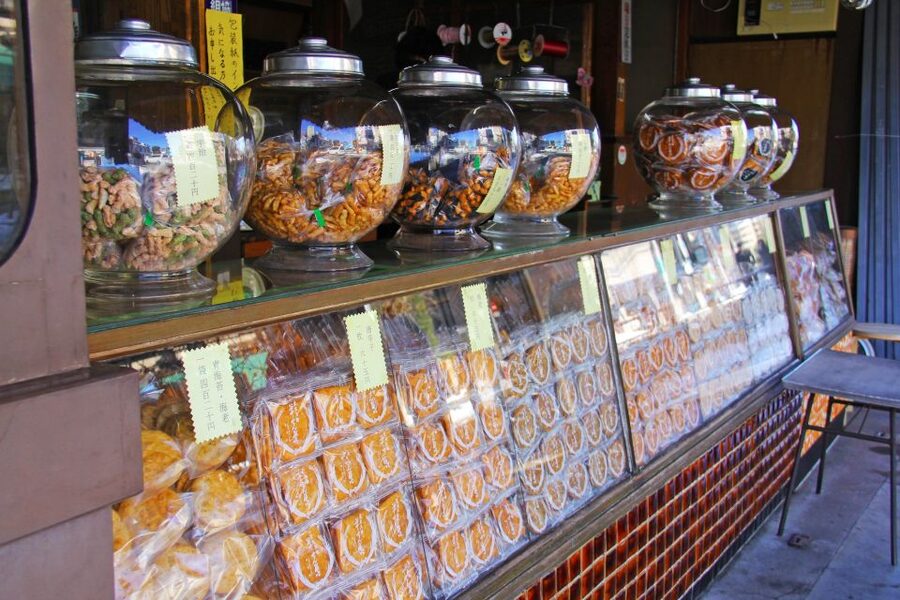
The Fukagawa Edo Museum is another possible addition. It gives you a chance to focus on Tokyo’s past through a museum setting rather than only through streets and shopfronts.
The key word here is possible. The experience is customizable, so you should not expect every suggested area to fit into six hours. Shibamata, Yanaka, Nezu, Sendagi, Kappabashi, Asakusa, and Fukagawa are enough for several different routes, but trying to cover them all could make the day feel rushed.
A good plan might pair two or three neighborhoods with one clear interest, such as food, traditional shops, residential streets, or Tokyo history. Your guide can then adjust the balance as the day unfolds.
If you have a long wish list, rank it. Tell the guide which stops are essential and which are optional. That small bit of preparation can prevent a private tour from becoming a hurried tour.
How the six hours work in practice
Pickup takes place in the morning from your accommodation if it is within a reasonable walking distance. You can also request a train station pickup. Your guide waits in the hotel lobby or at the requested station ten minutes before the scheduled time, then you set off on foot.
This is not a private vehicle tour. You will use public transportation or private taxis during the day, and you pay those fares separately. The walking and transit format suits Tokyo well, since it lets you move through neighborhoods instead of seeing them through a car window.
Six hours sounds generous, but Tokyo is large. Travel between districts takes time, and browsing shops or stopping for food takes longer than a quick photo stop. I would resist the urge to pack in every possible neighborhood.
Your guide contacts you before the tour to confirm the practical details. The tour is not fully confirmed until a guide accepts it and contacts you. Most guides make contact within seven days, but a guide may not be assigned until closer to the date. If no guide is available, the local partner continues looking and sends updates, with cancellation possible without a fee up to 24 hours before the start.
That arrangement offers flexibility, but it requires attention. Check your messages after booking and respond to questions about your interests, meeting point, and preferred pace.
What $151 per person buys you
At $151 per person, this is not the cheapest way to walk around Tokyo. You are paying for six hours of private guiding, planning help, language support, and the freedom to shape the day around your group.
The value improves when several people share the private experience, especially if you care about questions and personal attention. A private guide can change the route for your family or group in a way a fixed tour cannot.
The price is less attractive if you only want a basic introduction to Tokyo’s main landmarks. You will still pay separately for transportation, food, and entrance fees. A public train ride may cost little, but several journeys or a taxi can add to the total.
I see the strongest value for first-time visitors who feel unsure about Tokyo’s older districts, repeat visitors who want something beyond the usual circuit, and anyone with a clear interest in food, shopping, crafts, or daily life.
Who should book this experience
I would choose this tour if you want to ask questions throughout the day and adjust your plan as you learn more. It is especially well suited to English-speaking visitors who want a licensed local guide and help navigating less familiar districts.
Families may appreciate the ability to change the pace, though the available details do not promise a child-specific itinerary. Food-focused visitors should consider Kappabashi and the snack stops in Shibamata. Shoppers may prefer Yanaka Ginza, Kappabashi, or both.
This tour also fits you if you have already seen Tokyo’s biggest sights. A request for residential areas, as one visitor did, can produce a day that feels much more personal than another run through the standard attractions.
I would hesitate if you dislike walking, local trains, flexible plans, or paying for extras as you go. The tour is wheelchair accessible, but you should discuss your particular route and transportation needs with the local partner before the day.
Small details that matter
The experience operates rain or shine, so dress for the forecast and wear comfortable shoes. The morning pickup gives you a full block of sightseeing time, but it also means you should be ready at the agreed meeting point.
English and Japanese are available. If language is important to your group, confirm your preferred language during the pre-tour arrangements.
The tour is private, and the cancellation window is 24 hours before the start for a full refund. You can also reserve now and pay later, which is useful when your Tokyo schedule is still changing.
Should you book this private Tokyo tour?
Book it if you want Tokyo explained through neighborhoods, small shops, food, and local routines rather than only through famous landmarks. The strongest feature is the ability to tell your guide what interests you, then adjust the route when a place or question catches your attention.
Choose it with a sensible plan. Pick two or three priority areas, budget separately for transit and food, and accept that a six-hour day cannot cover every suggested stop. If you do that, the combination of a licensed guide, private group, and old Tokyo neighborhoods makes the $151 price easier to justify.
FAQ
How long does the Tokyo private tour last?
The tour lasts six hours.
What areas can the tour visit?
Possible areas include Shibamata, Yanaka, Nezu, Sendagi, Kappabashi Street, Asakusa, and the Fukagawa Edo Museum. You can customize the route with your guide.
Is the tour private?
Yes. It is for a private group with your own local guide.
What languages are available?
The tour is available in English and Japanese.
Does the guide hold an official qualification?
Yes. Guides hold Japan’s nationally licensed Tour Guide-Interpreter certification, issued by the Japanese government.
Is hotel pickup included?
Pickup is included on foot if your accommodation is within a reasonable distance. You can also request pickup at a train station. The guide waits in your hotel lobby or at the requested station ten minutes before pickup.
Are transportation costs included?
No. Public transportation or private taxi costs during the tour are paid separately.
Are food and entrance fees included?
No. Food, drinks, and entrance fees are not included.
Can I cancel the tour for a full refund?
Yes. You can cancel up to 24 hours before the start time for a full refund.
Just added in Tokyo
- The 10 Tastings of Tokyo With Locals: Private Street Food Tour★ 5.0 · 48 reviews
- Small Town in the Big City: Tasting Tokyo’s Kichijoji★ 5.0 · 195 reviews
- Small Town in the Big City: Tasting Tokyo’s Kichijoji★ 5.0 · 16 reviews
- EXCLUSIVE Tokyo Secret: Kichijoji Small-Group Food & Bar Hopping★ 5.0 · 29 reviews
- Explore Kichijoji: Walk Through One of Tokyo’s Beloved Districts★ 5.0 · 21 reviews
- :Tokyo,Shibuya/ Pro Photography in Kimono / English-Friendly★ 5.0 · 26 reviews
- 【R34】Tokyo:Private Daikoku tour in Modified R34★ 4.9 · 92 reviews
- Tokyo:Calligraphy &Make your original folding fan in Asakusa★ 5.0 · 62 reviews
Tours in Tokyo, compared.
Mt Fuji and Hakone 1-Day Bus Tour Return by Bullet Train
Read our review →
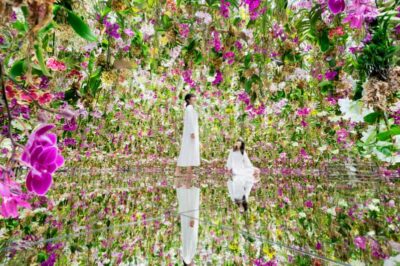
teamLab Planets TOKYO Digital Art Museum Entry Ticket
Read our review →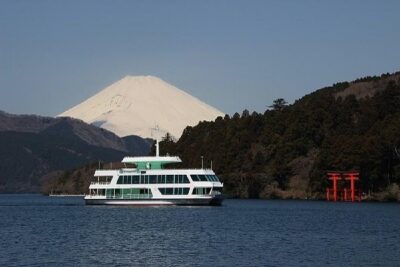
Mt Fuji & Hakone Cruise, Drum Show Bullet Train 1 Day from Tokyo
Read our review →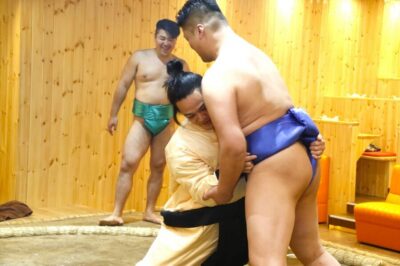
Sumo Show Experience with Chicken Hot Pot and a Photo
Read our review →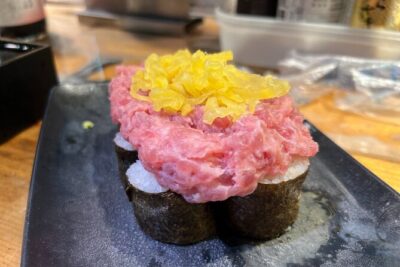
Shinjuku Food Tour (13 Dishes at 4 Local Eateries)
Read our review →