
Reviewed · TOURS IN TOKYO
Tokyo: Private Custom Insider Tour with a Local Host
Tokyo is easiest to enjoy when someone helps you make sense of its huge scale. This private walking tour gives you a local host, a loose plan shaped by your interests, and room to change course when a market, alley, shop, or shrine catches your eye. Past hosts such as Tomo, Megumi, Michael, Ayaka, and Shuto have helped guests connect Tokyo’s famous sights with less obvious corners.
I like the personal planning and the practical help with trains, etiquette, and food choices. I also like that a three-hour introduction can focus on one district, while a longer day can link places such as Asakusa, Harajuku, Ginza, and a fish market. The main catch is that food, attraction tickets, and transport cost extra, and a full day of walking can be tiring.
Key points at a glance
- Your interests shape the day: Tell the host if you want anime, old Tokyo, shrines, shopping, food, art, or family-friendly stops.
- The host can teach Tokyo basics: Several itineraries included subway guidance, Suica help, cultural etiquette, and advice for getting around afterward.
- You can mix famous and lesser-known Tokyo: Senso-ji, Shibuya, Harajuku, markets, small restaurants, and quiet side streets can all fit into the plan.
- The format is truly private: You travel with your own group rather than joining a large walking party.
- Three hours is an introduction, not a full city tour: Choose four to eight hours if you want several districts or a slower pace.
- Budget for extras: Food, drinks, attraction admissions, and any train or taxi fares are not included in the $95 price.
Why a private host can make Tokyo easier
Tokyo is not difficult because there is little to see. It is difficult because there is so much to see, spread across districts that each feel like a different town. A local host can help you avoid spending half the day crossing the city for a sight that does not fit your interests.
Before the tour, you receive a questionnaire about your personality and interests. Your answers help match you with a like-minded host, who then contacts you to discuss ideas. That early conversation matters. If you want old neighborhoods and temples, you should not end up with a day built around shopping arcades and pop culture.
The hosts work in English or Japanese. Several past hosts have also helped with translation, including one guide who let a guest practice Japanese during the day. You should explain your comfort with walking, your preferred food, and any places already on your list before the meeting.
The experience costs $95 per person. That is not cheap for a three-hour walk, especially since food, transport, and admissions are extra. But the price becomes easier to justify for a private group, a first day in Tokyo, or a family that needs help using the rail system. You are paying for planning, local judgment, and flexibility rather than a fixed string of attractions.
Other experiences people book in Tokyo:
- Mt Fuji and Hakone 1-Day Bus Tour Return by Bullet Train
★ 5.0 · 26,383 reviews - 1-Day Tokyo Bus Tour
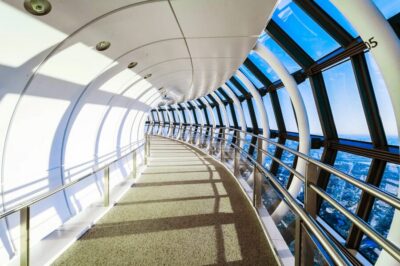
★ 5.0 · 14,250 reviews - Tokyo: TOKYO SKYTREE® Admission ticket
★ 4.5 · 11,192 reviews
Starting in Asakusa with Senso-ji
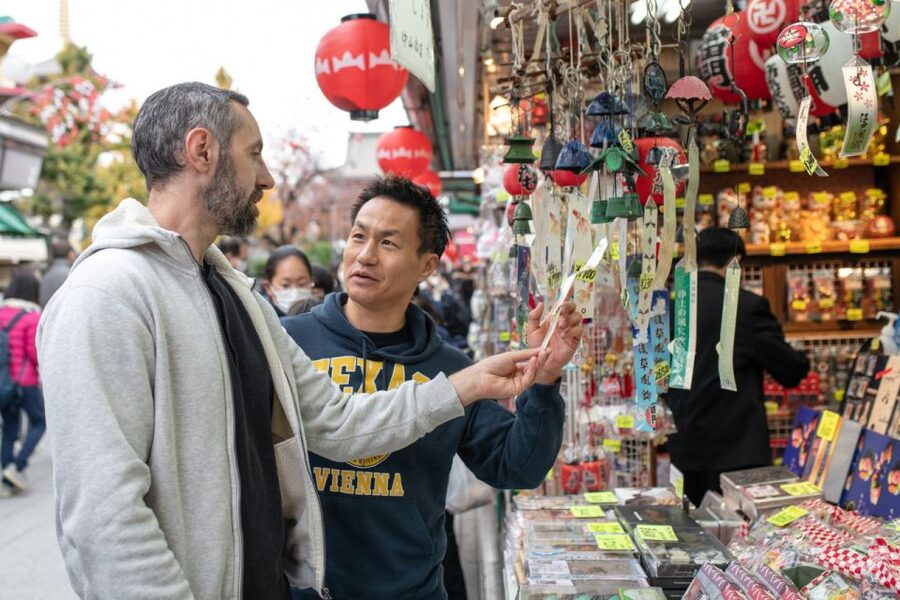
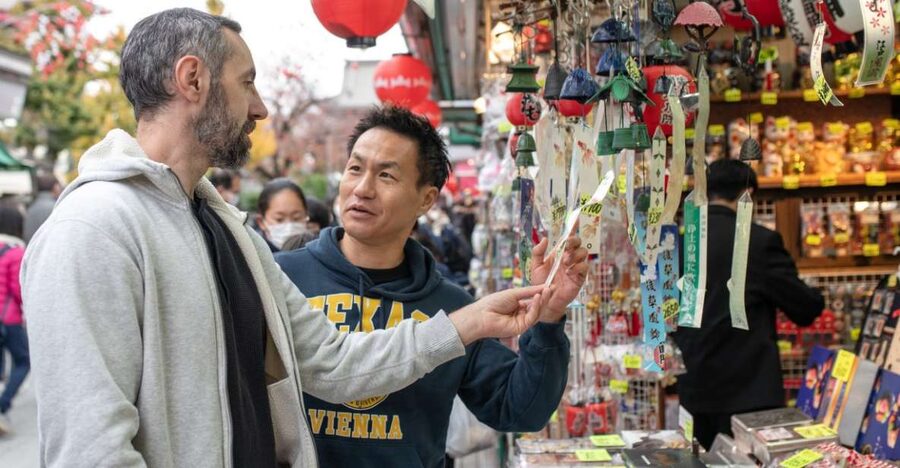
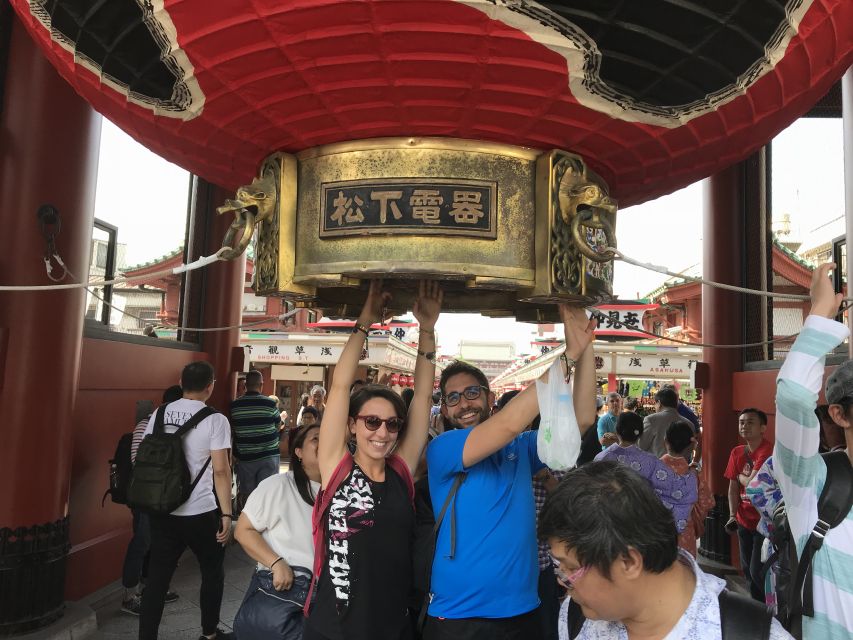
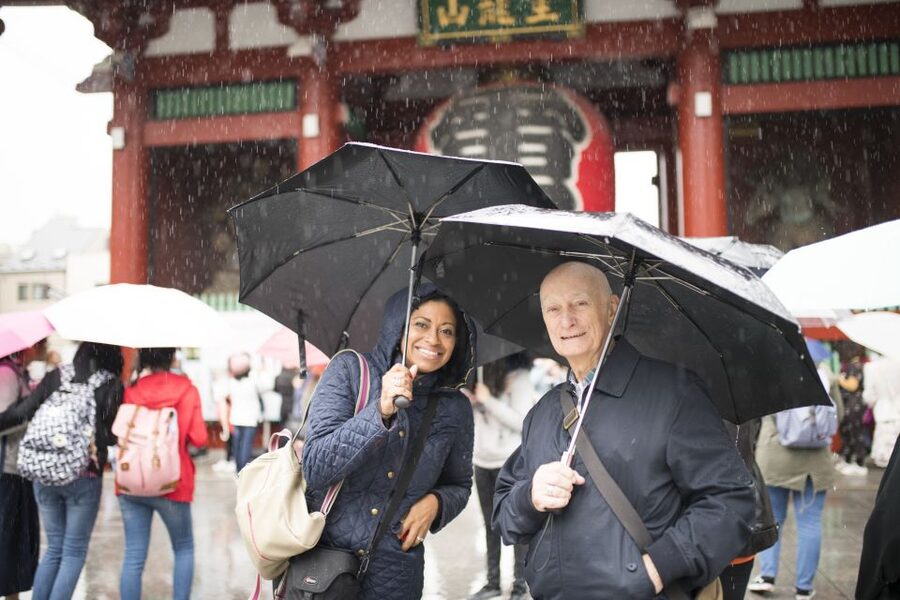
Asakusa is one of the best choices for a first look at Tokyo. At Senso-ji, you get a major Buddhist temple, a busy approach lined with shops, and a chance to observe the basics of Japanese temple etiquette. The area gives you history, food, souvenirs, and people-watching within a compact walk.
A host can explain what you are seeing rather than simply point at the gate and move on. You might learn how to behave at a shrine or temple, what certain customs mean, and how the district changed as Tokyo grew around it. That kind of context is useful, especially if this is your first time in Japan.
The nearby lanes also make a good place for snacks and small purchases. The tour description specifically mentions handmade mochi and local food stalls, though your exact stops depend on your host and the day. If you have children, tell the host in advance. One family received an itinerary built around both children and grandparents, while another family with young boys enjoyed Harajuku and the Shibuya area.
Three hours can work well here. You may visit Senso-ji, explore the surrounding streets, eat a snack, and learn how to use the subway. If you want to add another district, you will need to keep moving.
Markets, old Tokyo, and food stops
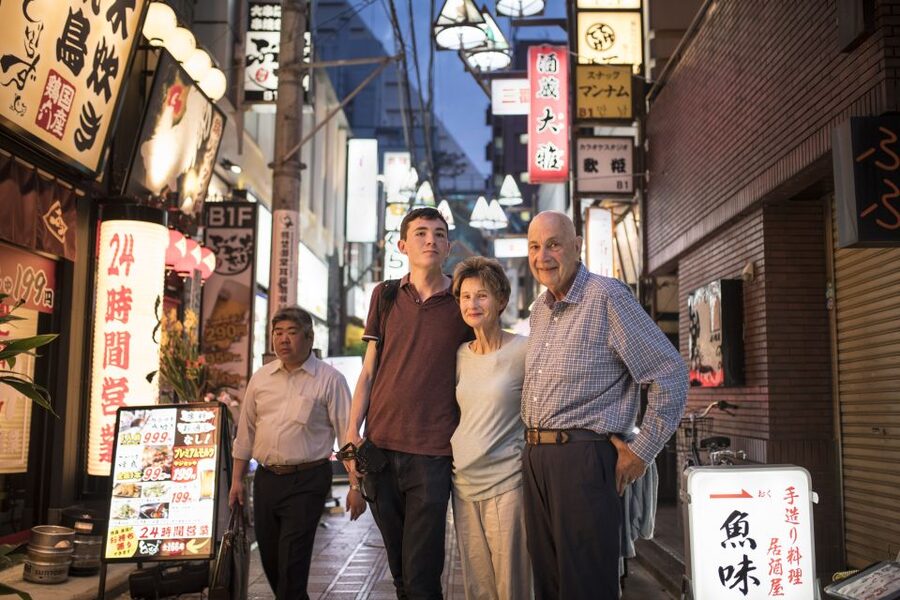
Tokyo’s markets can show you a side of the city that grand monuments cannot. Ameya-Yokocho, near Ueno, has a lively street-market feel, with food, small shops, and a touch of old Tokyo character. A host can help you decide what is worth trying and explain how to order or eat it.
Fish-market visits also appear often in the possible plans. One itinerary linked a fish market with Ginza, Meiji Shrine, and Harajuku. Another took a group through old Tokyo, small food places, and less familiar corners. The important point is not a guaranteed market list. It is the ability to make the food portion fit your appetite, budget, and curiosity.
You might ask for sushi, yakitori, mochi, or a tucked-away lunch restaurant. Food costs extra, so say how much you want to spend. A private host can take you somewhere suited to your taste, but the tour fee does not cover the meal.
I like the practical side here. A good host can help you avoid ordering blindly, explain basic customs, and identify a place that matches your day. You should still expect Tokyo prices in central districts, and a food stop takes time away from sightseeing. That is usually a fair trade, but it is worth deciding before you start.
Akihabara, Harajuku, and Shibuya
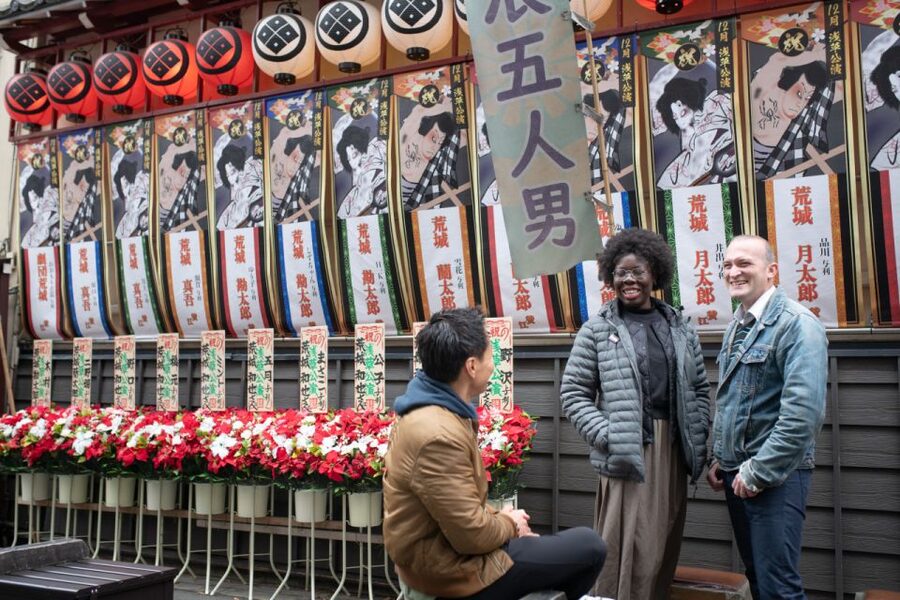
If your Tokyo interests run toward anime, games, electronics, or street fashion, the host can shape the route around Akihabara and Harajuku. Akihabara is known for its neon, gaming culture, and specialist shops. Harajuku offers youth fashion, colorful shopping streets, and smaller side roads beyond the best-known strip.
Do not assume you will cover both areas thoroughly in a short booking. Tokyo’s districts are spread out, and subway transfers take time. A three-hour tour may give you a taste of one pop-culture area plus a second nearby stop. A six-hour plan gives you more breathing room.
Shibuya can add a high-energy finish, with its famous crossing and surrounding shopping streets. One family ended a morning near the crossing, where they watched the stream of people and a Mario Kart tour pass by. Your host can also meet you at the Shibuya Hachi Box if hotel pickup is not arranged.
The value here is local filtering. You may know that Akihabara exists, but not which streets match your interests. You may know Harajuku’s main shopping lane, but not how to fit it with a shrine, a snack, or a quieter side street. Tell your host what you already plan to see so the day adds something new.
Same base, a different sort of day:
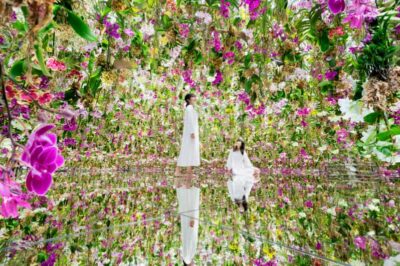
- Tokyo: teamLab Planets TOKYO Digital Art Museum Entry Ticket
★ 4.6 · 9,779 reviews - Mt Fuji & Hakone Cruise, Drum Show Bullet Train 1 Day from Tokyo
★ 4.0 · 7,413 reviews - Tokyo: Sumo Show Experience with Chicken Hot Pot and a Photo
★ 4.8 · 6,678 reviews - Tokyo: Shinjuku Food Tour (13 Dishes at 4 Local Eateries)
★ 5.0 · 6,603 reviews
Quiet shrines, gardens, and small discoveries
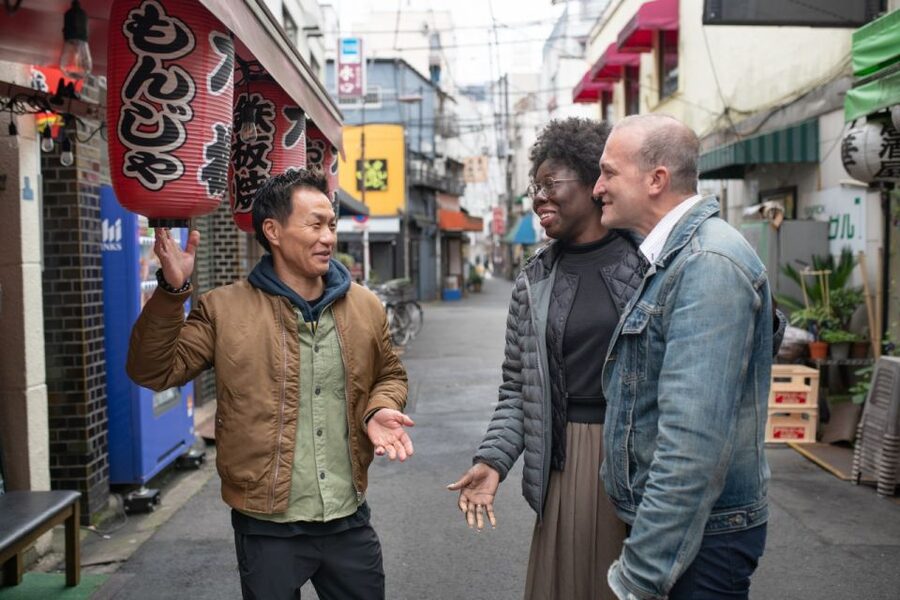
Tokyo is not only noise, lights, and crowds. The suggested plans can include shrines, Zen gardens, artisan shops, small teahouses, and rooftop views. These stops offer a useful change of pace, especially during a long day or after a busy market.
A host might point out details you would walk past, such as a local craft shop or a small alley with a long neighborhood story. The exact location cannot be guaranteed, and the description does not promise a particular teahouse or rooftop. Think of these as possible rewards of a flexible schedule, not fixed inclusions.
The old Tokyo focus is especially appealing if you want more than the standard first-visit checklist. One guest asked for historic Tokyo with an artistic angle and received an itinerary built around that request. Another spent time around temples, Kappabashi Street, and the Imperial Palace, with attention to religious customs and local history.
This is where the private format earns its keep. You can linger at a shrine, skip a shop, or take a break without waiting for a group. You also avoid the common problem of a guide spending fifteen minutes on a topic that does not interest you.
The practical lesson: trains, etiquette, and pacing
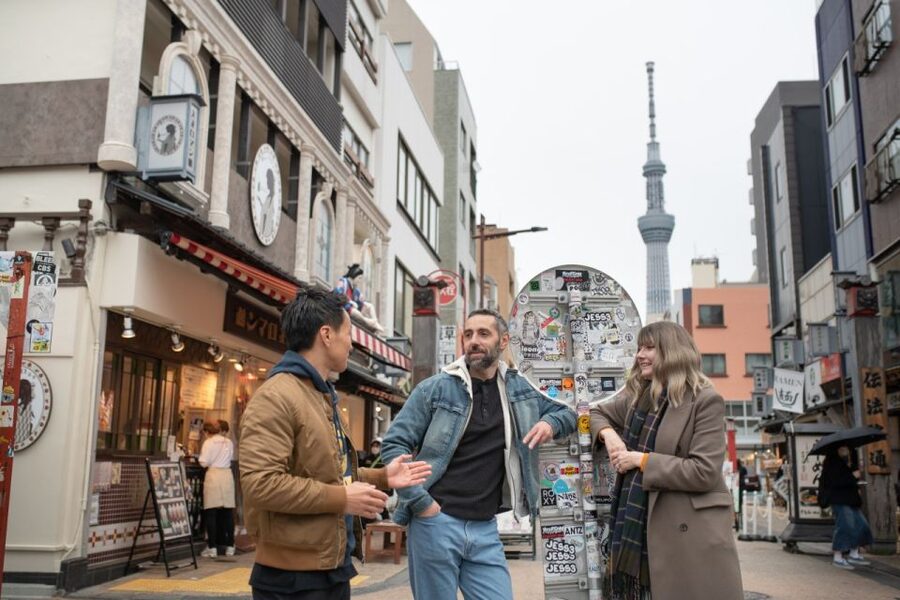
Tokyo’s public transport system is efficient, but the first ride can feel like a puzzle. A host may show you how to use the subway, transfer between lines, and get back to your hotel. Past itineraries included help with Suica cards and advice for using the train system with a wheelchair.
That does not mean the tour includes transport. Public transport or a local taxi may be used between districts, and you pay those costs separately. Ask your host about the expected fares after booking, especially if your plan covers several parts of the city.
The tour is primarily a walking experience. Wear comfortable shoes and be honest about your pace. One guest in their late sixties found the day manageable because they were used to walking, but the same itinerary could feel demanding if you are not prepared for long periods on your feet.
Families, older visitors, and people with mobility needs should discuss the route before the day begins. The format allows adjustments, and one host was praised for patiently helping a wheelchair user navigate Tokyo. Still, no private vehicle is included, and station access or crowded areas may affect the route.
A private host can also teach small cultural rules that make the rest of your trip easier. You may learn how to behave at a shrine, how to approach a food stall, or how to manage everyday situations in Japanese. These lessons often have more lasting value than another hurried photo stop.
Three hours, four hours, or a full eight
The shortest option works best as a Tokyo orientation. Choose one area, such as Asakusa or Harajuku, and use the time to learn the basics. This is a smart choice if you arrive early in your trip and want help before exploring alone.
Four hours is the most balanced option for many visitors. It gives you time for a main district, a second nearby area, a meal or snack, and some transport practice. Several successful plans used four hours to combine temples, shrines, markets, shopping, and local food.
Six hours suits a first full day when you want variety. You can link districts such as Asakusa, Ginza, Harajuku, and Shibuya, though you will still need to accept some train travel and a steady walking pace. A public holiday or weekend may slow you down in crowded areas.
Eight hours offers the greatest freedom, but do not treat it as a race across Tokyo. The best use of a long booking may be two or three districts with proper breaks. Build in time for lunch, shopping, and a quiet stop rather than trying to collect every famous sight.
The booking allows different start times, subject to availability. Hotel pickup can be arranged at a central Tokyo hotel. Otherwise, the meeting point is Shibuya Hachi Box in Dogenzaka.
What the $95 price really buys
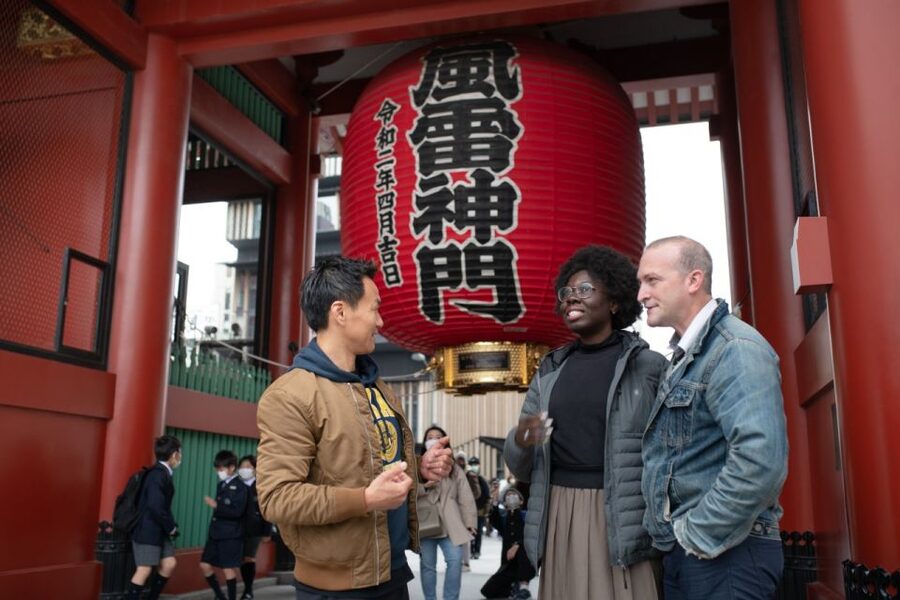
At $95 per person, this is a premium introduction rather than a budget walk. You are not buying admission to a long list of attractions. You are paying for a private host, planning before the tour, direct communication, and the ability to change the day around your interests.
The value is strongest in a few situations:
- You are visiting Tokyo for the first time and want help getting oriented.
- You are traveling with children, older relatives, or a mixed-interest group.
- You want food or shopping advice that matches your tastes.
- You feel uneasy about trains, etiquette, or language barriers.
- You have visited Tokyo before but want a different angle, such as old neighborhoods, local art, or pop culture.
The value is weaker if you already know Tokyo’s rail system and have a detailed plan you prefer to follow alone. It is also less attractive if you expect all meals, tickets, and transport to be included. Add those costs to your budget before booking.
I would schedule this early in your Tokyo stay. Several hosts helped people learn the subway and plan the rest of their visit. A tour on your first or second day can prevent wasted time later, while a tour near the end may feel less useful unless you have a very specific interest.
Who should book this Tokyo experience
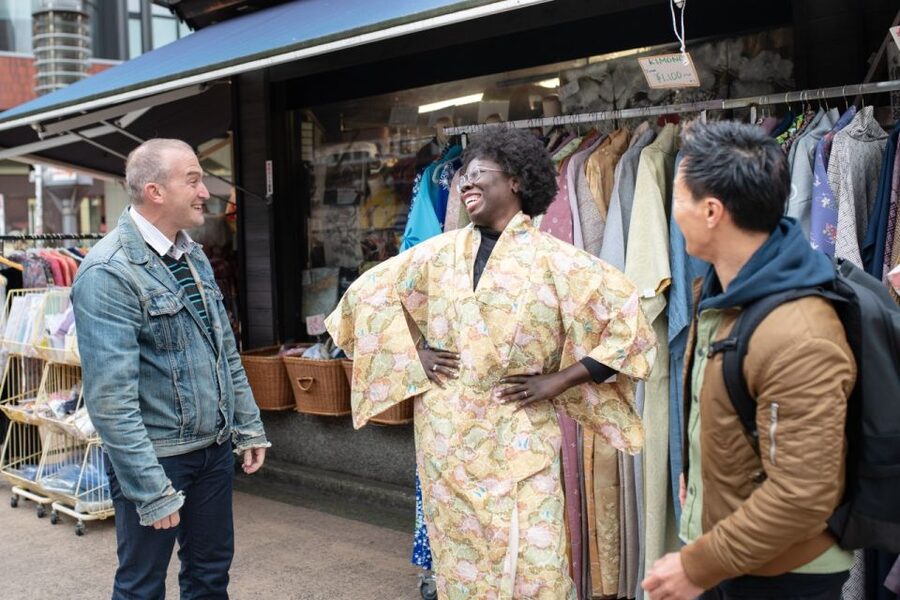
I would recommend it to first-time visitors who want personal attention without joining a large group. It is also a strong choice for families, couples with different interests, and solo visitors who want company for a day without committing to a fixed group itinerary.
Food lovers should explain exactly what they want to eat. Anime and gaming fans should say so clearly. The same applies to temples, Japanese gardens, shopping, architecture, photography, or local crafts. The more specific you are, the more useful the planning conversation becomes.
I would be cautious if you dislike walking, need a private car, or want guaranteed access to particular attractions. This is a flexible walking service, not a chauffeur tour or a ticket package. Its strength is the host’s ability to adjust, not a promise of a fixed route.
Cancellation is free up to 24 hours before the experience, and you can reserve now and pay later. The tour is private, with English or Japanese-speaking hosts, but your exact host is assigned after the questionnaire and planning process.
Should you book it?
Book this tour if you want Tokyo to feel less confusing and more personal, especially at the start of your trip. The strongest benefits are the host matching, practical train help, flexible route, and chance to combine famous sights with food stalls, small shops, and quieter streets.
Skip it if you already have strong local knowledge or want a low-cost, fixed sightseeing walk. Also remember that the $95 fee is only the starting cost. For most people, I would choose four to six hours, ask for a route built around two or three districts, and use the host’s advice to explore the rest of Tokyo on your own.
FAQ
How long does the private Tokyo tour last?
You can choose a duration from 3 to 8 hours, depending on availability and the option selected when booking.
Is this a private group experience?
Yes. The tour is arranged for a private group rather than a shared walking group.
Which languages are available?
The listed guide languages are English and Japanese.
Can the tour be customized to my interests?
Yes. You receive a pre-tour questionnaire about your personality and interests, and your host communicates with you to suggest an itinerary.
Can I request food, anime, temples, or shopping?
Yes. The experience can be built around interests such as street food, anime and gaming, historic shrines, markets, fashion, artisan shops, and shopping.
Is hotel pickup available?
Hotel pickup can be arranged at any central Tokyo hotel. If you do not use hotel pickup, the stated meeting point is Shibuya Hachi Box in Shibuya.
Is transportation included?
No. This is a walking tour. Public transport or local taxis may be used between places, but those costs are additional.
Are food and attraction tickets included?
No. Additional food, drinks, and attraction tickets are not included unless specifically included in the experience.
Can I cancel for a full refund?
Yes. You can cancel up to 24 hours in advance for a full refund. You can also reserve now and pay later.
Just added in Tokyo
- Small-Group Wagyu Beef and 7 Japanese Dishes Tokyo Cooking Class★ 5.0 · 190 reviews
- Nikko: Edo Wonderland Edomura Cultural Theme Park Ticket★ 4.3 · 205 reviews
- 《MEMBERS-ONLY-BAR-HOPPING》Discover Your Special Whiskey in Tokyo!★ 5.0 · 29 reviews
- Japanese Whisky Hunting《HIGH-QUALITY-ONLY》Rare Tasting Class★ 5.0 · 20 reviews
- Luxury Tokyo Sake, Cocktail, Whisky and Pairing Tour★ 5.0 · 18 reviews
- Wagyu & Sake Pairing in Shinjuku – Steak, Shabu-Shabu & More★ 5.0 · 112 reviews
- From Tokyo: Private Tour to Fuji/Hakone – Onsen, Art, Nature★ 5.0 · 116 reviews
- Tokyo: KABUKI Show at Kabukiza Theatre Admission Ticket★ 4.8 · 152 reviews
Tours in Tokyo, compared.
Mt Fuji and Hakone 1-Day Bus Tour Return by Bullet Train
Read our review →
teamLab Planets TOKYO Digital Art Museum Entry Ticket
Read our review →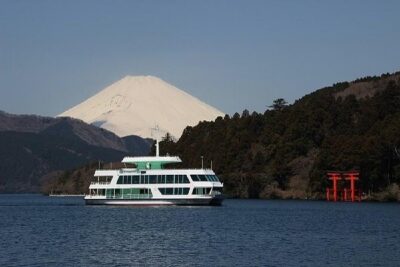
Mt Fuji & Hakone Cruise, Drum Show Bullet Train 1 Day from Tokyo
Read our review →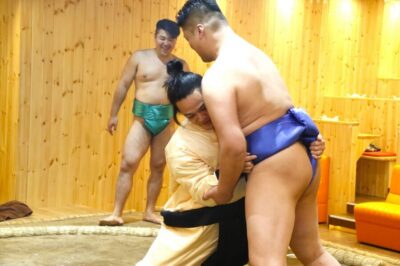
Sumo Show Experience with Chicken Hot Pot and a Photo
Read our review →
Shinjuku Food Tour (13 Dishes at 4 Local Eateries)
Read our review →
Tokyo Mt Fuji 5th St & Hakone Cruise Bus Tour w/Bullet Train
Read our review →Browse the lists this tour appears in