Reviewed · TOURS IN TOKYO
Tokyo: Rice Ball Making Class
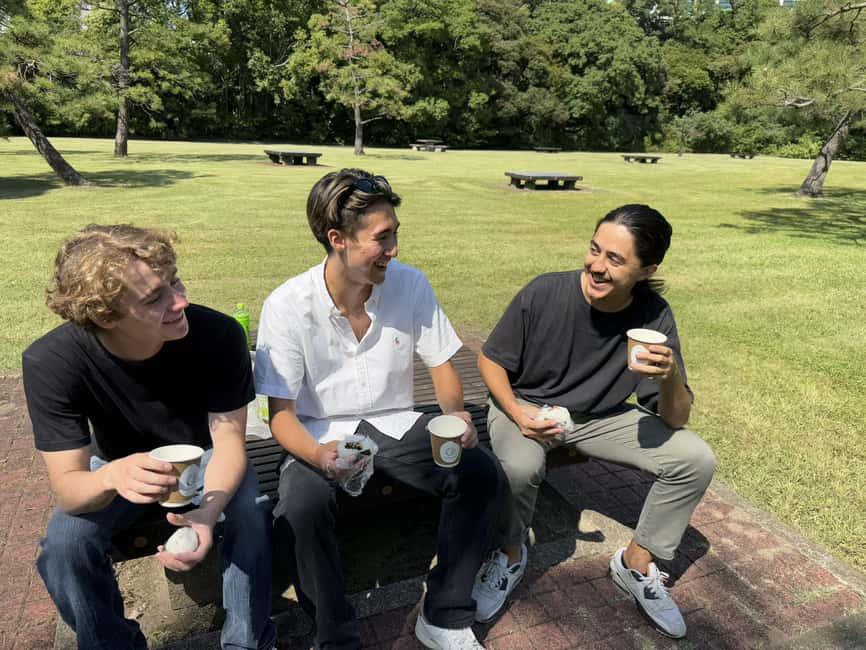
Tokyo’s best food experiences do not always happen in a famous restaurant. Here, you make your own onigiri, the simple Japanese rice ball found in lunch boxes, train stations, and home kitchens. Then you eat it in Hamarikyu Gardens, with Tokyo’s skyline rising beyond the old garden grounds.
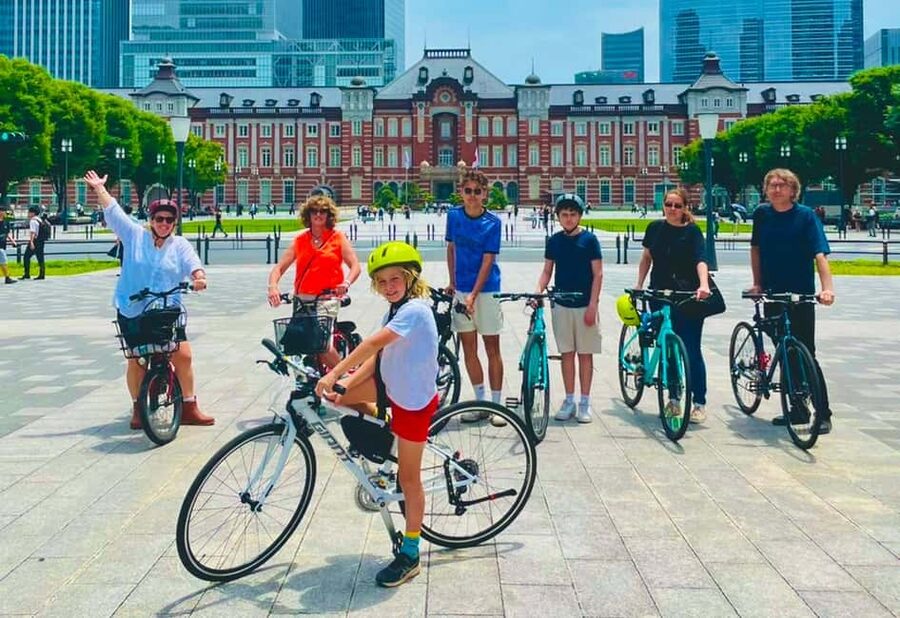
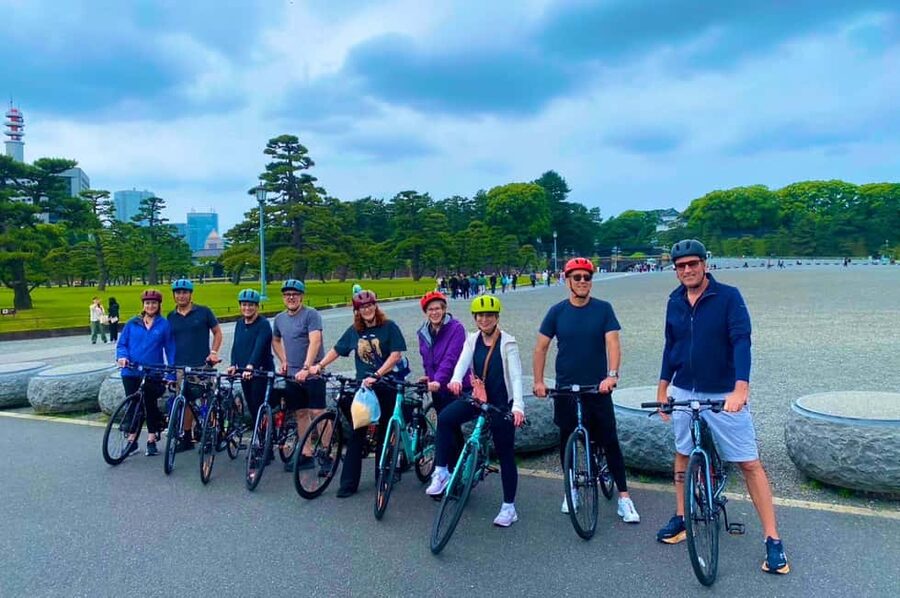
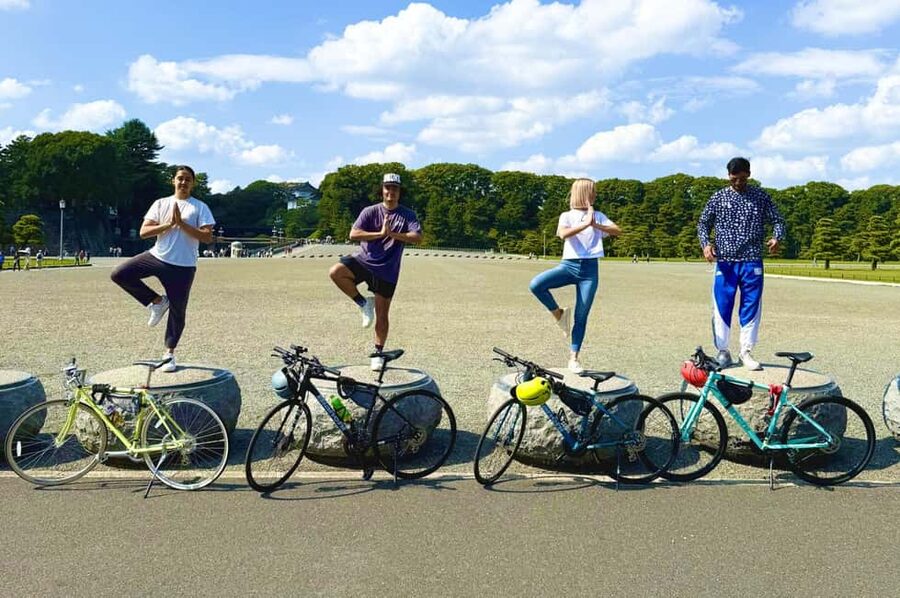
I like two things right away: you learn a useful local food skill, and you see the city by bicycle rather than from a tour bus. The small group, capped at six people, also gives the English-speaking guide room to help with shaping the rice and leading the ride.
The main consideration is physical. You need to ride a bicycle confidently, and the experience is not suitable for children under 12, people with mobility or back problems, wheelchair users, people with low fitness, or anyone over 70. The total length can range from one to three hours, so check the exact timing before booking.
Key points at a glance
- Make three classic onigiri fillings: Try savory salmon, tangy pickled plum, and creamy tuna-mayo with freshly steamed rice.
- Eat your own food at Hamarikyu Gardens: The picnic pairs handmade rice balls with ponds, flowers, teahouses, and city views.
- See Tokyo by bicycle: The route uses backstreets, riverside paths, and broad waterfront lanes rather than only major roads.
- Keep the group small: No more than six people join, making it easier to ask questions and get help from the guide.
- Look for major city sights: Depending on the route, you can see Tokyo Tower, the Imperial Palace, Zozoji Temple, and Tokyo Bay.
- Bring water and wear practical clothes: Comfortable clothing matters on the bike, and drinks or extra snacks are not included.
Why onigiri makes a smart introduction to Japan
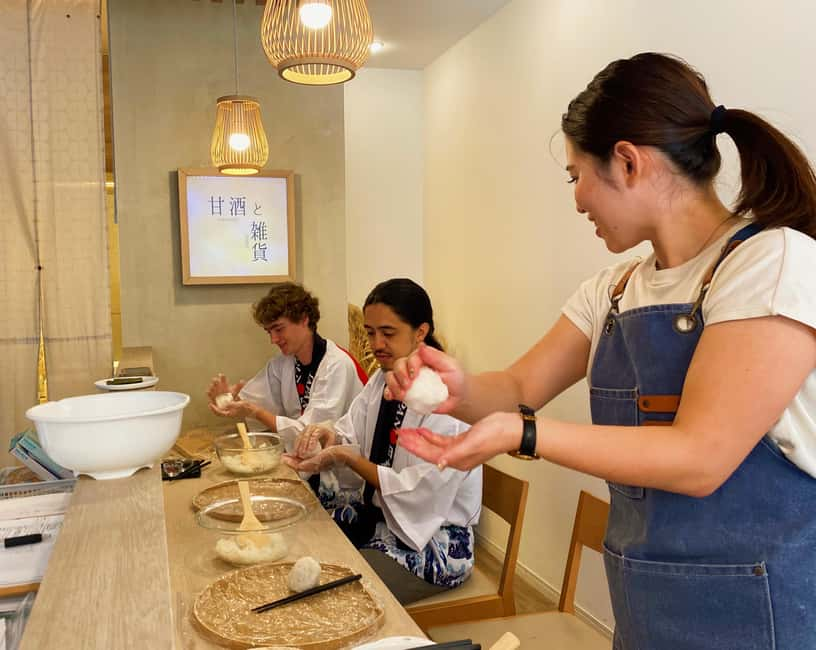
Onigiri looks humble, but it tells you a lot about everyday Japanese food. It is portable, filling, inexpensive, and flexible. The basic idea is simple: warm rice is seasoned, filled, and shaped by hand, often into a triangle or rounded form.
That simplicity is exactly why this class works well for a first visit. You are not watching a chef perform a difficult recipe from behind a counter. You are handling the ingredients yourself and learning a food that people across Japan recognize from daily life.
The class uses freshly steamed rice and gives you several familiar filling choices. Salmon offers a savory, comforting flavor. Pickled plum, or umeboshi, brings a sharp sour note. Tuna-mayo is mild, creamy, and easy to like. Trying all three gives you a quick sense of how one basic food can change with a single filling.
Expect the shaping part to be more awkward than it looks. Rice sticks to your hands, and making a neat shape takes a little practice. That is part of the fun. Your instructor can show you how to season and press the rice without crushing it into a dense lump.
The food is also practical for the rest of your trip. Once you know how onigiri is made, you will recognize it in convenience stores and food halls. You may even look at the triangular packages differently, knowing that a small rice snack can be a carefully balanced meal.
The supplied ingredients are included, but extra snacks and drinks at the shop cost more. Bring water, especially if you are taking the longer version of the activity or visiting Tokyo on a warm day.
Other experiences people book in Tokyo:
- Mt Fuji and Hakone 1-Day Bus Tour Return by Bullet Train
★ 5.0 · 26,383 reviews - 1-Day Tokyo Bus Tour
★ 5.0 · 14,250 reviews - Tokyo: TOKYO SKYTREE® Admission ticket
★ 4.5 · 11,192 reviews
From warm rice to a handmade picnic
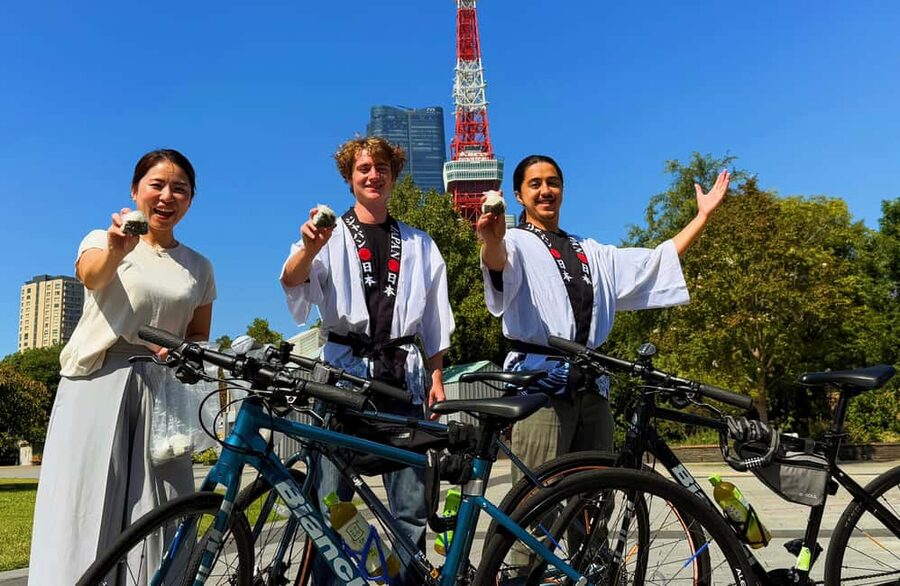
The class is the heart of the experience. Your English-speaking instructor guides you through seasoning, filling, and shaping the rice. The pace should suit beginners, since the main point is to learn by doing rather than to produce restaurant-perfect food.
A helpful detail is the small group size. With a maximum of six participants, you should have a better chance to see the demonstration and ask for help when your rice refuses to cooperate. This also keeps the class more personal than a large food workshop.
The friendly teaching style has been a major strength. One instructor named Sho is specifically associated with the activity, and the feedback about the teaching repeatedly points to warm hosts, clear English, and a relaxed mood. You should still confirm the guide assigned on your date, but Sho is a name to look out for.
You will prepare the onigiri, pack it, and take it with you. The food is not just a sample handed over at the end. You make it yourself, which gives the picnic a clear purpose and makes the meal feel connected to the rest of the outing.
Do not expect a full restaurant lunch. The included food is the onigiri ingredients, and the experience is built around a light handmade meal. If you usually need a large breakfast or lunch, eat something beforehand or plan another meal later.
Cycling to Hamarikyu Gardens
After the class, you take a bicycle toward Hamarikyu Gardens. The garden is a fitting destination because it gives you a sudden change of pace. Tokyo can feel intense and crowded, but these historic grounds offer walking paths, saltwater ponds, seasonal flowers, and traditional teahouses.
The garden sits close to Tokyo Bay, where old scenery and modern city views meet. That contrast is one of the best reasons to eat your onigiri here. You can look from a quiet garden setting toward the tall buildings beyond it, with the handmade meal in front of you.
Entrance to Hamarikyu Gardens is included, so you do not need to arrange a separate garden ticket. Your guide leads the group inside and chooses a suitable place for the picnic. The description specifically mentions spreading out on the grass, but conditions and the exact picnic spot can vary.
The garden stop is more than a convenient place to sit. It gives you a chance to understand Tokyo as a city of layers. A traditional garden, historic tea buildings, saltwater ponds, and a modern skyline occupy the same view. You get this contrast without spending half a day at a major museum or landmark.
Seasonal flowers also mean the garden changes through the year. The experience does not promise one particular bloom, so it is best to treat the flowers as a pleasant extra rather than the main reason to book. The onigiri class and bicycle route remain the core of the outing.
Backstreets, riverside paths, and Tokyo Bay
After eating, you get back on the bicycle. The ride is designed to show a quieter side of central Tokyo, using local backstreets and scenic riverside paths. This is a useful change from sightseeing by train, where you often pass through neighborhoods without really seeing them.
The route also reaches broader waterfront lanes with views across Tokyo Bay. You should expect a mix of ordinary city scenes and major landmarks rather than a continuous parade of famous sights. That balance is part of the appeal. You see where daily life happens, then reach open spaces with a wider view.
The route can include Tokyo Tower in the distance, the Imperial Palace, and Zozoji Temple. These sights may appear from particular points along the ride rather than as formal stops with long visits. If you want detailed interior tours of each landmark, this is not the right activity. If you want to connect several parts of Tokyo in one moving journey, it makes good sense.
A bicycle also helps you notice scale. Tokyo’s landmarks are not isolated attractions. They sit among offices, residential streets, waterways, temples, parks, and shopping areas. Cycling links those pieces in a way that a checklist-style tour often cannot.
The guide leads the route, which matters in a city where roads and crossings can feel confusing. Still, you remain responsible for riding safely and following the group. Wear comfortable clothing, bring water, and choose this only if you are comfortable on a bike.
Same base, a different sort of day:
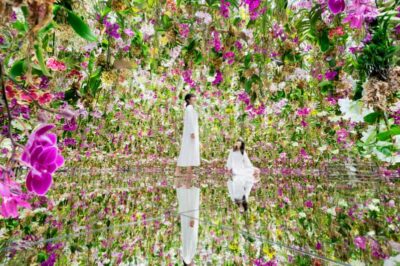
- Tokyo: teamLab Planets TOKYO Digital Art Museum Entry Ticket
★ 4.6 · 9,779 reviews - Mt Fuji & Hakone Cruise, Drum Show Bullet Train 1 Day from Tokyo
★ 4.0 · 7,413 reviews - Tokyo: Sumo Show Experience with Chicken Hot Pot and a Photo
★ 4.8 · 6,678 reviews - Tokyo: Shinjuku Food Tour (13 Dishes at 4 Local Eateries)
★ 5.0 · 6,603 reviews
What the $51 price includes
At $51 per person, the value depends on how much use you will make of the combined food class and bicycle tour. You receive the onigiri lesson, ingredients, a bicycle, an English-speaking local guide, and admission to Hamarikyu Gardens.
That is a fair package for a small-group activity in central Tokyo. You are paying for more than a snack. The price covers instruction, equipment, a guided route, and a garden entrance, all within one outing.
The strongest value comes from the combination. A cooking class alone would teach you the food but not show you much of the city. A basic bike tour might take you past landmarks but give you less personal connection. Here, the handmade meal creates a reason to stop, and the cycling gives the food class a wider setting.
The value is weaker if you dislike cycling or prefer long, detailed visits at individual sights. You also need to account for anything you buy at the shop, since extra drinks and snacks are not included.
The flexible cancellation policy adds practical value. You can cancel up to 24 hours before the activity for a full refund, and the reserve-now, pay-later option lets you hold a place without paying immediately. Check the exact start time and length when booking, since the activity is listed as lasting from one to three hours.
Who will enjoy this experience most
I would recommend this to visitors who want something more hands-on than a standard sightseeing walk. It suits couples, friends, solo visitors, and small family groups with children aged 12 or older who can ride comfortably.
Food lovers will appreciate learning a dish that is genuinely part of everyday Japanese life. You do not need advanced cooking skills. The class is based on basic ingredients and guided shaping, so curiosity matters more than precision.
It also suits repeat visitors who have already seen Tokyo’s headline attractions. The route still offers familiar sights such as Tokyo Tower and the Imperial Palace, but it reaches them through neighborhoods, riverside paths, and waterfront areas.
The small group is a good fit if you value conversation. A maximum of six people gives the guide a chance to answer questions about onigiri, the route, and the sights along the way. It also makes it easier to keep the group together on a bicycle.
This is not a good choice for anyone who cannot ride a bike, has significant back or mobility problems, uses a wheelchair, or has low fitness. The activity also excludes people with visual impairment, high blood pressure, and those over 70. These restrictions are important, not minor footnotes.
Children under 12 cannot join. Baby strollers are not allowed. If your group includes younger children, you will need a different food or sightseeing activity.
Practical advice before you book
Start by checking the day’s available start time and total duration. The one to three hour range is wide, and your plans should leave room for the class, the garden visit, and the ride without forcing you to rush to another reservation.
Wear comfortable clothes that let you move easily. You do not need special cycling gear, but restrictive clothing would make the ride less pleasant. Bring water, since drinks are not included.
Think about the weather and your own energy. A bike ride can feel easy in cool conditions and tiring in heat or rain. The provided information does not list a weather policy, so check the conditions and the provider’s current instructions before setting out.
The meeting point is the onigiri-making class itself. Make sure you know the exact meeting address and arrive ready for the food portion rather than going directly to Hamarikyu Gardens.
The activity is offered in English. That is useful during both the cooking lesson and the ride, especially when the guide explains the route or helps with the rice shaping.
You can expect a friendly tone. The strongest praise has focused on the instructors, clear English, helpful staff, and the fun combination of cooking and cycling. The experience has a five-star rating from 14 submitted ratings, with positive comments from people from Japan, the United Kingdom, Australia, South Korea, Russia, the United States, Ireland, and Portugal.
That record suggests the format works well for an international group. Still, a five-star score cannot remove the physical demands or turn a light picnic into a full meal. Match the activity to your own needs.
Should you book this Tokyo onigiri and bike tour?
Book it if you want to make a simple Japanese food, eat it in a beautiful historic garden, and see Tokyo from a bicycle seat. The mix of hands-on cooking, Hamarikyu Gardens, and local cycling gives you more variety than a stand-alone class or a standard landmark tour.
Skip it if you cannot ride comfortably, need wheelchair access, want a large meal, or prefer a slow visit focused on one major attraction. You should also think twice if heat, hills, or a longer ride would be difficult.
For the right person, $51 is a sensible price for a small-group outing with ingredients, a guide, a bicycle, and garden admission included. Bring water, dress for movement, and leave room in your schedule. You will come away with a useful food skill and a fresh view of Tokyo’s quieter streets.
FAQ
What is included in the Tokyo onigiri experience?
The price includes the onigiri-making class, ingredients, a local bike tour guide, a bicycle, and entrance to Hamarikyu Gardens.
How much does the experience cost?
The listed price is $51 per person.
How long does the activity last?
The duration is listed as one to three hours. Check availability for the exact starting time and length on your chosen date.
Is the activity offered in English?
Yes. The activity has a live English-speaking guide.
How large is the group?
The group is limited to six participants.
What fillings can I use for the onigiri?
The class may include salmon, pickled plum, and tuna-mayo fillings.
Where do I meet the guide?
You meet the guide at the onigiri-making class.
Is Hamarikyu Gardens admission included?
Yes. Entrance to Hamarikyu Gardens is included.
What should I bring?
Bring water and wear comfortable clothes suitable for cycling.
Can children or people who cannot ride a bike join?
Children under 12 cannot join. The activity is also not suitable for people who cannot ride a bike, wheelchair users, people with mobility or back problems, people with low fitness, people with high blood pressure, people with visual impairment, or people over 70.
Just added in Tokyo
- The 10 Tastings of Tokyo With Locals: Private Street Food Tour★ 5.0 · 48 reviews
- Small Town in the Big City: Tasting Tokyo’s Kichijoji★ 5.0 · 195 reviews
- Small Town in the Big City: Tasting Tokyo’s Kichijoji★ 5.0 · 16 reviews
- EXCLUSIVE Tokyo Secret: Kichijoji Small-Group Food & Bar Hopping★ 5.0 · 29 reviews
- Explore Kichijoji: Walk Through One of Tokyo’s Beloved Districts★ 5.0 · 21 reviews
- :Tokyo,Shibuya/ Pro Photography in Kimono / English-Friendly★ 5.0 · 26 reviews
- 【R34】Tokyo:Private Daikoku tour in Modified R34★ 4.9 · 92 reviews
- Tokyo:Calligraphy &Make your original folding fan in Asakusa★ 5.0 · 62 reviews
Tours in Tokyo, compared.
Mt Fuji and Hakone 1-Day Bus Tour Return by Bullet Train
Read our review →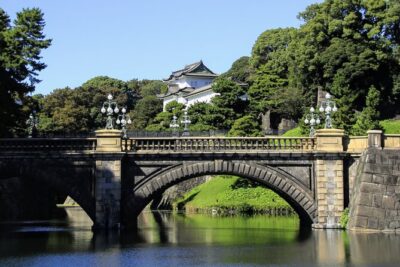
teamLab Planets TOKYO Digital Art Museum Entry Ticket
Read our review →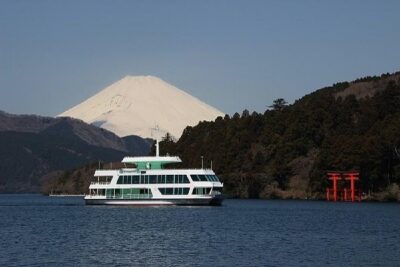
Mt Fuji & Hakone Cruise, Drum Show Bullet Train 1 Day from Tokyo
Read our review →
Sumo Show Experience with Chicken Hot Pot and a Photo
Read our review →
Shinjuku Food Tour (13 Dishes at 4 Local Eateries)
Read our review →