Reviewed · TOURS IN TOKYO
Tokyo:Stroll in Old traditional culture towns~Yanaka & Nezu
Tokyo does not get much quieter or more personal than Yanaka and Nezu, two old neighborhoods where narrow lanes, wooden homes, temples, cemeteries, and family-run shops still shape daily life. This is the Tokyo of small gardens, neighborhood greetings, and buildings that survived the city’s great upheavals, not the Tokyo of giant crossings and neon signs.
I like the slow pace and the chance to ask questions as you go. I also like the way the walk connects religion, architecture, food, and ordinary local life instead of treating each temple as an isolated photo stop. The main consideration is physical: you will walk for about three and a half hours, use staircases, and may find some shops closed, especially on Mondays.
Key points at a glance
- Nezu Shrine’s torii-lined path: One of Tokyo’s oldest places of worship, with a photogenic passage of red gates.
- Sui’s personal guiding: Sui leads this walk and is praised for clear English, local knowledge, patience, family-friendly help, and thoughtful recommendations.
- A look at old Tokyo: See buildings from the Meiji and Showa periods, along with old homes, temples, shops, and cemetery lanes.
- Local shopping with context: Yanaka Ginza is more useful when someone explains the snacks, souvenirs, and small businesses around you.
- Seasonal extras: Sakura mochi is offered in spring, while summer visits include a drink in a traditional-building café.
- A useful end point: The walk can finish at Nippori Station, Yanaka Ginza, or Nezu Station, depending on the season and your plans.
Why Yanaka feels different from central Tokyo
Tokyo is often presented through Shibuya, Shinjuku, Ginza, and Asakusa. Those places have their rewards, but they can make the city feel like a collection of major sights and shopping districts. Yanaka gives you a smaller, more human-scale view.
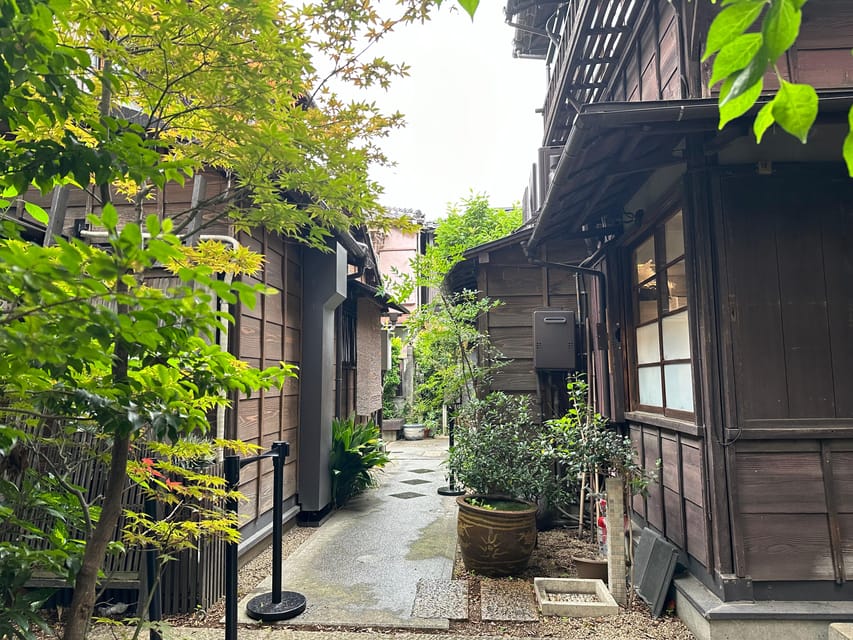
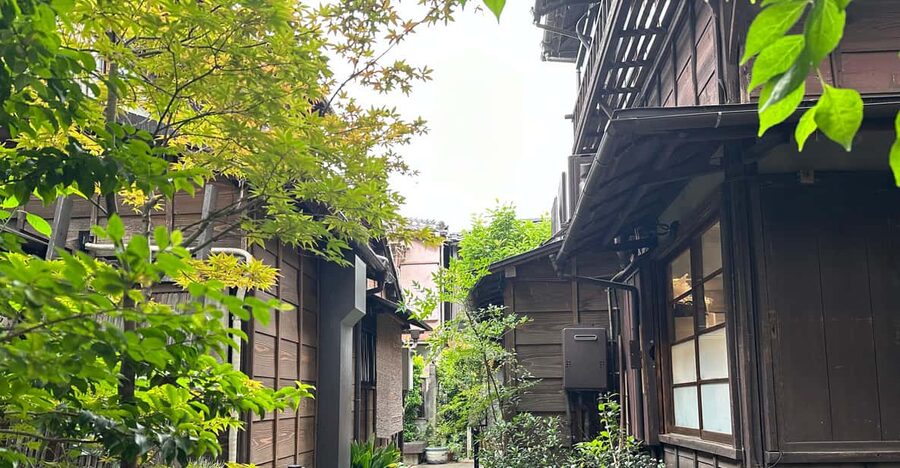
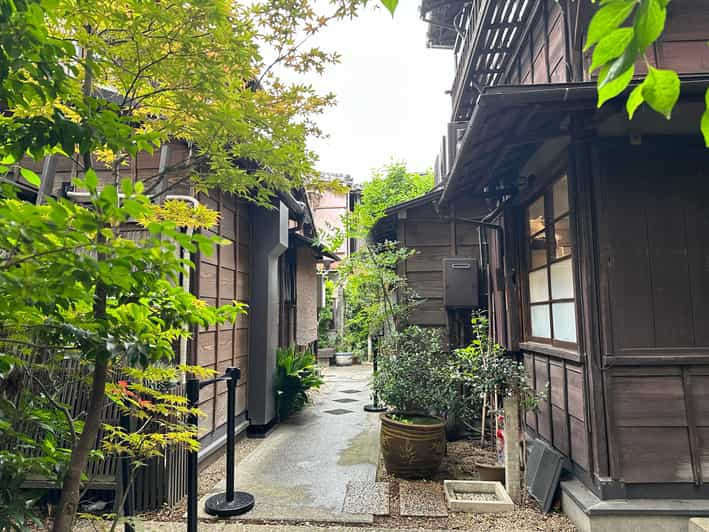
The area is often described as old downtown Tokyo, and the description fits. You walk through residential streets where old and new houses sit side by side. Small businesses occupy modest storefronts. Temples and shrines appear around corners. Elderly residents go about their day, and you may see nursery-school children during the walk.
That ordinary quality is the point. You are not simply looking at preserved buildings. You are seeing a neighborhood where historic structures remain part of working life. Your guide helps explain what you are seeing, from local customs to the way Japanese people approach religious sites.
This is also a useful contrast with the more polished parts of the city. The streets are not designed as a grand visitor route. Some lanes are tight, some stops are quiet, and some shops may be closed. That gives the walk a real neighborhood feel, but it also means you should not expect a nonstop sequence of attractions.
Other experiences people book in Tokyo:
- Mt Fuji and Hakone 1-Day Bus Tour Return by Bullet Train
★ 5.0 · 26,383 reviews - 1-Day Tokyo Bus Tour
★ 5.0 · 14,250 reviews - Tokyo: TOKYO SKYTREE® Admission ticket
★ 4.5 · 11,192 reviews
Meeting at Nippori Station and setting the pace
The tour begins at Nippori Station’s West Exit for Yanaka. The guide waits in the designated area after you leave the station, and the directions include photographs to help you find the meeting point.
Arrive on time. The walk starts as scheduled, and a late arrival could be difficult once the group has moved into the neighborhood. Wear comfortable shoes. This is a walking tour on streets, narrow lanes, and staircases rather than a flat promenade.
The planned duration is 210 minutes, though the actual finish can be a little earlier or later. That flexibility suits the subject. A good neighborhood walk needs room for questions, photographs, and brief pauses at temples or shops.
The group format is another strength. Private and small-group options are available, and a smaller party makes it easier to talk with Sui. Past departures have included couples, families with children, and very small groups. The guide has also adjusted the walk when time allowed, adding explanations or helping people find a restaurant or their next station afterward.
Nezu Shrine and the meaning of a place of worship
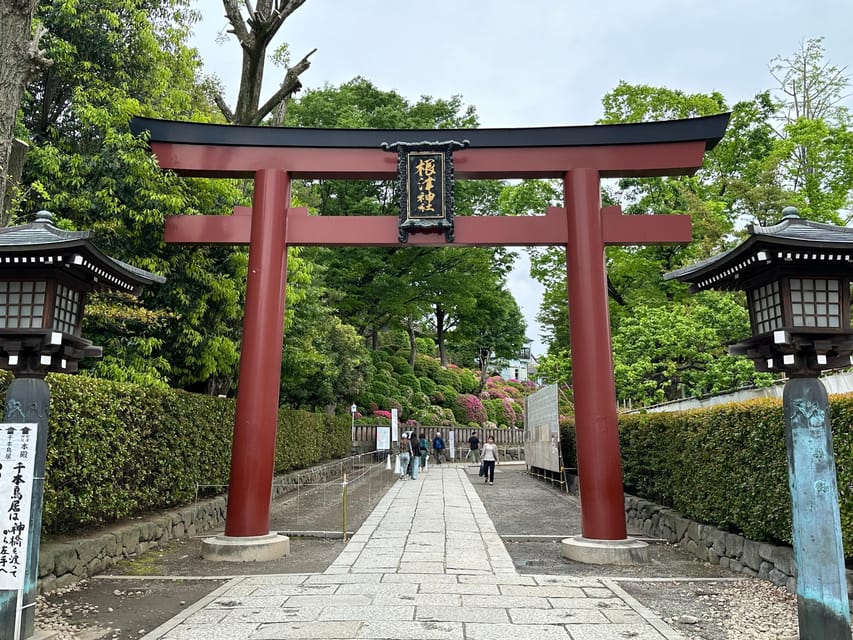
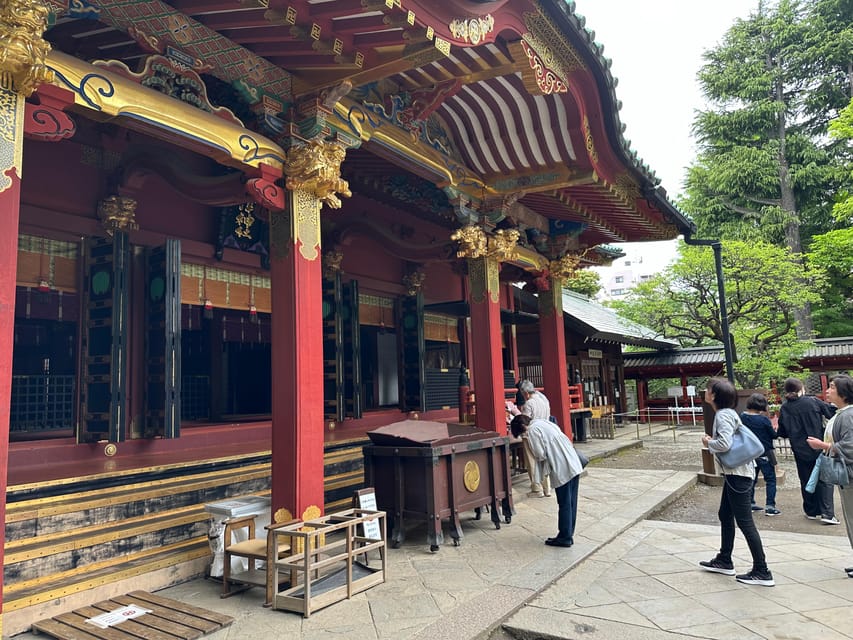
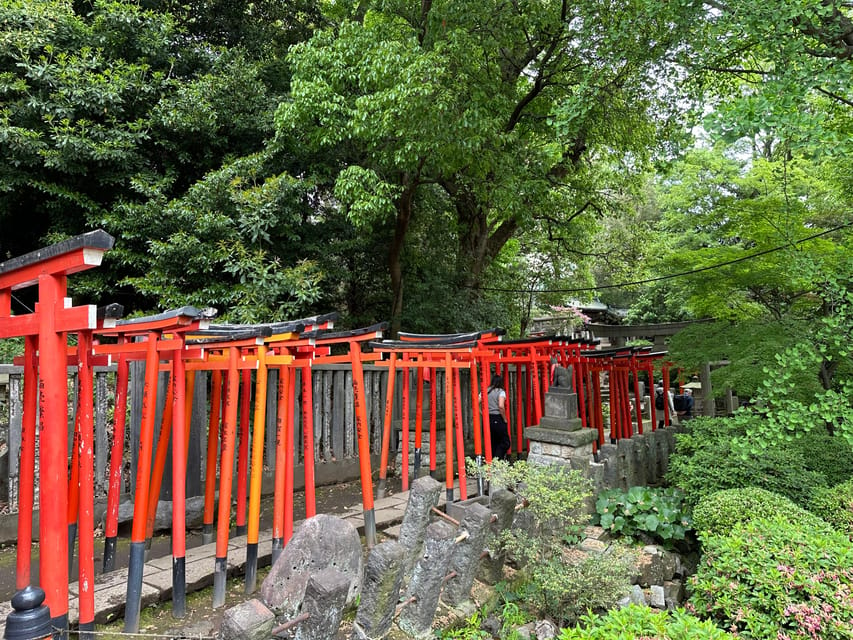
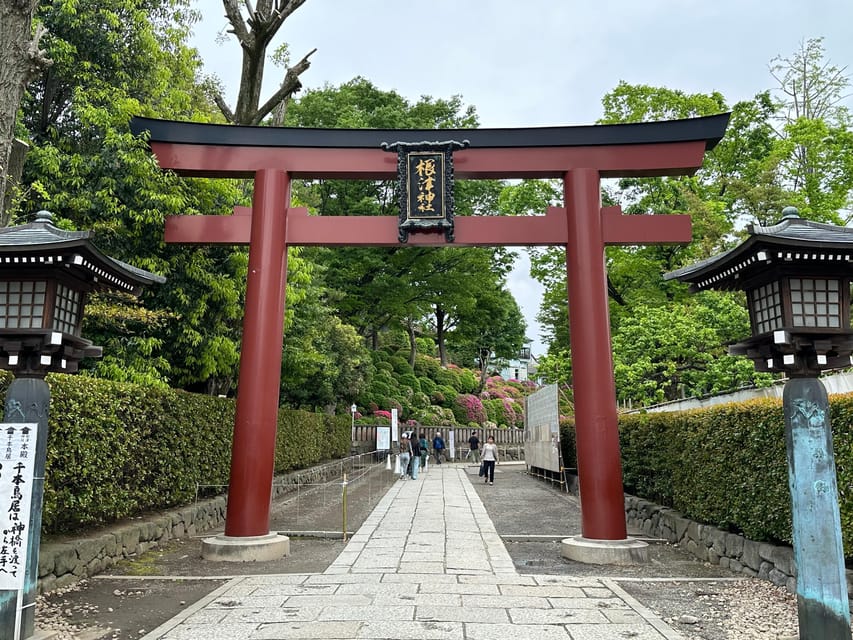
Nezu Shrine is one of the main stops, and its torii-lined pathway gives the walk an immediate visual lift. Rows of red gates create one of those classic Japanese scenes that photographs well, but the stop is about more than color and composition.
The tour uses the shrine to explain Japanese religion and customs. You can learn how shrines differ from temples, how to behave respectfully, and how local people use these places. One participant was shown how to pray and even had the chance to write an ema, a wooden votive plaque.
This kind of guidance matters because Japanese religious sites can be easy to admire without understanding. Your guide gives you enough context to make the visit more meaningful without turning it into a lecture. You can stop, take photographs, ask questions, and enjoy the quiet.
The shrine may be one of the more recognizable stops on the route, but the surrounding streets are just as important. The walk continues through local areas where the rhythm changes from formal worship to daily errands and residential life.
Tennoji Temple, Buddha, and a calmer pause
At Tennoji Temple, the focus shifts from shrine traditions to Buddhist practice. The temple is known for its large bronze seated Buddha and Japanese garden. It offers a chance to slow down after walking through residential lanes.
I like this part of the route because it provides breathing room. You are not rushed from one sight to the next. The temples are not presented as a checklist. Instead, you get time to look at the garden, notice the details, and ask how the site fits into Japanese religious life.
The quiet can be one of the tour’s best features. This is not designed as a grand temple circuit, and the smaller religious sites can feel more peaceful than Tokyo’s famous visitor magnets. The tradeoff is that the appeal depends partly on your interest in atmosphere, customs, and local history. If you want major interiors, dramatic ceremonies, or famous national treasures, this is not that kind of tour.
Same base, a different sort of day:
- Tokyo: teamLab Planets TOKYO Digital Art Museum Entry Ticket
★ 4.6 · 9,779 reviews - Mt Fuji & Hakone Cruise, Drum Show Bullet Train 1 Day from Tokyo
★ 4.0 · 7,413 reviews - Tokyo: Sumo Show Experience with Chicken Hot Pot and a Photo
★ 4.8 · 6,678 reviews - Tokyo: Shinjuku Food Tour (13 Dishes at 4 Local Eateries)
★ 5.0 · 6,603 reviews
Yanaka Cemetery and the story of old Tokyo
Yanaka Cemetery is one of the largest and most scenic cemeteries in Tokyo. Its rows of trees and broad historic setting make it a surprisingly attractive part of the walk.
A cemetery may not be on every visitor’s must-see list, but it helps explain the neighborhood. Temples, family graves, trees, and quiet paths show how spiritual spaces fit within a dense city. The stop also offers a break from commercial Tokyo and a different way to think about the passage of time.
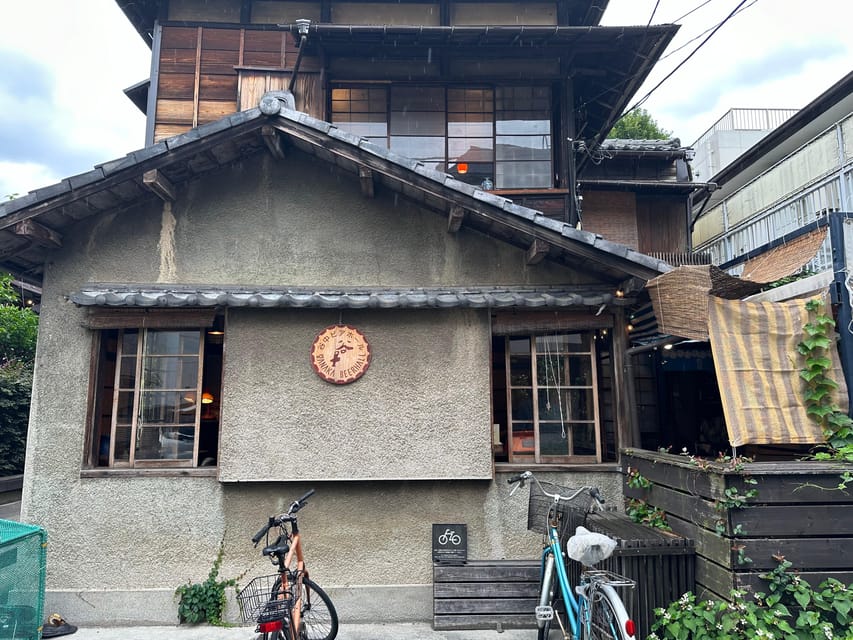
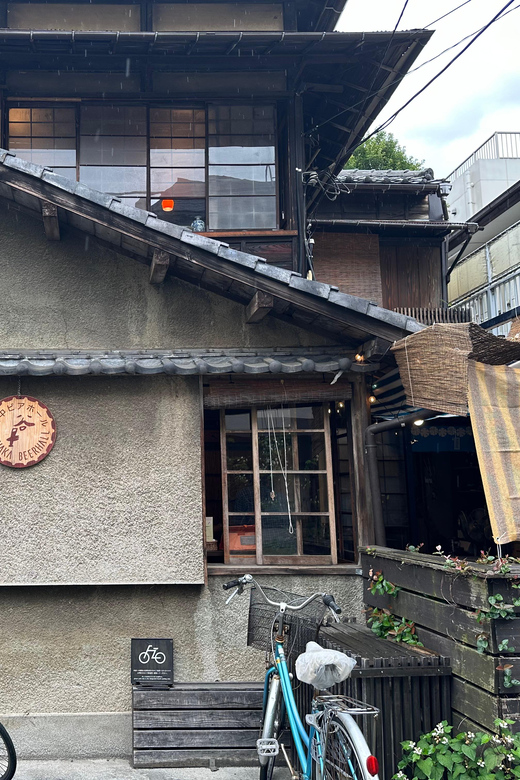
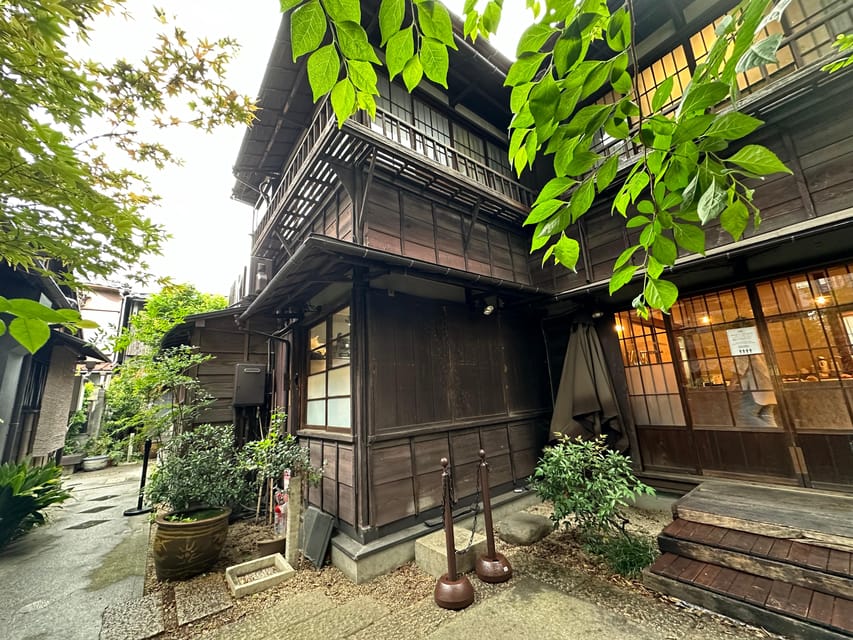
The route includes buildings and structures from the Meiji period, from 1868 to 1912, through the Showa period, from 1926 to 1989. These details help place the architecture you see in context. Some buildings are modest rather than grand, and that is precisely why a guide helps. You learn to notice the old wooden homes, shop fronts, and streets that you might otherwise pass without a second look.
You should be comfortable walking through a place of remembrance and following local etiquette. The tour presents the cemetery as a cultural and historic place, not as a novelty.
Old houses, small shops, and everyday neighborhood life
The most rewarding part of the walk may be the stretches between the headline stops. You move through quiet streets lined with old and new houses, small shops, and traditional buildings. The guide points out details tied to local life and talks about how the neighborhood has changed.
The tour also aims for interaction with local people. At old shops, you may have a chance to speak with the people who run them. The experience is not built around a staged performance. It depends on who is working, what is open, and how the conversation develops, so keep your expectations flexible.
One listed stop is Yoshida Liquor Store, a traditional Japanese sake shop. A business passed down through generations can tell you plenty about local shopping habits, family businesses, and the role of sake in Japanese culture. You may want cash for purchases, since cash is specifically recommended for the walk.
The guide’s local advice adds practical value here. Sui has helped people choose handmade snacks, local products, food stops, and souvenirs. That is the sort of information that can make the rest of your Tokyo stay easier, especially if you want to eat or shop beyond the major commercial districts.
Yanaka Ginza and the Sunset Staircase
Yanaka Ginza is a traditional shopping street where you can browse street food, Japanese snacks, small shops, and souvenirs. It is a good place to end the neighborhood story because it brings together the area’s food, shopping, and social life.
You will get more from the street if you let Sui explain what you are seeing. Rather than wandering past unfamiliar snacks, you can ask what to try, what makes a good souvenir, and which shops fit your interests. One practical tip is to eat before the tour or carry something with you. The walk can run into lunchtime, and the route does not promise a meal break.
The Sunset Staircase is a popular local photo spot. It is a simple stop, but it shows how ordinary neighborhood spaces can become meaningful to residents. The staircase also adds a little visual variety after the temples, cemetery, and narrow residential lanes.
Do not assume every shop will be open. Some businesses close on Mondays, and openings can vary by day and time. The walk still works when a particular store is shut, but shopping opportunities may be reduced.
Sui’s guiding style and the small-group advantage
Sui is the main guide for this Yanaka walk. Her guiding style, as described through the experience, is warm, flexible, and conversational. She explains Japanese history, religion, customs, and local life in English, while making room for questions and photographs.
The strongest part of her role is the personal attention. She has helped families keep children interested, offered toys and treats to young participants, taken photographs, and stayed longer when the group needed more explanation. She has also helped people find restaurants and navigate to their next activity.
That does not mean every departure will feel identical. Group size, weather, shop openings, and the interests of the people present all shape a walking tour. Still, the small-group setup gives you a better chance to speak directly with the guide than a large city tour would.
This is especially useful if you have questions about Japanese religious practice, local food, architecture, or etiquette. You can ask about something you notice in the street instead of waiting for a fixed commentary stop.
Seasonal changes you should plan around
The walk changes slightly with the weather.
During the spring period, free sakura mochi is included for everyone. The listed spring period runs from March 25 to April 25, 2026, while the special cherry-blossom promotion refers to March 25 through April 10. Blooming depends on the weather, so do not book these dates solely on the assumption that the trees will be at full bloom. If sakura mochi is unavailable, it is replaced with another traditional Japanese sweet or food item.
Summer in Tokyo can be hot and very humid. From June 1 through September 11, 2026, the tour includes a stop at a café converted from an old traditional building, with one drink included. The summer version skips Yanaka Ginza and ends at Nezu Station, while the other major places of interest remain the same.
That seasonal adjustment is sensible. A three-and-a-half-hour walk in high heat can be tiring, and one participant specifically found a long walk in 36°C weather tough. Bring water and plan for the conditions even with the café stop.
Price, timing, and who gets good value
At $29 per person, this is a fairly modest price for 210 minutes with an English-speaking guide, especially if you want more than a self-guided stroll. The value comes from interpretation and local direction rather than included admissions or a large number of paid attractions.
You are paying for someone who can connect the streets, temples, religious customs, family businesses, and food stops into one readable story. If you simply want to walk through Yanaka and take photographs, you can explore independently. If you want to understand why the neighborhood looks and feels different, the guide makes the price easier to justify.
Private and small-group choices may affect the final cost, so check the available option when booking. The activity allows cancellation up to 24 hours before departure for a full refund, and you can reserve now and pay later. Wheelchair users should not book this route because staircases and uneven walking conditions are part of the experience.
Who should book this walk
I would choose this tour early in a Tokyo stay if I wanted an introduction to local customs and a quieter neighborhood. It suits first-time visitors who want a break from central Tokyo, repeat visitors looking for a different side of the city, and families who prefer a flexible guide over a formal museum tour.
It is also a good fit for anyone interested in temples, shrines, cemeteries, traditional homes, sake, small shops, or Japanese daily life. You do not need to be an architecture expert or a religious scholar. Curiosity is enough.
I would think twice if you have limited walking ability, dislike residential neighborhoods, need a guaranteed lunch stop, or want only famous landmarks. The route is deliberately low-key, and some of its best moments depend on slowing down and noticing details.
Should you book the Yanaka and Nezu walk?
Book it if you want Tokyo to feel like a lived-in city rather than a list of major sights. The combination of Nezu Shrine, Tennoji Temple, Yanaka Cemetery, old houses, local shops, and Yanaka Ginza gives you a well-rounded look at an older part of the capital.
Sui’s personal attention is a major reason to choose this particular walk, especially if you value questions, food tips, photographs, and help with the rest of your day. Bring comfortable shoes, cash, water, and a snack. If your visit falls in summer, use the café stop as a welcome pause, and if it falls in spring, treat the sakura sweet as a pleasant extra rather than a guarantee of peak blossoms.
FAQ
Where does the tour start?
The tour starts at Nippori Station, at the West Exit for Yanaka. The guide waits in the waiting area after you leave the station.
How long does the walk last?
The planned duration is 210 minutes, or about three and a half hours. It may finish a little earlier or later.
What places are included?
The route includes Yanaka and Nezu residential streets, Nezu Shrine, Tennoji Temple, Yanaka Cemetery, historic Meiji and Showa-period buildings, Yoshida Liquor Store, Yanaka Ginza, and the Sunset Staircase. The summer version does not visit Yanaka Ginza.
Is the tour offered in English?
Yes. The tour includes a live English-speaking guide. Sui is the main guide for this Yanaka walking tour.
What should I bring?
Bring comfortable shoes and cash. You should also consider carrying water and a snack, since the walk can run into lunchtime and uses staircases.
Is the tour suitable for wheelchair users?
No. The tour is not suitable for wheelchair users because staircases are used during the walk.
Just added in Tokyo
- The 10 Tastings of Tokyo With Locals: Private Street Food Tour★ 5.0 · 48 reviews
- Small Town in the Big City: Tasting Tokyo’s Kichijoji★ 5.0 · 195 reviews
- Small Town in the Big City: Tasting Tokyo’s Kichijoji★ 5.0 · 16 reviews
- EXCLUSIVE Tokyo Secret: Kichijoji Small-Group Food & Bar Hopping★ 5.0 · 29 reviews
- Explore Kichijoji: Walk Through One of Tokyo’s Beloved Districts★ 5.0 · 21 reviews
- :Tokyo,Shibuya/ Pro Photography in Kimono / English-Friendly★ 5.0 · 26 reviews
- 【R34】Tokyo:Private Daikoku tour in Modified R34★ 4.9 · 92 reviews
- Tokyo:Calligraphy &Make your original folding fan in Asakusa★ 5.0 · 62 reviews
Tours in Tokyo, compared.
Mt Fuji and Hakone 1-Day Bus Tour Return by Bullet Train
Read our review →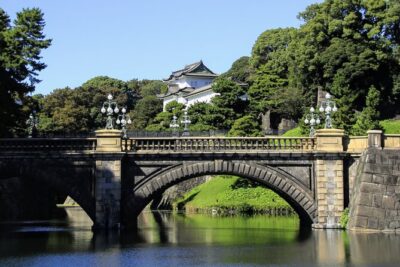

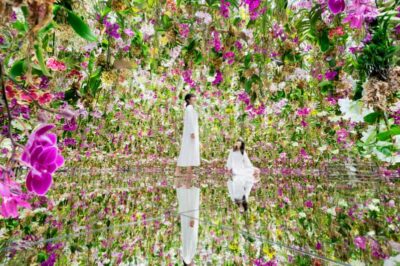
teamLab Planets TOKYO Digital Art Museum Entry Ticket
Read our review →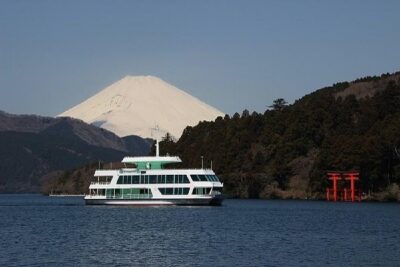
Mt Fuji & Hakone Cruise, Drum Show Bullet Train 1 Day from Tokyo
Read our review →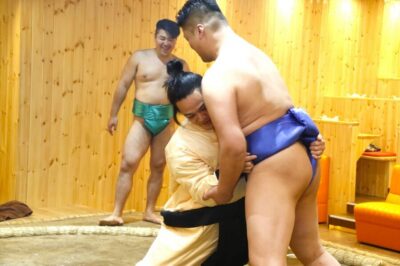
Sumo Show Experience with Chicken Hot Pot and a Photo
Read our review →
Shinjuku Food Tour (13 Dishes at 4 Local Eateries)
Read our review →