
Reviewed · MUSEUMS
Tokyo: teamLab Planets TOKYO Digital Art Museum Entry Ticket
teamLab Planets TOKYO turns art into a place you walk through, touch with your feet, and influence simply by being there. You move barefoot through water, light, flowers, mirrors, and sound, with each room offering a different kind of surprise. The water rooms and flower installations are the biggest draws.
I like the way the art asks you to slow down rather than shuffle past framed pictures. I also like the wide appeal: teenagers, parents, and adults who normally skip museums can all find something to do. The main catch is timing. You cannot buy admission on the same day, and arriving early does not guarantee immediate entry before your selected slot.
Key points
- Barefoot water rooms: Some areas reach knee height, so wear trousers you can roll well above your knees.
- Art that responds to you: Your movement and presence affect the projected flowers, fish, lights, and other digital scenes.
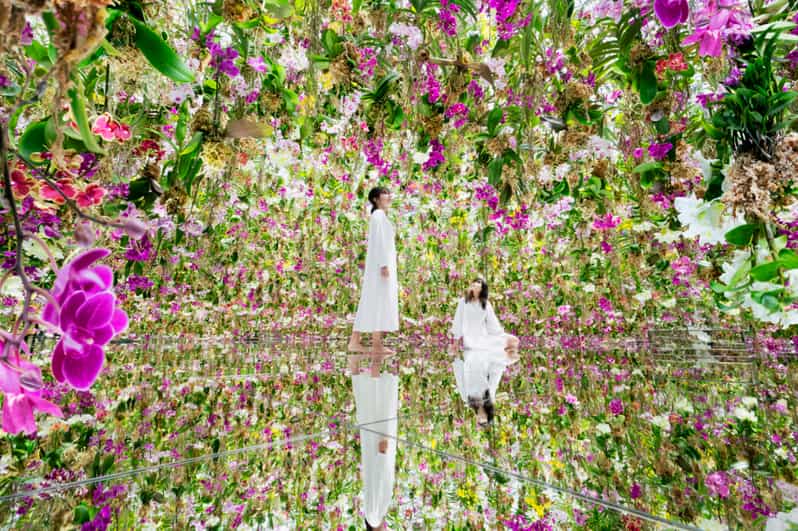
- Flower Universe and garden rooms: Falling flowers, orchids, and mirrored blooms are among the most memorable places for photos and quiet reflection.
- Timed entry matters: You can enter only during the first 30 minutes after your selected time, with no refund for a late arrival.
- A large, full-body visit: The exhibition covers more than 10,000 square meters, and you should allow at least two hours if you want to take your time.
- Not a standard museum: You walk, crouch, sit, and sometimes wade through water, so the visit suits active visitors more than anyone seeking a conventional gallery.
What teamLab Planets asks you to do
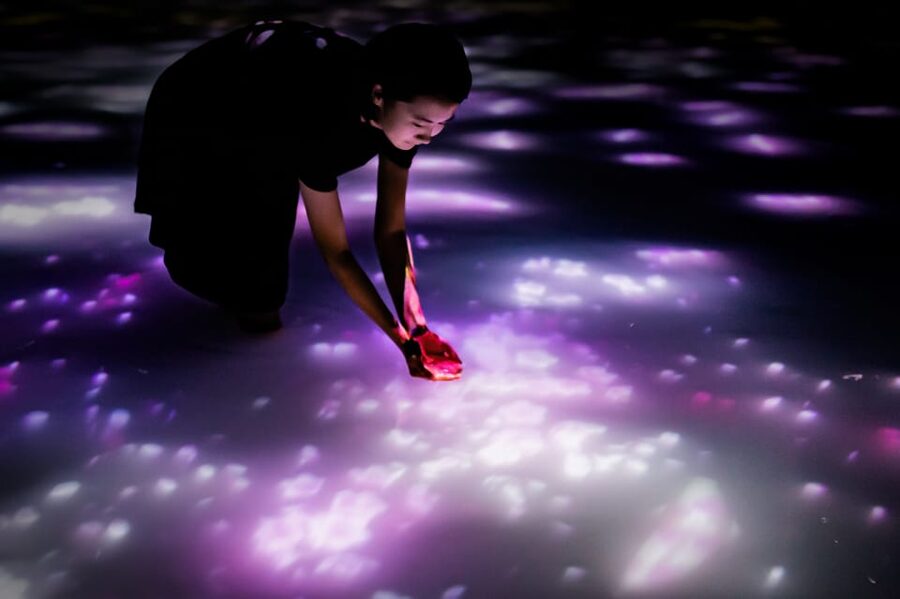
The basic idea is simple: stop looking at art from a distance and enter it. At teamLab Planets, rooms use digital projections, sound, water, mirrors, flowers, and changing light to create scenes that shift around you.
Your presence is part of the work. Walk through a field of projected flowers and the display may respond to your movement. Enter a water room and the changing images make the floor, walls, and water feel like one moving picture.
That sounds high-tech, and it is, but the effect is often quite calm. You may spend one room walking slowly and another lying back to watch flowers fall toward your face. The exhibition gives you permission to stop checking your phone and simply watch.
This is not a guided tour. No guide leads you from room to room, and the supplied ticket covers entrance only. You follow the path through the museum at your own pace, with staff managing the flow and explaining practical matters along the way.
A few more things to do in Tokyo worth a look
- Tokyo: Samurai Ninja Museum Guided tour and Experience
★ 4.6 · 1,010 reviews - Ninja Experience (Family Friendly) at Samurai Ninja Museum TOKYO
★ 5.0 · 441 reviews - Tokyo Studio Ghibli Museum and Ghibli Film Appreciation Tour
★ 4.5 · 421 reviews
The first rooms: barefoot and ready for water
Before entering the main exhibition, you take off your shoes. Small lockers are available for belongings, which is useful because you need both hands free in several rooms.
The barefoot rule is not a minor detail. It changes the visit from a normal museum walk into a physical experience. You may feel a cool floor, soft surfaces, water, or mirrored material underfoot. Some sections use reflective floors, so modest clothing and practical trousers are wise.
The water rooms are the part that requires the most preparation. Water can rise to knee height, and you need trousers that roll above your knees. One area may have visitors crouching or moving carefully, so clothes that restrict movement are a poor choice.
If you arrive in unsuitable clothing, short pants may be available, but it is easier to dress for the visit from the start. Bring your passport or ID card as well. Staff may ask for identification to confirm age or school affiliation.
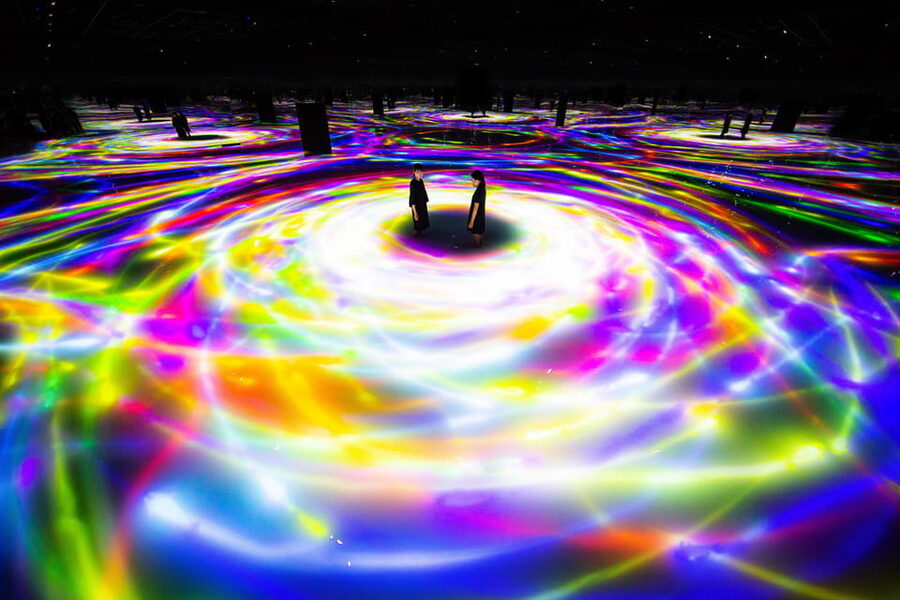
The water is not just a gimmick. It makes you pay attention to every step, while the digital images alter the feeling of the room. You are no longer watching a projected scene on a wall. You are walking through it.
Water Gallery: the most talked-about stop
The Water Gallery is likely to be your strongest memory of the visit. It combines real water with projected images, making the room feel less like a cinema and more like a changing pool of light.
The digital koi are a particularly memorable detail. They move through the water and react to the presence of people, turning a simple walk into something that feels alive. The scene gives you a reason to pause and watch what happens around your feet.
This room can be awkward if you are alone, wearing restrictive clothes, or uncomfortable with wet feet. It is also not ideal for anyone with mobility limits. The exhibition notes that some areas are not accessible by wheelchair, and the water sections require careful movement.
For most visitors who can manage the physical demands, the Water Gallery is worth taking slowly. Do not rush through it simply because people are waiting behind you. The images change as people move, so standing still for a moment can reveal something different from the first few seconds.
Flowers, orchids, and the changing garden
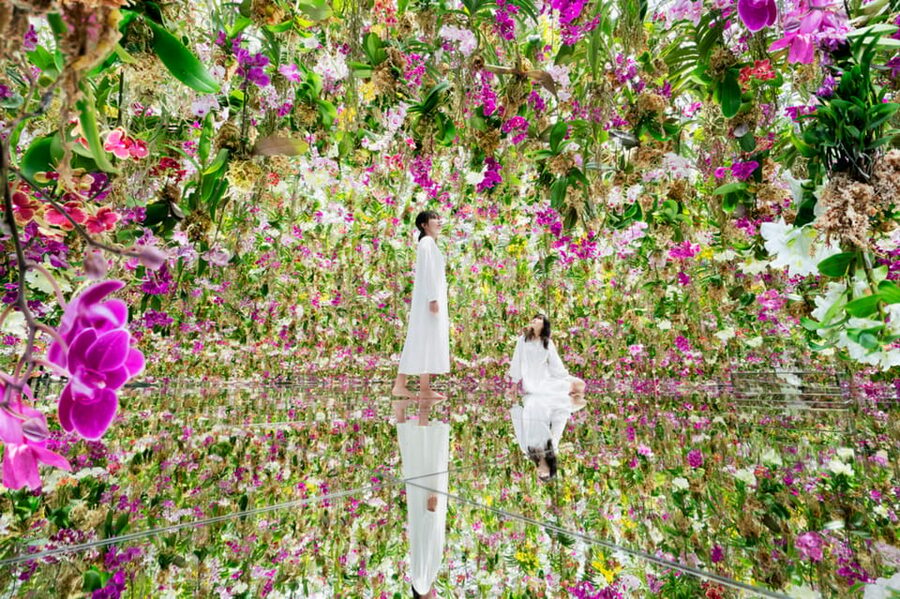
The flower rooms provide a gentler contrast to the water. Digital blooms fill the walls and floor, while flowers appear to fall, gather, and shift in response to movement.
The Flower Universe is a favorite for good reason. You can lie on the floor and look upward as countless flowers appear to drift toward your face. The room works best when you stop trying to capture every second on your phone and allow your eyes to adjust.
The orchid room creates a different mood. Real and projected flowers combine with mirrors, making the space feel larger than it is. The effect is especially strong when you stand quietly and let the flowers move around you.
Another garden area uses flowers and changing light to create a slower, more reflective experience. These installations have less physical action than the water rooms, but that is part of their value. You get a chance to rest, look closely, and notice how the display responds to the movement of people nearby.
Photography is allowed as part of the experience, but crowded rooms can make it hard to get a clear picture. If you care about photos, consider a quieter time slot. If you care more about the artwork, put the phone away for a few minutes.
Same base, a different sort of day:
- Mt Fuji and Hakone 1-Day Bus Tour Return by Bullet Train
★ 5.0 · 26,383 reviews - 1-Day Tokyo Bus Tour
★ 5.0 · 14,250 reviews - Tokyo: TOKYO SKYTREE® Admission ticket
★ 4.5 · 11,192 reviews - Mt Fuji & Hakone Cruise, Drum Show Bullet Train 1 Day from Tokyo
★ 4.0 · 7,413 reviews
Mirrors, light, and the five-senses approach

teamLab Planets uses more than screens. Sound, temperature, water, touch, reflections, and your own balance all shape the visit.
Mirrored floors and walls can make a room feel endless. They also mean you should watch your footing and dress with care. Some spaces may ask you to sit or lie down, while others encourage slow movement through changing light.
The exhibition works because the senses do not operate separately. A projected image looks different when you hear a matching sound and feel water under your feet. A room filled with flowers becomes more physical when the image seems to fall toward you.
This is also why the visit can feel personal. The same room may seem playful to one person and peaceful to another. A child may focus on moving through the images, while an adult may spend more time watching patterns and changes.
The experience is not suitable for people with epilepsy, light sensitivity, or heart problems. Intoxicated visitors cannot enter, and children younger than 13 must be accompanied by an adult. Unaccompanied minors are not permitted.
How long to allow, and when to go
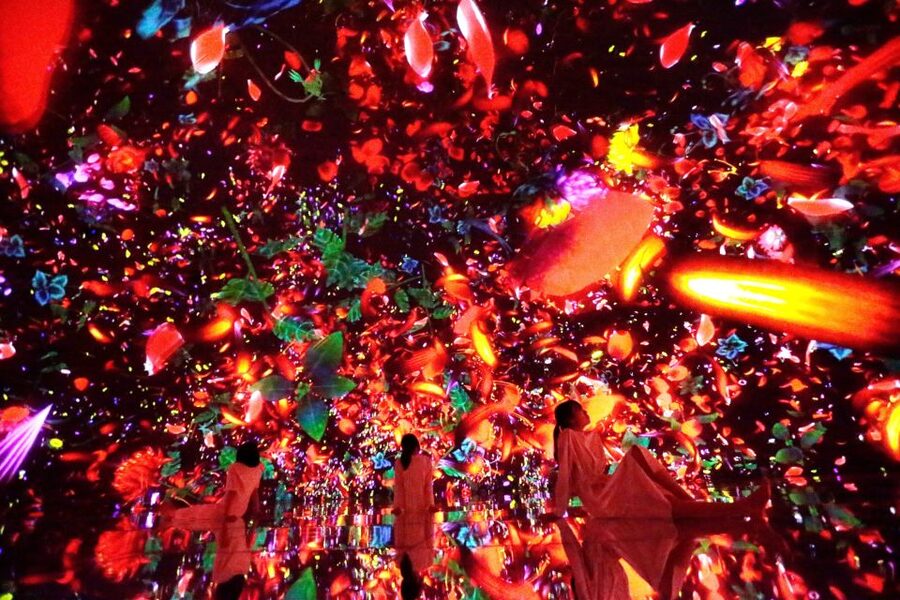
The ticket is valid for one day, but your entry is tied to a selected time. You can enter only within the first 30 minutes after that time, and late arrivals are not refunded.
Once inside, plan on at least two hours if you want to enjoy each section properly. Some people may move through faster, while others will want to revisit a flower room, watch the water longer, or wait for a less crowded moment.
Do not assume that arriving far ahead of your slot means you can enter early. Admission is managed by time, and you may have to wait outside until your entry window. This matters in rain or cold weather, since parts of the experience and waiting area are semi-outdoor.
Early time slots can be a sensible choice if you want a calmer start. Less busy periods may also make the rooms easier to enjoy, although crowd levels are never fully under your control.
Staff generally keep the flow orderly once people are inside. That helps prevent the rooms from feeling packed, even when many people are moving through the exhibition at once. The tradeoff is that the entrance process can feel less flexible than you might expect.
Getting the best value from a $25 ticket
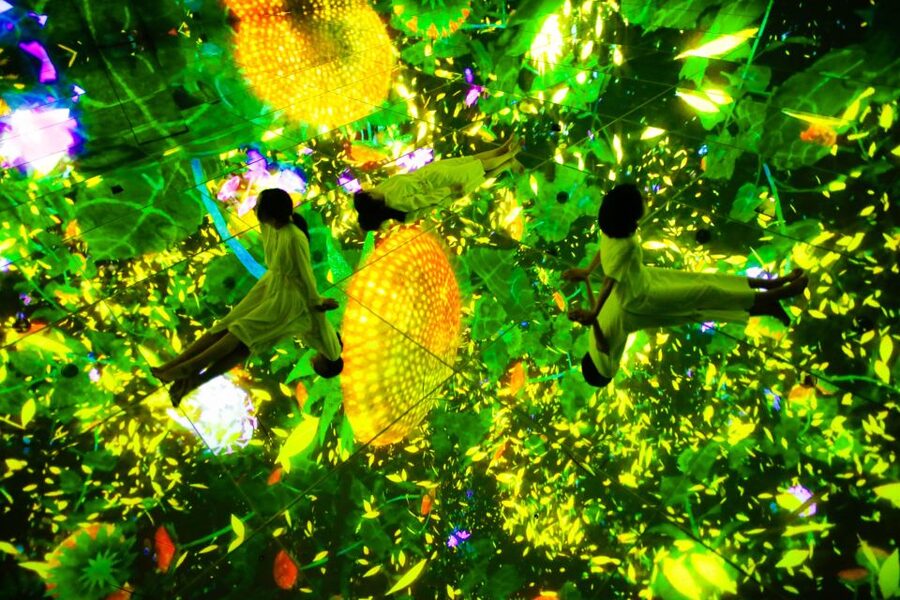
At about $25 per person, this is not a cheap museum stop, but it offers more than a short photo opportunity. The exhibition covers over 10,000 square meters and combines several types of rooms, so you are paying for a substantial, full-body art experience rather than a single installation.
The value is strongest if you give it time. Rushing through every room, taking a few pictures, and leaving after an hour makes the ticket feel expensive. Staying for two hours or more gives you time to notice changes and experience the rooms at different speeds.
A prebooked official voucher also has practical value. It must be emailed to you and used for entry, so check your email before leaving for the museum. A ticket may let you avoid buying admission at the venue, but you still need to respect the assigned time.
There is no transportation included. You arrange your own way to the museum, and the meeting point can vary by booking option. Check the exact location carefully when reserving, especially since Tokyo has more than one teamLab venue. It is easy to head toward the wrong one if you rely only on the teamLab name.
The on-site cafe should not be a major reason to book. If you arrive early, you may want to find food or coffee elsewhere rather than count on having a full cafe experience before entry. Eating, drinking, and smoking are not allowed inside the exhibition.
Who will enjoy teamLab Planets most
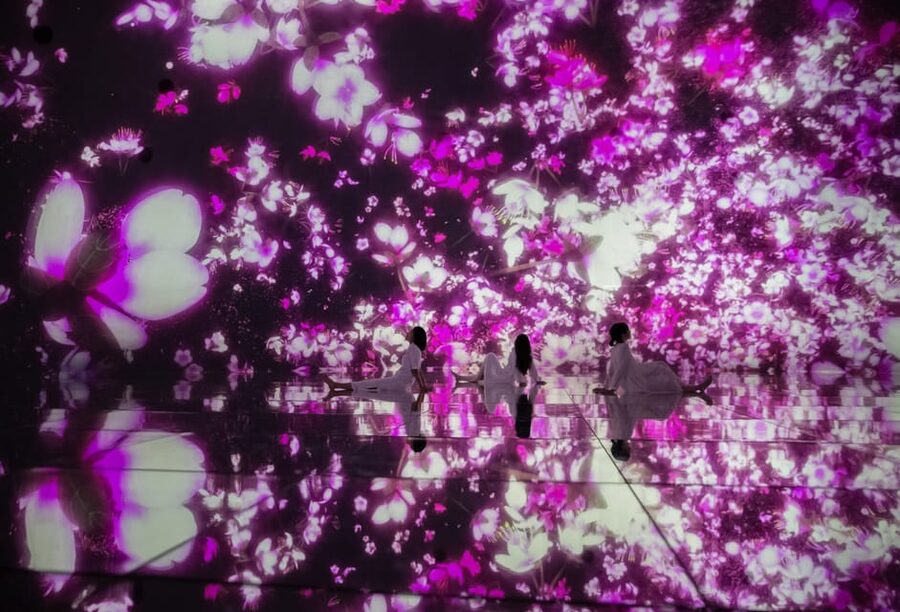
I would recommend this for families with older children, teenagers, couples, solo visitors who enjoy visual art, and anyone looking for something far removed from a standard museum.
It is particularly good for people who like to take part rather than simply observe. You will walk barefoot, negotiate water, look into mirrors, sit or lie down in some rooms, and adjust to changing light. If that sounds fun, the format is a strong match.
It can also work for adults who think digital art is only for children. The flower and water installations offer enough beauty and quiet to appeal to visitors who prefer contemplation over games.
Solo visitors can enjoy the exhibition, though some rooms feel more natural with a companion. You may feel slightly self-conscious lying down or moving through a room alone, but the design does not require you to be part of a group.
This is a poor choice if you have epilepsy, strong light sensitivity, heart problems, or mobility needs that make uneven, mirrored, or wet areas difficult. Since some parts are not wheelchair accessible, check your needs carefully before paying for a non-refundable ticket.
Practical tips before you reserve
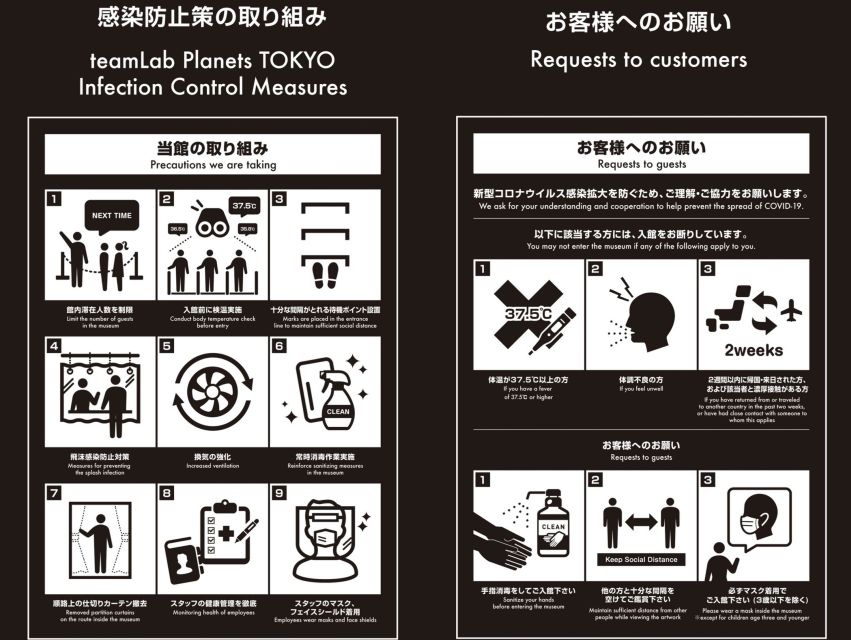
Wear trousers that roll above your knees, not just to the knee. Water levels can rise high enough to make ordinary long pants uncomfortable.
Bring a passport or ID card. You may need it to verify age or school affiliation, and it is better to have it ready than to risk a delay.
Keep your belongings small enough for the available lockers. You will be barefoot and moving through rooms where a large bag would get in the way.
Choose your time carefully. You cannot purchase admission on the same day, entry is limited to the first 30 minutes of your slot, and late arrival means losing the ticket price.
If you are sensitive to flashing or intense light, do not treat this as a casual museum visit. The exhibition depends heavily on changing projections and bright visual effects.
Check the venue name before setting out. Tokyo has two teamLab locations, and a ticket for one does not automatically work at the other.
Should you book teamLab Planets TOKYO?
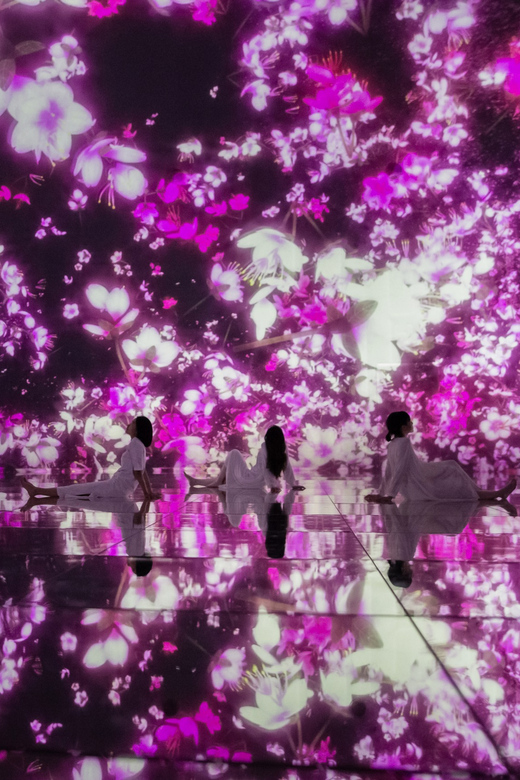
Book it if you want a highly physical art visit with water, flowers, mirrors, sound, and light rather than a traditional gallery. The Water Gallery, Flower Universe, orchids, and falling-flower rooms give the visit several memorable peaks, while the changing displays reward patience.
Skip it if you dislike bare feet, wet clothing, dark rooms, reflective floors, or strict timed entry. Also think twice if you need full wheelchair access or have epilepsy, heart problems, or light sensitivity.
For most suitable visitors, $25 is a fair price if you allow two hours, dress properly, and arrive within the correct window. Pick a quieter time if possible, keep your phone away for part of the visit, and let the art change around you.
FAQ
How much does teamLab Planets TOKYO cost?
The listed price is $25 per person. The ticket includes entrance to the digital art museum, but transportation is not included.
How long is the ticket valid?
The ticket is valid for one day, with entry based on an assigned starting time. You must enter within the first 30 minutes after that time.
Can I buy a ticket on the same day?
No. Same-day admission tickets cannot be purchased, so you need to arrange your ticket in advance.
What should I bring to the museum?
Bring your passport or ID card. Staff may request identification to confirm age or school affiliation.
Do I need to take off my shoes?
Yes. Visitors enter the exhibition barefoot, and lockers are available for small belongings.
What should I wear?
Wear trousers that can be rolled above your knees. Some rooms have water reaching knee height, and other areas use mirrored flooring.
Can children visit teamLab Planets?
Children younger than 13 must be accompanied by an adult. Unaccompanied minors cannot enter.
Is the museum wheelchair accessible?
Some areas are not accessible by wheelchair. The experience is also not suitable for people with epilepsy, heart problems, or light sensitivity.
Just added in Tokyo
- Nikko: Edo Wonderland Edomura Cultural Theme Park Ticket★ 4.3 · 205 reviews
- 《MEMBERS-ONLY-BAR-HOPPING》Discover Your Special Whiskey in Tokyo!★ 5.0 · 29 reviews
- Japanese Whisky Hunting《HIGH-QUALITY-ONLY》Rare Tasting Class★ 5.0 · 20 reviews
- Luxury Tokyo Sake, Cocktail, Whisky and Pairing Tour★ 5.0 · 18 reviews
- Wagyu & Sake Pairing in Shinjuku – Steak, Shabu-Shabu & More★ 5.0 · 112 reviews
- Small-Group Wagyu Beef and 7 Japanese Dishes Tokyo Cooking Class★ 5.0 · 190 reviews
- From Tokyo: Private Tour to Fuji/Hakone – Onsen, Art, Nature★ 5.0 · 116 reviews
- Tokyo: KABUKI Show at Kabukiza Theatre Admission Ticket★ 4.8 · 152 reviews
Museums, compared.
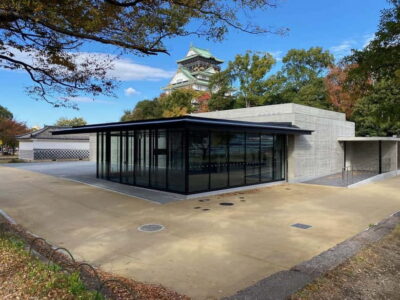
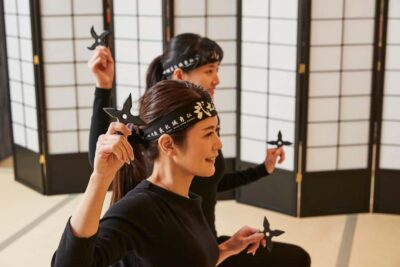
Samurai Ninja Museum Guided tour and Experience
Read our review →
Tea Museum Tickets and Matcha Grinding Experience
Read our review →
Skip the lines Basic Ticket at SAMURAI NINJA MUSEUM KYOTO
Read our review →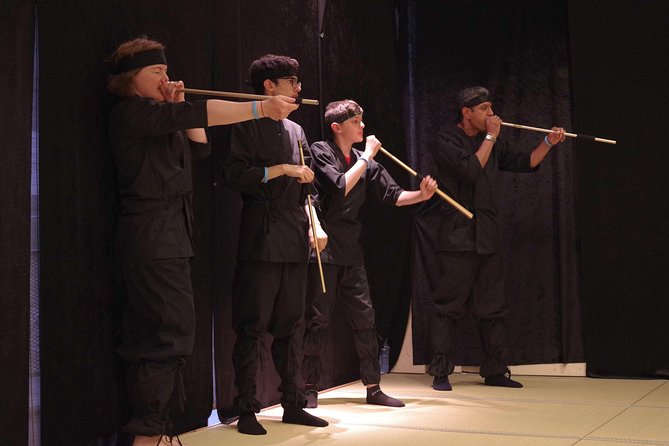
Ninja Experience (Family Friendly) at Samurai Ninja Museum TOKYO
Read our review →
Tokyo Studio Ghibli Museum and Ghibli Film Appreciation Tour
Read our review →
Geiko Maiko Dance of Kyoto & Visits of Gion Museum
Read our review →
Tokyo Sword Experience – includes Museum Ticket/Ninja Experience
Read our review →Browse the lists this tour appears in