
Reviewed · TOURS IN TOKYO
Tokyo:Celebrate Unique Japanese New Year Tradition Festivity
Tokyo’s Oji district turns into a scene from Japanese folklore on New Year’s Eve. More than 200 people in fox masks and traditional clothing carry glowing lanterns toward Oji Inari Shrine, recreating the old tale made famous by ukiyo-e prints. The effect is strange, beautiful, and far removed from the usual city countdown.
I like the reserved viewing area, which gives you a clear look at the procession without having to fight for space. I also like the chance to visit Oji Shrine and Otonashi Water Park with a guide who can explain the fox legend and Japanese New Year customs. The main concern is organization: the experience may feel more like being escorted between locations than taking part in a fully explained cultural tour.
Key points to know before booking
- The fox parade is the main event: Glowing lanterns, fox masks, and traditional dress create a rare midnight scene.
- Reserved viewing saves effort: A permitted special area provides a much better chance of seeing the procession clearly.
- The route adds local context: Oji Shrine and Otonashi Water Park connect the parade to the district’s religious and folk traditions.
- The three-hour option includes an izakaya stop: You receive local snacks and one drink, with beer, wine, or sake available.
- Expect walking and standing: Comfortable shoes and warm clothing are essential on a cold winter night.
- This suits adults and older children best: The experience is not suitable for children under 12, wheelchair users, or people with serious health concerns.
Why Oji’s foxes make New Year’s Eve different
Tokyo has no shortage of countdown events, but the Oji Fox Parade offers something far more local in character. It is based on the belief that foxes from across the Kanto region gather on New Year’s Eve and travel to Oji Inari Shrine. The tale was preserved in a famous ukiyo-e woodblock print, and the modern event brings that image into the streets.
The parade’s visual hook is kitsunebi, or foxfire. In this event, the foxfire appears through glowing lanterns carried by participants. Add fox masks, kimonos, the dark winter sky, and shrine buildings, and you get a scene that feels theatrical without being a staged show for tourists.
You should come for the atmosphere rather than a long performance. The procession itself is the centerpiece, and the exact rhythm of the night depends on crowd movement, the countdown, and local arrangements. The tour gives you a place to watch, but it cannot turn a public New Year celebration into a private event.
Other experiences people book in Tokyo:
- Mt Fuji and Hakone 1-Day Bus Tour Return by Bullet Train
★ 5.0 · 26,383 reviews - 1-Day Tokyo Bus Tour
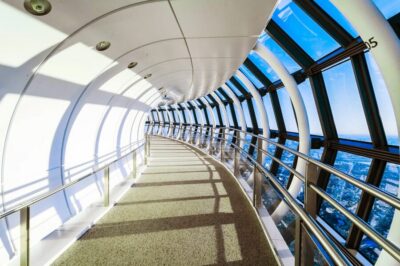
★ 5.0 · 14,250 reviews - Tokyo: TOKYO SKYTREE® Admission ticket
★ 4.5 · 11,192 reviews
Meeting at North Exit of JR Oji Station
The meeting point is the North entrance of JR Oji Station on the Keihin-Tohoku Line. You can also reach Oji on the Tokyo Metro Namboku Line. If you arrive by metro, use Exit 3 and walk to the ground-level north entrance of the JR station.
Look for the guide holding a fox mask. That is the identifying sign provided for the meeting. Since New Year’s Eve stations can be busy, I would arrive early enough to find the correct exit without rushing. Oji is not the central Tokyo station many visitors know best, so check your route before leaving your hotel.
The guide service is offered in English or Chinese. The activity details do not provide guide names, so you should not expect to meet a named specialist in advance. The guide is meant to lead the route and provide cultural explanation, though the quality of that explanation may vary.
The optional izakaya start, with one drink
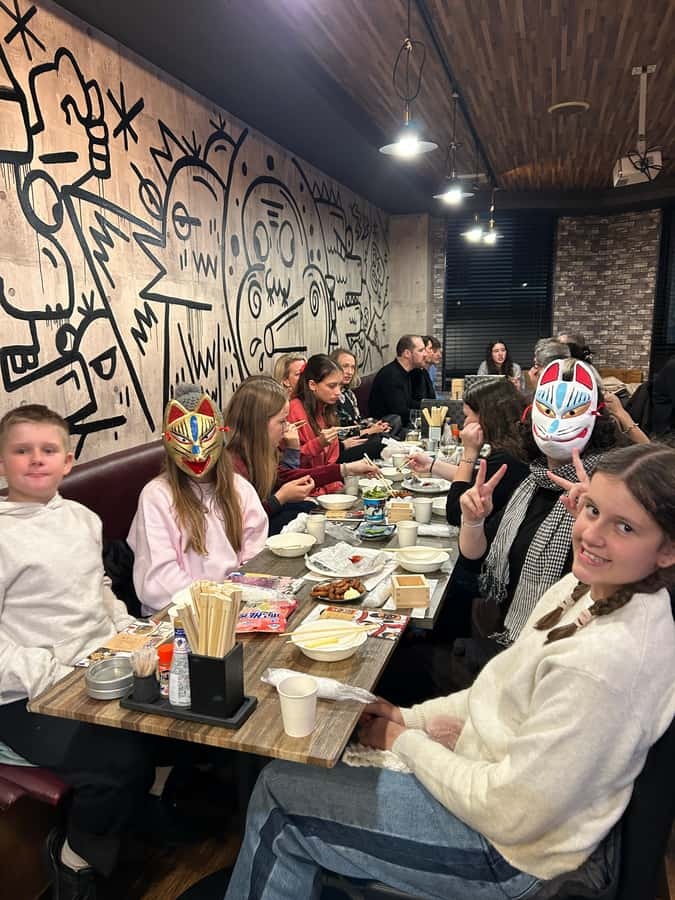
The three-hour version begins with an hour at a local bar or izakaya. The package includes snacks and one drink, with beer, wine, and local sake among the choices described. This gives you a warm indoor pause before the outdoor parade and adds a social Japanese New Year custom to the evening.
I like this part because it provides more than a viewing ticket. A small neighborhood bar can show you a more ordinary side of Oji than a major sightseeing district. Local snacks also make the night easier physically, since you may later spend time standing outdoors in winter weather.
The value depends on what you want from the tour. If you already have dinner plans, the shorter two-hour option may make more sense. If you want food, a drink, and a guided evening in one booking, the longer option is the better fit.
One caution: the supplied details do not promise a set menu or explain each dish. The food is described as local snacks, not a full dinner. A past booking experience also points to a possible weakness in the presentation: the hosts at the bar were friendly and served enough food, but the dishes were not clearly explained. Treat this stop as a casual bite and drink, not a formal tasting.
Otonashi Water Park and the story of Oji
After the bar, the route includes a short visit to Otonashi Water Park, listed at about 15 minutes. The stop helps place you in Oji, where water, shrines, and local legends meet. It is not a long sightseeing visit, so keep your expectations modest.
This brief stop matters because the evening is not only about standing at a parade barrier. The guide connects several local places before taking you to the main viewing point. You may hear how the area relates to Oji’s religious traditions and the fox story, though the amount of explanation can depend on the guide and the pace of the night.
Because the stop is short, wear shoes that are easy to walk in and expect little time for a slow photo session. The attraction here is the connection to the route, not a major park visit.
Same base, a different sort of day:
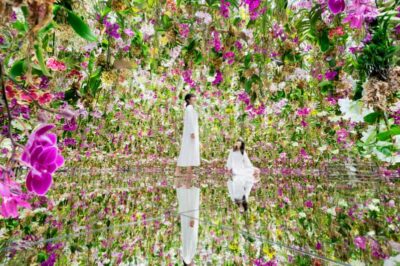
- Tokyo: teamLab Planets TOKYO Digital Art Museum Entry Ticket
★ 4.6 · 9,779 reviews - Mt Fuji & Hakone Cruise, Drum Show Bullet Train 1 Day from Tokyo
★ 4.0 · 7,413 reviews - Tokyo: Sumo Show Experience with Chicken Hot Pot and a Photo
★ 4.8 · 6,678 reviews - Tokyo: Shinjuku Food Tour (13 Dishes at 4 Local Eateries)
★ 5.0 · 6,603 reviews
Oji Shrine and the New Year setting
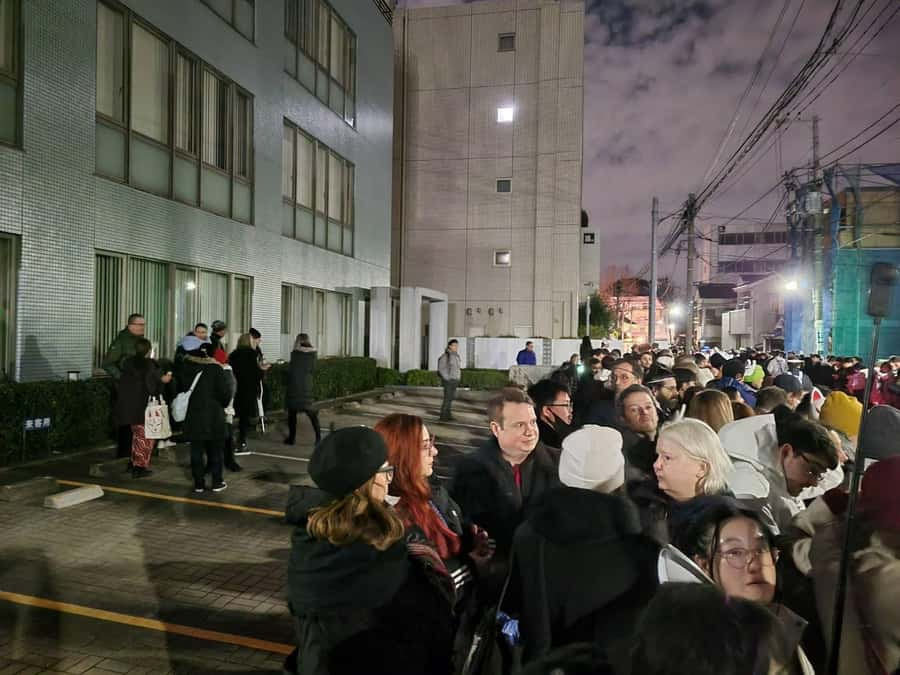
The tour then visits Oji Shrine for around 45 minutes. Shrine visits are especially fitting at New Year, when people across Japan begin the year by praying for good fortune, health, and a fresh start. Oji Shrine gives the parade its spiritual setting and helps explain why foxes are central to the area’s folklore.
This is where the tour can offer its strongest cultural value. A guide can point out the role of shrines, the importance of New Year customs, and the connection between the fox procession and Oji Inari Shrine. You are not simply watching people in costumes. You are seeing a modern community event tied to a much older religious imagination.
The timing may not feel leisurely. New Year’s Eve crowds and the midnight schedule put pressure on the route, so the shrine visit is part of a moving program rather than a quiet private prayer stop. If you want plenty of time for independent shrine photography, you may find the group schedule limiting.
Flash photography is not allowed. Bring a camera if you like, but use it respectfully and be ready for dark conditions. The lanterns create attractive scenes, but low light can make photographs difficult.
Waiting for midnight and finding the viewing point
The final part of the route leads to a viewpoint where you watch the fox procession. The schedule lists about 30 minutes for this stop, though the night includes waiting for the midnight countdown. You may stand in place for around 20 minutes before the clock reaches midnight.
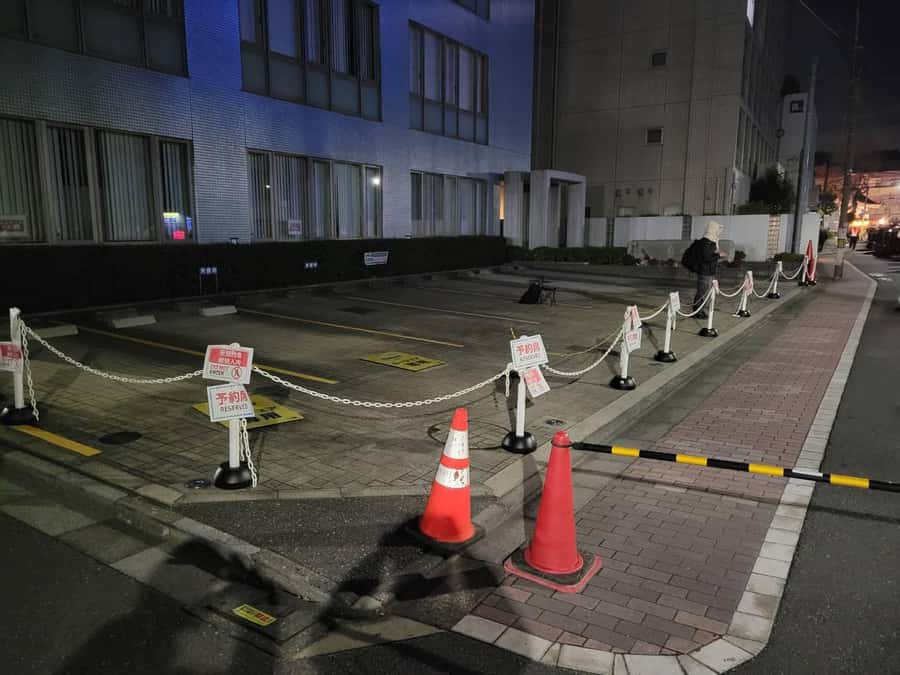
This is the point where the reserved area earns its keep. The special viewing zone is described as government-permitted and crowd-free, giving you a better chance of seeing the procession than someone who arrives independently and tries to find a spot at the last moment.
The reservation does not mean the entire evening will feel polished. Some parts may be improvised, particularly the movement from the bar to the waiting area and the instructions during the countdown. You may be guided from place to place without constant commentary. If you want a tightly choreographed tour with information at every step, this could frustrate you.
Still, the viewing access is practical. You avoid one of the biggest problems at a popular midnight event: arriving late and seeing only the backs of other people. The clear sightline is particularly useful if you are carrying a camera or want children over 12 to see the lanterns without being pressed into a dense public crowd.
What the procession actually looks like
The parade features more than 200 participants in traditional clothing and fox masks. Their lanterns represent foxfire, the ghostly lights associated with the old legend. The combination of human participants and animal imagery gives the event a dreamlike quality, but it remains a real community celebration rather than a theme-park production.
You should expect a visual experience more than a long spoken performance. The key moments are the gathering, the lanterns, the procession, and the midnight setting. The guide’s job is to explain what you are seeing and why it matters, but the spectacle itself carries much of the evening.
I would bring a camera, but keep it ready before the procession starts. Flash is prohibited, and you may have limited time to adjust settings once the foxes begin moving. Warm gloves also help, since cold fingers make phone photography awkward.
Two options and what you receive
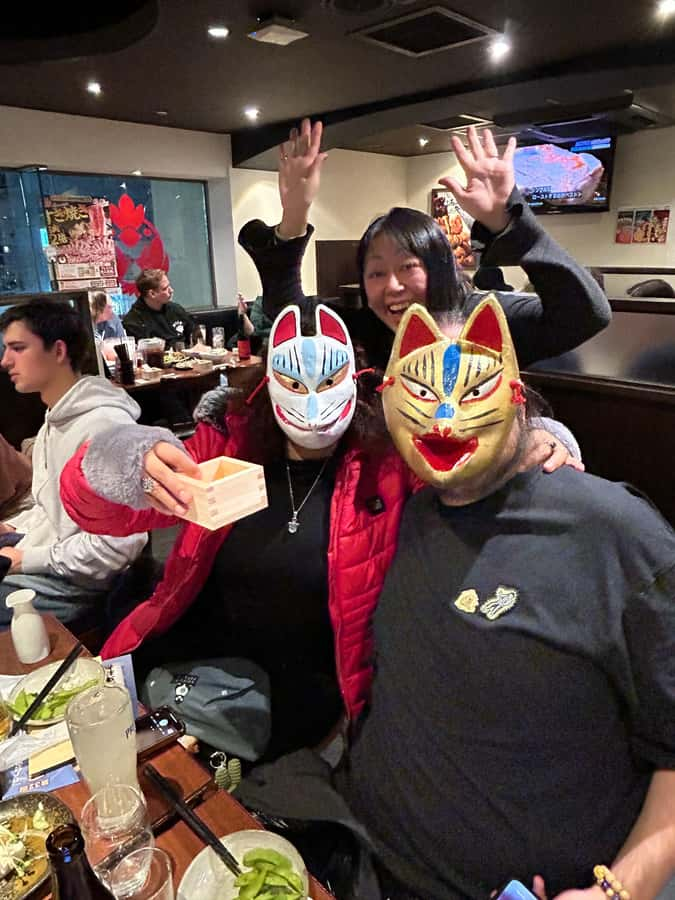
The shorter package lasts about two hours and includes the fox procession viewing and shrine visit. The longer package lasts about three hours and adds the izakaya stop with snacks and one drink.
The listed prices are JPY 10,000 for the two-hour option and JPY 15,000 for the three-hour option. The headline price is also shown as $64 per person, so check the booking currency and the exact option before paying. These amounts are high for a short activity if you are judging it only by time.
The price makes more sense if you value the reserved viewing zone, the once-a-year timing, and the help of a local escort on a crowded night. The izakaya option adds food and a drink, but it is not a full meal or a detailed culinary lesson. The most valuable part for many people will be access and positioning, not the food.
I would choose the shorter package if you have dinner booked elsewhere or mainly want the parade. I would choose the longer option if you want a ready-made evening and appreciate having a warm bar stop before the outdoor wait.
Who will enjoy this most
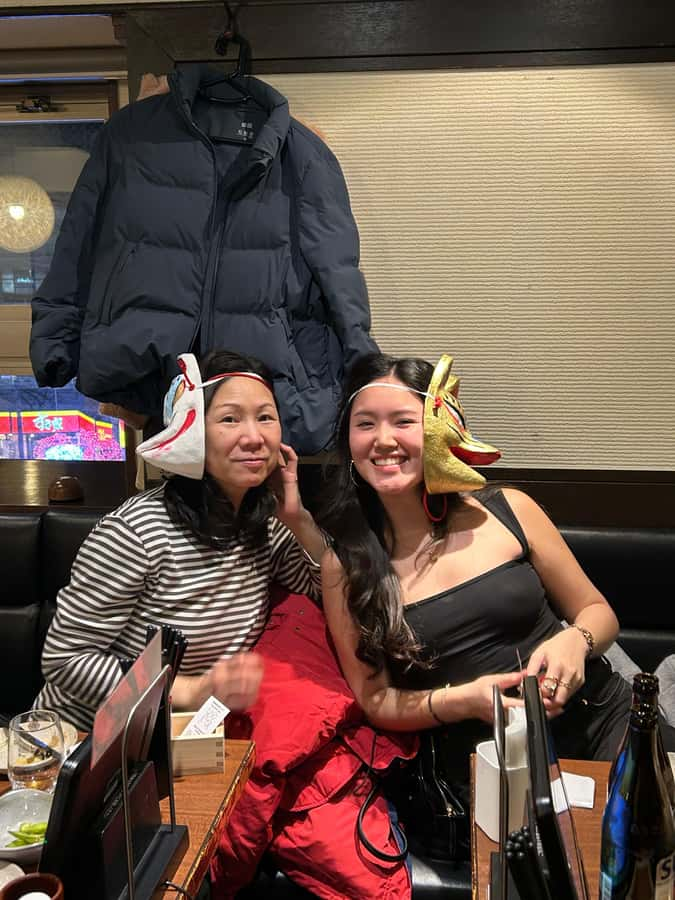
This experience fits adults and older children who enjoy folklore, shrine visits, photography, and unusual local festivals. It is especially good for someone who has already seen Tokyo’s major districts and wants a night tied to one neighborhood’s traditions.
It is less suitable for anyone who dislikes standing outdoors, cold weather, or uncertain timing. The activity is not recommended for people with back problems, heart problems, serious medical conditions, or pregnancy. It is not suitable for wheelchair users or children under 12.
The route also requires comfortable walking shoes. Bring warm clothing and a camera, but do not bring your own alcoholic drinks for transport. Smoking is not allowed, and flash photography is forbidden.
The organization question you should consider
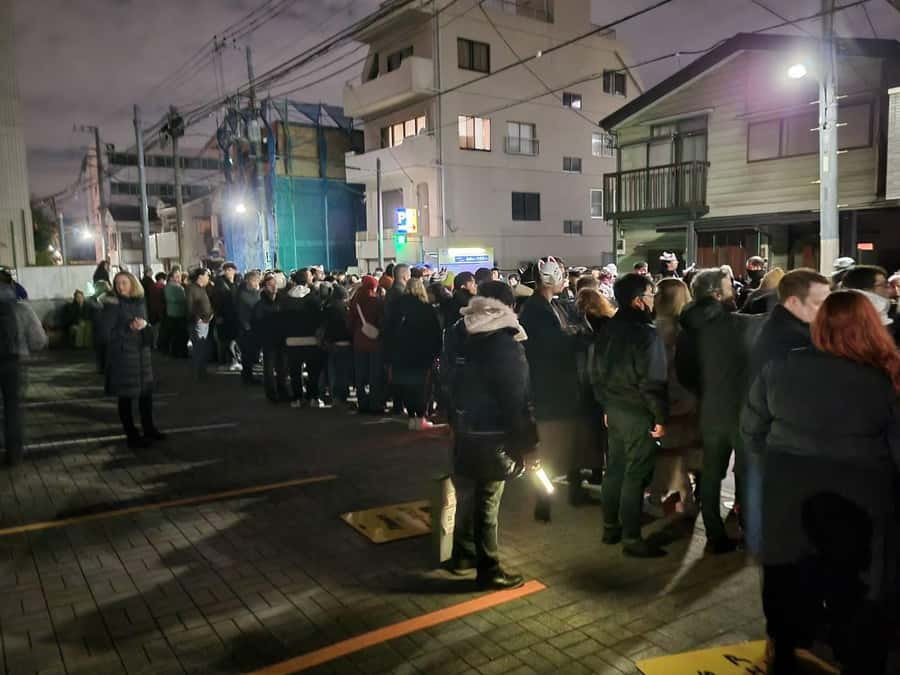
The biggest tradeoff is the difference between access and explanation. The tour appears useful for securing a good viewing position and getting you between the station, bar, park, shrine, and parade area. The cultural commentary may not be continuous, and the night can feel loosely organized at times.
That matters because the experience is sold partly as a local cultural introduction. If your priority is a guide who explains every dish, shrine detail, and movement in the schedule, you may want to ask for more information before booking. If your priority is getting to the right places without handling the New Year crowds yourself, the arrangement has clear practical value.
The reserved area received the strongest praise in the available feedback, while the lack of instructions and explanations caused the most concern. I would keep that balance in mind. You are paying for a position at a rare event and some local guidance, not a private lecture or a carefully scripted stage show.
Should you book the Oji Fox Parade?
Book it if you want an unusual New Year’s Eve in Tokyo, care about folklore, and prefer a reserved view over wandering through an unfamiliar crowd. The lantern-lit fox procession is genuinely distinctive, and the shrine setting gives the night more meaning than a standard countdown.
Choose the two-hour option for the parade and shrine access alone. Choose three hours if the izakaya stop, snacks, and one drink are part of the appeal. I would skip it if you need wheelchair access, cannot stand or walk comfortably, or expect polished guiding with detailed commentary from start to finish.
For the right person, this is a memorable slice of Oji: part legend, part shrine visit, and part midnight street spectacle. Go prepared for cold weather, some waiting, and a little looseness in the schedule, and the foxfire procession can make a powerful start to the new year.
FAQ
Where does the Oji Fox Parade experience meet?
Meet at the North entrance of JR Oji Station on the Keihin-Tohoku Line. You can also reach Oji Station on the Tokyo Metro Namboku Line. From the metro station, use Exit 3 and go to the ground-level north entrance of JR Oji Station.
How will I find the guide?
The guide will show a fox mask as the identifying sign at the meeting point.
What languages are available?
The live tour guide service is available in English and Chinese.
How long does the experience last?
You can choose between a two-hour option and a three-hour option. The longer option includes the local bar stop with snacks and one drink.
What is included in the three-hour option?
The three-hour package includes fox procession viewing, a shrine visit, snacks, and one drink. Beer, wine, and local sake are among the drink choices described.
Is the reserved viewing area included?
Yes. The experience includes access to a permitted reserved viewing area for the fox procession.
What should I bring?
Bring comfortable shoes, warm clothing, and a camera. Flash photography is not allowed.
Just added in Tokyo
- The 10 Tastings of Tokyo With Locals: Private Street Food Tour★ 5.0 · 48 reviews
- Small Town in the Big City: Tasting Tokyo’s Kichijoji★ 5.0 · 195 reviews
- Small Town in the Big City: Tasting Tokyo’s Kichijoji★ 5.0 · 16 reviews
- EXCLUSIVE Tokyo Secret: Kichijoji Small-Group Food & Bar Hopping★ 5.0 · 29 reviews
- Explore Kichijoji: Walk Through One of Tokyo’s Beloved Districts★ 5.0 · 21 reviews
- :Tokyo,Shibuya/ Pro Photography in Kimono / English-Friendly★ 5.0 · 26 reviews
- 【R34】Tokyo:Private Daikoku tour in Modified R34★ 4.9 · 92 reviews
- Tokyo:Calligraphy &Make your original folding fan in Asakusa★ 5.0 · 62 reviews
Tours in Tokyo, compared.
Mt Fuji and Hakone 1-Day Bus Tour Return by Bullet Train
Read our review →
teamLab Planets TOKYO Digital Art Museum Entry Ticket
Read our review →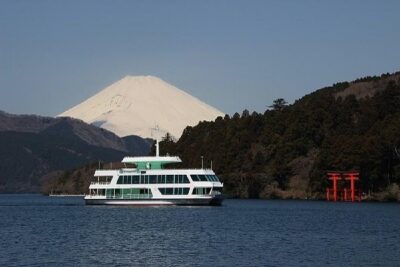
Mt Fuji & Hakone Cruise, Drum Show Bullet Train 1 Day from Tokyo
Read our review →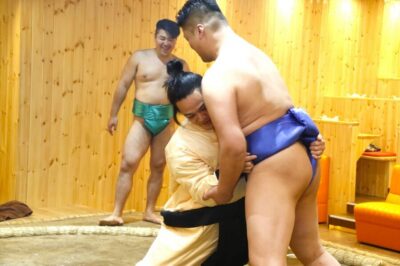
Sumo Show Experience with Chicken Hot Pot and a Photo
Read our review →
Shinjuku Food Tour (13 Dishes at 4 Local Eateries)
Read our review →