
Reviewed · SIGHTSEEING BUS TOURS
Tokyo: Morning Sightseeing Bus Tour
Tokyo gives you a lot to cover, and this 210-minute morning bus tour makes a sensible first pass through the city. You visit Meiji Shrine, the Imperial Palace area, and Asakusa while the coach handles the long hops between districts. I especially like the quiet forest around Meiji Shrine and the matcha stop in historic Asakusa.
I also like the choice of an English-speaking guide plus audio commentary in six other languages. The main catch is time: heavy traffic can shrink your free time at each stop, and the tour ends in Asakusa without a return transfer. Guides such as Aoi, Taka, Angela, and Tsubasa have led past departures, but your guide will vary.
Key points to know before booking
- Three major Tokyo areas in one morning: Visit Meiji Shrine, the Imperial Palace area, and Asakusa without arranging several train journeys.
- A real break in Asakusa: Enjoy Uji first-flush matcha, or choose matcha gelato or matcha beer when available.
- Useful city orientation: See Kabukicho, Harajuku, Omotesando, Akihabara, Ueno, Kappabashi, and the National Diet Building from the coach.
- English guiding with multilingual support: Live commentary is in English, with audio guides in French, Italian, Spanish, German, Portuguese, and Ukrainian.
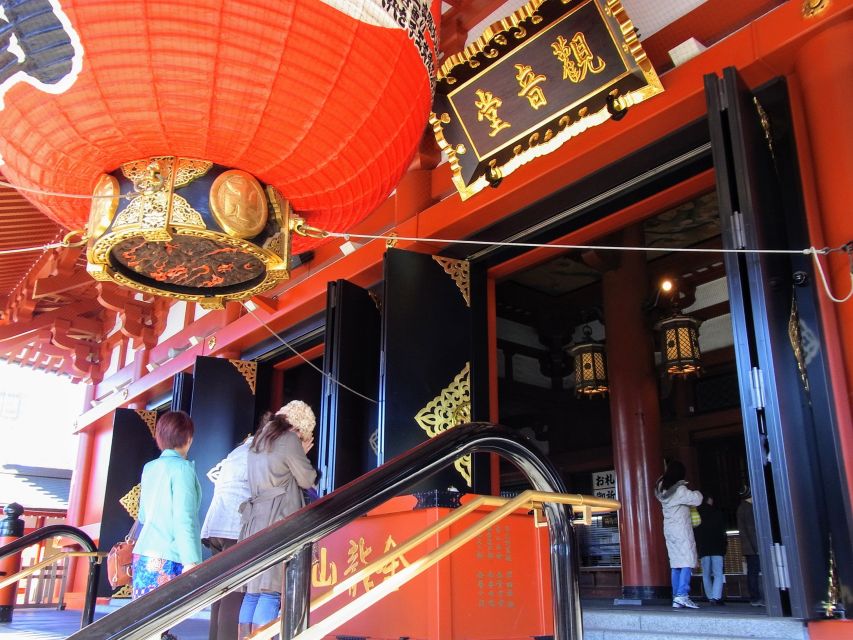
- A convenient finish: The tour ends at Senso-ji, leaving you in one of Tokyo’s best areas for lunch and further sightseeing.
- Traffic is the big variable: The route may change, and sightseeing stops can feel brisk when Tokyo roads are crowded.
A smart first morning in Tokyo
At $90 per person, this is not the cheapest way to move around Tokyo. It can still be good value if you have limited time, prefer a guided introduction, or want to avoid working out several train connections on your first morning.
The coach links far-flung districts that would take planning to visit independently. Meiji Shrine is in the west, the Imperial Palace is near central Tokyo, and Asakusa is in the northeast. You also get a guide explaining what you are seeing instead of simply looking out a bus window.
The tour begins at 8am, with meeting arrangements depending on the option you book. The supplied information names the Robert Indiana LOVE sculpture at 4-chome-1-2 Ginza as a starting point, while the wider tour description also refers to central Tokyo and Shinjuku. Check your confirmation carefully, since the meeting point can vary.
You should arrive ready for walking. Comfortable shoes matter, even though the coach does much of the work. The tour lasts three and a half hours, but that includes driving, sightseeing, shopping, and the matcha stop.
Other ways to see Tokyo in a day:
- From Tokyo: Mount Fuji Full-Day Sightseeing Trip
★ 4.5 · 4,970 reviews - Tokyo: Hop-On Hop-Off Sightseeing Bus Ticket
★ 3.9 · 4,207 reviews - Tokyo: Private City Highlights Tour with Local Guide
★ 4.8 · 1,433 reviews
From Kabukicho to Meiji Shrine
Once aboard the air-conditioned coach, you begin with a broad look at Tokyo. The route passes Kabukicho, the famous nightlife and pub-hopping district, before heading toward Meiji Shrine.
This opening drive is useful because Tokyo is not one single downtown area. It is a collection of districts with very different moods, and the coach gives you a quick sense of that scale. Commentary may cover the neighborhoods and landmarks along the way, though the amount of explanation can depend on the guide.
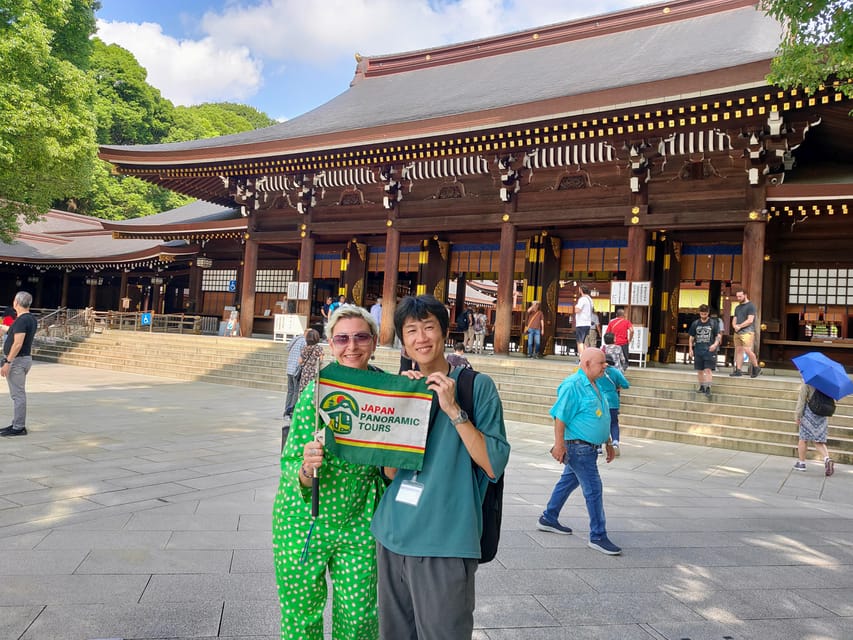
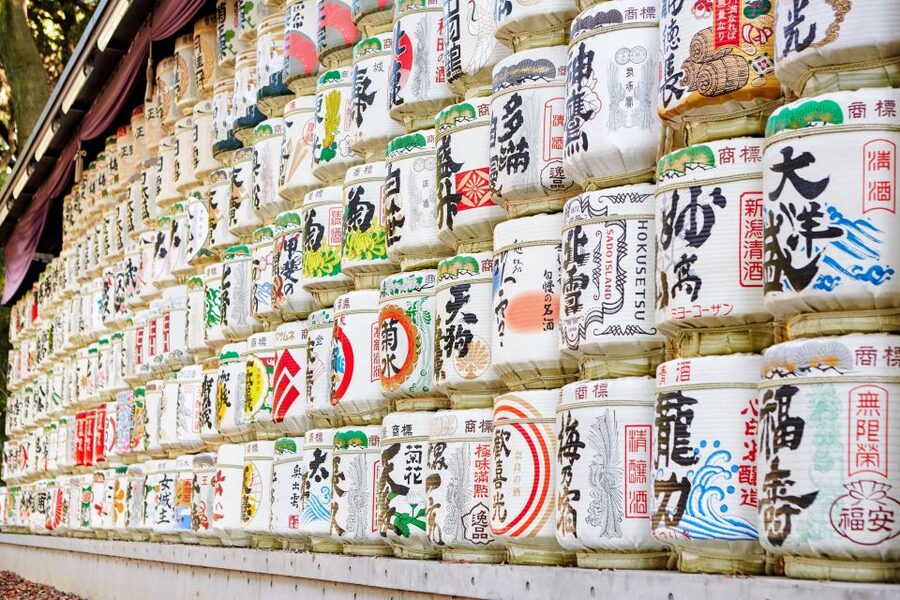
Meiji Shrine is the tour’s best pause from the city. Built in 1921 for Emperor Meiji, it sits within a large wooded setting that feels far removed from the surrounding streets. You can take a breath, see the shrine grounds, and learn about the traditional way to visit a Shinto shrine.
Do not expect a long religious or cultural workshop. This is a short sightseeing visit, not an in-depth shrine study. Still, it gives you context that is easy to miss if you only stop for a photograph.
The wooded approach also makes Meiji Shrine different from the open plazas and dense shopping streets later in the morning. For many people, this will be the most peaceful part of the route.
Harajuku, Omotesando, and the National Diet Building from the coach
After Meiji Shrine, the bus passes Takeshita Avenue, the Harajuku street associated with Japanese youth and pop culture. You also pass Omotesando, a major shopping district with a more polished feel.
These are drive-by sights, so set your expectations correctly. You will not have time to shop on Takeshita Avenue or browse Omotesando during this tour. Their value here is orientation: you see where these districts sit and can return later if one catches your interest.
The route also passes the National Diet Building, Japan’s parliament house. Its symmetrical 1936 structure is a quick but worthwhile architectural sight from the road.
This section is ideal for first-time visitors who want a city sampler. It is less useful for you if your main goal is detailed shopping or extended photography. The coach does not give you the freedom to stop at every appealing street.
The Imperial Palace area and two possible stops
The coach stops at the Imperial Palace, the present residence of Japan’s Imperial family and the site of Edo Castle. Depending on the operation that day, you visit either the East Garden or Niju-bashi Bridge in the Outer Garden.
That choice matters. The East Garden offers traditional Japanese garden scenery and a closer look at the former castle grounds. Niju-bashi Bridge gives you a classic palace-area view and a historic structure that photographs well.
Since the exact stop can vary, do not book this expecting a guaranteed visit to both. The Imperial Palace grounds are large, and a short tour can only show you one portion. Traffic, weather, and operational needs may also change the order or location.
This is one place where the tour’s efficiency comes with a tradeoff. You get an introduction to an important part of Tokyo without spending half a day navigating it, but you will not have time to explore the palace area at a slow pace.
Other tours by coach from Tokyo:
- Mt Fuji and Hakone 1-Day Bus Tour Return by Bullet Train
★ 5.0 · 26,383 reviews - 1-Day Tokyo Bus Tour
★ 5.0 · 14,250 reviews - Tokyo Mt Fuji 5th St & Hakone Cruise Bus Tour w/Bullet Train
★ 4.4 · 5,024 reviews - Tokyo: Meiji Shrine, Asakusa, Skytree Bus Tour and Cruise
★ 4.7 · 1,986 reviews
Akihabara, Ueno, and Kappabashi from your window seat
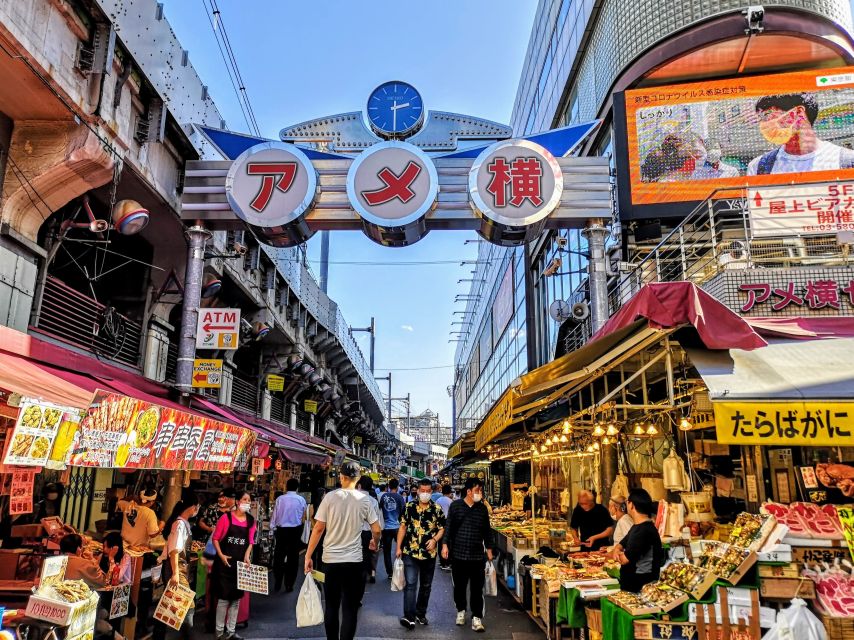
After the palace area, the coach heads through Akihabara, the center of Tokyo’s anime and otaku culture. You pass Ueno, known for its historic park, and Kappabashi market street, where shops sell Japanese dishes, kitchen knives, and remarkably lifelike food replicas.
Again, these are passing views rather than walking visits. If Akihabara is high on your list, you will need another outing for its shops and arcades. The same applies to Kappabashi, which rewards a slow stroll if you are interested in cooking tools, restaurant supplies, or unusual souvenirs.
Still, seeing these districts in sequence helps you understand Tokyo’s range. The morning moves from a Shinto shrine in woodland to imperial grounds, then to pop culture, parkland, and kitchenware shops. That variety is the strongest reason to choose a coach tour instead of visiting only one neighborhood.
Try to sit where you can see out comfortably, and keep your camera ready. The coach may slow in traffic, but it will not always stop for a clear photograph.
Asakusa, Nakamise Avenue, and Senso-ji
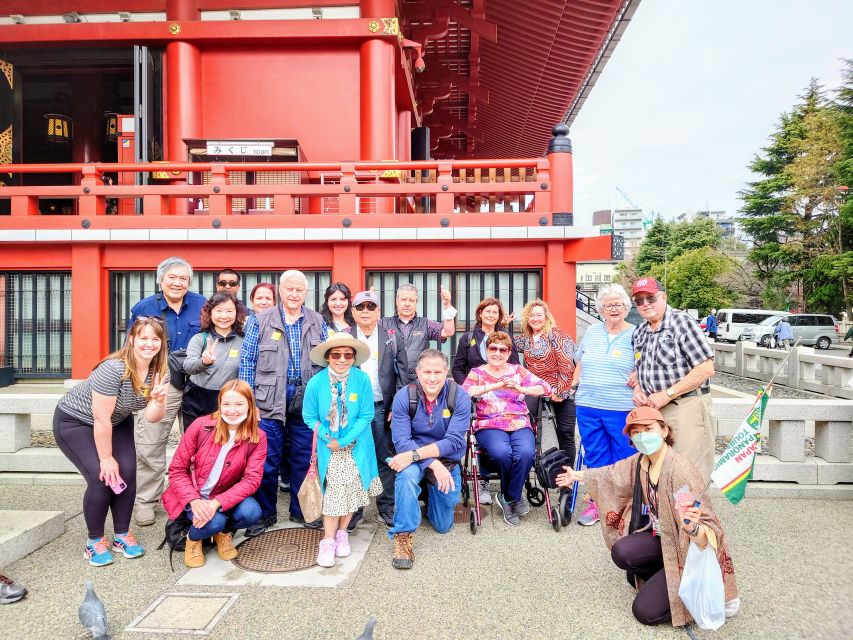
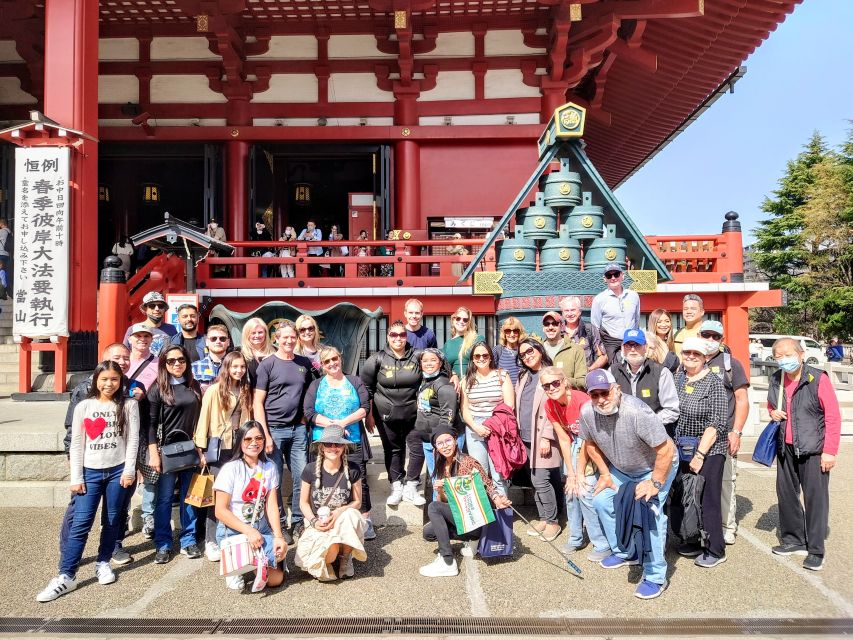
The final major stop is Asakusa, one of Tokyo’s most rewarding areas for a first visit. The tour ends at Senso-ji, giving you time to explore after the organized portion is over.
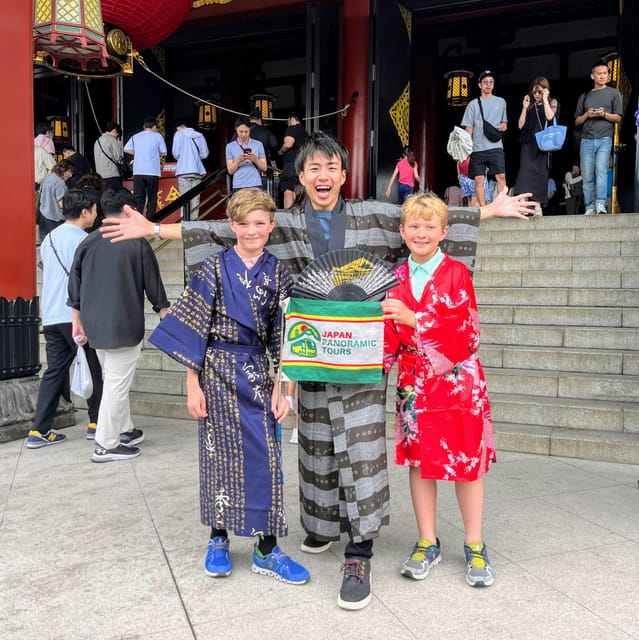
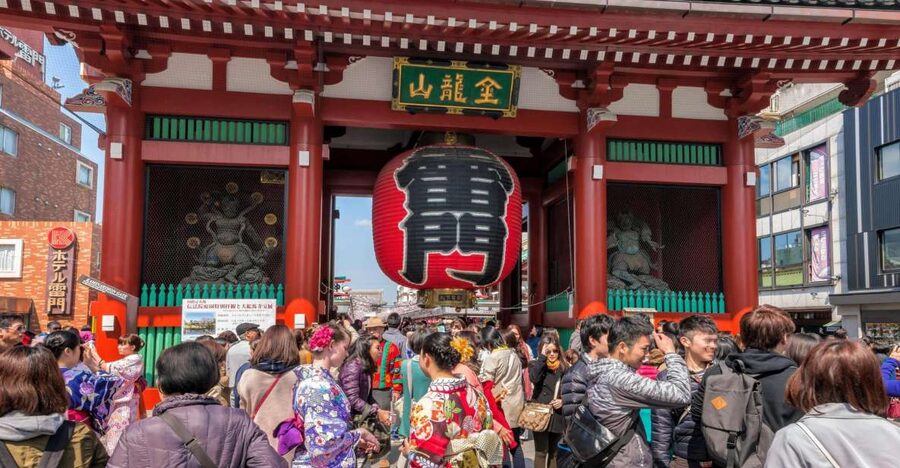
Start at Kaminarimon Gate, recognizable by its large red lantern. From there, Nakamise Avenue leads toward Senso-ji, lined with shops selling snacks, souvenirs, and traditional-style goods. This is your main chance to walk, shop, and take photographs at ground level.
Asakusa has a more old-fashioned feel than the modern shopping districts earlier in the route. It is also a practical place to continue your day because you can stay for lunch and explore at your own pace after the coach leaves.
The important logistical point is that no extra drop-off service is provided. You finish in Asakusa, not back at your hotel or starting point. That is a drawback if you have luggage, a timed reservation elsewhere, or a hotel on the opposite side of Tokyo.
For most people, though, ending here is better than being driven back to the start. You are left in a district worth exploring, rather than losing more time retracing the route.
The Uji matcha stop
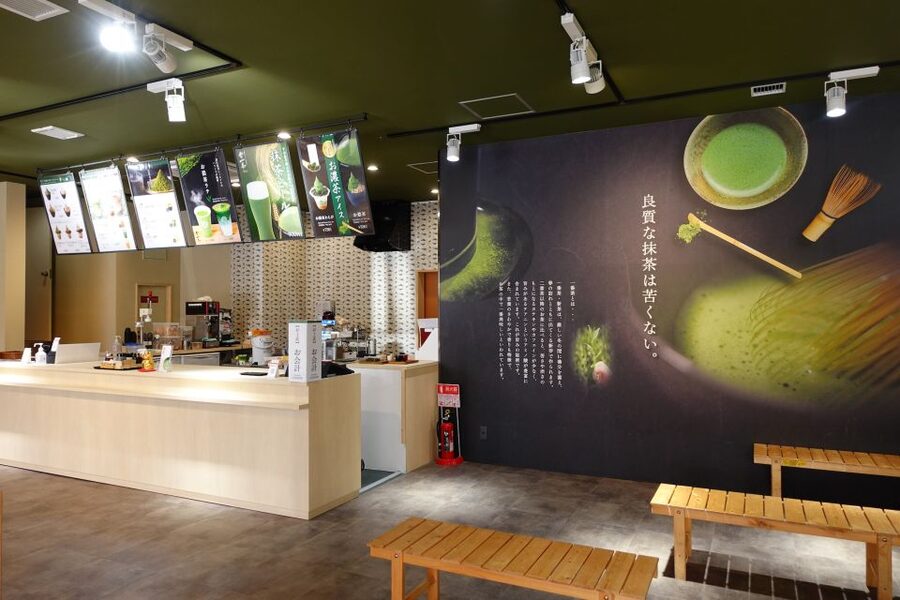
The matcha experience adds a welcome local activity to what could otherwise be a landmark checklist. You can try authentic Uji matcha made with Ichibancha, or first-flush tea, from Uji in Kyoto. The description specifically presents it as a less bitter premium matcha.
You may also choose matcha gelato or matcha beer. The gelato is a practical pick if you want a sweet break, and it has been singled out as a favorite by past participants. The exact options may depend on the shop and operating day.
The matcha stop takes place in Asakusa, which makes sense. You are already walking through a traditional sightseeing district, so the drink feels connected to the setting rather than tacked onto a coach ride.
One date-specific note matters: the matcha store is scheduled to close on May 14, when the operator plans to provide matcha souvenirs instead. If matcha tasting is a major reason for booking, check the date before paying.
How the guide and audio system affect the experience
The live tour guide speaks English. The guide’s quality can shape the whole morning because the itinerary includes long stretches on the road and several brief stops.
Past departures have featured guides including Aoi, Taka, Angela, Tsubasa, Jack, and Levin. The praise attached to these guides centers on clear explanations, humor, kindness, and willingness to answer questions. That is useful context, but you cannot select a particular guide unless the operator confirms one.
The tour also includes a multilingual audio guide in English, French, Italian, Spanish, German, Portuguese, and Ukrainian. English-speaking visitors can use the live commentary, while other language speakers have a way to follow the cultural and historical information.
There is one point to keep in mind. The amount of commentary while the bus is moving may vary. If you want constant narration, a dedicated walking tour may suit you better. If you prefer a mix of explanation and quiet time to look outside, the bus format works well.
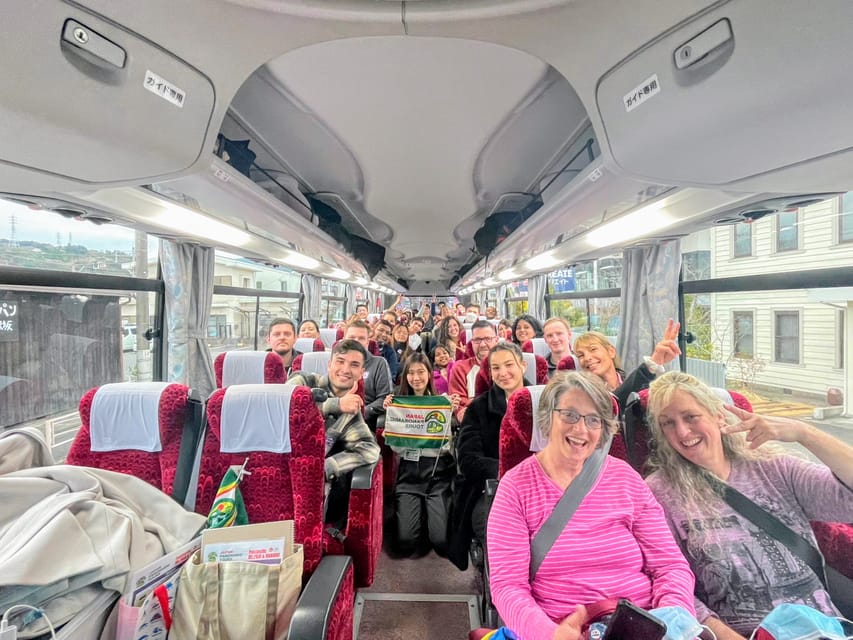
The coach has air conditioning, free Wi-Fi, antibacterial coating, and regular ventilation. Those features make the long city transfers more comfortable, though they do not remove the basic limits of a group tour.
Time, traffic, and the pace of the stops
Three and a half hours sounds generous until you count the route. Tokyo traffic can be heavy, and past tour experience shows why some stops may feel rushed. The operator can change the order because of traffic, weather, closures, or other operational reasons.
You should think of this as a city overview, not a slow cultural day. You will see several important areas, learn how they fit together, and have a proper visit in Meiji Shrine and Asakusa. You will not have long, unstructured periods at every landmark.
That makes the tour especially useful during a short Tokyo stay. One past booking described it as a good way to get an initial view of the city with only 24 hours available. I agree with that use. You can mark places for a return visit instead of spending your limited first morning on one neighborhood.
The route may be less satisfying if you already know Tokyo well or have several days to use local trains. Independent travel will give you more time at each stop and let you choose your own order.
What the $90 price really covers
The $90 fee includes the guide, air-conditioned coach, bus Wi-Fi, pickup from Ginza when that option applies, audio headsets, and either matcha drink or matcha gelato. Lunch, hotel pickup, and hotel drop-off are not included.
The value comes from convenience and organization. You are paying to connect several distant sights, hear explanations in English, and avoid handling the route yourself. You are not paying for long entry visits, a meal, or door-to-door transportation.
For a solo visitor with little time, the price can be reasonable because it compresses a large portion of Tokyo into one morning. For a couple or family with more time, compare it with the cost and flexibility of using trains and walking independently.
The tour is also easier to judge if you plan the rest of your day around the finish. Since you end at Senso-ji, you can stay in Asakusa for lunch and more sightseeing. That helps recover some value from the lack of a return transfer.
Practical advice for a smoother morning
Wear comfortable shoes. The coach reduces walking between districts, but Meiji Shrine and Asakusa both require time on foot, and the tour includes several boarding and unloading points.
Keep your belongings manageable. If you bring luggage, you are responsible for loading and unloading it from the coach trunk, including strollers and wheelchairs. That is worth considering before choosing this outing on a checkout or transfer day.
If you have made separate bookings for multiple people, provide the booking numbers and total party size before the tour. This helps the operator connect the reservations.
The tour offers free cancellation up to 24 hours before departure and a reserve-now, pay-later option. Those policies are useful when your Tokyo schedule is still shifting, though you should confirm the exact terms at booking.
Who should book this Tokyo bus tour?
I would choose this tour if you are visiting Tokyo for the first time, have only a short stay, or want a guide to explain shrine customs and major landmarks. It also suits anyone who finds Tokyo’s rail network intimidating at the start of a trip.
Families and older visitors may appreciate the air-conditioned coach and limited need to transfer between trains. The multilingual audio guide makes it practical for people who do not want to rely only on English commentary.
I would hesitate if your priority is shopping in Harajuku, anime culture in Akihabara, or a detailed Imperial Palace visit. Those areas appear on the route, but the coach mainly shows them from the road.
Should you book it?
Book it for an efficient first look at Tokyo, especially if you have one or two days and want Meiji Shrine, the Imperial Palace area, and Asakusa in the same morning. The strongest parts are the calm shrine setting, the well-placed Asakusa finish, and the Uji matcha experience.
Skip it if you dislike fixed schedules or want long visits at every stop. Traffic can make the sightseeing feel brisk, and you must arrange your own onward transport from Asakusa. At $90, it is best viewed as a guided orientation with a comfortable coach, not a full exploration of each district.
FAQ
How long does the Tokyo morning bus tour last?
The tour lasts 210 minutes, or three and a half hours.
What time does the tour start?
The tour starts at 8am.
Where does the tour meet?
The meeting point depends on the option booked. The supplied details identify the Robert Indiana LOVE sculpture at 4-chome-1-2 Ginza as one starting point, while the wider tour information refers to central Tokyo and Shinjuku. Check your booking confirmation for the exact location.
Where does the tour end?
The tour ends at Senso-ji in Asakusa. No additional drop-off service is provided.
Which Tokyo sights are included?
The tour visits Meiji Shrine, the Imperial Palace area, and Asakusa. The coach also passes Kabukicho, Takeshita Avenue, Omotesando, the National Diet Building, Akihabara, Ueno, and Kappabashi.
Is matcha included?
Yes. The tour includes a matcha drink or matcha gelato. The experience uses Uji matcha from Kyoto, and matcha beer may also be available as an option.
What languages are available?
The live guide speaks English. Audio guides are available in French, Italian, Spanish, German, Portuguese, and Ukrainian.
Is lunch included?
No. Lunch is not included.
Can I cancel the booking?
You can cancel up to 24 hours in advance for a full refund. A reserve-now, pay-later option is also available.
Just added in Tokyo
- The 10 Tastings of Tokyo With Locals: Private Street Food Tour★ 5.0 · 48 reviews
- Small Town in the Big City: Tasting Tokyo’s Kichijoji★ 5.0 · 195 reviews
- Small Town in the Big City: Tasting Tokyo’s Kichijoji★ 5.0 · 16 reviews
- EXCLUSIVE Tokyo Secret: Kichijoji Small-Group Food & Bar Hopping★ 5.0 · 29 reviews
- Explore Kichijoji: Walk Through One of Tokyo’s Beloved Districts★ 5.0 · 21 reviews
- :Tokyo,Shibuya/ Pro Photography in Kimono / English-Friendly★ 5.0 · 26 reviews
- 【R34】Tokyo:Private Daikoku tour in Modified R34★ 4.9 · 92 reviews
- Tokyo:Calligraphy &Make your original folding fan in Asakusa★ 5.0 · 62 reviews
Sightseeing Bus Tours, compared.
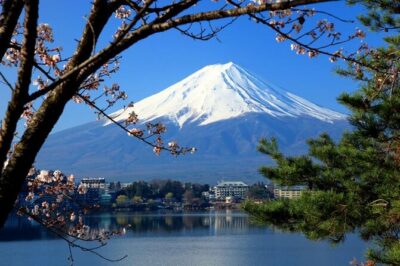
Mt Fuji and Hakone 1-Day Bus Tour Return by Bullet Train
Read our review →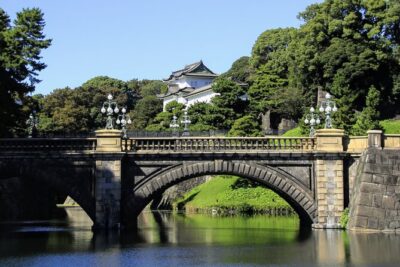
Peaceful Hiroshima & Miyajima UNESCO 1 Day Bus Tour
Read our review →
Tokyo Mt Fuji 5th St & Hakone Cruise Bus Tour w/Bullet Train
Read our review →
Meiji Shrine, Asakusa, Skytree Bus Tour and Cruise
Read our review →
Kyoto/Osaka: Nara, Fushimi Inari Taisha, Arashiyama Bus Tour
Read our review →Browse the lists this tour appears in