
Reviewed · HIROSHIMA & MIYAJIMA DAY TRIPS
Hiroshima 2hr Peace Cycling Tour with Local Guide
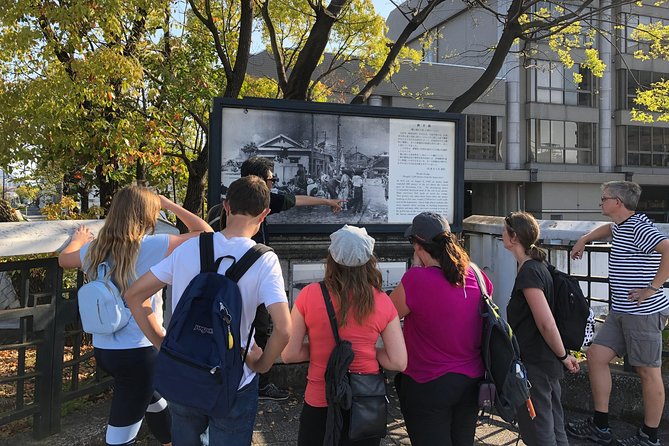
Hiroshima’s story feels different when you move through it by bicycle. This two-hour ride links the best-known memorials with ordinary streets, surviving streetcars, and city views that are easy to miss on foot. The guide adds local context, including family stories connected to the bombing.
I like the electric bikes, which make the flat route manageable even if you are not a regular cyclist. I also like the small group, limited to 10 people, and the chance to hear guides such as Shin and Kana explain Hiroshima’s past in warm, personal terms.
The main drawback is time. Two hours gives you a clear introduction, but the tour can feel rushed if you want long stops at every monument or detailed discussion of the city’s prewar past. The three-hour version adds Hiroshima Castle and more historical detail.
Key points to know before booking
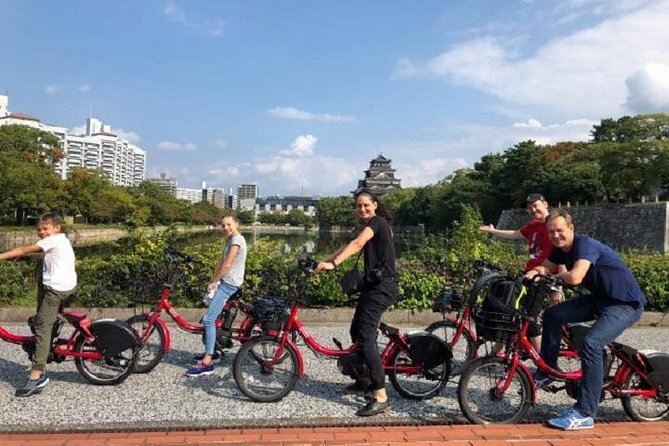
- Electric bikes keep the ride easy: The route is generally relaxed, and the city is flat. Adult electric bikes are available for people at least 145 cm tall.
- Personal stories add weight: Guides including Shin and Kana have shared family connections to Hiroshima’s bombing and postwar recovery.
- You go beyond the A-Bomb Dome: The route includes the Cenotaph, Children’s Peace Monument, Peace Bell, surviving streetcars, and less familiar city streets.
- The group is capped at 10: That is small enough for questions and a steady pace, though the group may slow down for children or inexperienced cyclists.
- Rain does not always end the outing: A rainy-day walking route may replace cycling, with a refund available if you do not want the changed plan.
- The tour returns to the start: Meet at the Peace Park Rest House at 11:00 or 15:00, then finish there about two hours later.
Why cycling works so well in Hiroshima
Peace Memorial Park is compact enough to explore on foot, but Hiroshima’s story reaches beyond the park’s monuments. A bicycle lets you connect the memorial area with the rebuilt city around it. You can see Hiroshima not only as the site of an atomic bombing, but also as a living city that recovered and continues to focus on peace.
The electric assistance matters. You do not need to be a keen cyclist, and the ride is described as easy enough for older riders and families. One rider in their 60s found the route manageable, while several others appreciated that the bikes made the experience comfortable rather than tiring.
You still need basic cycling confidence. This is a shared ride, so the guide adjusts the pace if children or less experienced riders are in the group. That is considerate, but it also means a strong cyclist may find the pace slower than expected.
The route uses the city as part of the lesson. You are not simply moved from one memorial to another. You ride through streets, see the rebuilt urban setting, and learn how Hiroshima’s past remains part of daily life.
Other cycling tours in Hiroshima people book:
- Hiroshima: Peace Cycling Tour with Local Guide
★ 4.8 · 286 reviews - Hiroshima 3hr Peace Cycling Tour with Local Guide
★ 5.0 · 131 reviews - Hiroshima: Best of Hiroshima Guided Bike Tour
★ 4.9 · 89 reviews
Meeting at the Peace Park Rest House
The tour begins at the Hiroshima Peace Memorial Park Rest House, at 1 Nakajimacho. The meeting times are 11:00 and 15:00, with the ride finishing at the same spot around 13:00 or 17:00.
Arrive early. The operator has a strict late-arrival policy, and missing the start without notice can lead to cancellation with no refund. This is not the place to cut things close after a train ride or museum visit.
There is no luggage storage at the Rest House. If you have bags, use the coin lockers at the Hiroshima International Conference Center or the Hiroshima Peace Memorial Museum, about a six-minute walk away. That small detail can save you a frustrating start.
The tour includes bicycle accident insurance. The bikes are supplied for the activity, and the adult electric bicycle requirement is a height of at least 145 cm. Children between 110 and 145 cm can use one of the two children’s bicycles available for each booking, subject to availability. Electric child seats are intended for children under 22 kg and under 115 cm.
The first hour: memorials inside Peace Memorial Park
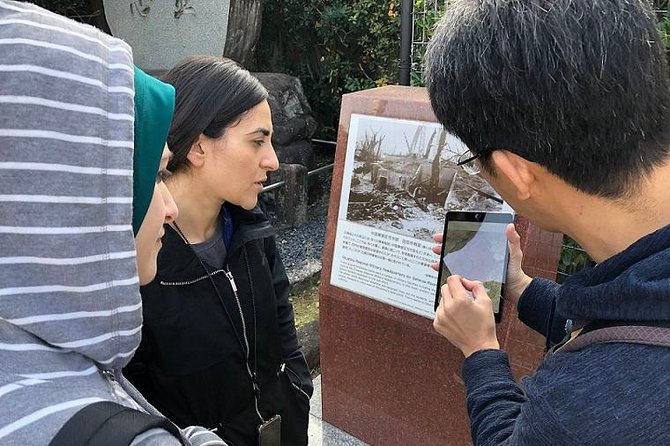
The opening section focuses on the central memorial area. Your guide explains what the park represents, how the monuments relate to one another, and what happened to Hiroshima’s people during and after the bombing.
The A-Bomb Dome is the visual anchor. Its preserved structure is powerful, but the guide helps place it in context rather than treating it as a photo stop. You learn about its location near the hypocenter and its place in the city’s memory.
The route also includes the Cenotaph for the A-Bomb Victims. From here, the line of sight toward the A-Bomb Dome and the Peace Flame gives the park a strong sense of design and purpose. Your guide can explain the meaning held in these memorial spaces, which is especially useful if you arrive without much background.
At the Children’s Peace Monument, the subject becomes more personal. The monument is tied to the memory of children affected by the bombing and to the paper cranes associated with Sadako Sasaki. The stop gives the guide a natural opening to discuss how remembrance has been carried forward by schoolchildren and families.
The Peace Bell adds another layer. Its sound and symbolism support Hiroshima’s message of peace, but the stop is also a chance to pause. This tour is active, yet it does not treat the park like a sightseeing checklist.
The Peace Museum is not the focus of this bicycle route. That is important when planning your day. The museum offers a more detailed presentation of artifacts and testimony, while this tour places the memorials in their physical setting and connects them with the wider city.
Beyond the park: the city that rebuilt itself
The second part takes you outside the main memorial area. This is where the bicycle format earns its price. On foot, you might see the park and return to the station. By bike, you can cover more ground and look at Hiroshima’s present-day streets alongside its wartime past.
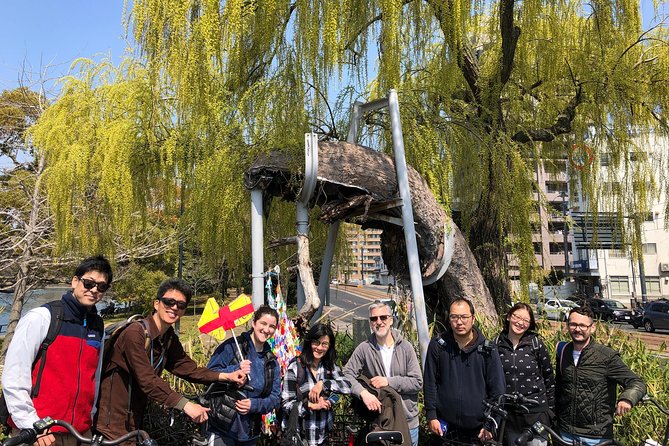
One memorable subject is the A-Bombed Streetcars. Hiroshima still has a streetcar that survived the bombing, and the guide points out the connection between the surviving vehicle and the city’s transport network. It is a practical reminder that Hiroshima’s recovery was not only about monuments. People needed to return to work, travel, rebuild homes, and restore ordinary services.
You also get city viewpoints of the A-Bomb Dome from less familiar angles. These views are useful because they show how the dome sits within modern Hiroshima rather than isolating it as a single historic object.
The ride may include suburban townscape and streets away from the main tourist path. The exact timetable can change depending on conditions, so do not expect every stop to run with clockwork precision. The value is in seeing the relationship between the memorial park and the city around it.
Guides have different strengths. Shin has been praised for combining historical facts with family memories, including stories linked to relatives who experienced the bombing. Kana is known for clear explanations, good English, lively energy, and thoughtful recommendations for food and other parts of Japan. Other guides, including Bella and Moet, have also led the route.
The personal element is not a promise that every guide will have a direct survivor story. One guide may offer family testimony, while another may focus more on local history and the places themselves. That variation is worth knowing before you book. The shared feature is the local perspective and the guide’s role in connecting individual sites.
Other long days west of Hiroshima:
- Peaceful Hiroshima & Miyajima UNESCO 1 Day Bus Tour
★ 5.0 · 5,309 reviews - Hiroshima: Hiroshima and Miyajima UNESCO Sites 1-Day Tour
★ 4.9 · 2,330 reviews - Hiroshima / Miyajima Full-day Private Tour with Government Licensed Guide
★ 5.0 · 1,298 reviews - Hiroshima Historical Walking Tour – Why A-Bomb was Dropped
★ 4.8 · 893 reviews
What the $59.69 price gives you
At $59.69 per person, this is not the cheapest way to see Peace Memorial Park. You can walk through the park on your own, and many of the outdoor memorials are freely accessible.
The value comes from combining transport, interpretation, and access to parts of Hiroshima that are easy to skip. You get an electric bicycle, a two-hour guided route, a small group, bicycle accident insurance, and local explanation at several major sites. You also cover more ground than you would on foot without committing to a long, strenuous ride.
I think the price makes the most sense early in your Hiroshima stay. The tour gives you a framework for the city, then you can return to the Peace Museum or revisit the park with a clearer sense of what you are seeing.
It is less useful if you already know Hiroshima well, have spent a full day with a private guide, or want to linger quietly at each memorial. The group format and two-hour limit favor breadth and connection over long reflection at one place.
The booking record shows strong demand, with 99 percent recommendation and a 5.0 rating from 321 reviews. Those figures suggest a consistently well-received experience, but the practical details matter more: the guides are frequently praised, the bikes are easy to operate, and the ride can be adapted when rain makes cycling unsafe.
A serious subject handled with care
This is not a light sightseeing ride with a sad stop added in the middle. The subject is difficult, and the best part of the experience is the way the guides connect facts with human stories.
Several guides have spoken about parents, grandparents, or other relatives affected by the bombing. Shin’s family connection has been particularly important to the way he explains Hiroshima, including the experience of relatives who survived or were in utero when the bomb fell. Those stories can make the history feel immediate without turning the tour into a performance.
The tone also includes Hiroshima’s postwar recovery and continuing peace message. You learn about suffering, but you also see how the city rebuilt. That balance helps prevent Hiroshima from being reduced to one terrible morning in 1945.
You should expect emotional moments. Some people have cried during the tour, while others have described it as inspirational and hopeful. The bicycle ride adds movement, but the subject still demands attention and respect.
Weather, pace, and practical comfort
The tour requires good weather for cycling. If rain makes the bike route unsafe, the operator may offer a rainy-day walking route or a refund. The walking version visits Peace Memorial Park, the A-Bomb Dome, the hypocenter, the Former Bank of Japan, Fukuromachi Elementary School, and the main street.
The rainy-day route lasts about two hours and follows the same 11:00 or 15:00 start times. It can be a strong alternative because the walking stops focus closely on the bombing and its immediate effects. If you do not want to change from cycling to walking, a refund is offered under the stated weather policy.
Cold weather is another consideration. The ride has been completed in winter cold and even snowfall, but you should dress for outdoor time. The electric motor helps with effort, not temperature.
There is no free Wi-Fi at the Rest House, though Hiroshima Free Wi-Fi is available in the city. You receive data from photos taken during the day, which is a useful extra if you want a record of the outing without spending the tour taking pictures.
Two hours or three hours?
The two-hour version focuses on wartime Hiroshima, Peace Memorial Park, and the city’s rebuilt present. It covers the central memorials and adds selected sites beyond the park.
The three-hour option includes the two-hour route and continues to places such as Hiroshima Castle. It gives more time for prewar history, postwar recovery, and discussion with the guide.
Choose two hours if you are fitting Hiroshima into a busy day, want an introduction before visiting the museum, or mainly want to combine the Peace Park with a pleasant city ride. Choose three hours if Hiroshima is a major purpose of your trip and you prefer a slower pace with more time for questions.
The shorter route is not a rushed sprint, but the schedule is full. If you like to stand quietly at each memorial, the longer option may suit you better.
Who should book this Hiroshima bike tour?
I would recommend it to first-time visitors who want more than the A-Bomb Dome and the museum. It is also a good fit for families, couples, and older adults who can ride a bicycle but do not want a demanding physical activity.
The electric bikes make this more accessible than the word cycling might suggest. The city is flat, and the ride is described as leisurely. Still, anyone who cannot safely operate a bicycle should choose the rainy-day walking option if available or make other plans.
This is especially useful for people who value local storytelling. Guides such as Shin and Kana have been praised for answering questions, sharing personal connections, and making the subject understandable without losing its seriousness.
I would skip it if you want a private tour, a full museum-style lesson, or total control over how long you spend at each monument. A self-guided park visit followed by the museum may suit you better.
Should you book it?
Book this tour if you want to understand Hiroshima through both its memorial park and its rebuilt streets. The electric bikes, small group, and local guides make it an efficient way to see more than you could comfortably cover on foot.
The strongest reason to choose it is the human context. A guide such as Shin may connect the city’s history to family memories, while Kana and other guides bring their own local knowledge and personality. The main tradeoff is the fixed two-hour schedule.
For most first visits, I would place this near the start of your Hiroshima plans, then visit the Peace Museum afterward. You will leave with a clearer map of the city, a better sense of its memorials, and a more complete picture of Hiroshima’s past and present.
FAQ
Where does the Hiroshima Peace Cycling Tour start?
The tour starts at the Hiroshima Peace Memorial Park Rest House in Nakajimacho, Hiroshima.
What time does the tour begin?
The available start times are 11:00 and 15:00. The schedule may change depending on conditions on the day.
Where does the tour finish?
The tour returns to the Hiroshima Peace Memorial Park Rest House, the same place where it begins.
How long does the experience last?
The cycling tour lasts about two hours. The listed schedules run from 11:00 to 13:00 or from 15:00 to 17:00.
What sites are included?
The route includes Peace Memorial Park, the A-Bomb Dome, the Cenotaph, the Children’s Peace Monument, and the Peace Bell. It also includes parts of Hiroshima beyond the park, including views of the dome and information about the A-Bombed Streetcars.
Are the bicycles electric?
Yes. Adult participants use electric bicycles, and children’s bicycles are available for eligible children. The route is generally easy because Hiroshima is flat.
Is there a height requirement?
Adult electric bicycle users must be at least 145 cm tall. Children between 110 and 145 cm can use one of the available children’s bicycles. Electric child seats are for children under 22 kg and under 115 cm.
What happens if it rains?
If rain prevents the cycling route from operating, you may be offered a rainy-day walking route or a refund. The walking route includes the Peace Memorial Park, A-Bomb Dome, hypocenter, Former Bank of Japan, Fukuromachi Elementary School, and main street.
How many people can join the tour?
The shared tour has a maximum of 10 participants. The pace may be adjusted if children or people who are not used to cycling are in the group.
Can I cancel for a refund?
You can cancel at least 24 hours before the start time for a full refund. Cancellations or changes made less than 24 hours before the start time are not refundable.
More cycling tours elsewhere in Japan
- Bike Tour Exploring North Kyoto plus Lunch
★ 5.0 · 1,087 reviews - Tokyo Great Cycling Tour
★ 5.0 · 811 reviews - Tokyo Top Highlights 3h Guided E-bike Tour
★ 5.0 · 714 reviews - 3h Tokyo E-Bike Tour: Hidden Gems, and Local Life with guide
★ 5.0 · 670 reviews
Just added in Hiroshima
- Day Trip to Hiroshima & Miyajima with Itsukushima Shrine★ 4.6 · 124 reviews
- Hiroshima 3hr Peace Cycling Tour with Local Guide★ 5.0 · 131 reviews
- Hiroshima: Best of Hiroshima Guided Bike Tour★ 4.9 · 89 reviews
- Hiroshima & Miyajima 6.5h Guided Tour – Dome, Park & Shrine★ 4.9 · 83 reviews
- Hiroshima Local guided Hiking Tour&Open-air Tea Ceremony★ 5.0 · 213 reviews
- Hiroshima: Food and Culture Guided Walking Tour with Dinner★ 4.9 · 212 reviews
- Hiroshima & Miyajima: Full-Day Private Tour & Licensed Guide★ 4.8 · 252 reviews
- Miyajima: Cultural Experience in Zen Temple★ 5.0 · 258 reviews
Hiroshima & Miyajima Day Trips, compared.
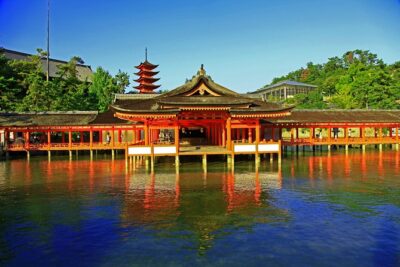
Peaceful Hiroshima & Miyajima UNESCO 1 Day Bus Tour
Read our review →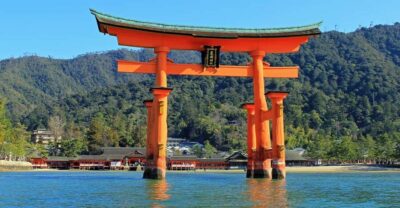
Hiroshima and Miyajima UNESCO Sites 1-Day Tour
Read our review →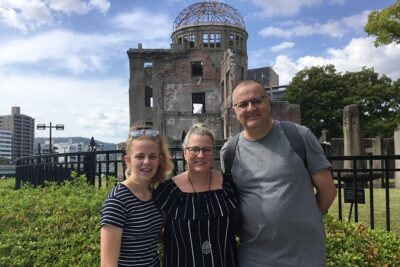
Hiroshima / Miyajima Full-day Private Tour with Government Licensed Guide
Read our review →
Osaka/Kyoto: Hiroshima Miyajima Bus Tour & Shinkansen Ticket
Read our review →
Hiroshima Historical Walking Tour – Why A-Bomb was Dropped
Read our review →
Hiroshima Peace (Heiwa) Walking Tour at World Heritage Sites
Read our review →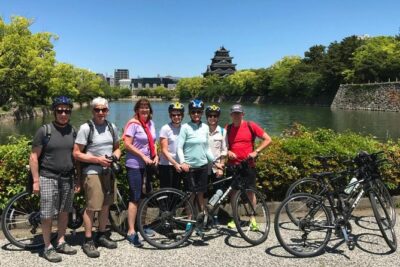
Hiroshima in a Nutshell: Morning Bike Adventure
Read our review →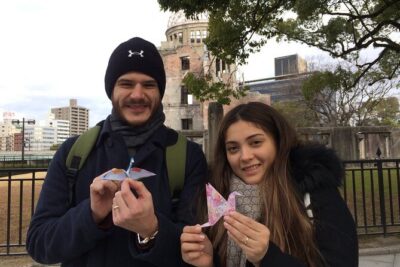
Hiroshima City 4hr Private Walking Tour with Licensed Guide
Read our review →Browse the lists this tour appears in