
Reviewed · MOUNT FUJI DAY TRIPS
From Tokyo: Mt. Fuji & Hakone Tour w/ Return by Bullet Train
The cleverest part of this long day is the finish: after a coach ride through the Fuji and Hakone region, you return toward Tokyo by bullet train from Odawara. I like that the tour combines three very different Japanese experiences, Mt. Fuji, a volcanic valley, and Lake Ashi, without asking you to solve the transport puzzle yourself. I also like the guides, who keep the long bus stretches lively with local stories, food tips, trivia, and, on occasion, a song.
The main drawback is simple: weather controls the Fuji experience. Clouds, fog, rain, and road conditions can block the mountain or force a change at the 5th Station. The day is also packed, with much of it spent moving between stops, so this suits you if you want broad coverage rather than a slow visit to one place.
Key points to know before booking
- Mt. Fuji’s 5th Station reaches about 2,300 meters, the highest point the standard tour usually reaches by road.
- Owakudani gives you a look at an active volcanic area, with sulfur steam, black eggs, and a cable-car ride over changing elevations.
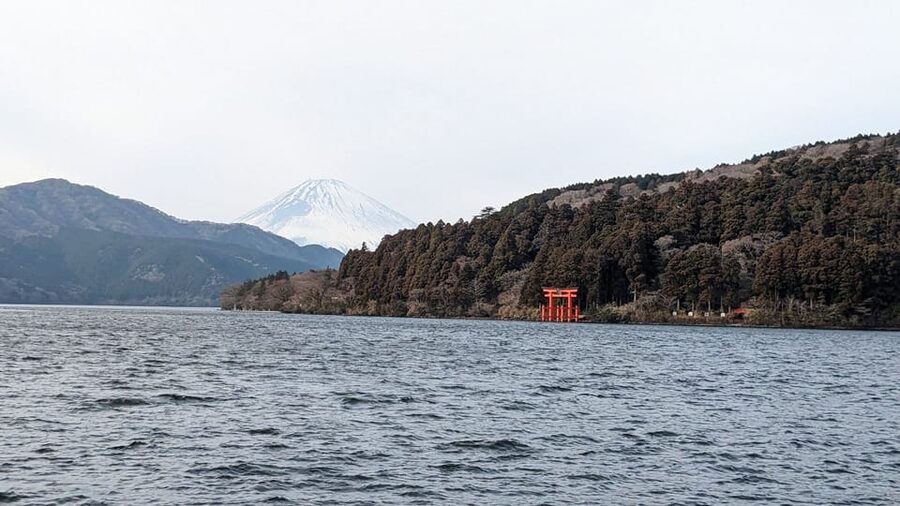
- Lake Ashi’s cruise is especially rewarding on a clear day, when Mt. Fuji may appear beyond the water.
- Lunch is optional, with a Japanese hot pot and half buffet available when you select the meal package.
- The Shinkansen return saves time, but your seat is non-reserved and your guide does not ride with you.
- The tour is weather-dependent, but alternative Hakone and Fuji-area stops are used when ropeway or cruise services close.
Why this 11-hour route works from Tokyo
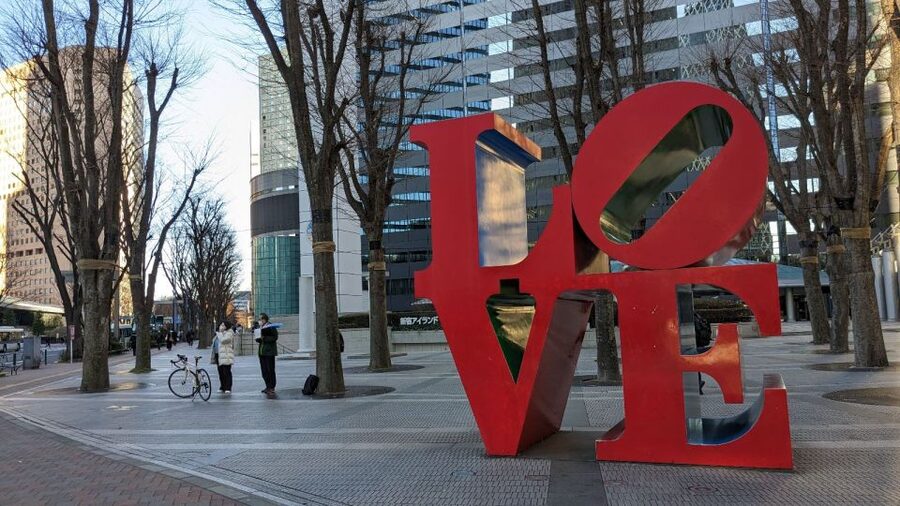
This is a big day, but it covers ground that is awkward to arrange independently. You meet near the Nishi Shinjuku LOVE sculpture outside the Shinjuku i-Land building, board an air-conditioned bus, and head toward the Mt. Fuji area. The drive to the Fuji region takes about two and a half hours, with traffic playing a major part in the timing.
At $117 per person, the price is strong for the amount of transport included. You get the bus, Hakone Ropeway, Lake Ashi cruise, guide, and Shinkansen ticket. Lunch costs extra if you do not choose the lunch option, and drinks are not included. Compare that with buying separate transport and attraction tickets, then finding your way between Fuji, Hakone, and Odawara. The convenience is the real value here.
The trade-off is pace. Stops can last roughly 20 to 45 minutes, and the schedule has little room for lingering. You will see a lot, but you will not have time to explore every shop, shrine, or viewpoint in depth.
Other days out to the mountain from Tokyo:
- Mt Fuji and Hakone 1-Day Bus Tour Return by Bullet Train
★ 5.0 · 26,383 reviews - Mt Fuji & Hakone Cruise, Drum Show Bullet Train 1 Day from Tokyo
★ 4.0 · 7,413 reviews - Tokyo Mt Fuji 5th St & Hakone Cruise Bus Tour w/Bullet Train
★ 4.4 · 5,024 reviews
Reaching Mt. Fuji’s 5th Station at 2,300 meters
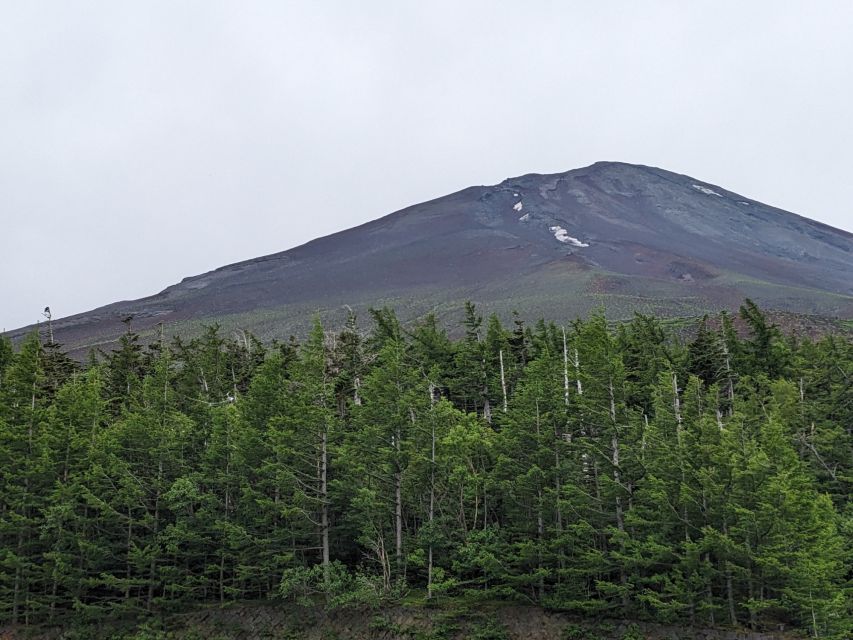
The Subaru Line leads up Mt. Fuji toward the 5th Station, at about 2,300 meters above sea level. This is not a mountain-climbing tour, but it gets you closer to the summit than most regular sightseeing routes. You can look for the peak, visit Komitake Shrine, and browse Fuji souvenirs.
The view is never guaranteed. Clouds can move quickly, so you may get brief openings even on a hazy day. In clear conditions, the 5th Station gives you the satisfying sense of being high on the mountain, with broad views and a cooler, alpine feel compared with Tokyo.
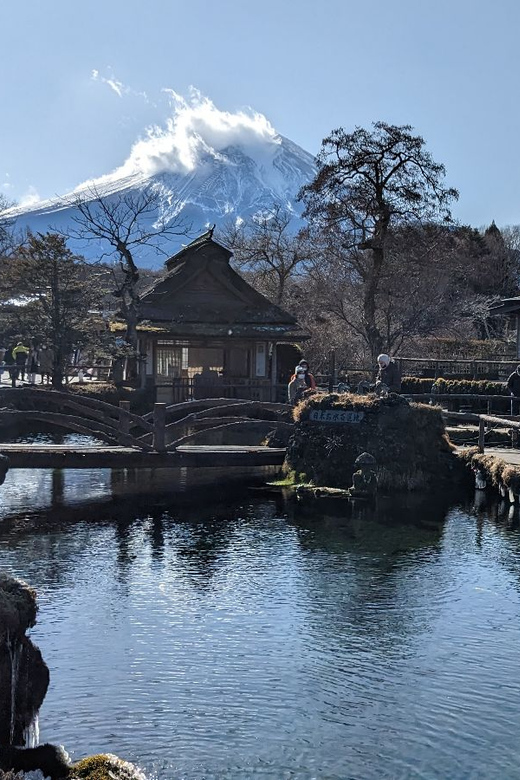
The wording of the itinerary matters here: the 5th Station is the target, not a promise. Heavy weather, an accident, or road conditions can prevent the bus from reaching it. In that case, the guide takes you to the highest available point instead. Some departures have been redirected to places such as a snow-covered pond area or Oshino Hakkai, a village known for clear spring water, food stalls, and Fuji views.
Give yourself a little patience at this stop. Several people have found the time short, especially when the mountain is visible and every minute feels worth using for photos. Have your camera ready before you leave the bus, and do not spend the entire stop inside the souvenir shops.
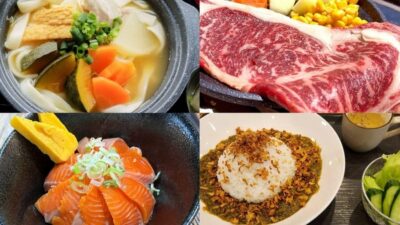
Japanese hot pot and a half buffet
Lunch lasts about 45 to 60 minutes when selected. The meal typically includes a hot pot and a half buffet, giving you a chance to try several Japanese dishes rather than receiving one unfamiliar plate.
This is a useful part of the day because the route has few easy opportunities for a relaxed meal. Some people have found the Japanese dishes excellent, while others preferred the rice, fried chicken, or simpler buffet items. Food quality can vary, and one departure received a cold or limited meal, so I would choose the lunch option for convenience, not because it promises a gourmet experience.
Tell the operator about food restrictions when booking. Drinks are not included, though water is available at the lunch stop. If you are particular about what you eat, the buffet gives you a little more control than a fixed set meal.
Owakudani and the Hakone Ropeway
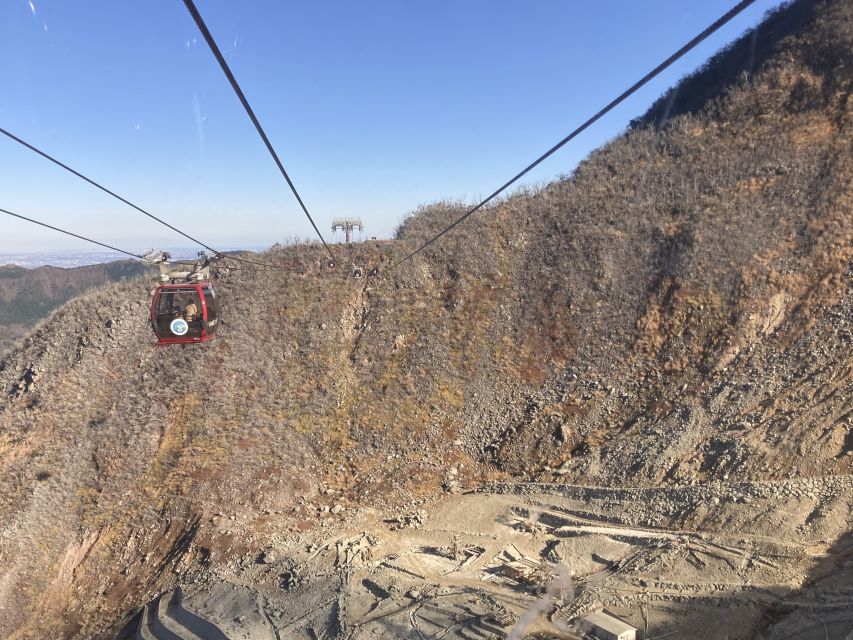
After lunch, the route shifts from mountain views to volcanic activity. The Hakone Ropeway carries you toward Owakudani, an area shaped by volcanic steam and sulfur. As the gondola moves along, you can watch the elevation change and look down toward the steaming ground below.
This is one of the most distinctive stops of the day. It is not just a ride for the view. Owakudani gives you a direct look at the forces beneath Hakone, with sulfurous vents and a strong sense that the area is geologically active.
You can buy the famous black eggs here. They are boiled in sulfur-heated water, which darkens the shells. The egg charge is not included, so bring some yen or a payment card if you want to try them. Shops also sell unusual volcanic souvenirs and snacks.
The cable car can be thrilling if you dislike heights. One person who was nervous about the elevation ended up enjoying the ride, but you should know in advance that the gondola is part of the route, not an optional extra. If the Ropeway is closed, the operator can redirect the group to alternatives such as the Komagatake Ropeway, Mt. Fuji Panoramic Ropeway, Mishima Skywalk, Narukawa Art Museum, Hakone Checkpoint, or Hakone Shrine.
Other hot-spring days out of Tokyo:
- Tokyo: Mt. Fuji Tour, Hakone Ropeway, Owakudani, Lake Ashi
★ 4.7 · 4,002 reviews - Private Tour to Mt. Fuji and Hakone (Fully Licenced Operator)
★ 5.0 · 1,910 reviews - Mt Fuji & Hakone Cruise, Drum Show Bus 1 Day from Tokyo
★ 4.0 · 1,287 reviews - Mt Fuji and Hakone 1-Day Bus Tour Return by Bus
★ 4.5 · 929 reviews
Cruising Lake Ashi on the Hakone Pirate Ship
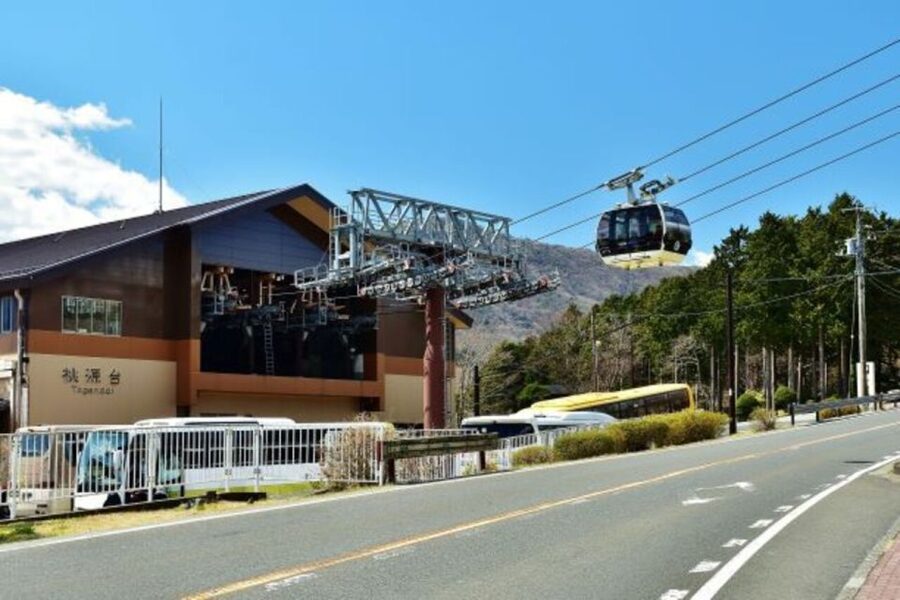
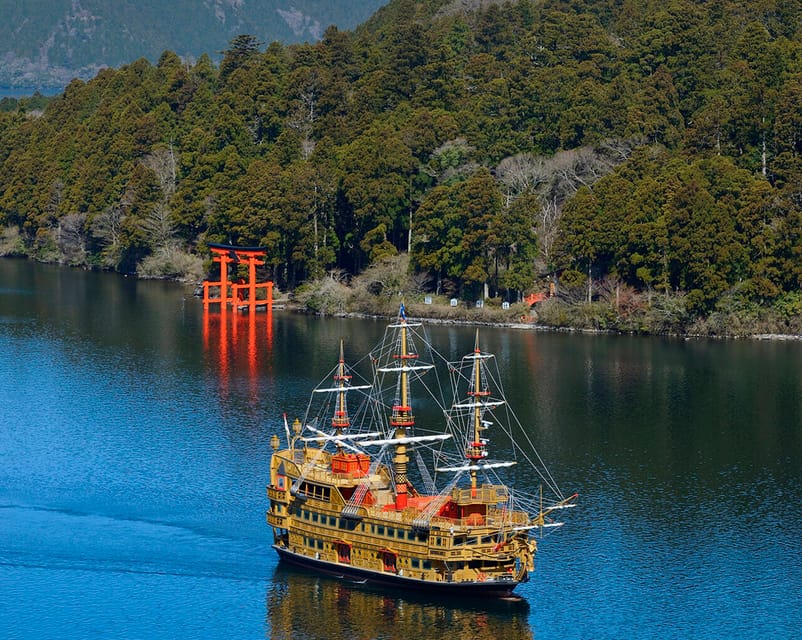
The Lake Ashi cruise adds a welcome change of pace after the bus and cable car. The vessel is designed like a pirate ship, with ornate decoration that makes the ride more than a basic ferry crossing. You can walk out on deck, breathe cooler air, and take in the lake from the water.
On a clear day, Mt. Fuji may appear beyond the lake. This is one of the best photo opportunities on the route, but it depends entirely on visibility. Fog can turn the cruise into a moody ride with no Fuji view, and there is no refund for weather-related disappointment.
If you want food from the ship, buy it early. Limited items such as cream buns can sell out almost immediately. The cruise itself is included, but onboard purchases are extra.
The Lake Ashi portion is valuable because it breaks up the sightseeing rhythm. You are not simply getting off a bus, looking around, and getting back on. You see Hakone from another angle, with the water, forested slopes, and volcanic ridges forming a very different scene from the 5th Station.
The Shinkansen return from Odawara
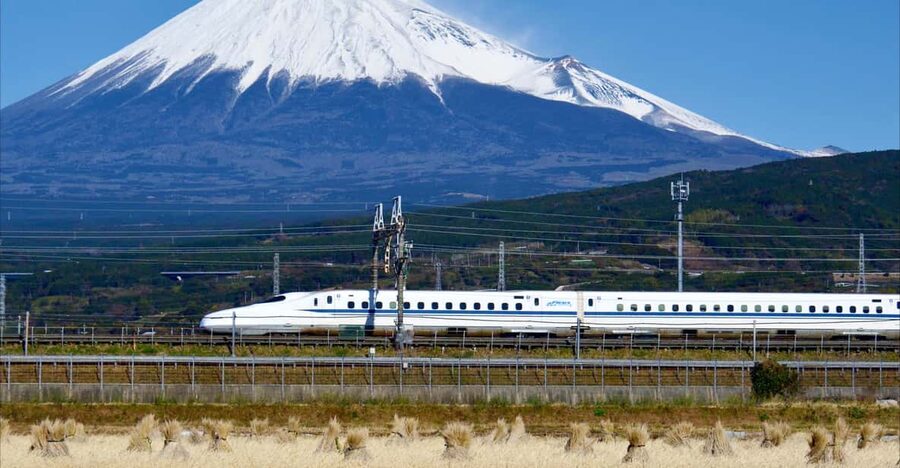
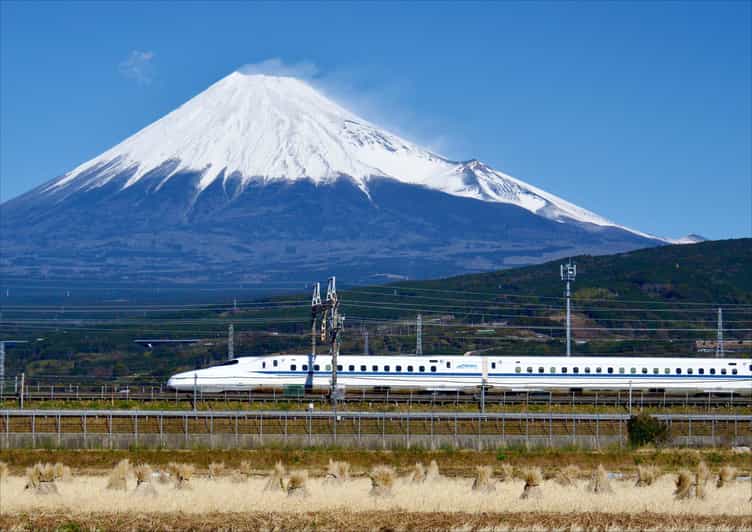
The final leg is one of the tour’s best practical touches. The bus takes you to Odawara Station, where you use your included non-reserved Shinkansen ticket to return toward Tokyo. The journey typically takes about 34 minutes.
Your guide does not ride the train with you. That sounds intimidating at first, but clear directions are provided, and the process is straightforward if you pay attention at the station. Non-reserved seating means you can board an available coach rather than receiving a specific seat. During busy periods, you may need to stand or wait for a later train.
The train timetable can change, but there are usually two trains per hour. The listed options include Kodama services and a Hikari service, with arrivals in Tokyo generally between about 5:48 and 7:48 p.m. You may also get off at Shinagawa, one stop before Tokyo, and use the Yamanote Line toward Shinjuku or another station covered by the same Shinkansen ticket.
Keep your ticket handy until the end. If you are continuing to Kyoto or another destination, the Odawara connection can be especially useful, though you will need to manage that onward transfer yourself.
The bullet train is not merely a fast way home. For many people, it is their first Shinkansen ride, and it provides a satisfying modern contrast to the shrine, volcano, lake, and mountain stops earlier in the day. One practical tip: do not rush onto the first train. If time allows, watch the trains arrive and depart before boarding. The speed at the platform is part of the fun.
Guides, transport, and the rhythm of the day
The guide can make or break a long coach tour. This experience uses English and Spanish guides, and the strongest departures have included guides named Happy, Ami, Yumi, Ai, Sachi, Hide, Ken, Yoshiu, and Yuji. The best guides keep information useful rather than nonstop, add personal stories, explain local foods, and help everyone stay on schedule.
Happy has been praised for keeping the mood upbeat and handling noisy passengers firmly. Ami has been described as interactive and fun, while Yumi helped make a weather-disrupted day feel special by giving birthday postcards to a passenger. Guides have also helped wheelchair users at each stop and offered clear directions for the train.
You should expect a fair amount of time on the coach. The ride from Tokyo can stretch with traffic, and the return to Odawara depends on road conditions. That is why the guide’s commentary matters. Some departures have included trivia, historical background, food suggestions, and even singing.
The bus has information screens, though the sound system has occasionally been hard to hear. Sit where you can hear the guide, and ask for clarification if announcements are unclear. Late arrivals at the meeting point cannot join halfway through, so arrive early at the LOVE sculpture and confirm the correct tour staff. Several operators may gather in the same area.
Wear comfortable shoes. You will not be hiking Mt. Fuji, but you will move through stations, viewpoints, a gondola route, a cruise terminal, and a train station in one long day.
Weather, alternatives, and realistic expectations
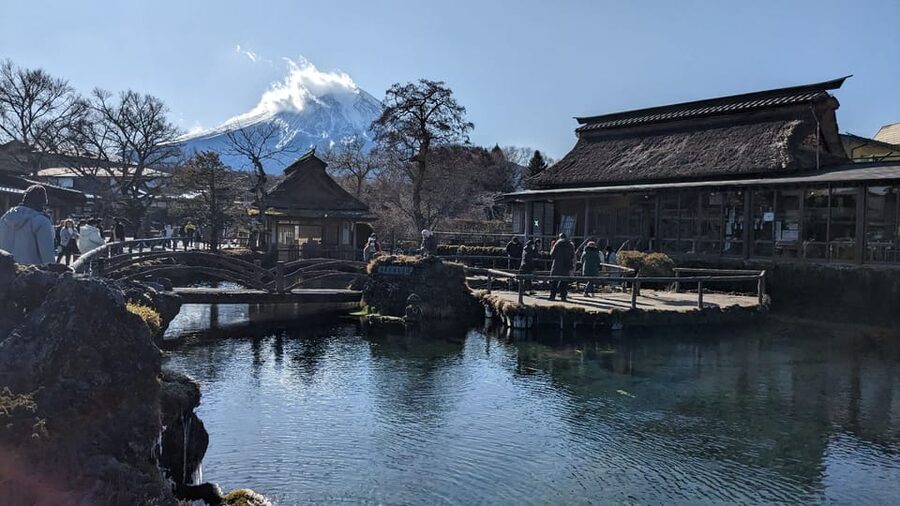
The biggest question is not how impressive Mt. Fuji will be. It is whether you will see it at all.
Humidity, fog, heavy rain, and cloud can hide the summit. The operator does not refund the tour because of weather, and the guide may reschedule or alter the route when conditions require it. That policy is worth understanding before you book.
The day still has value when Fuji disappears. Owakudani remains a volcanic site, the ropeway still offers a dramatic ride, the pirate ship still crosses Lake Ashi, and the Shinkansen still provides a memorable finish. Alternative stops may include Oshino Hakkai, a snow-covered pond area, or other Hakone attractions.
For your best chance of a clear mountain view, consider the general pattern shown by this route: clear weather matters more than the season alone. Several departures in autumn had excellent Fuji views, while others on nearby dates saw fog. Do not book this as a guaranteed Fuji photograph. Book it as a full Fuji and Hakone day with a strong chance of seeing the mountain when conditions cooperate.
Wheelchair access and family details
The sightseeing spots are wheelchair-accessible, but the standard buses do not have lifts or ramps. Folding wheelchairs can generally go in the luggage compartment. Electric wheelchairs may be too large or heavy, so contact the operator when booking.
The tour can suit children and adults, but it is long. Children up to age three may join free without a bus seat or lunch. If you need a seat or meal for that child, book the child rate.
The tour is not suitable for pregnant women. The cable car, long bus ride, walking between transport points, and full schedule may also be tiring for anyone who needs frequent rest, even though the individual sightseeing stops are manageable.
Who should book this Fuji and Hakone day?
I would choose this tour if you have limited time in Tokyo and want a broad first look at the Mt. Fuji and Hakone area. It works particularly well for first-time visitors who want transport, a guide, lunch, major attractions, and a bullet train ride bundled together.
It is also a good choice if you enjoy variety. In one day, you move from a high mountain station to a hot-pot meal, a volcanic valley, a gondola, a lake cruise, and a high-speed train.
I would not choose it if you want a quiet, flexible day. The schedule is fixed, photo time can feel short, and traffic may alter the order or timing. Independent visitors who already have a JR Pass may prefer the version that ends at Odawara, since this tour’s included Shinkansen ticket is then less useful.
At $117, the tour earns its price through transport and coverage. The guide, ropeway, cruise, bus, and bullet train would be awkward to coordinate separately. Lunch makes the package more convenient, but it is optional, and meal quality may not suit every taste.
Should you book it?
Book it if you want to see the major Fuji and Hakone sights in one ambitious day and you are comfortable accepting the weather risk. The Shinkansen return, helpful guides, and mix of volcanic, lake, mountain, and cultural stops make this better than a simple Fuji photo excursion.
Skip it if you need a slow pace, guaranteed summit views, reserved train seating, or a full day focused only on Mt. Fuji. For everyone else, it is a sensible way to cover a large region from Tokyo, with enough variety to remain worthwhile even when the clouds refuse to cooperate.
FAQ
Where does the tour meet in Tokyo?
Meet by the Nishi Shinjuku LOVE sculpture outside the Shinjuku i-Land building. Arrive on time, since late arrivals cannot join the tour midway.
How long is the tour?
The full experience lasts about 11 hours. The drive from Shinjuku to the Mt. Fuji area takes about two and a half hours, depending on traffic.
Does the tour guarantee a view of Mt. Fuji?
No. Fog, rain, humidity, clouds, road conditions, or other disruptions may block the mountain or prevent access to the 5th Station. Alternative destinations may be used, and weather-related refunds are not provided.
Is lunch included?
Lunch is included only if you select the lunch option. The meal generally includes a Japanese hot pot and a half buffet. Drinks are extra, and you should report food restrictions when booking.
Is the bullet train seat reserved?
No. The Shinkansen ticket is for a non-reserved coach. The guide does not ride the train with you, and you return independently from Odawara Station.
Can wheelchair users join the tour?
The sightseeing stops are wheelchair-accessible, but standard buses do not have wheelchair lifts or ramps. Folding wheelchairs can generally be stored in the luggage compartment. Electric wheelchairs may not fit because of size and weight limits, so notify the operator when booking.
More rail trips from Tokyo
- From Tokyo 1-Day Kyoto English-guided Tour by Bullet Train
★ 4.0 · 376 reviews - Mt. Fuji and Hakone Day Trip From Tokyo with Bullet Train Option
★ 4.0 · 368 reviews - Osaka/Kyoto: Hiroshima Miyajima Bus Tour & Shinkansen Ticket
★ 4.7 · 919 reviews - Fukuoka: Takachiho Gorge & Scenic Railway One Day Tour
★ 4.8 · 178 reviews
Just added in Tokyo
- Luxury Tokyo Sake, Cocktail, Whisky and Pairing Tour★ 5.0 · 18 reviews
- Wagyu & Sake Pairing in Shinjuku – Steak, Shabu-Shabu & More★ 5.0 · 112 reviews
- Small-Group Wagyu Beef and 7 Japanese Dishes Tokyo Cooking Class★ 5.0 · 190 reviews
- Nikko: Edo Wonderland Edomura Cultural Theme Park Ticket★ 4.3 · 205 reviews
- 《MEMBERS-ONLY-BAR-HOPPING》Discover Your Special Whiskey in Tokyo!★ 5.0 · 29 reviews
- Japanese Whisky Hunting《HIGH-QUALITY-ONLY》Rare Tasting Class★ 5.0 · 20 reviews
- From Tokyo: Private Tour to Fuji/Hakone – Onsen, Art, Nature★ 5.0 · 116 reviews
- Tokyo: KABUKI Show at Kabukiza Theatre Admission Ticket★ 4.8 · 152 reviews
Mount Fuji Day Trips, compared.
Mt Fuji and Hakone 1-Day Bus Tour Return by Bullet Train
Read our review →
Mt Fuji & Hakone Cruise, Drum Show Bullet Train 1 Day from Tokyo
Read our review →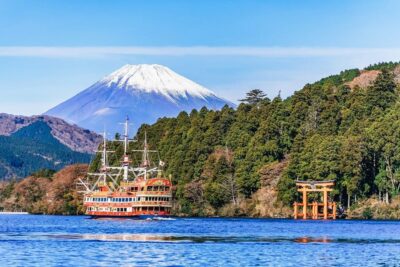
Tokyo Mt Fuji 5th St & Hakone Cruise Bus Tour w/Bullet Train
Read our review →
Mt.Fuji,Kawaguchiko Oishi Park,Arakurayama Sengen Park
Read our review →
Mt Fuji Top 5 Spots Day Tour: Arakurayama Park,Oshino Hakkai
Read our review →
Private Tour to Mt. Fuji and Hakone (Fully Licenced Operator)
Read our review →
Mount Fuji Full-Day Private Tour from Tokyo (Customizable)
Read our review →Browse the lists this tour appears in