
Reviewed · FUSHIMI INARI TOURS
Kyoto Early Bird Tour in Uji and Fushimi Inari
Fushimi Inari’s endless red torii gates and Uji’s calm temple grounds make a fine morning pair, especially when you see them before the afternoon crowds gather. This small-group tour of up to eight people also gives you time to ask questions instead of trailing behind a flag.
I like the included entry to Byodoin Temple, a UNESCO World Heritage Site, and the way the tour ends at Uji Station, leaving you in a useful spot to continue exploring. The main tradeoff is an early start and a fairly active five-and-a-half-hour morning, with ¥390 per person for transportation and lunch not included.
Key points to know before booking
- Three major sites in one morning: Visit Fushimi Inari-taisha, Byodoin Temple, and Ujigami Shrine without arranging several separate trips.
- A small group of no more than eight: You can hear the guide clearly and ask about Shinto, Buddhism, and local customs.
- Byodoin entry is included: You avoid paying that admission separately and spend less time dealing with ticket arrangements.
- The tour finishes in Uji: The ending suits anyone planning to continue around Uji, though the guide does not return to Kyoto by train with the group.
- Guide Genki receives especially warm praise: His explanations of the differences between Shinto and Buddhism are clear, measured, and easy to retain.
- Plan for a moderate amount of walking: Each listed stop lasts about 90 minutes, and the morning requires enough stamina for temple and shrine grounds.
Why this Kyoto and Uji pairing works
Kyoto offers more famous shrines and temples than you can reasonably see in a short visit. The trick is choosing a route that groups nearby sights well and avoids wasting the best morning hours in transit. This tour does that by beginning at Kyoto Station, visiting Fushimi Inari first, then continuing south to Uji.
The route also gives you two different sides of Japanese religious culture. Fushimi Inari is known for its Shinto shrine and striking torii gates. Uji brings a quieter setting, with Byodoin Temple and Ujigami Shrine offering a slower look at worship, architecture, and long-standing tradition.
I like this combination because it has contrast. Fushimi Inari provides the instantly recognizable Kyoto scene, while Uji feels more measured and less tied to the city center. You are not spending the whole morning looking at similar buildings.
The early timing matters. Fushimi Inari is one of Japan’s most famous shrines, so the torii-lined route can become crowded later in the day. A morning visit gives you a better chance of walking through the gates with more space around you. It cannot guarantee solitude, but it is a sensible way to improve your odds.
Other shrine walks around Kyoto:
- Kyoto: Fushimi Inari, Kinkakuji, Bamboo Grove 1 Day Bus Tour
★ 4.8 · 4,316 reviews - Fushimi Inari Hidden Hiking Tour (Private Option Available)
★ 5.0 · 1,750 reviews - Kyoto/Osaka: Nara, Fushimi Inari Taisha, Arashiyama Bus Tour
★ 4.7 · 1,275 reviews
Starting at Kyoto Station
The meeting point is Kyoto Station, at Higashishiokoji Kamadonocho in Shimogyo Ward. That is practical if you are staying in Kyoto and want a clear, central place to begin, though you should allow time to find the exact meeting spot inside the large station area.
Your confirmation arrives at booking, and the mobile ticket makes it easy to keep the tour details on your phone. I would still check the meeting instructions carefully before leaving your hotel. Kyoto Station is large, and a calm arrival is better than beginning the morning with a frantic search.
The tour lasts about five hours and 30 minutes. Since the three main stops each receive roughly 90 minutes, the remaining time covers movement between locations and the transition from Kyoto to Uji.
Transportation is not included in the advertised price. The listed transportation fee is ¥390 per person. Since the tour ends at Uji Station, you should also think about your plans after the final stop. If you want to return to Kyoto, the guide can explain how to do it, but the guide will not take the train back with the group.
Walking through Fushimi Inari’s red gates
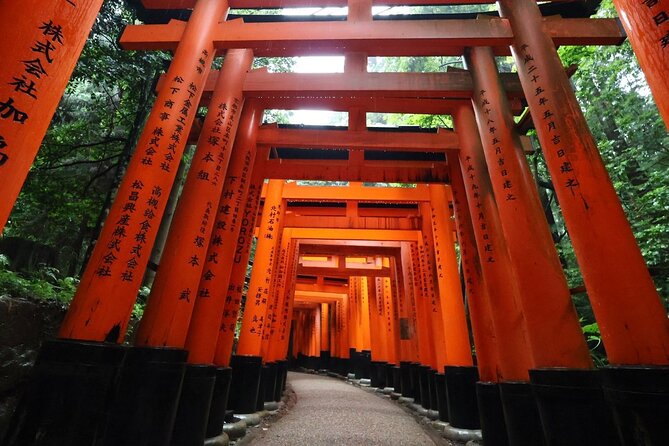
The first stop is Fushimi Inari-taisha, with about 90 minutes set aside. Admission to the shrine is free, so the focus here is time, orientation, and the chance to understand what you are seeing.
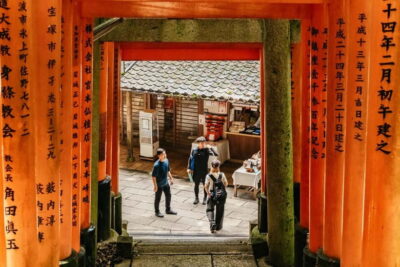
The shrine is famous for its rows of red-orange torii gates. Walking through them creates one of Kyoto’s strongest visual experiences, with repeated gates forming a long, dramatic passage. It is easy to rush through with a camera, but a guide can help turn the visit into more than a quick photo stop.
The tour description does not promise a full climb to the upper sections of the mountain, and 90 minutes is not enough to explore every part of the shrine complex at a slow pace. You should think of this as a focused visit rather than a complete Fushimi Inari hike.
Wear shoes suitable for walking and bring water. The tour requires a moderate fitness level, and shrine grounds can include uneven paths, steps, or inclines. The exact pace depends on the group, but this is not a sit-and-watch excursion.
The early hour is one of the best reasons to choose this outing. You are addressing Fushimi Inari before the day becomes more crowded, then moving on instead of spending the whole morning in the same place. For a first visit to Kyoto, that is a good use of limited time.
Byodoin Temple and the Phoenix Hall
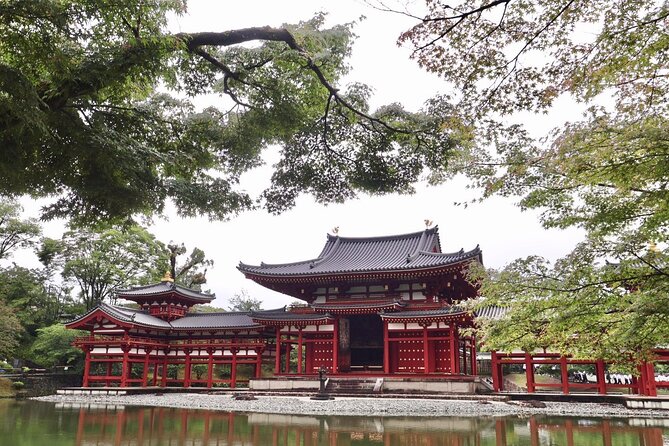
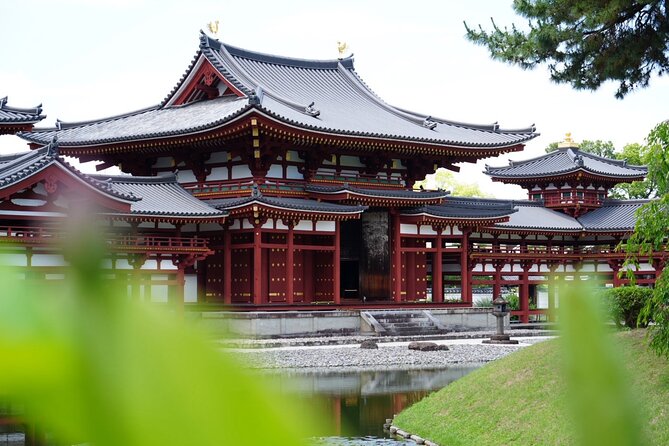
The tour then takes you to Uji, where Byodoin Temple receives another 90-minute visit. Entry is included, which is a useful part of the package. You do not need to budget for a separate admission ticket, and the guide can help you make better use of your time inside the temple grounds.
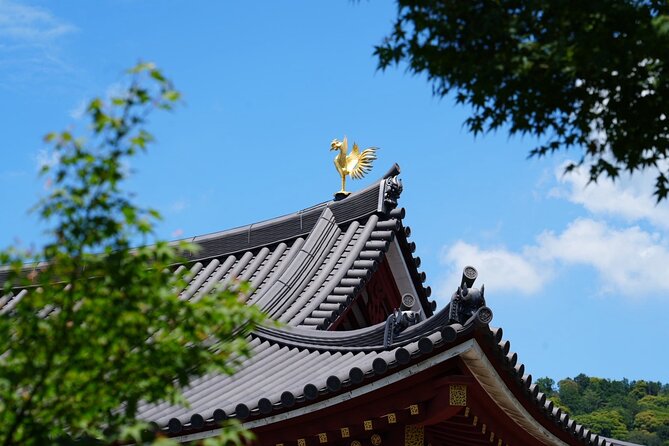
Byodoin is one of Japan’s best-known temples and appears on the back of the 10 yen coin. Its most famous feature is Phoenix Hall, an elegant Heian-period building associated with the temple’s image around the country.
The value here is not only the building itself. Byodoin gives you a chance to connect the physical site with something you may have already handled in daily life: Japanese currency. That small detail makes the temple easier to remember and gives the visit a useful point of reference.
With 90 minutes, you should have time to see the main highlights without feeling hurried, though the tour will not give you unlimited freedom to linger. If you are passionate about temple architecture or photography, you may wish you had longer. For a morning that also includes two shrines, the time allocation is reasonable.
The included admission improves the value of the $55.18 price. You are paying for a small group, an English-speaking guide, the planned route, and Byodoin entry, while still needing to cover transportation and lunch. It is not the cheapest way to see these places on your own, but it can be worthwhile if you want structure and context.
Same base, a different sort of day:
- PERFECT KYOTO 1-Day Bus Tour
★ 5.0 · 13,518 reviews - Kyoto: Tea Ceremony in a Traditional Tea House in Kiyomizu
★ 4.9 · 3,519 reviews - Kyoto Geisha Walking Tour: Gion District & Hidden Gems
★ 4.7 · 3,273 reviews - Kyoto: Tea Ceremony Ju-An at Jotokuji Temple
★ 4.9 · 3,207 reviews
A quieter stop at Ujigami Shrine
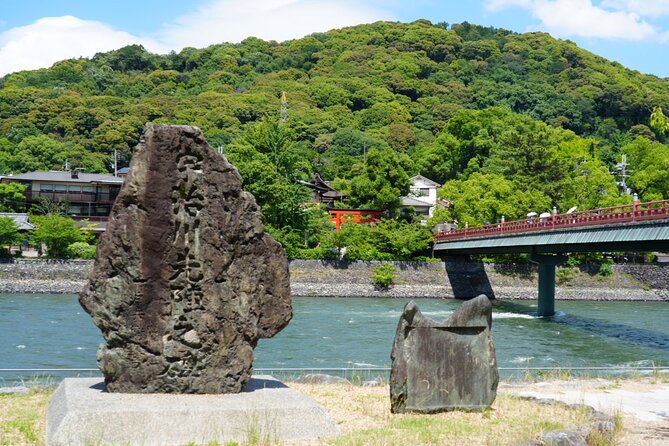
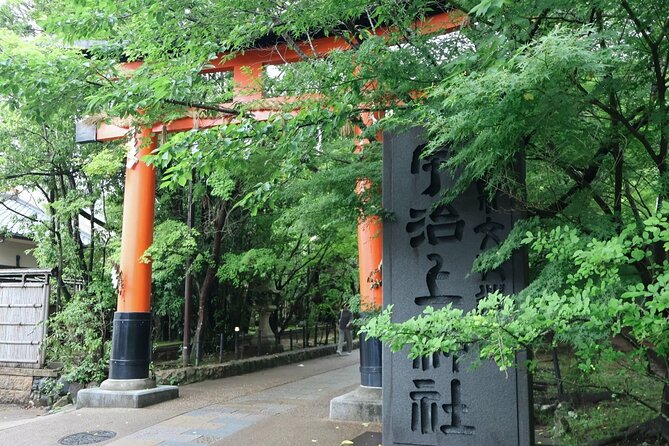
Ujigami Shrine is the final listed stop, with about 90 minutes. It is described as Japan’s oldest standing shrine, and its wooden buildings and moss-covered grounds offer a quieter change of pace after the more famous Fushimi Inari and Byodoin.
This is the stop that may appeal most to you if you prefer calm places over headline attractions. The setting gives the guide room to explain the shrine’s role and the features that make it different from a Buddhist temple.
The contrast between Ujigami Shrine and Byodoin is important. They are not simply two more stops on a checklist. One is a Shinto shrine, the other a Buddhist temple, and the guide can help you understand the difference rather than treating every sacred site as interchangeable.
Guide Genki receives particular praise for explaining Shinto and Buddhism in a clear way. The best kind of guide does not bury you under dates and names. Instead, you get enough background to understand the place while still having time to look around. That approach seems to be a strong part of this experience.
Ujigami Shrine also gives the morning a gentle finish. After the bright torii gates and the formal beauty of Byodoin, a peaceful shrine grounds visit lets you slow down before reaching Uji Station.
What guide Genki adds to the morning
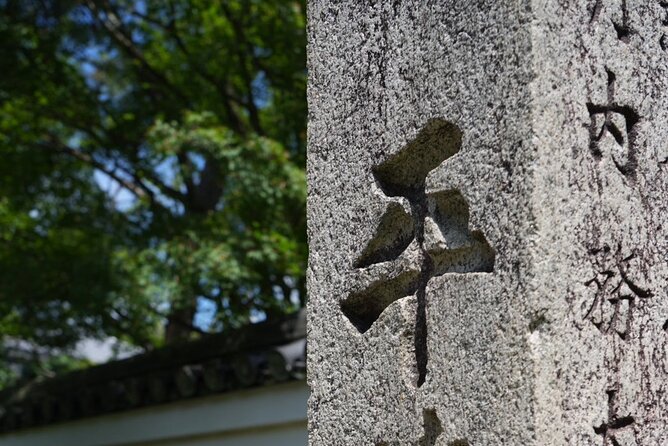
The guide can make or break a cultural tour, particularly in Japan, where religious buildings may seem beautiful but difficult to interpret at first glance. Genki is the named guide associated with the strongest praise, and the useful detail is not simply that he knows a lot. His explanations are said to be clear, engaging, caring, and pitched at a level you can remember.
That matters because the route includes both Shinto and Buddhist sites. Without context, you may notice the gates, roofs, statues, and gardens but miss why the places differ. A good explanation helps you look with more purpose.
The group limit of eight supports this style. You can ask a follow-up question without holding up a large crowd, and the guide can respond to the people actually in front of him. A small group also makes it easier to stay together during the walking portions.
No guide can remove every practical limit. You still have set times at each site, and the tour cannot tailor every stop to one person’s interests. But the format is much more personal than a large bus outing, especially for a morning focused on cultural details.
Is $55.18 a fair price?
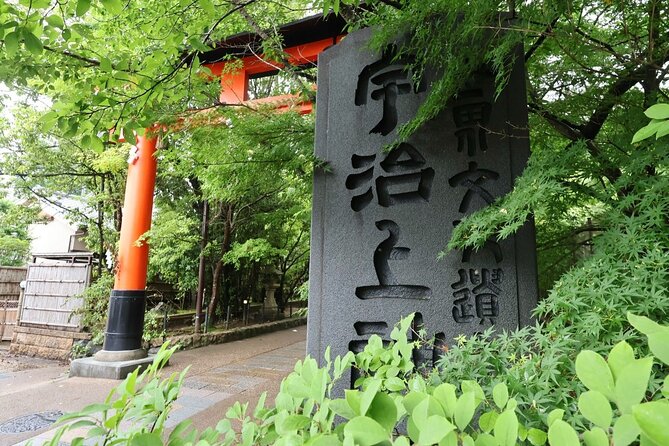
At $55.18 per person, this tour sits in a reasonable range for a half-day guided outing, particularly because Byodoin admission is included. You are also paying for route planning, an English-speaking guide, and a group capped at eight.
The price becomes less attractive if you are comfortable arranging your own transport, reading site information, and setting your own pace. Fushimi Inari is free, Ujigami Shrine is free, and independent visitors can reach Uji without joining a tour. You will also need to add the ¥390 transportation fee and pay for lunch separately.
The stronger case for booking is convenience and interpretation. You meet at Kyoto Station, visit three important sites in a logical order, and finish at Uji Station. You also avoid spending time deciding which train, entrance, or shrine to handle next.
The tour is especially good value if this is your first Kyoto visit or your first time comparing Shinto and Buddhist sites. If you already know the area well and want long, unstructured time for photography, an independent day may suit you better.
Who should book this early morning route?
I would recommend it to you if you want to see major Kyoto and Uji sights in one morning without joining a large group. It suits people who appreciate clear explanations, planned timing, and a route that ends somewhere useful rather than returning to the original meeting point.
It also works well for someone with limited time in Kyoto. You see Fushimi Inari, Byodoin, and Ujigami Shrine in one compact outing, then remain in Uji for further plans if you wish.
Families with older children may like the variety, though everyone should be ready for a moderate level of walking. The tour is not designed for someone who wants a slow café morning or a fully seated sightseeing experience.
I would be more cautious if you need a late start, dislike fixed schedules, or want to return to Kyoto with the guide. The end point is Uji Station, and the guide provides directions for the return but does not accompany the group back on the train.
The tour is generally recommended by all listed ratings, with a five-star average from 18 reviews. That is a small sample, so I would not treat it as proof that every departure will be perfect. Still, the repeated praise for Genki’s warmth, clarity, and handling of religious differences points to a real strength.
Practical details that affect your choice
The experience is confirmed at booking and uses a mobile ticket. Free cancellation is available if you cancel at least 24 hours before the local start time. Cancellations or changes made within that final 24-hour period are not accepted for a refund.
Bring comfortable walking shoes and plan for a morning outdoors across shrine and temple grounds. The stated fitness requirement is moderate, so you should be comfortable walking for several hours with breaks at the sites.
Lunch is not included. Because the tour ends at Uji Station, you can arrange food afterward, but you should not expect lunch to be built into the five-and-a-half-hour schedule.
The maximum group size is eight people. That number is small enough for direct contact with the guide, but the exact group size on your date may be smaller or reach the stated maximum.
Should you book it?
Book this tour if you want an efficient introduction to Fushimi Inari and Uji, prefer a small group, and value a guide who can explain the difference between Shinto and Buddhism. The early timing, included Byodoin entry, and Uji Station finish all add practical value.
Skip it if you want to explore Fushimi Inari at your own pace, sleep late, or return to Kyoto as part of the organized group. For most first-time visitors with a free morning, though, this is a well-shaped route with a useful mix of famous sights and quieter places.
FAQ
Where does the tour start?
The tour starts at Kyoto Station, at Higashishiokoji Kamadonocho in Kyoto’s Shimogyo Ward.
Where does the tour end?
The tour ends at Uji Station. The guide can provide directions if you plan to return to Kyoto, but will not take the train back with the group.
How long does the experience last?
The tour lasts approximately five hours and 30 minutes.
Is admission to Byodoin Temple included?
Yes. The entrance fee to Byodoin Temple is included in the tour price.
Is transportation included?
No. A transportation fee of ¥390 per person is listed separately. Lunch is also not included.
How large is the group?
The tour has a maximum of eight people. It includes an English-speaking guide, and guide Genki is specifically associated with the experience.
Just added in Kyoto
- Private Cooking Class Udon in Kyoto Japan★ 5.0 · 23 reviews
- Your Private Vacation Photography Session In Kyoto★ 5.0 · 110 reviews
- Kyoto: Zen Meditation at a Private Temple with a Monk★ 5.0 · 25 reviews
- Private Pewter Sake Cup Experience with a Kyoto Artisan★ 5.0 · 31 reviews
- Kyoto Wagashi(Japanese sweets) Cooking Class near Fushimiinari★ 5.0 · 60 reviews
- Kyoto:Family-Friendly Kimono & Yukata Experience at WARGO★ 5.0 · 147 reviews
- Private Guided Traditional Buddhist Cooking in Japan★ 5.0 · 16 reviews
- Kyoto: Gion Geisha District & Sake-in-Hand Walking Tour★ 5.0 · 37 reviews
Fushimi Inari Tours, compared.
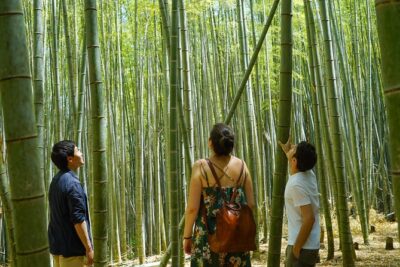
Fushimi Inari Hidden Hiking Tour (Private Option Available)
Read our review →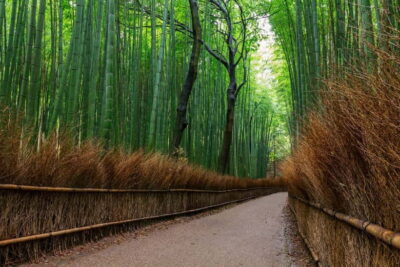
Kyoto/Osaka: Nara, Fushimi Inari Taisha, Arashiyama Bus Tour
Read our review →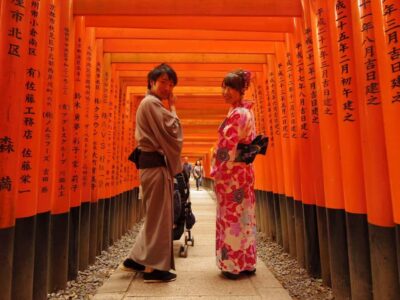
Osaka/Kyoto: Arashiyama, Nara & Fushimi Inari Shrine w/Lunch
Read our review →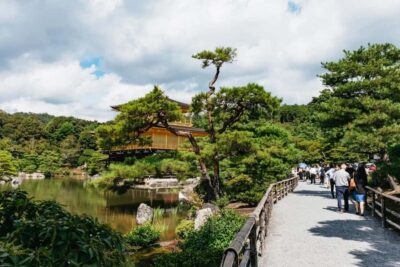
Nijo Castle, Kiyomizu & Fushimi Inari Guided Tour
Read our review →
Nijo, Kinkaku-ji, Arashiyama, Kiyomizu & Fushimi Inari
Read our review →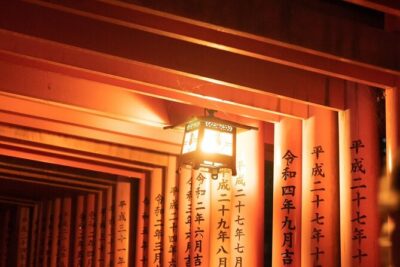
Kyoto Early Bird English Tour: Fushimi-Inari and Arashiyama
Read our review →Browse the lists this tour appears in