
Reviewed · SIGHTSEEING BUS TOURS
PERFECT KYOTO 1-Day Bus Tour
Kyoto packs its famous sights across the city, and this 8 to 9-hour bus tour tackles the big names in one sweep. You’ll visit Kiyomizu-dera, Fushimi Inari, the Arashiyama bamboo forest, Kinkaku-ji, and several other major temples without piecing together trains, buses, and admission tickets.
I like the well-organized route and the chance to hear useful explanations between stops. I also like that guides such as Sakura, Mai, At-Chan, Hiroko, and Nagomi are repeatedly praised for their warmth, humor, and care. The tradeoff is clear: this is a fast day with plenty of walking, and some stops may feel too brief.
Key points to know before booking
- Seven major Kyoto sights in one day: Visit temples, a shrine, a bamboo forest, and the Golden Pavilion.
- A strong choice for a short stay: The route covers far more ground than most visitors could manage easily by public transport in one day.
- English guide plus audio options: Your guide leads the day, while audio guidance is available in several languages on the coach.
- Lunch is optional: Choose the Japanese buffet in Arashiyama, or arrange your own meal during the break.
- Expect stairs, hills, and crowds: Kiyomizu-dera and Fushimi Inari require walking, and popular sites can be very busy.
- Group size can reach 42 people: The coach is comfortable and air-conditioned, but this is not a private or small walking tour.
Why this Kyoto bus tour works for a first visit
Kyoto is not a compact sightseeing town. Its best-known places sit in different parts of the city, and moving between them can eat up much of your day. This tour solves that problem with one coach, one meeting point, and a fixed plan.
You meet at Tully’s Coffee inside Kyoto Avanti near Kyoto Station at 7:50 a.m. The tour returns to the same place. There is no hotel pickup, so you need to reach the meeting point on your own, but its location near public transportation is useful if you are staying around Kyoto Station.
I see this as an orientation day. You get a look at the city’s major religious and cultural sights, then you can return later to the places that deserve more time. It is especially helpful if Kyoto is only one stop on a short Japan trip or if you do not want to spend your evening studying transit maps.
The coach has air conditioning and WiFi, and the guide keeps the journey moving with commentary. Several guides, including Sakura, Mai, At-Chan, Hiroko, and Nagomi, receive strong praise for clear explanations, humor, energy, and personal attention. The experience can vary by guide, but the guide is an important part of the day rather than someone who simply points you toward the entrance.
Other tours by coach from Kyoto:
- Kyoto: Fushimi Inari, Kinkakuji, Bamboo Grove 1 Day Bus Tour
★ 4.8 · 4,316 reviews - Kyoto: Hop-on Hop-off Sightseeing Bus Ticket
★ 3.9 · 2,034 reviews - Kyoto/Osaka: Nara, Fushimi Inari Taisha, Arashiyama Bus Tour
★ 4.7 · 1,275 reviews
Kiyomizu-dera gives you Kyoto from above
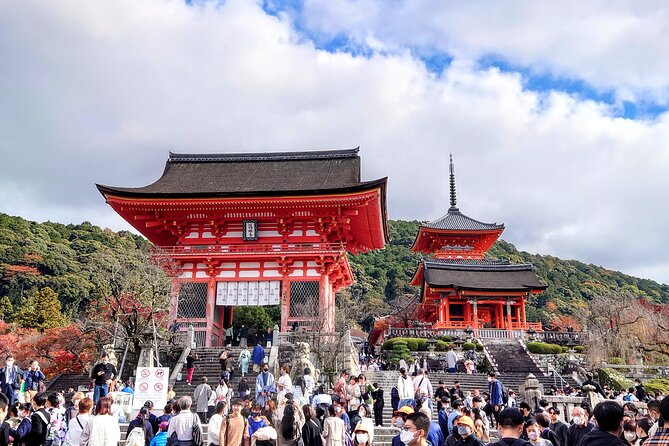
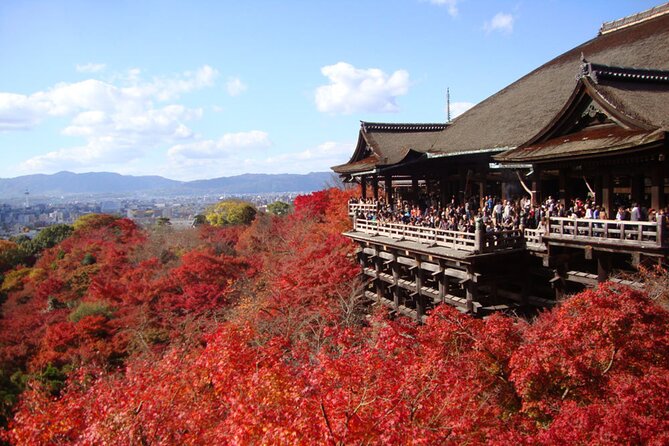
The first stop is Kiyomizu-dera, one of Kyoto’s essential temples. It sits on a Higashiyama hillside, so you get broad views over the city as well as the temple grounds.
You have about an hour here, with admission included. That is enough to see the main areas and take photographs, but not enough for a slow visit through every corner. The approach includes hills and stairs, so wear shoes that can handle uneven walking.
Starting here makes sense. The temple gives you an immediate taste of Kyoto’s wooden architecture, religious traditions, and hillside setting. It is also a useful reminder that this day is about seeing the main sights rather than lingering over every detail.
Crowds can build quickly at Kyoto’s most famous places. Keep an eye on the guide’s meeting instructions, and do not wander too far in pursuit of one more photograph. The bus cannot wait for a delayed return.
Sanjusangendo offers a quieter indoor stop
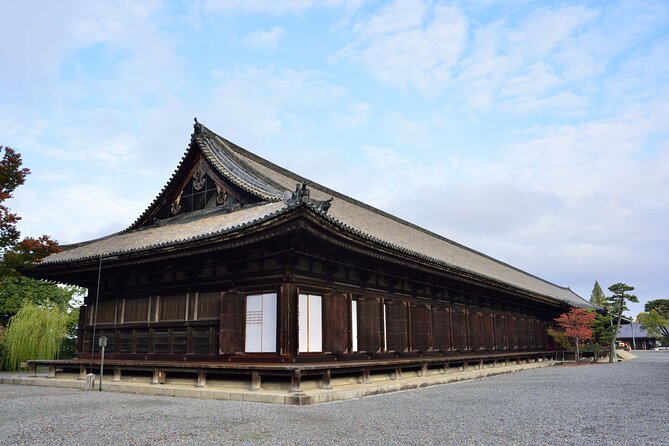
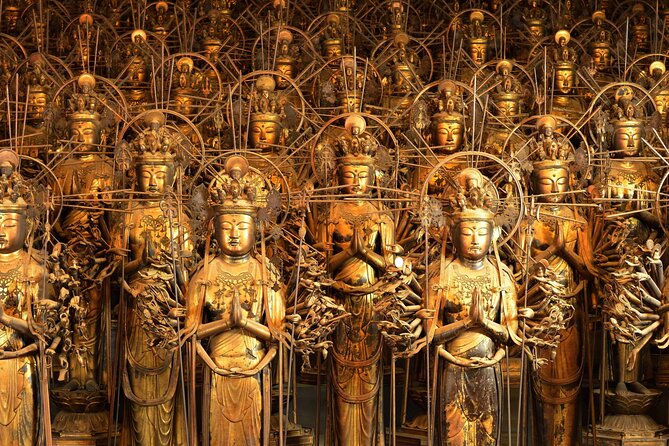
Sanjusangendo Temple follows Kiyomizu-dera, with about 40 minutes inside the temple complex. Its main hall is famous for rows of Senju Kannon statues, often described as one thousand armed Kannon figures.
This stop adds variety to the day. After a hillside temple with city views, you move into a remarkable interior space filled with religious sculpture. You will need to remove your shoes, and the floor can feel cold, particularly in cooler weather, so socks are worth considering.
Forty minutes is a short visit, but the main hall gives the stop a clear focus. If you are interested in Japanese Buddhist art, make this one of the places you remember for a longer return visit.
Arashiyama combines lunch, river scenery, and bamboo
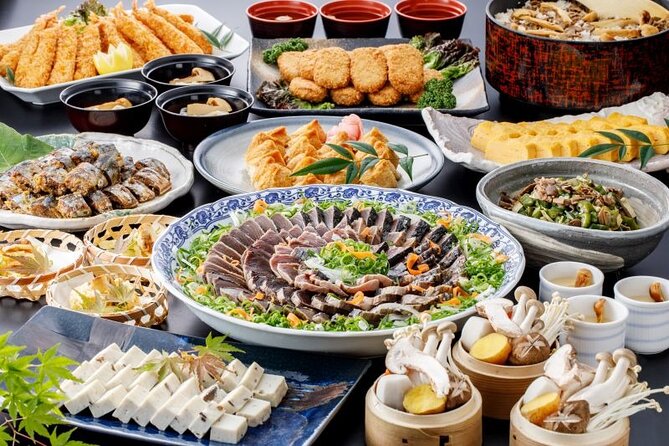
Arashiyama is the day’s main break, with about 50 minutes set aside for lunch. If you choose the lunch option, you receive a Japanese-style buffet featuring local foods and seasonal dishes. The same buffet is served to vegetarians, so diners with strict dietary needs should consider this limitation before paying for the add-on.
The meal is convenient because it removes another planning task. Still, it is not the only option. If you skip the buffet, you can use the break to find food in Arashiyama, but you must pay close attention to the group’s return time and meeting instructions. One confusing lunch break has caused at least one person to lose part of the Arashiyama visit, so do not assume the group will wait in one obvious place.
The buffet has received mixed practical feedback. Some people enjoy the selection and find it a good fit for a busy day. Others have found hot foods served cool. I would treat the included lunch as a time-saving extra, not a central reason to book the tour.
The 3,000 yen same-day surcharge for adding lunch makes advance selection the sensible choice if you want it. On April 14 and 16, 2026, the meal is scheduled as a set meal instead of a buffet.
Same base, a different sort of day:
- Kyoto: Tea Ceremony in a Traditional Tea House in Kiyomizu
★ 4.9 · 3,519 reviews - Kyoto Geisha Walking Tour: Gion District & Hidden Gems
★ 4.7 · 3,273 reviews - Kyoto: Tea Ceremony Ju-An at Jotokuji Temple
★ 4.9 · 3,207 reviews - Kyoto: Gion Magical Night Walking Tour with Geisha Trivia
★ 4.9 · 2,393 reviews
The bamboo forest is beautiful but brief
The Bamboo Forest Trail gets about 20 minutes. You walk through the bamboo on the way toward Tenryu-ji, with time for photographs in one of Kyoto’s most recognizable settings.
This is one of the day’s most photogenic stops, but it is also one of the shortest. Do not expect a long, quiet forest walk. The route is shared with many other people, and the group needs to keep moving.
I like the way the tour pairs the bamboo with Tenryu-ji rather than treating it as a stand-alone photo stop. You see the famous bamboo corridor, then move into a major temple and garden nearby. If the bamboo forest is high on your personal list, mark Arashiyama for a separate early visit during another day.
Tenryu-ji slows the pace for a traditional garden
Tenryu-ji receives about 30 minutes, with admission included. The temple is a UNESCO World Heritage site, and its garden is the main reason to pay attention here. Its design has remained in place for more than 700 years, with seasonal flowers and plants changing the view throughout the year.
Half an hour lets you appreciate the broad shape of the garden, but it is not enough for a leisurely garden visit. The group schedule is useful for first-time sightseeing, though garden lovers may want to return independently.
This is also another place where you may remove your shoes. Combine the cold-floor warning from Sanjusangendo with the amount of walking, and you have a good case for practical footwear and warm socks.
Kinkaku-ji puts the Golden Pavilion on the route
Kinkaku-ji, the Golden Pavilion, is one of Kyoto’s most familiar sights. Its upper structure is covered in gold leaf, and it reflects across the pond in the temple grounds. Admission is included, and you have about 40 minutes.
The visit is straightforward. You follow the established viewing route, stop for photographs, and hear the guide explain the site before returning to the coach. The pavilion is visually striking, but the visit is not designed for a long, open-ended exploration.
This stop is valuable because it gives you a very different style of Kyoto. Kiyomizu-dera feels wooden and elevated above the city, Tenryu-ji centers on a garden, and Kinkaku-ji makes a bold impression with its gold exterior and water setting.
Nijo Castle appears from the coach

On the return route, the bus passes Nijo Castle. It is not listed as a full walking stop, so you should not expect time to tour the grounds or interiors.
The guide provides commentary as you pass. Nijo Castle matters because of its connection with the Tokugawa shogunate and the return of political power to the emperor. It is a useful glimpse of Kyoto’s political past, but anyone who wants to explore the castle should plan a separate visit.
This is a good example of how the tour works. You see many important places, but not every one receives equal time. The route favors breadth over depth.
Fushimi Inari ends the day with orange torii gates
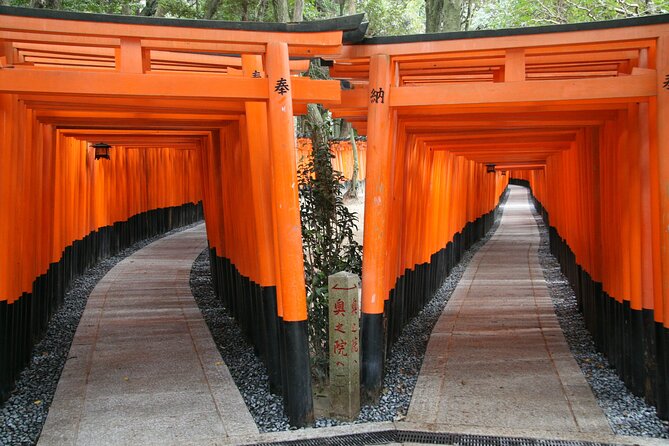
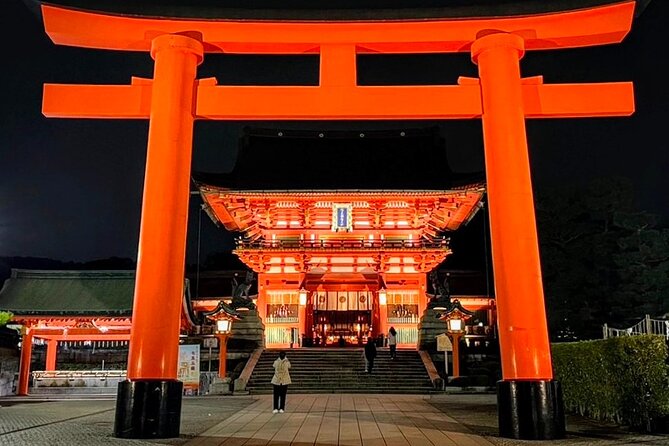
Fushimi Inari-taisha is the final major stop, with about an hour to walk among its famous rows of vermilion torii gates. The shrine is dedicated to Inari, and the gates climb into the wooded hills behind the main shrine area.
You do not need to complete the full mountain route during this visit. The tour gives you time to experience the lower section and walk beneath the gates, which is the part most people want to see first.
Fushimi Inari requires walking, stairs, and some uphill movement. By this point, you have already spent much of the day on your feet, so a sturdy pair of shoes matters. The late timing can also mean heavy crowds. Stay alert for the return meeting point and leave enough time to get back to the bus.
This stop is a strong finale because it feels different from the day’s temples. The repeated gates create a long visual corridor, and the climb gives you a more active experience after several structured temple visits.
The pace, group size, and guide make the difference
The maximum group size is 42 people. That is manageable on a coach, but it affects the walking portions. You may need to keep close to the guide, listen carefully for meeting times, and accept that the group cannot move at your preferred speed.
The tour is often described as smooth and well controlled, especially when guides keep people informed during the bus rides. At-Chan is praised for humor and detailed explanations. Sakura is noted for clear English and an engaging style. Mai brings energy and useful detail, while Nagomi is praised for preparation and warmth. These personal touches matter during a long day.
English is the main guided language. Multilingual audio guidance is available on the bus in English, Spanish, French, Italian, German, Portuguese, and Ukrainian. If you sit far from the guide, it may be harder to catch every explanation during announcements, so listen carefully when the group gathers.
The route can change because of traffic, weather, closures, or operating conditions. An alternative site may be substituted, and refunds are not provided for changes caused by these conditions. The tour also cannot guarantee every activity if transport or weather problems interfere.
Is the $129.25 price good value?
At $129.25 per person, the tour is not the cheapest way to spend a day in Kyoto. The value comes from what the price bundles together: air-conditioned transport, a professional English-speaking guide, multilingual bus audio, and admission to Kiyomizu-dera, Sanjusangendo, Tenryu-ji, and Kinkaku-ji.
You are also paying to avoid the mental work of linking distant sights. On your own, you would need to plan public transportation, monitor opening arrangements, buy several tickets, and keep an eye on the clock. For a first visit or a short stay, that convenience can be worth the price.
The cost makes less sense if you dislike fixed schedules, prefer quiet visits, or want to study each temple at length. The tour is best understood as a high-coverage introduction to Kyoto, not a slow cultural walk.
Who should book this day?
I would choose this tour if you have one free day in Kyoto, want the famous sights, and prefer a guide and coach to independent route planning. It also suits families and mixed-age groups who can manage a full day of walking, as one account describes a group ranging from age nine to 70 keeping up.
You should think twice if long distances, stairs, or hills are difficult. The company specifically warns that the tour is not recommended for people who cannot walk long distances.
Bring water, snacks, and a solid breakfast. The schedule is tight, and the lunch break is not long. Wear comfortable shoes, bring socks for temple interiors, and keep your phone charged for the mobile ticket and meeting details.
The cancellation policy is simple: you can receive a full refund if you cancel at least 24 hours before the local start time. Changes or cancellations inside that window are not accepted for a refund.
Should you book the PERFECT KYOTO 1-Day Bus Tour?
Book it if your priority is seeing Kyoto’s major temples, shrine gates, bamboo forest, and Golden Pavilion in one carefully arranged day. The guide support, included admissions, and coach transport remove much of the friction, and the route gives you a useful first look at the city.
Skip it if you want quiet temple time, spontaneous meals, or a deep visit to one neighborhood. The strongest way to use this tour is as a first-day survey. Notice which places appeal to you, then return independently if your schedule allows.
For a short Kyoto stay, I think the coverage is the main advantage. Just accept the bargain: more sights, less time at each one.
FAQ
Where does the Kyoto bus tour start and finish?
The tour starts at Tully’s Coffee inside Kyoto Avanti at 7:50 a.m. It finishes back at the same meeting point.
Is hotel pickup included?
No. Hotel pickup and drop-off are not included, and no extra pickup or drop-off service is provided.
How long does the tour last?
The experience lasts approximately 8 to 9 hours.
Is lunch included?
Lunch is included only if you select the lunch option. It is a Japanese-style buffet in Arashiyama, with the same buffet served to vegetarians. Adding lunch on the day costs more, listed as 3,000 yen.
What languages are available?
A professional English-speaking guide attends the tour. Multilingual audio guidance is available on the bus in English, Spanish, French, Italian, German, Portuguese, and Ukrainian.
Are admission tickets included?
Admission is included for Kiyomizu-dera, Sanjusangendo, Tenryu-ji, and Kinkaku-ji. Fushimi Inari, the bamboo forest, Arashiyama, and the outside viewing of Nijo Castle do not list a separate admission charge.
How much walking is involved?
The tour includes a lot of walking, along with stairs and hills at some locations. It is not recommended for people who cannot walk long distances.
What happens if I arrive late?
If you miss the 7:50 a.m. start, you will not be able to join the tour partway through the day.
Just added in Kyoto
- Kyoto: Private Photoshoot Service★ 5.0 · 158 reviews
- Kyoto Rickshaw Tour★ 5.0 · 210 reviews
- Izakaya Style Cooking Class★ 5.0 · 219 reviews
- Kyoto: Traditional Concert at Townhouse or Bathhouse★ 4.9 · 224 reviews
- Ninja 2-hour Hands-on Lesson by Japanese master in Kyoto -Medium★ 5.0 · 218 reviews
- Kyoto: Arashiyama Bamboo, Temple, Matcha, Monkeys & secret spots★ 5.0 · 219 reviews
- The right way to know Kyoto★ 5.0 · 257 reviews
- Kyoto Geisha District Walking Tour in Gion★ 5.0 · 232 reviews
Sightseeing Bus Tours, compared.
Mt Fuji and Hakone 1-Day Bus Tour Return by Bullet Train
Read our review →
Peaceful Hiroshima & Miyajima UNESCO 1 Day Bus Tour
Read our review →
Tokyo Mt Fuji 5th St & Hakone Cruise Bus Tour w/Bullet Train
Read our review →

Meiji Shrine, Asakusa, Skytree Bus Tour and Cruise
Read our review →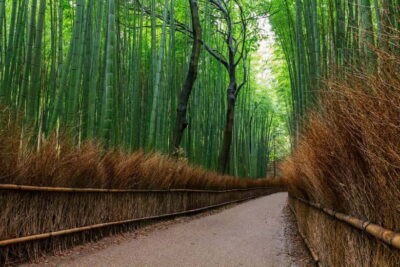
Kyoto/Osaka: Nara, Fushimi Inari Taisha, Arashiyama Bus Tour
Read our review →
Osaka/Kyoto: Hiroshima Miyajima Bus Tour & Shinkansen Ticket
Read our review →Browse the lists this tour appears in