
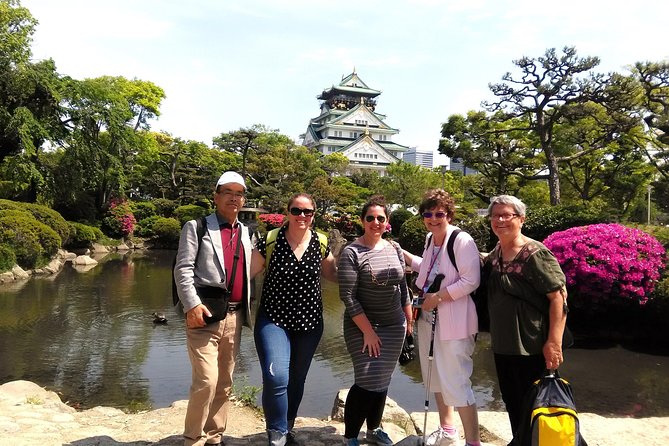
Reviewed · GOVERNMENT-LICENSED GUIDE TOURS
Osaka 4hr Private Tour with Government-Licensed Guide
Osaka is easiest to understand in pieces: a neon food street here, an ancient shrine there, then a market, castle, or quiet garden between them. This private four-hour tour lets you choose two or three places instead of chasing the entire city, with a licensed English-speaking guide such as Yuka, Sachiko, Andy, or Kuni helping you connect the dots.
I like the flexible plan and the personal attention. Guides have adjusted routes for hot weather, injuries, changing interests, and last-minute ideas. I also like the practical help: guides have met visitors on train platforms, explained subway routes, suggested restaurants, taken photos, and shared useful advice for the rest of a Japan trip.
The catch is simple: four hours goes quickly, and Osaka’s sights are spread out. This is a walking tour, not a private car tour, and trains, entry tickets, food, and other personal costs are extra. If you want all 11 places listed in the choices, you will need far more time.
Key points to know before booking
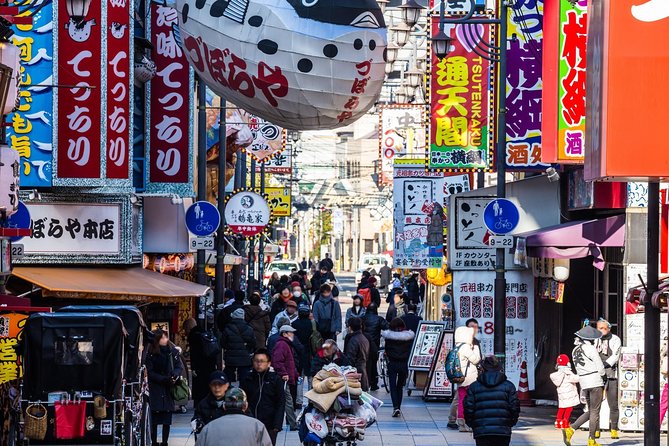
- Choose only two or three sites: The menu includes Dotonbori, Osaka Castle, Kuromon Market, Shitennoji, Sumiyoshi Taisha, Shinsekai, and more, but the tour is not designed to cover them all.
- Expect a real walking outing: Subways and trains may help connect distant areas, but transportation is not included, and pickup is on foot.
- Best for a first Osaka visit: A private guide can reduce the stress of finding platforms, sorting neighborhoods, and deciding what deserves your limited time.
- Food is part of the setting, not the price: Dotonbori, Kuromon Market, and Shinsekai offer strong food stops, but meals and snacks cost extra.
- Guide quality matters: Most feedback praises patient, flexible guides, while a small number of experiences point to uneven pacing and communication.
- The price buys planning and local help: At $109.43 per person, the value is strongest for couples, families, or small groups who want a custom route rather than a fixed group walk.
A private way to get your Osaka bearings
Osaka can feel easy and confusing at the same time. The main areas are well served by public transportation, but the city’s best-known sights do not sit in one compact historic center. Dotonbori, Osaka Castle, Umeda, Sumiyoshi Taisha, and Shinsekai each offer a different face of the city.
That is where this format works well. Your guide meets you at your hotel or another agreed place within the designated Osaka area, on foot, and then helps shape the morning or afternoon around your interests. You might focus on food and shopping, traditional religious sites, Osaka history, or a mix of old and new.
The private format means you are not waiting for a large group or following a fixed script. Guides have changed plans for weather, injuries, family needs, and views already seen from a hotel. One guide noticed that a visitor’s hotel already offered a good view of the city and suggested using the limited time elsewhere instead of repeating the Umeda Sky Building.
The headline rating is strong, at 4.8 out of 5 from 359 ratings, with 96 percent recommending the experience. Still, the guide assigned to your group makes a real difference. Most praise centers on warmth, patience, clear English, local advice, and the ability to adjust the route. A small number of low ratings describe rushed walking, weak conversation, getting lost, or poor handling of a knee injury. If mobility or family pacing matters, say so clearly before the tour begins.
Other tours with a licensed guide in Osaka:
- Tokyo 6hr Private Tour with Government-Licensed Guide
★ 5.0 · 3,902 reviews - Tokyo 4hr Private Tour with Government-Licensed Guide
★ 5.0 · 1,394 reviews - Kyoto 6hr Private Tour with Government-Licensed Guide
★ 5.0 · 1,369 reviews
Dotonbori, where Osaka puts food first
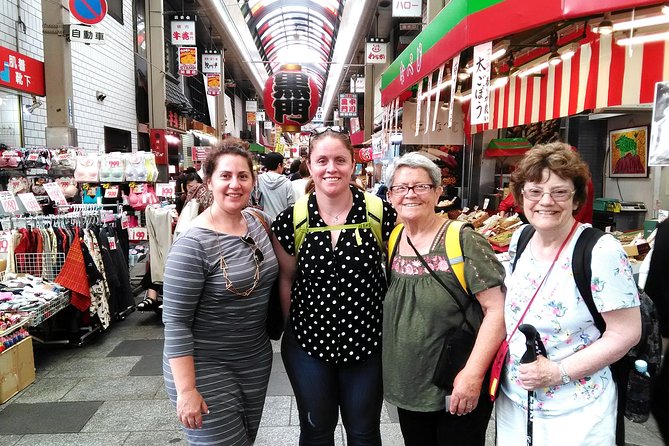
Dotonbori is the obvious choice for a first look at Osaka’s modern personality. You walk along a lively canal-side entertainment area filled with giant signs, restaurants, food stalls, and the smells of takoyaki and okonomiyaki.
The planned visit is about 30 minutes, which is enough to get oriented, photograph the famous signs, and ask your guide what to eat later. It is not enough for a slow meal, extended shopping, and a full exploration of the surrounding lanes. If food is your main reason for booking, tell the guide in advance and consider using one of your two or three chosen stops here.
The private setting is useful in Dotonbori because your guide can explain what the dishes are and help you decide where to spend your own money. Food is not included, so you control the budget. A short stop can also work well at the beginning or end of a route through Shinsaibashi, Kuromon Market, or Sennichimae.
Sennichimae and Shinsaibashi for shopping with a local purpose
Sennichimae Doguyasuji Shopping Street is a 150-meter arcade devoted to cooking supplies. Its shops carry utensils, tableware, appliances, and other kitchen goods. It is a good choice if you want something beyond standard souvenir shopping, especially if Japanese cooking interests you.
The suggested time is 30 minutes. That sounds reasonable for a look, but serious shoppers will want more. The guide can help explain what you are seeing, but purchases are your responsibility, and the tour does not include shopping expenses.
Shinsaibashi-suji stretches about 600 meters and focuses on cosmetics, clothing, restaurants, and general retail. The planned 15-minute stop is more of a quick orientation than a shopping session. I would pair it with Dotonbori or Kuromon Market, not choose it as the sole reason for booking a private guide unless you have a specific shopping goal.
Kuromon Market for Osaka flavor
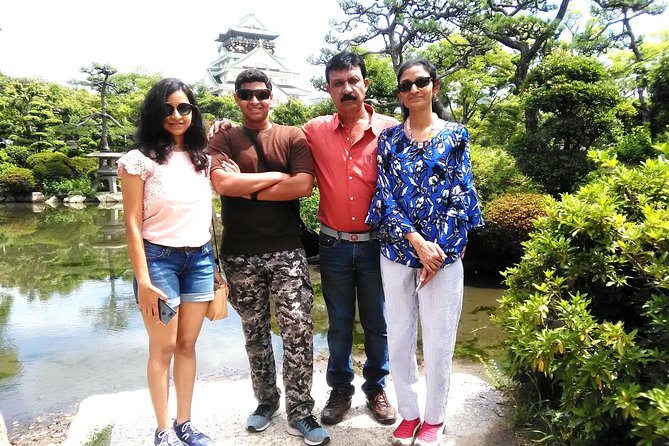
Kuromon Market is a roofed food market known for seafood, including fugu in winter and hamo, or conger pike, in summer. Seafood shops and prepared-food sellers make it a natural stop for anyone who wants Osaka to be more than temples and photographs.
The usual visit lasts around 30 minutes. You can look, ask questions, and buy small portions, but a proper meal can quickly use up the available time. One useful point from the tour design is that food costs extra, so do not assume the price includes tastings or lunch.
I would choose Kuromon Market if you enjoy trying food and want a guide who can help you understand what is on offer. If you are traveling with children or have a group with different appetites, agree on a stopping plan before you arrive. A market can easily turn a carefully timed route into a slow one.
Same base, a different sort of day:
- Osaka Go Karting Tour with Funny Costume
★ 5.0 · 2,658 reviews - Osaka Castle: Museum and Tower Entry Ticket
★ 4.5 · 2,380 reviews - Osaka: Shinsekai Food Tour with 13-15 Dishes at 5 Eateries
★ 4.8 · 2,204 reviews - Osaka Food Tour: 13 Dishes at 5 Local Eateries
★ 5.0 · 2,149 reviews
Sumiyoshi Taisha and Shitennoji for Osaka’s older side
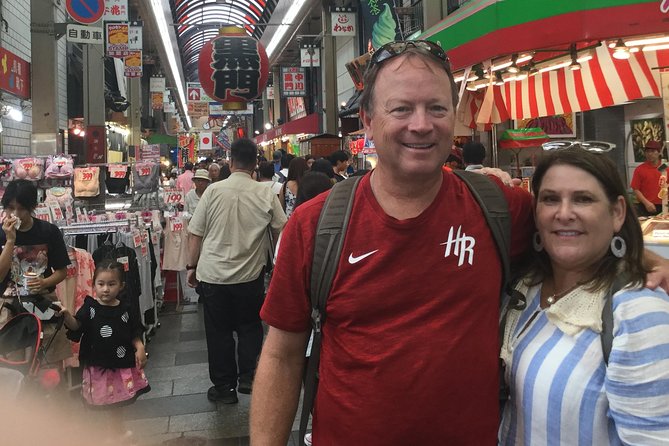
Sumiyoshi Taisha is one of Osaka’s oldest shrines, founded in the third century before Buddhism reached Japan. Its age and distinctive shrine style give you a look at religious traditions that feel very different from the neon center.
The visit is listed at about 30 minutes, which gives you time to walk through the grounds and hear the basic story. It is a better pick for visitors who want cultural context than for those seeking shopping or food. Ask your guide to explain customs and how to behave at the shrine, since that kind of local guidance is one of the main benefits of booking privately.
Shitennoji was founded in 593 by Prince Shotoku and is regarded as one of Japan’s oldest temples. It was the first temple built by the state and offers a direct link to the early spread of Buddhism in Japan.
The suggested stop is also 30 minutes, but entrance fees are not included. The temple is a strong choice for a history-focused route, especially when paired with Osaka Castle. Guides such as Yuji and Miyuki have been praised for explaining the layout and background of Osaka’s historic places in a way that kept the visit engaging.
If you want to enter buildings or grounds with a fee, ask exactly what is covered before you start. The general terms say entrance fees are extra, with guide entry covered only for sights listed under the tour choices. Your own ticket remains your responsibility.
Osaka Castle, a strong first-time choice
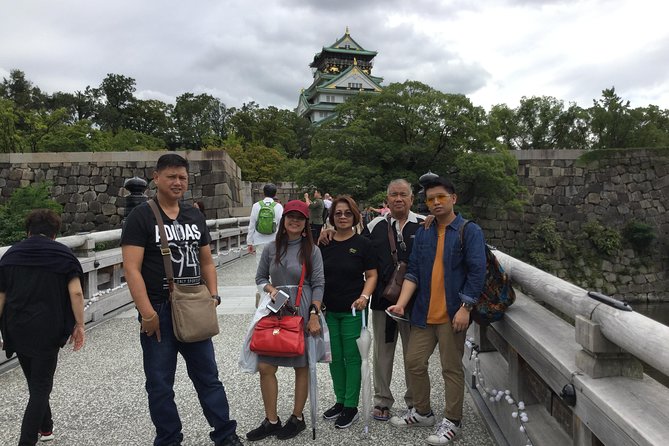
Osaka Castle is one of the city’s essential landmarks. The present five-story castle building is visually impressive, and its story reaches back nearly 450 years. Even if you do not enter, the exterior and surrounding grounds give the guide plenty to explain.
The listed time is only 15 minutes, so this is a short photo and orientation stop unless you make it a central part of the plan. If you want to explore the interior, allow more time and budget for the entrance fee. A private guide can explain the castle’s role in Osaka’s past, but you should not expect a full museum visit within a four-hour route that includes several other areas.
For many first-time visitors, Osaka Castle is the safest choice because it combines a famous sight with useful historical context. Pair it with Shitennoji if you want a traditional route, or with Dotonbori if you want a quick contrast between old Osaka and the present-day city.
Umeda Sky Building and the modern city
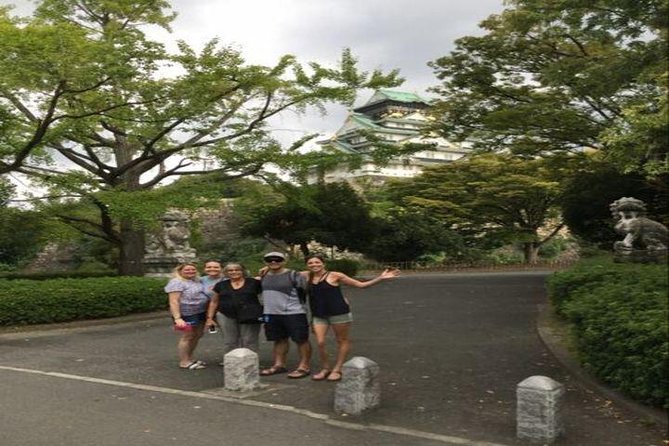
The Umeda Sky Building rises 173 meters in the Kita district near Osaka and Umeda Stations. Its connected high-rise form and city views make it a good pick for visitors who want modern architecture or a broad look at Osaka.
The listed stop is 15 minutes, and the admission fee is extra. That makes the timing feel more like an exterior visit unless you specifically plan to pay for access and move quickly. If your hotel already offers a strong view, as one guide noticed, you may get more from choosing a shrine, market, or neighborhood instead.
Umeda is also a useful endpoint if you need to continue by train. Confirm the meeting and finishing points with your guide, since transportation is not included and the activity itself is arranged around walking.
Shinsekai, Keitaku-en, and the National Museum of Art
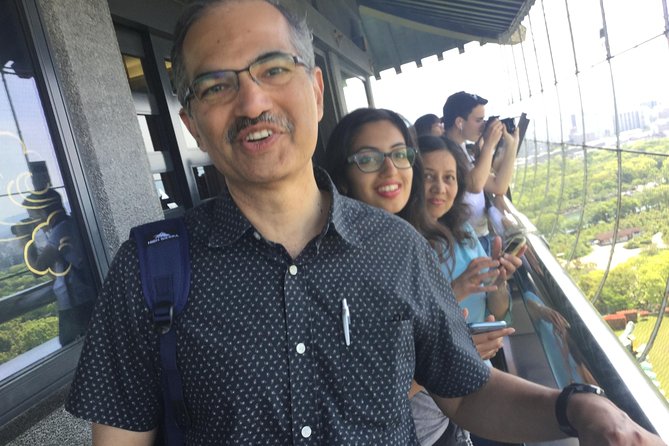
Shinsekai means New World, and the area is known for Tsutenkaku Tower, kushikatsu, and Billiken, a figure associated with wealth and good fortune. Spa World, a large bathing complex, is also here.
The suggested stop is only 10 minutes. That is enough to see the character of the area and get restaurant suggestions, but not enough for a relaxed meal or bath visit. Choose Shinsekai if you want an atmospheric neighborhood and plan to return on your own, not if you expect a complete exploration during the guided hour.
Keitaku-en Garden sits inside Tennoji Park. It is a traditional Japanese garden with a central pond, arranged rocks, and seasonal plantings. The listed time is just five minutes, so treat it as an add-on near other Tennoji sights rather than a full garden visit. Entry costs extra.
The National Museum of Art, Osaka, is an underground museum on Nakanoshima with a major art collection. The suggested 30-minute stop can work for a quick look, but anyone serious about the collection should plan a separate visit. It is also a poor fit for a route that already includes distant sites unless art is your main goal.
Walking, trains, heat, and the four-hour clock
The tour description calls this a walking experience, and you should take that seriously. Guides and visitors have used Osaka’s clean, punctual subway system to connect areas, but transport fees are extra. Stairs in and out of stations can add work, and one account specifically cautions that the route may include substantial walking and many subway steps.
The most efficient plan is usually to group nearby places. Dotonbori, Shinsaibashi, Sennichimae, and Kuromon Market can form one food and shopping cluster. Shitennoji, Keitaku-en, and Shinsekai fit more naturally together than a route that jumps between southern Osaka and Umeda.
Summer heat deserves attention. A four-hour route can feel just right in hot weather, but a rushed guide or a family with a nine-year-old may find the pace unpleasant. Tell the guide about a knee problem, young children, or a preference for frequent pauses before the day begins. The private format should allow adjustments, but clear communication gives the guide a fair chance to plan well.
What $109.43 per person really buys
At $109.43 per person, this is not the cheapest way to walk around Osaka. You are paying for a private licensed guide, route planning, English explanations, and help with the city’s transportation and cultural details. For a couple or small group, that can be worthwhile, especially on a first visit or a short stay.
The value is weaker if you already know Osaka well, speak Japanese comfortably, or mainly want to wander through shopping streets at your own pace. You will also need to add train fares, admission tickets, meals, and personal purchases. Group discounts may improve the cost for a larger private party, but a single booking cannot combine separate tour groups.
The strongest value comes from choosing a focused route. A guide who helps you avoid a redundant viewpoint, recommends an appropriate local restaurant, takes useful photos, or gets you to the right train can save time that is hard to recover during a short Japan trip.
Who should book this Osaka walk?
I would choose this tour for a first-time visitor with only half a day, a couple who wants a personal plan, or a family that prefers a human guide to handling Osaka’s stations alone. It also suits anyone who wants to mix food, history, and ordinary city life instead of spending four hours inside one attraction.
The tour is less suitable for anyone who wants a vehicle, dislikes walking, needs a guaranteed slow pace, or expects entry to every attraction to be included. It is also not the right plan for seeing all 11 suggested sites. The four-hour limit calls for discipline.
Guide matching is important. The strongest experiences describe Yuka, Sachiko, Andy, Yuki, Kuni, Shige, and others as warm, flexible, patient, and good at sharing local life. A few accounts describe poor pacing or communication, so send your interests, walking limits, and must-see places before the date. Free cancellation is available up to 24 hours before the start time, while later cancellations and changes are not accepted.
Should you book it?
Book it if you want a custom introduction to Osaka, especially with a short schedule and a clear idea of the two or three places you care about most. I would build a food route around Dotonbori, Kuromon Market, and Shinsekai, or a culture route around Osaka Castle, Shitennoji, and Sumiyoshi Taisha.
Skip it if you want a slow, self-guided day or a private car. The experience is only as good as the guide’s pace and communication, so be direct about your needs. With the right plan and a good guide, the $109.43 fee can buy confidence, context, and a far less stressful first look at Osaka.
FAQ
How long is the Osaka private tour?
The tour lasts approximately four hours.
How many sites can I visit?
The included plan is customizable around two or three sites from the available choices.
Is transportation included?
No. Transportation fees are extra, and private transportation is not included. The activity is primarily a walking tour, with the guide meeting you on foot within the designated Osaka area.
Are entrance fees included?
Entrance fees are generally extra. The tour terms state that guide entry fees are covered only for sights listed under the tour choices, so confirm the details for your selected stops.
Are food and lunch included?
No. Food, lunch, and other personal expenses are extra. Dotonbori, Kuromon Market, and Shinsekai offer chances to buy local food during or after the tour.
Is this a private activity?
Yes. Only your group participates, and separate tour groups cannot be combined.
Can I cancel for a full refund?
Yes, if you cancel at least 24 hours before the experience start time. Cancellations or changes made less than 24 hours before the start time are not accepted for a refund.
Just added in Osaka
- Osaka Temple Cool Foot Bath & Matcha Experience〈45min〉★ 4.9 · 82 reviews
- Osaka: Mind & Spirit Balance Temple Reiki Healing★ 5.0 · 41 reviews
- Full Day Kyoto Tour : Bamboo Forest, Golden Temple, Fushimi Inari★ 5.0 · 84 reviews
- Osaka: Minoh, Katsuoji Temple, & Minoh Falls Full-day Tour★ 4.9 · 172 reviews
- Ramen and Gyoza Cooking Class in Osaka★ 5.0 · 202 reviews
- OSAKA NIGHT FUSION Japanese Taiko Kabuki Samurai Dance Show★ 4.8 · 155 reviews
- Osaka: A Modern Samurai, Kabuki, Taiko, & Dance Show★ 4.5 · 66 reviews
- Osaka: Samurai Training Experience KENDO in Osaka★ 5.0 · 111 reviews
Government-Licensed Guide Tours, compared.
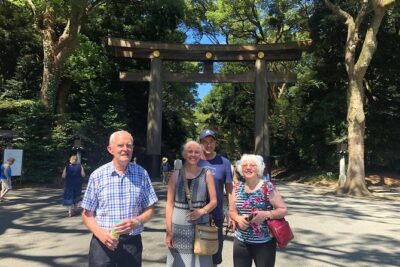
Tokyo 6hr Private Tour with Government-Licensed Guide
Read our review →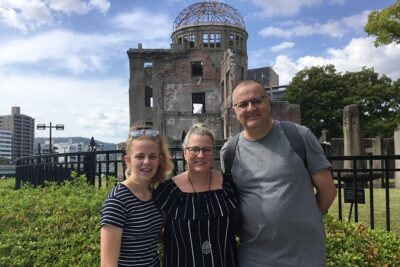
Hiroshima / Miyajima Full-day Private Tour with Government Licensed Guide
Read our review →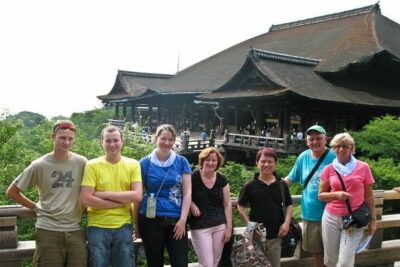
Kyoto 4hr Private Tour with Government-Licensed Guide
Read our review →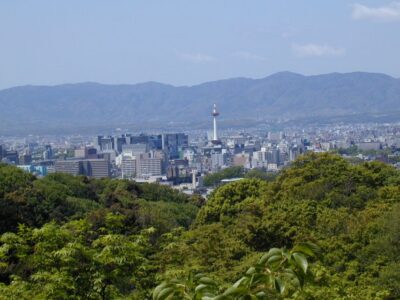
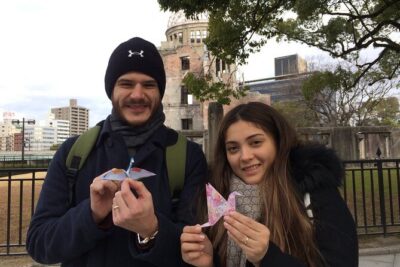
Hiroshima City 4hr Private Walking Tour with Licensed Guide
Read our review →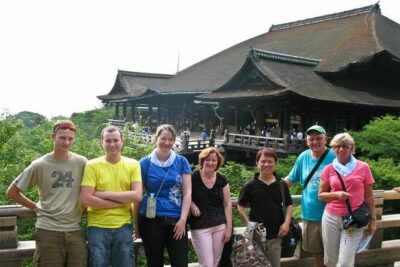
Private Kyoto Tour with Licensed Guide & Vehicle (Max 15 persons)
Read our review →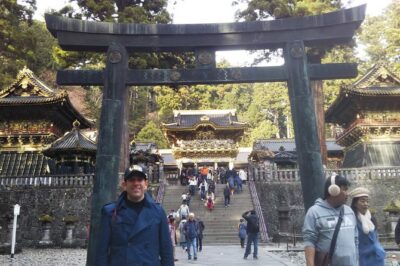
Nikko Full-Day Private Tour with Government-Licensed Guide
Read our review →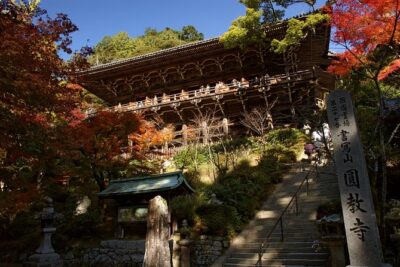
Himeji Half-Day Private Tour with Government-Licensed Guide
Read our review →Browse the lists this tour appears in