
Reviewed · HIROSHIMA & MIYAJIMA DAY TRIPS
Hiroshima: History and Hidden Gems Tour
Hiroshima’s most important sights are easy to visit on your own, but they are not always easy to understand. This walking tour connects the Peace Memorial Museum and Park with the Atomic Bomb Dome, memorials, Hiroshima Castle, and Shukkeien Garden, giving you the story that links each place.
I like two things here. First, guide Awais is praised for clear English, patient answers, and a strong grasp of Hiroshima’s wartime past. Second, the route can bend around your interests, weather, walking speed, and schedule. The main caution is simple: three hours can feel tight, and several people found the tour ran longer.
Key points to know before booking
- The tour begins with Hiroshima’s most moving sites: The museum and Peace Memorial Park set a serious tone from the start.
- Awais adds context between the landmarks: You hear about memorials and streets that are easy to pass without noticing.
- The route includes more than the war memorials: Hiroshima Castle and Shukkeien Garden bring older Japanese history into the picture.
- Expect plenty of walking: Comfortable shoes, sun protection, and weather-ready clothing matter.
- The pace is flexible: The route can be shortened, adjusted, or rearranged when weather or personal needs call for it.
- The three-hour estimate may be optimistic: Allow extra time if you want a slower museum visit, castle stop, or garden visit.
Why this Hiroshima tour works
Hiroshima can be emotionally difficult to visit without background. The buildings and memorials are powerful, but the meaning is not always obvious at first glance. A guide helps you connect the physical places with the people, decisions, and memories behind them.
This tour begins at the Hiroshima Peace Memorial Museum, then moves through the surrounding park and across central Hiroshima. That order makes sense. You first learn about the bombing and its human cost, then see the memorials and surviving structures in their wider setting.
I like the way the experience combines major sights with smaller stops. You will see the places most people come for, but you also get explanations at the Korean Atomic Bomb Victims Cenotaph, the Atomic Bomb Memorial Burial Mound, Aioi Bridge, and the Children’s Peace Monument.
The result is less like ticking off a list and more like following a connected story. You still need time and quiet for the museum itself, but the walking portion gives the surrounding area a clear shape.
Other long days west of Hiroshima:
- Peaceful Hiroshima & Miyajima UNESCO 1 Day Bus Tour
★ 5.0 · 5,309 reviews - Hiroshima: Hiroshima and Miyajima UNESCO Sites 1-Day Tour
★ 4.9 · 2,330 reviews - Hiroshima / Miyajima Full-day Private Tour with Government Licensed Guide
★ 5.0 · 1,298 reviews
Starting at the Peace Memorial Museum
The museum is the emotional center of the tour. It presents personal accounts, objects, and information about the atomic bombing and its effects. This is not a light sightseeing stop, and you should expect difficult material.
Your guide can help you understand what you are seeing, but the museum itself should be given time and respect. If you want to read every display carefully, three hours may not be enough for the entire tour afterward.
That is where the guide’s flexibility matters. Awais has adjusted museum time for people who wanted to see more outdoor sites, while others have spent longer with the exhibits. Tell him early if the museum is your main reason for booking.
The tour details describe both guided and self-guided time at the museum. That is useful because some people want historical explanation, while others need space to take in the exhibits privately.
Walking through Peace Memorial Park
After the museum, you move through Peace Memorial Park, where the city’s memorials are spread across open paths and riverfront areas. The park is not just a green space. Each stop adds another part of Hiroshima’s memory.
The Hiroshima National Peace Memorial provides a place for remembrance. The Children’s Peace Monument recalls the children affected by the bombing and is linked with folded paper cranes, a symbol many visitors recognize from Hiroshima.
The Atomic Bomb Memorial Burial Mound is a quieter and less obvious stop. It is easy to pass without knowing what it represents, which is exactly why a guide adds value here.
You also visit the Korean Atomic Bomb Victims Cenotaph. Its inclusion broadens the story beyond a single national experience and reminds you that people from different backgrounds were caught in the bombing.
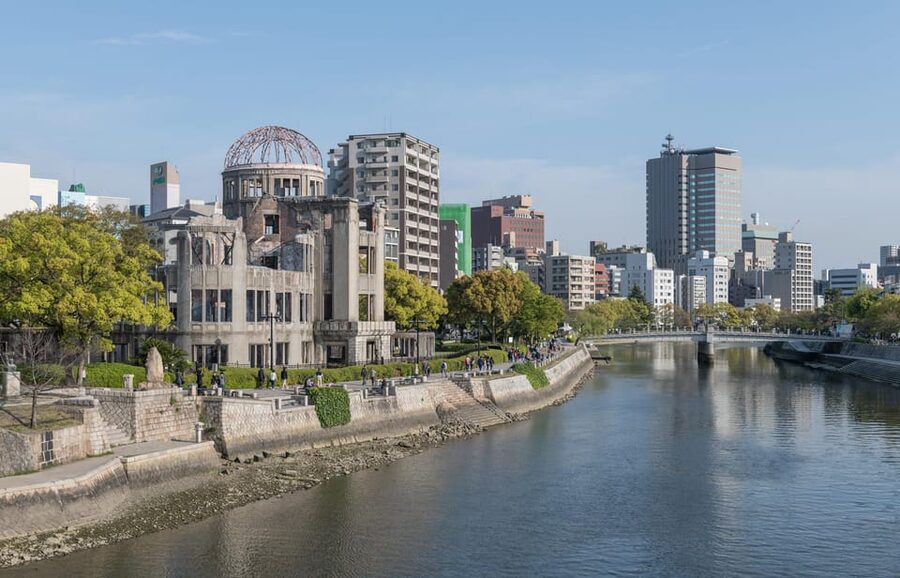
The walking route includes the Aioi Bridge, an important point in the city’s wartime story. The Atomic Bomb Dome then gives you a direct view of one of Hiroshima’s best-known surviving structures.
Awais can explain these places in sequence, so the park does not feel like a collection of unrelated monuments. He also keeps an eye on practical needs. During heavy rain, he sheltered the group where possible and adjusted the order of stops to reduce waiting and exposure.
The Atomic Bomb Dome and the city’s surviving memory
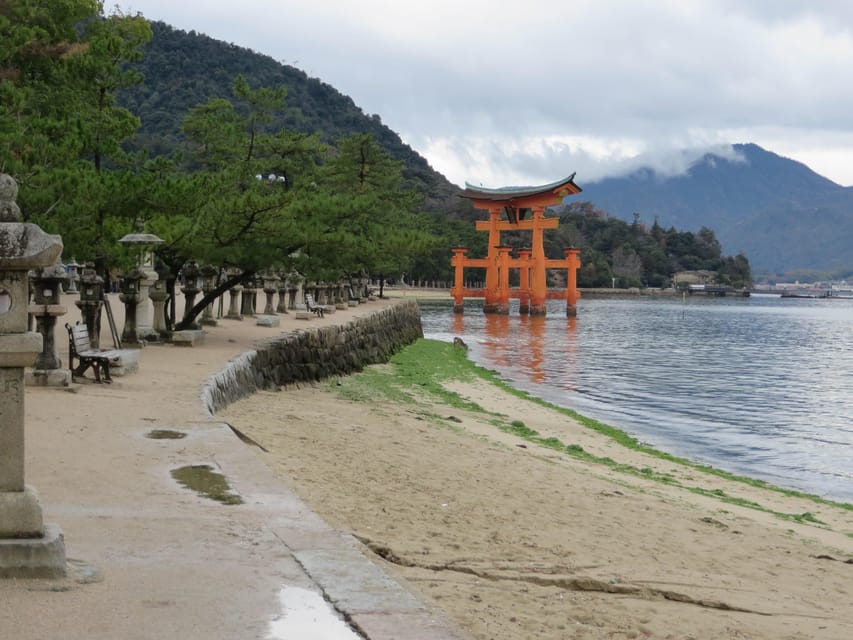
The Atomic Bomb Dome is one of the most recognizable sights in Hiroshima. Its damaged frame has become a symbol of destruction, remembrance, and the city’s later commitment to peace.
You do not need a long visit to see the structure, but the setting matters. After the museum and memorials, the dome gives you a physical point of reference. It is not an abstract story in a display case. It is a building that remains in the city center.
The guide’s role here is to explain what you are seeing without turning the stop into a rushed photo opportunity. You will have time for pictures, but the focus remains on the building and its place in Hiroshima’s history.
The itinerary includes several stops that may appear as short guided points rather than long visits. That is normal for a walking tour. The value comes from the explanation as you move, not from spending equal time at every location.
Other quiet corners of Hiroshima:
- Hiroshima: Hidden Gems and Highlights Private Walking Tour
★ 4.8 · 27 reviews - Hiroshima Private Tour with a Local – Highlights & Hidden Gems
★ 4.5 · 24 reviews - Kyoto Geisha Walking Tour: Gion District & Hidden Gems
★ 4.7 · 3,273 reviews - Private Kyoto Tour with a Local, Highlights & Hidden Gems, Personalised
★ 5.0 · 1,543 reviews
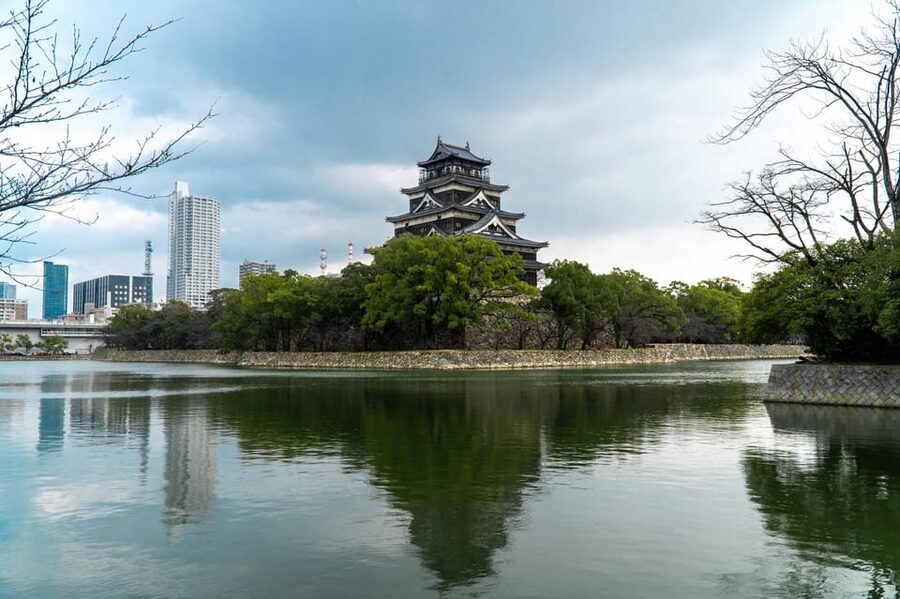
Hiroshima Castle adds a different chapter
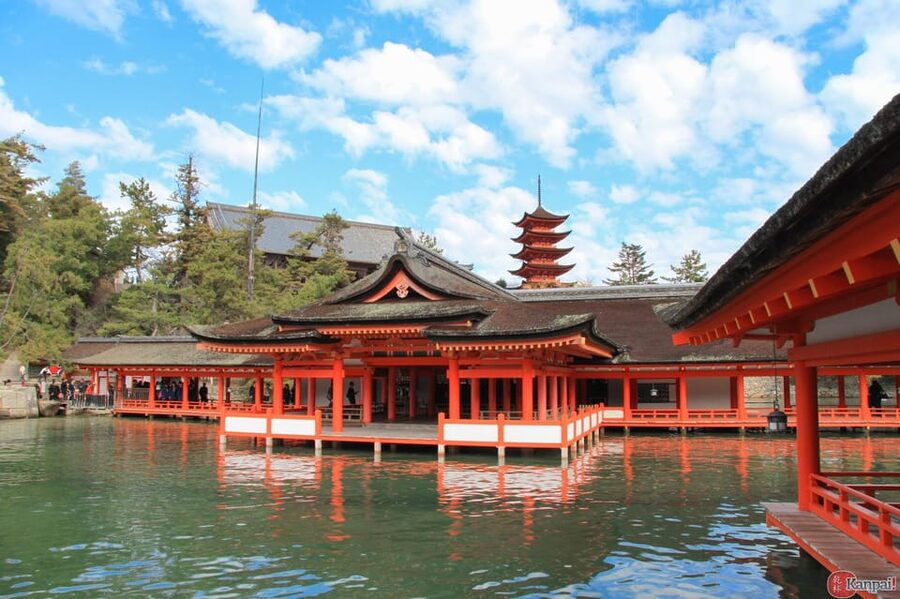
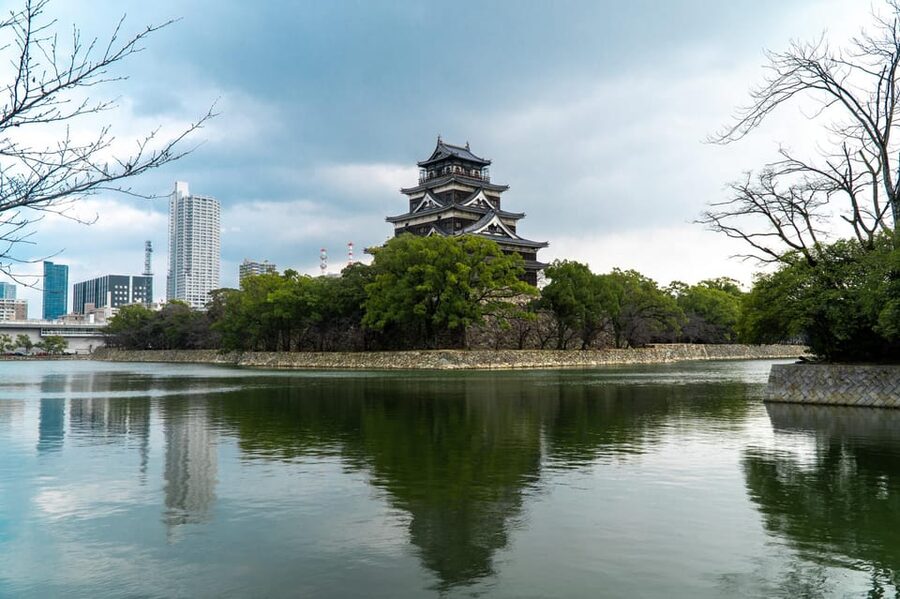
Hiroshima is not only a city of twentieth-century memory. Hiroshima Castle brings you back to the city’s earlier political and cultural life.
The castle is one of Hiroshima’s best-known historic landmarks. The tour allows time to see it, and the plan describes going inside rather than simply waiting outside in line. Exact timing can depend on the day and the pace of the rest of the walk, so ask your guide how much time is available.
This part of the route provides a useful change of mood. After the serious subject of the Peace Park, the castle gives you a look at a much older Japan and shows how the city’s identity reaches beyond 1945.
The drawback is time. If the museum takes longer than expected, the castle may receive less attention. People who care most about military and architectural history should tell Awais at the start so the route can reflect that interest.
Shukkeien Garden brings the tour to a calmer close
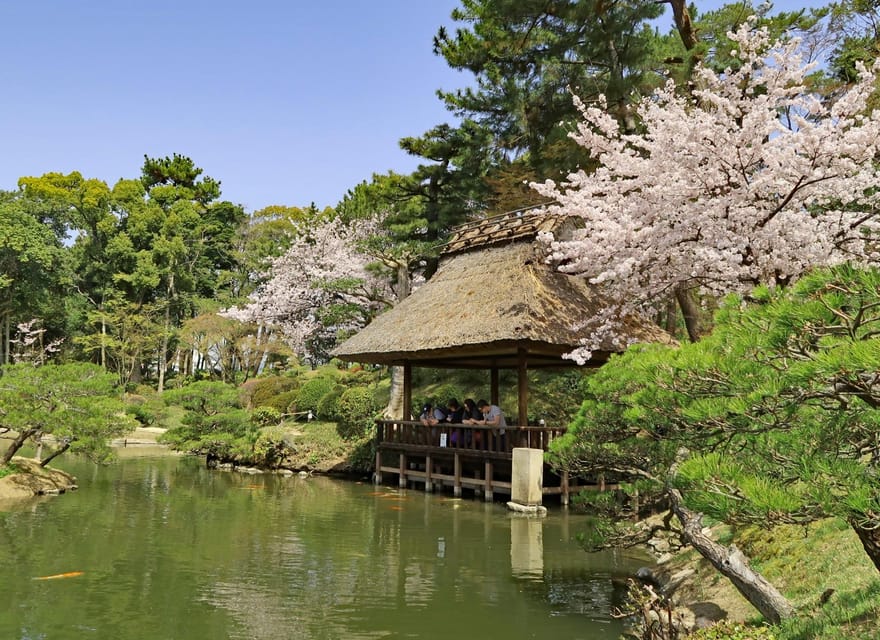
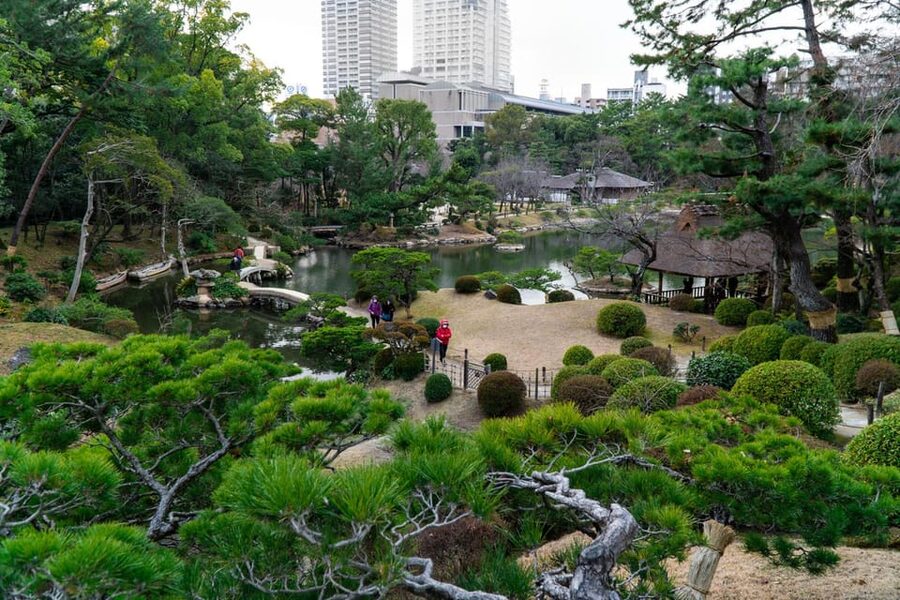
Shukkeien Garden is one of the most appealing parts of the route for anyone who wants a break from memorials and city streets. It dates from the sixteenth century and offers a glimpse of Hiroshima’s older garden tradition.
The garden’s paths, water, bridges, and carefully arranged views reward a slower pace. It is a place to look closely rather than rush from one landmark to the next. Several tour participants found the garden a personal highlight.
I especially like its position in the itinerary. You begin with Hiroshima’s modern tragedy and finish among older cultural traditions. That contrast helps you see the city as a living place, not only as a site of remembrance.
The tour details list Shukkeien Garden and the Peace Memorial Museum as possible drop-off points. Some people have continued with Awais to the garden and castle for longer than the planned three hours. Treat that as possible flexibility, not something to count on when arranging a tight connection.
A guide who adjusts the route
The strongest part of this experience is the guiding. Awais is repeatedly praised for clear English, patience, humor, and a thoughtful approach to painful subjects. He explains difficult history in a calm and respectful way rather than forcing a single emotional response.
He also appears comfortable with different kinds of groups. Couples have had nearly private walks, families have brought teenagers, and people with limited energy have asked for breaks or shorter routes.
That flexibility can make a big difference. The walk covers several sites, but you are not locked into one rigid sequence. If you have already visited the Hall of Remembrance, need to shorten your museum visit, or want more time for outdoor memorials, say so.
Awais has also shared suggestions for the rest of a visitor’s time in Hiroshima. That can be useful after the tour, especially if you want help choosing what to see next. One person even finished with a coffee stop at a small local place after the route changed because of rain.
Do not assume every extra stop or extra hour is guaranteed. The advertised duration is three hours, and the official package lists an English-speaking guide and a Hiroshima historical tour. Ask about any admission costs or extended visits when you book.
Walking, weather, and physical effort
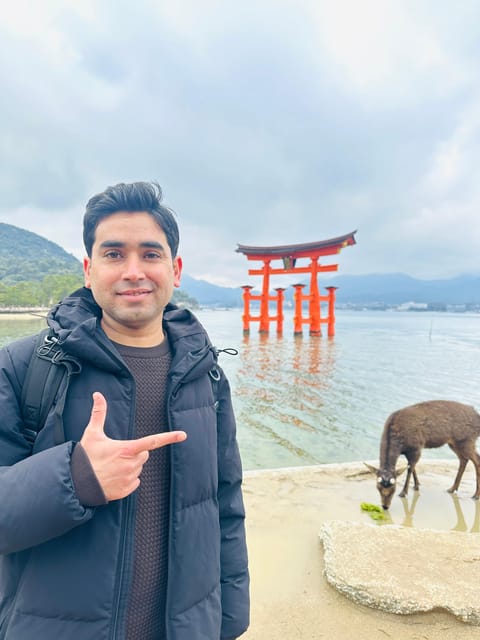
This is a walking tour, not a ride between monuments. The distance is manageable for many people, but the route includes outdoor paths, city streets, and several stops. Wear comfortable shoes.
Hiroshima’s weather will shape the day. Bring a hat and sunscreen in warm weather, along with clothing suited to rain or cooler conditions. Rain did not prevent the tour from going ahead in past outings, but it did change the route and pace.
The activity is listed as wheelchair accessible. If you use a wheelchair or have specific mobility needs, discuss the route and preferred stops with the guide before starting. The option to change the pace is helpful, but individual access needs can vary from site to site.
The guide can also arrange breaks when needed. That matters because the subject matter itself can be tiring, not just the walking.
How much value do you get for $57?
At $57 per person, this is a reasonable price if you want interpretation rather than a simple route through the city. You are paying for three hours of a local English-speaking guide, help with orientation, and explanations at places that are easy to misunderstand on your own.
The value is strongest for a first visit. If you already know Hiroshima’s history well and plan to read every museum panel yourself, you may prefer an independent visit. But if you want answers as you walk, the guide can save time and add meaning.
The group size is not specified, so you should not book this expecting a guaranteed private tour. Still, small groups can happen, and the guide has adapted the experience for couples and families.
Check the admission details before paying. The activity information specifically includes the historical tour and English-speaking guide, while individual comments describe museum and garden entry as part of their outing. Since inclusions can depend on the booking arrangement, confirm whether museum, castle, or garden tickets are covered for your date.
The free cancellation window is up to 24 hours before the start, and you can reserve now and pay later. That is useful if your Japan schedule is still shifting.
Who should book this experience?
I would choose this tour if you are visiting Hiroshima for the first time and want the city’s major memorials explained in plain English. It also suits anyone who wants to connect wartime history with older sights such as the castle and Shukkeien Garden.
Families with older children and teenagers may find the guided context useful, though parents should prepare them for serious museum content. History-minded visitors will appreciate the memorial details, while casual sightseers may enjoy the route’s variety.
This is less suitable if you want a slow, silent museum visit with no fixed schedule. It is also not ideal for a tightly packed day when you must leave exactly three hours after starting.
Book it early in your Hiroshima stay if possible. The guide can help you decide what else to see, and you can return later to places that deserve more time.
Should you book the Hiroshima History and Hidden Gems Tour?
Book it if you want a personal explanation of Hiroshima’s most important sites, plus a look at the castle and Shukkeien Garden. The strongest reasons are Awais’s clear English, his patient handling of difficult history, and his willingness to adjust the walk around your needs.
Allow more than three hours if you can. Wear good shoes, leave room for weather delays, and confirm admission arrangements. With those points in mind, this is a well-priced way to get your bearings and understand Hiroshima beyond its famous photographs.
FAQ
Where does the tour begin?
The advertised starting point is the Hiroshima Peace Memorial Museum. You can also request a different meeting point.
How long does the tour last?
The stated duration is three hours. Some outings have taken longer when the group spent extra time at the museum, castle, or Shukkeien Garden.
What language is the tour in?
The live tour is conducted in English by guide Awais.
Which major sites are included?
The route includes the Hiroshima Peace Memorial Museum, Peace Memorial Park, Hiroshima National Peace Memorial, Children’s Peace Monument, Atomic Bomb Memorial Burial Mound, Aioi Bridge, Korean Atomic Bomb Victims Cenotaph, Atomic Bomb Dome, Hiroshima Castle, and Shukkeien Garden.
Is the museum visit guided?
The museum portion includes guided and self-guided time. You can discuss how much time you want inside with the guide.
Is the tour wheelchair accessible?
Yes, the activity is listed as wheelchair accessible. Discuss your specific needs and preferred route with the guide before starting.
What should I bring?
Bring comfortable shoes, a hat, sunscreen, and clothing suited to the weather.
Are tickets included?
The listed inclusions are the Hiroshima historical tour and English-speaking guide. Because individual comments describe museum and garden entry differently, confirm admission coverage when booking.
Can the route be changed?
Yes. The guide has adjusted the route for weather, walking needs, previous visits, shortened schedules, and different interests.
What is the cancellation policy?
You can cancel up to 24 hours before the activity for a full refund. The reserve-now, pay-later option lets you hold a place without paying immediately.
Just added in Hiroshima
- Iya Valley BROMPTON Slow Cycling Tour★ 5.0 · 28 reviews
- Iya Valley All Must-Sees Private Chauffeur Full-day Tour with a Driver★ 5.0 · 20 reviews
- Shore Excursion from Hiroshima Port : Private Tour in Hiroshima★ 5.0 · 17 reviews
- Hiroshima & Miyajima All-Inclusive Tour w/Licensed guide Pancho★ 5.0 · 54 reviews
- Okunoshima Rabbit Island Cycling Tour with Local Guide★ 4.5 · 17 reviews
- The Peace Memorial to Miyajima : Icons of Peace and Beauty★ 4.5 · 31 reviews
- Hiroshima Saijo Sake Tasting Tour with visit to 7 Breweries★ 5.0 · 104 reviews
- Hiroshima Private Tour with a Local – Highlights & Hidden Gems★ 4.5 · 24 reviews
Hiroshima & Miyajima Day Trips, compared.
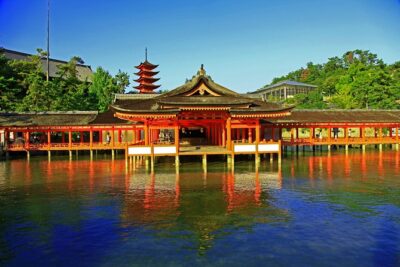
Peaceful Hiroshima & Miyajima UNESCO 1 Day Bus Tour
Read our review →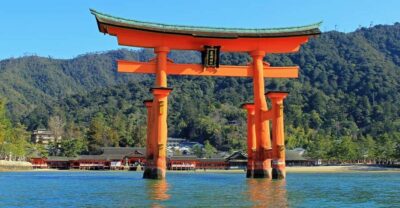
Hiroshima and Miyajima UNESCO Sites 1-Day Tour
Read our review →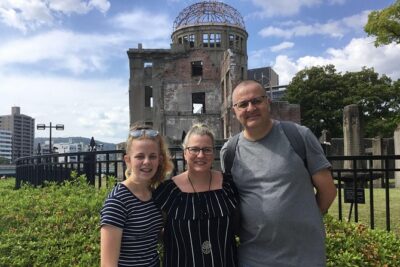
Hiroshima / Miyajima Full-day Private Tour with Government Licensed Guide
Read our review →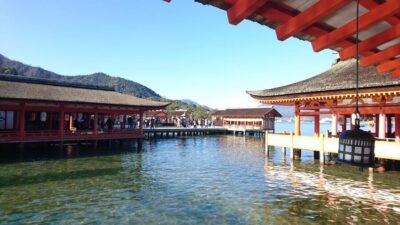
Osaka/Kyoto: Hiroshima Miyajima Bus Tour & Shinkansen Ticket
Read our review →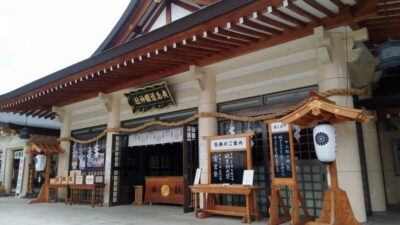
Hiroshima Historical Walking Tour – Why A-Bomb was Dropped
Read our review →
Hiroshima Peace (Heiwa) Walking Tour at World Heritage Sites
Read our review →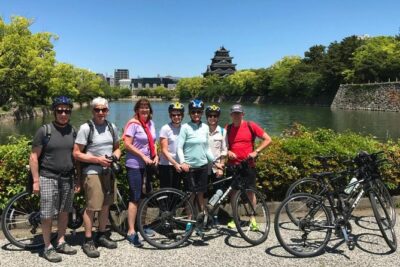
Hiroshima in a Nutshell: Morning Bike Adventure
Read our review →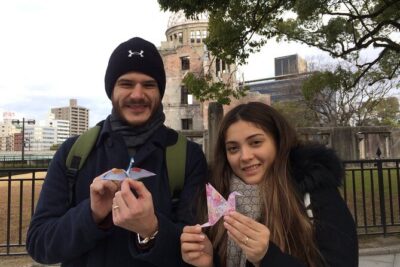
Hiroshima City 4hr Private Walking Tour with Licensed Guide
Read our review →Browse the lists this tour appears in