
Reviewed · HIROSHIMA & MIYAJIMA DAY TRIPS
Hiroshima: Best of Hiroshima Guided Bike Tour
Hiroshima’s most moving sights sit close enough to reach by bike, and that is the clever idea behind this tour. You ride from the riverside to the Peace Memorial Park, then continue to Gokoku Jinja, Hiroshima Castle, and Shukkei-en Garden without spending the day changing buses or wearing out your feet. The route is flat, gentle, and mostly away from busy roads.
I like the small group of no more than eight, which gives guides such as Awais, Aimee, Miyu, and James room to answer questions and stop for photos. I also like the mix of serious history and quiet city scenery, ending in one of Hiroshima’s finest traditional gardens. The main drawback is that cycling is weather-dependent, and the tour is not suitable for children under 12, riders under 140 centimeters, or people with certain medical conditions.
Key points at a glance
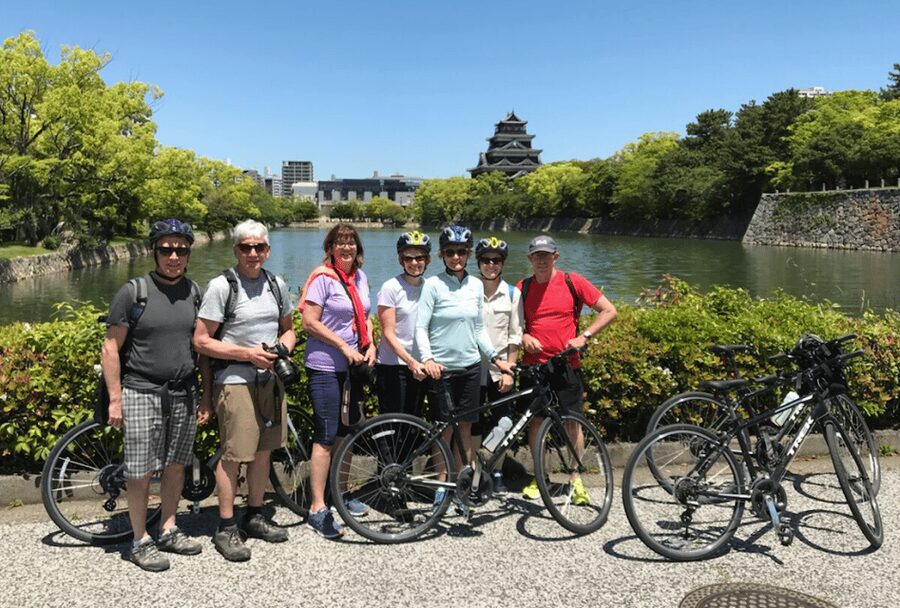
- The Atomic Bomb Dome and Peace Memorial Park: Learn about August 6, 1945, with time to pause at the city’s most important memorials.
- A flat route of about 10 kilometers: You get broad coverage without needing strong cycling fitness.
- Four very different stops: The itinerary moves from wartime history to Shinto worship, samurai-era Hiroshima, and Edo-period garden design.
- Good bike choice: Trek bikes, step-through bikes, e-bikes, and child-sized bikes are available, along with helmets and bottled water.
- A genuinely small group: Eight riders maximum keeps the pace manageable and makes questions easier.
- Useful for a short Hiroshima visit: In 210 minutes, you see several major sights before returning to explore at your own pace.
Why cycling works so well in Hiroshima
Hiroshima is easy to explore on foot in small sections, but its main sights are spread far enough apart that a full walking day can become tiring. A bike links them neatly. You can move from the Peace Memorial Park to the northern city center, then reach Hiroshima Castle and Shukkei-en Garden without losing time to transport.
The route is described as completely flat, and the distance is about 10 kilometers. That makes this a sightseeing ride rather than a fitness test. You still need to be comfortable on a bicycle, but you do not need mountain-bike skills or serious stamina.
I especially like the way cycling changes the pace of a visit to Hiroshima. You are not simply moving from one indoor attraction to another. The riverside ride gives you time to think, while the short stretches between stops let you see how the memorial district connects with ordinary city life.
The route is also useful for people who find long walks difficult. Several riders appreciated reaching each area by bike instead of walking, and the regular stops help in hot weather. On a very warm day, one guide added extra breaks and even took the group to a local food spot for a quick bite.
Other cycling tours in Hiroshima people book:
- Hiroshima 2hr Peace Cycling Tour with Local Guide
★ 5.0 · 321 reviews - Hiroshima: Peace Cycling Tour with Local Guide
★ 4.8 · 286 reviews - Hiroshima 3hr Peace Cycling Tour with Local Guide
★ 5.0 · 131 reviews
Starting at Cycle Hiroshima HQ
You meet at Cycle Hiroshima HQ, marked by a large Cycle Hiroshima sign at the front. The tour begins with a short orientation, bike fitting, and helmet setup. Arriving a little early is sensible, especially if you need a particular frame size or want to consider an e-bike.
The fleet includes Trek bikes in several sizes, plus step-through bikes, e-bikes, and child-sized bikes. The standard route is flat enough that an e-bike is usually not essential, but it can make the ride easier if you are less confident, tired from a long Japan itinerary, or visiting during hot weather.
The bikes are supplied with helmets, and bottled water is included. Wear comfortable clothes and shoes rather than anything stiff or restrictive. The tour is conducted in English, and the small group limit is eight people.
You should be aware of the age and health rules before booking. Children under 12 are not accepted, and the tour is not suitable for pregnant women, people with back or heart problems, people under 140 centimeters, or people with pre-existing medical conditions. If your mobility or health is a concern, check before reserving.
A calm riverside ride to the Peace Memorial Park
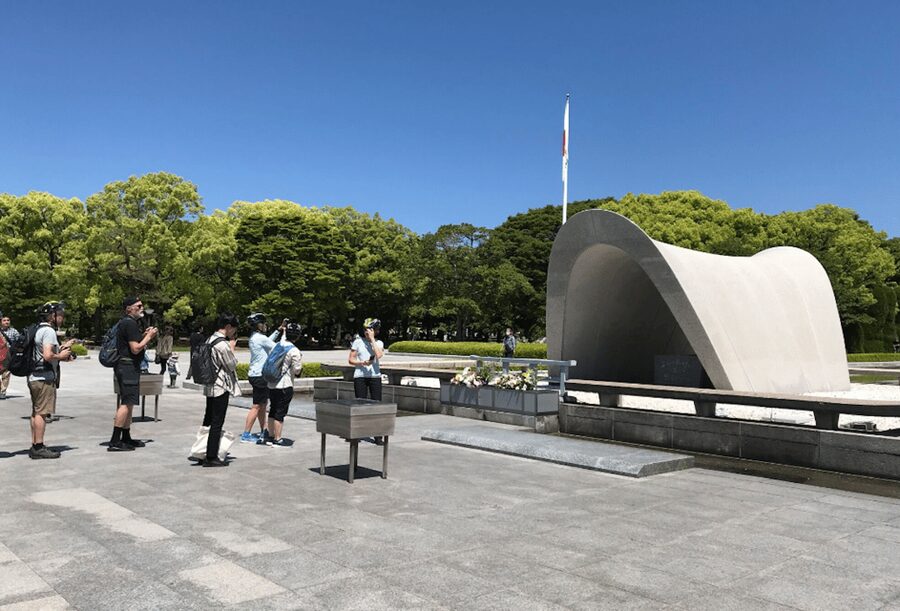
The first ride heads along the river toward the Peace Memorial Park. This gentle approach matters. You have a little time to settle onto the bike before reaching the most emotionally demanding part of the tour.
The park is not treated as a quick photo stop. Your guide explains the events of August 6, 1945, and gives you time to ask questions. Guides have different personal styles, but the strongest part of this experience is the balance between factual explanation and human stories.
Miyu, for example, has shared family stories that connect the past to present-day Hiroshima. Aimee has been praised for treating the subject with care while keeping the group engaged. Other guides, including Awais, James, Ehsan, and Ihsan, have been noted for clear explanations and thoughtful answers.
That variety is worth keeping in mind. You may get a guide with a more personal storytelling style, or one who focuses closely on dates, buildings, and memorials. Either way, the small group gives you a better chance to ask about the points that matter most to you.
The Atomic Bomb Dome and the meaning of the park
The Atomic Bomb Dome is the best-known building in Hiroshima and a UNESCO World Heritage Site. Its damaged structure is powerful because it remains in the center of a modern city, not behind museum glass or removed from daily life.
Your guide sets the building within the wider events of 1945, then explains how Hiroshima became known as the City of Peace. You will have time to look closely, take photos, and absorb the setting rather than rushing straight to the next stop.
The Peace Memorial Park includes several monuments and places connected to the bombing and its victims. The tour may discuss Sadako and the paper cranes, a story that has become closely linked with Hiroshima’s children and peace message. This is one reason I would not treat the ride as a simple sightseeing circuit. The history requires attention, and the guide helps you read the memorials rather than merely pass them.
Still, this is a 210-minute tour, not a full museum program. If you want a detailed visit to the Hiroshima Peace Memorial Museum, you should plan separate time. The bike tour provides context and access to key outdoor sites, but it cannot replace a slower museum visit.
Other long days west of Hiroshima:
- Peaceful Hiroshima & Miyajima UNESCO 1 Day Bus Tour
★ 5.0 · 5,309 reviews - Hiroshima: Hiroshima and Miyajima UNESCO Sites 1-Day Tour
★ 4.9 · 2,330 reviews - Hiroshima / Miyajima Full-day Private Tour with Government Licensed Guide
★ 5.0 · 1,298 reviews - Hiroshima Historical Walking Tour – Why A-Bomb was Dropped
★ 4.8 · 893 reviews
Gokoku Jinja and Hiroshima Castle
After the Peace Memorial Park, the route continues north to Gokoku Jinja. This is described as the city’s most popular Shinto shrine, and it provides a change in mood after the memorial district.
The shrine gives you a chance to see a living religious site rather than only monuments connected to the war. Your guide can help explain what you are seeing, while the ride itself gives the group a little breathing room after the serious discussions in the park.
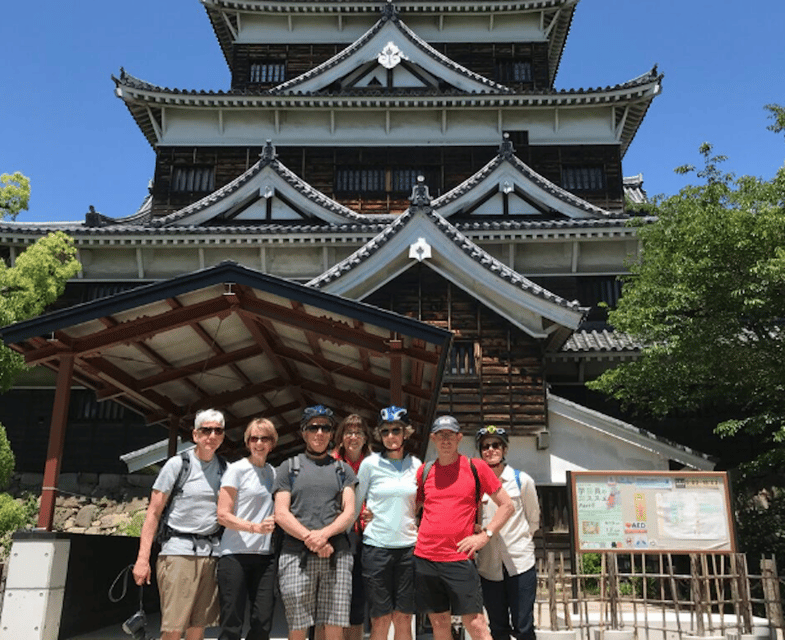
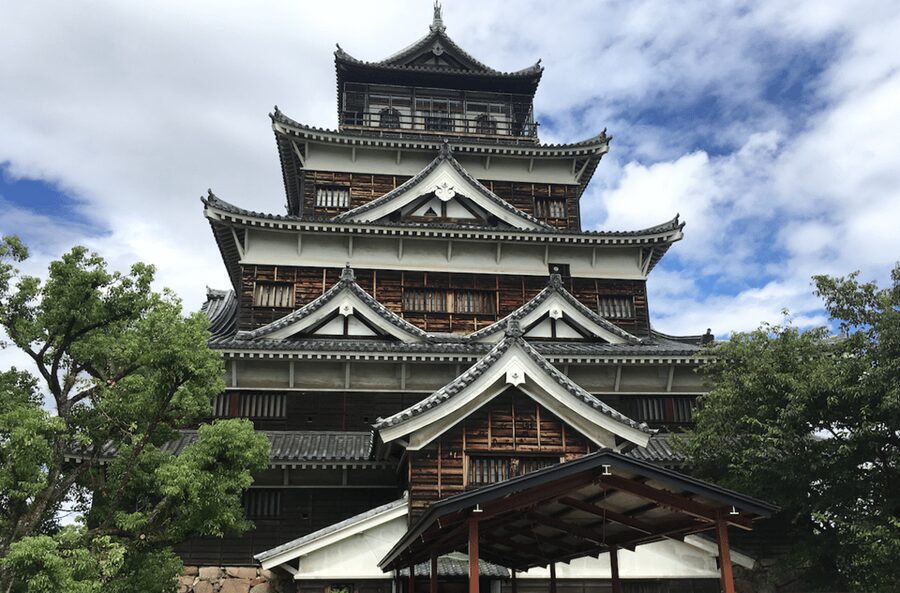
Next comes Hiroshima Castle. The grounds offer a glimpse into the city’s samurai-era past, a useful reminder that Hiroshima’s story did not begin in 1945. The castle area also broadens the tour beyond the Peace Memorial Park, which is important if you want to understand the city as more than a place defined by the atomic bombing.
The timing at each stop can vary according to the guide and group. Some guides have extended the tour when the group had no fixed return time, while others keep a tighter schedule so everyone gets the full route. If you need to leave promptly at the end, tell the guide at the start.
Shukkei-en Garden makes a gentle final stop
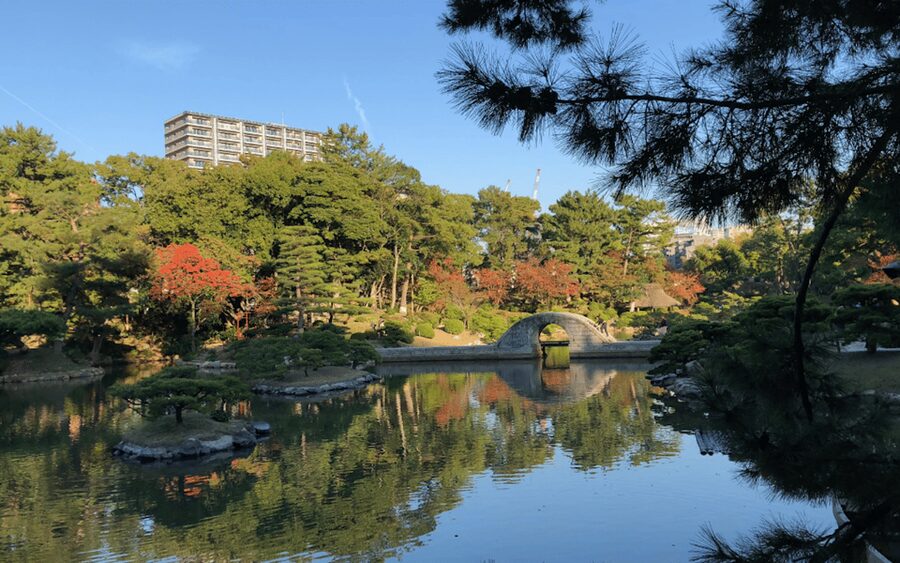
The final major stop is Shukkei-en Garden, an Edo-period garden regarded as one of the finest traditional gardens in Western Japan. It is a smart ending. After the stark memorials and the castle grounds, the garden offers quiet paths, water, carefully arranged scenery, and a slower final look at Japanese design.
Entry is included, so you do not need to budget an extra admission fee. Several riders found the garden one of the tour’s special treats, and I can see why. It adds a peaceful counterpoint to the morning or afternoon and gives you a chance to finish with beauty rather than more heavy historical material.
The garden is also a useful reminder that Hiroshima has several layers of history. You move from the Edo period to the samurai era, through the tragedy of 1945, and into the city’s present-day peace identity, all within one compact route.
Do not expect a long garden visit. The tour has several stops to cover, so the garden is part of a wider itinerary rather than a dedicated garden tour. If you want to explore every path slowly, return on your own later.
Guides, storytelling, and the small-group advantage
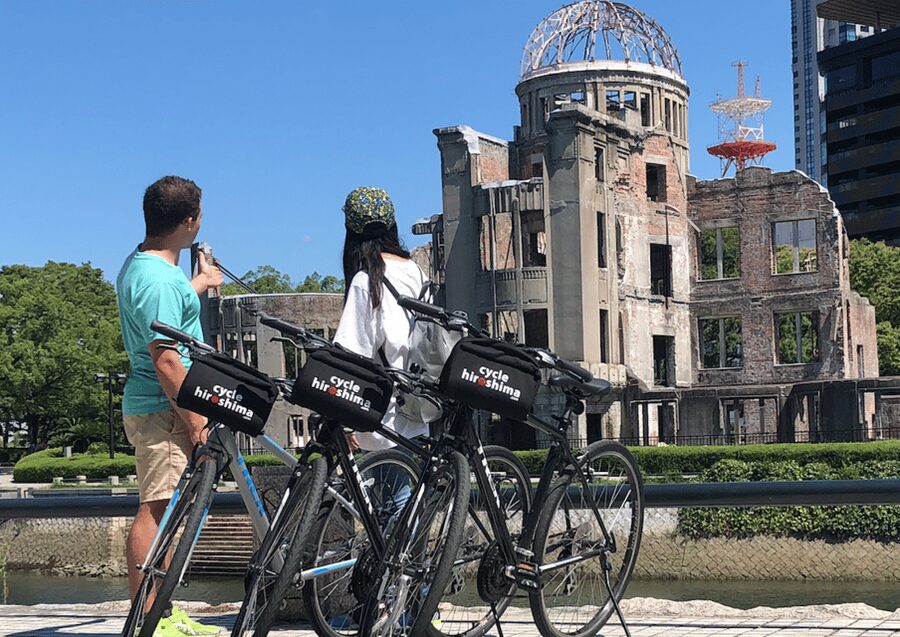
The guides are central to the experience. Names that have received particular praise include Awais, Aimee, Miyu, James, Ehsan, Ihsan, Melissa, Ali, Hasan, and Sage. Their approaches differ, but the consistent strengths are clear English, friendly conversation, historical explanation, and patience with questions.
Awais is known for setting up bikes carefully and explaining Hiroshima’s cycling culture. Aimee has been praised for combining humor with respectful storytelling, taking photos, and adjusting the pace in hot weather. Miyu brings local and family perspectives, while Ehsan has encouraged people to consider different sides of the city’s past.
That personal element can make the difference between hearing facts and understanding a place. Guides have taken photos and videos for riders, shared local recommendations, and paused often enough for individual sightseeing. Those small touches are especially helpful for solo visitors or couples who want a social experience without a large bus group.
A maximum of eight people is a real advantage here. You can hear the guide clearly, stay together more easily, and ask questions without holding up dozens of people. It also creates a more casual group atmosphere, though the exact feel depends on who books that day.
How difficult is the ride?
The route is flat and leisurely, so most people who can ride a bike should manage it. You are not expected to race, and the tour includes regular stops. A rider who has not cycled for years may still want to mention that at the start so the guide can help with the bike and pace.
The tour is not suitable for everyone. The stated restrictions cover children under 12, people under 140 centimeters, pregnant women, and people with back, heart, or other pre-existing medical conditions. These limits should be taken seriously rather than treated as minor paperwork.
Weather is the other key concern. The experience requires good weather and can be canceled if conditions are poor. In that case, you are offered another date or a full refund. Bring comfortable clothing, and remember that hot or wet conditions can affect how enjoyable even a flat ride feels.
Is $70 a fair price?
At $70 per person, this is not the cheapest way to see Hiroshima. You are paying for a guide, a good bike, a helmet, water, garden admission, and the time saved by connecting several sights in one route.
For a first visit or a short stay, the value is solid. You cover the Peace Memorial Park, Atomic Bomb Dome, Gokoku Jinja, Hiroshima Castle, and Shukkei-en Garden in three and a half hours. Doing that independently would require more route planning, bike rental arrangements, and attention to navigation.
The real value is the explanation at the memorial sites. A rental bike alone gets you around, but it does not explain the meaning of the monuments or connect Hiroshima’s past with its present. The guide also lets you ask questions in real time.
You should not book this expecting food, hotel pickup, or alcoholic drinks. None is included, though one guide did take a group to a local food spot on a hot day. That appears to be an occasional extra rather than part of the promised itinerary.
Who should book this Hiroshima bike tour?
I would choose this tour if you have one day in Hiroshima and want a broad first look without spending hours on foot. It is also a good fit if you prefer outdoor sightseeing, enjoy asking questions, or want a guide to explain the Peace Memorial Park in a respectful setting.
Families with children under 12 need another plan. The tour can suit older children and adults who are confident on a bike, but the age and height rules are firm. People with relevant medical conditions should not assume that a flat route makes the ride suitable.
You should also think about your preferred pace. This tour gives you a strong overview, but it does not allow unlimited time at every memorial, castle area, or garden. If you like stopping for long periods, a self-guided day may suit you better.
My verdict: a smart first look at Hiroshima
I would book this tour for its route, small group, and careful treatment of Hiroshima’s past. The gentle cycling keeps the day moving, while the stops give you enough time to understand why each place matters.
Book it early in your Hiroshima stay if possible. That way, you can return to the Peace Memorial Museum, Shukkei-en Garden, or any site that deserves more time. If you want an efficient, thoughtful introduction to the city and can ride comfortably, $70 is a fair price.
FAQ
How long does the Hiroshima bike tour last?
The tour lasts 210 minutes, or about three and a half hours.
How many people can join the tour?
The group is limited to a maximum of eight participants.
What sights does the tour visit?
The route includes the Atomic Bomb Dome and Peace Memorial Park, Gokoku Jinja, Hiroshima Castle, and Shukkei-en Garden.
Is the cycling route difficult?
The route is completely flat and described as suitable for anyone who can ride a bike. The ride is leisurely and includes stops along the way.
What type of bikes are available?
The operator offers Trek bikes in several sizes, step-through bikes, e-bikes, and child-sized bikes.
Are helmets and water provided?
Yes. A high-quality bike, helmet, and bottled water are included.
Is entry to Shukkei-en Garden included?
Yes. Admission to Shukkei-en Garden is included in the tour price.
What language is the tour conducted in?
The live tour guide speaks English.
What happens if the weather is bad?
The tour requires good weather. If it is canceled because of poor conditions, you are offered a different date or a full refund.
More cycling tours elsewhere in Japan
- Bike Tour Exploring North Kyoto plus Lunch
★ 5.0 · 1,087 reviews - Tokyo Great Cycling Tour
★ 5.0 · 811 reviews - Tokyo Top Highlights 3h Guided E-bike Tour
★ 5.0 · 714 reviews - 3h Tokyo E-Bike Tour: Hidden Gems, and Local Life with guide
★ 5.0 · 670 reviews
Just added in Hiroshima
- Hiroshima 3hr Peace Cycling Tour with Local Guide★ 5.0 · 131 reviews
- Day Trip to Hiroshima & Miyajima with Itsukushima Shrine★ 4.6 · 124 reviews
- Hiroshima & Miyajima 6.5h Guided Tour – Dome, Park & Shrine★ 4.9 · 83 reviews
- Hiroshima Local guided Hiking Tour&Open-air Tea Ceremony★ 5.0 · 213 reviews
- Hiroshima: Food and Culture Guided Walking Tour with Dinner★ 4.9 · 212 reviews
- Hiroshima & Miyajima: Full-Day Private Tour & Licensed Guide★ 4.8 · 252 reviews
- Miyajima Half-day Trip Historical Walking Tour★ 5.0 · 284 reviews
- Miyajima: Cultural Experience in Zen Temple★ 5.0 · 258 reviews
Hiroshima & Miyajima Day Trips, compared.
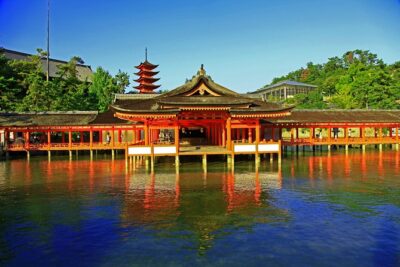
Peaceful Hiroshima & Miyajima UNESCO 1 Day Bus Tour
Read our review →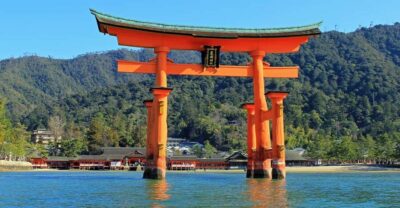
Hiroshima and Miyajima UNESCO Sites 1-Day Tour
Read our review →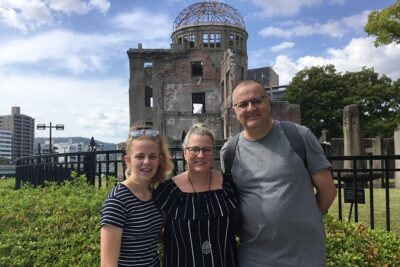
Hiroshima / Miyajima Full-day Private Tour with Government Licensed Guide
Read our review →
Osaka/Kyoto: Hiroshima Miyajima Bus Tour & Shinkansen Ticket
Read our review →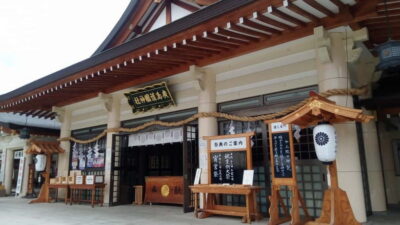
Hiroshima Historical Walking Tour – Why A-Bomb was Dropped
Read our review →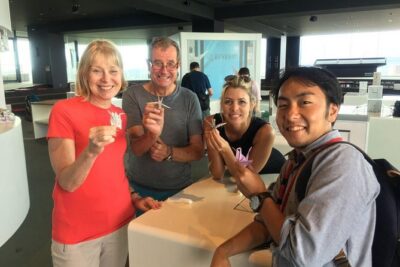
Hiroshima Peace (Heiwa) Walking Tour at World Heritage Sites
Read our review →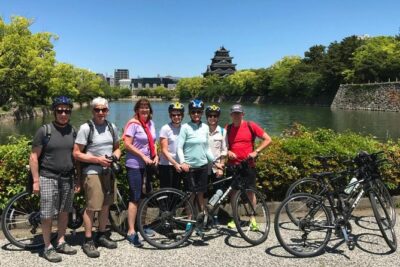
Hiroshima in a Nutshell: Morning Bike Adventure
Read our review →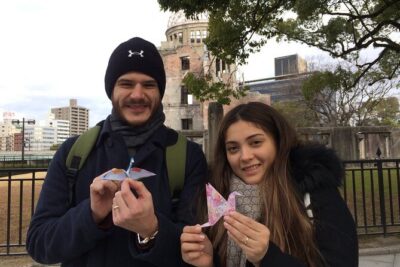
Hiroshima City 4hr Private Walking Tour with Licensed Guide
Read our review →Browse the lists this tour appears in