
Reviewed · SIGHTSEEING BUS TOURS
1-Day Tokyo Bus Tour
Tokyo’s size can make a first day feel like a puzzle. This tour solves much of it by linking Meiji Shrine, Asakusa, and Tokyo Skytree in one long day, with a guide explaining what you are seeing and a coach handling the cross-city travel. Matcha, a Japanese lunch, and a possible ferry ride add more than a simple photo stop.
I like the wide sweep of neighborhoods, including glimpses of Harajuku, Akihabara, Ueno, Ginza, and Odaiba, and I like the practical value of Skytree admission and coach transport. The tradeoff is a packed schedule with limited time at each place, plus a ferry ride that can be replaced without a refund when tides or maintenance stop it.
Key points at a glance
- A full Tokyo sampler: Visit Meiji Shrine, the Imperial Palace area, Asakusa, Senso-ji, Tokyo Skytree, and possibly Tokyo Bay in about nine to ten hours.
- A useful first-day plan: The route gives you an orientation to several major districts without learning Tokyo’s vast train system immediately.
- Matcha and Japanese food included: Taste Uji matcha or matcha gelato, then choose a karaage and tofu set meal if you book the lunch option.
- Skytree entry is covered: Your ticket takes you to the Tembo Deck at 350 meters, with city views and time for Sora-machi shops.
- Large-group sightseeing: The coach can carry up to 43 people, so expect a social, organized outing rather than a private tour.
- The ferry is not guaranteed: On some days, high tide, technical problems, or Tuesday scheduling can send the tour to Hamarikyu Gardens or the Fukagawa Edo Museum instead.
Why this tour works as a first day in Tokyo
Tokyo is not one compact sightseeing center. Its major sights are spread from western Shinjuku to eastern Asakusa, with the Imperial Palace, Ueno, and Tokyo Bay in between. That makes this bus tour useful if you have only one free day or want help getting your bearings before exploring on your own.
The day begins early, with pickup listed at 7:20 a.m. from Matsuya Ginza or 7:50 a.m. near LOVE Shinjuku. The stated meeting point is in Nishishinjuku, so check your confirmation carefully and arrive early. If you miss the departure, you cannot join the tour later.
The coach provides air conditioning and Wi-Fi, which matters on a long day. You will spend plenty of time riding between districts, but you avoid repeated transfers through crowded stations. The guide also gives you context along the way, and audio guidance is available in English, Spanish, French, Italian, German, Portuguese, and Ukrainian.
The group may reach 43 people. That size keeps the price reasonable, but it also means fixed meeting times, head counts, and a need to stay close to the guide. Guides named Momo, Yuta, Aya, Levin, Lovely, Hiro, and others have received especially warm praise for their organization, clear English, humor, and care with the group. Guide quality can vary, but the strongest pattern is a friendly guide who keeps the day moving.
Other tours by coach from Tokyo:
- Mt Fuji and Hakone 1-Day Bus Tour Return by Bullet Train
★ 5.0 · 26,383 reviews - Tokyo Mt Fuji 5th St & Hakone Cruise Bus Tour w/Bullet Train
★ 4.4 · 5,024 reviews - Tokyo: Hop-On Hop-Off Sightseeing Bus Ticket
★ 3.9 · 4,207 reviews
Meiji Shrine: a quiet start among the trees
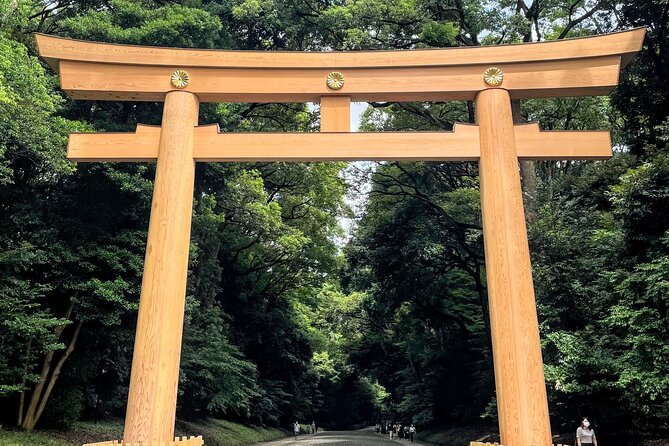
Meiji Jingu is the first substantial stop, with about 50 minutes to walk through the shrine grounds. Built in 1920 for Emperor Meiji, it sits amid a large wooded setting that gives you a break from Tokyo’s concrete and traffic.
This is a good opening stop because it introduces Shinto customs in a calm setting. You can see the approach to the shrine, traditional structures, and the broad natural grounds without needing to plan the visit yourself. Your guide can also help explain the place, though the exact depth of the commentary depends on the person leading your group.
The time is enough for a focused visit, not a slow wander through every path. Wear shoes you can walk in comfortably. The tour is not recommended for people who have trouble walking long distances, and this first stop sets the pattern for the day.
As the coach moves on, you may pass Harajuku, known for youth fashion and Japanese pop culture, along with Tokyo Tower, the National Diet Building, and other city sights. These are drive-by views, not full visits. That is useful for orientation, but do not count on getting off for photographs at each one.
The Imperial Palace area and Tokyo from the coach
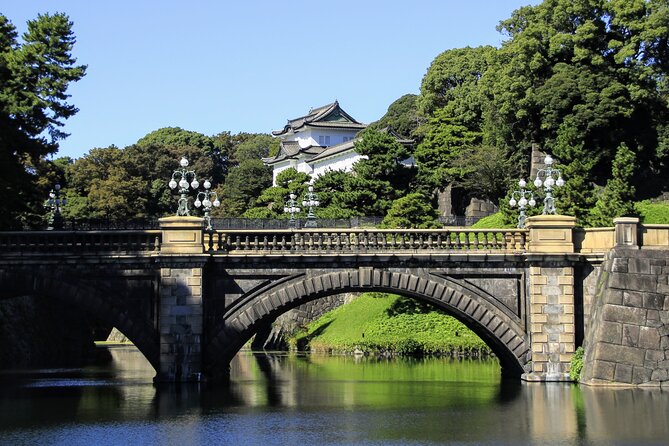
The Imperial Palace stop lasts about 30 minutes. You visit either the East Garden or Niju-bashi Bridge in the Outer Garden, depending on the day’s operation and route.
The palace occupies the site of Edo Castle and remains the residence of Japan’s Imperial family. The East Garden offers traditional garden scenery and seasonal flowers, while Niju-bashi gives you the classic outer-palace view with the stone bridge and palace grounds beyond.
Thirty minutes is short. I would treat this as a brief introduction rather than a full palace visit. If gardens or castle history are a main reason for coming to Tokyo, you will want a separate visit with more time. Still, the stop adds an important layer to the day, connecting modern Tokyo with the city’s earlier political center.
The coach may also pass Akihabara, the center of anime, games, maid cafés, and other otaku interests. Ueno Park and Ameyoko market may appear from the road as well. Kitchenware shops and restaurant-supply streets can also be pointed out. These glimpses help you decide where to return later, but they are not substitutes for exploring those districts on foot.
Asakusa combines temples, shopping, matcha, and lunch
Asakusa is the most varied stop on the schedule. The area gives you an old Tokyo feel, with the Senso-ji temple precinct, Nakamise shopping street, traditional snacks, souvenirs, and small shops.
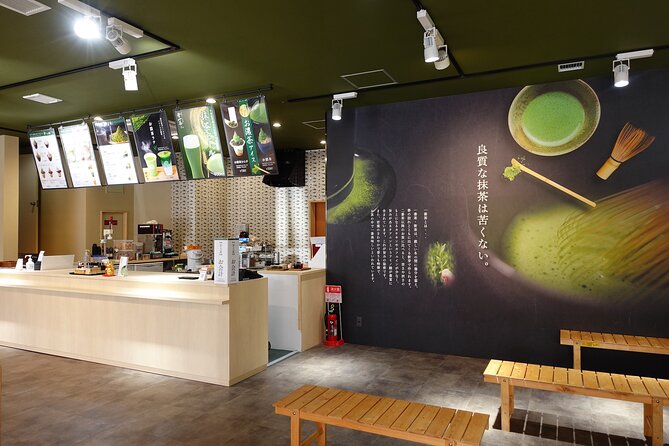
The matcha experience takes place here. You may receive Uji matcha or matcha gelato, with the tour describing it as a smoother, less bitter premium matcha made from first-flush tea. It is a small activity, but it gives the stop a taste of Japanese food culture rather than making it only a sightseeing walk.
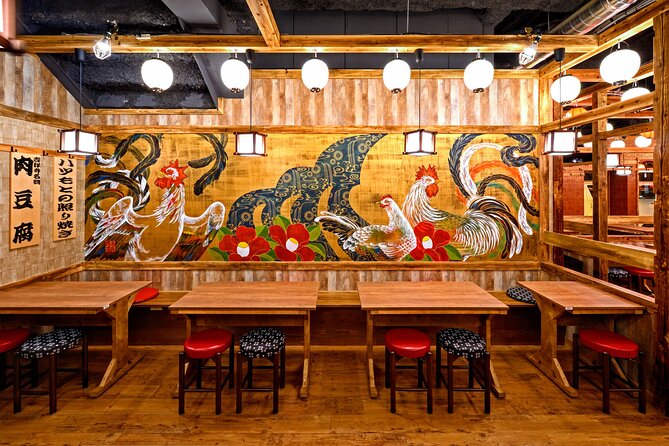
Lunch is a karaage and tofu set meal if you choose the lunch option. The main dish is Japanese fried chicken, with tofu, rice, a drink, and miso soup. The standard meal contains no pork or seafood, but the miso soup uses fish stock. No nuts or crustaceans are listed, yet anyone with a serious allergy is advised to book without lunch.
Vegetarian and gluten-free meals must be requested when booking. The gluten-free option includes grilled chicken, rice, miso soup, and tofu. Muslim-friendly, lactose-free, and other special meals are not available, so do not assume the restaurant can adjust the menu on the day.
The lunch is a practical way to keep the group together, but food quality can vary. One reported concern was undercooked or poorly prepared lunch, while other comments praised the meal. I would choose the lunch option for convenience, especially on a first day, but food-focused visitors may prefer to arrange their own meal if dietary needs are complicated.
Same base, a different sort of day:
- Tokyo: TOKYO SKYTREE® Admission ticket
★ 4.5 · 11,192 reviews - Tokyo: teamLab Planets TOKYO Digital Art Museum Entry Ticket
★ 4.6 · 9,779 reviews - Mt Fuji & Hakone Cruise, Drum Show Bullet Train 1 Day from Tokyo
★ 4.0 · 7,413 reviews - Tokyo: Sumo Show Experience with Chicken Hot Pot and a Photo
★ 4.8 · 6,678 reviews
Senso-ji and Nakamise: Tokyo’s most photogenic temple stop
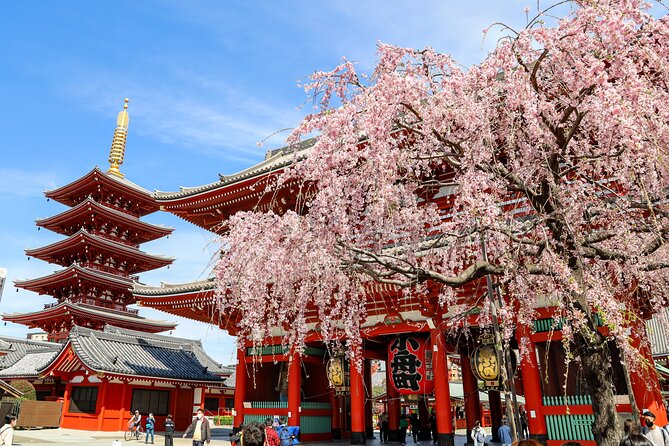
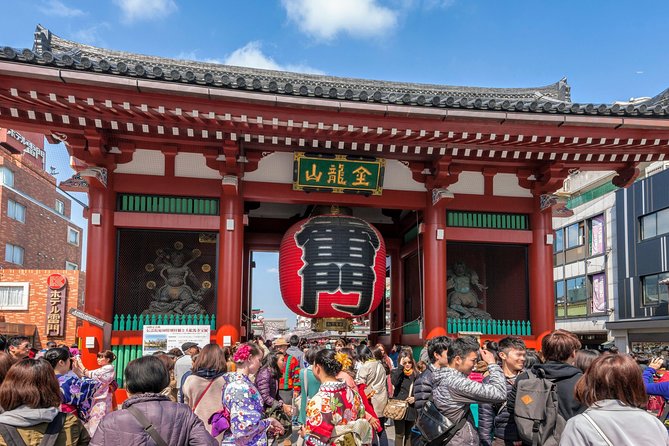
Senso-ji follows the matcha and lunch portions, with about 45 minutes for the temple and Nakamise Avenue. This is one of Tokyo’s most recognizable sights, and the red Kaminari-mon Gate gives you the classic entrance photograph.
The temple precinct is easy to enjoy even with limited time. You can walk the shopping street, look for souvenirs, and take in the large temple buildings. Nakamise is tourist-oriented, but it also offers a useful first look at traditional sweets, small crafts, and Japanese gift items.
The order of the Asakusa activities may change. You might eat before the temple visit, or shop before the matcha stop. Traffic, weather, and local operations can alter the sequence, so keep your attention on the guide rather than expecting the printed order to remain exact.
I like having both the food experience and Senso-ji in the same district. The drawback is that Asakusa deserves several hours on its own. Here, you get a well-chosen sample, but not the time to explore side streets, smaller temples, or the riverfront at your own pace.
Tokyo Skytree gives the day its big view
The Tokyo Skytree visit lasts about 90 minutes and includes admission to the Tembo Deck at 350 meters. This is one of the tour’s strongest practical features because the ticket is included and the group receives skip-the-line entry.
From the observation deck, you can look across Tokyo’s enormous spread of towers, neighborhoods, roads, and waterways. On a clear day, the height gives you a useful sense of how far apart the districts you visited really are. The view also helps make sense of the city’s scale after spending the morning moving through it.
The Skytree complex includes Sora-machi, with more than 300 shops. Ninety minutes sounds generous, but it must cover the elevator process, the observation deck, photographs, and any shopping. I would give priority to the view and avoid drifting too far from the agreed meeting area.
Skytree is also a good value check for the tour price. A standard admission ticket, transport across Tokyo, a guide, matcha, and possibly lunch and the ferry add up quickly when arranged separately. You are paying for structure and speed, not just entry tickets.
Tokyo Bay ferry or an indoor replacement
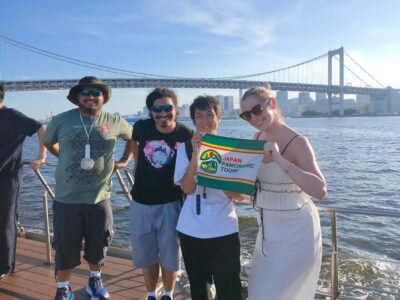
The final major activity is planned for Odaiba and Tokyo Bay. The ferry ride takes about 20 minutes and may pass beneath Rainbow Bridge, with views toward Tokyo’s towers and waterfront buildings. The ride can be a pleasant change after a day of temples, traffic, and observation decks.
Timing can affect the mood. Some groups have reached the water near sunset, when the ride becomes a particularly attractive finish. Still, do not book this tour solely for the cruise. High tide, technical maintenance, or other operational problems can cancel it.
When the ferry is suspended, the tour may visit Hamarikyu Gardens or the Fukagawa Edo Museum instead. On Tuesdays, the ferry is specifically subject to suspension and one of these alternatives is planned. In that case, you do not visit Odaiba, and no refund is provided.
This policy is important. The alternatives can be worthwhile, but they are not the same experience. Hamarikyu offers formal gardens near the modern city, while Fukagawa Edo Museum focuses on an earlier period of Tokyo life. If the boat is essential to your plans, choose a different activity or keep your expectations flexible.
What the $129.25 price really covers
At $129.25 per person, this is not the cheapest way to see Tokyo, but it can be good value for a first visit. The price includes the air-conditioned coach, professional English-speaking guide, Wi-Fi on the bus, Skytree admission, matcha drink or gelato, multilingual audio, and the Tokyo Bay activity or replacement visit.
Lunch is listed as included only when selected. Check the exact booking choice before paying, especially if the displayed price changes with the meal option. The lunch adds convenience more than luxury.
I see the strongest value in the time saved. You do not need to map out rail connections between Meiji Shrine, the palace, Asakusa, Skytree, and Tokyo Bay. You also avoid buying separate Skytree admission and figuring out how to reach the tower at the busiest part of the day.
The weaker value appears if you already know Tokyo well or prefer long visits in fewer places. You will pass Akihabara, Ueno, Ginza, Tokyo Tower, and other districts without stopping for a proper visit. A flexible independent plan can give you more time, but it requires more planning and does not offer the same amount of historical explanation.
The pace, guide style, and group experience
This is a long day, usually nine to ten hours, with a planned return to Shinjuku around 6:10 p.m. The schedule can feel efficient or tiring depending on your style. Several guides have been praised for making the day feel relaxed and personal, while one assessment found too much spare time between some stops and felt the day could have been an hour shorter.
That mixed reaction makes sense. A large coach tour needs loading time, bathroom breaks, head counts, and clear meeting points. Those pauses protect the schedule, but they can feel slow if you are eager to see more.
Guide quality matters a great deal. Momo has been singled out for humor and warmth, Yuta for organization and clear explanations, Aya for attentive care and strong English, and Levin for keeping people engaged through a full day. Other guides, including Lovely, Hiro, Yui, Uta, Tsubasa, Lisa, Momiji, and Ayu, have also been praised for history, friendliness, and keeping the group together.
English is generally the main spoken language, with audio support in several languages. One person found a guide difficult to understand, and another asked a guide to speak more slowly. If you rely heavily on spoken commentary, use the multilingual audio option and stay close enough to hear the guide clearly.
Practical advice before you reserve
Wear comfortable shoes and dress for a full day outdoors and on foot. You will walk through shrine grounds, temple areas, shopping streets, and observation facilities, with time spent getting on and off the coach.
Confirm the pickup point, meal choice, dietary request, and combined booking details before the day begins. If several people book separately, the operator asks for the booking numbers and total group size in advance.
The tour offers mobile tickets and free cancellation up to 24 hours before the start time. Changes or cancellations inside that window are not accepted for a refund. If poor weather cancels the whole experience, you are offered another date or a full refund, but individual changes caused by weather, traffic, tides, or operations do not necessarily bring a refund.
The tour is best for a first visit, a short stay, solo visitors who want a ready-made plan, and families who prefer not to manage Tokyo’s trains all day. It is less suitable for anyone who wants a slow temple visit, a serious food tour, extensive shopping time, or a private guide.
Should you book this Tokyo bus tour?
I would book it for a first full day in Tokyo, especially if you want to see the city’s main landmarks before choosing where to return. The combination of Meiji Shrine, the palace, Asakusa, Skytree, matcha, and a possible ferry gives you a broad introduction at a fair price.
I would skip it if you already have a detailed Tokyo plan or if the ferry is your main goal. The day is structured, the group can be large, lunch has dietary limits, and several stops are brief.
For most first-time visitors, the best approach is to treat this as an orientation day, not your complete Tokyo experience. Let the coach show you the big pieces, note the neighborhoods that catch your attention, then return later by train and explore them at your own pace.
FAQ
How long does the Tokyo bus tour last?
The experience lasts approximately nine to ten hours. Pickup is scheduled in the morning, and the planned return to Shinjuku is around 6:10 p.m.
Where does the tour start and finish?
The listed meeting and end point is 1-chōme-7-2 Nishishinjuku, Shinjuku City. Pickup options are also listed at Matsuya Ginza at 7:20 a.m. and LOVE Shinjuku at 7:50 a.m., so check your confirmation for the exact location.
Is Tokyo Skytree admission included?
Yes. Admission to the Tembo Deck at 350 meters is included, with skip-the-line entry. You receive about 90 minutes at the Skytree complex.
Is lunch included?
Lunch is included only if you select the lunch option. The standard meal is karaage, tofu, rice, a soft drink, and miso soup. Vegetarian and gluten-free meals must be requested when booking.
What happens if the Tokyo Bay ferry is canceled?
The tour may visit Hamarikyu Gardens or the Fukagawa Edo Museum instead. The ferry can be suspended because of high tide or technical maintenance, and no refund is provided for this change.
Is the tour available in languages other than English?
A professional English-speaking guide leads the tour. Multilingual audio guidance is available in English, Spanish, French, Italian, German, Portuguese, and Ukrainian.
Can I cancel for a full refund?
You can cancel up to 24 hours before the experience starts for a full refund. Cancellations or changes made less than 24 hours before the start time are not accepted for a refund.
Just added in Tokyo
- Small-Group Wagyu Beef and 7 Japanese Dishes Tokyo Cooking Class★ 5.0 · 190 reviews
- Nikko: Edo Wonderland Edomura Cultural Theme Park Ticket★ 4.3 · 205 reviews
- 《MEMBERS-ONLY-BAR-HOPPING》Discover Your Special Whiskey in Tokyo!★ 5.0 · 29 reviews
- Japanese Whisky Hunting《HIGH-QUALITY-ONLY》Rare Tasting Class★ 5.0 · 20 reviews
- Luxury Tokyo Sake, Cocktail, Whisky and Pairing Tour★ 5.0 · 18 reviews
- Wagyu & Sake Pairing in Shinjuku – Steak, Shabu-Shabu & More★ 5.0 · 112 reviews
- From Tokyo: Private Tour to Fuji/Hakone – Onsen, Art, Nature★ 5.0 · 116 reviews
- Tokyo: KABUKI Show at Kabukiza Theatre Admission Ticket★ 4.8 · 152 reviews
Sightseeing Bus Tours, compared.
Mt Fuji and Hakone 1-Day Bus Tour Return by Bullet Train
Read our review →
Peaceful Hiroshima & Miyajima UNESCO 1 Day Bus Tour
Read our review →
Tokyo Mt Fuji 5th St & Hakone Cruise Bus Tour w/Bullet Train
Read our review →
Meiji Shrine, Asakusa, Skytree Bus Tour and Cruise
Read our review →
Kyoto/Osaka: Nara, Fushimi Inari Taisha, Arashiyama Bus Tour
Read our review →
Osaka/Kyoto: Hiroshima Miyajima Bus Tour & Shinkansen Ticket
Read our review →Browse the lists this tour appears in