
Reviewed · KIMONO DRESSING & PHOTOSHOOTS
Let’s make kimono !(Kimono is a gift for you
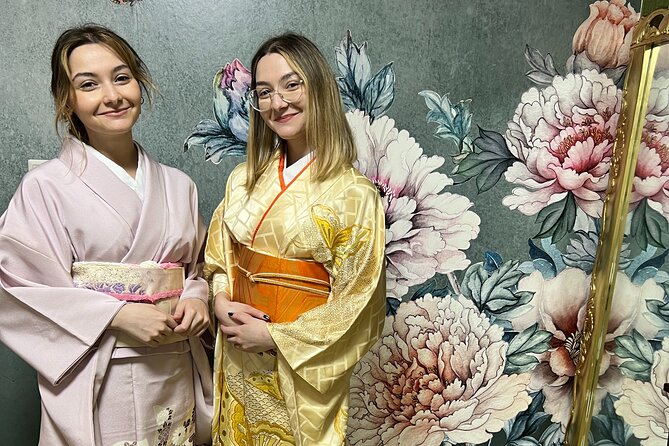
The best part of this Tokyo activity is that you do more than pose in a rented kimono. You choose a vintage piece, help adjust it, learn a practical way to wear it, and take the finished kimono home. The small setting, in a local home in Kiba, feels much more personal than a busy rental shop.
I like the wide choice of vintage fabrics and the patient, hands-on help, especially for children, taller people, and larger body types. I also like that the session includes photos and a free obi rental, so you leave with both a keepsake and a set of memories. The main catch is that the title can sound like you are sewing a complete kimono from scratch. In practice, you select and remake a vintage kimono into an easier-to-wear garment, and many of the fancier pieces cost extra.
Key points to know before booking
- You keep the kimono: The activity is designed around taking your finished kimono home.
- Vintage choices vary: Basic designs are included, but more ornate fabrics may cost an additional ¥2,000 to ¥6,000.
- The group is tiny: A maximum of five people allows for close help with fitting and dressing.
- All ages can join: Women, men, and children have separate kimono options and instructions.
- The setting is local: The workshop takes place near Kiba in a residential part of Tokyo, not in a large tourist showroom.
- Budget for extras: Japanese sandals and tabi are not included, and some obi and accessories may require payment.
A Tokyo kimono workshop with something to take home
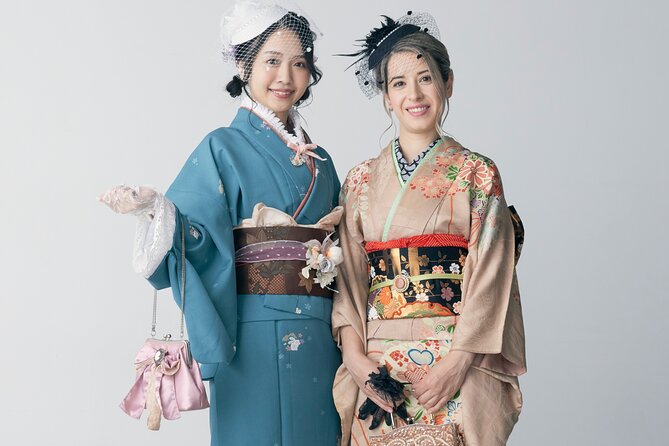
This 90-minute activity is part clothing workshop, part dressing lesson, and part photo session. You select a vintage kimono, have it adjusted to your body, learn how the pieces fit together, and finish with photographs in the completed outfit.
The activity is called Let’s make kimono, but it is important to understand the format before you book. You are not weaving fabric or constructing an entire kimono from raw materials. The focus is on reworking a pre-owned kimono so it becomes easier to wear. For some women, that means hemming or adjusting the waist. One described step involves cutting, folding, and ironing the material, with staff helping when needed.
That distinction matters. If you want a traditional sewing class, this is not the right choice. If you want to handle genuine vintage fabric, personalize a kimono, and learn how to put it on without the fuss of a formal dressing service, it makes much more sense.
The workshop received the Gold Award in the Omotenashi Selection, an award chosen by a panel of foreigners living in Japan. That recognition fits the activity’s practical approach: the experience is built to make kimono dressing less intimidating for people who have never worn one.
Other dressing and photo sessions in Tokyo:
- Tokyo: Matcha and Kimono Experience
★ 4.7 · 219 reviews - Kimono Tea Ceremony at Kyoto Maikoya, NISHIKI
★ 5.0 · 911 reviews - Kyoto: Kimono Rental with Hairstyling and Accessories
★ 4.8 · 653 reviews
Finding the workshop in Kiba
The meeting point is 6-chōme-8-6 Kiba, Koto City, Tokyo 135-0042. The class ends at the same place. It is near public transportation, but the setting can feel unfamiliar because this is a local residential area rather than a major sightseeing street.
Give yourself time to find the address. The workshop is held in a home, and the entrance may not look like a conventional studio. One useful detail is that the staff can help if you get lost, but you will have an easier start if you arrive with the address ready on your phone.
I like this location because it adds a small slice of everyday Tokyo to the outing. You are not being moved through a polished costume showroom. You are visiting a home-based workshop in an older district, where the atmosphere is calm and personal.
The tradeoff is that the first few minutes may feel less obvious than arriving at a shop with a large sign. Use the mobile ticket and meeting details, and do not assume the activity is in one of Tokyo’s central tourist neighborhoods.
Choosing your vintage kimono
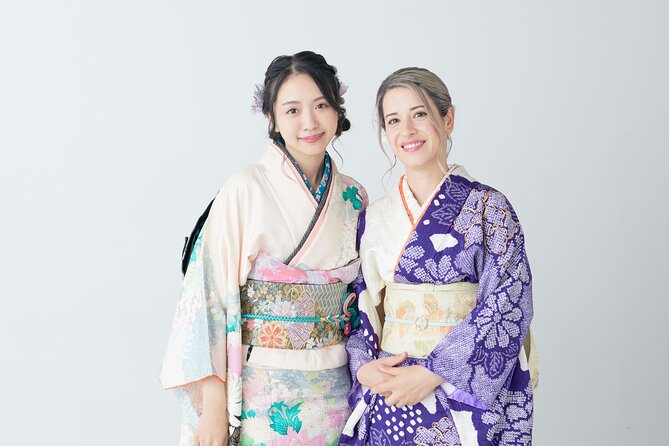
Once you arrive, you look through a selection of pre-owned and vintage kimonos. The fabrics vary in color, pattern, texture, and formality. Some pieces are simple and included in the base price. Others are more ornate and carry an added charge.
For women, upgraded kimonos cost approximately ¥2,000 to ¥6,000 extra. The precise choice depends on the piece you select. It is wise to ask about the price before settling on a fabric, especially if you are choosing for several family members.
This is one of the strongest parts of the experience. You are not simply handed a standard outfit in a fixed size. You can compare designs and pick something that suits your taste. The variety also makes the activity work well for couples or parent-and-child groups, since each person can choose a different look.
The vintage condition is part of the bargain. Some fabrics may have small stains or signs of prior use. If you expect a spotless, newly made garment, you may be disappointed. If you appreciate the character of older textiles, those imperfections are easier to accept.
The activity also gives you a practical answer to a common kimono problem: fit. Traditional garments can be difficult to adjust, particularly for tall or larger-bodied people. Here, the material can be altered to your size, and the staff can help you find a workable option.
That does not mean every kimono will fit every person perfectly. The available selection changes, and children’s pieces follow a different process. Still, the ability to modify the garment is a real advantage over a standard rental appointment.
How the women’s session works
The women’s program begins with selecting a kimono. Staff then customize it to your measurements and explain how to wear it. The hands-on portion can include cutting, folding, taping or hemming, and ironing the material.
You do not need advanced sewing skills. The practical tasks are simple enough for most people who can cut, fold, and iron. If you are unsure, the staff are prepared to assist. That balance works well: you take part in the transformation, but you are not left to struggle with unfamiliar clothing.
The goal is a kimono that you can manage more easily. Traditional dressing can involve several layers and precise tying techniques. This workshop presents a simpler method, so you can understand how the garment is arranged and how to put it on with less ceremony.
After the adjustment, you learn how to wear the kimono. This is useful even if you never plan to dress yourself again, because it shows how the collar, obi, and related pieces work together.
The included accessories are the obi, obiage, obijime, and obi pillow. The obi is the broad sash, while the other items help complete and support the traditional arrangement. These are available as free rentals, with some pieces also available for purchase.
The session ends with photo time. Staff take pictures of you in the finished outfit, giving you a record of the activity without requiring you to arrange a separate photographer.
Same base, a different sort of day:
- Mt Fuji and Hakone 1-Day Bus Tour Return by Bullet Train
★ 5.0 · 26,383 reviews - 1-Day Tokyo Bus Tour
★ 5.0 · 14,250 reviews - Tokyo: TOKYO SKYTREE® Admission ticket
★ 4.5 · 11,192 reviews - Tokyo: teamLab Planets TOKYO Digital Art Museum Entry Ticket
★ 4.6 · 9,779 reviews
Men’s and children’s options
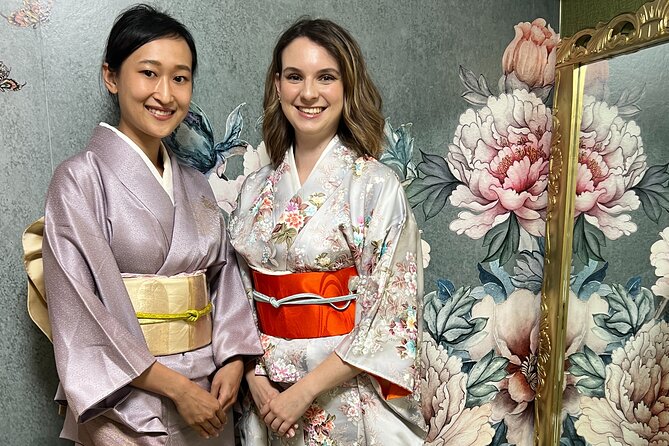
Men can select a kimono, and the haori and kimono set is available for an additional ¥2,000. A haori is the short outer jacket worn over the kimono. Men also receive a personalized detail: their name can be printed in kanji, with a choice of font color, then ironed onto the kimono.
That name detail gives the men’s session a clear personal touch. It also makes the activity more appealing to couples who want both people to take part rather than treating the experience as something aimed only at women.
Boys can have their names printed in Japanese on the collar of the kimono. Girls follow a different itinerary from the women’s program. Some children’s garments do not require adjustment, so they can be worn without cutting the material.
This difference is worth knowing before you arrive. A child may not take part in exactly the same steps as an adult, but that is not a problem unless you expected everyone to follow one identical workshop. The children’s format is designed around their clothing and fit.
The activity suits families particularly well. The staff can help children through the making and dressing steps, and the small group size keeps the experience from feeling like a production line. For an 11-year-old, the combination of choosing fabric, making adjustments, dressing up, and taking photos offers more to do than a simple rental.
Obi, sandals, and the final outfit
The obi rental is included, along with the obiage, obijime, and obi pillow. This helps keep the advertised price reasonable, since these pieces are necessary for the full look.
Japanese sandals and tabi are not included. Tabi are traditional split-toe socks. If you want a fully traditional outfit from head to toe, you will need to account for these items separately.
Some accessories can be purchased, but the included rental pieces are enough to complete the activity. Ask about costs before choosing optional additions. The base experience is affordable, but your final bill can rise if you select an upgraded kimono, a special obi, a haori set, or extra accessories.
What the ¥43.11 price really buys you
At about $43.11 per person, the base price is attractive for a 90-minute small-group activity that includes the kimono, obi-related rentals, fitting assistance, dressing guidance, and photographs. Most important, you get to keep the kimono you make or remake.
That last point changes the value calculation. A standard rental gives you an outfit for a few hours. Here, you leave with a garment that can be worn separately or together, depending on how it was adjusted and styled.
The price is less simple if you want a highly decorated design. Many of the more sophisticated kimonos are not included in the basic fee, and upgrades can add ¥2,000 to ¥6,000. One complete selection, including the kimono and additional pieces, can reach around ¥11,000, depending on what you choose.
I would treat the advertised price as an entry point rather than a guaranteed final total. It gets you into the workshop and provides access to the included pieces. Before you decide, ask which fabrics and accessories are covered.
The extra cost may still be fair if you care about the fabric and want something you will actually wear. It is less appealing if you simply want a quick costume photo at the lowest possible price.
The home setting and level of personal help
The small setting is a major strength. With a maximum of five people, staff can spend time helping you select a garment, adjust the fit, and solve problems during dressing.
The people leading the session are described as friendly, patient, and helpful. Oto Ha is named in one account as a helpful instructor. An English-speaking instructor is also available, which matters when you are learning clothing terms and precise dressing steps.
The setting is not formal or theatrical. It is a local home, and some visitors may initially wonder if they have reached the right place. That informal quality is exactly what makes the activity appealing to people who want a personal encounter rather than a polished tourist attraction.
It also means you should keep your expectations realistic. The session focuses on making, fitting, wearing, and photographing the kimono. A detailed lecture on Japanese clothing history is not the main program. You can ask questions about kimono and tradition, but anyone seeking a long cultural talk should choose a dedicated museum or history class as well.
Comfort, body size, and age
Most people can participate, and service animals are allowed. The activity is near public transportation, and morning or afternoon sessions make it easier to fit into a Tokyo sightseeing day.
The workshop can work for older adults, though the setting may involve sitting low or working close to the floor. One participant in their late 70s managed the activity without difficulty, but comfort levels differ, so consider mobility before booking.
The ability to customize the garment is particularly useful for taller and larger people. Traditional Japanese clothing is often built around standard proportions, and finding a ready-made rental that fits can be difficult. The adjustment process gives staff more room to make a garment work.
Still, do not assume every size and style is always available. Vintage stock changes, and the best approach is to discuss fit with the staff when you arrive.
What this experience does not provide
This is not a full historical tour of kimono culture. It is also not a professional formal dressing service, a complete tailoring course, or a guaranteed brand-new garment.
The word make can also cause confusion. You are helping remake and fit a vintage kimono, not sewing a finished traditional garment from the first stitch. Some designs may become a skirt-and-jacket style or another easier-to-wear form. If preserving the kimono exactly as it was is important to you, ask how your chosen piece will be altered before work begins.
You should also remember that vintage means vintage. Small stains may appear, and the condition will vary from piece to piece. Take a careful look at your selection before the cutting or adjustment begins.
Who should book this Kiba activity
I would recommend it most strongly to people who want a creative souvenir with a personal story. It suits couples, families, solo visitors who enjoy hands-on activities, and anyone who has always wanted to wear kimono but felt unsure about the process.
It is especially good for:
- Families with children who want an activity rather than a quick photo stop
- Taller or larger-bodied people who struggle with standard rental sizing
- Visitors who like vintage textiles and one-of-a-kind clothing
- Couples who want both women’s and men’s options
- People who prefer a quiet neighborhood setting to a busy tourist shop
- Anyone happy to pay a modest upgrade for a more elaborate fabric
I would be more cautious if you want a formal cultural lecture, a pristine new kimono, or a fixed all-inclusive price with no optional charges. In those cases, the format may not match your expectations.
Should you book it?
Book this experience if you want to make a wearable kimono, learn a simpler way to dress, and take the result home. The small group, patient fitting help, child-friendly options, and photo session give the 90 minutes real substance.
Before confirming, make sure you understand the practical details: some kimono designs cost extra, haori sets cost extra, sandals and tabi are not included, and vintage pieces may show minor stains. Also remember that the cancellation policy is strict: the booking is non-refundable and cannot normally be changed. If poor weather forces a cancellation, you are offered another date or a full refund.
For a first kimono experience in Tokyo, this is a thoughtful choice for people who value participation over spectacle. You do not simply put on a costume and hand it back. You make decisions, work with the fabric, learn how the clothing fits, and leave with something that can remind you of Kiba long after the photos are saved.
FAQ
How long does the kimono experience last?
The activity lasts approximately 1 hour and 30 minutes. It includes choosing a kimono, adjusting or remaking it, learning how to wear it, and taking photos.
What is included in the price?
The kimono, obi, obiage, obijime, and obi pillow are included. These accessory pieces are provided as rentals and may also be available for purchase.
Are upgraded kimonos available?
Yes. You can choose a more ornate kimono for an additional charge of approximately ¥2,000 to ¥6,000. The exact amount depends on the piece you select.
Can men and children participate?
Yes. Men can choose a kimono, with a haori and kimono set available for an additional ¥2,000. Girls and boys have children’s kimono options, and boys can have their names printed in Japanese on the collar.
Are sandals and tabi included?
No. Japanese sandals and tabi are not included in the activity.
Where does the activity take place?
The meeting point is 6-chōme-8-6 Kiba, Koto City, Tokyo 135-0042, Japan. The workshop takes place in a home in the Kiba area, and the activity ends back at the meeting point.
Just added in Tokyo
- Small-Group Wagyu Beef and 7 Japanese Dishes Tokyo Cooking Class★ 5.0 · 190 reviews
- Nikko: Edo Wonderland Edomura Cultural Theme Park Ticket★ 4.3 · 205 reviews
- 《MEMBERS-ONLY-BAR-HOPPING》Discover Your Special Whiskey in Tokyo!★ 5.0 · 29 reviews
- Japanese Whisky Hunting《HIGH-QUALITY-ONLY》Rare Tasting Class★ 5.0 · 20 reviews
- Luxury Tokyo Sake, Cocktail, Whisky and Pairing Tour★ 5.0 · 18 reviews
- Wagyu & Sake Pairing in Shinjuku – Steak, Shabu-Shabu & More★ 5.0 · 112 reviews
- From Tokyo: Private Tour to Fuji/Hakone – Onsen, Art, Nature★ 5.0 · 116 reviews
- Tokyo: KABUKI Show at Kabukiza Theatre Admission Ticket★ 4.8 · 152 reviews
Kimono Dressing & Photoshoots, compared.
Sumo Show & Experience w/ Optional Kimono & Hot Pot
Read our review →
KYOTO Tea Ceremony with kimono near by Imamiya Jinjya Shrine
Read our review →
Kimono and Tea Ceremony Experience at Cultural Asset
Read our review →
Browse the lists this tour appears in