
Reviewed · TOURS IN TOKYO
Tokyo, Shaped Around You: A Private Experience with a Local
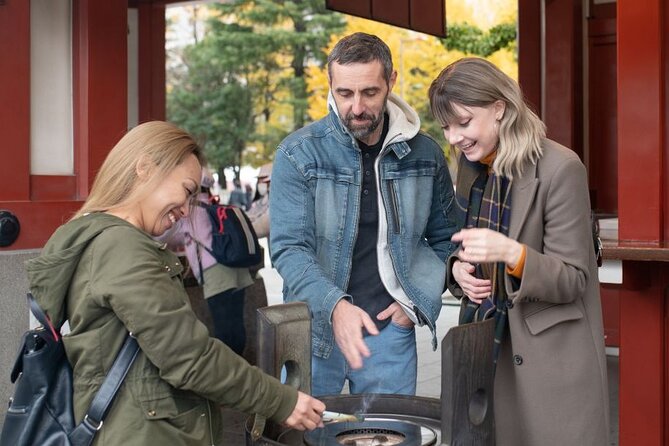
Tokyo, Shaped Around You is less a standard sightseeing tour than a private orientation with a local. Before you meet, you explain what matters to you, then your host builds the route around food, temples, shopping, trains, history, or neighborhoods. Guides such as Shoko, Toshi, Amir, Ayaka, and Hiroko have helped visitors shape very different days.
I like the flexible pace and the practical help. Your host can explain Tokyo’s train system, help with an IC card, suggest lunch, translate a food concern into Japanese, or show you a quiet street after a major sight. I also like that a two-hour booking can stay focused instead of forcing you through a giant checklist.
The main catch is simple: no fixed attractions are guaranteed. You are paying for time, local guidance, and a route built around you, not for entry to Tokyo Skytree or a set meal. Food, admissions, and transport cost extra, and guide quality can vary, so be clear about the depth of history or language support you need.
Key points to know before booking
- A private route, not a set sightseeing circuit: Your questionnaire and messages with the host shape the outing.
- Tokyo can mean very different things: Pick from Shibuya, Asakusa, Yanaka, Harajuku, Ginza, Shinjuku, Kappabashi, markets, shrines, or train practice.
- Useful for a first day: Hosts have helped with metro navigation, IC cards, Shinkansen tickets, restaurant choices, and local customs.
- Walking is central: Public transport or taxis may be used between areas, but no private vehicle is included.
- Good flexibility for families and older visitors: Hosts can slow down, add breaks, and adjust plans as the day develops.
- Strong overall track record, with one warning: The experience is rated 4.9 from 1,177 reviews and recommended by 97 percent, though one review raised concerns about English and historical depth.
What this private Tokyo experience really offers
At $107.62 per person, this makes the most sense when you want help making decisions in a huge city. A private host can save time, reduce the stress of changing trains, and point you toward places that fit your interests. That value is higher on your first day, when Tokyo’s scale and transport network can feel like a lot to absorb.
You are not buying a ticket bundle. The price covers a private experience lasting about two to five hours, a pre-tour questionnaire, contact with your host before the meeting, and a flexible route. Your group is alone with the host, so you do not have to match the pace or interests of strangers.
The experience has been booked more than 10 times in the past week, and the high rating reflects several recurring strengths: careful communication before the outing, a warm personal style, useful train help, and routes that mix famous places with ordinary streets. Still, you should treat the guide as the main product. Ask for the style you want before the day begins.
If you want serious temple history, say so. If you mainly want food stalls, neighborhood cafés, or shopping advice, say that instead. The more specific you are, the more useful this format becomes.
Other experiences people book in Tokyo:
- Mt Fuji and Hakone 1-Day Bus Tour Return by Bullet Train
★ 5.0 · 26,383 reviews - 1-Day Tokyo Bus Tour
★ 5.0 · 14,250 reviews - Tokyo: TOKYO SKYTREE® Admission ticket
★ 4.5 · 11,192 reviews
Starting in Harajuku and getting your bearings
The stated meeting point is NewDays Harajuku, near the Omotesando Exit. This is a practical place to begin, especially if you want to understand how Tokyo’s trains fit into your sightseeing day. The route may also start at your central accommodation if the host can meet you there.
Harajuku gives your host several directions to take. You might begin with fashion and youth culture around Takeshita Street, then shift toward the quieter wooded paths around Meiji Shrine. You might use the area as a launch point for Shibuya, Ginza, or a market.
One useful detail from the experiences described is the help with Tokyo’s transport system. Lauren stayed with a visitor long enough to make sure they boarded the correct train. Hiroko helped a family understand the trains and arrange Shinkansen tickets for Kyoto. That sort of practical assistance can be worth more than another photo stop, especially on day one.
Your guide may also help you set up an IC card or explain how to transfer between lines. These tasks are not glamorous, but they can make the rest of your trip much easier.
Shibuya Crossing and the city at full volume
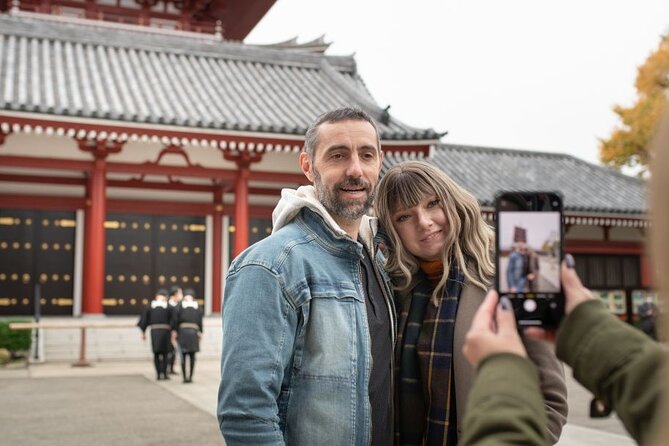
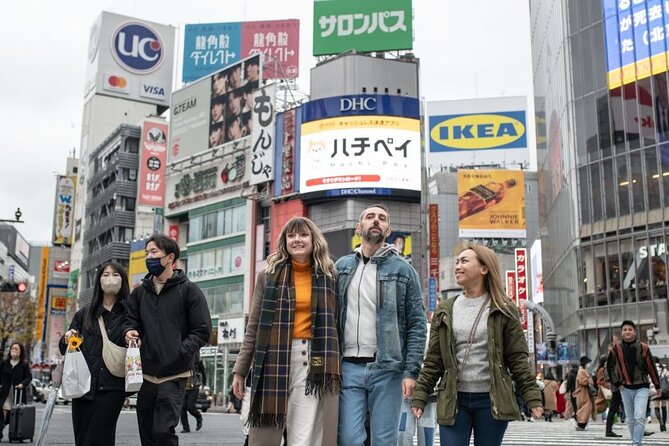
Shibuya is the obvious choice if you want Tokyo’s neon, department stores, crowded sidewalks, and famous crossing. Your host can help you take in the scene without treating it as the whole story. The area is exciting, but it is also busy and commercial, so the value lies in context and in knowing where to go next.
A private host can explain how Shibuya fits into modern Tokyo, then steer you toward streets or shops that match your interests. If you care about fashion, this area may deserve more time. If you prefer temples, small cafés, or local markets, you may want only a short look before moving on.
This is one place where the flexible format matters. A fixed group tour might spend too long at the crossing. Here, you can take your photos, ask questions, and leave when the area has given you what you came for.
Asakusa and Sensō-ji beyond the main gate
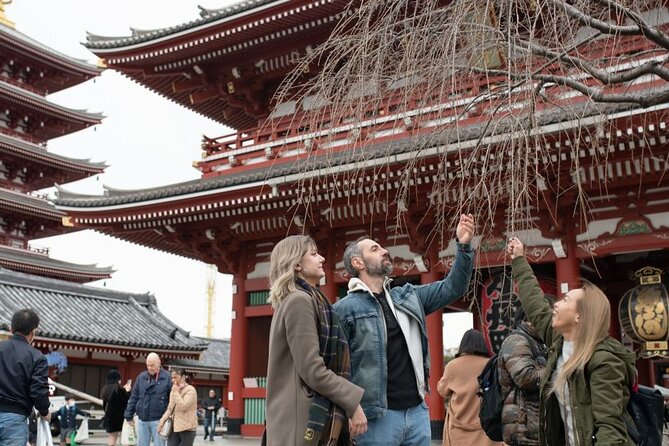
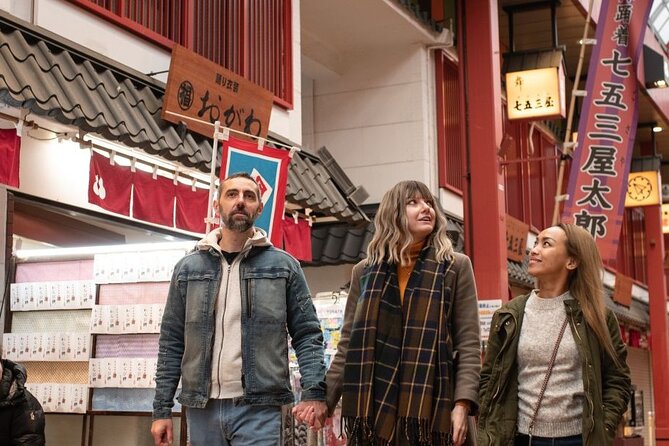
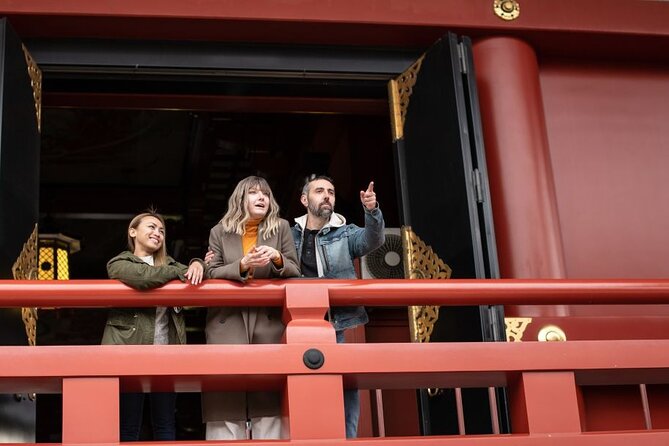
Asakusa offers a stronger sense of old Tokyo through Sensō-ji Temple, traditional streets, and historic back lanes. The main temple area can be crowded, but your host can explain how to approach the site and then lead you away from the busiest path.
This stop works well if you want cultural context rather than a quick temple photo. Your guide can discuss customs, shrines, temples, and everyday etiquette while you move through the district. The backstreets also give you a chance to see small shops and older architecture without leaving the central city.
Allow enough time to walk. The tour is built around walking, and Asakusa is more enjoyable when you are not rushing from gate to gate. If you have mobility concerns, say so early. Chiara adjusted the pace and added sitting breaks for a visitor dealing with pain, which shows why private guiding can be useful.
Same base, a different sort of day:
- Tokyo: teamLab Planets TOKYO Digital Art Museum Entry Ticket
★ 4.6 · 9,779 reviews - Mt Fuji & Hakone Cruise, Drum Show Bullet Train 1 Day from Tokyo
★ 4.0 · 7,413 reviews - Tokyo: Sumo Show Experience with Chicken Hot Pot and a Photo
★ 4.8 · 6,678 reviews - Tokyo: Shinjuku Food Tour (13 Dishes at 4 Local Eateries)
★ 5.0 · 6,603 reviews
Yanaka for quiet streets and small cafés
Yanaka is the calmer choice on this menu. Wooden houses, small temples, and family-run cafés create a slower neighborhood feel than Shibuya or Shinjuku. If you want a break from screens and crowds, this is a smart request for your host.
The appeal is not one grand sight. It is the accumulated detail of a residential area, with time to notice the small things and ask questions. Your host can help you understand how the neighborhood differs from Tokyo’s polished commercial centers.
Yanaka may not suit you if this is your only short visit and you want the most famous sights. It also requires the guide to make the ordinary feel meaningful. A good host can do that through stories and local context, but the experience depends more heavily on the person leading you.
Kappabashi Street, food tools, and Tokyo’s eating culture
Kappabashi Street is a fine pick for cooks, food lovers, and shoppers who want something more specific than department stores. The area is known for handmade knives, ceramics, and the realistic plastic food displays used outside Japanese restaurants.
You can learn about the tools and perhaps find a useful souvenir, though purchases are not part of the tour price. Your host can also help you connect the shopping area to Tokyo’s food culture. If you would rather eat than shop, explain that in advance, since meals and drinks are extra and chosen together on the day.
The guide may suggest a local lunch and help you order. One host did exactly that for a visitor after a short personalized walk. Hiroko also supplied a Japanese script for a child with a nut allergy, a practical touch that shows how pre-tour communication can matter for families.
Tokyo Skytree’s surrounding district
The Skytree area offers a different kind of Tokyo view, with modern scale and a neighborhood setting around one of the city’s best-known towers. The key point is that the surrounding district, not a guaranteed tower admission, is part of the possible route.
Entry fees are not included. If you want to go up the tower, confirm the plan and cost with your host after booking. You may instead spend your time looking at the area, walking through nearby streets, and learning how a major modern landmark fits into the older parts of the city.
This option is best for visitors who want a big visual landmark. If you want a slow cultural walk, Yanaka or Asakusa may suit you better.
Ginza, from luxury streets to specialty shops
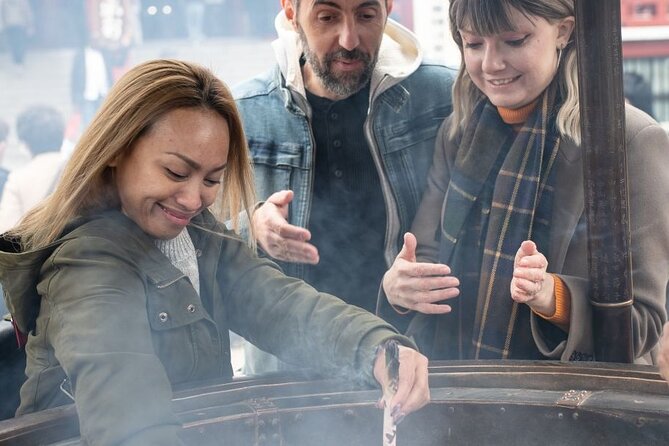
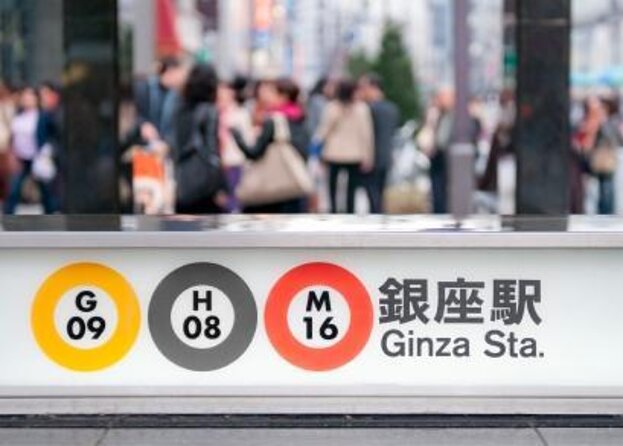
Ginza gives you polished Tokyo: department stores, luxury boutiques, broad avenues, and long-running specialty shops. It is a useful contrast with Asakusa or Yanaka, and your host can explain the mix of old commerce and modern retail.
You do not need to be a luxury shopper to enjoy Ginza. A private host can point out traditional stores and help you focus on design, food, architecture, or window shopping. If your budget is tight, remember that the district can tempt you into purchases, and those costs are entirely separate from the tour.
Ginza works especially well in a mixed itinerary. Pair it with a market or historic district rather than spending all your limited time on expensive storefronts.
Harajuku and Meiji Shrine in one compact route
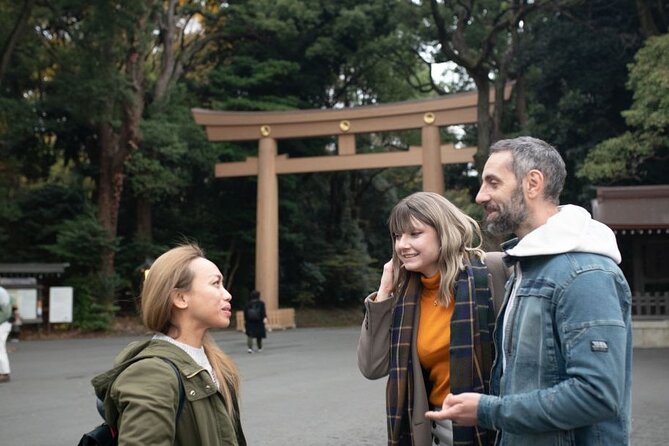
Harajuku is useful because it combines several sides of Tokyo in a small area. Takeshita Street brings pop culture, fashion, and youthful energy. Meiji Shrine offers a quieter setting among trees and traditional religious customs.
The contrast makes this one of the strongest choices for a first visit. You can see why Tokyo feels both extremely modern and deeply attached to older practices. Your host can explain shrine etiquette and help you read the area beyond its clothing shops.
The tradeoff is crowding around the best-known streets. A private guide can adjust the timing and route, but cannot make Takeshita Street empty. If you dislike crowds, ask to spend more time around Meiji Shrine or switch to Yanaka.
Shinjuku, observation decks, and old drinking alleys
Shinjuku changes quickly from tall office towers to narrow alleys and small izakayas. Your host can focus on views, food, nightlife atmosphere, or the area’s older corners, depending on what you want.
This is another place where an open route helps. A short booking might cover a quick orientation and an observation deck. A longer outing can give you more time for alleys and food suggestions, though drinks, meals, and admission fees are extra.
Shinjuku is not the best choice if you want a quiet, slow walk. It is better for visitors who enjoy contrast and want help deciding where to eat or how to move through a complicated district.
The everyday help that can make the tour worthwhile
The strongest part of this experience is often not a landmark. It is the small assistance that removes friction from your trip. Hosts have helped with train routes, hotel pickup, restaurant choices, lunch ordering, IC cards, and Shinkansen tickets.
Families can ask for a child-friendly route. Hiroko combined train practice with a Pokémon Center and animal cafés for a family with children aged five and ten. A nut allergy was also handled with a Japanese-language note for restaurants.
Older visitors may appreciate the private pace. One full-day outing was tiring but enjoyable because the guide adjusted the route and communicated clearly. Keep in mind that this remains a walking experience, so tell your host about pain, stamina, or the need for regular seats before the day starts.
The private setting also works for special moments. Apy helped a visitor plan a marriage proposal, including photos and a suitable location. That is not a promised feature, but it shows what can happen when you explain your plans early.
Guide quality and how to set expectations
The experience has earned a 4.9 rating from 1,177 reviews, with 97 percent recommending it. Many guides receive praise for warmth, flexibility, cultural explanation, and making the outing feel like time with a well-informed local friend.
Names that appear often in the feedback include Shoko, Chiara, Toshi, Amir, Apy, Noah, Lauren, Hiroko, Ayaka, Chisato, Kay, Kieran, Nobu, and Taka. Amir has led routes including fish markets, gardens, temples, and food markets. Noah has combined Harajuku, Meiji Shrine, Takeshita Street, and Tsukiji with train guidance and food advice.
There is one important caution. A two-hour outing around Omotesando, Meiji Shrine, and nearby streets received a poor assessment because the guide’s English and historical background did not meet expectations. You cannot assume every host has the same strengths. If fluent English, detailed history, or specialist food knowledge matters to you, state that clearly when communicating before the tour.
Timing, cost, and practical limits
You can book for about two to five hours. Two hours is enough for a focused neighborhood walk or a basic first-day orientation. Three hours gives you room to combine a major area with transport practice. Five hours is better if you want districts that require train transfers.
At $107.62 per person, the cost rises for a solo visitor but can be reasonable for a private group, especially when several people share the guide’s time. Group discounts are offered, though the exact saving is not provided. Compare the price with what you value: efficient navigation, personal pacing, and advice that can improve the rest of your stay.
Transport, food, drinks, and entry tickets are not included. You may use trains or local taxis between areas, and you should discuss those costs with your host after booking. The outing ends back at the meeting point, so confirm the exact return plan if your host meets you at central accommodation.
Free cancellation is available up to 24 hours before the start time. Changes or cancellations inside that window are not accepted for a refund.
Who should book this Tokyo walk
I would choose this for a first-time visitor who wants to get oriented quickly, a family with specific interests, or anyone who feels uneasy about Tokyo’s train network. It also suits repeat visitors who want neighborhood food, craft shops, quieter temples, or a local angle rather than another standard highlights tour.
You should think twice if you want a guaranteed list of sights, a private car, included admissions, or a formal specialist guide with a fixed lecture. This is a conversation-led walking experience, and its success depends on the host match and your preparation.
Should you book it?
Book it if you want Tokyo shaped around your pace and interests, especially at the start of a trip. Send a detailed questionnaire, name your must-sees, explain your walking ability, and state how much history or food advice you want.
Skip it if you prefer to plan every stop yourself or need admission to specific attractions included in the price. For most visitors who value practical help and a flexible local introduction, the private format offers good value, as long as you understand that the guide, not a fixed itinerary, is what you are buying.
FAQ
How long does the Tokyo private experience last?
The experience lasts approximately two to five hours.
What is the price?
The listed price is $107.62 per person. Group discounts are offered.
Is this a private tour?
Yes. Only your group participates in the private activity.
Can the host meet me at my accommodation?
The host can meet you at your accommodation if it is centrally located. The stated meeting point is NewDays Harajuku near the Omotesando Exit.
Is a private vehicle included?
No. This is a walking experience. Public transport or local taxis may be used between places, with those costs discussed separately.
Are food and drinks included?
No. Food and drinks are not included. You can choose them with your host on the day if you wish.
Are attraction entry fees included?
No. Entry fees are not included.
Is the itinerary fixed?
No. There is no guaranteed list of attractions. Your questionnaire, preferences, pace, and conversation with the host shape the route.
What can I request to see?
You can request areas and interests such as Shibuya, Asakusa, Yanaka, Ginza, Harajuku, Shinjuku, Kappabashi Street, Tokyo Skytree’s surrounding district, temples, markets, food, fashion, trains, and historic neighborhoods.
What is the cancellation policy?
You can cancel up to 24 hours before the experience starts for a full refund. Cancellations or changes made less than 24 hours before the start time are not accepted for a refund.
Just added in Tokyo
- 《MEMBERS-ONLY-BAR-HOPPING》Discover Your Special Whiskey in Tokyo!★ 5.0 · 29 reviews
- Japanese Whisky Hunting《HIGH-QUALITY-ONLY》Rare Tasting Class★ 5.0 · 20 reviews
- Luxury Tokyo Sake, Cocktail, Whisky and Pairing Tour★ 5.0 · 18 reviews
- Wagyu & Sake Pairing in Shinjuku – Steak, Shabu-Shabu & More★ 5.0 · 112 reviews
- Small-Group Wagyu Beef and 7 Japanese Dishes Tokyo Cooking Class★ 5.0 · 190 reviews
- Nikko: Edo Wonderland Edomura Cultural Theme Park Ticket★ 4.3 · 205 reviews
- From Tokyo: Private Tour to Fuji/Hakone – Onsen, Art, Nature★ 5.0 · 116 reviews
- Tokyo: KABUKI Show at Kabukiza Theatre Admission Ticket★ 4.8 · 152 reviews
Tours in Tokyo, compared.
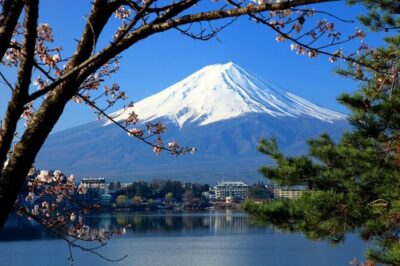
Mt Fuji and Hakone 1-Day Bus Tour Return by Bullet Train
Read our review →
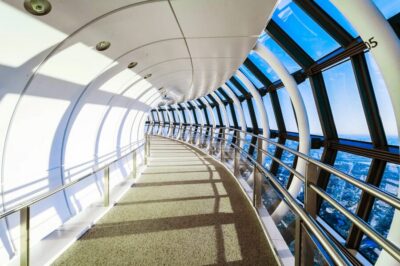
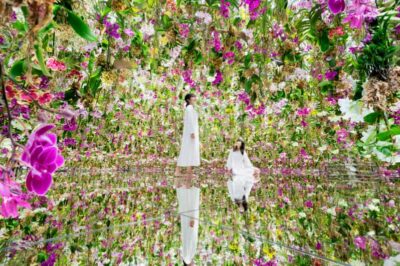
teamLab Planets TOKYO Digital Art Museum Entry Ticket
Read our review →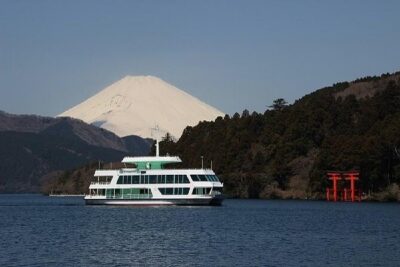
Mt Fuji & Hakone Cruise, Drum Show Bullet Train 1 Day from Tokyo
Read our review →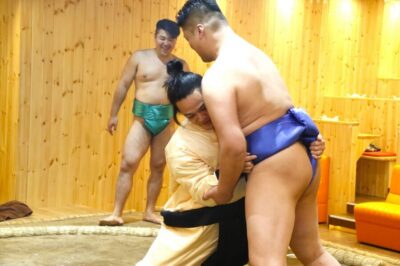
Sumo Show Experience with Chicken Hot Pot and a Photo
Read our review →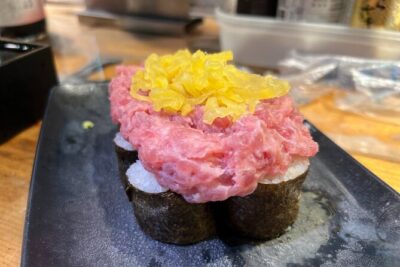
Shinjuku Food Tour (13 Dishes at 4 Local Eateries)
Read our review →
Tokyo Mt Fuji 5th St & Hakone Cruise Bus Tour w/Bullet Train
Read our review →Browse the lists this tour appears in