
Reviewed · TOURS IN TOKYO
Tokyo Shinjuku Food & Backstreet Culture Tour: 15 Dishes+3 Drinks
Shinjuku after dark is more than neon signs and giant video screens. This three-hour walk leads you into tiny izakayas, old drinking alleys, Kabukicho, and Golden Gai, with local food served along the way. I like the mix of street culture and Japanese dishes, and I like that guides such as Sakura, Kyle, Seiya, and Taka explain how to order and behave in places that can feel hard to enter alone.
The strongest part is the human touch. Guides help you try unfamiliar food, explain changing Japanese customs, and keep solo participants included. The catch is simple: this is a nightlife and culture walk with food, not a long restaurant dinner. The food stops can be limited, and the advertised title says three drinks while the included details specify two.
Key points to know before booking
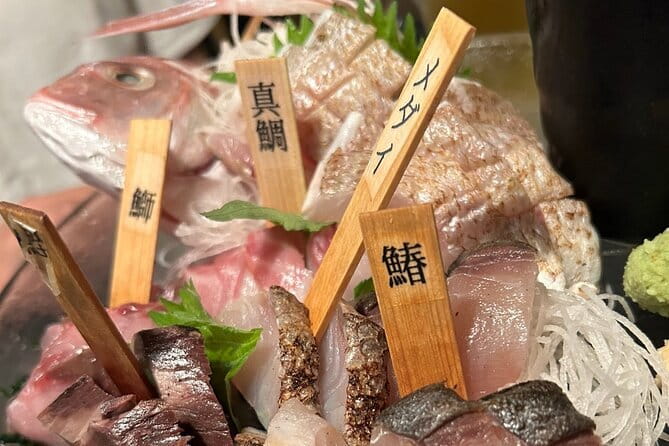
- Up to 15 Japanese dishes: Portions and selections vary by season, and solo bookings may receive a different number of dishes.
- Two included drinks in the details: Alcohol or soft drinks are available, though the tour title refers to three drinks.
- Shinjuku after dark: The route covers Omoide Yokocho, Kabukicho, Godzilla Road, Golden Gai, and the giant 3D cat display.
- Small local bars: You will visit compact izakayas and narrow nightlife lanes rather than large tourist restaurants.
- English-speaking guides: Sakura, Kyle, Seiya, Taka, Kei, and other guides have been praised for friendly conversation and clear cultural explanations.
- A social three-hour walk: The group is capped at 15 people, making it a useful choice for solo visitors and couples who want company at night.
What this Shinjuku night tour is really about
The food is only half the story. The other half is learning how Tokyo nightlife works when you are not simply following a restaurant app to a large chain.
You meet at the GUCCI Shinjuku M Square Store near Shinjuku-Sanchome. From there, the guide takes you through busy streets and back lanes, stopping for photographs, local history, food, and drinks. The evening ends near Shinjuku Station, unless you choose to remain at the last bar.
I would think of this as a guided night out with a food theme. You are not seated at one table for three hours, and you should not expect fifteen full meals. The portions are designed for sampling. That format lets you try more types of food, but it also means the experience may feel light if you arrive very hungry.
The group size has a maximum of 15 people. That is large enough to create a friendly social mood, but small enough for a guide to help with ordering and questions. The tour works especially well if you are traveling alone, arriving in Tokyo with little Japanese, or want a relaxed first look at Shinjuku nightlife.
Other experiences people book in Tokyo:
- Mt Fuji and Hakone 1-Day Bus Tour Return by Bullet Train
★ 5.0 · 26,383 reviews - 1-Day Tokyo Bus Tour
★ 5.0 · 14,250 reviews - Tokyo: TOKYO SKYTREE® Admission ticket
★ 4.5 · 11,192 reviews
Starting with the giant 3D cat and Shinjuku’s bright side
The first stop is the famous giant 3D cat display billboard. The cat moves and appears to meow, making it an easy photo stop and a quick introduction to Shinjuku’s playful visual style.
You spend about five minutes here, so do not expect a long presentation. Its value is practical: the meeting point gets the group together near a clear landmark, and you begin with a memorable picture before moving into older parts of the district.
This quick stop also sets up the evening’s main contrast. Shinjuku can look futuristic and polished under giant screens, yet a few minutes away you find cramped alleys, tiny bars, and postwar buildings.
Omoide Yokocho, old Tokyo in a narrow alley
Omoide Yokocho is one of the most atmospheric parts of the route. The alley is lined with small food stalls and bars, packed close together beneath signs and lanterns. It has an old Tokyo feel that is very different from the department stores and high-rise streets nearby.
You spend about 50 minutes here sampling traditional Japanese food and drinks. The guide helps you understand what you are eating and how to handle the local dining customs. That support matters because menus at small izakayas may not offer much English, and ordering several shared dishes can feel awkward without help.
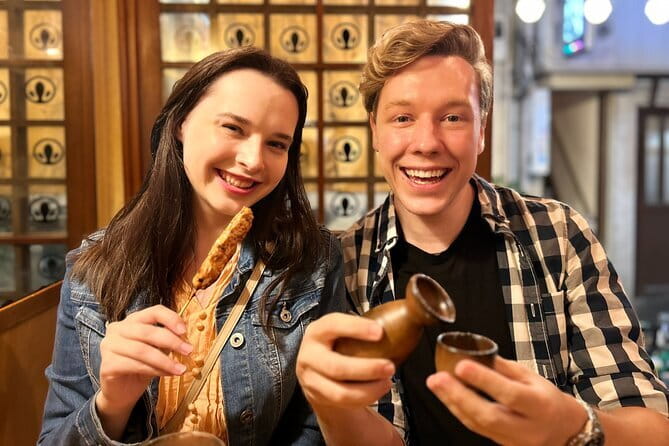
The food selections change with the season. Items mentioned in the experience include yakitori, grilled dumplings, soup dumplings, potato salad, beef offal stew, squid, and other unusual dishes. Some participants have also tried items such as salted squid guts, horse meat, century egg, and whole shrimp with eggs. You should treat these examples as possibilities, not a fixed menu.
Omoide Yokocho is a good place to try foods you might skip on your own. A guide can explain what is familiar, what is regional, and what might be an acquired taste. If you are cautious with offal, seafood, or strongly flavored dishes, tell the guide early, though substitutions are not guaranteed.
The drawback is the setting itself. These are small establishments, and seating can be tight. You are also moving through a busy alley, so this is not the right tour if you need quiet, private dining or a carefully controlled meal.
Godzilla Road and the playful side of Kabukicho

The next brief stop is Godzilla Head on Godzilla Road. The giant figure towers over the area and has become one of Shinjuku’s best-known landmarks.
The stop lasts about five minutes, mainly for photographs and a bit of local context. It is not a major food stop, but it breaks up the evening and gives you a clear marker as the route moves farther into Kabukicho.
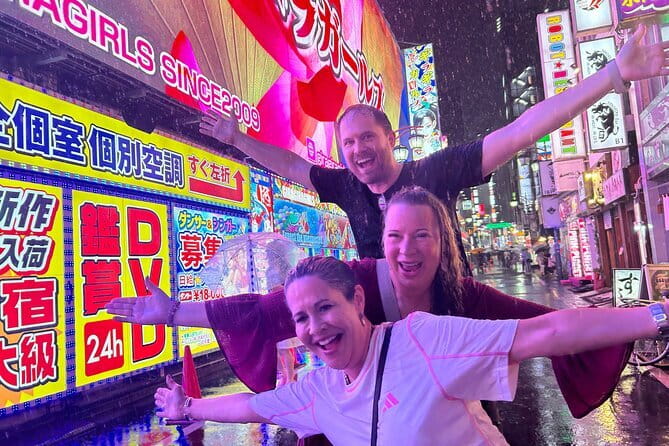
Kabukicho has a complicated reputation. It is Tokyo’s best-known entertainment district, with restaurants, bars, arcades, theaters, nightlife venues, and adult-oriented businesses sharing the same broad area. A guide gives you context and helps you see more than the district’s flashy surface.
The tour description says the guide has local work experience in the area. That can add useful perspective, especially when explaining how the district has changed and how to move through it respectfully. Still, you should expect an evening walk through a busy nightlife zone, not a formal historical lecture.
Same base, a different sort of day:
- Tokyo: teamLab Planets TOKYO Digital Art Museum Entry Ticket
★ 4.6 · 9,779 reviews - Mt Fuji & Hakone Cruise, Drum Show Bullet Train 1 Day from Tokyo
★ 4.0 · 7,413 reviews - Tokyo: Sumo Show Experience with Chicken Hot Pot and a Photo
★ 4.8 · 6,678 reviews - Tokyo: Shinjuku Food Tour (13 Dishes at 4 Local Eateries)
★ 5.0 · 6,603 reviews
Kabukicho, local food, and the value of a guide
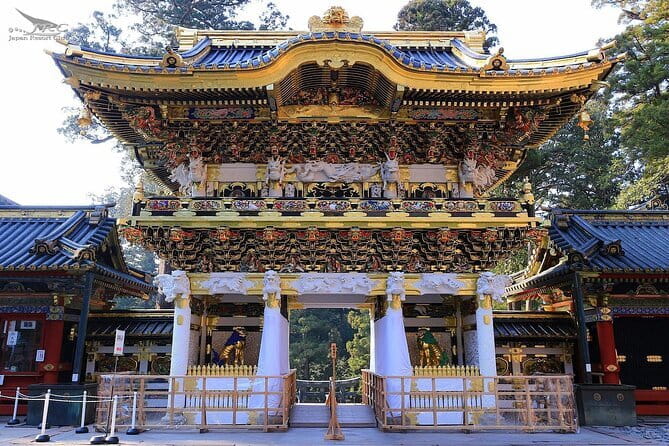
The longest section lasts about one hour and forty minutes. This is the heart of the experience, combining food stops, nightlife streets, and cultural explanation.
You may visit more than one small establishment, although the exact number can change. One important point is worth stressing: the title promises 15 dishes and three drinks, while the included information says 15 dishes and two drinks. Confirm the drink count when booking if that affects your decision. The included drinks can be alcoholic or non-alcoholic, and extra orders are available if you pay directly at the bar.
The food is served in tasting portions. Depending on the stops and the season, you might sample dumplings, skewered chicken, stews, salads, seafood, fried items, or dishes that are less familiar to many international visitors. One especially praised part of the experience has been the dumplings, while other meals have included a wide range of textures and flavors.
This is where the guide’s role makes the price easier to understand. You are paying not only for food, but also for access, translation, ordering help, and explanations about Japanese eating and drinking manners. The guide can tell you when to share a dish, how to use the menu, and what behavior is polite in a small bar.
The guides named in the supplied material include Sakura, Kyle, Seiya, Taka, and Kei. Their personalities will differ, but the best feedback centers on the same qualities: warm conversation, strong English, energy, and an ability to make a mixed group feel comfortable.
Sakura receives particularly warm praise for explaining culture, history, language, and changing social norms. Kyle is described as fun and considerate, including during bad weather. Seiya is noted for fluent English and a friendly manner. Taka and Sakura have also led evenings with multiple food and drink stops.
That human element matters most if you are nervous about entering an izakaya alone. A guide can remove the uncertainty of where to sit, what to order, and how much food to share. You also get a chance to ask questions that a standard sightseeing walk would not cover.
Golden Gai and the small-bar atmosphere
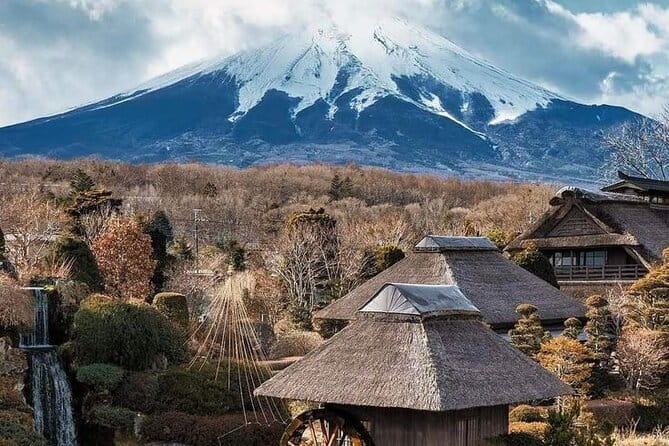
Golden Gai is known for its narrow lanes and more than 200 tiny bars. The area preserves some of Tokyo’s postwar architecture, with compact buildings and bars squeezed into spaces that can feel almost miniature.
You will likely walk through the area as part of the Kabukicho section, and the final bar may be included depending on the evening’s route. The tour can disperse at the bar if you want to remain there, giving you the option of extending the night on your own.
Golden Gai is visually fascinating, but it is not a place where every door is meant for a large group of outsiders. Having a guide helps you understand the setting and avoid treating the neighborhood like a theme park. Keep your voice down, follow the guide’s instructions, and ask before taking photographs inside bars.
This section will appeal to you if you like old buildings, narrow lanes, and nightlife with a strong sense of place. It may not suit you if you dislike crowded streets, alcohol-focused settings, or venues with very limited space.
What you may eat and drink
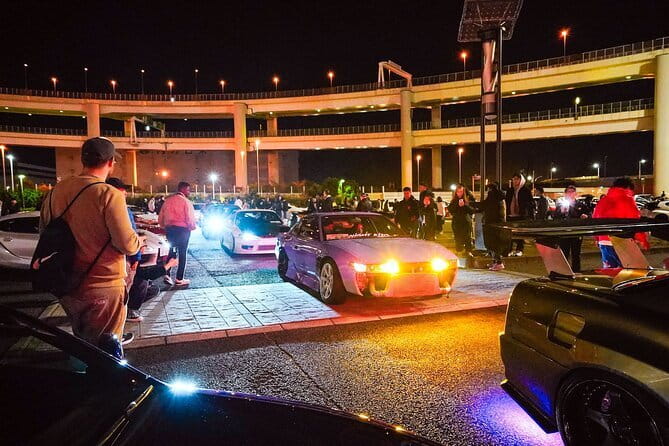
The tour includes up to 15 selected Japanese dishes, with the menu changing by season. The supplied examples show how broad the range can be:
- Yakitori and other grilled foods
- Grilled or soup dumplings
- Potato salad and stews
- Seafood and squid dishes
- Fried horse meat
- Century egg
- Shrimp served whole with eggs
- Taiyaki for dessert
Not every group will receive all of these. The route, season, restaurant availability, and group size affect the menu. One less favorable account described only two food venues and found the food average, which is a useful warning against expecting a nonstop eating marathon.
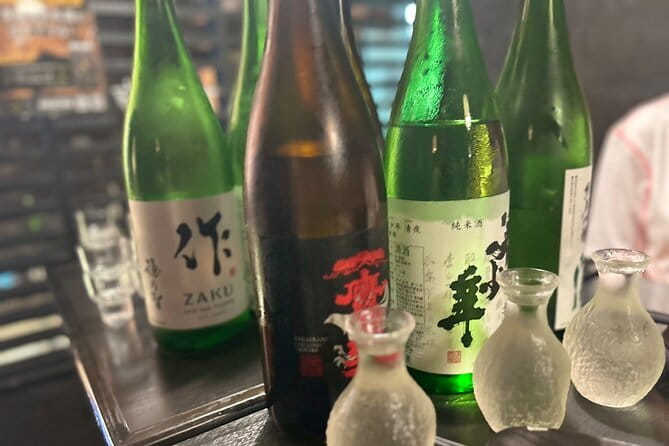
The drink allowance also needs careful reading. The included details list two drinks, alcoholic or non-alcoholic, while the tour name refers to three. Possible drinks mentioned include draft beer, lemon sours, whiskey highballs, tea with shochu, and soft drinks. Participants under 20 receive soft drinks because alcohol is prohibited in Japan for anyone younger than 20.
If you want more food or drinks, you can order additional items and pay at the venue. That gives you some control, but it also means the final cost can rise above the $100 tour price.
Is $100 a fair price?
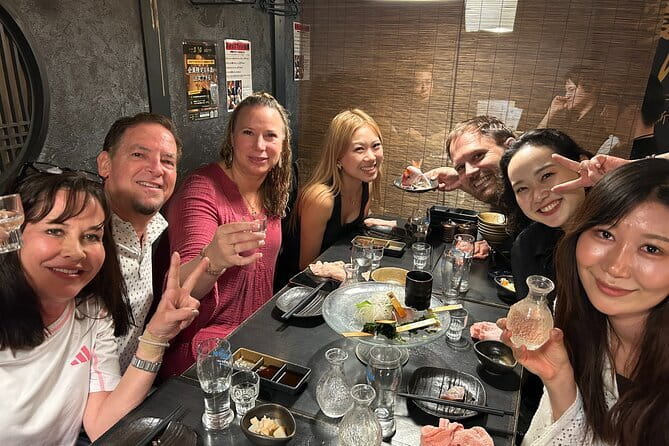
At $100 per person, this is not a bargain food crawl, especially if you judge value only by the amount of food. The included dishes are tasting portions, and the number of actual food venues can vary.
The price makes more sense if you value the guide, translation, cultural explanation, and access to small nightlife spots. You also receive photos taken during the tour, which is a useful extra if you are traveling alone and want more than quick phone snapshots.
I would compare this with the cost of making several uncertain orders on your own. In a small izakaya, you may need to deal with Japanese menus, unfamiliar customs, minimum orders, and payment rules. The tour bundles those challenges with a guide and a fixed itinerary.
For a serious food enthusiast who wants large portions and a carefully designed tasting menu, $100 may feel high. For a first night in Tokyo, a solo visitor, or someone eager to try local dishes without language stress, the price is easier to justify.
Who should book this experience?
I would recommend it most strongly to:
- Solo visitors who want company at night
- First-time visitors to Tokyo
- People curious about izakayas and Japanese drinking customs
- Couples who want an informal evening beyond major sights
- Food lovers willing to try unfamiliar ingredients
- Visitors who enjoy walking through nightlife districts
- Anyone who wants practical help with Japanese menus and ordering
You should think twice if you have serious allergies or strict dietary rules. The food is prepared outside the tour company’s kitchen, so allergy-free meals cannot be guaranteed. Substitutions may not be possible at every stop, although the guide may try to make up for missed items elsewhere.
Children can participate when accompanied by an adult, but the nightlife setting and alcohol focus may make this a better fit for adults. The route is also not designed as a formal fine-dining experience.
Practical details for a smoother evening
Use the mobile ticket and arrive at the GUCCI Shinjuku M Square Store meeting point with enough time to find the group. The tour provider asks you to download WhatsApp because day-of communication uses that service.
Wear comfortable shoes. The route lasts about three hours and includes walking through busy streets and narrow lanes. Shinjuku Station has many exits, so pay close attention to the final directions from the guide.
Bring an appetite, but do not skip every meal beforehand if you need a full dinner. The tour includes many samples, yet the amount can vary, particularly for solo bookings. You may also want a small amount of extra spending money for optional food or drinks.
Free cancellation is available until 24 hours before the start time. Cancellations within 24 hours are not refunded, and late changes are not accepted.
Should you book the Shinjuku Food and Backstreet Culture Tour?
Book it if your goal is to understand Shinjuku through small bars, shared dishes, local etiquette, and night streets that are difficult to navigate alone. The best part is the guide-led access to food and culture, not the promise of a huge meal.
Skip it if you want a fixed menu, guaranteed allergy accommodations, large portions, or a quiet dinner. Also clarify the included drink count, since the title and details do not match.
For most first visits, I would place this early in a Tokyo stay. You can learn what to order, how to behave in an izakaya, and which kinds of Shinjuku nightlife appeal to you. The three-hour format leaves the rest of the evening open, and you finish near Shinjuku Station with a better sense of where to go next.
FAQ
How long does the Shinjuku food tour last?
The experience lasts approximately three hours.
Where does the tour begin?
It begins at the GUCCI Shinjuku M Square Store, located at Newno GS Shinjuku 1F in Shinjuku City.
Where does the tour end?
The tour ends in front of Shinjuku Station. If you want to remain at the final bar, you may disperse there instead.
How many dishes are included?
The included details specify 15 carefully selected Japanese dishes. The menu varies by season, and solo bookings may receive a different number of dishes.
How many drinks are included?
The included information specifies two drinks, alcoholic or non-alcoholic. The tour title refers to three drinks, so confirm the exact allowance before booking.
Can people under 20 join?
Yes, children must be accompanied by an adult. Anyone under 20 receives soft drinks because alcohol is prohibited in Japan for people younger than 20.
Can the tour accommodate food allergies?
Allergy-free meals cannot be guaranteed because the food is prepared outside the tour company’s kitchen. Substitutions may not be available at every stop.
Are extra food and drinks available?
Yes. Additional orders can be made at the venues, but you must pay for them directly.
How many people can join the tour?
The maximum group size is 15 participants.
What happens if I need to cancel?
You can receive a full refund if you cancel at least 24 hours before the experience start time. Cancellations or changes made within 24 hours are not accepted and are not refunded.
Just added in Tokyo
- Luxury Tokyo Sake, Cocktail, Whisky and Pairing Tour★ 5.0 · 18 reviews
- Wagyu & Sake Pairing in Shinjuku – Steak, Shabu-Shabu & More★ 5.0 · 112 reviews
- Small-Group Wagyu Beef and 7 Japanese Dishes Tokyo Cooking Class★ 5.0 · 190 reviews
- Nikko: Edo Wonderland Edomura Cultural Theme Park Ticket★ 4.3 · 205 reviews
- 《MEMBERS-ONLY-BAR-HOPPING》Discover Your Special Whiskey in Tokyo!★ 5.0 · 29 reviews
- Japanese Whisky Hunting《HIGH-QUALITY-ONLY》Rare Tasting Class★ 5.0 · 20 reviews
- From Tokyo: Private Tour to Fuji/Hakone – Onsen, Art, Nature★ 5.0 · 116 reviews
- Tokyo: KABUKI Show at Kabukiza Theatre Admission Ticket★ 4.8 · 152 reviews
Tours in Tokyo, compared.
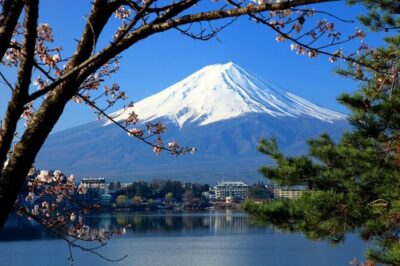
Mt Fuji and Hakone 1-Day Bus Tour Return by Bullet Train
Read our review →
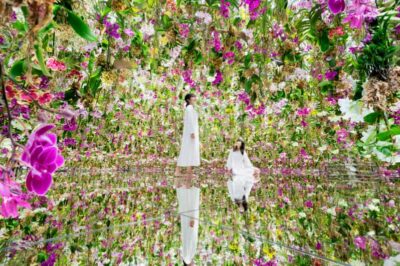
teamLab Planets TOKYO Digital Art Museum Entry Ticket
Read our review →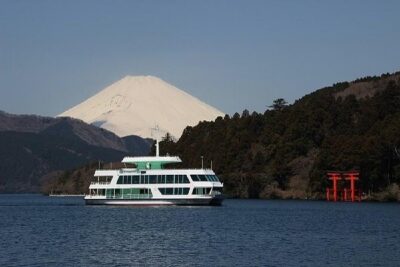
Mt Fuji & Hakone Cruise, Drum Show Bullet Train 1 Day from Tokyo
Read our review →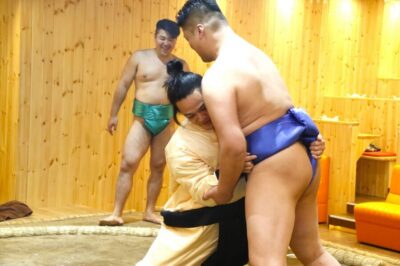
Sumo Show Experience with Chicken Hot Pot and a Photo
Read our review →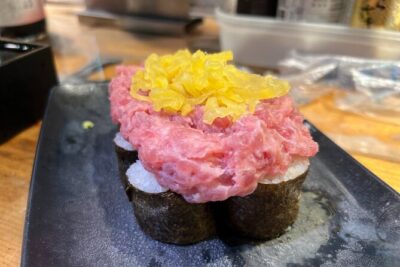
Shinjuku Food Tour (13 Dishes at 4 Local Eateries)
Read our review →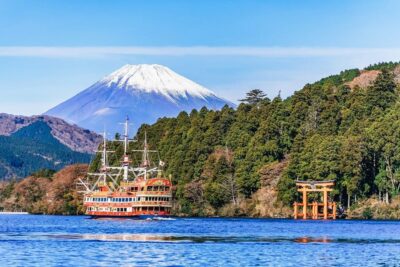
Tokyo Mt Fuji 5th St & Hakone Cruise Bus Tour w/Bullet Train
Read our review →Browse the lists this tour appears in