
Reviewed · CRUISES & BOAT TOURS
Kyoto Amanohashidate,Ine Bay Trip with Optional boat/Ropeway
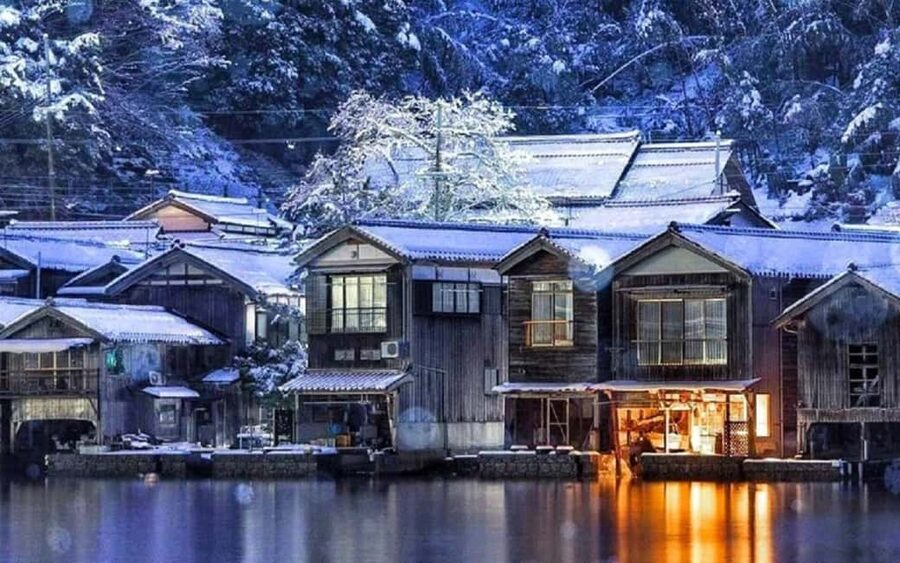
Ine Bay gives this day trip its real character. Its wooden funaya houses open directly onto calm water, with boats stored below and living quarters above. I like the chance to see an old fishing village that feels very different from Kyoto, and I like the contrast between quiet Ine and the broader views from Amanohashidate.
The boat ride can be a lot of fun, especially when seagulls and falcons follow the vessel. I also like the freedom built into the day: your guide explains the plan, then you have time to walk, take photographs, and choose optional rides. The main drawback is the long coach journey, around two and a half hours each way, with only about 40 minutes in Ine on some departures.
Key points to know before you book
- Ine’s boat houses are the star: See traditional funaya homes with boat storage on the ground floor and living space above.
- The coach ride is long: Plan on about five hours of road time during this 10-hour day.
- The boat and ropeway add variety: Check the option you book, since these activities may be optional extras.
- Amanohashidate offers two views: See the sandbar from above, then walk beside the water and across the sandy route.
- Chionji Temple adds a cultural stop: Try its distinctive fan-shaped omikuji fortune.
- This suits independent sightseers: The guide handles transport and timing, while you explore each stop at your own pace.
Why this northern Kyoto day trip is worth considering
Kyoto has no shortage of temples and traditional streets. This excursion takes you somewhere with a different rhythm: the northern coast of Honshu, where fishing boats, sea air, and mountain-framed water replace the city’s narrow lanes.
For $63 per person, the value comes mainly from the transportation. Ine and Amanohashidate are far enough from Kyoto that arranging both by yourself takes planning, transfers, and a full day. Here, an air-conditioned coach, driver, parking, fuel, and expressway tolls are covered. You also get a multilingual guide in English, Japanese, or Traditional Chinese.
I would not book this for a slow gourmet day or a deeply guided cultural tour. Food and drinks are not included, and one recent departure allowed only about 40 minutes in Ine. Instead, think of it as an efficient coastal sampler with scenic stops and a good amount of free time.
Recent guides have included Jay, Matthew, Liu, Maxey, and Amy, though the person leading your departure will depend on the date. Jay has been praised for keeping people informed, while Matthew used a group messaging service to reinforce the day’s details. The guiding style can vary, but the setup is clear: you receive transport, explanations, meeting instructions, and a schedule, then explore on your own.
Other mountain routes reached from Kyoto:
- Tokyo: Mt. Fuji Tour, Hakone Ropeway, Owakudani, Lake Ashi
★ 4.7 · 4,002 reviews - Mt. Fuji Tours with Kawaguchi Lake Ropeway View English Speaking
★ 4.5 · 519 reviews - Mt. Fuji & Lake Kawaguchiko Ropeway Panorama Full-Day Tour
★ 4.6 · 236 reviews
The long ride from Kyoto or Osaka
You can board at Kyoto Station’s Hachijoguchi area or at Nipponbashi Station Exit 2 in Osaka, depending on the option you choose. The final meeting point and pickup details arrive by email the evening before, so check your inbox and spam folder carefully.
The ride to the northern coast takes about two and a half hours. That is a serious chunk of the day, but it is also what makes the tour practical. You are not worrying about driving, parking, or connecting between rural transport services.
Bring water, food, and cash. The food choices near the stops can be limited, and one small convenience store may not be enough for everyone’s lunch needs. A packed snack is the sensible move, especially if you prefer not to spend your free time hunting for a meal.
Traffic can alter the order of stops or shorten a visit. Weekends, public holidays, and peak seasons are the most likely times for delays. I would not schedule a train, dinner reservation, or another paid activity immediately after the return time.
Ine Bay and the boat houses
The first major stop is Ine Bay, a calm inlet where the sea sits between wooded hills and the village shoreline. The water gives the place a quiet, almost sheltered feel. This is not a large resort town. Its appeal is the relationship between the houses, boats, and bay.
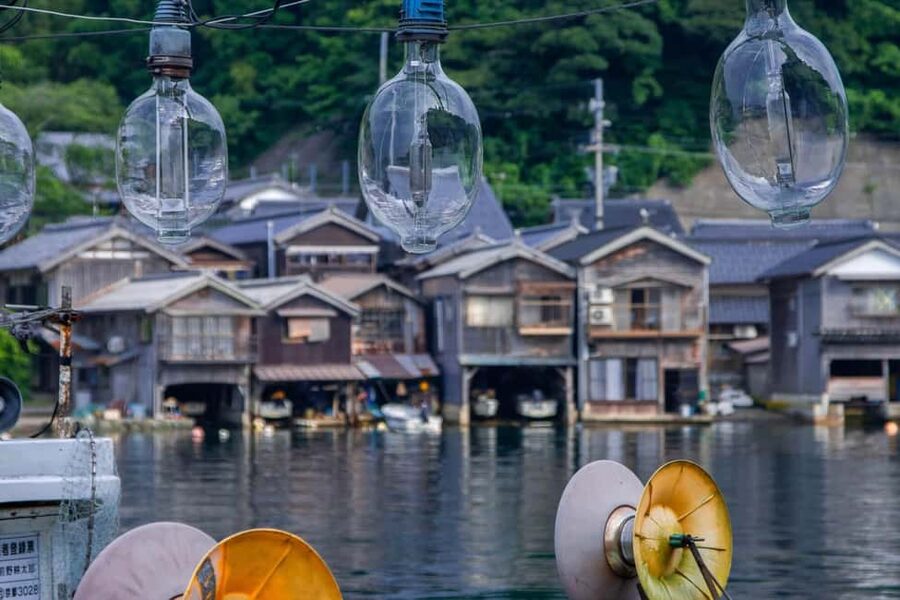
Ine’s funaya are unusual two-story wooden homes. Boats traditionally occupy the lower level, while the family living space sits above. The arrangement reflects a fishing community shaped by the water, not a village that merely happens to be beside it.
You can walk around Ineura Park for close views of the architecture and spend time on the quiet streets. Bring your camera, but do not treat the houses as a stage set. They are part of a living community, so keep voices low and avoid blocking private entrances.
The scheduled free time may feel short. The general plan allows about an hour for the Funaya area, while one departure had only 40 minutes in Ine. That is enough for photographs and a brief walk, but not necessarily enough for a long café stop and a relaxed exploration. If Ine is your main reason for booking, check the exact timing before you commit.
The sightseeing boat and its noisy welcome
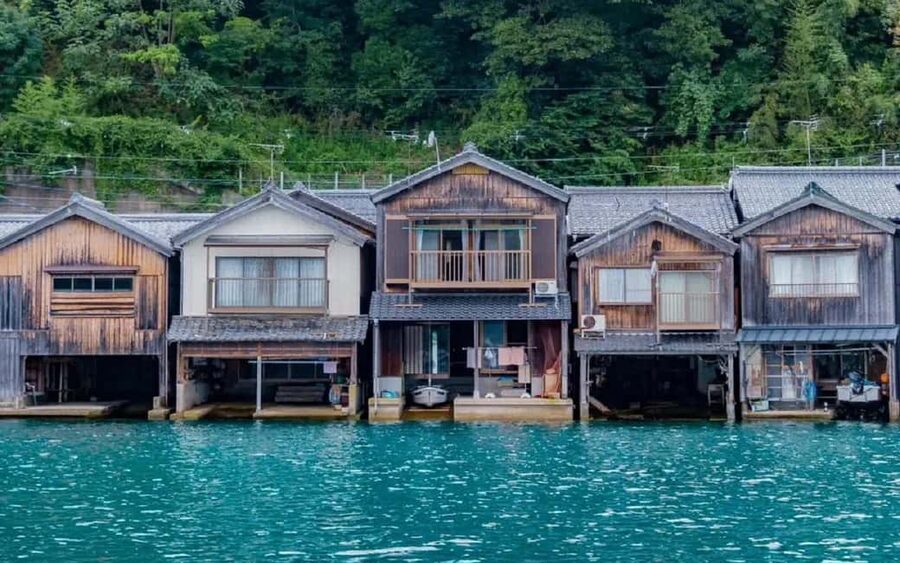
A boat ride gives you a better sense of how the funaya relate to the shoreline. From the water, you can look back at the wooden facades and see the village as a continuous strip along the bay. It is a simple ride, but the viewpoint changes the experience.
Seabirds often gather around the boat. You may be able to feed seagulls, and falcons can also follow the vessel. That makes the ride lively, though anyone expecting a quiet cruise should know that the birds can be close and surprisingly energetic.
Follow the crew’s instructions about feeding and keep an eye on your belongings. The activity information specifically warns about eagles and seabirds at both Ine and Amanohashidate. The boat is an optional activity in the booking information, so confirm whether it is included in your selected package or paid separately on the day.
The boat was a favorite part for several recent departures, but the experience is not polished sightseeing in the European sense. It is short, informal, and tied to the local setting. That is exactly why it works.
Same base, a different sort of day:
- PERFECT KYOTO 1-Day Bus Tour
★ 5.0 · 13,518 reviews - Kyoto: Fushimi Inari, Kinkakuji, Bamboo Grove 1 Day Bus Tour
★ 4.8 · 4,316 reviews - Kyoto: Tea Ceremony in a Traditional Tea House in Kiyomizu
★ 4.9 · 3,519 reviews - Kyoto Geisha Walking Tour: Gion District & Hidden Gems
★ 4.7 · 3,273 reviews
Amanohashidate from the Viewland observatory
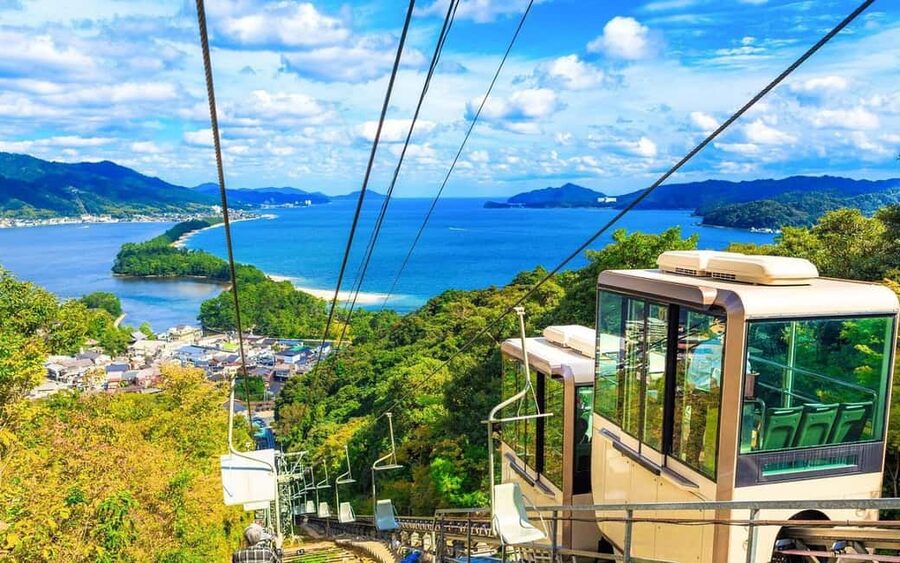
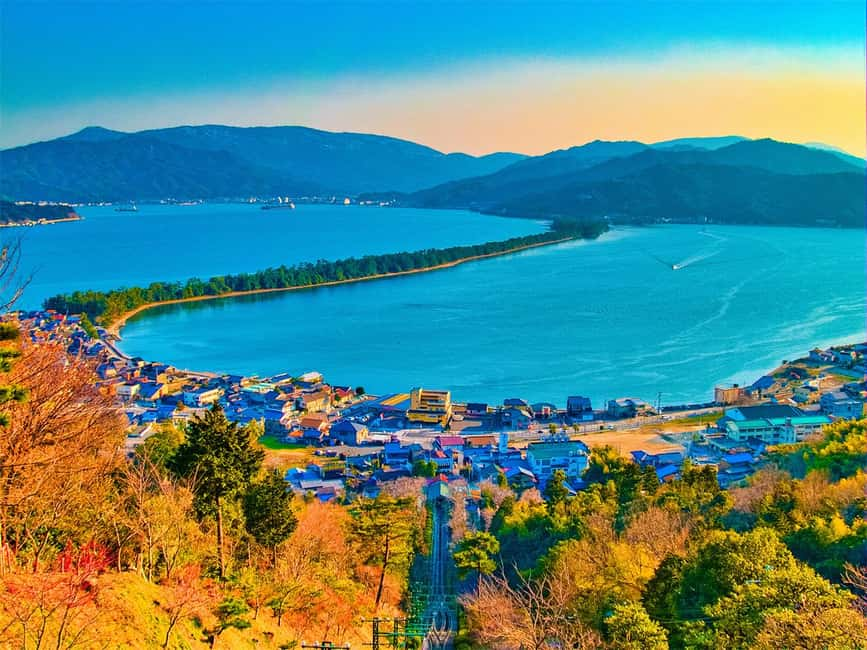
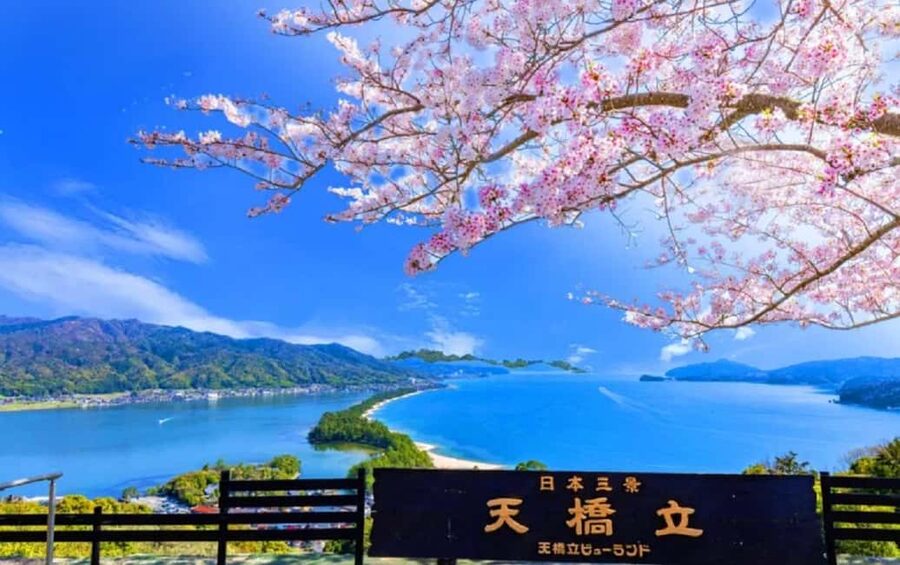
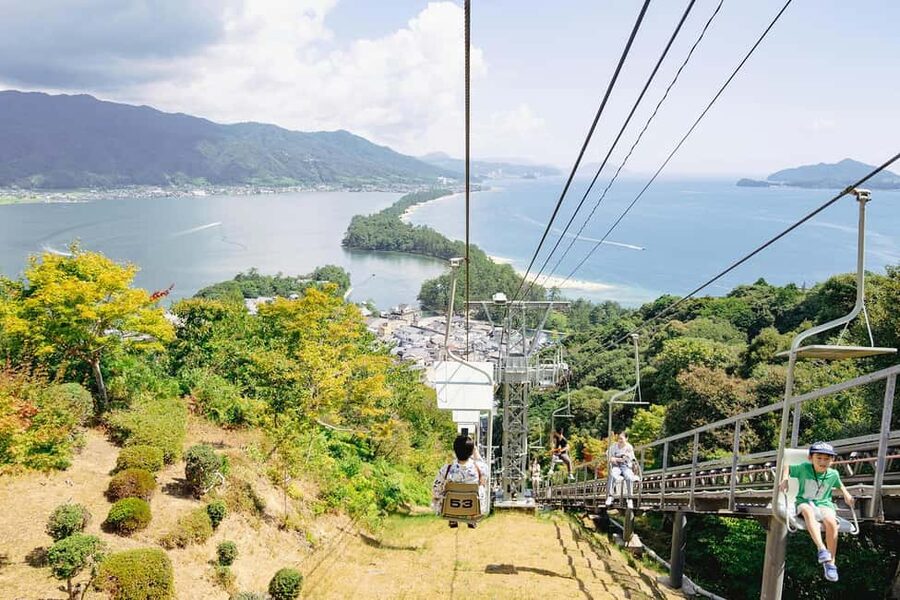
After Ine, the coach takes about 30 minutes to Amanohashidate. The area is known for a long sandbar extending across the bay. From the observatory, the strip of land can look like a dragon stretching through the sky, which explains the poetic name associated with the site.
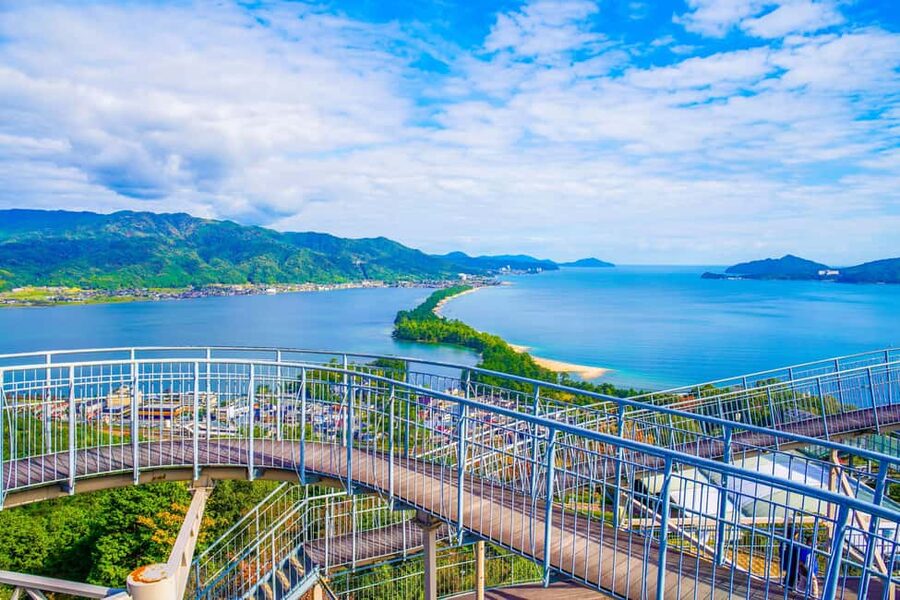
The cable car or ropeway ride is optional. At the top, you get a broad view of the sandbar, water, and surrounding hills. The ride itself adds a little fun to the stop, and recent departures have described the chairlift or monorail as a highlight.
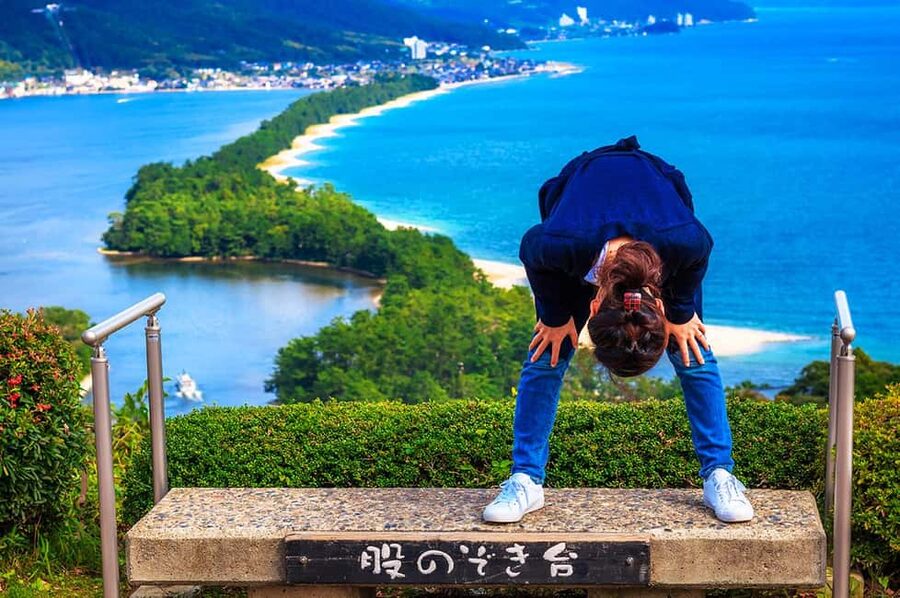
Amanohashidate is famous for the matanozoki viewing style, where you bend forward and look at the sandbar upside down between your legs. The view reverses the scene, making the sandbar appear to rise toward the sky. It is a playful photo opportunity, but the high point is still the regular panorama.
The stop lasts around two and a half hours, which gives you more breathing room than Ine. You can take the optional ride, visit Chionji Temple, cross the rotating bridge, walk along the sandbar, and still leave space for photographs. Timing can change with traffic, so do not assume every departure will follow the same order.
Chionji Temple and the fan-shaped fortune
Chionji Temple is close to the Amanohashidate area and is dedicated to Monju Bosatsu, the Bodhisattva associated with wisdom. People come here to pray for academic success, career progress, and a clear mind.
The temple’s most memorable detail is its fan-shaped omikuji. Instead of a plain paper strip, the fortune comes in a form that connects neatly with the temple’s setting and makes a pleasant keepsake. If you draw an unfavorable fortune, follow the usual temple custom for dealing with it rather than carrying the worry through the afternoon.
This is a compact visit, not a lengthy temple tour. You will have time to look around, take photographs, and understand why the site matters, but the larger Amanohashidate area receives most of your free time.
Walking the sandbar and crossing the rotating bridge
A rotating bridge connects the mainland side with the route toward Amanohashidate. When it turns to let boats pass, the crossing becomes part of the attraction rather than just a piece of infrastructure.
Beyond it, the path follows a sandy route beside the water. You can walk with waves on one side and trees and open views nearby. The experience is gentle rather than strenuous, but you should still wear comfortable shoes because the day includes village streets, temple grounds, paved routes, and walking near the shore.
This is where the trip slows down. After the long bus ride and the lively boat, the sandbar offers a chance to walk without rushing. You do not need to cover every part of it to enjoy the setting. Use your free time for a short stroll if you are saving energy, or walk farther if you want a stronger sense of the coastline.
What the $63 price really covers
At $63, this is a strong transport value if you want both destinations in one day. The price includes pickup and drop-off at designated points in Kyoto or Osaka, an air-conditioned vehicle, a professional driver, parking, fuel, expressway tolls, and a multilingual guide.
The price does not include meals, drinks, personal purchases, or necessarily the optional boat and ropeway activities. Those extras can change the final cost, so check the exact package before booking.
You are paying for reach and convenience more than luxury. The coach was described as comfortable and warm on some recent departures, though one account noted that the initial seating felt tight before the group found a workable solution. The vehicle type depends on group size and cannot be chosen ahead of time.
Who will enjoy this day most
You should consider this trip if you want to see the Sea of Japan coast without renting a car. It also suits you if you like scenic stops, short walks, photography, and a little freedom rather than constant guide narration.
It works especially well for:
- First-time visitors who want a simple route to remote coastal sights
- Couples and families looking for a full-day outing beyond central Kyoto
- People who enjoy traditional buildings and natural views in equal measure
- Visitors staying in Kyoto or Osaka who do not want to manage rural connections
- Anyone happy to spend several hours on a coach to reach places that are difficult to combine independently
You may want another plan if you dislike long road journeys, need a firm return time, or want plenty of time for a sit-down meal. Ine is small, and the schedule may not allow for leisurely café time there.
Practical advice for a smoother day
Arrive early at the correct meeting point. Late arrivals and no-shows are not refundable, and the pickup instructions may vary by booking option. Since buses can be delayed, look for the guide or vehicle calmly, but do not assume you can join after departure.
Wear shoes suited to walking and bring a light layer for the coast. The day includes open water, a sandy path, temple grounds, and elevated viewpoints. Weather can also change the feel of the experience. Rain does not remove the main attractions, but it can reduce visibility from the observatory and make the walking route less comfortable.
Keep cash handy. Some places may not accept credit cards, and you will need to pay for any food, drinks, souvenirs, or optional activities not covered by your package.
The tour operates as a shared group with people from several countries. Explanations may be given in multiple languages, so the pace can feel less personal than a private tour. On the positive side, the shared format keeps the price low and removes the need to coordinate the day yourself.
Should you book the Ine and Amanohashidate trip?
I would book it if your priority is seeing two distinctive northern Kyoto sights in one organized day for a modest price. Ine’s funaya, the bird-filled boat ride, Amanohashidate’s high view, and the quiet sandbar walk give the day a good mix of culture, water, and scenery.
I would skip it if the thought of five hours on a coach makes you miserable, or if your ideal day includes long meals and unhurried time in one village. For most people, the best approach is to bring food, confirm the optional activities, wear comfortable shoes, and accept that traffic may adjust the schedule.
The experience earns its value through access. It gets you to places that are hard to fit into a Kyoto visit on your own, while leaving enough free time for you to choose your pace.
FAQ
How long does the Kyoto Amanohashidate and Ine Bay trip last?
The experience lasts about 10 hours. Travel time is around two and a half hours each way between the Kyoto area and the northern coast, with about 30 minutes between Ine and Amanohashidate.
Where can I join the tour?
The available starting points are Nipponbashi Station Exit 2 and Kyoto Station’s Hachijoguchi area. Your exact meeting point depends on the option you book.
Where does the tour finish?
Drop-off is available at Kyoto Station’s Hachijoguchi area or Nipponbashi Station Exit 2, depending on your selected departure.
Is the boat ride included?
The boat ride is described as an optional activity. Check the details of your selected booking option to confirm whether it is included or requires an additional payment.
Is the cable car or ropeway included?
The cable car or ropeway is also presented as an optional activity. Confirm the package details before booking.
What languages are supported?
Live guiding is available in English, Japanese, and Traditional Chinese.
Are meals and drinks included?
No. Food and drinks are not included. You should bring food and water, especially because food choices may be limited during the stops.
Should I bring cash?
Yes. Some locations may not accept credit cards, so cash is recommended for food, personal expenses, and any optional activities not covered by your booking.
Can I cancel for a full refund?
You can cancel up to 24 hours before the activity for a full refund. Late arrivals and no-shows are not eligible for refunds.
Will the vehicle type be confirmed in advance?
No. The vehicle is arranged according to group size and cannot be specified ahead of time.
Just added in Kyoto
- Private Cooking Class Udon in Kyoto Japan★ 5.0 · 23 reviews
- Your Private Vacation Photography Session In Kyoto★ 5.0 · 110 reviews
- Kyoto: Zen Meditation at a Private Temple with a Monk★ 5.0 · 25 reviews
- Private Pewter Sake Cup Experience with a Kyoto Artisan★ 5.0 · 31 reviews
- Kyoto Wagashi(Japanese sweets) Cooking Class near Fushimiinari★ 5.0 · 60 reviews
- Kyoto:Family-Friendly Kimono & Yukata Experience at WARGO★ 5.0 · 147 reviews
- Private Guided Traditional Buddhist Cooking in Japan★ 5.0 · 16 reviews
- Kyoto: Gion Geisha District & Sake-in-Hand Walking Tour★ 5.0 · 37 reviews
Cruises & Boat Tours, compared.
Mt Fuji & Hakone Cruise, Drum Show Bullet Train 1 Day from Tokyo
Read our review →
Tokyo Mt Fuji 5th St & Hakone Cruise Bus Tour w/Bullet Train
Read our review →
Meiji Shrine, Asakusa, Skytree Bus Tour and Cruise
Read our review →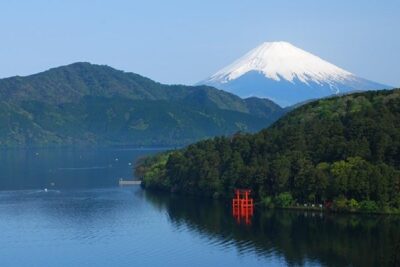
Mt Fuji & Hakone Cruise, Drum Show Bus 1 Day from Tokyo
Read our review →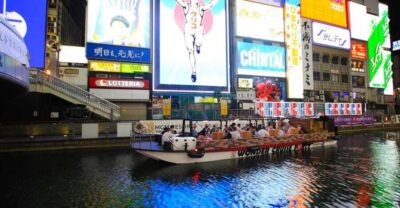
Dotonbori District River Cruise with Drink Discount
Read our review →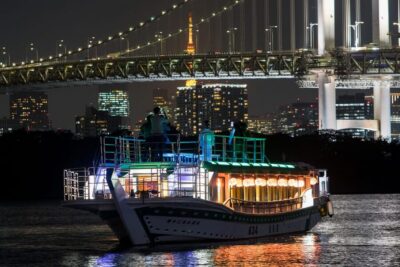
Sumida River: Japanese Traditional Yakatabune Dinner Cruise
Read our review →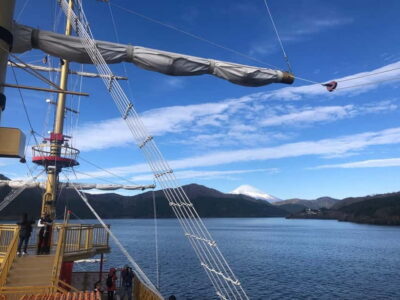
Hakone Fuji Day Tour w/ Cruise, Cable Car, Volcano
Read our review →
Dynamic Tokyo: Tokyo Tower, Tea Experience, Bay Cruise Day Tour
Read our review →Browse the lists this tour appears in