
Reviewed · ONSEN & HOT SPRING VISITS
Kyoto: Hike and Hot Springs in Kurama
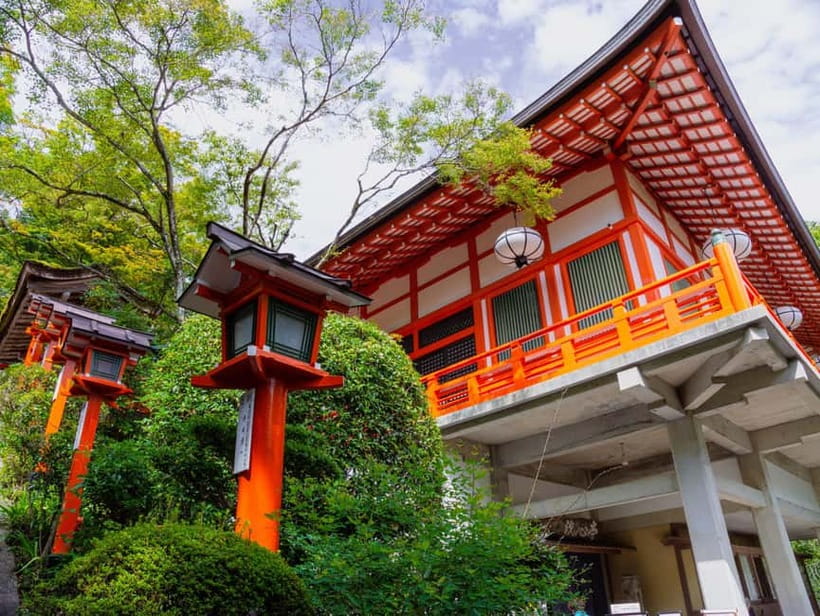
Kurama gives you a very different Kyoto: cedar forests, stone steps, shrine gates, mountain air, and old legends instead of crowded lanes and souvenir shops. I love the scenic Eizan train ride and the way the hike links Kibune Shrine with Kurama Temple. The optional outdoor hot spring, with mountain views, is another fine reward after the climb.
The catch is that this is not a gentle woodland stroll. The climb to the mountaintop takes about 30 to 40 minutes, but the steps can feel demanding, especially in summer. You also pay separately for lunch, the hot spring, and your trip back to Kyoto.
Key points to know before you book
- The train ride is part of the pleasure: You travel from Demachiyanagi Station into Kyoto’s wooded northern hills before reaching the trail.
- Kibune and Kurama make a natural pair: You visit a shrine linked with prayers for good relationships, then hike to Kurama Temple.
- The climb is short but serious: Expect steep steps and a moderate hike that requires decent fitness and proper shoes.
- Guides add real value: Philippe, Chris, Kevin, Salome, and others have been praised for explaining local beliefs, legends, shrines, and Reiki connections.
- The hot spring is optional: It is not included in the $80 price, but the outdoor bath is a tempting way to finish.
- The tour ends in Kurama village: You receive guidance on lunch, bathing, and the train back, but return transportation is not included.
Why Kurama is one of Kyoto’s best half-day escapes
The northern mountains offer a welcome change from central Kyoto. You begin at Demachiyanagi Station, exit 7, in front of the Eizan Railway. From there, the train carries you toward the wooded villages around Kibune and Kurama.
That short ride matters. It gives the outing a sense of departure without requiring a full day on the road. Buildings thin out, the hills close in, and the city feels increasingly distant. You are not simply being driven to a trailhead. You are watching Kyoto change from urban center to mountain country.
The tour lasts about four hours, though your exact pace depends on the group and how many stops you make. The guide leads you through the route, explains what you are seeing, and helps you understand the religious meaning of the places along the way.
This is a good choice if you want nature and culture in the same outing. It is less suitable if you want a relaxed sightseeing tour with little walking.
Other baths worth the trip from Kyoto:
- Guide tour of Japanese bathing culture at Funaoka Onsen
★ 5.0 · 15 reviews - From Osaka: Himeji Castle, Arima Onsen & Mt. Rokko Day Tour
★ 4.6 · 339 reviews - Osaka: Nara and Uji Day Trip with Deer Park and Hot Spring
★ 4.4 · 302 reviews
From Kibune Shrine to the cedar forest
The route begins with a visit to Kibune Shrine, a peaceful site associated with prayers for good relationships. That gives the hike a personal touch. You are not just ticking off another temple or shrine. You have a chance to pause, make a prayer, and think about the role of faith in everyday Japanese life.
The shrine sits beside the river valley, with tall trees and cool mountain air around it. The setting is one of the main pleasures of the outing. The river, the forest, and the old religious sites create a quieter mood than you find at Kyoto’s most famous central temples.
From here, the route turns into the forest and begins climbing toward Kurama Mountain. The path includes many steps. The climb to the peak can be completed in roughly 30 to 40 minutes, but that estimate should not be mistaken for an easy walk.
You will want sturdy, comfortable shoes and water. Long trousers are also a sensible choice if you are concerned about insects. In summer, the heat can make the climb feel much harder, so take the offered pauses and do not rush.
A moderate hike with a real uphill test
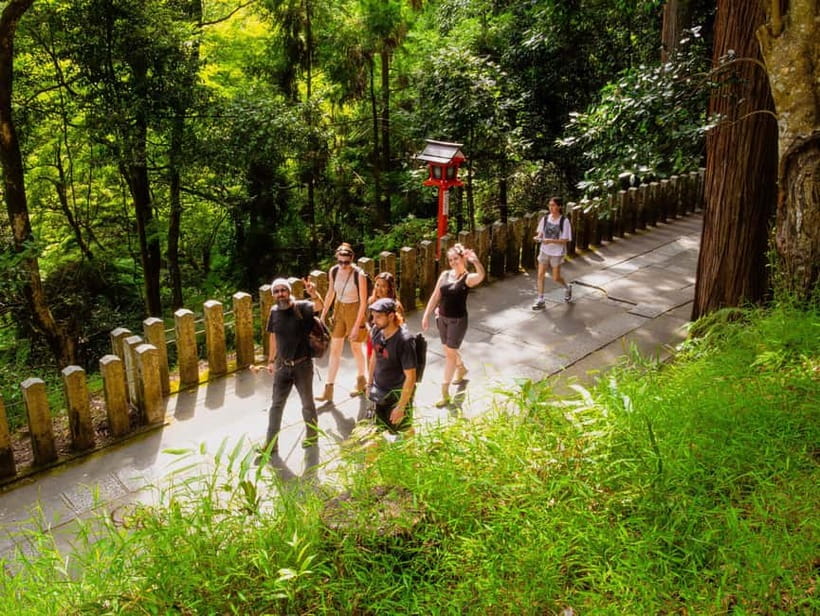
The tour describes the hike as moderate, and that is fair as long as you are used to walking on uneven ground and climbing stairs. The route is not presented as a technical mountain hike, but it does demand a decent level of fitness.
The most useful part of having a guide is the chance to set a sensible rhythm. Guides have been praised for stopping at scenic points and allowing time to recover. You can look at the forest, take in the views, and hear stories about the mountain instead of treating the route as a race.
Still, do not book this expecting a flat nature walk. One summer outing was described as hard work in the heat, and another assessment made clear that regular hikers would be more comfortable than beginners. The activity is not suitable for people with mobility impairments, wheelchair users, children under 11, or people without hiking experience.
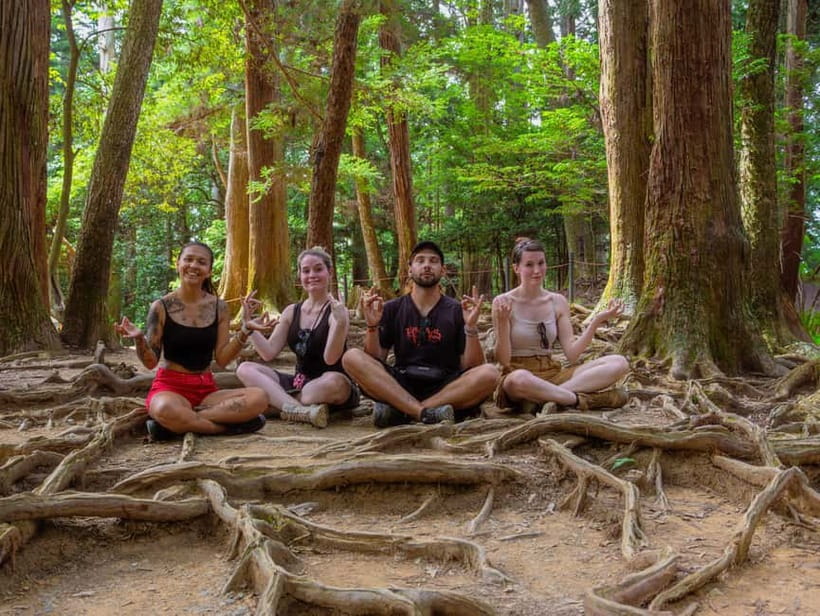
The forest is the main attraction during the climb. Tall cedars give the route a calm, enclosed feel. Depending on the season and conditions, you might see changing colors, fresh snow, or wildlife. One winter outing included light snow and deer, while another guide even tried to track down a monkey for the group. Those sightings are never guaranteed, but they show how different this can feel from a standard city tour.
Kurama Temple and the mountain’s spiritual side
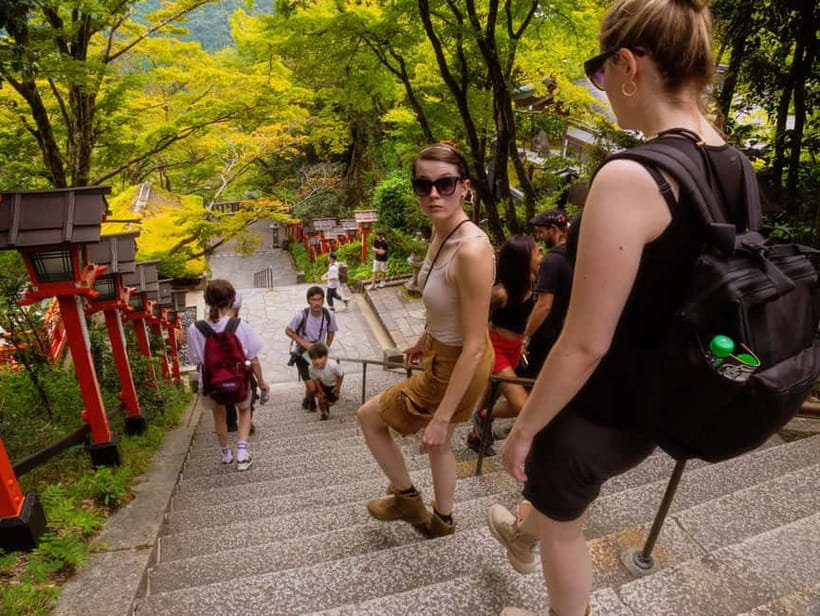
At the top, you visit Kurama Temple, one of the most meaningful stops on the route. The temple is regarded locally as a power spot, a place where the natural setting and spiritual tradition come together.
Your guide explains the temple, the deities, and the legends connected with the mountain. Philippe in particular has been praised for explaining the area’s religious traditions and for connecting Kurama with the origins of Reiki. That detail will be especially interesting if you already practice Reiki or want to understand why Kurama attracts people seeking spiritual renewal.
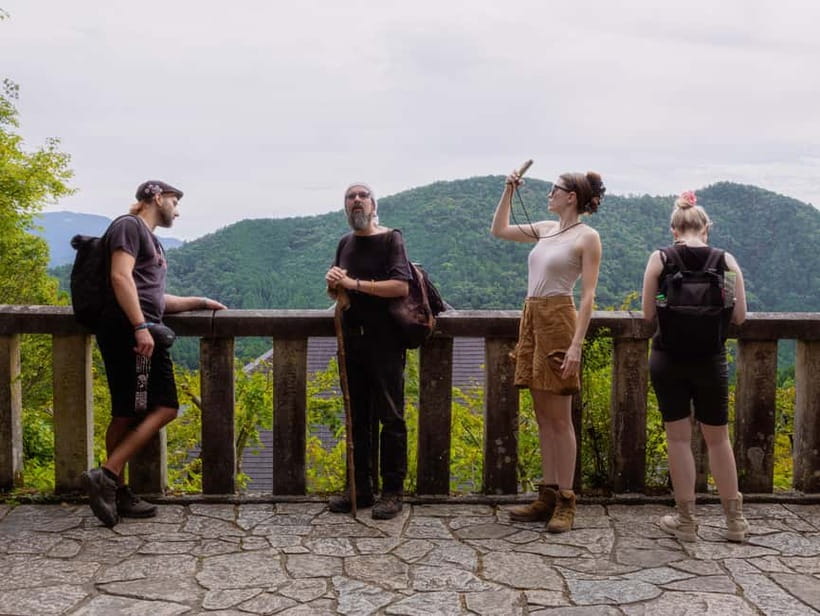
The temple also gives you a chance to rest after the climb. From the mountain, you can look down toward the valley and enjoy the crisp air. It is a simple pleasure, but an important one. After the effort of the steps, the view feels earned.
Conditions at the temple can change. Maintenance work once left parts of the temple covered in scaffolding, limiting the view of the building. You may still enter the temple grounds and see other features, including a large bell above the temple, but do not book this solely for a perfect architectural photograph.
Some guides can take you to lesser-known parts of the mountain. One private outing included access to an unusual crypt and maze beneath the temple area. That kind of extra stop depends on the guide, timing, and access on the day, so treat it as a possible bonus rather than a promised part of every tour.
More walking routes from Kyoto:
- Fushimi Inari Hidden Hiking Tour (Private Option Available)
★ 5.0 · 1,750 reviews - Kyoto: 3-Hour Fushimi Inari Shrine Hidden Hiking Tour
★ 4.9 · 270 reviews - Kyoto Hiking Tour: The Nature and Legends of Kurama and Kibune
★ 5.0 · 75 reviews - Kyoto: Fushimi Inari Hidden Hike (Private)
★ 5.0 · 31 reviews
What the guides add to the day
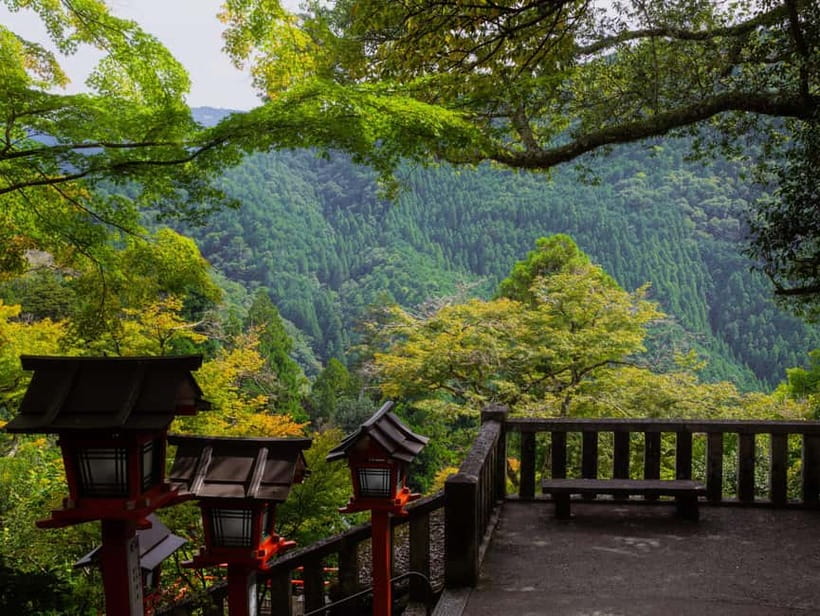
The guide is central to the value of this activity. Without one, you could still walk through the forest and visit the temple, but you would miss much of the context that makes Kurama special.
The strongest guide comments focus on clear explanations, local stories, patience, and flexibility. Philippe is frequently praised for his humor, cultural insight, and knowledge of the mountain route. Chris is described as a strong guide for finding less obvious places. Kevin has been noted for giving useful historical and cultural background, while Salome helped make one outing especially memorable.
The company offers English and French-speaking guides. Tours can be private or arranged for small groups. A private booking gives you the best chance of adjusting the pace, spending extra time at a shrine, or focusing on subjects that interest you.
Guide quality can vary, as it can with any walking tour. One outing had an inattentive guide whose smoking and drinking affected the atmosphere for a non-smoking group. That was an exception among otherwise very strong feedback, but it is worth keeping in mind if the guide is an important part of your decision.
Finishing in Kurama village
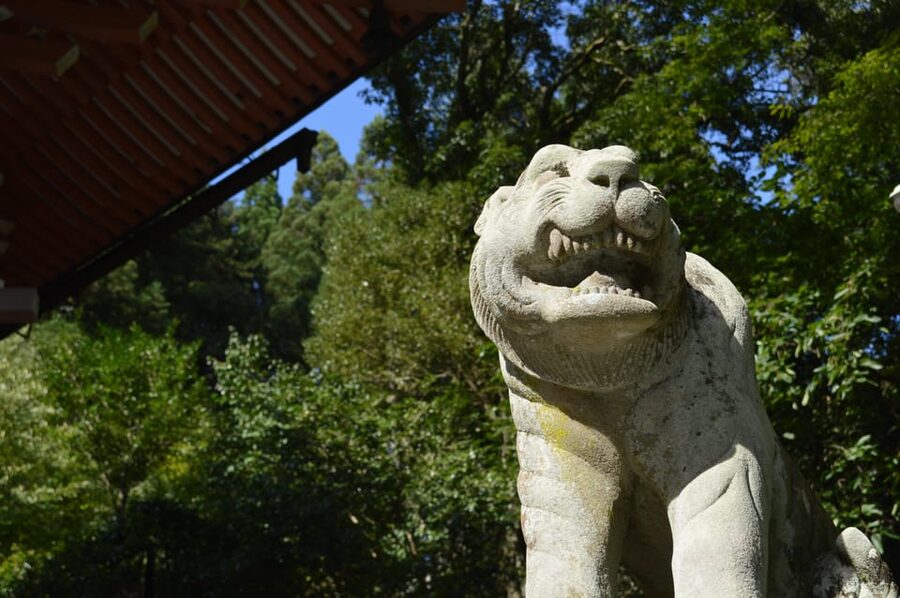
After the temple visit, you walk down toward the village of Kurama. The descent is easier for some people than the climb, but it still involves steps and can be tiring after the uphill section.
Kurama village is where the organized portion of the outing ends. Your guide explains the choices available to you, including lunch, a village stroll, a hot spring visit, or the train back to Kyoto. This flexible finish is useful because not everyone wants the same reward after a hike.
Lunch is not included. You might find simple places to eat in or around the village, but the tour does not promise a particular restaurant or meal. If you have a tight schedule, keep an eye on the clock before sitting down.
The return train is also not included in the price. You should budget for that separately and allow enough time to find the platform and board. The guide gives you direction, but you are responsible for getting back to the original meeting area.
The Kurama hot spring is worth considering
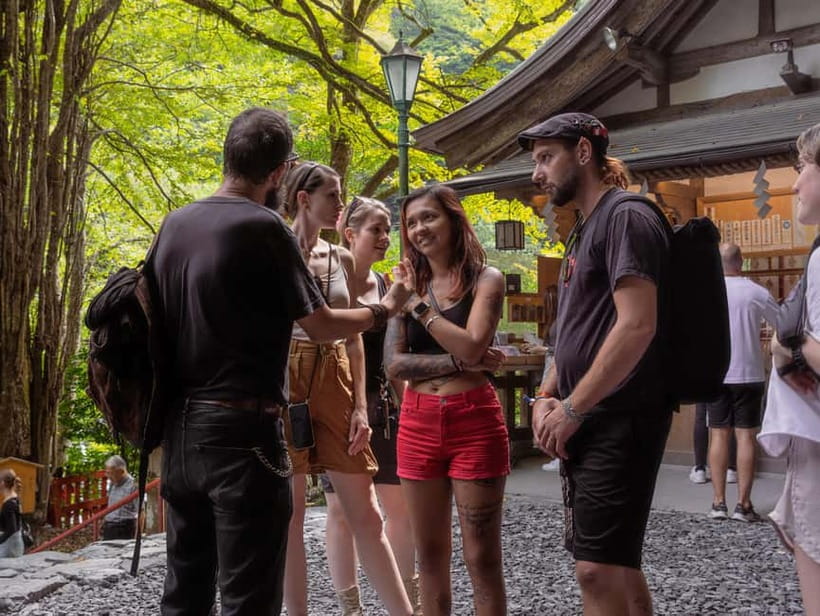
The optional hot spring is the obvious finale. The bath is not included, but a discounted ticket may be available through the tour. The outdoor bath is known for views toward the mountains, making it a particularly appealing choice after the climb.
You need to decide how the hot spring fits your schedule. A four-hour tour does not mean four hours of hiking and temple visits followed by unlimited time at the bath. The organized walk finishes in the village, and the hot spring is an extra option afterward.
If you enjoy Japanese bathing customs and have enough time, I would seriously consider adding it. The contrast between the exertion of the trail and a quiet outdoor soak is one of the best features of the outing. If you are rushing to another Kyoto appointment, have lunch instead and return by train.
Remember that the hot spring fee is separate. Bring what you need for a bath, and ask the guide about the current discounted arrangement before you set off.
Is $80 a fair price?
At $80 per person, the price includes the guide, temple admission, and transportation during the organized tour. Lunch, the bath, and transportation back to the meeting point are extra.
That makes the value depend on how much context you want. If you simply want to walk up Kurama Mountain, you can explore the area independently for less. The extra cost pays for a guide who can explain the shrines, temple customs, local stories, Reiki connections, and less familiar parts of the route.
The guided format also reduces the work of planning the train and trail connection. For a first visit to northern Kyoto, that convenience has real value. Private and small-group options can make the price easier to justify if you want a slower pace or have particular interests.
I would not choose this tour mainly to save money. I would choose it because you want a well-organized half-day that combines transportation, nature, a mountain temple, and local interpretation.
Who should book this hike?
This outing suits you if you:
- Want a break from central Kyoto’s crowded temples and shopping streets
- Enjoy walking uphill and are comfortable with many steps
- Like hearing local legends and religious background
- Want a guide who can adjust the pace or add less familiar stops
- Have time for lunch or a hot spring after the official tour
- Are interested in Reiki, spiritual traditions, or Japanese mountain worship
You should think twice if you dislike stairs, struggle in hot weather, or have no recent hiking experience. The route is not suitable for wheelchair users, people with mobility impairments, children under 11, or anyone looking for a completely easy walk.
Bring comfortable shoes and water. Long pants are a practical choice. A light layer may also help in the cooler mountain air, though the supplied information specifically emphasizes shoes and water.
Booking advice and final verdict
I would book this tour if you want Kyoto with more trees, fewer crowds, and a bit of physical effort. Its strongest features are the Eizan train ride, the linked Kibune and Kurama sites, and guides such as Philippe and Chris who explain what you are seeing rather than simply leading you uphill.
The main caution is simple: this is a hike. Add the hot spring if your schedule allows, but remember that it costs extra and that the tour does not cover your ride back. Cancel at least 24 hours ahead for a full refund, and the reserve-now, pay-later option makes planning easier.
Book it if a mountain climb followed by a temple visit and optional bath sounds like your kind of Kyoto. Skip it if you want a low-effort sightseeing trip or need a fully accessible route.
FAQ
Where does the tour meet?
The meeting point is Demachiyanagi Station exit 7, in front of the Eizan Railway, in Kyoto.
How long does the activity last?
The organized activity lasts about four hours. Check the available start times when booking.
What languages are available?
The tour is offered with live guides in English or French.
Is the tour private or shared?
Private and small-group options are available.
What is included in the $80 price?
The price includes the guide fee, temple admission, and transportation during the organized activity.
Is lunch included?
No. Lunch is not included, and you receive guidance on food options after reaching Kurama village.
Is the hot spring included?
No. The hot spring fee is separate, though a special discounted bath ticket may be available.
Is transportation back to the meeting point included?
No. The tour ends in Kurama village, where the guide explains options for taking the train back to town.
What should I bring?
Bring comfortable shoes and water. Long pants are recommended if you want to reduce the chance of insect bites.
Just added in Kyoto
- Private Cooking Class Udon in Kyoto Japan★ 5.0 · 23 reviews
- Your Private Vacation Photography Session In Kyoto★ 5.0 · 110 reviews
- Kyoto: Zen Meditation at a Private Temple with a Monk★ 5.0 · 25 reviews
- Private Pewter Sake Cup Experience with a Kyoto Artisan★ 5.0 · 31 reviews
- Kyoto Wagashi(Japanese sweets) Cooking Class near Fushimiinari★ 5.0 · 60 reviews
- Kyoto:Family-Friendly Kimono & Yukata Experience at WARGO★ 5.0 · 147 reviews
- Private Guided Traditional Buddhist Cooking in Japan★ 5.0 · 16 reviews
- Kyoto: Gion Geisha District & Sake-in-Hand Walking Tour★ 5.0 · 37 reviews
Onsen & Hot Spring Visits, compared.
Himeji Castle, Arima Onsen & Mt. Rokko Day Tour
Read our review →
Nara and Uji Day Trip with Deer Park and Hot Spring
Read our review →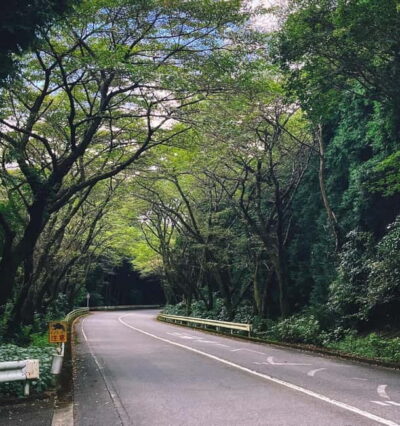
Private Tour to Fuji/Hakone – Onsen, Art, Nature
Read our review →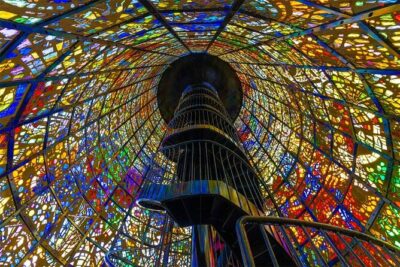
Mt. Fuji, Hakone Private Tour from Tokyo – Onsen, Arts and Nature
Read our review →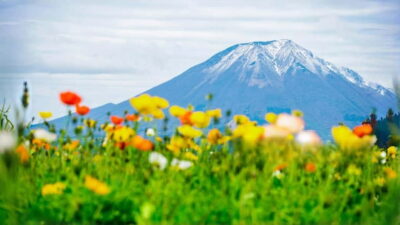
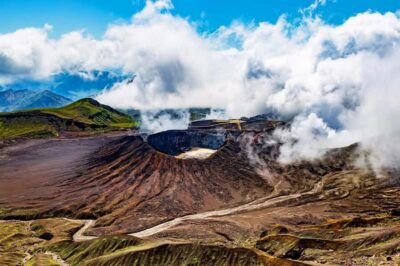
Private Nagano 1-Day Tour:Snow Monkeys,Zenko-ji,Obuse,Sake,Onsen
Read our review →
Mt Takao Tour with Ramen and Tattoo-Okay Hot Spring
Read our review →Browse the lists this tour appears in