
Reviewed · CYCLING TOURS
Kyoto: Hidden Gems E-Bike Tour with Local Japanese Guide
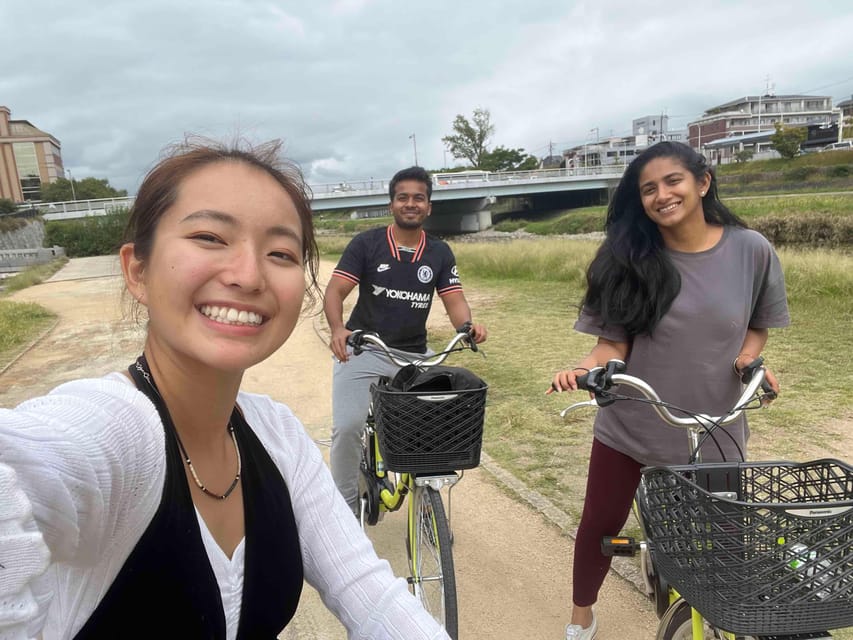
Kyoto’s quieter side is best seen on two wheels. This tour takes you from the Kamogawa River to Ginkaku-ji, the Philosopher’s Path, Nanzen-ji, and Heian Jingu without making you fight the city’s busiest sightseeing routes. I like the gentle pace and the chance to chat with guides such as Aska, who has lived in both the United States and Britain.
I also like the small groups and electric bikes, which make a long morning easier on your legs. The tradeoff is that this is still city cycling: you need to ride confidently around pedestrians and moderate traffic, and it is not suitable for anyone who cannot ride a bike.
Key points at a glance
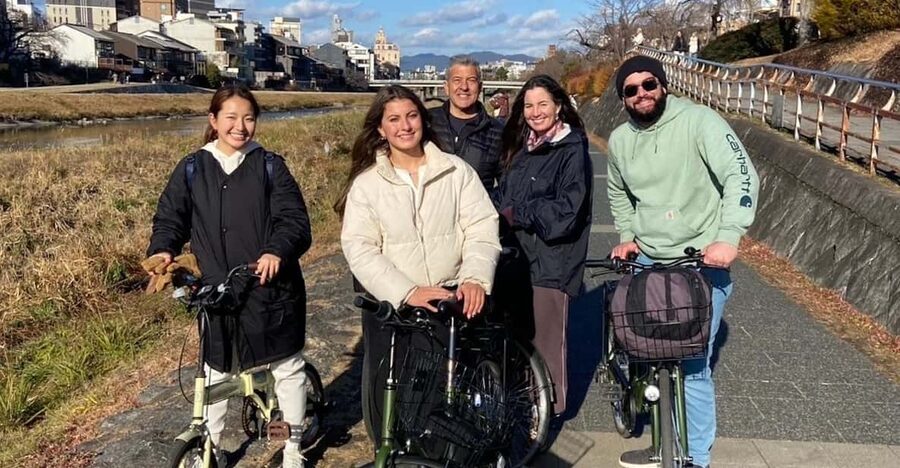
- A friendly local connection: Aska and the other guides are young Japanese hosts who have lived abroad and speak English well.
- A well-chosen route: Ride beside the Kamogawa River, pause at Ginkaku-ji, follow the Philosopher’s Path, then visit Nanzen-ji and Heian Jingu.
- Electric assistance helps: The e-bikes make uphill sections and the nearly four-hour outing manageable, even if you are only moderately fit.
- Small groups matter: With no more than eight people, the guide can answer questions and adjust the pace.
- Not a crowd-free guarantee: Some sights and roads can still be busy, especially during autumn leaf season or on Saturdays.
- Good practical value: For $75, you get the bike, helmet, guide, entrance ticket, and parking fees, but not food or drinks.
Why cycling works so well in Kyoto
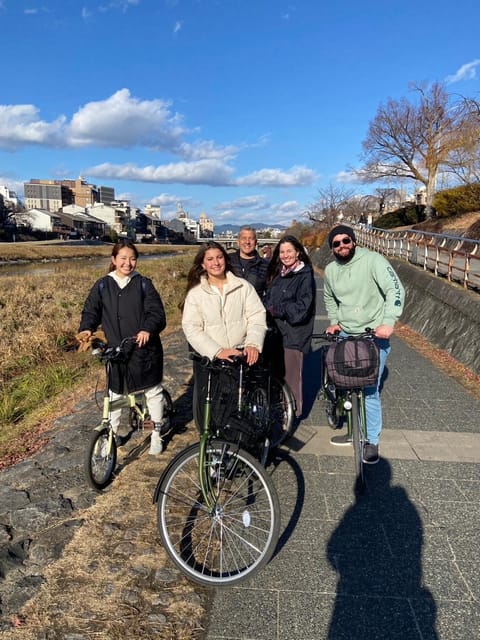
Kyoto’s main sights are spread across a broad city, and walking between them can eat up much of your day. Buses are useful, but central routes can be slow and crowded. An e-bike gives you another option: you cover more ground than on foot while still seeing rivers, neighborhood streets, temple walls, and small details along the way.
This outing lasts about 210 minutes, or roughly three to three and a half hours. That is long enough to make the ride feel like a real exploration, but short enough to fit into a morning or afternoon of sightseeing.
The electric motor does not remove the need to pedal, but it takes the strain out of the route. One rider described needing only a light touch on the pedals, including on uphill stretches. That matters in Kyoto, where a ride that looks flat on a map may include gradual climbs toward the eastern hills.
You meet at a rental bike shop in the Gojo area. From Kyoto Station, the meeting point is about six minutes by train or around 20 minutes on foot. Hotel pickup is not included, so allow time to reach the shop and arrive ready to ride.
Other cycling tours in Kyoto people book:
- Bike Tour Exploring North Kyoto plus Lunch
★ 5.0 · 1,087 reviews - Arashiyama Bamboo Forest & Hidden Gems Bike Tour (Early Bird)
★ 5.0 · 613 reviews - 5 Top Highlights of Kyoto Full Day Bike Tour (E-bike option)
★ 5.0 · 511 reviews
Starting with the Kamogawa River
The first part of the ride heads toward Ginkaku-ji, with time beside the Kamogawa River. This is one of the most pleasant parts of the outing because you get a break from ordinary city traffic and a chance to see Kyoto at a slower pace.
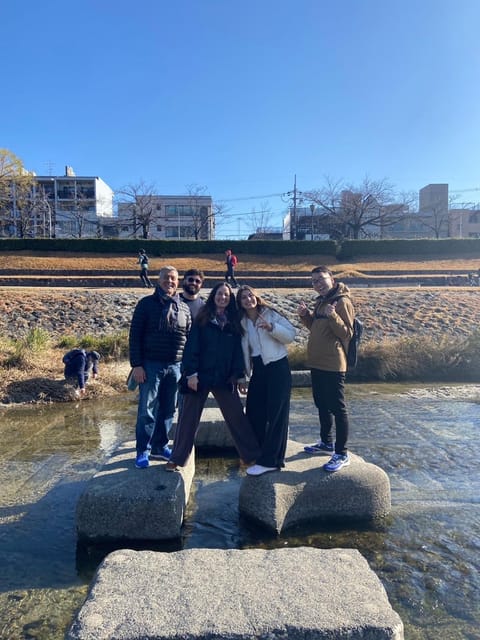
The route includes the playful option of stepping across the river on its flat crossing stones. You should treat this as a brief stop rather than a major activity, but it adds a local, relaxed feel to the morning. The riverbank also gives you a chance to take photos and settle into the rhythm of the bike before the temple visits begin.
The route is not entirely on quiet paths. You may encounter pedestrians, other cyclists, and moderately trafficked roads. One useful point from the experience is that you should be comfortable holding a steady line. If you wobble, stop suddenly, or feel nervous around people, the ride may be less enjoyable.
Your guide leads from the front and helps keep the group together. Guides named Aska, Asuka, Tai, Tatsuya, Natsuki, and Ty have led outings at different times. The common thread is an international outlook and fluent or strong English, which makes it easy to ask about both the sites and everyday Japanese life.
Ginkaku-ji and time for a small break
Ginkaku-ji, often called the Silver Pavilion, is the first major temple stop. Despite its famous name, the pavilion is not covered in silver. The appeal comes from the carefully arranged grounds, the temple buildings, the garden, and the wooded setting at the foot of Kyoto’s eastern hills.
You will have time near the temple to look around and visit the nearby shopping street. This is a useful pause in an active itinerary. You can pick up souvenirs, have coffee, or try a matcha crepe. Food is not included, so bring money if you want to make use of the break.
The stop is also a good example of the tour’s balance. You are not rushed from one gate to the next, but you are not spending half the day at a single temple either. The guide can offer background and answer questions, then give you room to look around on your own.
Ginkaku-ji can be busy, particularly at popular times of day. The promise here is not complete solitude. The advantage is that arriving by bike lets you avoid spending extra time on a bus or walking route before and after the visit.
The Philosopher’s Path at a relaxed pace
After Ginkaku-ji, you ride along the Philosopher’s Path toward Nanzen-ji. This tree-lined route follows a canal and is especially attractive in spring and during autumn color season. It is also a place where the pace naturally slows, giving you time to enjoy the water, trees, walls, and nearby lanes.
The path is not a private cycling track. People walk here, and you need to ride carefully. The guide sets the tone, but you remain responsible for handling the bike and watching the road. On a busy day, you may need to dismount or proceed slowly in sections.
This portion gives the tour much of its character. A bus can take you from one famous site to another, but it cannot give you the same sense of connection between them. You see how the temples sit within ordinary Kyoto neighborhoods, rather than as isolated stops on a checklist.
If you visit in summer, heat is worth planning for. Several people found the ride enjoyable even on hot days, but you should bring water because it is not provided. Comfortable clothing, comfortable shoes, sunscreen, and a willingness to pedal in warm weather will help.
Other rides on two wheels around Kyoto:
- E-Bike Tours of the highlights of Kyoto!!!
★ 5.0 · 291 reviews - Afternoon Kyoto Bike Tour: Bamboo Forest, Monkeys & Hidden Spots
★ 5.0 · 283 reviews - South Kyoto in a Nutshell: Gentle Backstreet Bike Tour!
★ 5.0 · 225 reviews - Pedal Adventure Kyoto’s iconic landmarks on an e-bike tour
★ 5.0 · 189 reviews
Nanzen-ji and the old aqueduct
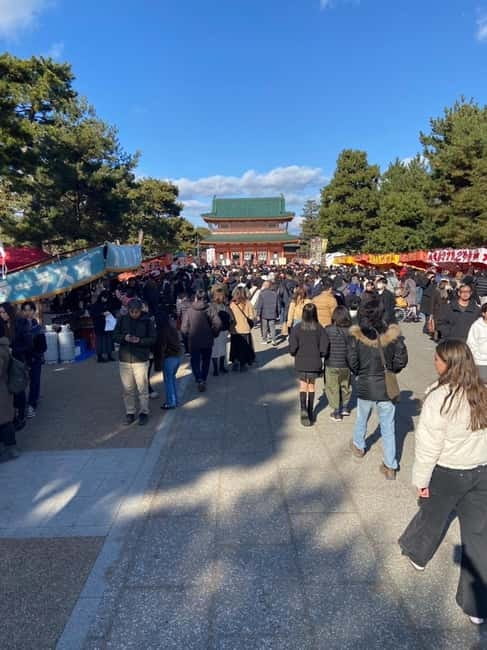
Nanzen-ji is one of Kyoto’s most impressive temple complexes, with a large gate and a strong sense of scale. The tour includes time to enjoy the expansive view of the temple grounds rather than simply passing by for a photograph.
A particularly memorable feature in this area is the brick aqueduct. It adds a different note to the route, connecting Kyoto’s religious scenery with its modern engineering history. This change of subject keeps the outing from becoming a simple procession of temple gates.
The stop also shows why an e-bike is useful. Nanzen-ji lies near the eastern hills, and the route around Higashiyama is not always flat. The motor helps you arrive with enough energy to pay attention to the place instead of worrying about the next climb.
Your guide provides historical, geographic, and cultural information, but the amount is not presented as a lecture. The best fit is for someone who wants context in manageable portions and likes being able to interrupt with questions. Guides also offer wider Kyoto advice, including suggestions for places to eat and other sites to visit later in your trip.
Finishing at Heian Jingu
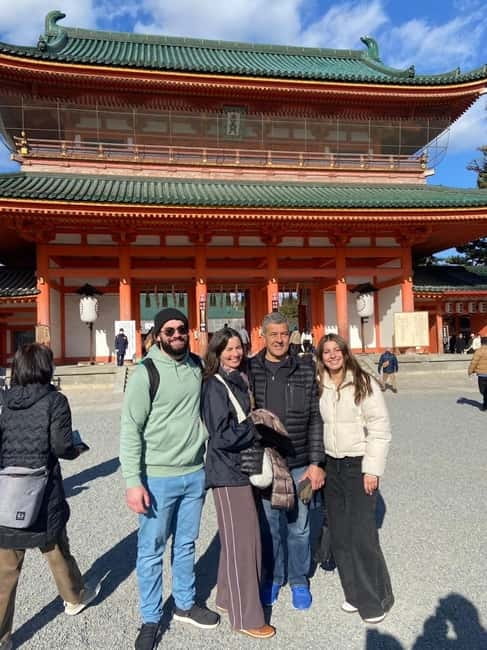
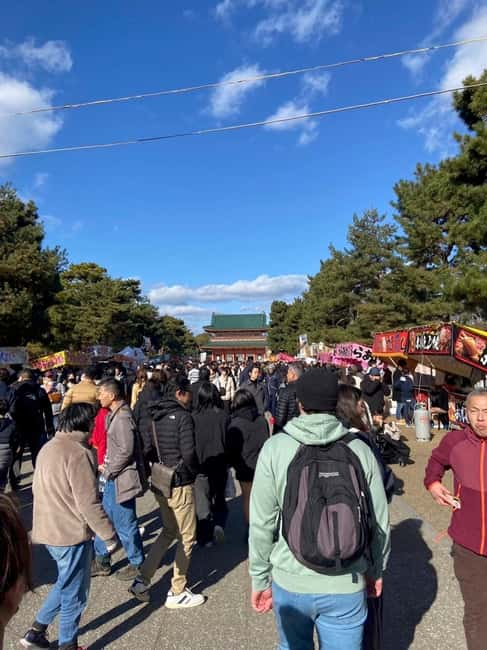
The final listed stop is Heian Jingu, recognized by its large torii and spacious shrine grounds. Compared with the compact lanes around some temples, the shrine has a broad, open feeling. It makes a fitting end to the route after the narrower riverbanks and canal paths.
You get a look at a different side of Kyoto’s religious architecture and public space. The shrine is also practical as a final stop because the tour does not end in an inconvenient distant suburb. You return to the rental bike shop afterward.
The exact length of each stop can vary. Guides have been flexible about spending a little extra time at places that interest the group, while keeping the overall route moving. That is useful if you want to ask questions or take photographs, but do not expect a private custom tour with unlimited time at every site.
The experience includes an entrance ticket, though the information does not specify every individual admission covered. Parking fees, the bike, helmet, and guide are included. Food, water, tips, and hotel transfers are not.
The guides are a major part of the experience
Aska founded the tour with a clear environmental aim. She studied sociology and international relations in the United Kingdom and has an interest in issues such as climate change and poverty. Her time in North Carolina and London also gives her an easy bridge between Japanese customs and the questions international visitors often have.
That background matters because the outing is designed around conversation, not only sightseeing. You can ask about temple etiquette, Japanese culture, local food, or how Kyoto residents use the city. The guide can also help with later trip planning.
The guide may be Aska, but other Japanese guides lead the route too. Names appearing on the tour include Asuka, Tai, Ty, Tatsuya, and Natsuki. They are described as friendly, English-speaking hosts who have lived abroad, so the exact personality and style may vary from one departure to another.
This is not the right tour if you want a silent ride or a highly formal lecture. It works best if you enjoy meeting people and are happy to make at least one new Japanese acquaintance along the way.
Is $75 a fair price?
At $75 per person, the cost is reasonable for a three to three and a half hour small-group outing. You are paying for more than a bicycle rental. The fee also covers an English-speaking guide, a helmet, an entrance ticket, and parking fees.
A bike rental on its own would not give you the route planning, temple context, traffic guidance, or local recommendations. The small group, limited to eight people, adds value because the guide can watch the pace and respond to questions.
Still, the price does not cover every expense. Bring money for coffee, a matcha crepe, souvenirs, and any other food. Bring your own water too. If you want to keep using the bike after the tour, the shop may arrange continued rental for the rest of the day at an additional fair price, according to the tour information.
The strongest value comes if you want an overview of northern Higashiyama without spending a full day walking. If you are already an experienced cyclist and only want a basic bike, you may find the guide fee less essential. For most first-time visitors, the route and local advice make the extra cost worthwhile.
Who should book it, and who should skip it
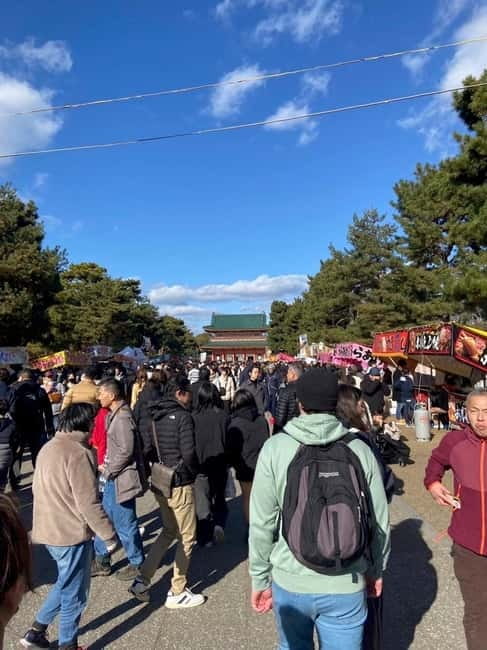
I would recommend this ride to adults, couples, friends, and families with children aged 12 or older who can ride confidently in a city. It also suits moderately fit visitors who do not want to walk seven or eight miles in a day but still want to see several major sites.
The tour can work well for older participants too. One couple in their late sixties found the pace manageable, with regular stops and careful guidance. Fitness still matters, and you should be honest about how comfortable you are on a bike.
You should skip it if you cannot ride, dislike cycling near pedestrians, or have a low level of fitness. It is not suitable for children under 12, pregnant women, wheelchair users, people with diabetes, people with altitude sickness, or anyone over 95. High heels, large bags, and oversize luggage are not allowed.
Rain does not always cancel the outing. Raincoats may be available, or the tour can be rescheduled. If the weather looks poor, contact the provider rather than assuming the ride will proceed in the same form.
Practical tips for a smoother ride
- Arrive ready to ride: Wear comfortable shoes and clothes. There is no hotel pickup, so plan your route to the Gojo meeting point.
- Bring water: Water is not included, and Kyoto can be hot, especially from late spring through summer.
- Ask for a bike adjustment: Take a few minutes at the start to check the saddle, brakes, and controls. One useful suggestion is to allow time to adjust the bike and review the route before setting off.
- Expect mixed riding conditions: The route includes peaceful river and canal sections, along with roads carrying traffic and paths with pedestrians.
- Book an early departure if possible: Early morning can feel calmer, and one person had the rare bonus of being the only participant on an early tour. Exact crowd levels depend on the date.
- Watch the seasons: Autumn leaves can bring heavy crowds around the sights. Summer heat calls for extra water and a slower approach.
- Consider extending the rental: If you still have energy, ask about keeping the e-bike after the guided portion ends.
Should you book the Kyoto e-bike tour?
Book this tour if you want Kyoto to feel like a real city, not just a string of famous entrances. The river ride, canal path, neighborhood streets, and temple visits give you a fuller sense of place than a standard bus route, while the e-bike keeps the outing within reach for a moderately fit rider.
I would be especially keen to book it near the start of a Kyoto stay. Aska or another guide can help you understand the city, suggest places to eat, and point out what deserves more time later. Just choose it with clear expectations: this is guided city cycling, not a traffic-free countryside ride.
For $75, the combination of transport, temple access, personal guidance, and conversation is strong. If you can ride steadily, pack water, and accept a few busy stretches, this is a smart and sociable way to see northeastern Kyoto.
FAQ
How long does the Kyoto e-bike tour last?
The tour lasts about 210 minutes, or three to three and a half hours.
Where does the tour begin?
You meet the guide at a rental cycling shop in the Gojo area. The meeting point is about six minutes from Kyoto Station by train or around 20 minutes on foot.
Which places does the tour visit?
The route includes the Kamogawa River, Ginkaku-ji, the Philosopher’s Path, Nanzen-ji, and Heian Jingu Shrine. It ends back at the rental bike shop.
Is the tour suitable for beginners?
You need to know how to ride a bicycle and feel comfortable cycling in a city. The e-bike makes hills easier, but the route includes pedestrians, traffic, and shared paths.
What is included in the price?
The $75 price includes an electric bike, helmet, tour guide, an entrance ticket, and parking fees. Water, food, hotel transfers, and tips are not included.
Can children join the tour?
The tour is not suitable for children under 12. It is also not suitable for pregnant women, wheelchair users, people who cannot ride a bike, people with diabetes, people with altitude sickness, people with low fitness, or people over 95.
More hidden-gem tours in Kyoto
- Kyoto Geisha Walking Tour: Gion District & Hidden Gems
★ 4.7 · 3,273 reviews - Private Kyoto Tour with a Local, Highlights & Hidden Gems, Personalised
★ 5.0 · 1,543 reviews - Kyoto: Gion Hidden Gems & Geisha Culture Tour
★ 4.9 · 126 reviews - Highlights & Hidden Gems With Locals: Best of Kyoto Private Tour
★ 5.0 · 121 reviews
Just added in Kyoto
- Private Cooking Class Udon in Kyoto Japan★ 5.0 · 23 reviews
- Your Private Vacation Photography Session In Kyoto★ 5.0 · 110 reviews
- Kyoto: Zen Meditation at a Private Temple with a Monk★ 5.0 · 25 reviews
- Private Pewter Sake Cup Experience with a Kyoto Artisan★ 5.0 · 31 reviews
- Kyoto Wagashi(Japanese sweets) Cooking Class near Fushimiinari★ 5.0 · 60 reviews
- Kyoto:Family-Friendly Kimono & Yukata Experience at WARGO★ 5.0 · 147 reviews
- Private Guided Traditional Buddhist Cooking in Japan★ 5.0 · 16 reviews
- Kyoto: Gion Geisha District & Sake-in-Hand Walking Tour★ 5.0 · 37 reviews
Cycling Tours, compared.

3h Tokyo E-Bike Tour: Hidden Gems, and Local Life with guide
Read our review →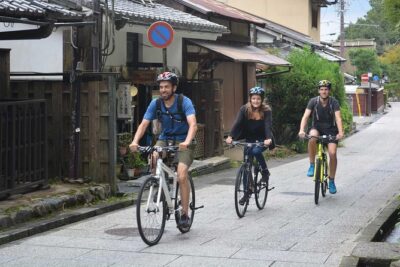
Arashiyama Bamboo Forest & Hidden Gems Bike Tour (Early Bird)
Read our review →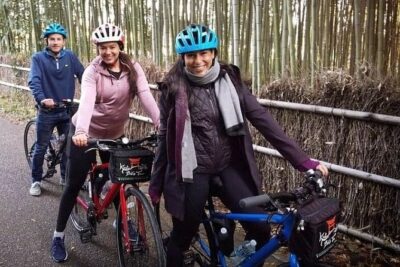
5 Top Highlights of Kyoto Full Day Bike Tour (E-bike option)
Read our review →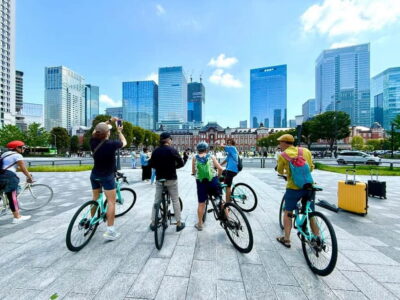
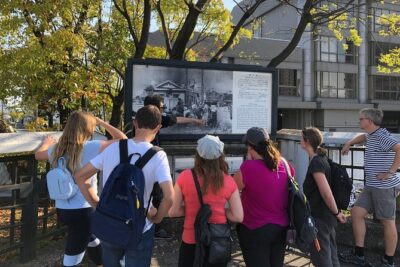
Hiroshima 2hr Peace Cycling Tour with Local Guide
Read our review →Browse the lists this tour appears in