
Reviewed · SUSHI-MAKING CLASSES
Fujisan Sushi Making Lesson
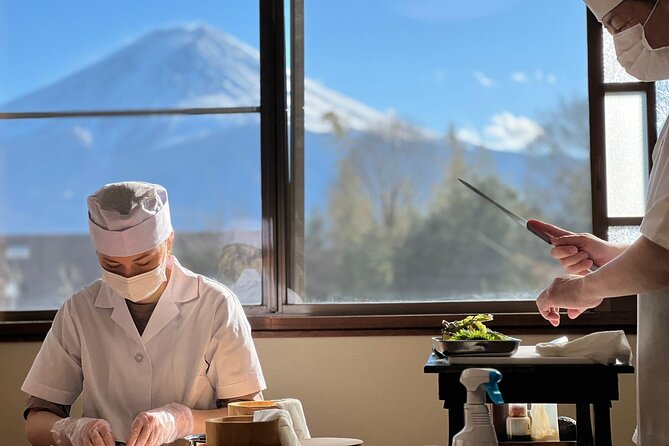
The best part of this three-hour sushi class is that you do the work yourself. A professional chef teaches you how to make nigiri sushi and rolls, then explains the food customs behind them. It is a hands-on look at Japanese cooking, not just a meal with a quick demonstration.
I like the English instruction and the setting near Mount Fuji. I also like the mix of practical cooking methods, sushi history, and table etiquette. The main drawback is the price: at $229.91 per person, this is a costly cooking lesson, even with group discounts available.
Key points to know
- You make both nigiri sushi and sushi rolls, with methods intended to be repeated at home.
- A professional chef teaches in English, with worldwide cooking experience.
- The class includes sushi history and Japanese table etiquette, not only food preparation.
- Mount Fuji views may be part of the setting, though visibility depends on the day.
- Vegetarian participation is available, but food allergies must be reported in advance.
- The activity is private for your group, begins near Kawaguchiko Station, and lasts about three hours.
Making sushi near Mount Fuji
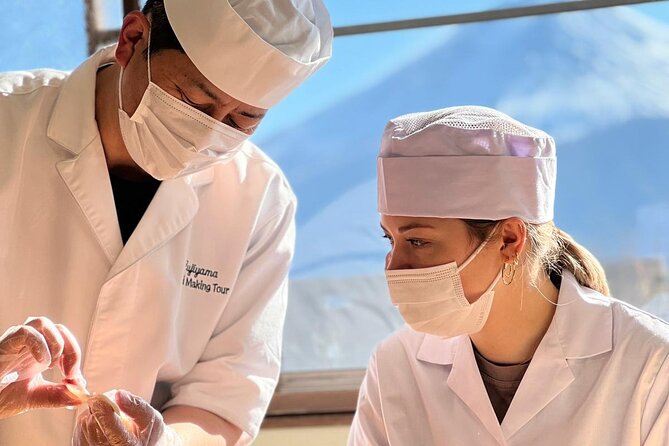
This experience combines two strong reasons to visit the Fuji Five Lakes area: the mountain setting and Japanese food culture. You meet at Kawaguchiko Station, then spend about three hours learning how sushi is made with a professional chef.
The class focuses on two familiar forms: nigiri sushi and sushi rolls. Nigiri looks simple, but its shape, rice, and handling matter. Rolls add a different skill, since you must arrange ingredients and shape the sushi evenly. The lesson is designed around cooking methods you can try again at home, which gives the experience value beyond the afternoon itself.
The Mount Fuji setting adds atmosphere without turning the class into a sightseeing tour. You prepare food close to Japan’s most famous mountain, and you may enjoy beautiful views while working. Keep your expectations practical, though. Fuji views depend on weather, clouds, and visibility. The lesson remains the main event.
Other classes behind the counter in Fujikawaguchiko machi:
- Sushi Making Tokyo Roll and Authentic Japanese Sushi Class
★ 5.0 · 3,971 reviews - Tokyo: Roll and Authentic Sushi Making Class in Asakusa
★ 4.9 · 1,957 reviews - Tokyo: Sushi Making Class in a Happi Coat near a Famous Spot
★ 4.9 · 1,377 reviews
What happens at Kawaguchiko Station
Your meeting point is Kawaguchiko Station at 3641 Funatsu, Fujikawaguchiko, in Yamanashi Prefecture. This is a useful starting point because the station is near public transportation and easy to identify in a busy sightseeing area.
The activity ends back at the meeting point. That makes planning simple if you are staying near the station or connecting to another local attraction afterward. Allow enough time to find the meeting point before the start, since the class itself is limited to about three hours and late arrivals could cost you valuable instruction.
The experience is private, meaning only your group participates. That matters if you want to ask questions freely or prefer not to cook beside strangers. It can also make the lesson feel more personal, though the price is higher than a basic large-group cooking class.
A mobile ticket is available, so you do not need to manage a printed voucher. Confirmation is sent within 48 hours of booking, subject to availability. Since the activity is often reserved well ahead of time, with bookings averaging 157 days in advance, planning early is sensible if your Fuji-area dates are fixed.
Learning nigiri sushi from a professional chef
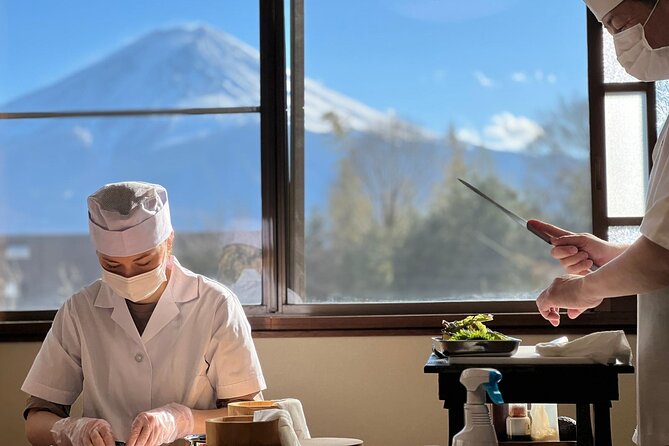
The chef teaches the basic process behind nigiri sushi, the hand-formed style made with sushi rice and a topping. You should expect instruction in shaping and handling rather than a simple demonstration from across the room.
The value here is repetition. You get to try the method yourself and receive guidance as you work. Sushi can look easy because the finished pieces are small and neat. In practice, rice pressure, hand movement, and portion size all affect the result. A professional chef can show you the motion in a way a recipe often cannot.
The chef has worldwide cooking experience and explains the class in English. That is important for visitors who want to understand the details rather than copy movements without context. You can ask questions about technique, ingredients, and the customs connected to the food.
One useful feature is the focus on methods that you can imitate at home. You may not reproduce every ingredient or tool after returning home, but the central skills are more approachable than they first appear. The class helps turn sushi from something you simply order into something you understand.
Rolling sushi and learning the food culture
The second main skill is making sushi rolls. Rolls give you a different lesson from nigiri because the ingredients must be positioned and held together as you shape the sushi.
The class also covers the tradition and history of sushi. That context helps explain why the food is prepared and presented in particular ways. You are not only learning how to put rice and fillings together. You are learning how sushi fits into Japanese food culture.
Japanese table etiquette is part of the lesson as well. This is useful if you plan to eat sushi at traditional restaurants during your trip. Etiquette instruction can answer practical questions that many visitors hesitate to ask, such as how food is handled, presented, and enjoyed at the table.
The balance is good: you get a practical activity, a cultural explanation, and guidance that applies beyond this one meal. A slideshow and trivia questions have also been part of the teaching style, adding structure for people who enjoy learning through short explanations rather than nonstop cooking.
Same base, a different sort of day:
- Mt Fuji Area Private Guided Tours in English-Nature up close, quiet, personal
★ 5.0 · 288 reviews - Explore Mt. Fuji Ice Cave in Aokigahara Forest
★ 5.0 · 243 reviews - Private guided hidden gems tour by local English speaking driver
★ 5.0 · 142 reviews - Ramen Cooking Class at Ramen Factory in Mt.Fuji
★ 5.0 · 101 reviews
English instruction and the Japanese-language angle
The chef explains the lesson in English, making it suitable for foreign visitors and expatriates as well as local friends. You should be able to follow the cooking methods and cultural explanations without needing Japanese fluency.
At the same time, Japanese may form part of the class atmosphere. One class experience included instruction in Japanese, a slideshow, and trivia questions, which appealed to someone studying the language. If you are hoping to practice Japanese, this can add an extra layer of interest.
If clear English instruction is essential, confirm the language arrangement when you book. The supplied details specifically identify English explanation, but the format may include Japanese elements. That is a benefit for language learners and something to clarify for anyone who needs a fully English lesson.
The teaching style also suits mixed groups. A Japanese learner can enjoy the language exposure, while someone new to Japan can focus on the cooking and etiquette. You do not need prior sushi-making experience.
The Mount Fuji setting
The activity is located in Fujikawaguchiko-machi, close to Mount Fuji. You prepare sushi while enjoying the surrounding views, which gives the lesson a sense of place that a city cooking studio cannot match.
Still, think of Mount Fuji as a setting rather than a guaranteed sightseeing stop. The itinerary identifies Mount Fuji, but the practical meeting and ending point are at Kawaguchiko Station. The class does not replace a dedicated Fuji viewing excursion.
Weather is the obvious variable. On a clear day, the mountain can add a memorable backdrop. On a cloudy day, you still receive the cooking lesson, cultural instruction, and private-group format, but the visual part may be limited. I would book this for the sushi lesson first and treat the view as a welcome bonus.
This works especially well on a day when you already plan to explore the Kawaguchiko area. You can fit the class into a larger visit without needing to travel to a distant cooking school. Because the activity returns to the meeting point, your onward plans remain straightforward.
Vegetarian options and food allergies
Vegetarian participation is available. You need to request it in advance, rather than assuming the class can adjust the menu at the last minute.
Food allergies also need to be reported ahead of time. This is especially important in a sushi class, where ingredients and preparation methods may vary. Give clear details when booking and wait for confirmation if your dietary needs are serious.
The available information does not spell out the exact vegetarian ingredients or allergy procedures. Do not rely on a general request made after the class begins. Advance notice gives the provider a chance to prepare.
The class is a good fit for a mixed group if one person is vegetarian and others are not, since the activity can accommodate vegetarian participation. For complex allergies, ask specific questions before committing to the booking.
Is $229.91 per person a fair price?
At $229.91 per person, this is not a budget activity. You are paying for a private experience, a professional chef, English instruction, hands-on preparation, cultural teaching, and the convenience of a Kawaguchiko meeting point.
The price makes more sense if you value personal attention and want an activity that teaches a lasting skill. It is harder to justify if you only want to taste sushi or watch a short demonstration. A regular sushi meal will cost far less, and you can find other food experiences with a lower entry price.
Group discounts may improve the value for families or friends booking together. Since only your group participates, the cost can feel more reasonable when shared among people who want the same private session.
I would also weigh the three-hour length. This is long enough to feel like a real activity rather than a quick tourist stop. You spend a substantial part of the day cooking and learning, so the experience needs to be a priority, not something squeezed between several rushed attractions.
Who will enjoy this class most?
This class suits you if you like food, practical learning, and cultural details. It is a strong choice for visitors who want to return home with a technique they can try again, rather than only a photograph or souvenir.
It also works well for couples, families, and friends who want a private activity. The format lets your group share the same lesson without being mixed into a larger public class.
Language learners have an added reason to consider it. English explanations are available, and Japanese may be part of the class experience. That combination can make the session useful for people who want cultural contact without losing the ability to follow the instructions.
The activity may be less suitable if you are looking for an inexpensive introduction to sushi, a full-day Fuji excursion, or a guaranteed mountain-view experience. It is also not ideal for someone who wants to decide on dietary adjustments at the last minute.
Booking, timing, and cancellation details
The activity lasts about three hours and begins and ends at the Kawaguchiko Station meeting point. It is near public transportation, and mobile tickets are accepted.
Confirmation arrives within 48 hours of booking, subject to availability. Because the experience is often booked far in advance, reserve early if you are visiting during a fixed Mount Fuji itinerary.
You can cancel for a full refund up to 24 hours before the local start time. Cancellations or changes made less than 24 hours before the start are not accepted for a refund. Cut-off times follow local time in Japan, so check the exact start time before making changes.
Should you book Fujisan Sushi Making Lesson?
Book it if you want a private, hands-on sushi lesson and value the chance to learn nigiri, rolls, etiquette, and food history in a Mount Fuji setting. The English-speaking chef, small private format, and home-friendly techniques give it more substance than a quick cooking demonstration.
Skip it if your main goal is a low-cost meal, a guaranteed Fuji view, or a short activity between train connections. The price is high, but the three-hour private format and professional instruction can make it worthwhile for food-focused visitors.
For most people, the deciding question is simple: do you want to eat sushi, or do you want to understand how to make it? If the second answer is yes, this is one of the more useful food activities to add around Kawaguchiko.
FAQ
Where does the sushi lesson begin?
It begins at Kawaguchiko Station, 3641 Funatsu, Fujikawaguchiko, Minamitsuru District, Yamanashi 401-0301, Japan.
Where does the activity end?
The activity ends back at the meeting point near Kawaguchiko Station.
How long does the experience last?
The sushi lesson lasts approximately three hours.
Is the activity private?
Yes. Only your group participates in the activity.
Is the lesson taught in English?
A professional chef explains the lesson in English. Japanese may also be included in the class format.
Can vegetarians take part?
Yes. Vegetarian options are available, but you need to request them in advance.
What should I do if I have a food allergy?
Tell the provider about your food allergy in advance so the necessary arrangements can be considered.
Can I cancel for a full refund?
Yes. You can cancel at least 24 hours before the local start time for a full refund. Changes or cancellations made less than 24 hours before the start are not accepted for a refund.
Just added in Fujikawaguchiko machi
- Private Local Hiking to enjoy the nature and culture of Mt.Fuji★ 5.0 · 22 reviews
- Ramen Cooking Class at Lake Kawaguchiko (Short Course)★ 5.0 · 42 reviews
- Cute & Fun E-Car tour following guide around Lake Kawaguchiko★ 5.0 · 54 reviews
- Ramen Cooking Class at Ramen Factory in Mt.Fuji★ 5.0 · 101 reviews
- Hidden Fuji drive tour with a Local English speaking guide★ 5.0 · 43 reviews
- Early Morning Kayaking With Views of Mt Fuji at Lake Kawaguchiko★ 5.0 · 69 reviews
- Sushi Cooking Class at Sushi Factory -KIWAMI- Mt.Fuji★ 5.0 · 23 reviews
- Mt Fuji Area: In-depth Guided Adventure in English or French★ 5.0 · 27 reviews
Sushi-Making Classes, compared.
Sushi Making Tokyo Roll and Authentic Japanese Sushi Class
Read our review →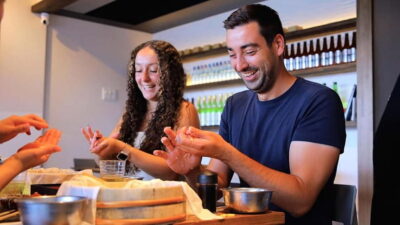
Roll and Authentic Sushi Making Class in Asakusa
Read our review →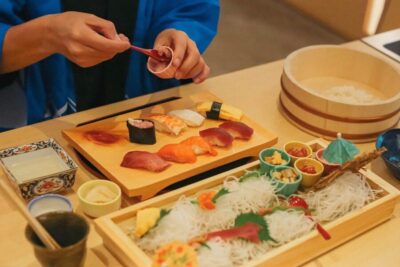
Sushi Making Class in a Happi Coat near a Famous Spot
Read our review →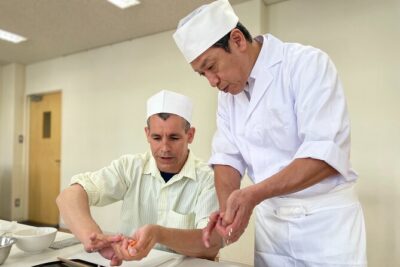
Tokyo Sushi Making Class in Tsukiji with Professional Chef
Read our review →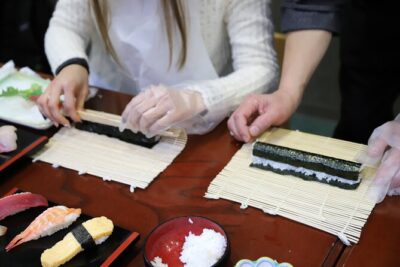
Tsukiji Fish Market Guided Tour and Sushi Making with Pro Chef
Read our review →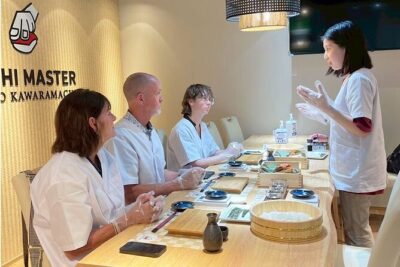
Sushi Making in Kyoto! Same-day bookings welcome!
Read our review →
Tsukiji Fish Market Sushi Making Class with Pro Chef
Read our review →
The Original Small-Group Sushi Making Class in Kyoto
Read our review →Browse the lists this tour appears in