
Reviewed · SUSHI-MAKING CLASSES
The Original Small-Group Sushi Making Class in Kyoto
The most appealing part of this Kyoto cooking class is its eight-person limit. You are not pushed through a large demonstration. Kana can watch your rice, hand position, and rolling technique, then offer a quick fix before you repeat the step. The setting is a restored townhouse near Kiyomizu-dera and Gion, so the class feels tied to Kyoto rather than tucked inside a generic cooking studio.
I like the patient, personal teaching and the generous amount of sushi you make and eat. I also like the practical keepsakes, including class notes, recipes, chopsticks, and a sushi mat, which help you repeat the lesson at home. The main consideration is food choice: a vegetarian or vegan option is not included, so plant-based diners should check arrangements before booking.
Key points at a glance
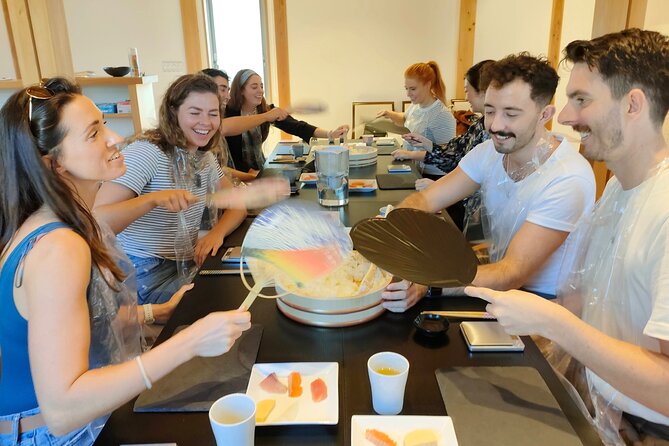
- Small group of no more than eight: You get room for questions and individual help.
- Kana leads the English class: Her husband Kerim may assist, adding a warm family-run feel.
- Nigiri and maki are both covered: You learn hand-shaped sushi and rolled sushi, not just one basic recipe.
- Fresh fish and local ingredients: The class focuses on simple technique and good produce.
- A full sushi meal is included: You eat your finished work as lunch or dinner, depending on the start time.
- Useful take-home items: Apron, gloves, tea, class notes, recipes, chopsticks, and a sushi mat are part of the experience.
Kyoto has no shortage of food activities, but this one gives you something useful to carry home. In about 90 minutes, you work through the basics of sushi rice, nigiri, and maki, then sit down to eat the results.
The price is $69.64 per person. That is not the cheapest meal in Kyoto, but it covers instruction, ingredients, a prepared sushi meal, tea or coffee, and equipment you can use later. For a visitor who wants more than a restaurant dinner, the value is solid.
Why the Eight-Person Limit Matters
The class is capped at eight people and conducted in English. That small number changes the pace. You have time to ask why the rice is seasoned a certain way, how firmly to press nigiri, or why a maki roll loosens when you cut it.
Kana teaches the class, and Kerim may assist. The atmosphere described by the experience is friendly and informal, with room for conversation about Japanese culture, Kyoto, and local food. This matters because sushi making can feel awkward at first. A calm instructor makes it easier to try, make a crooked roll, and try again.
Large cooking classes often work best for watching. This class is designed for doing. Your hands stay busy, and the instructor can correct small details before they become habits.
Other classes behind the counter in Kyoto:
- Sushi Making in Kyoto! Same-day bookings welcome!
★ 5.0 · 713 reviews - Sushi Making Tokyo Roll and Authentic Japanese Sushi Class
★ 5.0 · 3,971 reviews - Tokyo: Roll and Authentic Sushi Making Class in Asakusa
★ 4.9 · 1,957 reviews
Entering a Restored Kyoto Townhouse
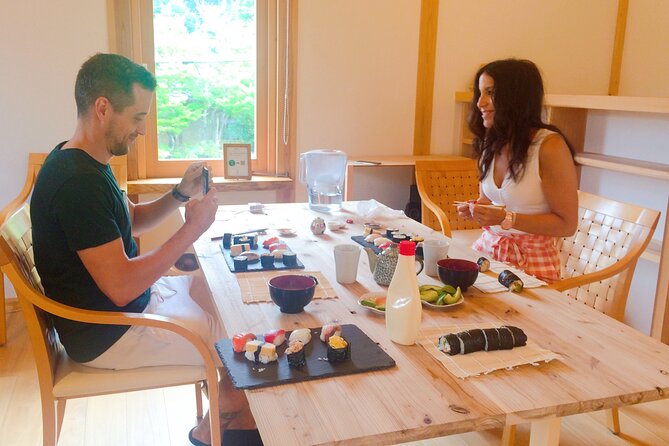
The workshop takes place at Atelier SUSHI, 311-1 Kitatōryōchō in Higashiyama Ward. It is near Kiyomizu-dera and Gion, two of Kyoto’s best-known sightseeing areas, and the building is a restored historic townhouse.
The location gives the class a useful sense of place. You are not simply preparing sushi in a modern room with no connection to the city outside. The traditional setting is quiet and refined, which suits the careful nature of sushi preparation.
The meeting point is also close to public transportation. You should still allow time to find the exact address, especially if you are coming from a busy sightseeing stop. The activity ends at the same place where it begins, so you do not need to arrange a separate pickup or find your way to another neighborhood afterward.
A smart plan is to pair the class with nearby sightseeing, but do not schedule it so tightly that you arrive rushed. Food preparation is more enjoyable when you have a few spare minutes to get there.
What You Learn in the First Part of Class
The class begins with the foundation of sushi: properly cooked and seasoned rice. This is more useful than it may sound. Rice texture and seasoning affect every piece you make, and a good instructor can explain the balance without burying you in technical detail.
You learn how the rice should feel and how to handle it without crushing the grains. You also get a practical look at how fresh fish and carefully chosen local ingredients shape the final taste. The lesson keeps the focus on technique, but it also gives you a better sense of why sushi can taste so simple and so precise at the same time.
Much of the advance preparation is done before you arrive. That keeps the 90-minute class moving and leaves time for the hands-on work. One useful consequence is that you are not spending the whole class chopping and waiting. You get to the sushi itself quickly.
The tradeoff is that this is an introduction, not professional chef training. You will leave with a strong home-cooking foundation, but not a full course in fish butchery, menu design, or restaurant-level sushi service.
Shaping Nigiri and Rolling Maki
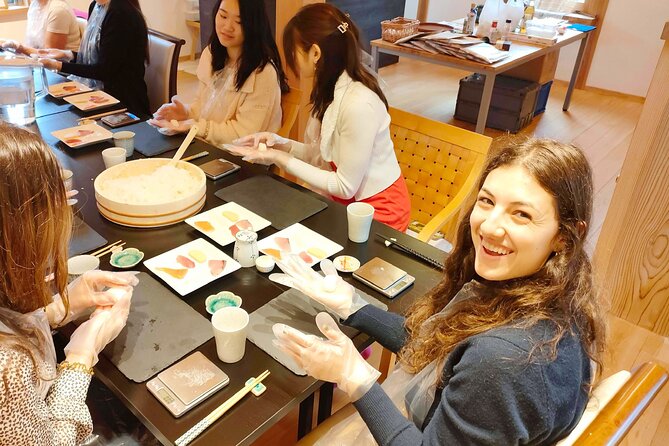
The central lesson covers two familiar forms of sushi: nigiri and maki.
Nigiri is the hand-shaped piece with fish placed over rice. It looks simple, but the shape, size, and pressure all matter. Kana demonstrates the basic movement, then gives you a chance to copy it. This is where the small group helps most. You can get direct guidance instead of trying to follow a demonstration from the back of a crowded room.
Maki is rolled sushi, prepared with a bamboo mat. You learn how to arrange the ingredients, form the roll, and cut it into pieces. The process feels more forgiving than nigiri, but it still rewards a light touch and even pressure.
You make several pieces of nigiri and at least one maki roll, with the exact variety depending on the class setup. The selection uses fresh fish and local ingredients. Several of the included items, such as sushi mats and recipes, are especially helpful here because rolling is the technique most people are likely to practice again at home.
Expect some imperfect shapes. That is part of the point. The class is built to make sushi approachable, not to demand restaurant-perfect presentation on your first attempt.
Same base, a different sort of day:
- PERFECT KYOTO 1-Day Bus Tour
★ 5.0 · 13,518 reviews - Kyoto: Fushimi Inari, Kinkakuji, Bamboo Grove 1 Day Bus Tour
★ 4.8 · 4,316 reviews - Kyoto: Tea Ceremony in a Traditional Tea House in Kiyomizu
★ 4.9 · 3,519 reviews - Kyoto Geisha Walking Tour: Gion District & Hidden Gems
★ 4.7 · 3,273 reviews
Eating What You Make
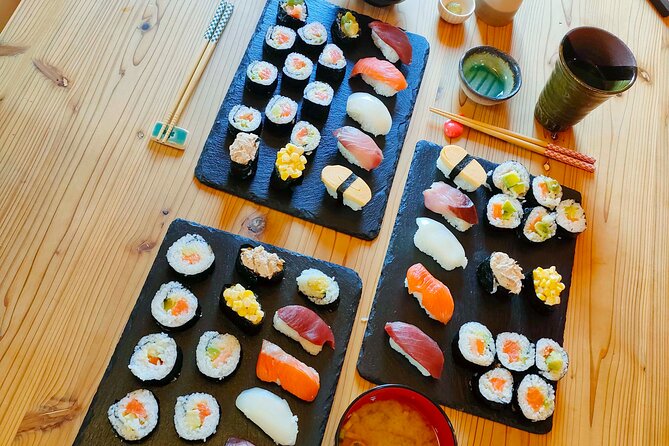
The finished sushi becomes your meal. Depending on the workshop time, it is served as lunch or dinner. Coffee, tea, or Japanese tea is also included.
The amount of food appears to be generous. Plan to arrive hungry rather than treating this as a small tasting. You prepare several pieces and a roll, and the meal is intended to leave you satisfied.
This makes the price easier to judge. At $69.64, you are paying for a meal plus instruction and a cultural activity. A basic Kyoto lunch can cost less, but it will not teach you how to make nigiri or send you home with a sushi mat and class notes.
The food quality also matters. The class uses premium fresh fish and selected local ingredients, so the meal is not merely a reward for finishing the lesson. It is part of the lesson. You get to taste how clean, fresh ingredients work when the preparation is kept simple.
A Friendly Class With Cultural Conversation
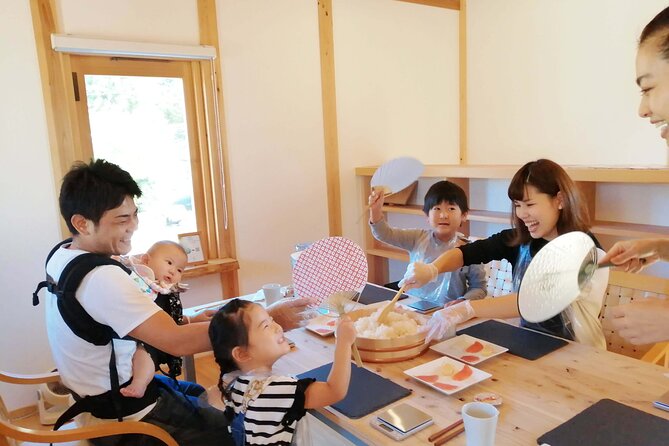
Kana’s role goes beyond showing hand movements. The class includes conversation about her personal journey, Japanese culture, local history, and life in Kyoto. You can also ask for suggestions for the rest of your visit.
That informal exchange is one reason to book this early in your stay. The class can give you ideas for places to eat and things to see, while helping you get oriented to Kyoto. It is not a formal city tour, so you should not expect a long sightseeing lecture. The value is in the personal conversation woven into the cooking.
The family-run feel is another part of the experience. Kana and Kerim welcome people into the townhouse, and the tone is warm rather than stiff. That suits visitors who enjoy meeting local hosts and asking questions.
If you prefer to keep a low profile and simply watch a chef work, this may feel more interactive than you want. You will be expected to participate, handle ingredients, and eat the food you prepare.
What You Take Home
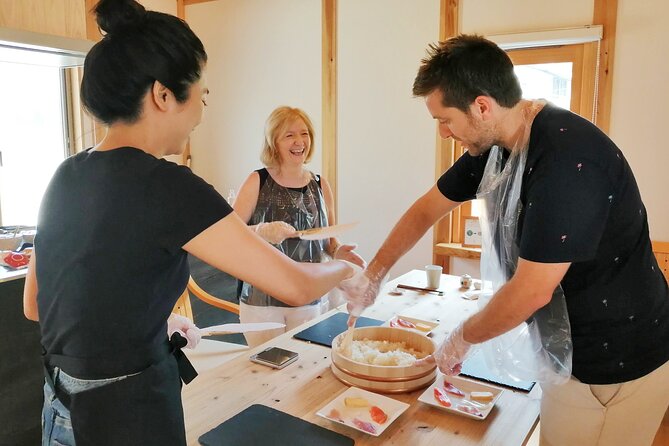
The included apron and gloves make the class cleaner and easier, especially for people who did not pack cooking clothes. Tea or coffee is also provided during the session.
The most useful extras are the take-home tools. Depending on the class arrangement, you receive class notes or recipes, chopsticks, and a sushi mat. These are not decorative souvenirs. They give you the basic equipment needed to repeat maki at home.
That adds lasting value to a short activity. A photograph of a Kyoto meal fades into the camera roll, but a bamboo mat and rice recipe can bring the memory back to your own kitchen.
Do not expect a full professional sushi kit. The point is to give you a workable start, not to equip a restaurant.
Dietary Needs and Food Choices
The listed experience does not include a vegetarian or vegan option. If you follow a plant-based diet, this is the clearest reason to pause before booking.
The class has handled specific needs such as celiac disease and shellfish allergies, but arrangements should be confirmed before you commit. Fish and seafood are central to the menu, and the exact substitutions are not specified.
For everyone else, the focus is fresh fish, sushi rice, and local ingredients. If you dislike raw fish, the class may still be approachable, but no separate cooked-fish menu is promised. You should ask the provider about your needs rather than assume the menu can be changed.
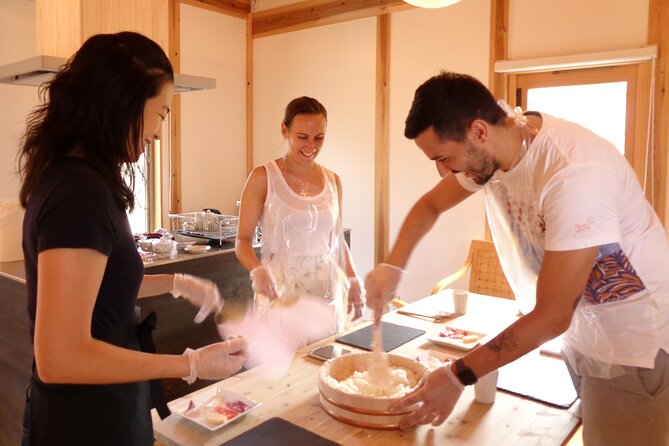
Aprons and gloves are supplied, which helps with hygiene. The setting is designed for food preparation, but you should still mention allergies clearly before the class begins.
Who Will Enjoy This Most
I would recommend the workshop to several types of visitors:
- Couples who want a shared activity beyond sightseeing
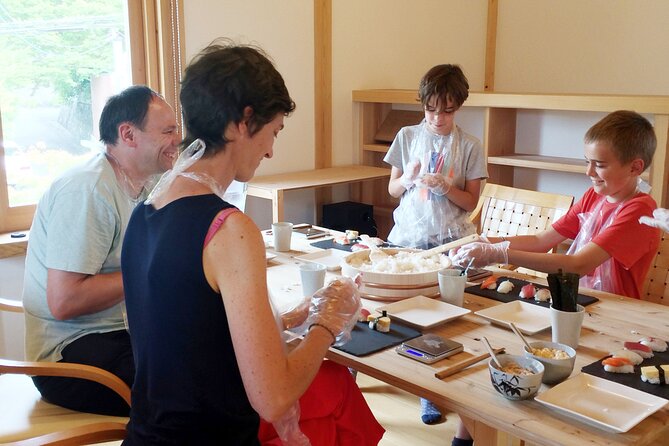
- Families with children who enjoy food and hands-on learning
- Solo visitors who like small groups and conversation
- Sushi fans who want to understand the process
- Home cooks looking for techniques they can repeat
- Visitors who want a local cultural activity near Gion and Kiyomizu-dera
The class has also worked well for a 12-year-old sushi fan, and the small group should help younger participants receive attention. Still, the provided details do not set a minimum age, so families should confirm that point when booking.
You do not need prior sushi-making experience. The instruction is intended to build confidence from the basics. Even someone who already makes sushi at home can find the session enjoyable, especially for the cultural conversation and the chance to learn Kana’s approach.
Timing, Transport, and Cancellation
The activity lasts about 1 hour and 30 minutes. That is long enough for a real lesson and meal, but short enough to fit into a sightseeing day.
Because the workshop is near Gion and Kiyomizu-dera, it can work well before or after exploring Higashiyama. Leave extra time for transportation and finding the townhouse. The exact meeting point is Atelier SUSHI, 311-1 Kitatōryōchō, Higashiyama Ward, Kyoto 605-0918.
The activity ends back at the meeting point. A mobile ticket is provided, and confirmation arrives when you book.
Cancellation is free up to 24 hours before the start time. A cancellation inside that window is not refunded, and changes made during the final 24 hours are not accepted. The cutoff follows Kyoto local time, so keep that in mind if you are booking from another country.
Is $69.64 a Fair Price?
For a simple meal, no. Kyoto offers cheaper ways to eat sushi.
For a small cooking class with an English-speaking instructor, fresh ingredients, a full meal, tea, and useful equipment to take home, the price is reasonable. You are paying for access to personal guidance, not just for the food.
The eight-person limit is important to the value. If the group were much larger, the same price would feel less attractive because you would have less time with Kana. Here, the class is built around interaction.
The take-home mat and recipes also make this different from a one-off demonstration. You can recreate at least part of the experience after returning home. That makes the activity particularly worthwhile for people who enjoy cooking and want a skill, not just a souvenir.
Should You Book Atelier SUSHI?
Book it if you want to make sushi yourself, enjoy small groups, and like meeting a local host. The combination of nigiri, maki, fresh ingredients, cultural conversation, and a generous meal gives you more than a standard restaurant visit.
Book early in your Kyoto stay if you want local food suggestions and a relaxed introduction to the city. It also works well for couples, families, and solo visitors who prefer a friendly class over a formal demonstration.
Skip it if you want a quiet meal with no instruction, need a confirmed vegan menu, or are looking for advanced professional sushi training. For most visitors who eat fish and enjoy hands-on activities, this is a practical and memorable way to spend 90 minutes near Kyoto’s historic eastern side.
FAQ
How long does the sushi-making class last?
The workshop lasts approximately 1 hour and 30 minutes.
Where does the class meet?
It meets at Atelier SUSHI, 311-1 Kitatōryōchō, Higashiyama Ward, Kyoto 605-0918, Japan.
Where does the activity end?
The activity ends back at the meeting point.
How many people can join the class?
The maximum is eight participants.
Is the class taught in English?
Yes. The workshop is conducted in English.
Who teaches the class?
Kana leads the class. Her husband, Kerim, may assist.
What types of sushi will I learn to make?
You learn to season sushi rice, shape nigiri, and roll maki.
Is a meal included?
Yes. You eat the sushi you prepare, served as lunch or dinner depending on the workshop time.
Are tea or coffee included?
Yes. Coffee, tea, or Japanese tea is included.
Is a vegetarian or vegan option available?
A vegetarian or vegan option is not included. Specific dietary needs should be checked with the provider before booking.
What equipment is provided?
An apron and gloves are provided during the class. Class notes, recipes, chopsticks, and a sushi mat may also be provided as take-home items.
Can I cancel for a full refund?
Yes, if you cancel at least 24 hours before the experience start time. Cancellations made less than 24 hours in advance are not refunded.
Just added in Kyoto
- Kyoto: Private Photoshoot Service★ 5.0 · 158 reviews
- Kyoto Rickshaw Tour★ 5.0 · 210 reviews
- Kyoto: Arashiyama Bamboo, Temple, Matcha, Monkeys & secret spots★ 5.0 · 219 reviews
- Izakaya Style Cooking Class★ 5.0 · 219 reviews
- Kyoto: Traditional Concert at Townhouse or Bathhouse★ 4.9 · 224 reviews
- Ninja 2-hour Hands-on Lesson by Japanese master in Kyoto -Medium★ 5.0 · 218 reviews
- Kyoto: Afternoon Japanese Izakaya Cooking Class★ 4.9 · 241 reviews
- Samurai Training with Modern day Musashi in Kyoto★ 5.0 · 256 reviews
Sushi-Making Classes, compared.
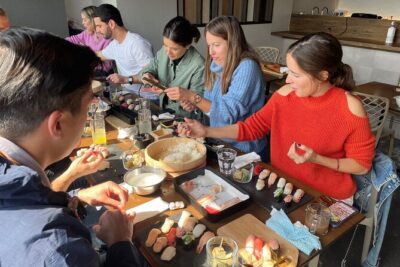
Sushi Making Tokyo Roll and Authentic Japanese Sushi Class
Read our review →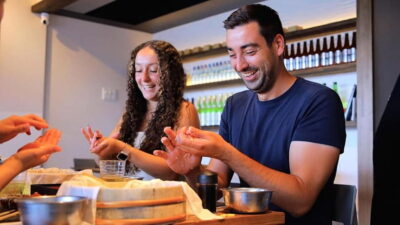
Roll and Authentic Sushi Making Class in Asakusa
Read our review →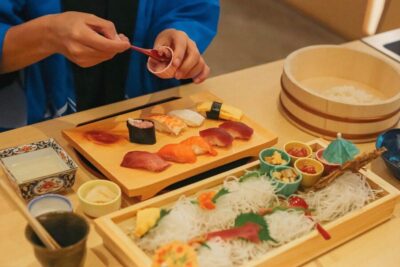
Sushi Making Class in a Happi Coat near a Famous Spot
Read our review →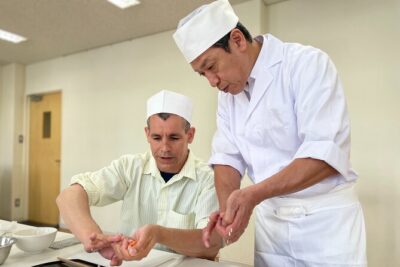
Tokyo Sushi Making Class in Tsukiji with Professional Chef
Read our review →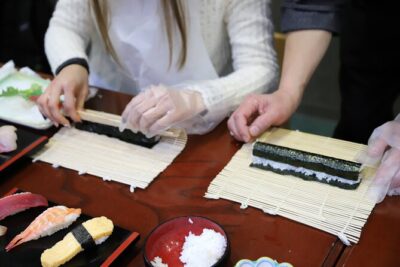
Tsukiji Fish Market Guided Tour and Sushi Making with Pro Chef
Read our review →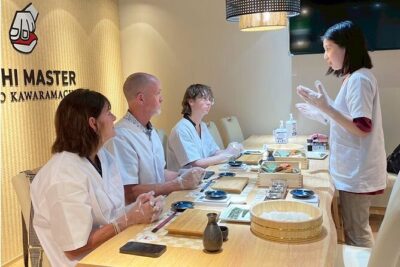
Sushi Making in Kyoto! Same-day bookings welcome!
Read our review →
Tsukiji Fish Market Sushi Making Class with Pro Chef
Read our review →
Browse the lists this tour appears in