
Reviewed · TSUKIJI & TOYOSU FISH MARKET TOURS
Tsukiji Fish Market Guided Tour and Sushi Making with Pro Chef
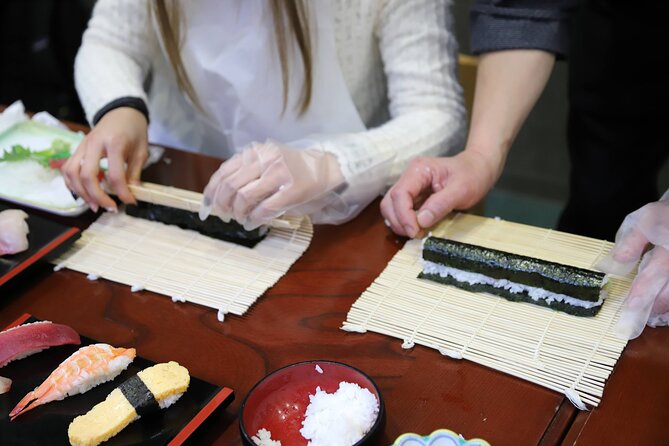
Tsukiji is no longer Tokyo’s main wholesale fish market, but it remains one of the city’s best places to understand how seafood reaches your plate. This four-hour experience begins at Tsukiji Honganji Temple, moves through the outer market and mini wholesale area, then shifts upstairs to a sushi class where you make five kinds of nigiri and one roll.
I like the way the tour connects market ingredients with the finished dish, rather than treating sushi as a stand-alone cooking lesson. I also like the cultural opening at the temple, where guides such as Sachi-san and Ko have explained prayer customs and local history before leading visitors into the market.
The main drawback is that the market walk includes no tastings, so you will need to buy snacks separately. The class can also take place in Asakusa or Yotsuya, and the venue may not be confirmed until the day of the tour.
Key points at a glance
- Start at Tsukiji Honganji Temple: Meet at the main gate, not the rear side shown by some map directions.
- See the outer market, not the former inner market: The wholesale business moved to Toyosu in 2018, while Tsukiji’s food stalls and mini wholesale area remain active.
- Make six sushi styles: The lesson covers five types of nigiri and one rolled sushi.
- Eat what you prepare: Your meal includes your sushi, a piece prepared by the sushi master, dashi soup, and green tea.
- Expect a walking-focused morning or afternoon: Comfortable shoes matter, and the tour leaves on time.
- Best for food-curious families and first-time visitors: The class is easy to follow, but dietary restrictions require careful checking before booking.
Tsukiji today, and what this tour actually visits
The name Tsukiji still carries the image of tuna auctions, delivery trucks, and the vast inner fish market that once supplied much of Tokyo. That business moved to Toyosu on October 6, 2018. This experience does not enter the former wholesale business area.
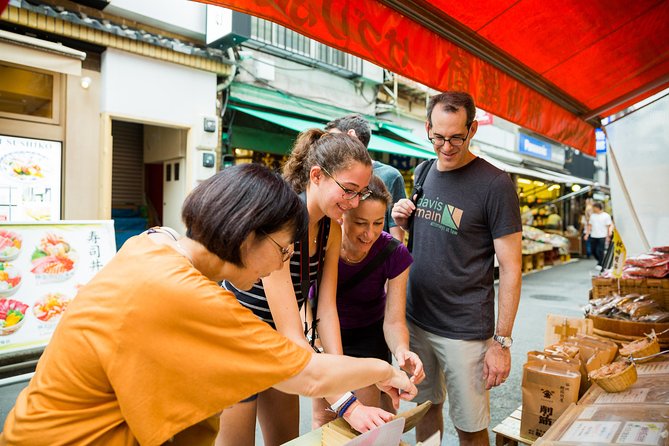
Instead, you visit Tsukiji’s outer market and mini wholesale section, where food shops, seafood sellers, kitchenware stores, and small eateries continue to serve local shoppers and curious visitors. That distinction matters. If you expect to watch the main commercial auction operation, this is not the right tour. If you want a guided introduction to Japanese ingredients, food customs, and the market streets, it fits much better.
A guide helps you make sense of what you are seeing. Tsukiji can look like a maze of counters and narrow lanes, with unfamiliar seafood, pickles, dried goods, knives, and cooking tools packed into a small area. Guides such as Monami, Ko, Mari, Yuki, and Tad have led groups through different parts of the market, though your guide will depend on the date.
The guide’s role is especially useful if you do not read Japanese. You can wander Tsukiji on your own, but you may not know which products are everyday staples, how ingredients are used, or what is worth stopping to examine.
Other market mornings in Tokyo:
- Tokyo Tsukiji Fish Market Food and Culture Walking Tour
★ 5.0 · 3,184 reviews - Tokyo: Tsukiji Fish Market Food and Walking tour
★ 5.0 · 1,724 reviews - Tokyo: Tsukiji Fish Market Guided Walking Tour
★ 4.9 · 1,397 reviews
Beginning at Tsukiji Honganji Temple
The meeting point is the main gate of Tsukiji Honganji Temple, at 3-chōme-15-1 Tsukiji. Look for the guide holding a Japan Wonder Travel sign. Arrive early. The group leaves at the stated start time and cannot wait for late arrivals.
The temple gives the tour a useful cultural beginning. Several guides have included a short explanation of how to approach and pray at a Buddhist temple, along with background on the neighborhood. This is more than filler before the food portion. It helps you see Tsukiji as a place shaped by religion, commerce, and daily life.
One point to note: some people expecting a food-only tour find the temple and shrine portion longer than expected. If your only goal is to shop and eat, the opening may feel like a detour. If you want to connect the market with Japanese customs, it adds context that you would likely miss on a quick self-guided walk.
Walking through the outer market and mini wholesale area
From the temple, the guide takes you into Tsukiji’s food streets. Expect a walking tour rather than a sit-down tasting circuit. You may see seafood, produce, snacks, seasonings, cooking tools, and other Japanese ingredients that are unfamiliar at first glance.
The strongest part of the market walk is the explanation. Guides point out what different shops sell, how seafood is distributed, and how ingredients fit into Japanese cooking. You may also receive suggestions about where to buy food and how to balance quality and price. That practical advice can be valuable, especially if you plan to return to Tsukiji later on your own.
The market portion does not include food samples. You can purchase items from stalls, so bring money if you want to try something along the way. One useful tip is to carry cash, since the market walk can tempt you into buying snacks or ingredients even though those purchases are not included.
A group of up to 22 people may be scheduled. That size is manageable for a guided walk, but it can limit your freedom in tight market lanes. You will not be able to stop at every stall, and the group may need to keep moving. If you prefer to browse slowly and sample at your own pace, plan time to return to Tsukiji after the tour.
The fish port stop and the seafood story
The route includes Tsukiji Nippon Fish Port Market, along with the broader outer market area. Here the guide explains the path seafood takes from the ocean through distribution and sale.
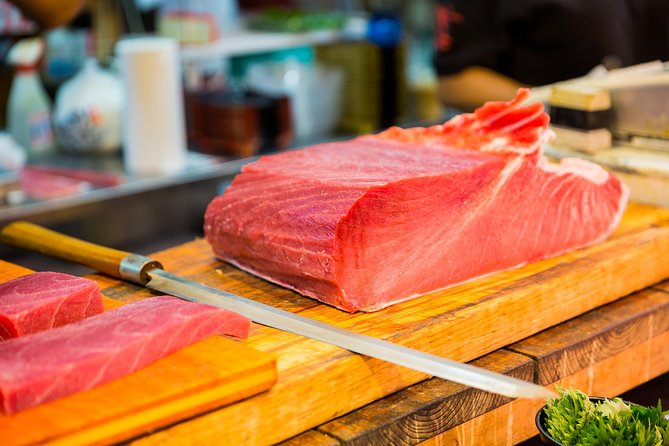
This is where the tour’s larger idea becomes clear. Sushi is not only about shaping rice and laying fish on top. It depends on freshness, handling, cutting, seasonality, trade, and the careful use of condiments such as wasabi. Seeing the market first gives the sushi lesson a practical setting.
Do not expect a full technical lecture on commercial fishing or wholesale logistics. The information is presented as part of a walking introduction. The level of detail can vary with the guide, the day, and the pace of the group. Still, the market visit gives you a better way to understand the ingredients you later handle in class.
Other classes behind the counter in Tokyo:
- Sushi Making Tokyo Roll and Authentic Japanese Sushi Class
★ 5.0 · 3,971 reviews - Tokyo: Roll and Authentic Sushi Making Class in Asakusa
★ 4.9 · 1,957 reviews - Tokyo: Sushi Making Class in a Happi Coat near a Famous Spot
★ 4.9 · 1,377 reviews - Tokyo Sushi Making Class in Tsukiji with Professional Chef
★ 5.0 · 1,177 reviews
Moving upstairs for the sushi lesson
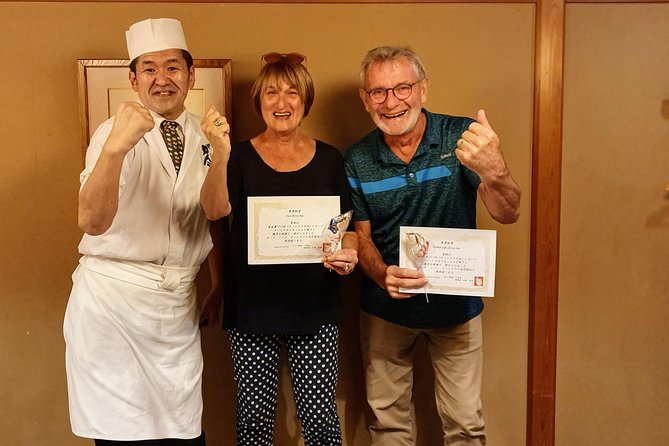
The cooking class takes place in a Japanese-style classroom in a local building near the market when the venue is available there. The room is on the third floor and can be reached only by stairs, so this activity is not suitable for anyone who has trouble with stairs.
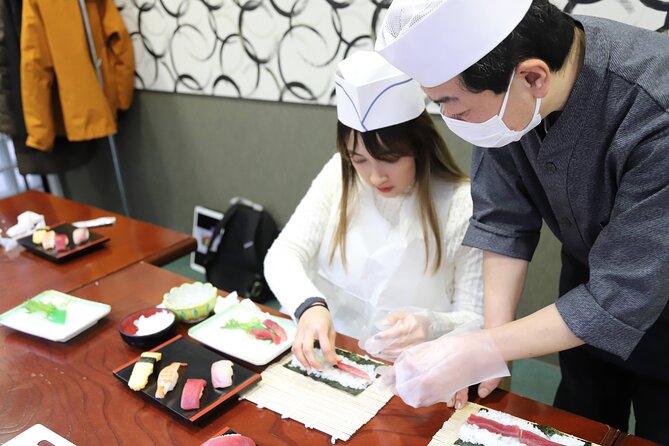
The class is designed for beginners. The professional sushi chef demonstrates the steps, then guides you through the process. Past classes have included a short presentation, demonstrations of fish preparation, and explanations of sushi customs and technique.
You learn to make five kinds of nigiri sushi and one rolled type. That is enough variety to show how small changes in shaping and assembly affect the finished piece, without turning the lesson into a professional training session.
One particularly useful demonstration is watching the sushi master debone fish. This shows the knife skill behind a dish that often looks simple on the plate. The class focuses on making sushi, not on teaching every stage of filleting and slicing, so do not expect an extended lesson on cutting fish for sashimi.
The instruction may be given in Japanese and English. Chef Kate has been praised for making the lesson friendly and interactive, while other classes have featured different chefs. Your instructor can change, but the format remains hands-on and beginner-friendly.
Eating the sushi you make
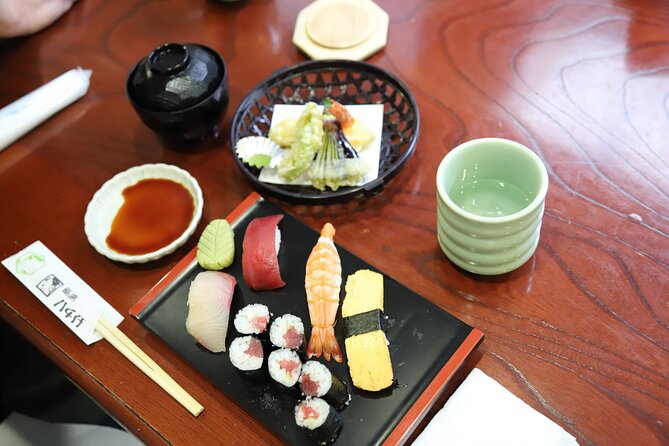
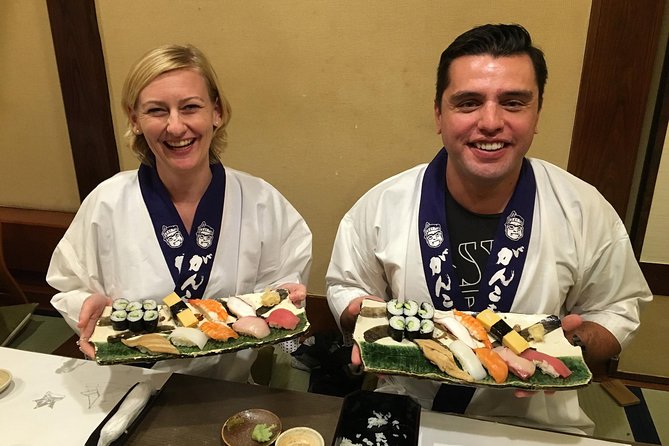
After the preparation, you sit down and eat your sushi. The meal includes your creations, a piece prepared by the sushi master, traditional dashi soup, and green tea.
This part gives the class a satisfying purpose. You are not simply practicing with ingredients and then leaving. You get to compare your work with the chef’s example and notice the difference that shaping, rice pressure, and presentation can make.
Fresh wasabi is also included. The sushi master prepares it for the meal, giving you a chance to taste wasabi in a more traditional form. Green tea is provided, but water is not specifically listed, so bring your own bottle if you prefer water with lunch.
The room has been described as clean and suitable for working at the tables, though it is basic rather than luxurious. One critical point is worth keeping in mind: this is a practical class in a local setting, not a polished restaurant production. If you want a grand dining room or a long chef’s tasting menu, spend your money elsewhere.
What the $104.13 price gets you
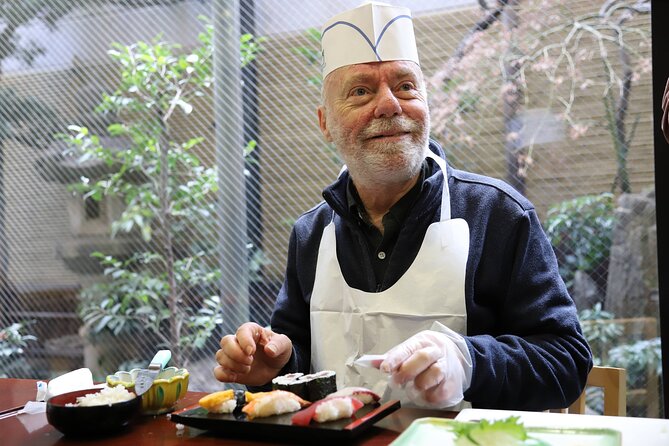
At $104.13 per person, the value rests on the combination of a guided market walk and a hands-on class. You receive roughly four hours of instruction, local orientation, sushi ingredients, the chef’s demonstrations, and a meal based on what you make.
The price looks stronger if you would otherwise book two separate activities. A self-guided visit to Tsukiji costs little, but you would need to arrange your own route and learn the market’s food context as you go. A sushi lesson on its own might not show you where the ingredients are sold or how the market fits into the city’s food culture.
Still, the value depends on what you want from Tsukiji. The market portion includes no tastings, and your extra purchases are your responsibility. If you are mainly seeking a long food crawl, the price may feel high. If you want an organized introduction followed by a proper activity and lunch, the package makes more sense.
The very high overall rating and 97 percent recommendation figure suggest strong satisfaction, but the less favorable experiences point to a real issue: some people find the market walk basic and the classroom plain. I would book it for the access, explanations, and practical lesson, not for luxury or a private tour.
Timing, meeting details, and small practical matters
The tour lasts about four hours and ends back at the meeting point in the standard plan. The end point can vary by date, however. It may finish in Tsukiji, Shinjuku, Asakusa, or Yotsuya, depending on the class venue and availability. The final location may not be announced until the day of the activity, so avoid scheduling a tight connection afterward.
The fish market portion is closed on Wednesdays, Sundays, and other market holidays. Check your chosen date carefully. The tour also leaves sharply at the stated time, and late arrivals do not receive an extended tour or a refund.
Wear comfortable walking shoes. You will walk through market streets, and the class requires stairs. The activity can host up to 22 people, so it is not a private or highly tailored experience.
The provider offers free cancellation up to 24 hours before the start time. Cancellations or changes made inside that window are not refunded.
Food restrictions and who should book
The class is a good fit for couples, families, first-time visitors, and anyone who wants a clear introduction to sushi. Children and teenagers have enjoyed the hands-on format, and the simple steps make it workable for beginners. It also suits people who want cultural context rather than a cooking class in isolation.
Food restrictions need careful attention. The published information says vegetarian, halal, gluten-free, kosher, and allergy-related requests may not be accommodated, while also asking you to list restrictions during booking. I would contact the provider before paying if any ingredient could cause a serious problem. Do not assume substitutions will be available.
This is also not the best choice for someone who dislikes group activities, has difficulty with stairs, or wants to spend the market portion eating at their own pace. You will be part of a guided group and will need to follow the route.
Should you book this Tsukiji sushi experience?
Book it if you want a well-organized first look at Tsukiji, clear explanations of Japanese food culture, and a relaxed sushi lesson that ends with lunch. The combination works particularly well for families and visitors who would not know where to begin in the market.
Skip it if your priority is the former inner market, extensive tastings, a private guide, or an upscale cooking studio. In that case, choose a market-only walk or a dedicated restaurant-based sushi class.
For most first-time visitors who want to understand both the market and the food, I think the experience offers solid value. Just arrive at the correct temple gate, wear good shoes, bring cash and water, and leave room in your schedule for a possible change of ending location.
FAQ
Where does the tour meet?
Meet at the main gate of Tsukiji Honganji Temple, at 3-chōme-15-1 Tsukiji, Chuo City, Tokyo. Do not go to the rear side of the temple, since some map directions may lead there.
How long does the experience last?
The activity lasts approximately four hours.
Does the tour visit the old inner fish market?
No. The former inner market moved to Toyosu in 2018. This experience visits Tsukiji’s outer market and mini wholesale area.
What sushi will I learn to make?
You will learn to make five types of nigiri sushi and one rolled type.
Is food included?
Your sushi-making ingredients, the sushi you prepare, a piece from the sushi master, dashi soup, and green tea are included. Food bought separately from market stalls is not included.
Are market tastings included?
No. You may buy food from market vendors, but those purchases are extra.
What should I wear?
Wear comfortable walking shoes. The tour is mainly on foot, and the classroom is on the third floor with stairs only.
Can the tour accommodate dietary restrictions?
You should list allergies or food restrictions when booking, but vegetarian, halal, gluten-free, kosher, and allergy-related requests may not be accommodated. Contact the provider before booking if this is important to you.
Where does the tour end?
The activity may end in Tsukiji, Shinjuku, Asakusa, or Yotsuya, depending on the date and class venue. The final location may not be known until the day of the tour.
Just added in Tokyo
- Japanese Whisky Hunting《HIGH-QUALITY-ONLY》Rare Tasting Class★ 5.0 · 20 reviews
- Luxury Tokyo Sake, Cocktail, Whisky and Pairing Tour★ 5.0 · 18 reviews
- Wagyu & Sake Pairing in Shinjuku – Steak, Shabu-Shabu & More★ 5.0 · 112 reviews
- Small-Group Wagyu Beef and 7 Japanese Dishes Tokyo Cooking Class★ 5.0 · 190 reviews
- Nikko: Edo Wonderland Edomura Cultural Theme Park Ticket★ 4.3 · 205 reviews
- 《MEMBERS-ONLY-BAR-HOPPING》Discover Your Special Whiskey in Tokyo!★ 5.0 · 29 reviews
- From Tokyo: Private Tour to Fuji/Hakone – Onsen, Art, Nature★ 5.0 · 116 reviews
- Tokyo: KABUKI Show at Kabukiza Theatre Admission Ticket★ 4.8 · 152 reviews
Tsukiji & Toyosu Fish Market Tours, compared.
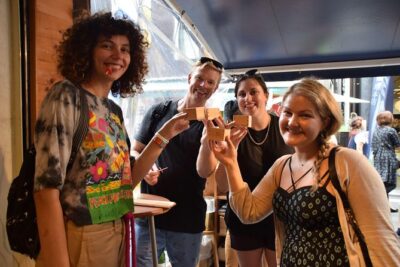
Tokyo Tsukiji Fish Market Food and Culture Walking Tour
Read our review →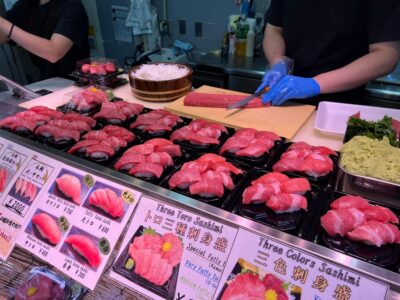
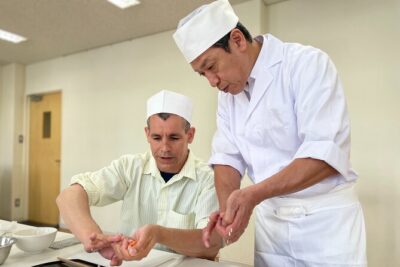
Tokyo Sushi Making Class in Tsukiji with Professional Chef
Read our review →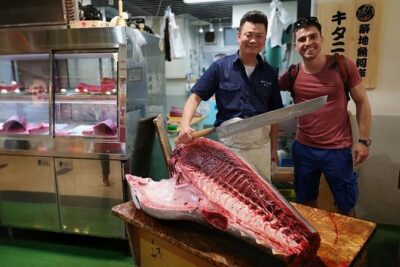
Tsukiji Fish Market Small-Group Food Walking Tour
Read our review →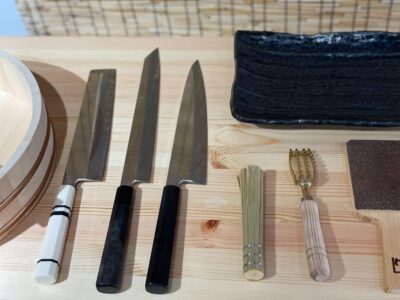
Tsukiji Fish Market Sushi Making Class with Pro Chef
Read our review →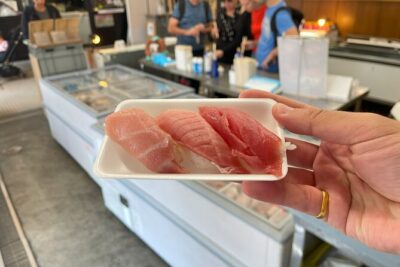
Tokyo Food Tour Taste Fresh Delights at Tsukiji Market
Read our review →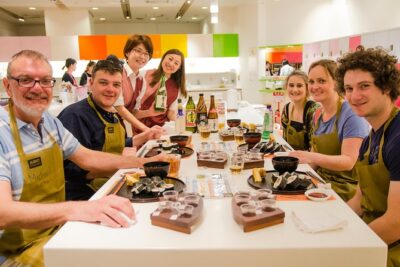
Tokyo Tsukiji Fish Market Tour and Sushi Making Lesson
Read our review →Browse the lists this tour appears in