
Reviewed · SUSHI-MAKING CLASSES
Tokyo: Roll and Authentic Sushi Making Class in Asakusa
Making sushi is one of Tokyo’s best hands-on food experiences, and this class keeps the recipe simple: learn a little, roll a lot, then eat your work. In historic Asakusa, you’ll make both maki sushi and nigiri, the hand-shaped style that looks easy until you try to form a neat piece of rice.
I like two things right away. First, the English-speaking team turns sushi history into a light quiz rather than a lecture. Second, the class welcomes solo participants and families, with instructors such as Hitomi, Jun, Moe, Ken, and Kaori helping people at different skill levels. The main consideration is pace: the session is scheduled for 100 minutes, but some people find the hands-on portion slightly rushed and would prefer another half-hour.
Key points to know before booking
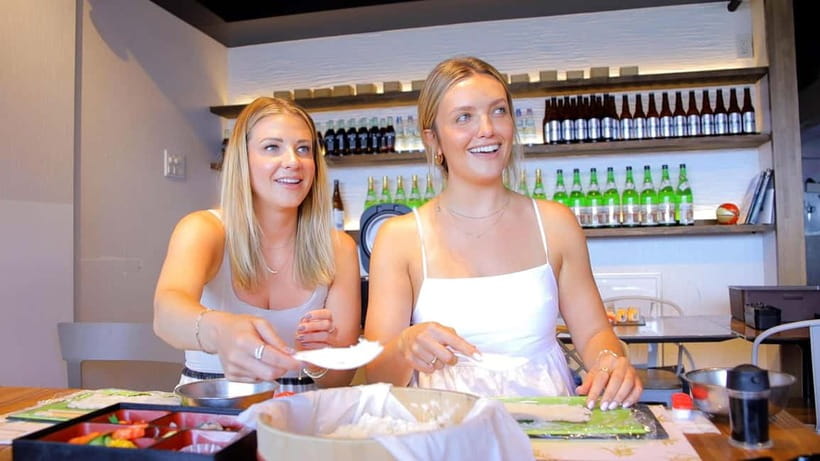
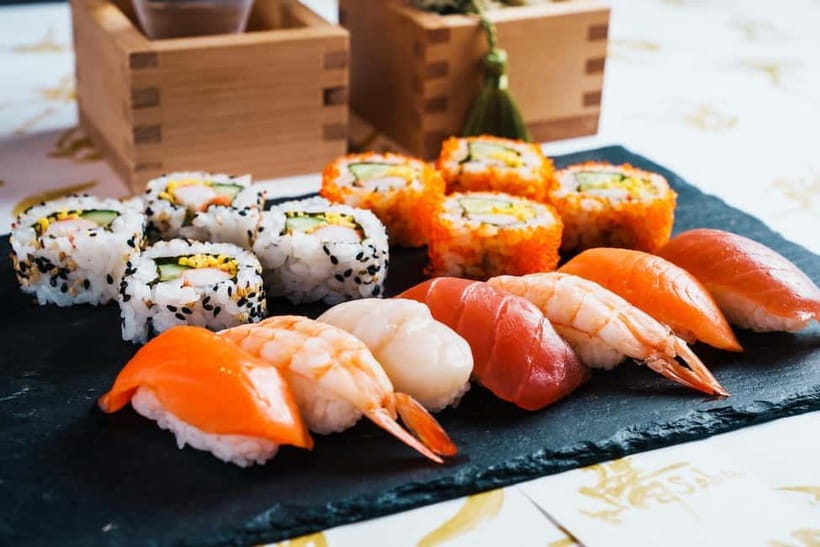
- Two sushi styles in one class: Make rolled maki sushi and traditional nigiri sushi, then eat your finished pieces.
- A playful introduction to sushi: The history lesson uses an interactive quiz, videos, and physical examples to keep the explanation moving.
- A convenient Asakusa setting: The meeting point is about three minutes from Asakusa Station, close to Sensoji Temple and Tokyo Skytree.
- Strong help for first-timers: English-speaking instructors explain each step clearly and offer hands-on encouragement.
- Suitable for many diets: Vegan, vegetarian, gluten-free, halal, and allergy-related menu changes are available if arranged when booking.
- A good family and solo activity: Families with children, teenagers, couples, and solo participants can all take part.
What the Asakusa setting adds to the class
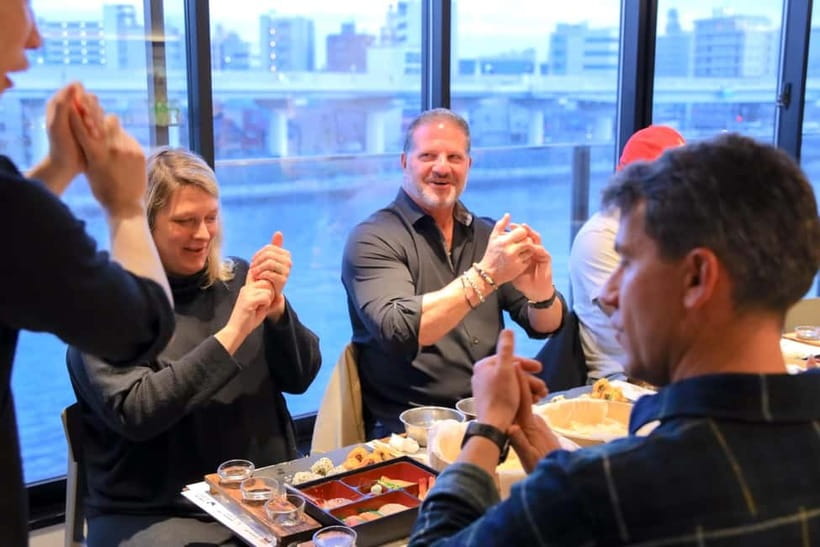
The location matters here. You are not heading to an isolated cooking studio on the edge of Tokyo. This class takes place in Asakusa, one of the city’s best areas for traditional sights, and the meeting point is only about three minutes from Asakusa Station.
That makes it easy to pair the class with a walk around Sensoji Temple. You can see the Kaminarimon Gate, stroll along Nakamise shopping street, and then turn to sushi making without spending much time crossing the city. Tokyo Skytree is also nearby, so the activity fits neatly into a sightseeing day.
I like this combination because the food lesson gains context from the neighborhood. Asakusa is associated with older Tokyo traditions, while sushi itself gives you a direct connection to everyday Japanese food culture. You are not only looking at temples and taking photographs. You are handling the ingredients and learning how two familiar sushi styles are put together.
The class is also close enough to major sights that you can book it during a day when you already plan to be in eastern Tokyo. Just leave room for finding the meeting point and arriving ready to start. Hotel pickup and drop-off are not included, so you make your own way there.
Other classes behind the counter in Tokyo:
- Sushi Making Tokyo Roll and Authentic Japanese Sushi Class
★ 5.0 · 3,971 reviews - Tokyo: Sushi Making Class in a Happi Coat near a Famous Spot
★ 4.9 · 1,377 reviews - Tokyo Sushi Making Class in Tsukiji with Professional Chef
★ 5.0 · 1,177 reviews
The first lesson is a quiz, not a long speech
The class begins with an introduction to sushi and its background. Instead of relying only on a formal explanation, the instructors use an interactive quiz, videos, and physical examples. That approach helps you understand the difference between sushi styles before you start handling rice.
The history section is useful because sushi is not simply raw fish placed on rice. You learn about the food tradition behind the shapes and methods, including the distinction between maki and nigiri. The quiz format also gives the instructors a chance to keep the room involved, even when the participants have different levels of English or cooking experience.
The tone is light and energetic. Instructors such as Jun, Hitomi, Moe, Ken, and Kaori have been singled out for humor, patience, and clear demonstrations. The staff also help solo participants feel part of the group rather than leaving them to work alone.
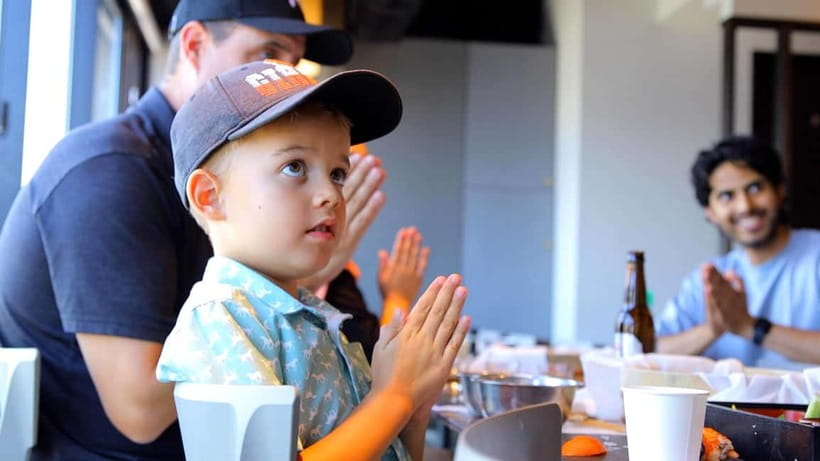
This is not a quiet professional sushi apprenticeship. The teaching style can include clapping, group energy, and plenty of encouragement. One person found that style a little more tourist-oriented than traditional, so you should know what you are booking. If you want a relaxed, social activity with a cheerful presentation, it fits. If you want a highly formal lesson in the restrained style of a sushi counter, this is not that.
Making maki sushi: the easiest place to gain confidence
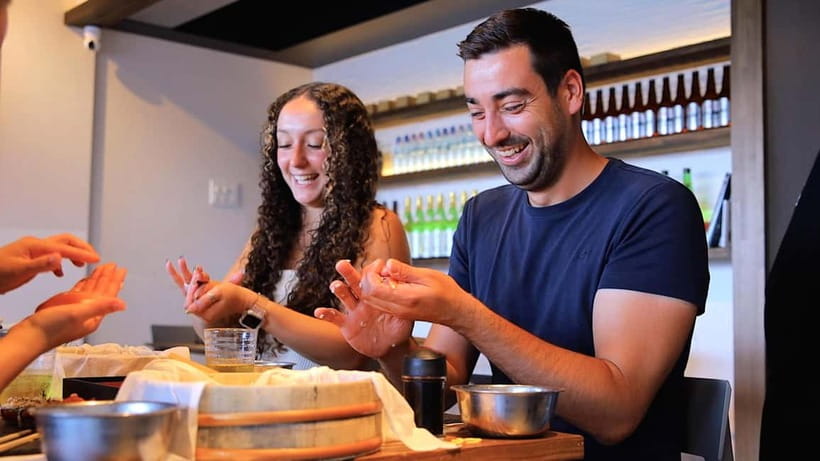
The first practical section focuses on maki sushi, the rolled style. You work with the ingredients, place them in the correct position, and learn how to roll everything into a firm shape.
Maki is often the more forgiving of the two techniques. You have the seaweed wrapper to help contain the rice and filling, and the rolling motion gives you a clear goal. Still, it takes a bit of pressure and timing to create a tidy roll. The instructors demonstrate the process and then let you try, stepping in with tips when the roll starts to loosen or the rice spreads too far.
This is where the class becomes more than a food tasting. You are not simply watching a chef prepare lunch. You are making decisions with your hands, correcting small mistakes, and seeing the result take shape. Even an uneven roll is satisfying once it is cut and placed on your plate.
The class supplies the ingredients and equipment needed for the activity. You do not need previous cooking experience. The structure is designed for beginners, and the staff keep showing the steps until everyone can follow along.
The amount of food is generous for many people, though one person wanted more rice. That is worth remembering if you arrive very hungry. The purpose is to make and eat a substantial sample of sushi, not to replace every meal you might otherwise have in Tokyo.
Nigiri shows why simple sushi takes practice
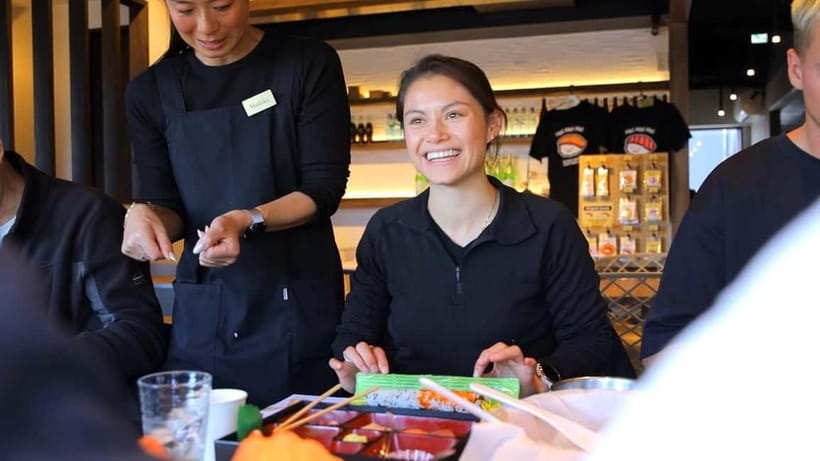
Nigiri is the more precise part of the lesson. You form a small portion of seasoned rice by hand and place the topping on it. The shape looks modest, but producing a neat, balanced piece takes more control than many first-timers expect.
The instructors explain the process in stages, then give you a chance to repeat it. Their job is especially useful here because small details matter. Too much rice can make the piece heavy. Too little pressure can cause it to fall apart. The class gives you enough guidance to create something presentable, even if your first pieces are not uniform.
I like that the class teaches both maki and nigiri rather than offering only the simpler roll. You leave with a better sense of how sushi changes when the rice and topping are shaped differently. It also gives the activity a good rhythm: maki feels creative and forgiving, while nigiri asks for more care.
The ingredients are repeatedly described as fresh and high quality, and the finished sushi is one of the strongest parts of the experience. The staff help you avoid common beginner problems, so the final meal feels like something you made rather than a plate that was prepared for you in advance.
Same base, a different sort of day:
- Mt Fuji and Hakone 1-Day Bus Tour Return by Bullet Train
★ 5.0 · 26,383 reviews - 1-Day Tokyo Bus Tour
★ 5.0 · 14,250 reviews - Tokyo: TOKYO SKYTREE® Admission ticket
★ 4.5 · 11,192 reviews - Tokyo: teamLab Planets TOKYO Digital Art Museum Entry Ticket
★ 4.6 · 9,779 reviews
Eating what you make is the real payoff
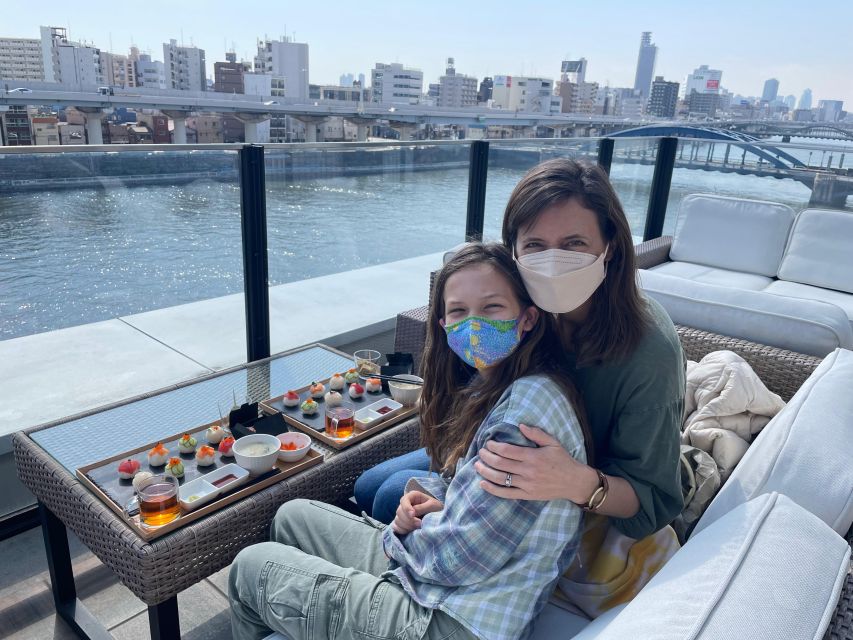
After the practical work, you sit down to eat the maki and nigiri you prepared. This final stage gives the class a clear reward and lets you compare your two techniques.
There is a simple pleasure in eating food that required your own hands. You notice the shape, the texture, and the small imperfections. A slightly loose roll still tastes good, and a crooked piece of nigiri becomes part of the story you take away.
The quantity is generally enough to leave you satisfied. Several people describe making plenty of sushi, while one person felt the class could have included more rice. Your appetite and the exact class flow may affect how full you feel.
Some sessions also offer sake flights and beer for purchase, according to the activity information provided by participants. Treat this as an optional extra rather than part of the included price. The listed package covers the cooking class, ingredients, and instructor, not drinks.
A friendly format for families and solo participants
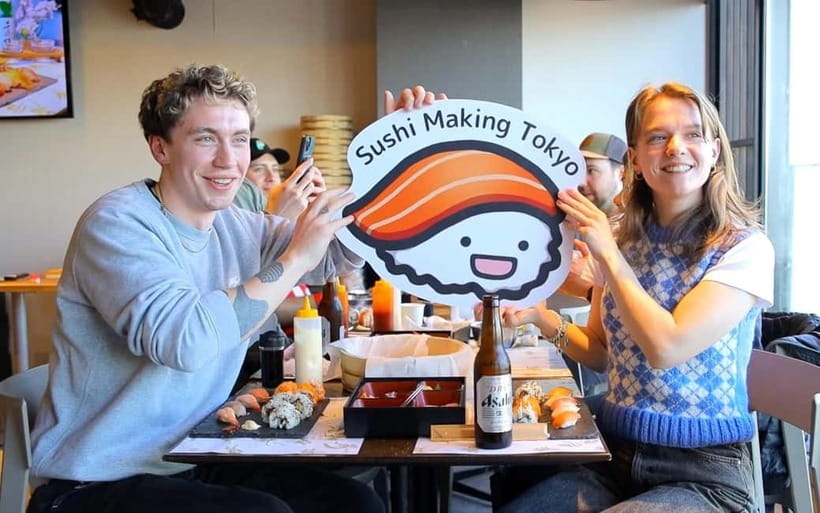
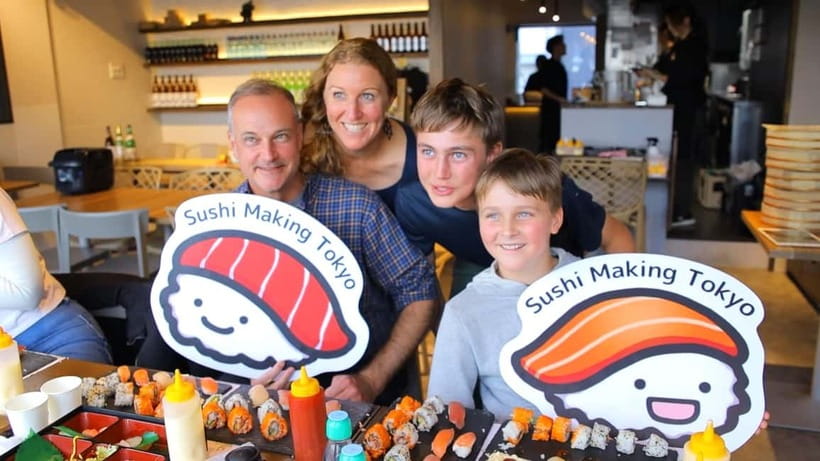
This class works well for families because the task is concrete and easy to understand. Children and teenagers can see progress quickly, especially during the rolling section. The class also gives everyone something to do, which is more engaging than asking younger members of a group to watch a long food demonstration.
Several family groups have enjoyed the activity, including a group with four children. The instructors’ patience matters here. They keep the mood relaxed when a roll goes wrong, and they use humor to prevent the class from feeling like a test.
Solo participants can also book without worrying about being left out. The staff help people join the group activity, and the format gives you a natural way to meet others without forced conversation. You will be working at the same time, which makes social interaction easier.
Couples and friends get a shared project, rather than simply sitting across from each other at a restaurant. That makes the class a useful choice for a rainy day, a break from temple sightseeing, or an activity that gives a Tokyo trip a personal memory.
Dietary needs require planning before the day
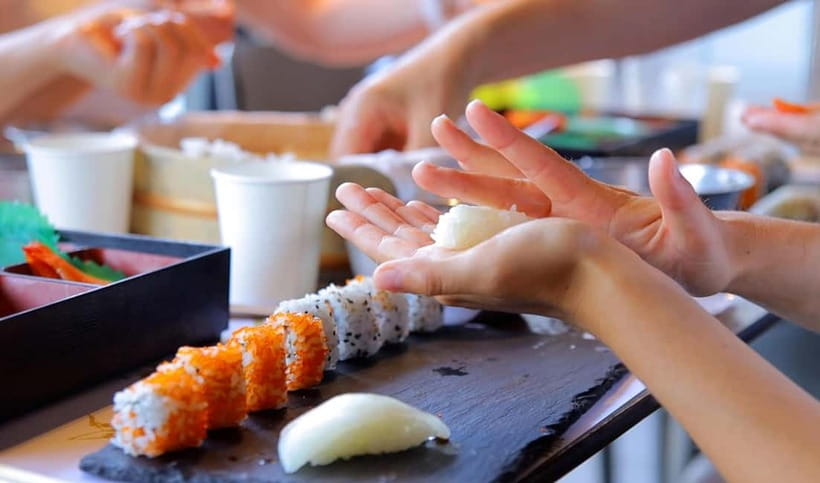
The activity lists vegan, vegetarian, gluten-free, halal, and allergy-related menu changes. This is valuable for a cooking class, but you need to arrange the change when you make your reservation.
The staff cannot respond to menu changes on the day itself, and they do not accept individual ingredient specifications. The supplied information also notes that meat, nuts, fruits, and dairy are not used in the listed menu. If you have a serious allergy or follow a strict diet, contact the provider before booking and explain your needs clearly.
Vegetarian participants have been accommodated successfully, but you should not wait until you arrive. The class is built around a set menu, so advance notice gives the instructors time to prepare the right version.
Is $58 a fair price for 100 minutes?
At $58 per person, this is not the cheapest meal you can buy in Tokyo. It can still be good value if you want instruction, food, and a cultural activity in one booking.
The price includes the class, ingredients, and instructor. You are paying for the teaching as well as the sushi, and the class gives you two styles rather than a single demonstration. The Asakusa location adds practical value because you can connect it with Sensoji and Tokyo Skytree instead of making a separate trip to a distant neighborhood.
The main value question is how much you enjoy hands-on activities. If you only want to eat excellent sushi, a restaurant may offer a more refined meal for the same money. If you want to learn, make your own food, and leave with a story to tell, the class earns its price more easily.
The class is scheduled for 100 minutes. Some individual sessions have felt closer to 80 minutes, while others have used nearly the full two hours. The practical lesson has a set amount to cover, so it can feel brisk when the group is large or when participants need extra help.
Timing, language, and access
The teaching language is English, and the instructors are local English-speaking staff. Names associated with the class include Hitomi, Jun, Moe, Ken, Kaori, Ryouko, Hide, and Kenshin. The exact team can vary, but you can expect an English-led session with demonstrations and direct help.
The class is wheelchair accessible. Because hotel transport is not included, you will need to reach the Asakusa meeting point independently. Its short walk from Asakusa Station is a practical advantage for most itineraries.
The booking terms are flexible. You can cancel up to 24 hours in advance for a full refund, and you can reserve now and pay later. Check the available start times when choosing your date, since the activity does not list one fixed daily departure.
Who should book this sushi class?
I would point families toward it first. Children and teenagers get a real task, the food is familiar enough to be appealing, and the instructors provide the encouragement needed when the first roll looks less than perfect.
It also suits couples, friends, and solo participants who want more than another sightseeing stop. You will learn a little about sushi, meet the staff and other participants, and eat the finished food during the same activity.
Beginners are the natural audience. You do not need sushi-making experience, and the class is designed to guide you through each stage. Experienced home cooks may still enjoy the social energy, but anyone seeking advanced knife work or professional sushi training will probably find the lesson too basic.
The class is also a good choice for a Tokyo itinerary centered on Asakusa. You can visit Sensoji before or after the session and add Tokyo Skytree nearby. That makes the $58 easier to justify because the activity fits into a larger day without much extra transport.
Should you book it?
Book this class if you want a friendly, practical introduction to sushi and like the idea of eating what you make. The strongest reasons are the two techniques, the clear English instruction, the convenient Asakusa setting, and the staff’s patient approach with families and solo participants.
Think twice if you prefer quiet, traditional instruction or want a slow, highly detailed cooking lesson. The group style is lively, and some people find the timetable tight. For most first-time visitors, though, the class offers a pleasant balance of food, culture, and participation, with enough sushi at the end to make the lesson feel worthwhile.
FAQ
Where is the sushi-making class held?
The class is held in Asakusa, about three minutes from Asakusa Station. It is close to Sensoji Temple and Tokyo Skytree.
How long does the class last?
The scheduled duration is 100 minutes. Some individual sessions have lasted about 80 minutes, so the exact pace can vary.
What types of sushi will I make?
You will make two types: maki sushi, which is rolled sushi, and nigiri sushi, which is hand-shaped sushi.
Is the class taught in English?
Yes. The instructor language is English, and English-speaking local staff guide you through the activity.
Do I need previous sushi-making experience?
No. The class is designed for beginners, and the instructors explain each stage clearly.
Are dietary changes available?
The activity lists vegan, vegetarian, gluten-free, halal, and allergy-related menu options. You must request a change when making the reservation because same-day changes are not accepted.
Is hotel pickup included?
No. Hotel pickup and drop-off are not included. You are responsible for reaching the meeting point in Asakusa.
Can I cancel or pay later?
You can cancel up to 24 hours in advance for a full refund. A reserve-now, pay-later option is also available.
Just added in Tokyo
- Small-Group Wagyu Beef and 7 Japanese Dishes Tokyo Cooking Class★ 5.0 · 190 reviews
- Nikko: Edo Wonderland Edomura Cultural Theme Park Ticket★ 4.3 · 205 reviews
- 《MEMBERS-ONLY-BAR-HOPPING》Discover Your Special Whiskey in Tokyo!★ 5.0 · 29 reviews
- Japanese Whisky Hunting《HIGH-QUALITY-ONLY》Rare Tasting Class★ 5.0 · 20 reviews
- Luxury Tokyo Sake, Cocktail, Whisky and Pairing Tour★ 5.0 · 18 reviews
- Wagyu & Sake Pairing in Shinjuku – Steak, Shabu-Shabu & More★ 5.0 · 112 reviews
- From Tokyo: Private Tour to Fuji/Hakone – Onsen, Art, Nature★ 5.0 · 116 reviews
- Tokyo: KABUKI Show at Kabukiza Theatre Admission Ticket★ 4.8 · 152 reviews
Sushi-Making Classes, compared.
Sushi Making Tokyo Roll and Authentic Japanese Sushi Class
Read our review →
Sushi Making Class in a Happi Coat near a Famous Spot
Read our review →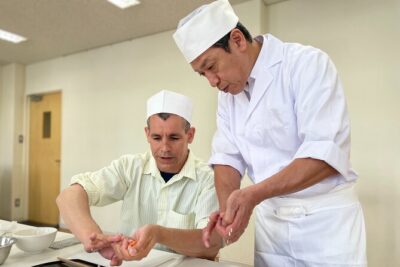
Tokyo Sushi Making Class in Tsukiji with Professional Chef
Read our review →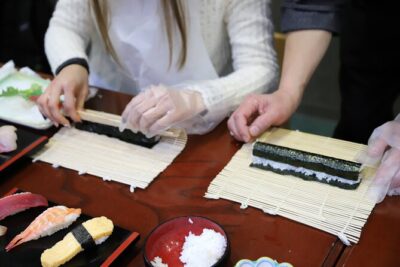
Tsukiji Fish Market Guided Tour and Sushi Making with Pro Chef
Read our review →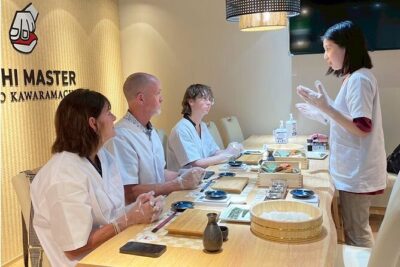
Sushi Making in Kyoto! Same-day bookings welcome!
Read our review →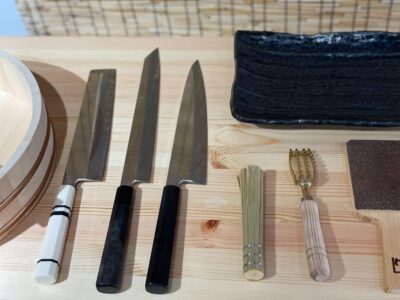
Tsukiji Fish Market Sushi Making Class with Pro Chef
Read our review →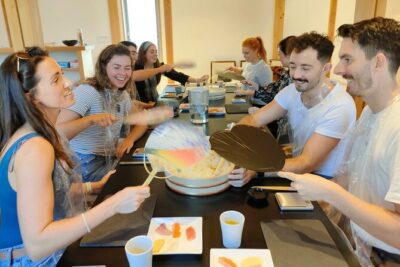
The Original Small-Group Sushi Making Class in Kyoto
Read our review →
Browse the lists this tour appears in