
Reviewed · TEMPLE & SHRINE TOURS
Osaka: Minoh, Katsuoji Temple, & Minoh Falls Full-day Tour
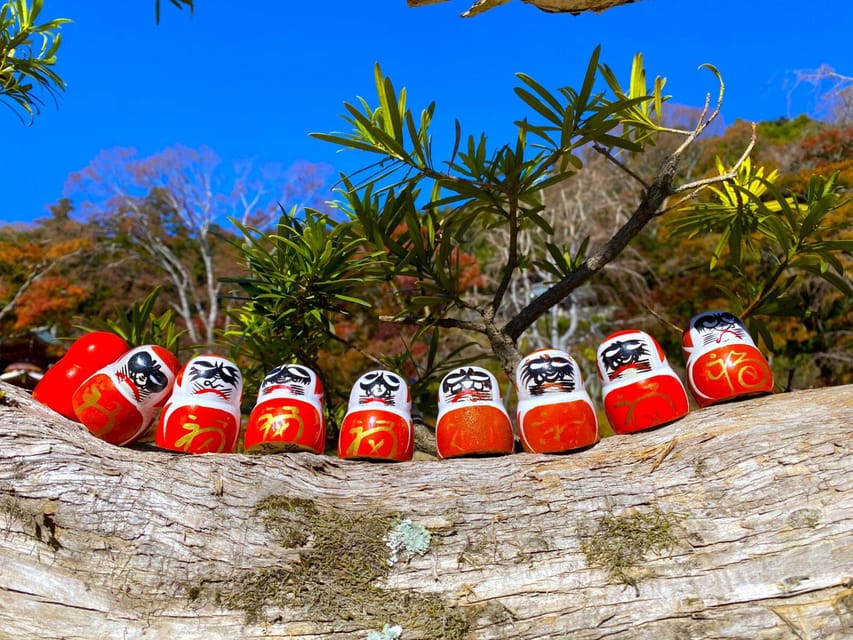
Katsuoji Temple is the star here, with hundreds of red Daruma dolls perched on steps, walls, rocks, and garden corners. I like the way this tour pairs that unusual cultural sight with Minoh Falls, a 33-metre cascade reached through a wooded valley. I also like that you get there by local train and bus rather than sitting in a private coach all day.
The tour gives you time to look around instead of rushing from photo stop to photo stop. Guides such as Warren, Adam, and Justin are praised for clear explanations, patience, and help with photos. The tradeoff is simple: this is a walking day, with public transport, steps, slopes, and hours outside. Bring good shoes, water, sun protection, and rain gear.
At a glance: what makes this day worthwhile
- Hundreds of Daruma dolls at Katsuoji: See Japan’s familiar good-luck figures in a temple setting where they appear throughout the gardens.
- A 33-metre waterfall in Minoh Park: Rest beside Minoh Falls and take your own lunch while listening to the water.
- Local transport instead of a private bus: Use Osaka’s subway, public bus, taxi, and train as part of the day.
- A mostly gentle return walk: The path from the falls toward the station is generally easy, with much of it flat or only gently sloping.
- English-speaking guides with different strengths: Warren, Adam, Justin, Joel, and Joe are among the guides praised for humor, patience, history, and practical help.
- A proper break from Osaka: The temple, forest, river, and waterfall give you a quieter day beyond the city center.
Leaving Osaka by local train and bus
Your meeting point is Akatsuki Plaza on the first floor of the North Gate Building inside JR Osaka Station. It is just north of the Central Exit ticket gates, near the North Central Exit. Look for the SNOW MONKEY RESORTS sign and a broad open area with an escalator on each side. Stay on the first floor rather than going up.
This matters because Osaka Station can feel like several stations stitched together. If you arrive from the Midosuji Subway Line, follow signs for JR Osaka Station, then head toward the Central Exit and continue north toward Yodobashi Camera. Allow time to get oriented. You do not want to begin a full-day outing by sprinting through a station.
The first leg uses the subway for about 40 minutes, followed by a public bus for around 25 minutes. This is not just a transfer detail. It lets you see how an ordinary day trip works for people living in Osaka, and your guide handles the turns, platforms, and connections.
Public transport also means you should be ready to stand or move with a group. Train and bus times can shift, and the published timings are only a guide. Weather and transport conditions may change the pace.
Other temples and shrines in Osaka people book:
- Full Day Kyoto Tour : Bamboo Forest, Golden Temple, Fushimi Inari
★ 5.0 · 84 reviews - Osaka Temple Cool Foot Bath & Matcha Experience〈45min〉
★ 4.9 · 82 reviews - Osaka: Mind & Spirit Balance Temple Reiki Healing
★ 5.0 · 41 reviews
Katsuoji Temple and the Daruma-filled gardens
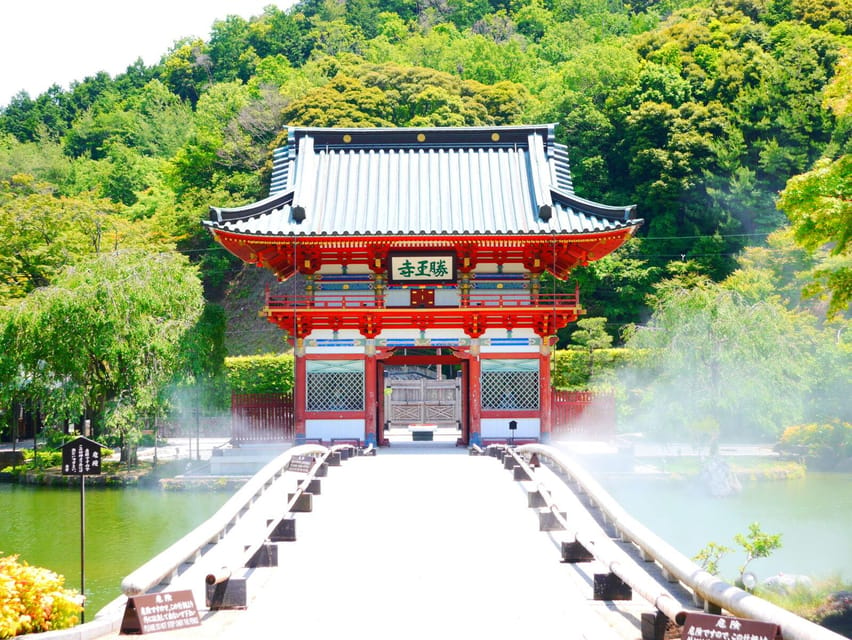
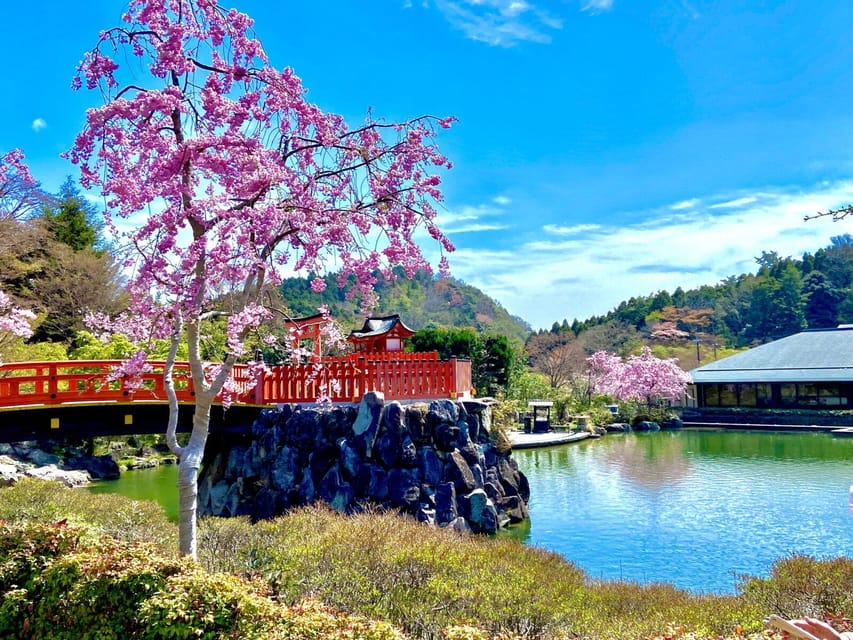
Katsuoji Temple sits in the northern part of Osaka, surrounded by hills and carefully arranged gardens. Its roots reach back to the Nara period, giving the visit a sense of age without turning it into a dry history lesson.
The temple is best known for its Daruma dolls. These round, determined-looking figures represent perseverance and good luck. You may see them gathered on ledges, tucked beside paths, and placed around the gardens. Their bright color gives the temple an unusual character, especially against the pond, bridges, flowers, and green setting.
Your guide spends about two hours and 15 minutes showing you around Katsuoji. That is a useful amount of time. You can learn what the dolls mean, look at the architecture, visit quieter corners, and take photographs without reducing the temple to a quick stop.
I especially like the contrast between the playful Daruma displays and the calm temple grounds. The dolls invite curiosity, while the pond and gardens encourage you to slow down. This is a place where a guide adds real value because the objects are easy to photograph but less easy to understand without context.
You can buy a Daruma doll as a souvenir and personal reminder. Traditionally, the doll connects with a goal or wish, so it is more meaningful than an ordinary shop purchase. You may also have the chance to collect a handwritten goshuin stamp, a popular temple keepsake. The supplied details also note layered stamps around the grounds, adding another small activity for visitors who enjoy finding details.
The temple includes steps and some uphill sections. It is not presented as a strenuous hike, but it is not a completely level visit either. If your legs tire easily, tell your guide early. Adam has been praised for adjusting the pace and allowing regular rests, but the tour is not suitable for wheelchair users or people with mobility impairments.
Taxi transfer to Minoh Falls
After Katsuoji, the group uses a taxi for about 10 minutes to reach Minoh Falls. This short ride is practical. It avoids making you retrace every connection by public transport and gets you to the waterfall without turning the day into a transport exercise.
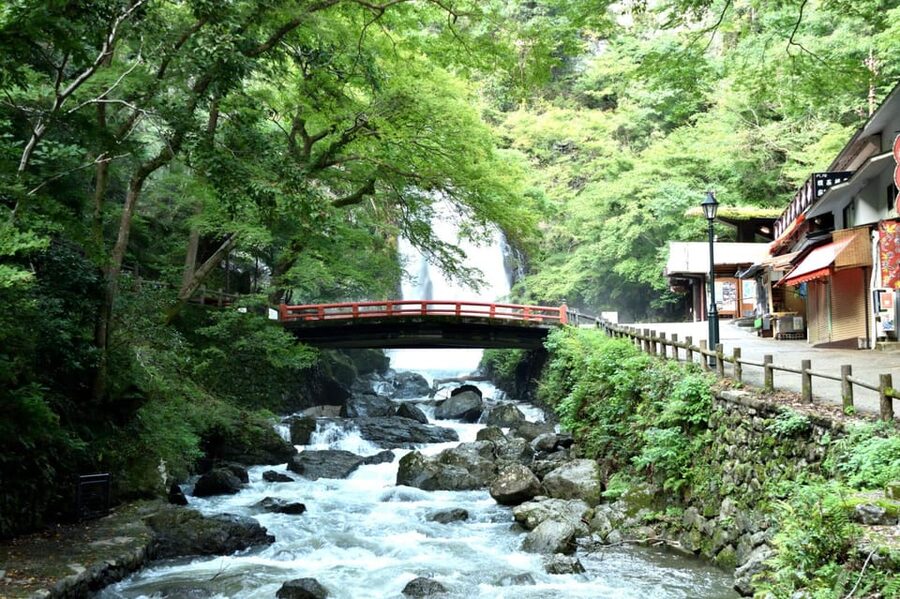
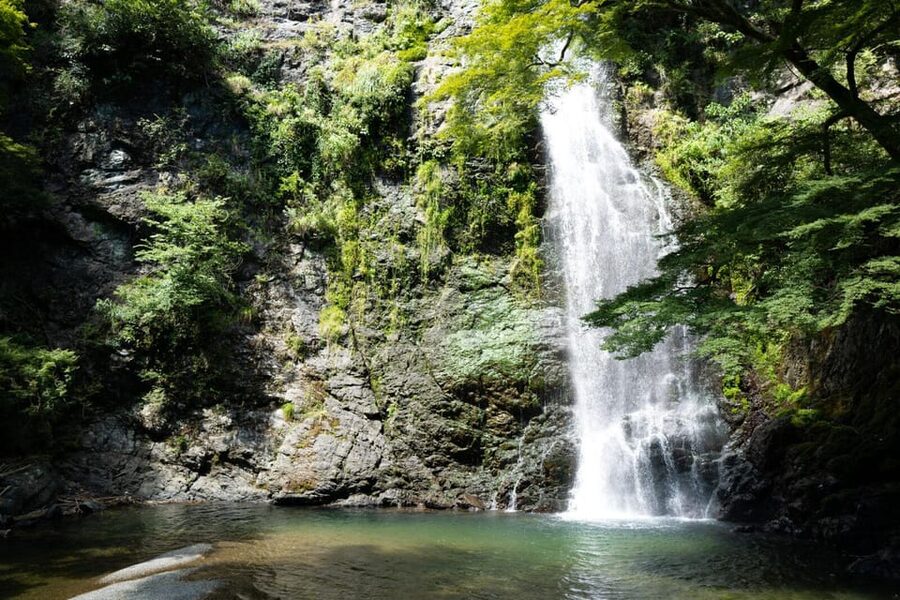
Minoh Falls drops 33 metres in a wooded part of Minoh Park. The setting is more about sound and atmosphere than grand scale. Water moves over rock, trees close in around the valley, and the city feels far away even though Osaka is within easy reach.
You have about an hour with the guide at the falls. This is the point to stop moving for a while. Sit near the water, take photographs, and eat the lunch you bring or buy yourself. Food and drinks are not included, so plan ahead rather than assuming a meal will be arranged.
The waterfall is attractive in every season, but the character changes. Autumn brings colorful leaves, while summer can be hot and humid. One July outing was described as very enjoyable despite intense heat, and the practical lesson is clear: carry water and wear a hat. Rain can also change the experience, so bring protection if the forecast looks uncertain.
The falls can attract more people at popular times, but the tour schedule gives you a reason to pause rather than simply arrive, take one photo, and leave. Your guide can point out good places to stand and help with pictures, which is particularly useful if you are traveling alone.
Walking the river valley toward Ryuan-ji
After lunch, you walk through Minoh Park toward the station. The walk takes roughly 50 minutes in the stated program, with scenic stops along the way. Some descriptions of the route put the return walk at about 2 kilometers, and it is generally flat or only gently uphill and downhill.
This is one of the strongest parts of the day. You get to hear the river, watch water move over rocks, and see the forest at a slower pace. The route gives the waterfall context. Instead of treating Minoh Falls as an isolated attraction, you experience the valley that feeds the whole setting.
Ryuan-ji is included as another guided stop. The exact amount of time can vary with the group and conditions, but the temple adds another cultural layer before the return to the station. Guides have been praised for showing lesser-known shrines and explaining the relationship between Buddhist and Shinto traditions.
You should not mistake mostly flat for no effort. There are steps and gradual inclines during the day, and you will be outside for hours. Comfortable shoes matter more than stylish shoes here. The trail is not described as strenuous, but the distance adds up when combined with station corridors, bus stops, temple grounds, and standing.
Other places of worship worth the walk in Osaka:
- Kyoto: Tea Ceremony Ju-An at Jotokuji Temple
★ 4.9 · 3,207 reviews - Tokyo: Meiji Shrine, Asakusa, Skytree Bus Tour and Cruise
★ 4.7 · 1,986 reviews - Tokyo: Asakusa Walking Tour with Sensoji Temple Visit
★ 4.8 · 1,583 reviews - Nikko: Kegon Falls, Lake Chuzenji & Toshogu Temple
★ 4.6 · 1,577 reviews
What the guides add to the experience
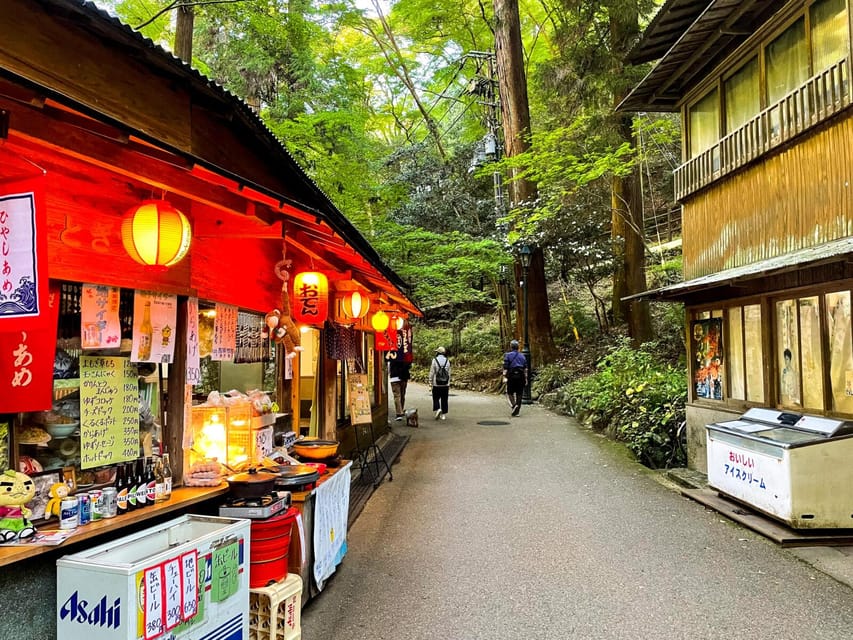
The quality of this tour depends partly on the person leading it. Warren is frequently praised for his history and cultural explanations, relaxed manner, humor, and care with group pacing. Adam is described as patient, flexible, and particularly considerate when people need more rest. Justin is noted for being friendly, funny, and helpful with navigation and temple details.
Other named guides include Joel and Joe, also praised for enthusiasm and a personal approach. You cannot guarantee a particular guide unless the booking system says so, but the pattern is clear: the guide is not simply escorting you from one transport stop to another.
Expect explanations about Daruma figures, Buddhist and Shinto ideas, the temple grounds, Minoh Park, and local customs. The best guides also adjust the amount of information to the group. That helps because a full day of constant commentary can be tiring, while too little context leaves you staring at attractive objects without knowing why they matter.
Solo visitors may appreciate help with photographs and the friendly rhythm of a small group. Families can benefit from the patient pace, though the long outdoor day may be less appealing to very young children who tire easily. The tour can also feel almost private when demand is low, but group size is not specified, so you should not book on the assumption that it will be private.
Is $135 a fair price?
At $135 per person, this is not the cheapest way to reach Minoh. You could arrange public transport and visit the area yourself for less. The question is what you are paying to avoid.
The fee includes attraction entry, public transportation, and an English-speaking guide. More important, it removes the work of connecting the subway, bus, taxi, trail, and return train. It also gives you historical and cultural context at Katsuoji and Ryuan-ji, plus help with pacing and meeting points.
I see the price as fair for visitors who value a well-run day and do not want to spend time working out Osaka’s transport network. It is less compelling if you enjoy independent planning, already know the area, or mainly want a short waterfall visit.
Food and drinks are extra. Keep enough time and money for lunch near the falls or along the route, though the supplied details do not guarantee a particular restaurant or meal arrangement. The tour’s flexibility works best when you bring water and a small snack.
Free cancellation is available up to 24 hours before departure, and you can reserve now and pay later. Those terms help if your Osaka plans are still shifting.
Weather, clothing, and practical preparation
This tour takes place outdoors for most of the day. Wear shoes that can handle temple paths, steps, station walking, and a forest route. Light clothing works in warm weather, but bring a layer if conditions are cooler.
Pack:
- Water and a lunch or money for food
- Sun protection and a hat
- Rain protection
- A phone or camera
- Comfortable clothing for public transport and walking
Rain does not automatically ruin the temple visit. A wet Katsuoji can feel quiet and atmospheric, and one guide even lent a Japanese umbrella for photographs during a rainy outing. Still, rain can slow the group and make surfaces slippery, so take care on steps.
The published duration is 390 minutes, or six and a half hours. The schedule includes about 40 minutes on the subway, 25 minutes by bus, 10 minutes by taxi, and 50 minutes by train, with the remaining time at the temple, falls, park, and Ryuan-ji. Actual timings can change with weather and trains.
Free time is part of the design. Your guide will explain when and where to meet, but you must pay attention. If you lose the group or forget the meeting point, call the tour provider promptly.
Who should choose this Minoh day trip?
You should consider booking if you want a break from Osaka’s dense urban center and prefer a mix of temples, water, forest, and local transport. It is a strong choice for first-time visitors who want to see a quieter side of the Osaka area without handling every connection alone.
It also suits you if cultural explanation matters. Katsuoji is visually memorable on its own, but Daruma symbolism, goshuin stamps, and temple customs become more interesting when someone explains what you are seeing.
The tour may not suit you if you dislike public transport, need a fully accessible route, or want a relaxed day with almost no walking. It is also not the right pick if you expect meals, a private vehicle, or a guaranteed private group.
FAQ
How long does the Osaka Minoh tour last?
The tour lasts 390 minutes, or about six and a half hours. The actual schedule may change because of weather and train conditions.
What is the meeting point?
Meet at Akatsuki Plaza on the first floor of the North Gate Building inside JR Osaka Station. It is north of the Central Exit ticket gates, near the North Central Exit.
How do I find Akatsuki Plaza from the Midosuji Subway Line?
Follow signs toward JR Osaka Station, then continue to the Central Exit area. Walk north toward Yodobashi Camera. Akatsuki Plaza is on the first floor, with escalators on both sides.
What sign should I look for?
The guide will hold a SNOW MONKEY RESORTS sign.
Is transportation included?
Yes. The tour includes the public transportation used during the experience, including trains and buses. A taxi transfer to Minoh Falls is also part of the stated route.
Is lunch included?
No. Food and drinks are not included. You have time to eat your own lunch near Minoh Falls.
Is the tour conducted in English?
Yes. The tour includes a live English-speaking guide.
How much walking is involved?
The tour includes moderate walking, temple paths, steps, outdoor time, and a walk through Minoh Park toward the station. The route from the falls is generally easy, with much of it flat or gently sloped.
Is the tour suitable for wheelchair users?
No. The experience is not suitable for wheelchair users or people with mobility impairments.
Can I cancel for a refund?
You can cancel up to 24 hours in advance for a full refund. You can also reserve now and pay later.
Should you book it?
Book this tour if you want a full day of nature and culture with the transport details handled for you. Katsuoji’s Daruma figures are unusual and memorable, while Minoh Falls and the river walk provide a calm counterpoint to Osaka.
Skip it if you want a short, self-directed outing or cannot manage moderate walking and public transport. For most visitors who are comfortable on their feet, the $135 cost buys more than admission: it buys a clear route, useful cultural context, and a well-paced escape from the city.
Just added in Osaka
- Osaka Temple Cool Foot Bath & Matcha Experience〈45min〉★ 4.9 · 82 reviews
- Osaka: Mind & Spirit Balance Temple Reiki Healing★ 5.0 · 41 reviews
- Full Day Kyoto Tour : Bamboo Forest, Golden Temple, Fushimi Inari★ 5.0 · 84 reviews
- OSAKA NIGHT FUSION Japanese Taiko Kabuki Samurai Dance Show★ 4.8 · 155 reviews
- Ramen and Gyoza Cooking Class in Osaka★ 5.0 · 202 reviews
- Osaka: A Modern Samurai, Kabuki, Taiko, & Dance Show★ 4.5 · 66 reviews
- Osaka: Samurai Training Experience KENDO in Osaka★ 5.0 · 111 reviews
- Osaka E-Bike Tour with a Local Guide★ 5.0 · 219 reviews
Temple & Shrine Tours, compared.

Meiji Shrine, Asakusa, Skytree Bus Tour and Cruise
Read our review →
Asakusa Walking Tour with Sensoji Temple Visit
Read our review →
Kamakura & Enoshima Day Trip including Temple Tickets
Read our review →
Nikko Toshogu Shrine and Kegon Waterfall Tour
Read our review →
Tokyo Panoramic 1 Day: Meiji Shrine, Asakusa, Odaiba and SKYTREE®
Read our review →
1-Day Snow Monkeys, Zenko-ji Temple & Sake in Nagano
Read our review →Browse the lists this tour appears in