
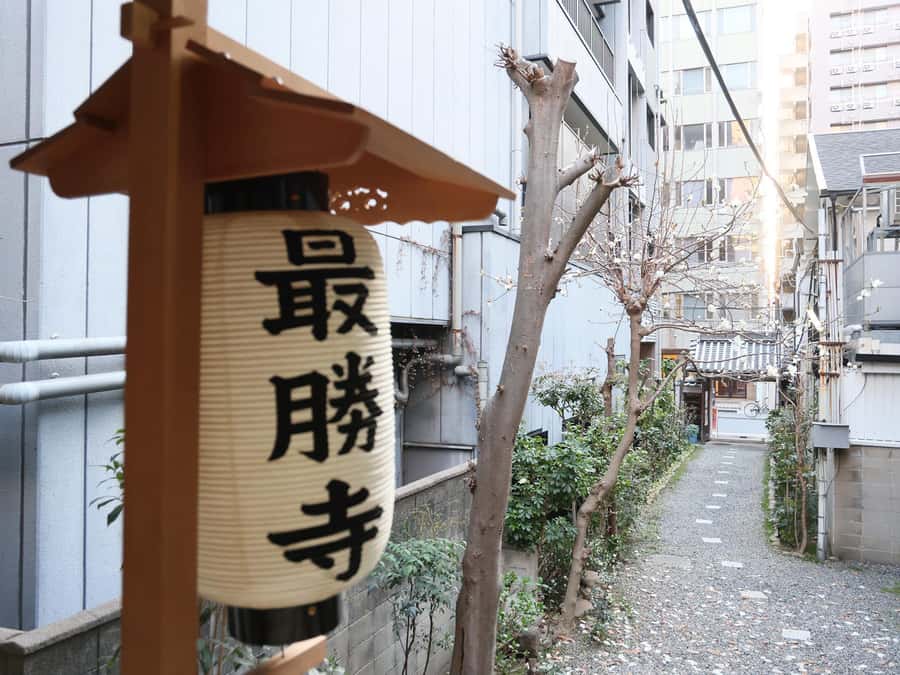
Reviewed · TEA CEREMONY EXPERIENCES
Osaka Temple Cool Foot Bath & Matcha Experience〈45min〉
A temple foot bath is an unusual way to meet Japanese culture, and that is the appeal here. In 45 minutes, you move from incense and quiet reflection to wagashi, matcha, a cooling soak, and a light scrub massage. I like the mix of culture and simple comfort, plus the chance to wear a yukata for photos without committing to a long costume rental.
I also like that the hosts explain the meaning behind worship, kneaded incense, and matcha rather than handing you a cup and sending you on your way. The main consideration is timing: 45 minutes goes quickly, and the foot massage is light, not a full spa treatment.
Key points at a glance
- Temple customs come first: Learn how to worship, offer incense, and use kneaded incense before the tea portion.
- A cooling foot bath follows the walking: Your feet receive a soak and scrub massage, making this a smart pause after a long day in Osaka.
- You make matcha yourself: The activity includes matcha, wagashi, and matcha ice cream.
- Yukata photos add a memorable touch: You can dress in a traditional robe, with the hosts taking photos on your smartphone.
- English support is available: The experience is offered in Japanese and English, with hosts such as Yuiitsumuni, Yumi, and Vanessa leading different sessions.
- The price is $34 per person: That is fair if you want culture, refreshments, foot care, and photos in one short booking.
A 45-minute break inside a working temple setting
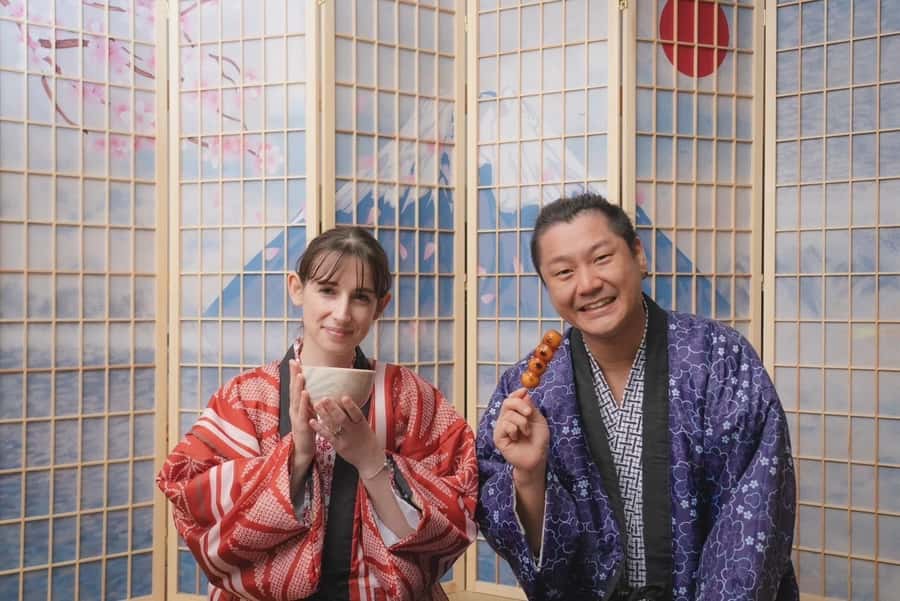
This experience packs several small Japanese customs into one short visit. You are not simply watching a tea ceremony. You learn about temple worship, offer incense, sit with a quiet moment of meditation, care for your feet, and then prepare matcha.
I like this order. The temple portion gives the later tea a sense of place. Matcha can feel like a stand-alone tourist activity when it happens in a generic room. Here, the tea is linked to a setting where silence, ritual, and attention matter.
The pace also suits an Osaka day. You do not need to surrender half a day, and the experience ends back at the meeting point. The exact starting point varies by the option you book, so check that detail carefully before setting out.
The 45-minute length is both a strength and a limit. It is easy to fit between sightseeing stops, but you should not expect a slow, formal tea ceremony with long explanations of every utensil. This is a compact introduction with a wellness element.
Other temples and shrines in Osaka people book:
- Osaka: Minoh, Katsuoji Temple, & Minoh Falls Full-day Tour
★ 4.9 · 172 reviews - Full Day Kyoto Tour : Bamboo Forest, Golden Temple, Fushimi Inari
★ 5.0 · 84 reviews - Osaka: Mind & Spirit Balance Temple Reiki Healing
★ 5.0 · 41 reviews
Starting with worship, incense, and a quiet mind
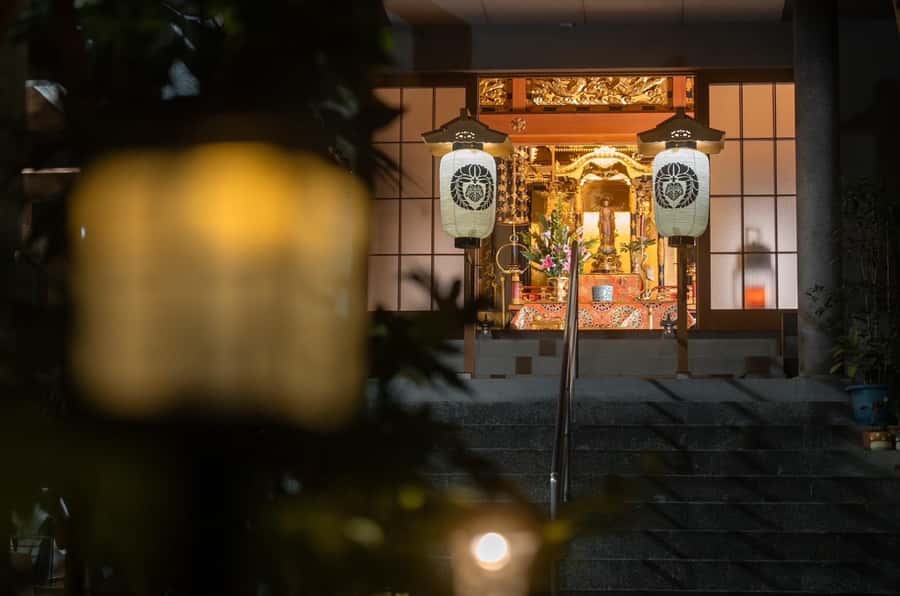
The first part introduces the temple and the act of worship. The hosts explain what you are doing, then include a worship and incense offering. You also apply kneaded incense and spend time in meditation.
For many people, this may be the most valuable part. Osaka can be noisy and fast, and temple customs give you a reason to slow down. You are not being asked to perform a ritual without context. The activity explains the purpose of the steps, which makes them easier to approach with respect.
The kneaded incense is a particularly nice detail. It is hands-on, but still quiet and deliberate. You can pay attention to scent, movement, and the small instructions from the host. This is the sort of cultural detail that can disappear if you only visit a temple for a quick photograph.
You should also keep your expectations in check. The meditation is part of a short program, not a full lesson in Zen practice. Think of it as a brief pause that prepares you for the tea and foot bath.
Cooling your feet after a long Osaka walking day
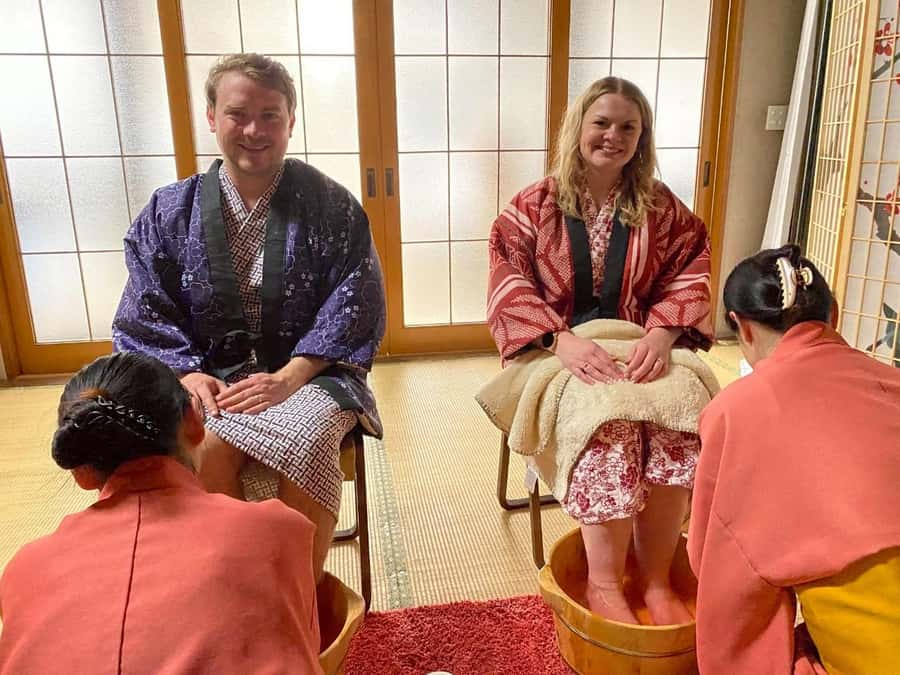
Next comes the cooling foot bath. A light scrub massage is included, along with a little foot massage. This is not a deep-pressure treatment, but it can feel very welcome after a day on your feet.
I would book this toward the end of your first day in Osaka or after a demanding sightseeing route. Several people found the foot care soothing, and that makes sense: the activity pairs physical relief with a calm temple setting. You get a chance to sit down, lower your pace, and let someone else take care of your tired feet for a few minutes.
The word cooling matters. This is designed as a refreshing foot soak rather than a hot spring visit. If you want a long spa session, this will feel brief. If you want a short reset before dinner, it fits the bill.
The scrub massage is also described as light. That makes it suitable for someone seeking gentle care, but it may disappoint anyone expecting a vigorous reflexology treatment. The strongest praise is for the soothing quality, not for an intense massage technique.
Wagashi, matcha, and a hands-on tea lesson
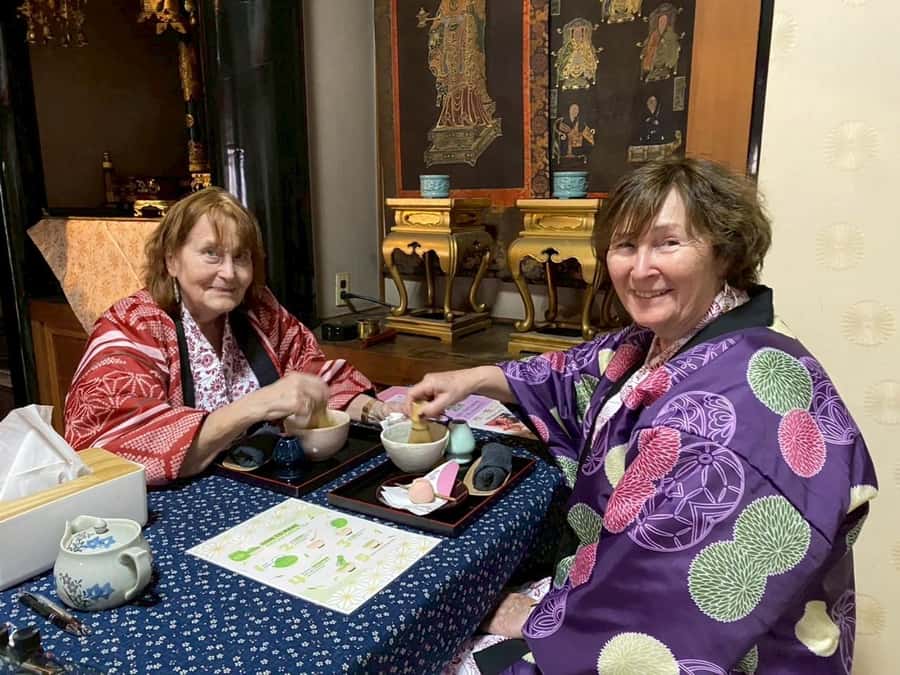
The tea portion includes matcha and wagashi, the small Japanese sweets traditionally served with tea. You will learn how to make matcha rather than only receiving a prepared bowl.
That hands-on step gives the activity more value than a simple tasting. You can see how the tea is prepared and try the whisking yourself. One useful point from the experience is that the pace of whisking can vary by person. If you are new to matcha, do not worry about producing a perfect froth at once. The point is to learn the movement and taste the result.
The wagashi balances matcha’s bitter, grassy flavor. This pairing is central to the tea experience, and it also gives you a small taste of Japanese confectionery. A participant singled out the traditional dessert as a favorite, which is a good reminder that the sweet is not just decoration.
Matcha ice cream is included as well. It adds a familiar, playful finish to the tea portion. If you already know you like matcha, you will probably appreciate the chance to taste it in both drink and dessert form. If you are unsure about matcha, the wagashi and ice cream soften the introduction.
The tea is served in a carefully chosen cup, according to one account of the experience. That detail matters because Japanese tea culture pays attention to the vessel, the setting, and the way the drink is presented. You are getting an accessible introduction to those ideas, not just a caffeine stop.
Other tea rooms and ceremonies in Osaka:
- Osaka: Tea Ceremony Experience
★ 4.9 · 1,426 reviews - Tea Ceremony Experience in Osaka Doutonbori
★ 5.0 · 754 reviews - Matcha Making Class in Osaka with Authentic Japanese Sweets Set
★ 5.0 · 509 reviews - Kyoto: Tea Ceremony in a Traditional Tea House in Kiyomizu
★ 4.9 · 3,519 reviews
Wearing a yukata and leaving with your own photos
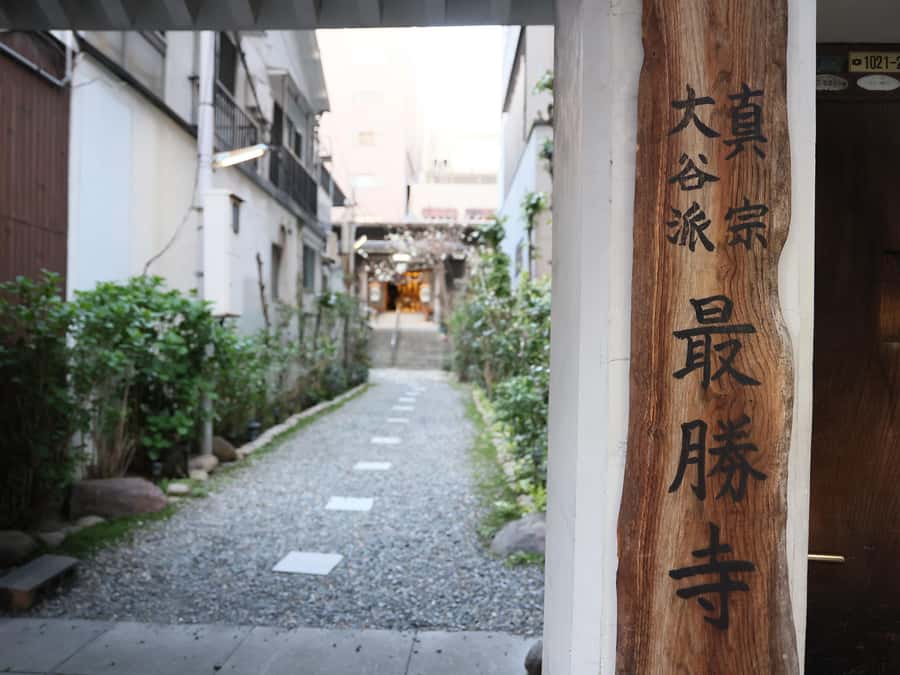
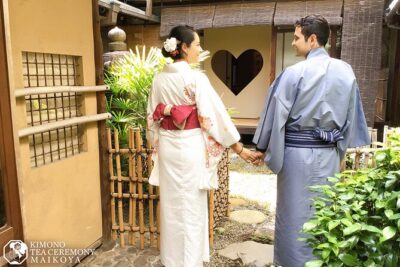
The activity includes a commemorative photograph in a yukata. The hosts help you learn how to wear the robe, then take photos with your smartphone.
This is a strong feature for couples, families, and solo visitors who want a record of the experience but do not want to arrange a separate photo session. You do not have to rely on a stranger to take a hurried picture. The hosts handle the photos and give them to you on your own phone.
The yukata also changes the feel of the tea portion. It gives you a physical connection to the setting and makes the activity more memorable than sitting in ordinary sightseeing clothes. One account specifically praised the help with wearing the robe, so expect guidance rather than being left to figure out the layers alone.
The photo element does add a little practical pressure to a 45-minute schedule. Dressing, tea, foot care, and temple customs all share the same short window. If you want a large number of carefully posed images, this is not the right format. If you want a few useful keepsakes, it should do the job.
The hosts and the tone of the activity
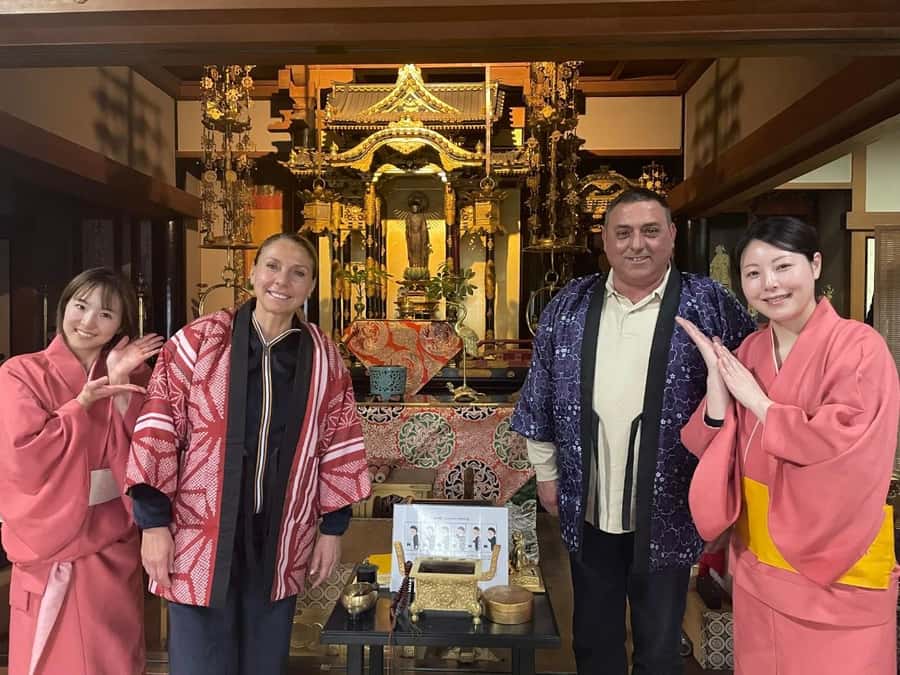
The hosts are one of the strongest parts of this experience. Yuiitsumuni is named as a friendly guide who leads guests through the tea, foot bath, and matcha-making portions. Yumi is praised for her warm manner, and Vanessa is mentioned in connection with the matcha whisking.
The names may vary by session, but the important practical point is that the activity is host-led and instructional. You can ask questions as you go instead of trying to copy a ritual from a distance. English and Japanese are available.
The tone is welcoming rather than stiff. The hosts explain each stage, help with the yukata, and make the matcha portion approachable. That matters for first-time visitors who might worry about making a mistake during worship or tea preparation.
One small issue is that instruction styles can differ between hosts. The comments about whisking suggest that some people may prefer a brisker pace. Since the activity is short, your own session may feel more or less relaxed depending on the group and guide.
Is $34 a fair price?
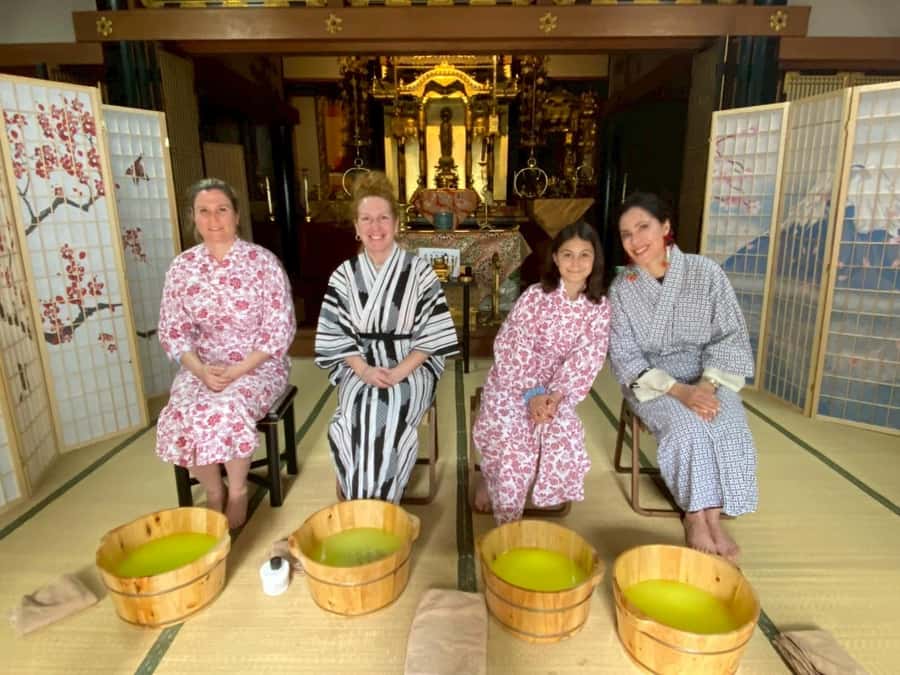
At $34 per person, the price is reasonable for a compact cultural activity that includes several separate elements. You receive matcha, wagashi, matcha ice cream, a foot bath, a light foot massage, temple instruction, yukata use, and photos taken on your smartphone.
If you priced each part separately, the value would depend on what matters most to you. The foot bath is not a full spa visit, and the tea ceremony is not an extended formal performance. But you are paying for the combination and for the guidance that ties it together.
I see this as good value for someone who wants one easy booking after a full day of walking. It is less compelling if your only goal is to drink matcha or receive a serious massage. In that case, a dedicated tea class or spa treatment would be more focused.
The strongest value comes from the range of experiences in a small time slot. You get cultural context, a snack, personal participation, physical comfort, and photos. That is a useful package for a first visit to Osaka.
Who should book this temple experience?
I would recommend it most to:
- First-time visitors to Japan who want a gentle introduction to worship and matcha.
- People with tired feet after long Osaka sightseeing days.
- Couples looking for a calm shared activity and a commemorative photo.
- Solo visitors who want hosts to take photos instead of asking strangers.
- Anyone curious about yukata but not ready to book a longer dressing experience.
- Visitors who prefer smaller cultural moments over a large staged show.
Families may also enjoy the variety, though the provided details do not specify an age policy. You should confirm any child-related requirements before booking.
This may not suit you if you want a long, highly formal tea ceremony, a powerful massage, or a full yukata photo shoot. It is also not a substitute for a temple visit on your own, since the focus is a guided 45-minute program rather than extended sightseeing.
Timing, payment, and practical planning
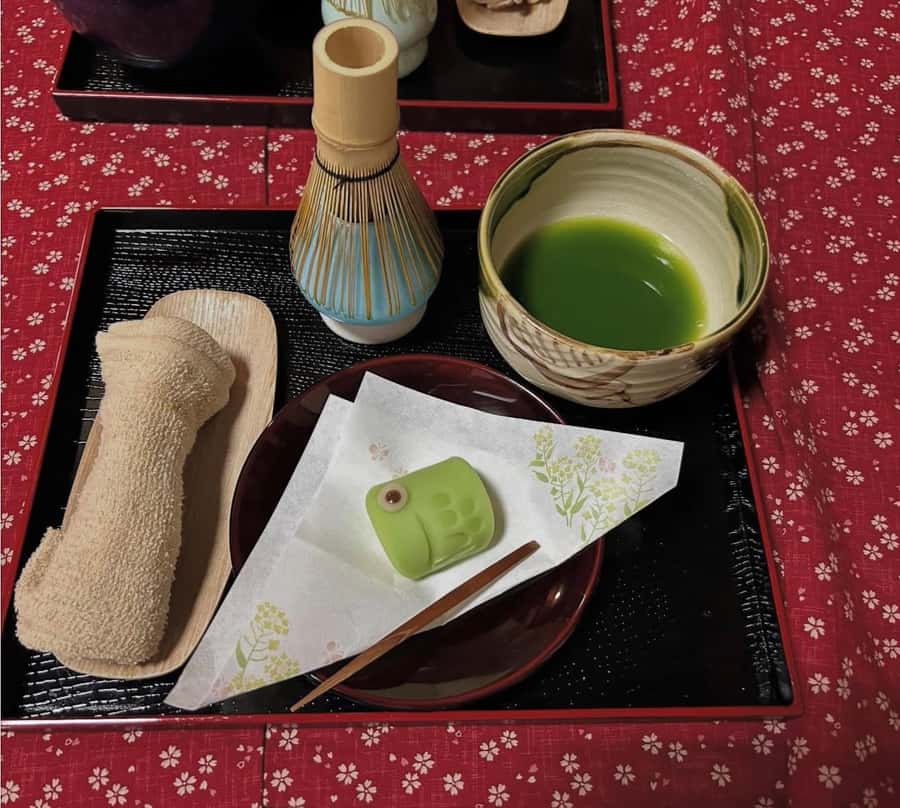
Book this as a pause, not as the main event of your Osaka day. The short format makes it easy to place after sightseeing, especially when your feet need a rest. Allow enough time to reach the meeting point, since that point can vary by the option selected.
The activity ends back at the meeting point. That makes onward planning simple, but you should still check the exact option details before booking.
The experience can be reserved with payment later, which helps if your Osaka schedule is still shifting. You can also cancel up to 24 hours in advance for a full refund. Those terms are useful when you are building a multi-day Japan itinerary with weather and transport changes in mind.
Since the hosts take photos using your smartphone, arrive with enough battery and storage space. This is a practical detail, especially if you have already spent the day taking pictures.
What makes this more than a simple tea stop
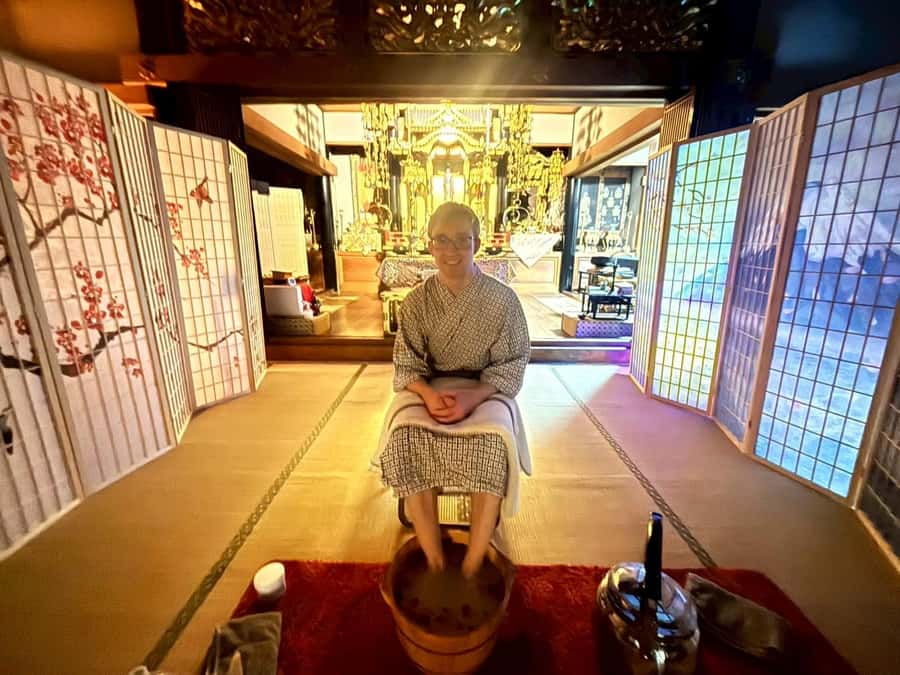
The best feature is the way the parts support one another. Worship and incense settle the mind. The foot bath settles the body. Matcha and wagashi give you a taste of Japanese hospitality. The yukata and photos leave you with something concrete to remember.
That progression explains why this activity works well after a long day. You are not rushing from one attraction to the next. For a short time, the program asks you to sit, listen, taste, and follow a few careful motions.
I also appreciate the balance between explanation and participation. You learn about temple customs, but you also offer incense. You learn about matcha, but you also make it. You learn about yukata, but you also wear one.
The setting does much of the work. A temple gives the activity a sense of calm that a standard workshop room cannot easily copy. You still receive a compact tourist experience, but the customs are connected to a real place of worship rather than presented as isolated tricks.
Should you book it?
Book this Osaka temple experience if you want a short, friendly introduction to Japanese customs with real comfort built in. The combination of incense, meditation, matcha, wagashi, matcha ice cream, a cooling foot bath, a light massage, and yukata photos gives you plenty for $34.
I would especially choose it after a high-mileage sightseeing day or on your first evening in Osaka. Just keep the limits in mind: the tea ceremony and massage are both brief, and the foot treatment is gentle. If that sounds like the right balance of culture and rest, this is an easy activity to add to your schedule.
FAQ
How long does the Osaka Temple Cool Foot Bath and Matcha Experience last?
The activity lasts 45 minutes.
What is included in the price?
The experience includes matcha, wagashi, a foot bath, a little foot massage, worship and incense offering, kneaded incense, meditation, matcha ice cream, and photos taken with your smartphone.
Is a tea ceremony included?
Yes. You will learn about matcha and take part in a matcha-making experience at the temple.
Do I get to wear a yukata?
Yes. The experience includes a commemorative photo while wearing a yukata, and the hosts help explain how to wear it.
Are photos included?
Yes. The hosts take photos with your smartphone and give them to you.
What languages are available?
The experience is offered in Japanese and English.
Can I cancel for a full refund?
Yes. You can cancel up to 24 hours in advance for a full refund. You can also reserve and pay later.
More temples and shrines elsewhere in Japan
- Kyoto: Tea Ceremony Ju-An at Jotokuji Temple
★ 4.9 · 3,207 reviews - Tokyo: Meiji Shrine, Asakusa, Skytree Bus Tour and Cruise
★ 4.7 · 1,986 reviews - Tokyo: Asakusa Walking Tour with Sensoji Temple Visit
★ 4.8 · 1,583 reviews - Nikko: Kegon Falls, Lake Chuzenji & Toshogu Temple
★ 4.6 · 1,577 reviews
Just added in Osaka
- Osaka: Mind & Spirit Balance Temple Reiki Healing★ 5.0 · 41 reviews
- Osaka: Samurai Training Experience KENDO in Osaka★ 5.0 · 111 reviews
- Full Day Kyoto Tour : Bamboo Forest, Golden Temple, Fushimi Inari★ 5.0 · 84 reviews
- Osaka: Minoh, Katsuoji Temple, & Minoh Falls Full-day Tour★ 4.9 · 172 reviews
- OSAKA NIGHT FUSION Japanese Taiko Kabuki Samurai Dance Show★ 4.8 · 155 reviews
- Ramen and Gyoza Cooking Class in Osaka★ 5.0 · 202 reviews
- Osaka: A Modern Samurai, Kabuki, Taiko, & Dance Show★ 4.5 · 66 reviews
- Osaka E-Bike Tour with a Local Guide★ 5.0 · 219 reviews
Tea Ceremony Experiences, compared.
Tea Ceremony in a Traditional Tea House in Kiyomizu
Read our review →
World Heritage Kyoto & Nara Uji Authentic Matcha Experience
Read our review →
Arashiyama Bamboo Forest, Monkeys, Matcha & Temple Tour
Read our review →Browse the lists this tour appears in