
Reviewed · TEMPLE & SHRINE TOURS
Osaka: Mind & Spirit Balance Temple Reiki Healing
A small temple in central Osaka is an unusual setting for a wellness session. In two hours, you move from incense and bell meditation to a foot scrub, oil massage, non-contact Reiki, and a Japanese tea ceremony with sweets. It is less a standard spa appointment than a gentle introduction to Japanese customs with bodywork added.
I like the temple setting, which gives the massage and tea ceremony a sense of place you will not get in an ordinary hotel spa. I also like the mix of hands-on treatment and cultural activities, especially the yukata, incense offering, and complimentary smartphone photo.
The main point to consider is privacy. Your treatments are individual, but the tea ceremony may be shared with other participants. At $161 per person, this suits someone who wants a special cultural wellness experience, not simply the lowest-cost massage in Osaka.
Key points before you book
- A temple visit comes before the massage: You learn about the temple’s history and Japanese worship customs before making an incense offering.
- The 120-minute program mixes calm and culture: Expect a welcome drink, yukata, meditation, foot bath, massage, Reiki, tea, and sweets.
- Arisa and Naomi are among the hosts: These names are associated with the warm, professional care provided during the sessions.
- The treatments are individual: The tea ceremony may be shared, so request a fully private format if that matters to you.
- The meeting point needs care: Search Google Maps for Japanese Massage -the one&only-, not the temple name.
- The group is capped at three: That keeps the setting small, though this is not necessarily a private booking.
A quiet temple pause in central Osaka
Osaka is famous for food, shopping, bright signs, and a quick pace. This activity gives you a different two hours. You enter a small temple, change into a yukata, slow down with incense and sound, and then settle into massage and tea.
That contrast is the main reason to book. The setting is not a grand temple tour with a long sightseeing route. It is a compact, guided encounter that uses a temple as the backdrop for rest and reflection. You will not spend the afternoon touring several sights, but you will get a focused taste of Japanese worship customs and tea culture.
The experience is run by japanese massage 唯一無二, also presented as Japanese Massage -the one&only-. The group size is limited to three participants, which should make it easier to ask questions and receive personal attention. A live guide leads the visit, though the supplied information does not specify the guide’s language range.
Several people connected with the experience by name, including Arisa and Naomi. The available comments describe them as kind, professional, and attentive. That matters here because the tone of the session is as important as the list of treatments. A rushed or impersonal approach would weaken the temple setting.
Other temples and shrines in Osaka people book:
- Osaka: Minoh, Katsuoji Temple, & Minoh Falls Full-day Tour
★ 4.9 · 172 reviews - Full Day Kyoto Tour : Bamboo Forest, Golden Temple, Fushimi Inari
★ 5.0 · 84 reviews - Osaka Temple Cool Foot Bath & Matcha Experience〈45min〉
★ 4.9 · 82 reviews
Changing into a yukata sets the tone
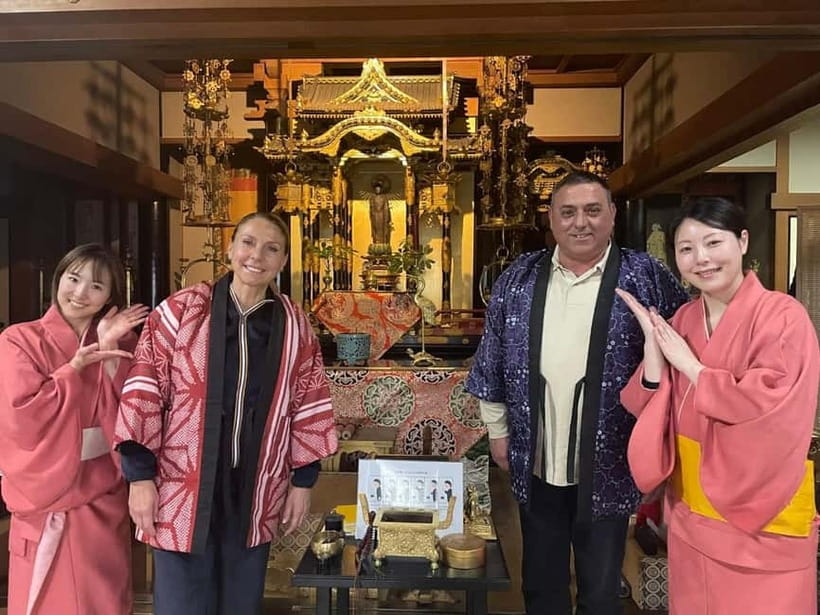
The visit begins with a welcome drink and a change into a yukata. A yukata is a light Japanese robe, often worn in relaxed settings. Here, it is part of the experience rather than just a costume for photographs.
Changing clothes helps mark a clear break from sightseeing. You arrive carrying the day’s errands and Osaka’s noise, then put on something associated with calm, ritual, and Japanese hospitality. The robe also makes the later photo feel connected to the place instead of tacked on at the end.
A complimentary smartphone photo is included as a keepsake. You should think of it as a simple memory of the visit, not a professional portrait session. The available information does not promise a set number of images, special styling, or printed photographs.
The yukata may be less convenient if you prefer to stay fully dressed for massage. Still, for most people it adds to the sense that this is a cultural activity with wellness elements, rather than a regular treatment appointment.
Incense and bell meditation inside the temple
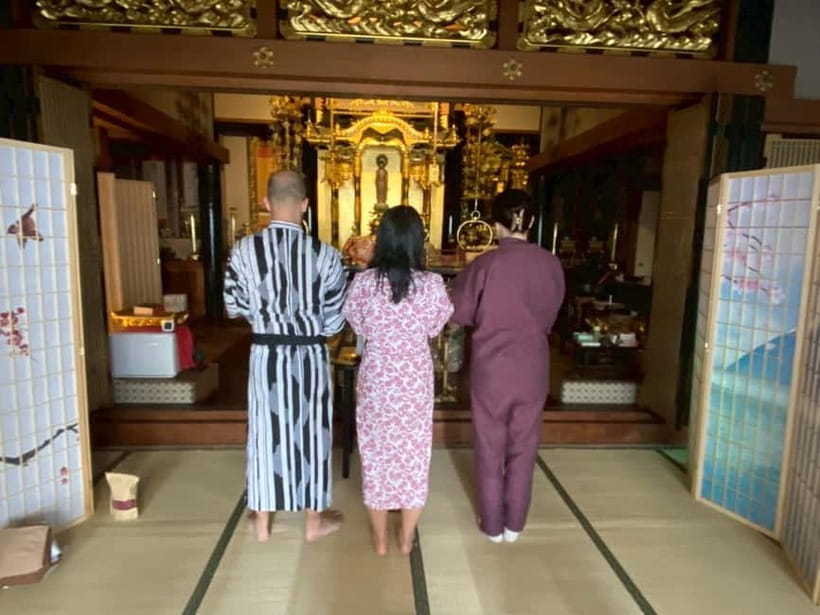
After changing, you visit the temple and make an incense offering. The guide introduces the temple’s background and explains Japanese worship culture, giving you context for the ritual rather than asking you to copy movements without explanation.
That short introduction is valuable. Visitors often see incense, bells, and offerings at Japanese temples but are not sure what they mean or how to take part respectfully. Here, the explanation is built into the program.
The meditation includes a bell and kneaded incense. The sound of the bell creates a clean pause between the busy city outside and the slower pace inside. Kneaded incense adds another sensory layer, with scent becoming part of the transition into the treatment.
This is not presented as an extended religious retreat. The temple visit is one part of a two-hour schedule, and the activity also includes massage and tea. If you want a long meditation session or detailed instruction in Buddhist practice, this will likely feel brief. If you want a respectful introduction without committing a full day, the length works well.
Foot bath and scrub massage
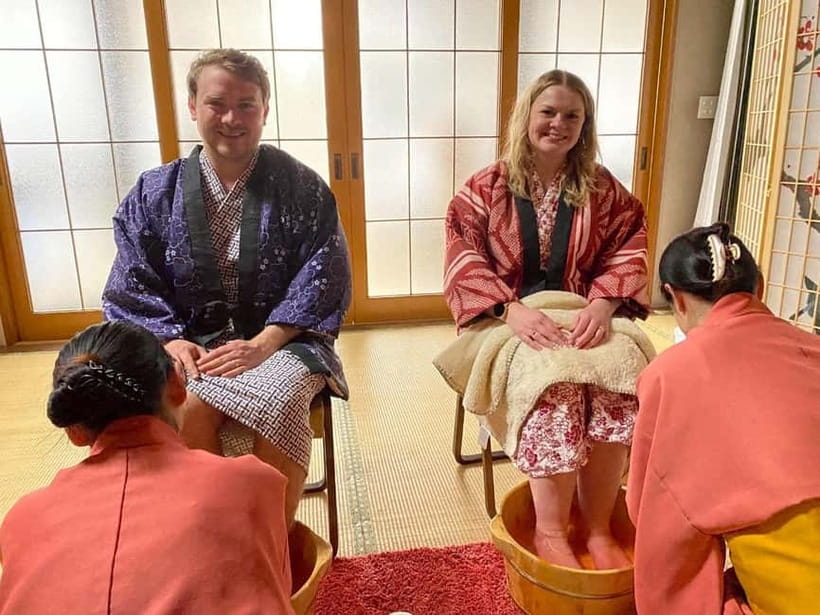
The foot bath comes next, along with a scrub massage. This is a practical bridge between sightseeing and the longer body treatment. Your feet take a lot of work during a Japan trip, especially if you have spent the day walking through stations, markets, and shopping streets.
A foot bath also makes the sequence feel unhurried. Instead of moving directly from a temple explanation to a full massage, you get a small reset first. The scrub adds a hands-on element and prepares you for the oil treatment.
The available details do not specify the water temperature, scrub ingredients, or exact length of this part. If you have sensitive skin or prefer to avoid scented products, ask the guide before treatment begins. Essential oils are used in the oil massage, so anyone with allergies or scent sensitivities should raise the issue early.
Other places of worship worth the walk in Osaka:
- Kyoto: Tea Ceremony Ju-An at Jotokuji Temple
★ 4.9 · 3,207 reviews - Tokyo: Meiji Shrine, Asakusa, Skytree Bus Tour and Cruise
★ 4.7 · 1,986 reviews - Tokyo: Asakusa Walking Tour with Sensoji Temple Visit
★ 4.8 · 1,583 reviews - Nikko: Kegon Falls, Lake Chuzenji & Toshogu Temple
★ 4.6 · 1,577 reviews
Full-body oil massage with essential oils
The full-body oil massage is one of the main reasons to choose this activity. It follows the temple rituals and foot bath, so by this stage you have already shifted into a slower frame of mind.
The treatment is described as individual, and the supplied information presents the massage as a professional part of the program. Comments connected with the activity repeatedly praise the massage, with one person calling it the best massage they had experienced and another describing the therapist’s touch as strong and effective.
Keep expectations realistic. A two-hour program includes many parts, so the full-body massage does not occupy the entire booking. You receive massage alongside the foot bath, Reiki, tea ceremony, changing time, temple visit, and meditation. If your only goal is the longest possible oil massage, a dedicated spa treatment may offer more massage minutes for less money.
For a visitor who wants several kinds of relaxation in one appointment, the combination has better value. You get bodywork, a cultural introduction, and a keepsake photo without arranging separate bookings.
The use of essential oils may appeal to you if scent adds to relaxation. It may not suit you if strong fragrances bother you. The listing does not provide the oil blend, so ask about the choice of oil before the session if that affects your comfort.
Reiki as a non-contact relaxation session
Reiki is described here as a Japanese, non-contact energy-healing method intended to encourage relaxation and emotional balance. The important practical detail is that it is non-contact. You should not expect another form of massage during this portion.
Your response will depend on your expectations. Some people approach Reiki as a spiritual practice, while others treat it as quiet time after the physical massage. The activity frames it as a way to settle the mind and restore a sense of balance, not as medical treatment.
That distinction matters. This session should not replace medical care or physical therapy. It is best viewed as a guided wellness practice, particularly useful if you enjoy calm settings, meditation, and ritual.
The strongest feature is the way Reiki follows the massage. The hands-on portion works with the body, while the non-contact session gives you a chance to become still. Together, they create a broader relaxation program than either treatment alone.
You should also know that the wording around massage and Reiki can make the schedule sound longer than it is. Ask the guide how the 120 minutes are divided if you want exact treatment times.
Matcha, wagashi, and an explanation of tea culture
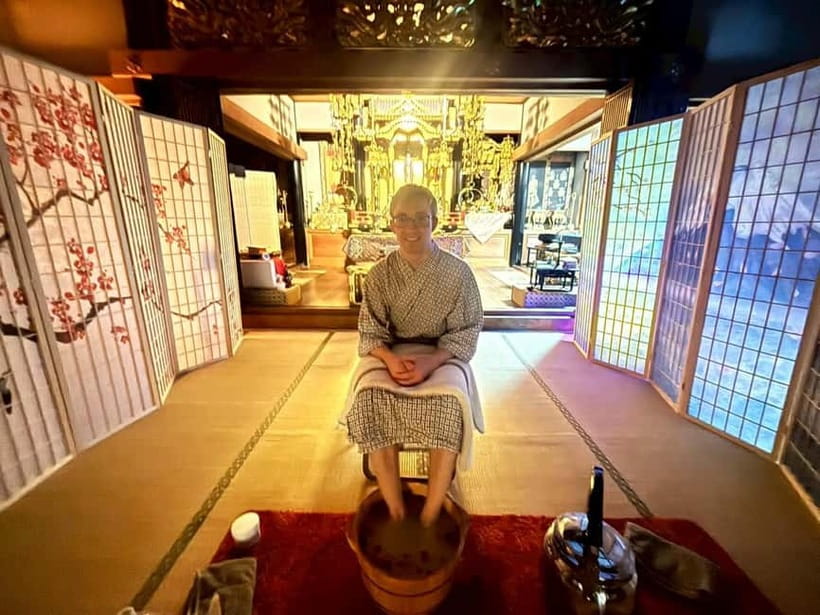
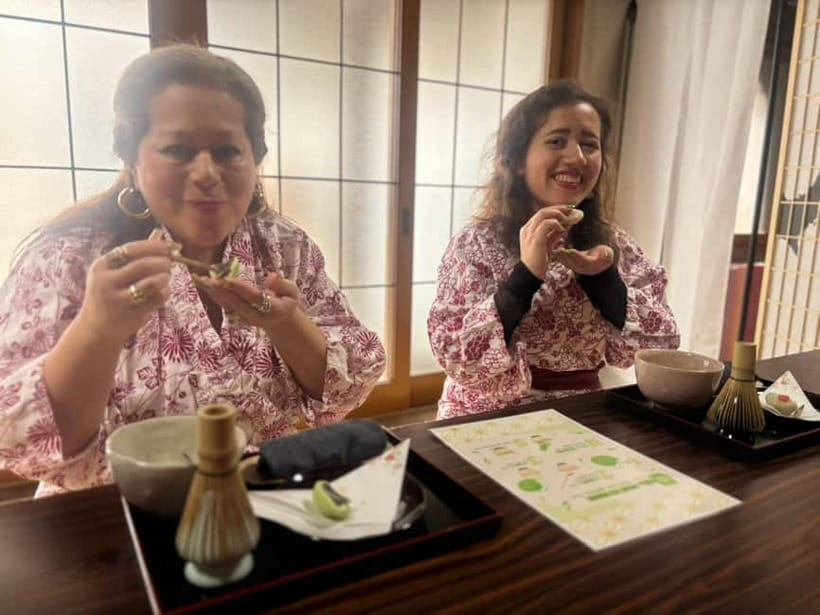
The traditional tea ceremony closes the experience. You receive matcha and wagashi, Japanese sweets, while the guide explains the cultural and historical meaning of the ceremony.
This is more than a snack at the end. Tea preparation in Japan has its own pace and etiquette, and the explanation helps you notice details you might otherwise miss. The wagashi gives you a sweet counterpoint to the tea’s bitterness.
The tea portion may be shared with other participants, even though your treatments are individual. That is the one part of the program where you should not assume a private booking. A small shared tea ceremony can be pleasant and social, but couples or solo visitors seeking complete quiet may prefer to contact the provider and request a fully private experience.
The available details do not specify the exact tea utensils, the type of wagashi, or the length of the ceremony. What is clear is that the tea is paired with cultural explanation, making it a proper part of the program rather than a quick refreshment.
I especially like the order of the itinerary. You first learn about worship and participate in simple temple customs, then relax physically, then finish with tea. The final cup gives the experience a calm landing instead of ending with the massage and sending you straight back into Osaka’s streets.
What $161 means in practical value
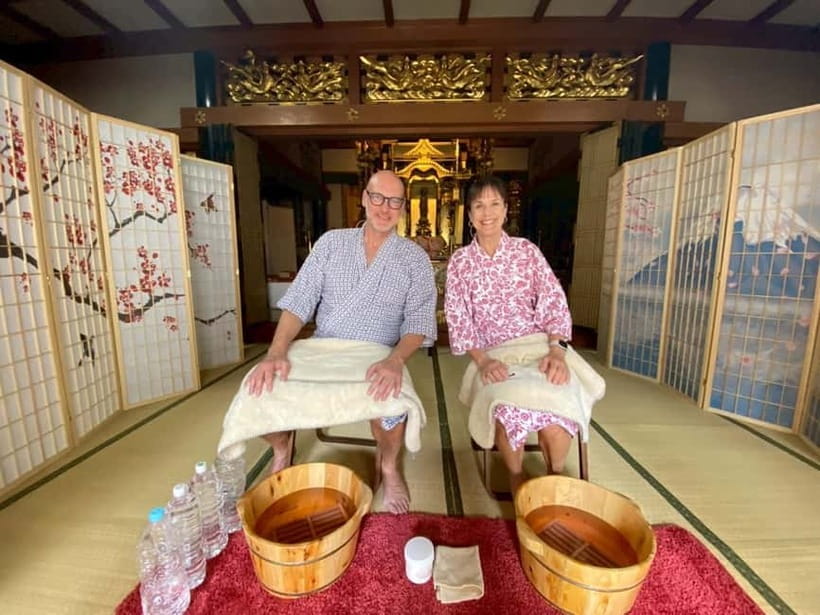
At $161 per person, this is a premium two-hour activity. You are paying for more than massage time. The price covers a guided temple visit, yukata experience, incense offering, meditation, foot bath, scrub, full-body oil massage, Reiki, tea ceremony, wagashi, and a smartphone photo.
That package can be good value if you planned to book a massage and also wanted a tea ceremony or cultural activity. Combining them saves you from arranging separate appointments and gives the day a clear shape.
The value is weaker if you want only a long, technically focused massage. The two-hour clock is shared across many elements, and the tea ceremony may include other participants. A conventional spa may give you more uninterrupted treatment time for the same money.
For a first visit to Japan, the program offers an accessible introduction to several customs. You do not need to know how to make an incense offering or take part in a tea ceremony before arriving. The guide provides an explanation, and the setting gives the activities context.
It also suits a trip milestone. One person used the experience as a way to finish a three-week Japan visit, while another described making the trip from Tokyo to Osaka worthwhile. You do not need to travel that far for it, of course, but it works well as a closing activity or a pause after a busy stretch of sightseeing.
Finding the meeting point without a wrong turn
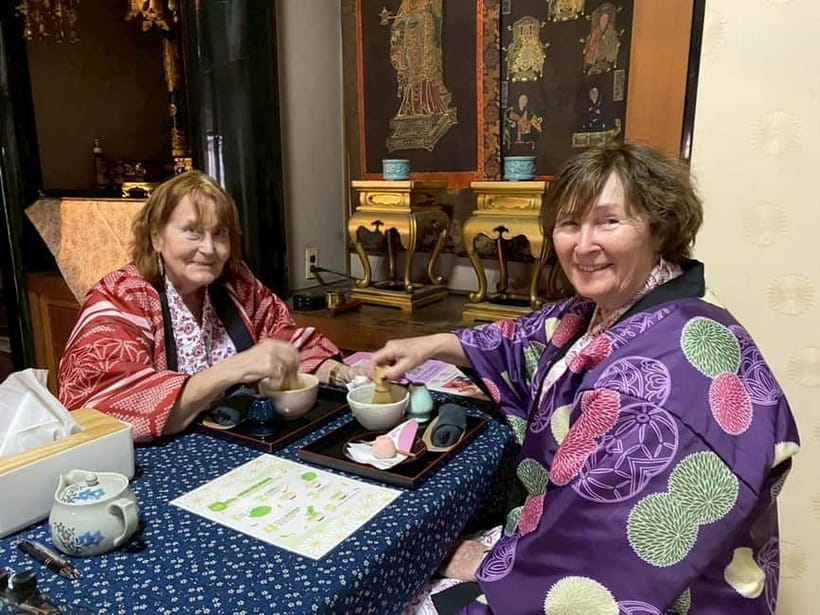
The meeting point is the practical weak spot, but the fix is simple. When using Google Maps, enter Japanese Massage -the one&only-. Do not search only for the temple name, because that may direct you to the back entrance.
The provider also says you can search for the restaurant Tossa de coracao. The massage location is right next to it. This is useful information to save before you leave your hotel, since a back entrance can be confusing when you are on time for a treatment.
Allow enough time to locate the correct entrance. The program is only two hours, so arriving late could cut into the parts you most want. The supplied information does not give a specific arrival recommendation, but entering the correct map name is essential.
Cancellation is free up to 24 hours before the start time, with a full refund. You can also reserve and pay later, which helps if your Osaka schedule is still changing. Check available start times when booking, since the activity runs at set times rather than as an open-ended drop-in.
Who will enjoy this most
I would choose this for a solo visitor, couple, or parent and adult child who wants a calm cultural activity with personal care. The small group limit of three is useful for people who dislike large organized tours.
It is also a good fit after several active days. The foot bath and oil massage address tired legs, while the temple and tea sections give you something meaningful to do beyond resting in a hotel.
You should be comfortable with a blend of physical treatment and spiritual language. Reiki is not a contact massage, and the temple setting includes incense, worship customs, meditation, and ritual. You can appreciate those elements without treating them as medical care.
I would hesitate to book it for a large family or a group that needs a fully private tea ceremony unless you contact the provider first. I would also hesitate if your top priority is a long massage with no cultural program.
Should you book the Osaka temple Reiki experience?
Book it if you want a compact Japanese culture and wellness experience, not just a massage. The temple setting, yukata, incense, bell meditation, tea, wagashi, and photo give the session a clear local character, while the massage and Reiki provide real time to slow down.
The biggest strengths are the personal scale, the gentle sequence, and the care associated with Arisa and Naomi. The biggest cautions are the $161 price, the limited massage time within the two-hour program, and the possibility of sharing the tea ceremony.
For a special afternoon in Osaka, I think the combination makes sense. Enter the correct meeting point into Google Maps, decide if you need full privacy, and tell the provider about any scent concerns before treatment. If those details suit you, this is a thoughtful way to trade Osaka’s noise for incense, tea, and a calmer state of mind.
FAQ
How long does the Osaka temple Reiki experience last?
The activity lasts 120 minutes, or two hours.
What is included in the experience?
It includes a welcome drink, yukata change, temple visit, incense offering, introduction to Japanese worship culture, bell and kneaded-incense meditation, foot bath and scrub massage, Reiki, full-body oil massage, tea ceremony with wagashi, and complimentary smartphone photos.
Is the Reiki treatment hands-on?
No. Reiki is described as a non-contact Japanese energy-healing method focused on relaxation and emotional balance.
Is the tea ceremony private?
The treatments are individual, but the tea ceremony may be shared with other participants. You can contact the provider if you prefer a completely private experience.
How many people can join the activity?
The experience is offered as a small group, limited to three participants.
Where should I go for the meeting point?
Search Google Maps for Japanese Massage -the one&only-. Do not use only the temple name, because that may take you to the back entrance. You can also search for the restaurant Tossa de coracao, which is next to the location.
Are a yukata and photo included?
Yes. You change into a yukata during the visit, and a complimentary smartphone photo is included as a keepsake.
What is the cancellation policy?
You can cancel up to 24 hours in advance for a full refund. Reserve-now, pay-later booking is also available.
Just added in Osaka
- Osaka Temple Cool Foot Bath & Matcha Experience〈45min〉★ 4.9 · 82 reviews
- Osaka: Samurai Training Experience KENDO in Osaka★ 5.0 · 111 reviews
- Full Day Kyoto Tour : Bamboo Forest, Golden Temple, Fushimi Inari★ 5.0 · 84 reviews
- Osaka: Minoh, Katsuoji Temple, & Minoh Falls Full-day Tour★ 4.9 · 172 reviews
- OSAKA NIGHT FUSION Japanese Taiko Kabuki Samurai Dance Show★ 4.8 · 155 reviews
- Ramen and Gyoza Cooking Class in Osaka★ 5.0 · 202 reviews
- Osaka: A Modern Samurai, Kabuki, Taiko, & Dance Show★ 4.5 · 66 reviews
- Osaka E-Bike Tour with a Local Guide★ 5.0 · 219 reviews
Temple & Shrine Tours, compared.
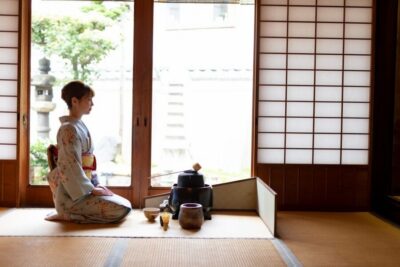
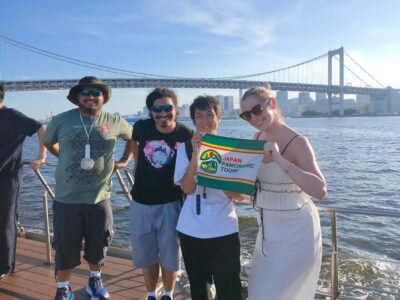
Meiji Shrine, Asakusa, Skytree Bus Tour and Cruise
Read our review →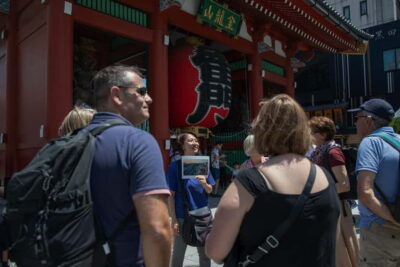
Asakusa Walking Tour with Sensoji Temple Visit
Read our review →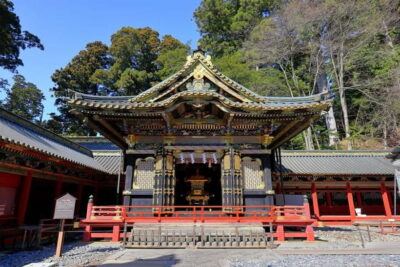
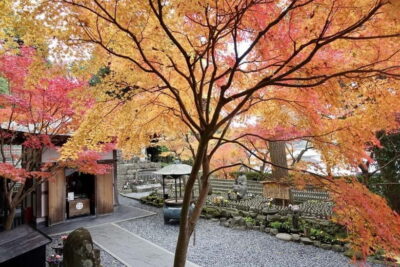
Kamakura & Enoshima Day Trip including Temple Tickets
Read our review →
Nikko Toshogu Shrine and Kegon Waterfall Tour
Read our review →
Tokyo Panoramic 1 Day: Meiji Shrine, Asakusa, Odaiba and SKYTREE®
Read our review →
1-Day Snow Monkeys, Zenko-ji Temple & Sake in Nagano
Read our review →Browse the lists this tour appears in