
Reviewed · FUSHIMI INARI TOURS
Inside of Fushimi Inari – exploring and lunch with locals
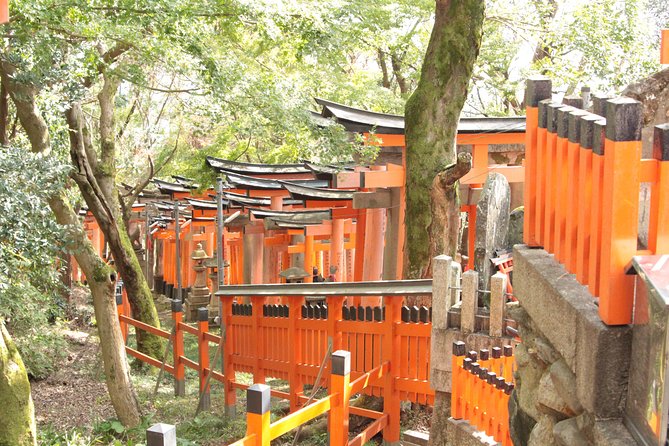
Fushimi Inari is famous for its endless tunnel of red torii gates, but this tour takes you beyond the usual photo stop. You’ll walk through bamboo and cedar forest, pause at lesser-known worship sites, see a gate factory, and climb to the mountain’s 233-meter summit before eating soba with your guide.
I like the quiet alternate route and the fact that the experience explains what the gates and shrine customs mean, rather than treating Fushimi Inari as a backdrop. I also like the small-group format, with guides such as Go, Satsuki, and Ko praised for adjusting the pace and leading people away from the thickest crowds. The catch is real: steep stairs and a moderate hike make this a poor choice if hills are difficult for you.
Key points to know before you book
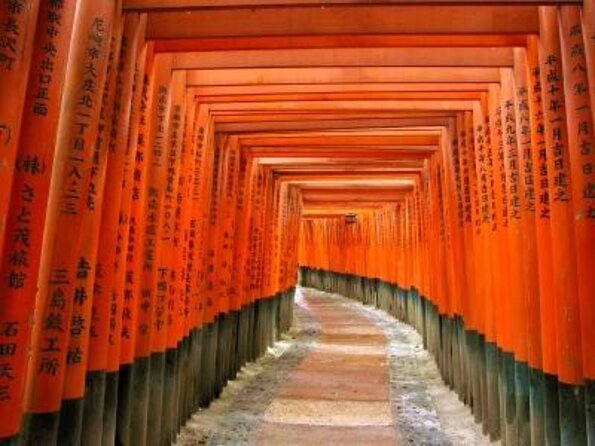
- The route leaves the main crowds: You’ll see the great torii gates, then follow forest paths toward worship stones, a waterfall, and a gate factory.
- The summit is part of the plan: Reaching the 233-meter summit requires a 20-minute forest climb with plenty of stairs.
- Lunch is included: The tour provides a soba noodle meal, plus a Japanese tea and boiled egg break.
- Guides shape the experience: Go, Satsuki, and Ko are named guides associated with warm explanations, flexible pacing, and quieter paths.
- The group size needs checking: The description says up to 12 people, while the additional information states a maximum of 6.
- The price reflects more than admission: At $72.26 per person, you are paying for guiding, cultural context, lunch, snacks, and a carefully chosen route.
Why this Fushimi Inari hike feels different
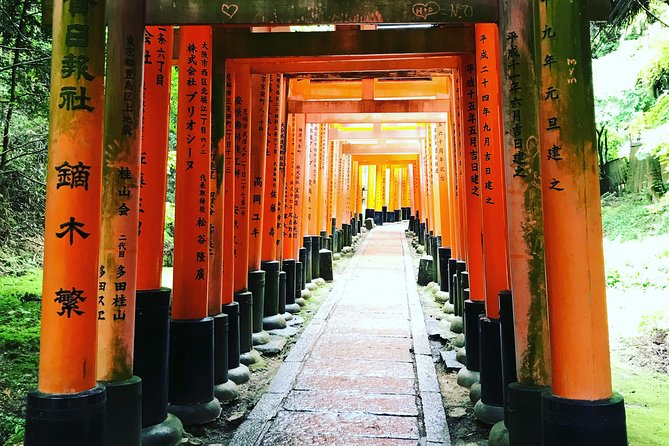
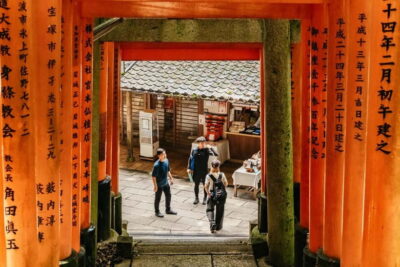
Fushimi Inari-taisha is one of Kyoto’s most recognizable sights. Its orange-red torii gates climb Mount Inari in a long series of covered passages, and the first section can feel crowded, especially around the main shrine and the most photographed gates.
This four-hour walk is designed to show you more than that famous opening stretch. You still see the main shrine and the torii route, but the guide then takes you onto quieter paths through bamboo and cedar trees. That change matters. Instead of spending the whole outing in a moving line of people, you get stretches where the forest, stone markers, and small shrines become the focus.
I especially like the way the route connects the polished, familiar side of Fushimi Inari with its working and spiritual side. You may stop at worship stones and a waterfall, and you’ll visit a gate factory, a detail that gives the shrine a more practical human setting. The red gates do not simply appear by magic. They are made, maintained, and connected to ongoing religious practice.
The experience is still a hike, not just a guided shrine visit. The guide sets a manageable pace, but the terrain includes steep stairs and an uphill section to the summit. A past participant found the hike harder than expected, while also enjoying it greatly. That is useful advice: don’t judge the effort by the easy walk near the shrine entrance.
Other shrine walks around Kyoto:
- Kyoto: Fushimi Inari, Kinkakuji, Bamboo Grove 1 Day Bus Tour
★ 4.8 · 4,316 reviews - Fushimi Inari Hidden Hiking Tour (Private Option Available)
★ 5.0 · 1,750 reviews - Kyoto/Osaka: Nara, Fushimi Inari Taisha, Arashiyama Bus Tour
★ 4.7 · 1,275 reviews
Starting at the Great Torii
The meeting point is the Great Torii at 68 Fukakusa Yabunouchicho in Fushimi Ward. The activity begins and ends there, so you do not have to arrange a separate return transfer after lunch.
The first part focuses on Fushimi Inari-taisha itself. Your guide explains the shrine’s history and cultural background while you see the main buildings and the first run of torii gates. This introduction helps you understand why the mountain is covered with gates and why the site has such a strong connection to worship and offerings.
You should pay close attention here, even if you have already seen pictures of Fushimi Inari. The famous red-orange gates are easy to treat as a single visual effect. A guide can help you notice the meaning behind the place, the difference between the main shrine and smaller sacred spots, and the way the route changes as it climbs.
This opening section is also the busiest part of the outing. Do not expect solitude immediately. The value comes from what happens next, when the route turns away from the main flow.
Bamboo, cedar, and quieter sacred places
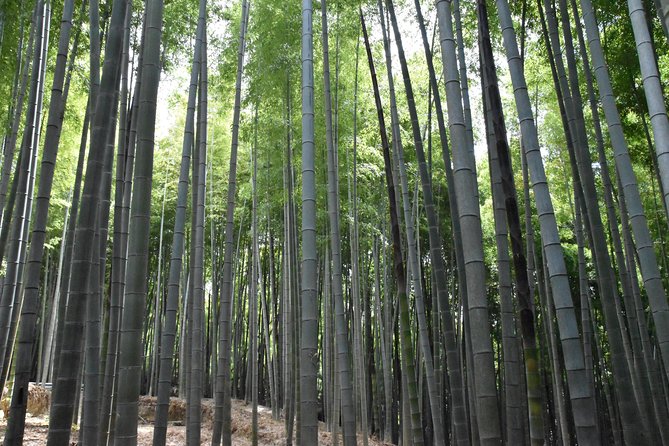
The alternate path leads through bamboo and cedar forest. This is one of the strongest reasons to choose the tour. You get the familiar Fushimi Inari setting, but with a slower pace and fewer people pressing in around every gate.
The forest walk is not presented as a strenuous wilderness trek. It is an urban shrine mountain route, with sacred places close to Kyoto but still separated from the city by trees and elevation. You might find the change in atmosphere more memorable than another photograph of the same torii gates.
The guide also takes you to worship stones and a waterfall. These stops add variety to the walk and show that Fushimi Inari is not only a long red corridor. The mountain includes small religious points that are easy to pass without knowing where to look.
This is where the guide’s local knowledge has the most practical value. Go is described as adjusting his pace to fit the group, and Ko is associated with explaining both the mountain and its history while leading people away from the main crowds. Satsuki is also named as a guide who takes groups into the quieter wooded sections and small shrines. Guide assignments can change, so treat those names as examples rather than a promise of who will lead your walk.
Seeing a gate factory
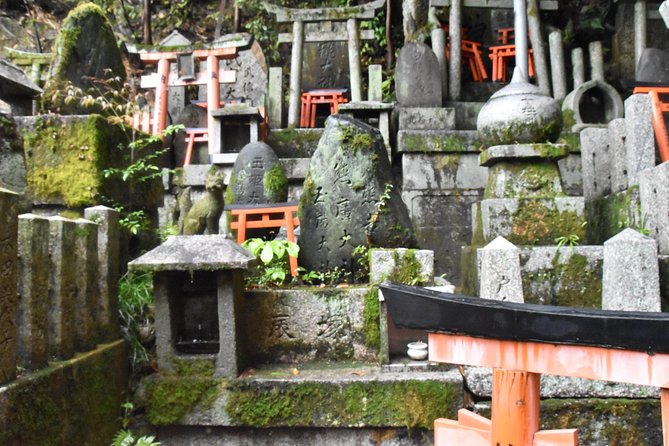
The gate factory is an unusual stop and one of the tour’s best details. Most people come to Fushimi Inari to photograph the finished torii. Seeing where the gates are made gives you a different way to understand the shrine.
This is not a generic sightseeing stop added to fill time. It links the religious setting with the physical work required to create and maintain it. You get a glimpse of the process behind one of Kyoto’s most recognizable sights, rather than seeing only the final result.
The factory visit also helps explain why this tour can offer more than a self-guided walk. You could certainly follow the main path on your own, but you would be less likely to find this route or understand why it matters. The guide acts as a bridge between the visible gates and the less obvious parts of the mountain.
The information does not specify how long the group stays at the factory, so you should think of it as one part of a broader walking route, not a standalone workshop or hands-on activity.
Same base, a different sort of day:
- PERFECT KYOTO 1-Day Bus Tour
★ 5.0 · 13,518 reviews - Kyoto: Tea Ceremony in a Traditional Tea House in Kiyomizu
★ 4.9 · 3,519 reviews - Kyoto Geisha Walking Tour: Gion District & Hidden Gems
★ 4.7 · 3,273 reviews - Kyoto: Tea Ceremony Ju-An at Jotokuji Temple
★ 4.9 · 3,207 reviews
The 20-minute climb to the 233-meter summit
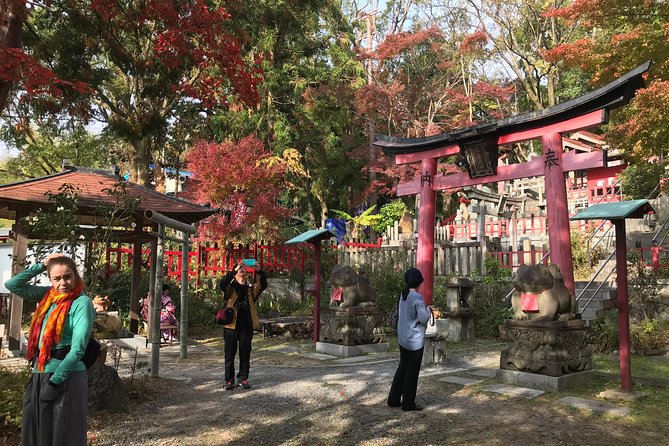
The summit section is short in time but important in effort. The route includes a forest climb of about 20 minutes to the summit shrine, at an elevation of 233 meters.
That figure is not high by mountain standards, but Kyoto sightseeing often involves more stairs than people expect. The path can feel demanding after the earlier walking, especially in warm or humid weather. The tour requires moderate physical fitness, and that is worth taking seriously.
You do not need to be a serious hiker, but you should be comfortable with uphill walking and stairs. Wear practical shoes, keep your pace steady, and do not assume you can rush the climb and recover later. The guide can adjust the pace, but no guide can remove the elevation.
At the summit, the guide shows you around the shrine. You can pray there if you wish. The summit gives the outing a clear sense of completion, and the forest route makes the climb feel more like a journey than a quick viewpoint visit.
The main reward is not just reaching the highest point. It is seeing how the shrine changes as you move from the busy entrance, through the torii gates, into the trees, and finally to the summit shrine.
Soba, Japanese tea, and a boiled egg
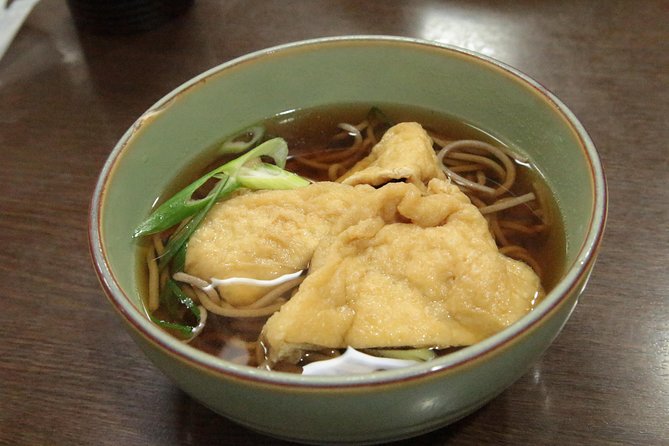
Lunch is included, with soba noodles as the main meal. That is a sensible choice for a walking tour in Kyoto. Soba is familiar Japanese food, quick to eat, and usually light enough that you do not feel weighed down during the rest of the outing.
The tour also includes a Japanese tea and boiled egg break. This small pause gives the group time to rest and talk after the forest route and before or around the later parts of the walk, depending on the guide’s timing.
Food can make a guided walk feel more connected to the place, but keep your expectations precise. The information confirms soba, tea, and a boiled egg. It does not describe a large multi-course meal, restaurant name, or extensive tasting menu. Think of the food as a useful local lunch and refreshment stop included in the day’s value.
Vegetarian, Halal-friendly, and gluten-free food options are available. You should state your dietary needs when booking rather than waiting until the meeting point. The exact substitute is not specified, so confirm the arrangement if your diet is strict.
Is $72.26 a fair price?
At $72.26 per person, this is not the cheapest way to see Fushimi Inari. You can enter the shrine without paying an admission fee and walk part of the route independently.
The price makes more sense if you value the parts that are difficult to arrange alone. You get a guide for roughly four hours, explanations of the shrine and its customs, a route through less-visited areas, the gate factory stop, a summit visit, soba lunch, tea, and a boiled egg. The small group also gives the guide a chance to adjust the pace and answer questions.
I would not book it simply to see the red gates. You can do that on your own. I would book it if you want help finding the quieter paths and want the mountain explained as a living religious site rather than a famous photo location.
There is one detail to clarify before paying. The tour description refers to a group of up to 12 participants, while the additional information gives a maximum of 6. That is a meaningful difference, especially for a walking tour where a smaller group can move more easily and feel less like a procession. Ask the provider which limit applies to your date.
The activity is often booked about 80 days ahead, so early planning may be sensible if your Kyoto dates are fixed. A mobile ticket is provided, and confirmation comes at booking.
Who should choose this tour?
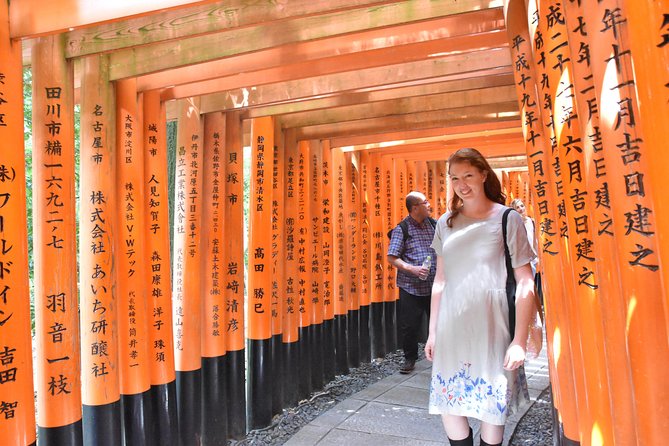
This outing suits you if you want a guided cultural walk with moderate exercise. It is particularly useful for a first visit to Fushimi Inari, when you may not know which paths lead away from the busiest section or how the shrine’s different places of worship fit together.
It also suits people who enjoy a little food with their sightseeing. The soba lunch and tea break create natural pauses and spare you from having to find lunch during a four-hour activity.
The tour is less suitable if you want a relaxed, flat stroll. The steep stairs and summit climb are central to the experience, not an optional extra. It may also disappoint you if you want a long, formal food tour, since the meal is a simple included soba lunch with a tea and egg break.
Families and mixed-ability groups should think carefully about the elevation. The guide can adjust the pace, but the route still includes the same climb. Good shoes and a willingness to take your time will help.
The tour welcomes vegetarian, Halal-friendly, and gluten-free food requests, but you need to arrange those in advance. The route is near public transportation, though the supplied details do not specify a train station or bus stop.
A few practical cautions
The experience depends on good weather. If poor weather causes cancellation, you are offered another date or a full refund. You can also cancel for a full refund up to 24 hours before the local start time. Changes or cancellations inside that window are not accepted and are not refunded.
Arrive at the Great Torii with enough time to identify the meeting point. One reported missed departure involved confusion between the guide and the participant. The provider says the guide waited before the start time and wore a distinctive red cap, but the safest approach is to read the meeting instructions closely and arrive early.
The activity ends back at the same meeting point, which makes planning easier. You will not need to find your way from the summit or arrange a separate ride after lunch.
Should you book Inside of Fushimi Inari?
Book this tour if you want to see the famous torii gates and then go beyond them. The bamboo and cedar paths, worship stones, waterfall, gate factory, summit shrine, and local meal give you a fuller picture of Fushimi Inari than the standard entrance route.
Skip it if your goal is only a quick photograph, if steep stairs are a problem, or if you prefer to explore without a fixed pace. At $72.26, the value comes from the guide and the less obvious route, not from shrine admission.
For most reasonably fit visitors who want context, quiet stretches, and a simple local lunch, this is a strong use of half a day in Kyoto. Confirm the actual group limit and dietary arrangements before booking, then give yourself enough time for the climb.
FAQ
How long does the Fushimi Inari tour last?
The experience lasts approximately four hours. The shrine hiking portion is listed as about three hours and 30 minutes, with lunch and breaks included in the outing.
Where does the tour start and finish?
The tour starts at the Great Torii in Fushimi Ward, Kyoto, at 68 Fukakusa Yabunouchicho. It ends back at the same meeting point.
Is lunch included?
Yes. The tour includes soba noodles, along with a Japanese tea and boiled egg break.
Is the hike difficult?
The tour requires moderate physical fitness. It includes steep stairs and a forest climb of about 20 minutes to the 233-meter summit.
What will I see beyond the torii gates?
You will walk through bamboo and cedar forest, visit worship stones and a waterfall, see a gate factory, and visit the summit shrine.
Can dietary requirements be accommodated?
Vegetarian, Halal-friendly, and gluten-free food options are available. Provide your requirements when booking.
What happens if the weather is poor?
The experience requires good weather. If it is canceled because of poor conditions, you can choose another date or receive a full refund.
Just added in Kyoto
- Private Cooking Class Udon in Kyoto Japan★ 5.0 · 23 reviews
- Your Private Vacation Photography Session In Kyoto★ 5.0 · 110 reviews
- Kyoto: Zen Meditation at a Private Temple with a Monk★ 5.0 · 25 reviews
- Private Pewter Sake Cup Experience with a Kyoto Artisan★ 5.0 · 31 reviews
- Kyoto Wagashi(Japanese sweets) Cooking Class near Fushimiinari★ 5.0 · 60 reviews
- Private Guided Traditional Buddhist Cooking in Japan★ 5.0 · 16 reviews
- Kyoto: Gion Geisha District & Sake-in-Hand Walking Tour★ 5.0 · 37 reviews
- Kyoto:Family-Friendly Kimono & Yukata Experience at WARGO★ 5.0 · 147 reviews
Fushimi Inari Tours, compared.
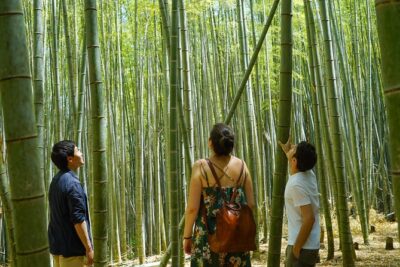
Fushimi Inari Hidden Hiking Tour (Private Option Available)
Read our review →
Kyoto/Osaka: Nara, Fushimi Inari Taisha, Arashiyama Bus Tour
Read our review →
Osaka/Kyoto: Arashiyama, Nara & Fushimi Inari Shrine w/Lunch
Read our review →
Nijo Castle, Kiyomizu & Fushimi Inari Guided Tour
Read our review →
Nijo, Kinkaku-ji, Arashiyama, Kiyomizu & Fushimi Inari
Read our review →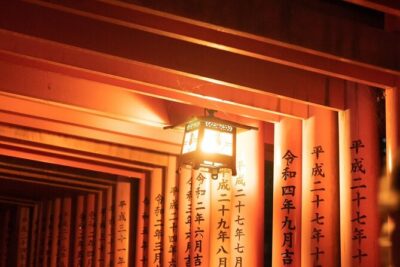
Kyoto Early Bird English Tour: Fushimi-Inari and Arashiyama
Read our review →Browse the lists this tour appears in